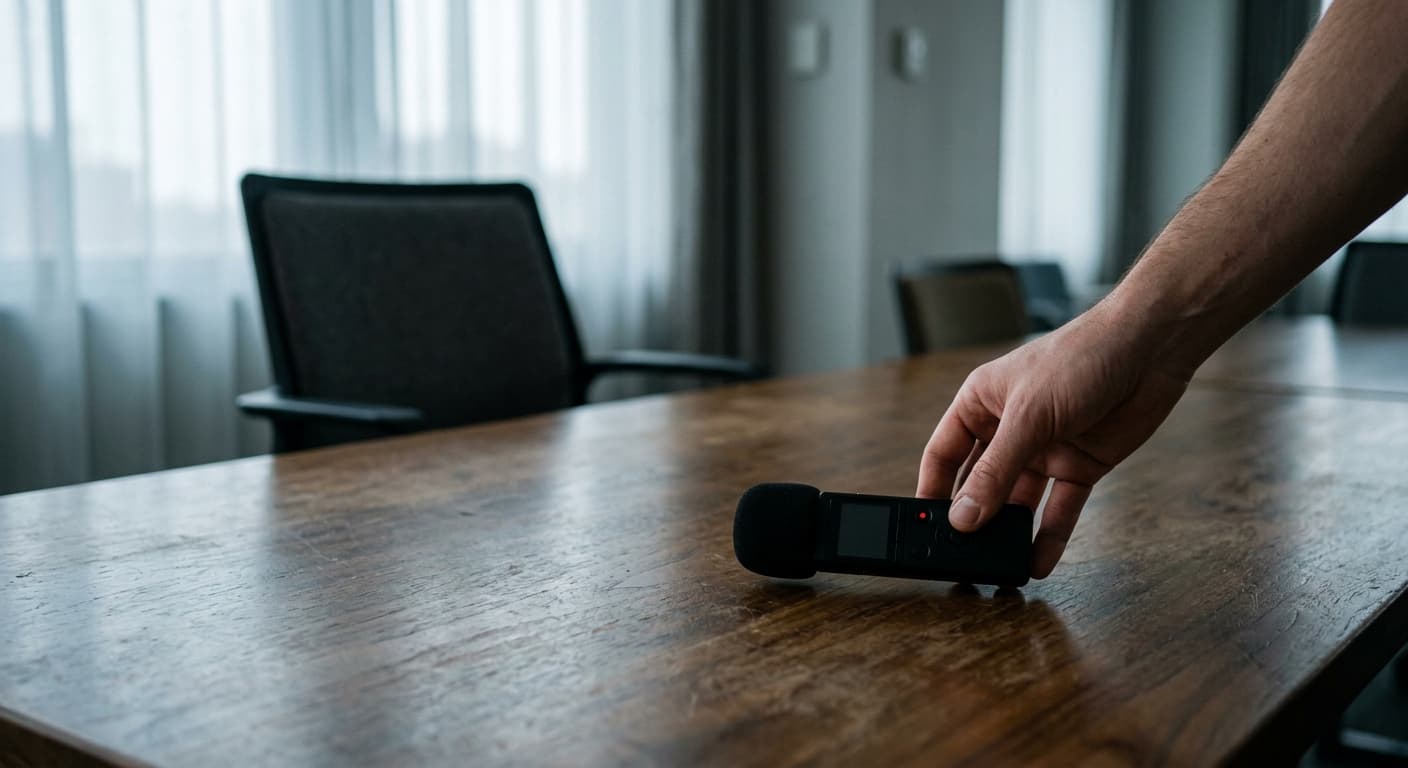
New York Recording Laws (2026): One-Party Consent Rules
New York is a one-party consent state under Penal Law section 250.05. Learn the consent rule, criminal penalties, hidden-camera law, and the Right to Record Act.
10 min read
86 articles · page 2 of 2
New York is a one-party consent state under Penal Law section 250.05. Learn the consent rule, criminal penalties, hidden-camera law, and the Right to Record Act.

How to get a New York Order of Protection in 2026: Family Court, Criminal Court, and Supreme Court tracks, how long orders last, firearm surrender, and violation penalties.
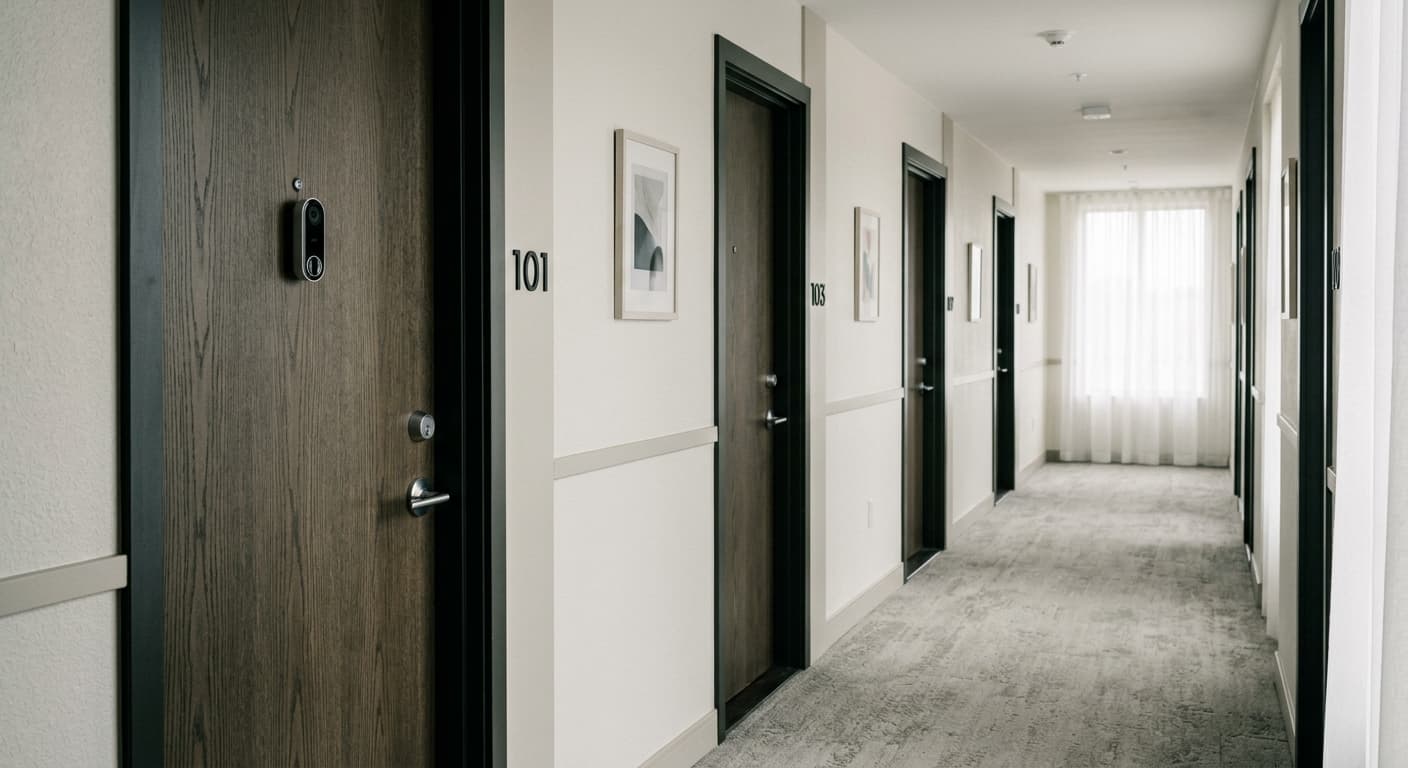
Learn about New York Ring doorbell laws, including one-party consent rules, NYC co-op and condo regulations, tenant rights, and felony penalties for violations.

New York school recording laws balance one-party consent with FERPA and Education Law 2-d. Learn when students, parents, and teachers can record in classrooms, meetings, and on campus.
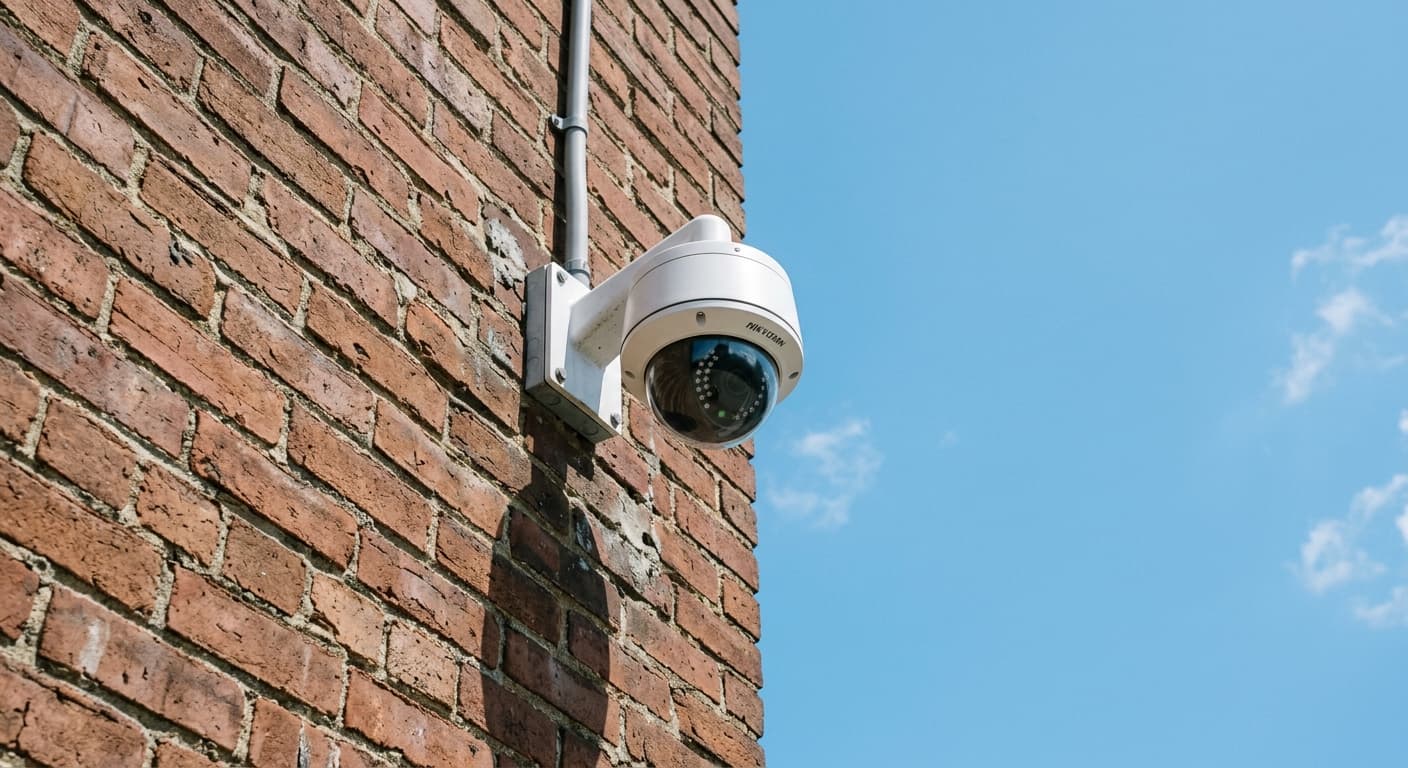
New York security camera laws permit surveillance in public areas but ban cameras in private spaces under Penal Law 250.45. Learn rules for homes, businesses, rentals, and NYC regulations.

New York is a duty-to-retreat state. Under Penal Law § 35.15(2)(a), deadly force is barred when safe retreat is possible. Castle doctrine applies in the dwelling only. No stand your ground, no civil immunity.
Understand New York's sexting laws: criminal penalties for adults and minors, revenge porn laws, and defenses available under New York law.

New York slip and fall law explained: constructive-notice standard, open-and-obvious doctrine, storm-in-progress rule, 90-day NYC notice-of-claim trap, and pure comparative negligence.

NY is one-party consent. Smart glasses audio recording is lawful when you are a participant. Covert recording is a Class E felony under Penal Law § 250.05.

Social Security disability in New York: the SSP state supplement ($87/mo extra in 2026), automatic Medicaid on SSI approval, approval odds, and hearing waits.

New York requires 10 years of continuous, open, and exclusive possession to claim adverse possession under RPAPL § 501. Learn how to remove a squatter in New York and the squatter vs. tenant distinction.
New York statute of limitations for civil and criminal cases. Filing deadlines for personal injury, contracts, fraud, medical malpractice, and felonies under CPLR and CPL.

Learn about New York surveillance camera laws covering home security, workplace monitoring, hidden cameras, nanny cams, and penalties under NY Penal Law.

New York has no trade secret statute. Learn how the Restatement of Torts § 757 six-factor test, CPLR § 214's 3-year limit, and the federal DTSA protect businesses.

New York holds billions in unclaimed funds and now pays some claims automatically. Here's how to search, file a claim, and use the Fast-Track program.
New York video recording laws permit filming in public but criminalize unlawful surveillance under Penal Law 250.45. Learn when video recording is legal, penalties, and privacy rules.

New York voyeurism and hidden camera laws criminalize unlawful surveillance under Penal Law 250.45. Learn about upskirting, revenge imagery, penalties, and proposed voyeurism statutes.
New York's free WebCrims tool only covers some counties, and may not show a case after a missed court date. Learn how to check if you have a warrant in NY.
New York Labor Law Section 740 provides broad whistleblower protections expanded in 2022. Learn about coverage, remedies, the two-year filing deadline, and how to file a claim.

New York requires 70% VLT on all side windows for sedans. Learn the rules, plus or minus 7% tolerance, medical exemption process, and penalties under VTL 375(12-a).
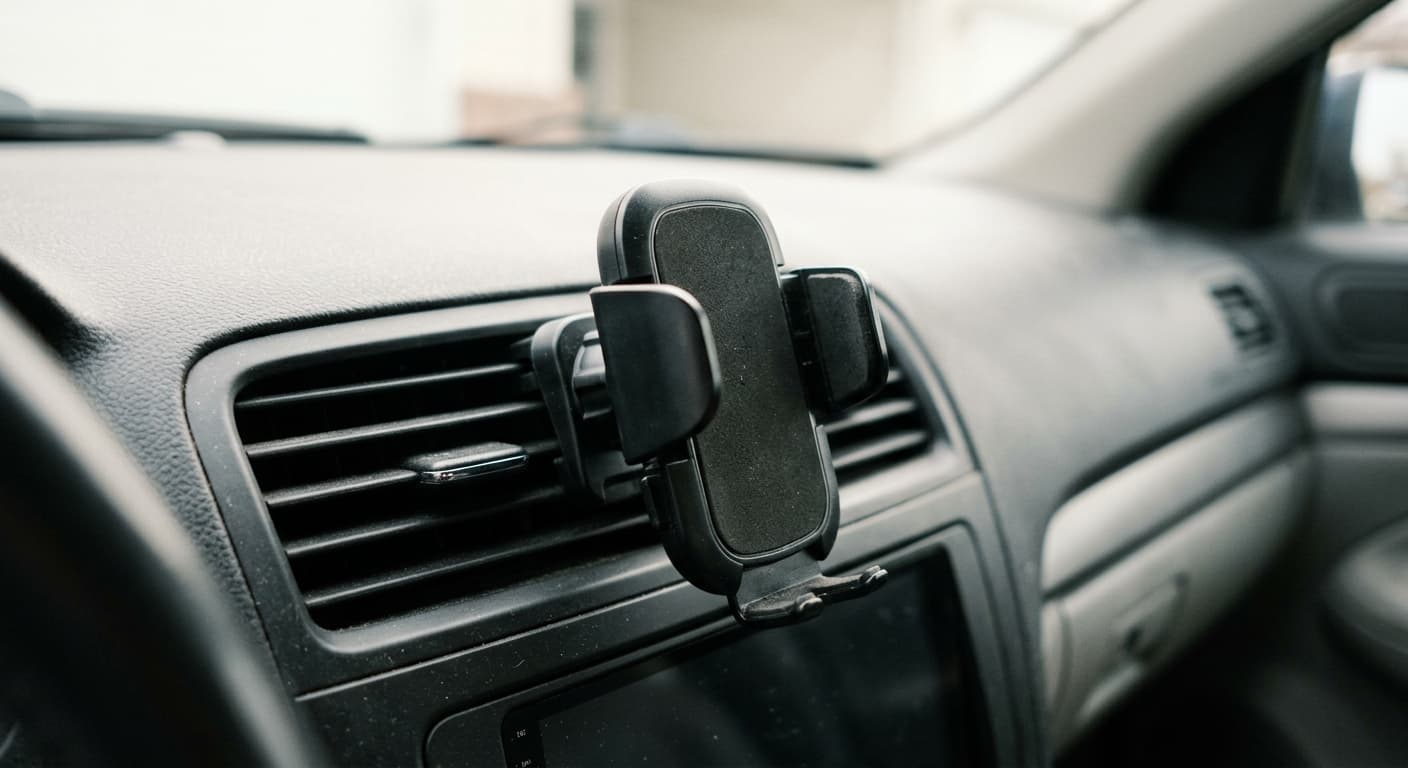
New York windshield mounting laws: restrictions, penalties, and exemptions. Complete guide.

New York workers' comp pays 66 2/3% of your AWW times your degree of disability. Learn deadlines, doctor-choice rules, and your rights under NY Workers' Compensation Law.
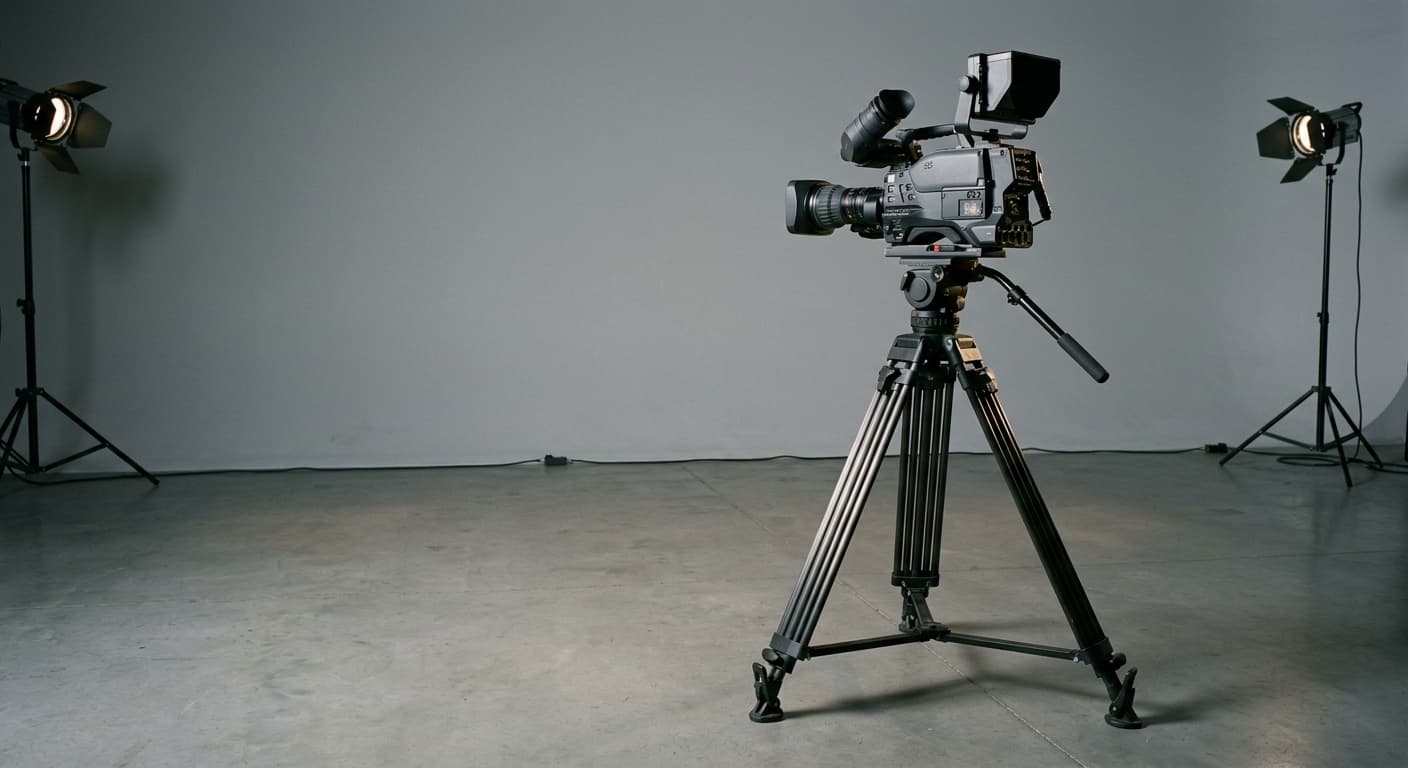
New York workplace recording laws allow employees to record conversations under one-party consent. Learn about CVR 52-c employer monitoring notice, NLRB protections, and whistleblower rules.
New York wrongful death law: the 2-year deadline, who files, the pecuniary-only damages rule under EPTL 5-4.1, the vetoed Grieving Families Act, and caps.
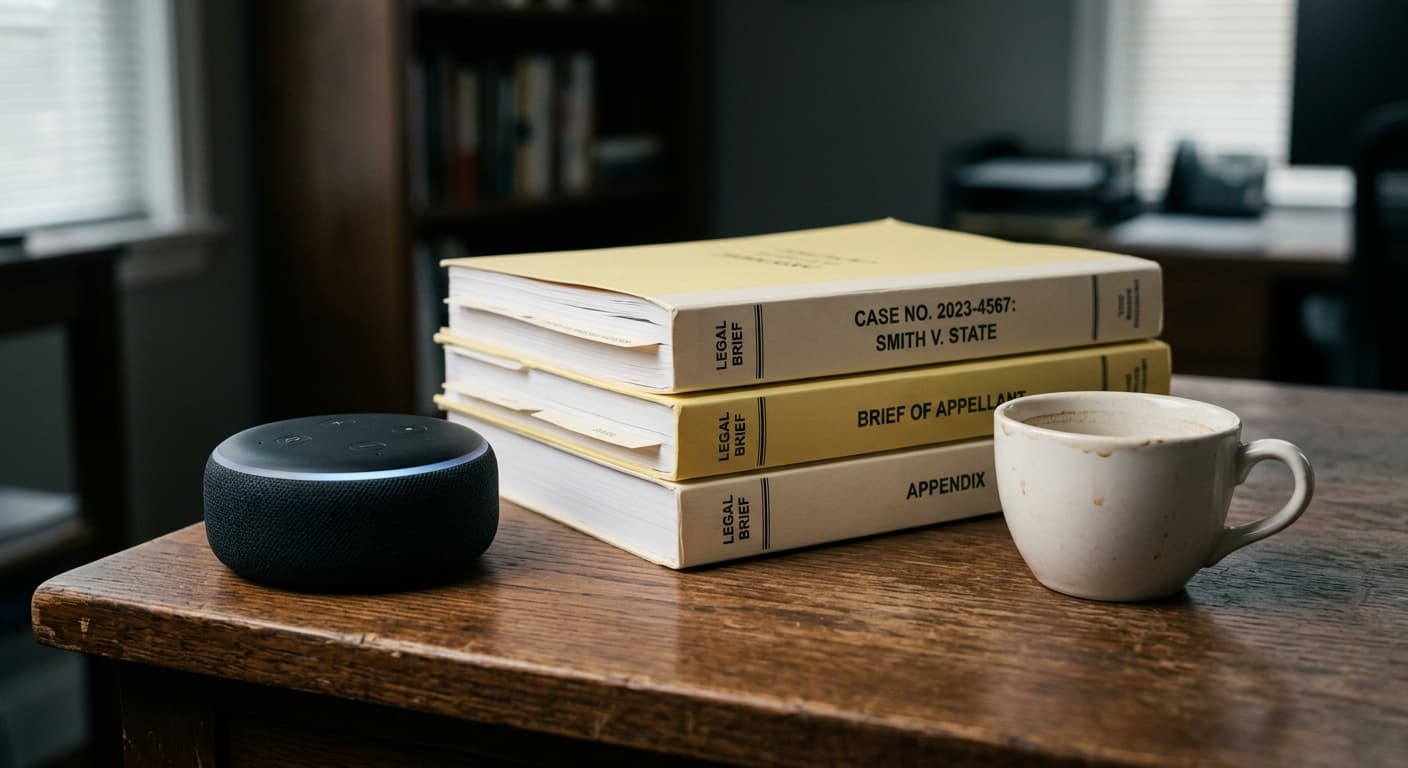
NYC Local Law 144 requires bias audits and candidate notice for AI hiring tools, even remote jobs tied to an NYC office. Requirements, penalties, enforcement.
New York gives 3 years to sue after a truck accident and uses pure comparative negligence. Learn the no-fault serious-injury threshold, liability, and FMCSA.