
Wyoming
Wyoming Workplace Recording Laws: Employee and Employer Rights
Independently fact-checked against primary sources (last audited August 15, 2026). · Reviewed by the RecordingLaw editorial team. · Law checked current as of August 15, 2026. · 6 primary sources cited on this page. How we verify our legal content
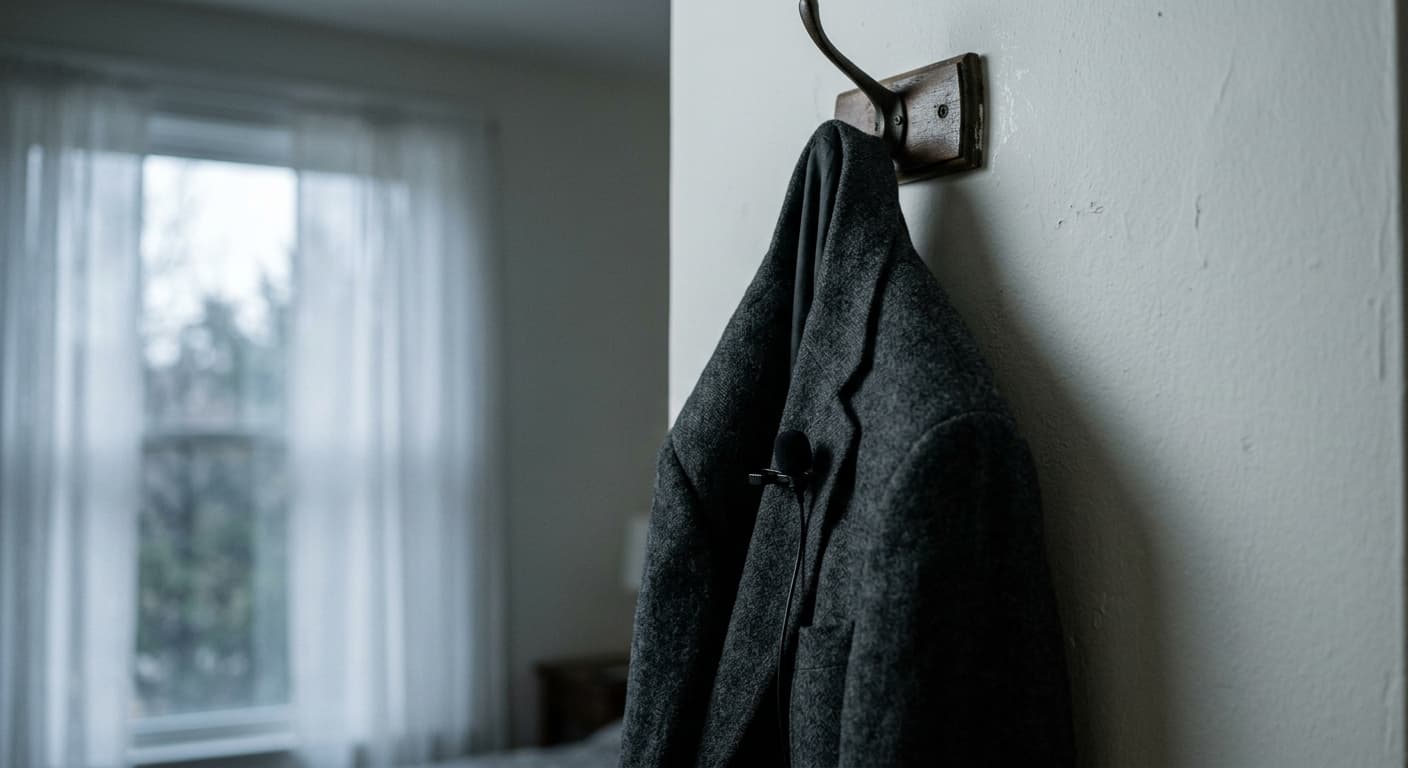
Wyoming follows one-party consent under Wyo. Stat. Ann. Section 7-3-702, so employees may record any workplace conversation they participate in without notifying coworkers or managers. Employers cannot make that recording a crime, but they may enforce no-recording policies and terminate employees who violate them.
Wyoming's workplace recording laws combine the state's one-party consent wiretapping statute, federal labor protections, and employer policy rights. Under Wyo. Stat. Ann. Section 7-3-702, any participant in a conversation can record it without notifying others. This right extends to the workplace, giving employees and employers significant latitude to record conversations they participate in.
This guide covers every aspect of workplace recording in Wyoming, including employee rights, employer surveillance powers, company policies, federal labor protections, recording as evidence in employment disputes, and penalties for illegal workplace recording.
Employee Recording Rights in the Workplace
The One-Party Consent Foundation
Under Wyo. Stat. Ann. Section 7-3-702, any person who is a party to a conversation can record it without the knowledge or consent of other participants. In the workplace, employees can record:
- Conversations with supervisors and managers
- Meetings with human resources representatives
- Performance reviews and disciplinary discussions
- Phone calls with coworkers, clients, or vendors
- Group meetings they attend
- Conversations about working conditions, pay, or safety
Common Reasons Employees Record at Work
- Documenting harassment or discrimination. Recording interactions that demonstrate a hostile work environment, sexual harassment, or discrimination.
- Preserving evidence of retaliation. Capturing conversations suggesting an employer is retaliating for protected activity.
- Recording performance reviews. Keeping an accurate record of evaluations.
- Protecting against wrongful termination. Recording meetings where termination may occur.
- Preserving verbal instructions. Keeping a record of complex or ambiguous directions.
Limitations on Employee Recording
- Criminal or tortious purpose exception. Recording for blackmail, extortion, or harassment is illegal.
- You must be a participant. You cannot place a hidden recorder and leave, or install software on a coworker's computer.
- Employer policies. Company rules may prohibit recording. Violating company policy is not criminal but can have employment consequences.
- Trade secrets. Recording discussions involving trade secrets could expose you to liability under trade secret laws.
Employer Surveillance and Recording Rights

Video Surveillance in the Workplace
Wyoming employers can install video surveillance cameras in common work areas:
| Location | Video Surveillance Permitted? |
|---|---|
| Sales floors and retail areas | Yes |
| Warehouses and production floors | Yes |
| Lobbies and reception areas | Yes |
| Parking lots and building exteriors | Yes |
| Hallways and corridors | Yes |
| Shared office spaces | Yes (with notice recommended) |
| Bathrooms and restrooms | No |
| Locker rooms and changing areas | No |
| Break rooms with closed doors | Context-dependent |
| Private offices (single occupant) | Context-dependent |
Video surveillance in bathrooms, locker rooms, and changing areas can violate Wyo. Stat. Ann. Section 6-4-304, the voyeurism statute, exposing employers to criminal prosecution.
Audio Recording and Monitoring by Employers
Employer audio recording must comply with Section 7-3-702:
- With a participant. If a manager is participating in a conversation, the employer can record through that participant's consent.
- Without a participant. Installing audio recording devices to capture conversations no management representative participates in violates the wiretapping statute.
- Phone monitoring. Employers can monitor business calls for quality assurance when done through a participant or with employee notice.
Computer and Electronic Monitoring
Employers may monitor employee use of company-owned computers, email systems, and electronic resources when employees are informed about monitoring, the monitoring covers company-owned devices, and it serves legitimate business purposes. The Electronic Communications Privacy Act (ECPA) provides the federal framework for electronic monitoring.
Company Recording Policies

Can Employers Ban Recording?
Wyoming employers can implement policies prohibiting recording in the workplace. While such policies cannot make the recording a criminal act, they can establish recording restrictions as a condition of employment and impose disciplinary consequences including termination.
At-Will Employment and Recording Policies
Wyoming is an at-will employment state, meaning employers can generally terminate employees for any lawful reason. An employee who violates a no-recording policy can be fired for that violation. However, important exceptions may protect certain employees:
- Public policy exception. An employee fired for recording evidence of illegal activity may have a wrongful termination claim.
- Retaliation protections. Firing an employee for recording harassment or safety violations may constitute illegal retaliation.
- Whistleblower protections. Wyoming's government employee whistleblower protections may apply in public sector contexts.
NLRA Protections for Workplace Recording
The National Labor Relations Act (NLRA) protects employees' rights to engage in "concerted activity" for mutual aid and protection. The NLRB governs the scope of employer no-recording policies under the Board's Stericycle standard.
The current legal framework:
- The Board's 2023 decision in Stericycle, Inc., 372 NLRB No. 113, sets the controlling test: an employer work rule (including a no-recording policy) is presumptively unlawful if a reasonable employee interpreting the rule would reasonably read it to restrict Section 7 activity. The employer can rebut the presumption by showing the rule advances a legitimate and substantial business interest narrowly tailored to that interest.
- Blanket no-recording policies that sweep in protected concerted activity (such as documenting wage, hour, safety, or harassment concerns) are vulnerable under Stericycle.
- Narrowly tailored policies serving legitimate interests (such as protecting trade secrets, patient privacy under HIPAA, or specific confidentiality obligations) remain enforceable when properly drafted.
A note on NLRB General Counsel memoranda: GC 25-05, issued February 14, 2025, rescinded a series of substantive, employee-protective General Counsel memos, including guidance on remedies for unlawful non-compete and stay-or-pay provisions, Section 10(j) injunctive relief following Starbucks Corp. v. McKinney, and enforcement priorities under Cemex Construction Materials Pacific, LLC. A General Counsel memo sets enforcement priorities; it cannot overturn Board precedent, so Stericycle remains the controlling Board decision governing no-recording policies. Separately, GC 25-07, issued June 26, 2025, takes the position that surreptitiously recording union collective-bargaining sessions is a per se violation of the NLRA.
Recording Specific Workplace Situations

Recording a Boss Who Is Harassing You
Recording a supervisor who is engaging in harassment is legal under one-party consent. You can record verbal abuse, sexually inappropriate remarks, racially motivated comments, retaliatory threats, and any conversation where harassment occurs. These recordings can support claims filed with the EEOC.
Recording HR Meetings
You can record meetings with HR representatives without their knowledge. This is advisable when filing or discussing a complaint, facing disciplinary action, negotiating a separation agreement, or wanting an accurate record of HR commitments.
Recording Disciplinary Meetings and Terminations
Employees facing discipline or termination can record these conversations to document stated reasons, whether procedures were followed, discriminatory statements, and what was actually communicated.
Wearable Recording Devices at Work
Wearable devices such as AI voice recorders, smart glasses, and smartwatches are legal under one-party consent. Employer wearable recording device policies may restrict their use. Some workplaces may have security-based restrictions on electronic devices.
Wyoming's Energy and Outdoor Industries
Recording in Oil and Gas Workplaces
Wyoming's energy industry presents unique workplace recording considerations. Employees in oil fields, refineries, and mining operations may record conversations about safety concerns, working conditions, and management interactions. OSHA protections against retaliation for reporting safety violations may provide additional protection for employees who record evidence of unsafe conditions.
Recording in Agriculture and Ranching
Agricultural workers in Wyoming can record workplace conversations under the same one-party consent rules. Recording may be particularly relevant for documenting working conditions, wage disputes, and safety concerns. Note that certain agricultural operations may have restrictions on electronic devices near combustible materials or sensitive equipment.
Workplace Recording as Evidence
Employment Discrimination Cases
Recordings are frequently used in employment discrimination cases. Wyoming courts and the EEOC accept legally obtained recordings demonstrating discriminatory comments, harassment patterns, retaliatory actions, disparate treatment, and hostile work environment conditions.
Workers' Compensation Cases
Workplace recordings may be relevant in workers' compensation proceedings for documenting workplace injuries, employer knowledge of unsafe conditions, and statements about injuries.
Wrongful Termination Cases
Recordings can provide evidence of the real reason for termination, pretext for discrimination, promises about job security, and violation of termination procedures.
Admissibility Standards
For workplace recordings to be admissible in Wyoming courts, they must be legally obtained, authentic and verifiable, relevant to the issues in the case, and not unduly prejudicial compared to their probative value.
Penalties for Illegal Workplace Recording
Criminal Penalties
| Offense | Classification | Maximum Penalty |
|---|---|---|
| Illegal interception of workplace communications | Felony | Up to 5 years imprisonment, up to $1,000 fine, or both |
| Disclosing illegally recorded workplace conversations | Felony | Up to 5 years imprisonment, up to $1,000 fine, or both |
Civil Liability
Under Wyo. Stat. Ann. Section 7-3-710, victims of illegal workplace recording can sue for actual damages, but not less than $1,000 per day of violation, plus punitive damages and reasonable attorney's fees.
Employment Consequences
Even when recording is legal, violating a company no-recording policy can result in written warnings, suspension, termination, loss of severance benefits, and damage to professional references.
Best Practices
For Employees
- Understand your rights under Section 7-3-702 before recording
- Review your employer's recording policy
- Record full conversations from beginning to end
- Store recordings securely and share only with your attorney
- Document the date, time, location, and participants
- Consult an employment attorney before using recordings in legal proceedings
For Employers
- Develop a clear, written recording policy for the employee handbook
- Ensure the policy is narrowly tailored to avoid NLRA conflicts
- Post visible notices of video surveillance
- Never install audio recording devices without participant consent
- Never place cameras in bathrooms or locker rooms
- Consult legal counsel before implementing monitoring programs
More Wyoming Recording Laws
Audio Recording | Video Recording | Voyeurism and Hidden Cameras | Workplace Recording | Recording Police | Phone Call Recording | Security Cameras | Recording in Public | Landlord-Tenant Recording | Dashcam Laws | School Recording | Medical Recording
Back to Wyoming Recording Laws
More Wyoming Recording Topics
More Wyoming Laws
Frequently Asked Questions
Can I record my boss in Wyoming without telling them?
Yes. Under Wyo. Stat. Ann. Section 7-3-702, you can record any workplace conversation you participate in without informing your boss or other participants. However, your employer may have a policy against recording, and violating that policy could result in disciplinary action or termination.
Can my employer record me at work in Wyoming?
Your employer can use video surveillance in common work areas like sales floors, warehouses, and lobbies. Audio recording requires one-party consent, meaning a management participant must be part of the conversation. Employers cannot record in bathrooms, locker rooms, or changing areas.
Can I be fired for recording at work in Wyoming?
Yes, if your employer has a no-recording policy. Wyoming is an at-will employment state, and violating a company policy can be grounds for termination. However, if you recorded evidence of illegal activity, harassment, or safety violations, firing you may constitute unlawful retaliation.
Does the NLRA protect employees who record at work?
The NLRA protects employees who engage in concerted activity for mutual aid and protection. Recording workplace conditions, safety hazards, or evidence of unfair labor practices may be protected. Blanket employer no-recording policies that chill protected activity may be unlawful.
Can workplace recordings be used as evidence in Wyoming court?
Yes. Recordings made legally under one-party consent are generally admissible in Wyoming courts. They are commonly used in employment discrimination, wrongful termination, harassment, and workers' compensation cases.
Updates
Corrected the description of NLRB General Counsel memo GC 25-05 (it substantively rescinded prior employee-protective guidance, not a housekeeping action) and added GC 25-07's actual holding on recording bargaining sessions, clarified that Wyoming's civil damages statute sets a $1,000/day minimum on top of actual damages rather than an either/or choice, and repointed a mismatched internal link to a workplace monitoring resource.
Independently fact-checked against the cited primary sources; governing law re-checked for recent changes
Governing law re-checked for recent changes
Governing law re-checked for recent changes
Reviewed and approved by an editor
The Law Behind This Article
This article rests on the statutory provisions below, held in our own legal record and retrieved from the official source. Tap a section to read the operative text.
Wyoming Statutes, Title 7 - Criminal Procedure - Chapter 3: Fugitives and Prevention of Crime - Article 7: Communication Interception
§ 7-3-702Prohibition against interception or disclosure of wire, oral or electronic communications; exceptions; penalties.In forcecited in 18 of our articles
(a) Except as provided in subsection (b) of this section, no person shall intentionally: (i) Intercept, attempt to intercept, or procure any other person to intercept or attempt to intercept any wire, oral or electronic communication; (ii) Use, attempt to use, or procure any other person to use or attempt to use any electronic, mechanical or other device to intercept any oral communication when: (A) Such device is affixed to, or otherwise transmits a signal through, a wire, cable or other like connection used in wire communication; or (B) Such device transmits communications by radio or interferes with the transmission of such communication.
Official text (excerpt) · last checked 2026-08-31 · Read the full text in our law library · Verify at wyoleg.gov
Cited in 1 court opinions in our collectionLatest citing opinion in our collection: 2015
Opinions citing this section in our collection:
- Serna v. Bureau of Land Management Worland Field Office (Court of Appeals for the Tenth Circuit 2015, 614 F. App'x 384)“…nic communications except under certain circumstances. See Wyo. Stat. Ann. § 7-3-702(a). As relevant here, the statute cont…”
Identified automatically from the court opinions citing this section — not a ranking of which case controls.
Also relied on in: Wyoming Security Camera Laws: Rules for Homes and Businesses, Wyoming Video Recording Laws: Privacy Rules and Consent, Wyoming Voyeurism Laws: Hidden Cameras and Privacy Violations
§ 7-3-710Recovery of civil damages for violations; good faith defense.In forcecited in 9 of our articles
(a) Subject to W.S. 7-3-702(b)(ii), any person whose wire, oral or electronic communication is intercepted, disclosed or used in violation of this act may recover damages against any person who intercepts, discloses, uses or procures any other person to intercept, disclose or use the communications as follows: (i) Actual damages but not less than one thousand dollars ($1,000.00) a day for each day of violation; (ii) Punitive damages; and (iii) Reasonable attorney's fees and other litigation costs reasonably incurred. (b) A good faith reliance on a court order constitutes a complete defense to any civil or criminal action brought under this act.
Official text (excerpt) · last checked 2026-07-30 · Read the full text in our law library · Verify at wyoleg.gov
Also relied on in: Wyoming Audio Recording Laws: One-Party Consent Guide, Wyoming Phone Call Recording Laws: Rules and Consent Guide, Wyoming AI Meeting Recording Laws (2026)
Wyoming Statutes, Title 6 - Crimes and Offenses - Chapter 4: Offenses Against Morals, Decency and Family - Article 3: Obscenity
§ 6-4-304Voyeurism; penalties.In forcecited in 11 of our articles
(a) Except as otherwise provided in this section, a person is guilty of a misdemeanor punishable by imprisonment for not more than six (6) months, a fine of not more than seven hundred fifty dollars ($750.00), or both, if he, without the consent of the person being viewed, commits the crime of voyeurism by looking or viewing in a clandestine, surreptitious, prying or secretive nature into or within an area where the person being viewed has a reasonable expectation of privacy, including, but not limited to: (i) Restrooms; (ii) Baths; (iii) Showers; (iv) Dressing or fitting rooms; (v) Bedrooms; or (vi) Under the clothing being worn by another person, regardless of whether the person is in a place where the person has a reasonable expectation of privacy.
Official text (excerpt) · last checked 2026-08-31 · Read the full text in our law library · Verify at wyoleg.gov
Cited in 5 court opinions in our collectionLatest citing opinion in our collection: 2026
In the courts (editorial summary, independently checked):In Kobielusz (2024) the Wyoming Supreme Court held the looking element of felony voyeurism under 6-4-304(b)(i) is satisfied by knowingly or intentionally capturing an image, so the State need not prove the defendant viewed the recording. Rabuck (2006) said the statute did not narrow the indecent liberties statute.
Opinions citing this section in our collection:
- Shaun Thomas Kobielusz v. The State of Wyoming (Wyoming Supreme Court 2024, 541 P.3d 1101)✓Kobielusz hid spy cameras disguised as digital clocks in the bathrooms of the home he shared with his wife and daughters; the court held felony voyeurism under subsection (b)(i) requires only knowingly capturing an image, not proof that he later looked at the videos.
- State, Office of the Attorney General, Division of Criminal Investigation v. Thomason (Wyoming Supreme Court 2008, 197 P.3d 144)“…6-2-315(a)iv), 6-2-3l16(a)Gii) and (iv), 6-4-303(b)(iv) or W.S. 6-4-304(b) if the victim was a minor, or an ait…”
- Howard v. Aspen Way Enterprises, Inc. (Wyoming Supreme Court 2017, 406 P.3d 1271)“…tute a clearly unwarranted invasion of personal privacy”); Wyo. Stat. Ann. § 6-4-304 (a)' (LexisNexis 2017) (criminalizing t…”
Identified automatically from the court opinions citing this section — not a ranking of which case controls.
Also relied on in: Wyoming Surveillance Camera Laws (2026 Guide), Wyoming Smart Glasses Recording Laws 2025, Wyoming Landlord-Tenant Recording Laws: Rights and Rules
Search our full record of US law — 2.1 million sections, every state + federal →
Sources and References
- Wyo. Stat. Ann. Section 7-3-702 - Interception of Communications(law.justia.com)
- Wyo. Stat. Ann. Section 6-4-304 - Voyeurism(wyoleg.gov).gov
- Wyo. Stat. Ann. Section 7-3-710 - Civil Liability(law.justia.com)
- NLRA - National Labor Relations Act(nlrb.gov).gov
- Stericycle, Inc., 372 NLRB No. 113 (2023)(nlrb.gov).gov
- NLRB General Counsel Memoranda (GC 25-05 rescinded prior employee-protective guidance; GC 25-07 addresses recording bargaining sessions)(nlrb.gov).gov
- OSHA - Occupational Safety and Health Administration(osha.gov).gov
- EEOC - Filing a Charge of Discrimination(eeoc.gov).gov