
Wyoming
Wyoming Video Recording Laws: Privacy Rules and Consent
Independently fact-checked against primary sources (last audited August 15, 2026). · Reviewed by the RecordingLaw editorial team. · Law checked current as of August 15, 2026. · 6 primary sources cited on this page. How we verify our legal content
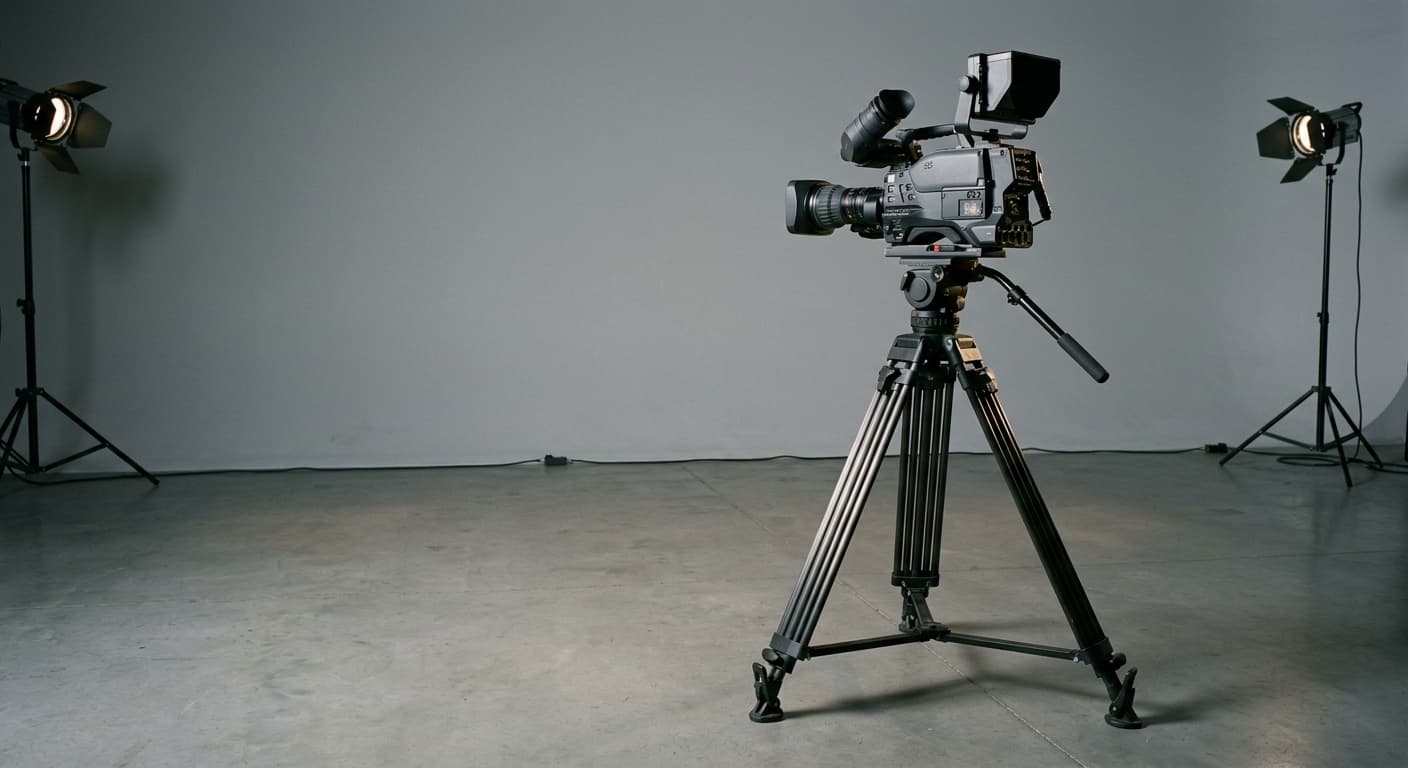
Wyoming permits silent video recording in public spaces because the wiretapping statute (Wyo. Stat. Ann. Section 7-3-702) targets audio interception, not video. When video captures audio of a private conversation, one-party consent applies. Recording in private areas without consent violates the voyeurism statute, Wyo. Stat. Ann. Section 6-4-304.
Wyoming's video recording laws involve a combination of the state's wiretapping statute, criminal privacy laws, and constitutional principles. Pure video recording without audio does not fall under the wiretapping statute at all, since Wyo. Stat. Ann. Section 7-3-702 specifically addresses the interception of communications. However, video recording with audio triggers the one-party consent requirement, and recording in private settings can violate Wyoming's voyeurism statute.
This guide covers every aspect of video recording law in Wyoming, including public vs. private recording, the role of audio in video, criminal privacy protections, recording on private property, drone and surveillance footage, and how video evidence is treated in court.
Video Recording in Public Spaces
The General Rule
Wyoming does not have a statute that broadly prohibits video recording in public spaces. You can generally record video in any location where you have a legal right to be and where there is no reasonable expectation of privacy:
- Public streets, sidewalks, and roadways
- Parks, plazas, and outdoor public areas
- Government buildings open to the public
- Retail stores and shopping areas (from public vantage points)
- Public transportation
- Public events, rallies, and demonstrations
- National parks and public lands (Wyoming has extensive federal public lands)
Video Recording vs. Audio Recording in Public
| Recording Type | Legal Framework | Consent Required? |
|---|---|---|
| Video only (no audio) in public | No specific statute; generally permitted | No |
| Video with audio in public where no privacy expectation | Wiretapping statute applies to audio, but no privacy expectation means no protected "oral communication" | Generally no |
| Video with audio of a private conversation in public | Wiretapping statute applies to the audio component | Yes (one-party consent for audio) |
When your video camera captures audio of a private conversation, the audio portion is governed by Wyo. Stat. Ann. Section 7-3-702. If you are a participant in that conversation, you have one-party consent.
Recording Public Meetings and Government Proceedings
Wyoming's Public Meetings Act (Wyo. Stat. Ann. Section 16-4-401 et seq.) requires most government meetings to be open to the public. Recording at public meetings is generally permitted. You can record:
- County commission meetings
- City and town council meetings
- School board meetings
- State legislative sessions
- Public hearings and comment periods
Video Recording on Private Property
Property Owner Rights
Private property owners in Wyoming have broad authority to control video recording on their premises. A property owner can prohibit all video recording, allow recording in some areas but not others, require consent or permits before recording, and ask people who violate recording policies to leave.
Tenant Rights
Tenants generally can install video cameras inside their own rental unit, record video in areas they exclusively control, and use a doorbell camera at the entrance to their unit. However, tenants should review lease agreements for restrictions on security cameras or exterior modifications.
Recording in Business Establishments
Businesses open to the public can record video of their customers and visitors in common areas. Security cameras are widespread in retail, banking, and commercial settings. However, businesses cannot record video in areas where customers have a reasonable expectation of privacy, such as restrooms, fitting rooms, or private consultation areas.
Voyeurism Laws (Wyo. Stat. Ann. Section 6-4-304)
What the Statute Prohibits
Wyoming's voyeurism statute, Wyo. Stat. Ann. Section 6-4-304, addresses visual privacy violations. The statute makes it illegal to:
- Look or view in a clandestine manner into an area where someone has a reasonable expectation of privacy (peeping)
- Capture images during voyeuristic activity without the knowledge or consent of the person being viewed
Penalties: Wyoming's Three-Tier Structure
| Offense | Classification | Penalty |
|---|---|---|
| Eye-only looking (no device) | Misdemeanor | Up to 6 months in jail, up to $750 fine |
| Using a camera, recording device, or livestreaming under Section 6-4-304(b)(i) | Felony | Up to 5 years in prison, up to $5,000 fine |
| Adult offender, minor victim | Felony | Up to 10 years in prison, up to $5,000 fine |
In Kobielusz v. State, 2024 WY 10 (No. S-23-0020, Jan. 24, 2024), the Wyoming Supreme Court confirmed that using a camera to capture images satisfies the statute's "looking" element. Hidden-camera offenders cannot avoid the felony tier by arguing the device, not their eye, did the viewing.
Reasonable Expectation of Privacy
The voyeurism statute protects individuals in locations where they have a reasonable expectation of privacy:
- Bathrooms and restrooms
- Locker rooms and changing areas
- Bedrooms and private living areas
- Hotel rooms
- Medical examination rooms
- Tanning beds and enclosed private spaces
- Any area where a person would reasonably expect not to be observed
Nonconsensual Intimate Images
Current Protections
Wyoming addresses the nonconsensual distribution of intimate images through general criminal statutes plus a new dedicated regime in effect since July 1, 2026. Distribution can be prosecuted under:
- Voyeurism statutes (Wyo. Stat. Ann. Section 6-4-304) if obtained voyeuristically
- Harassment statutes if part of a pattern of harassment
- Stalking statutes if part of ongoing threatening conduct
- Child pornography statutes if victims are minors
- New Wyo. Stat. Ann. Section 6-4-307 (synthetic NCII), created by House Bill 0102 / Enrolled Act 32 (2026 Budget Session), signed by Governor Gordon and effective July 1, 2026. Creating or distributing AI-generated intimate images of an identifiable person without consent is a felony, with first-offense penalties of up to 10 years in prison and a $10,000 fine.
- New Wyo. Stat. Ann. Section 6-4-308 parallel felony for AI-generated child sexual abuse material.
- The federal TAKE IT DOWN Act (Pub. L. 119-12), signed May 19, 2025, with platform takedown obligations effective May 19, 2026.
Civil Remedies
Victims of nonconsensual intimate image distribution in Wyoming may pursue civil remedies including invasion of privacy claims, intentional infliction of emotional distress, and injunctive relief to remove images.
Drone Video Recording in Wyoming
FAA Regulations
Wyoming does not have comprehensive state-level drone regulations, but drone operators must comply with Federal Aviation Administration (FAA) rules:
- Registration for drones weighing more than 0.55 pounds
- Remote pilot certification for commercial operations
- Compliance with airspace restrictions and altitude limits
- Visual line-of-sight operation requirements
- Additional restrictions near airports and military installations
Privacy Implications
While Wyoming lacks drone-specific privacy laws, existing privacy statutes apply:
- Using a drone to capture video of someone in a private location could violate the voyeurism statute
- Drone-captured audio of private conversations could violate the wiretapping statute
- Persistent drone surveillance could support stalking or harassment charges
Wyoming-Specific Drone Considerations
Wyoming's vast open spaces and public lands create unique drone opportunities. Drone video recording over public land, including Bureau of Land Management (BLM) and U.S. Forest Service lands, is generally permitted subject to FAA regulations and any area-specific restrictions. National Park Service properties (Yellowstone and Grand Teton) have specific drone policies that typically prohibit drone use.
Video Surveillance Systems
Home Security Cameras
Wyoming residents can install home security cameras on their own property. Best practices include pointing cameras at your own property, avoiding cameras that extensively capture a neighbor's private areas, and ensuring audio features comply with consent rules.
Doorbell Cameras
Doorbell cameras are legal in Wyoming. Because they record a public-facing area of your property, recordings are generally lawful. Audio recording features should be considered in light of the wiretapping statute.
Workplace Video Surveillance
Employers in Wyoming can use video surveillance in common work areas. Appropriate locations include sales floors, warehouses, lobbies, parking lots, and building exteriors. Employers cannot install cameras in bathrooms, locker rooms, or changing areas.
Video Evidence in Wyoming Courts
Admissibility Standards
Video recordings are generally admissible as evidence in Wyoming courts if they meet standard evidentiary requirements:
- Authentication: The proponent must demonstrate the video is what it claims to be
- Accuracy: The video must fairly and accurately depict the scene or events
- Relevance: The video must relate to a disputed issue
- Integrity: The video must not have been altered or tampered with
Common Uses of Video Evidence
Video evidence is commonly used in Wyoming courts for criminal prosecutions, personal injury cases, workers' compensation claims, domestic relations cases, insurance fraud investigations, and property disputes.
Authenticity Challenges
Opposing parties may challenge video evidence on grounds that the video has been edited, the quality is too poor for identification, the timestamp or metadata has been altered, the chain of custody is incomplete, or the prejudicial impact outweighs probative value.
Consent Forms for Video Recording
If you are recording someone's likeness for commercial, educational, or publication purposes, obtain written consent through a photo or video consent form. Consent forms should address the scope and purpose of the recording, how footage will be used, the duration of consent, revocation rights, compensation, and rights to the material.
More Wyoming Recording Laws
Audio Recording | Video Recording | Voyeurism and Hidden Cameras | Workplace Recording | Recording Police | Phone Call Recording | Security Cameras | Recording in Public | Landlord-Tenant Recording | Dashcam Laws | School Recording | Medical Recording
Back to Wyoming Recording Laws
More Wyoming Recording Topics
More Wyoming Laws
Frequently Asked Questions
Is it legal to video record someone in public in Wyoming?
Yes. Wyoming has no general prohibition on video recording in public spaces. You can record video on public streets, in parks, at public events, and in other public areas. If your video captures audio of private conversations, the one-party consent rule under Wyo. Stat. Ann. Section 7-3-702 applies to the audio.
What is voyeurism under Wyoming law?
Under Wyo. Stat. Ann. Section 6-4-304, voyeurism is looking in a clandestine manner into an area where someone has a reasonable expectation of privacy. Simple peeping is a misdemeanor (up to 6 months jail). Capturing images during voyeurism is a felony (up to 5 years prison, $5,000 fine).
Can I install security cameras on my property in Wyoming?
Yes. You can install security cameras on your own property. Point cameras at your own property and entrances. If cameras record audio, ensure compliance with one-party consent rules or post notice. Avoid capturing excessive footage of neighbors' private areas.
Can I fly a drone and record video in Wyoming?
Yes, subject to FAA regulations. Register your drone, follow airspace rules, and comply with altitude restrictions. You cannot use a drone to record someone in a private setting, as this could violate the voyeurism statute. National parks have separate drone restrictions.
Can video recordings be used as evidence in Wyoming court?
Yes. Video recordings are admissible in Wyoming courts if authenticated, accurate, relevant, and unaltered. Both security camera footage and personal video recordings are commonly admitted in criminal and civil cases.
Updates
Independently fact-checked against the cited primary sources; governing law re-checked for recent changes
Governing law re-checked for recent changes
Governing law re-checked for recent changes
Reviewed and approved by an editor
The Law Behind This Article
This article rests on the statutory provisions below, held in our own legal record and retrieved from the official source. Tap a section to read the operative text.
Wyoming Statutes, Title 6 - Crimes and Offenses - Chapter 4: Offenses Against Morals, Decency and Family - Article 3: Obscenity
§ 6-4-304Voyeurism; penalties.In forcecited in 11 of our articles
(a) Except as otherwise provided in this section, a person is guilty of a misdemeanor punishable by imprisonment for not more than six (6) months, a fine of not more than seven hundred fifty dollars ($750.00), or both, if he, without the consent of the person being viewed, commits the crime of voyeurism by looking or viewing in a clandestine, surreptitious, prying or secretive nature into or within an area where the person being viewed has a reasonable expectation of privacy, including, but not limited to: (i) Restrooms; (ii) Baths; (iii) Showers; (iv) Dressing or fitting rooms; (v) Bedrooms; or (vi) Under the clothing being worn by another person, regardless of whether the person is in a place where the person has a reasonable expectation of privacy.
Official text (excerpt) · last checked 2026-08-31 · Read the full text in our law library · Verify at wyoleg.gov
Cited in 5 court opinions in our collectionLatest citing opinion in our collection: 2026
In the courts (editorial summary, independently checked):In Kobielusz (2024) the Wyoming Supreme Court held the looking element of felony voyeurism under 6-4-304(b)(i) is satisfied by knowingly or intentionally capturing an image, so the State need not prove the defendant viewed the recording. Rabuck (2006) said the statute did not narrow the indecent liberties statute.
Opinions citing this section in our collection:
- Shaun Thomas Kobielusz v. The State of Wyoming (Wyoming Supreme Court 2024, 541 P.3d 1101)✓Kobielusz hid spy cameras disguised as digital clocks in the bathrooms of the home he shared with his wife and daughters; the court held felony voyeurism under subsection (b)(i) requires only knowingly capturing an image, not proof that he later looked at the videos.
- State, Office of the Attorney General, Division of Criminal Investigation v. Thomason (Wyoming Supreme Court 2008, 197 P.3d 144)“…6-2-315(a)iv), 6-2-3l16(a)Gii) and (iv), 6-4-303(b)(iv) or W.S. 6-4-304(b) if the victim was a minor, or an ait…”
- Howard v. Aspen Way Enterprises, Inc. (Wyoming Supreme Court 2017, 406 P.3d 1271)“…tute a clearly unwarranted invasion of personal privacy”); Wyo. Stat. Ann. § 6-4-304 (a)' (LexisNexis 2017) (criminalizing t…”
Identified automatically from the court opinions citing this section — not a ranking of which case controls.
Also relied on in: Wyoming Surveillance Camera Laws (2026 Guide), Wyoming Smart Glasses Recording Laws 2025, Wyoming Landlord-Tenant Recording Laws: Rights and Rules
Wyoming Statutes, Title 7 - Criminal Procedure - Chapter 3: Fugitives and Prevention of Crime - Article 7: Communication Interception
§ 7-3-702Prohibition against interception or disclosure of wire, oral or electronic communications; exceptions; penalties.In forcecited in 18 of our articles
(a) Except as provided in subsection (b) of this section, no person shall intentionally: (i) Intercept, attempt to intercept, or procure any other person to intercept or attempt to intercept any wire, oral or electronic communication; (ii) Use, attempt to use, or procure any other person to use or attempt to use any electronic, mechanical or other device to intercept any oral communication when: (A) Such device is affixed to, or otherwise transmits a signal through, a wire, cable or other like connection used in wire communication; or (B) Such device transmits communications by radio or interferes with the transmission of such communication.
Official text (excerpt) · last checked 2026-08-31 · Read the full text in our law library · Verify at wyoleg.gov
Cited in 1 court opinions in our collectionLatest citing opinion in our collection: 2015
Opinions citing this section in our collection:
- Serna v. Bureau of Land Management Worland Field Office (Court of Appeals for the Tenth Circuit 2015, 614 F. App'x 384)“…nic communications except under certain circumstances. See Wyo. Stat. Ann. § 7-3-702(a). As relevant here, the statute cont…”
Identified automatically from the court opinions citing this section — not a ranking of which case controls.
Also relied on in: Wyoming Security Camera Laws: Rules for Homes and Businesses, Wyoming Voyeurism Laws: Hidden Cameras and Privacy Violations, Wyoming Audio Recording Laws: One-Party Consent Guide
Search our full record of US law — 2.1 million sections, every state + federal →
Sources and References
- Wyo. Stat. Ann. Section 7-3-702 - Interception of Communications(law.justia.com)
- Wyo. Stat. Ann. Section 6-4-304 - Voyeurism(wyoleg.gov).gov
- Kobielusz v. State, 2024 WY 10 (Wyo. Jan. 24, 2024)(courtlistener.com)
- HB 0102 / Enrolled Act 32 (2026 Budget Session) - synthetic NCII Sections 6-4-307, 6-4-308(wyoleg.gov).gov
- TAKE IT DOWN Act, Pub. L. 119-12 (May 19, 2025)(congress.gov).gov
- Wyoming Public Meetings Act(wyoleg.gov).gov
- FAA - Unmanned Aircraft Systems(faa.gov).gov
- BLM Wyoming(blm.gov).gov