Wyoming
Wyoming Laws on Recording in Public: What You Can and Cannot Do
Independently fact-checked against primary sources (last audited August 15, 2026). · Reviewed by the RecordingLaw editorial team. · Law checked current as of August 15, 2026. · 4 primary sources cited on this page. How we verify our legal content
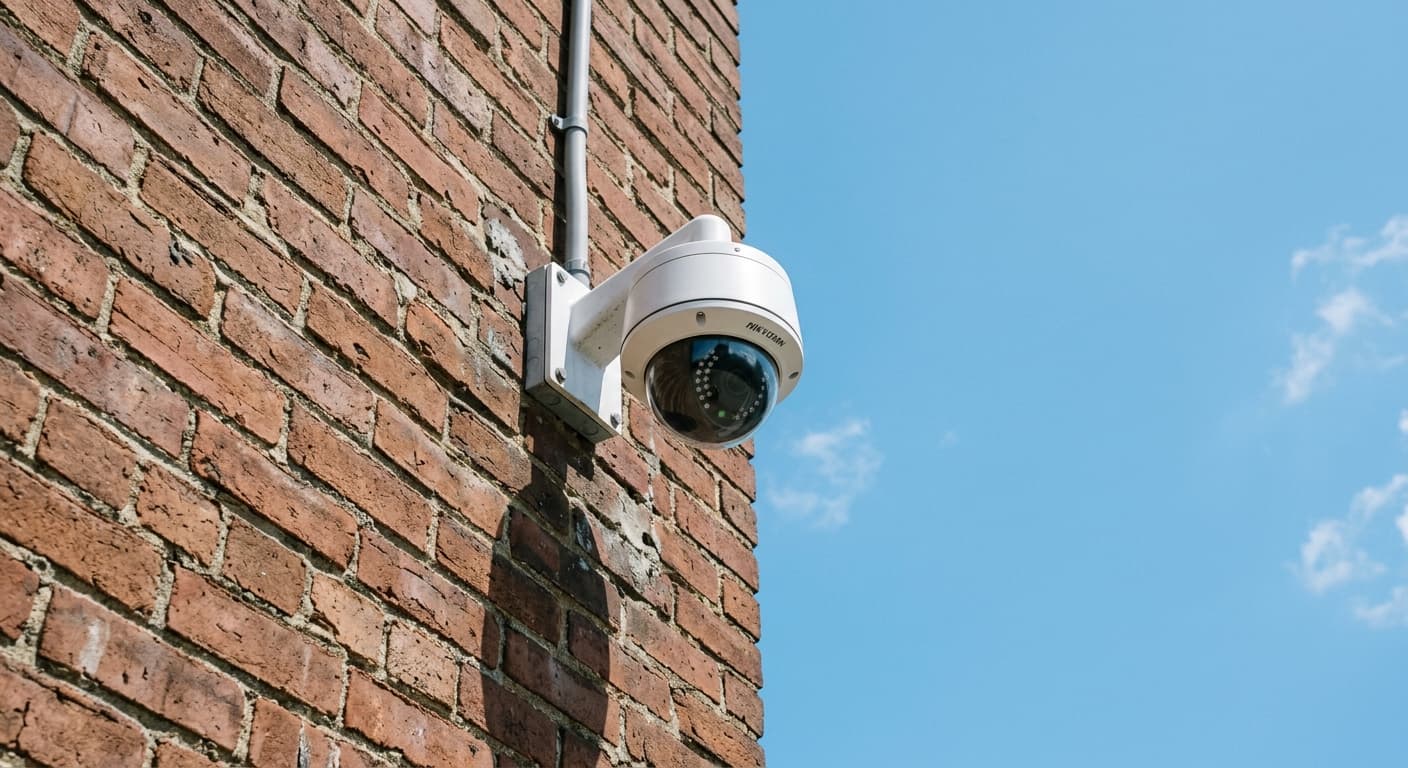
In Wyoming, silent video and photography in public spaces are broadly permitted under the First Amendment. Audio recording of conversations in public follows one-party consent under Wyo. Stat. Ann. Section 7-3-702, meaning participants may record without notifying others, and open conversations where no privacy expectation exists require no consent at all.
Recording in public spaces in Wyoming involves constitutional rights, the state's wiretapping statute, and criminal privacy laws. The First Amendment provides broad protection for recording in public, and Wyoming's one-party consent framework under Wyo. Stat. Ann. Section 7-3-702 allows participants in conversations to record without notifying others. Because the wiretapping statute only protects communications where speakers have a reasonable expectation of privacy, conversations in open public settings are often not covered at all.
This guide covers every aspect of public recording in Wyoming, including where you can record, audio vs. video distinctions, recording government meetings, private property open to the public, photography rights, livestreaming, and limitations.
The Right to Record in Public
Constitutional Foundation
The right to record in public is rooted in the First Amendment. Streets, sidewalks, parks, and plazas are traditional public forums where recording is strongly protected. Every citizen has the right to document events in public, and recording public officials is a protected activity. The Tenth Circuit, which covers Wyoming, recognized the First Amendment right to film police performing duties in public in Irizarry v. Yehia, 38 F.4th 1282 (10th Cir. 2022), holding the right was clearly established as of May 26, 2019. The same constitutional framework supports recording other public officials and events.
Where Public Recording Is Permitted
| Location | Recording Permitted? | Notes |
|---|---|---|
| Streets and sidewalks | Yes | Core public forum |
| Public parks and plazas | Yes | Including state and national parks (outdoor areas) |
| Government building exteriors | Yes | Public property |
| Government building interiors (public areas) | Yes | Lobbies, hallways, meeting rooms |
| Public transportation | Yes | Buses, stations |
| Courthouses (exterior and public areas) | Yes | Courtroom rules may vary |
| Public events and festivals | Yes | Including rodeos, fairs, and outdoor events |
| Public lands (BLM, Forest Service) | Yes | Subject to area-specific rules |
| Highways and roadways | Yes | From legal vantage points |
Wyoming-Specific Public Recording Contexts
Wyoming's unique geography and culture create specific public recording opportunities:
- National parks and monuments. Recording in Yellowstone, Grand Teton, Devils Tower, and other federal sites is generally permitted in outdoor public areas. Individual sites may have specific rules about commercial filming, tripod use, or drone restrictions.
- Public lands. Bureau of Land Management (BLM) and U.S. Forest Service lands are open to recording. Commercial filming may require permits.
- Rodeos and public events. Recording at public rodeos, county fairs, and similar events is permitted in spectator areas.
- Wildlife recording. Recording wildlife on public land is legal. Approaching wildlife too closely may violate park regulations.
Audio Recording Rules in Public
When Consent Is Required
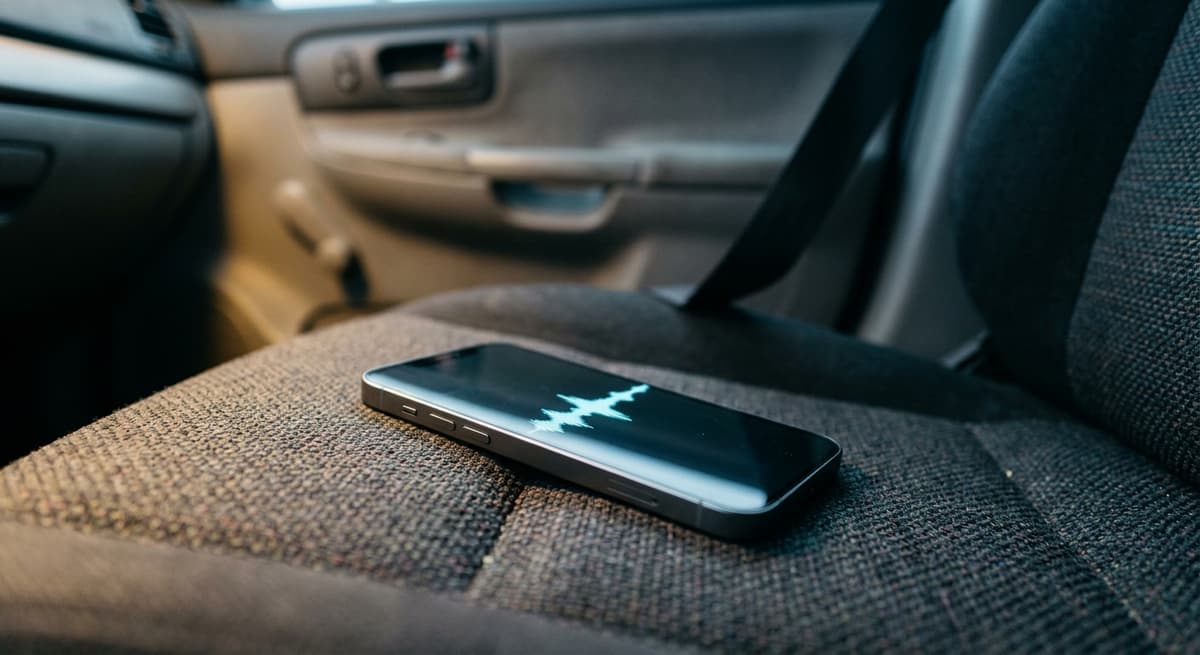
Wyoming's wiretapping statute only protects "oral communications" where the speaker has a reasonable expectation of privacy. In public settings, this expectation is often absent:
- Open conversations where anyone could overhear are generally not protected. You can record these without consent.
- Private conversations in public conducted in hushed tones in a secluded area may carry a reasonable expectation of privacy.
- Your own conversations anywhere in public can always be recorded because you are a participant.
Practical Examples
| Scenario | Consent Needed? | Reason |
|---|---|---|
| Recording a street performer | No | No expectation of privacy |
| Recording your conversation with a park ranger | No | You are a participant |
| Placing a recorder near strangers in a quiet corner | Possibly | They may have a privacy expectation |
| Recording a public speaker at a rally | No | No privacy expectation |
| Recording someone yelling in a public argument | No | No reasonable privacy expectation |
Video Recording in Public
General Permissions
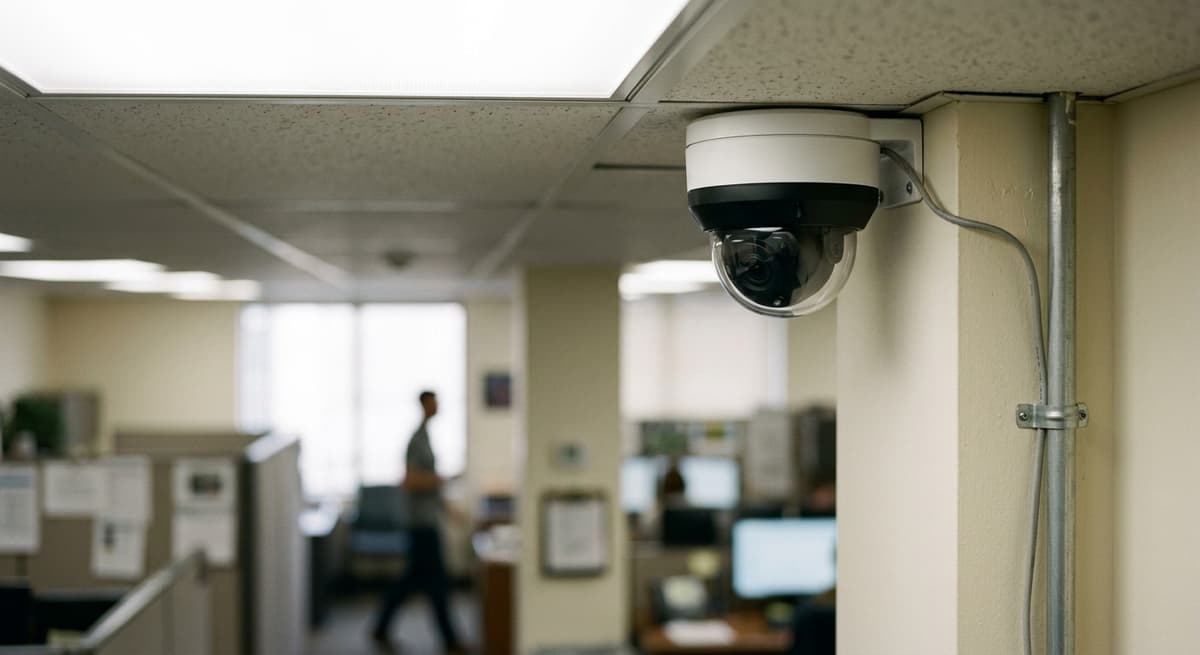
Video-only recording in public spaces is broadly permitted. The wiretapping statute addresses communications, not images. You can use any type of camera including smartphones, professional cameras, action cameras, drone cameras (subject to FAA rules), body cameras, smart glasses, and dashcams.
Photography Rights
You can photograph people in public (street photography), buildings, public events, landscapes from public vantage points, and public art. Using photographs for commercial purposes may require a model release.
Recording Government Meetings
The Public Meetings Act
Wyoming's Public Meetings Act (Wyo. Stat. Ann. Section 16-4-401 et seq.) requires most government meetings to be open to the public. Recording is generally permitted at:
- County commission meetings
- City and town council meetings
- School board meetings
- State legislative proceedings
- Public hearings and comment sessions
- Meetings of boards, commissions, and agencies
Individual agencies may establish reasonable rules about equipment placement, but they generally cannot prohibit recording of public proceedings.
Court Proceedings
Recording in courtrooms is subject to the presiding judge's discretion. Wyoming judges may permit or prohibit cameras. Some proceedings (juvenile cases) are typically closed to cameras.
Recording on Private Property Open to the Public
Businesses and Establishments
Private businesses can set their own recording policies. A store can prohibit photography and video, allow recording with restrictions, ask recording customers to leave, and post signs indicating policies. If asked to stop recording and you refuse, you may be asked to leave, and refusal could result in trespassing charges.
Social Media Livestreaming
Livestreaming in public spaces is legal in Wyoming under the same principles as standard recording. Consider that livestreams are broadcast instantly, defamation risk exists for false statements, and platform terms of service may be more restrictive than law.
Drone Recording in Public
Drone recording must comply with FAA regulations. Register drones over 0.55 pounds, obtain a Remote Pilot Certificate for commercial use, follow airspace restrictions, and maintain visual line of sight. National parks generally prohibit drone use. Privacy laws apply to drone footage of private areas.
Limitations on Public Recording
Harassment and Stalking
Persistent recording of the same person could constitute stalking if it causes reasonable fear. Recording as a tool for harassment is prohibited.
Trespassing
Your right to record ends at private property boundaries. You cannot enter private property to get better recording angles.
Interfering with Emergency Services
Recording emergency responders is legal, but interfering with their operations is not. Maintain a safe distance.
Commercial Use
Recording for personal and journalistic purposes is protected. Using someone's likeness commercially may require a consent form.
More Wyoming Recording Laws
Audio Recording | Video Recording | Voyeurism and Hidden Cameras | Workplace Recording | Recording Police | Phone Call Recording | Security Cameras | Recording in Public | Landlord-Tenant Recording | Dashcam Laws | School Recording | Medical Recording
Back to Wyoming Recording Laws
More Wyoming Recording Topics
More Wyoming Laws
Frequently Asked Questions
Can I record video in public places in Wyoming?
Yes. Video recording in public places is broadly permitted in Wyoming. The wiretapping statute does not restrict video-only recording, and the First Amendment protects recording in public forums. This includes streets, parks, government buildings, and public lands.
Do I need consent to record audio in a public place in Wyoming?
It depends. Audio recording in open public areas where speakers have no reasonable expectation of privacy does not require consent. Recording your own conversations always satisfies one-party consent. Private conversations in quiet public settings may require consent.
Can I record public government meetings in Wyoming?
Yes. The Public Meetings Act (Wyo. Stat. Ann. Section 16-4-401 et seq.) requires most government meetings to be open to the public. Recording at these meetings is generally permitted. Agencies may set reasonable rules about equipment but cannot ban recording.
Can a store or business stop me from recording in Wyoming?
Yes. Private businesses can set their own recording policies and ask you to stop or leave. Refusing to leave after being asked could result in trespassing charges. However, businesses cannot confiscate your device or delete your recordings.
Can I record on public lands in Wyoming?
Yes. Recording on BLM lands, national forests, and other public lands is generally permitted for personal use. Commercial filming may require permits. National parks have specific rules about drones and commercial filming. Always check area-specific regulations.
Updates
Independently fact-checked against the cited primary sources; governing law re-checked for recent changes
Governing law re-checked for recent changes
Governing law re-checked for recent changes
Reviewed and approved by an editor
The Law Behind This Article
This article rests on the statutory provisions below, held in our own legal record and retrieved from the official source. Tap a section to read the operative text.
Wyoming Statutes, Title 7 - Criminal Procedure - Chapter 3: Fugitives and Prevention of Crime - Article 7: Communication Interception
§ 7-3-702Prohibition against interception or disclosure of wire, oral or electronic communications; exceptions; penalties.In forcecited in 18 of our articles
(a) Except as provided in subsection (b) of this section, no person shall intentionally: (i) Intercept, attempt to intercept, or procure any other person to intercept or attempt to intercept any wire, oral or electronic communication; (ii) Use, attempt to use, or procure any other person to use or attempt to use any electronic, mechanical or other device to intercept any oral communication when: (A) Such device is affixed to, or otherwise transmits a signal through, a wire, cable or other like connection used in wire communication; or (B) Such device transmits communications by radio or interferes with the transmission of such communication.
Official text (excerpt) · last checked 2026-08-31 · Read the full text in our law library · Verify at wyoleg.gov
Cited in 1 court opinions in our collectionLatest citing opinion in our collection: 2015
Opinions citing this section in our collection:
- Serna v. Bureau of Land Management Worland Field Office (Court of Appeals for the Tenth Circuit 2015, 614 F. App'x 384)“…nic communications except under certain circumstances. See Wyo. Stat. Ann. § 7-3-702(a). As relevant here, the statute cont…”
Identified automatically from the court opinions citing this section — not a ranking of which case controls.
Also relied on in: Wyoming Security Camera Laws: Rules for Homes and Businesses, Wyoming Video Recording Laws: Privacy Rules and Consent, Wyoming Voyeurism Laws: Hidden Cameras and Privacy Violations
Wyoming Statutes, Title 6 - Crimes and Offenses - Chapter 4: Offenses Against Morals, Decency and Family - Article 3: Obscenity
§ 6-4-304Voyeurism; penalties.In forcecited in 11 of our articles
(a) Except as otherwise provided in this section, a person is guilty of a misdemeanor punishable by imprisonment for not more than six (6) months, a fine of not more than seven hundred fifty dollars ($750.00), or both, if he, without the consent of the person being viewed, commits the crime of voyeurism by looking or viewing in a clandestine, surreptitious, prying or secretive nature into or within an area where the person being viewed has a reasonable expectation of privacy, including, but not limited to: (i) Restrooms; (ii) Baths; (iii) Showers; (iv) Dressing or fitting rooms; (v) Bedrooms; or (vi) Under the clothing being worn by another person, regardless of whether the person is in a place where the person has a reasonable expectation of privacy.
Official text (excerpt) · last checked 2026-08-31 · Read the full text in our law library · Verify at wyoleg.gov
Cited in 5 court opinions in our collectionLatest citing opinion in our collection: 2026
In the courts (editorial summary, independently checked):In Kobielusz (2024) the Wyoming Supreme Court held the looking element of felony voyeurism under 6-4-304(b)(i) is satisfied by knowingly or intentionally capturing an image, so the State need not prove the defendant viewed the recording. Rabuck (2006) said the statute did not narrow the indecent liberties statute.
Opinions citing this section in our collection:
- Shaun Thomas Kobielusz v. The State of Wyoming (Wyoming Supreme Court 2024, 541 P.3d 1101)✓Kobielusz hid spy cameras disguised as digital clocks in the bathrooms of the home he shared with his wife and daughters; the court held felony voyeurism under subsection (b)(i) requires only knowingly capturing an image, not proof that he later looked at the videos.
- State, Office of the Attorney General, Division of Criminal Investigation v. Thomason (Wyoming Supreme Court 2008, 197 P.3d 144)“…6-2-315(a)iv), 6-2-3l16(a)Gii) and (iv), 6-4-303(b)(iv) or W.S. 6-4-304(b) if the victim was a minor, or an ait…”
- Howard v. Aspen Way Enterprises, Inc. (Wyoming Supreme Court 2017, 406 P.3d 1271)“…tute a clearly unwarranted invasion of personal privacy”); Wyo. Stat. Ann. § 6-4-304 (a)' (LexisNexis 2017) (criminalizing t…”
Identified automatically from the court opinions citing this section — not a ranking of which case controls.
Also relied on in: Wyoming Surveillance Camera Laws (2026 Guide), Wyoming Smart Glasses Recording Laws 2025, Wyoming Landlord-Tenant Recording Laws: Rights and Rules
Search our full record of US law — 2.1 million sections, every state + federal →
Sources and References
- Wyo. Stat. Ann. Section 7-3-702 - Interception of Communications(law.justia.com)
- Wyoming Public Meetings Act(wyoleg.gov).gov
- Wyo. Stat. Ann. Section 6-4-304 - Voyeurism(wyoleg.gov).gov
- BLM Wyoming(blm.gov).gov
- FAA - Unmanned Aircraft Systems(faa.gov).gov