Wyoming School Recording Laws: Security, Parents, and Students
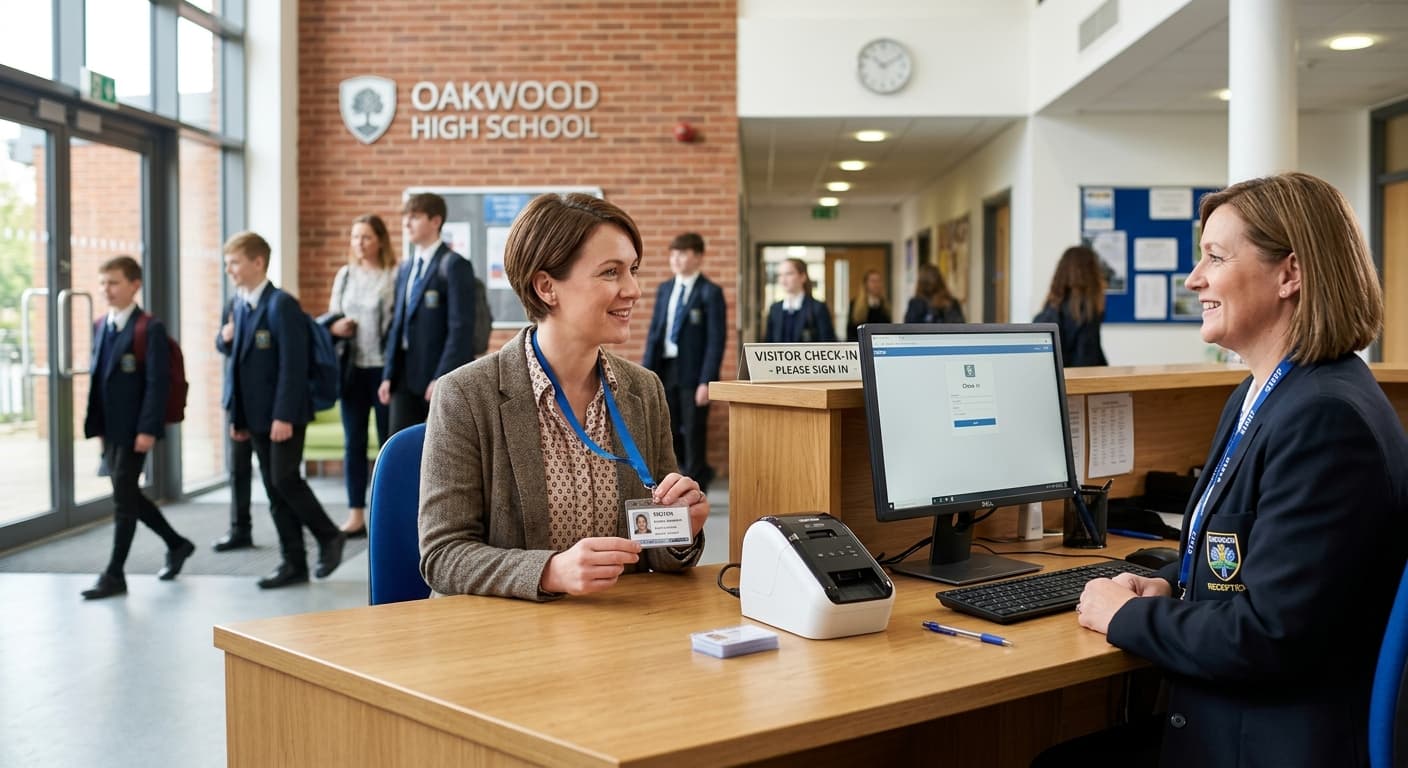
Recording in Wyoming schools involves the state's wiretapping law, student privacy protections under federal law, school safety requirements, and the authority of school officials to manage their environment. While Wyo. Stat. Ann. Section 7-3-702 establishes one-party consent as the baseline, schools present unique considerations.
This guide covers school surveillance, parent recording rights, student recording policies, IEP meetings, teacher recording, FERPA implications, and using recordings in school disciplinary matters.
School Security and Surveillance
Video Surveillance in Schools
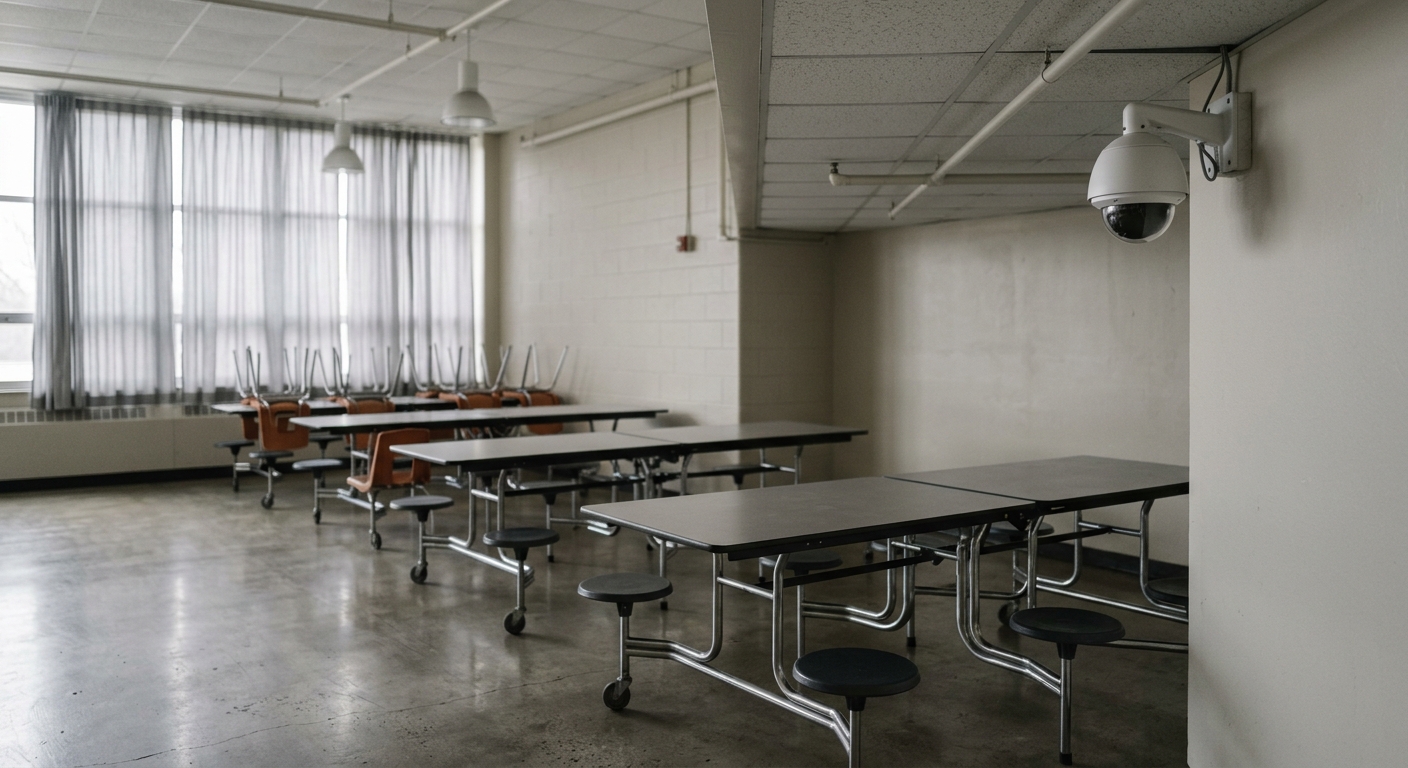
Wyoming schools widely use video surveillance for safety. The Wyoming Department of Education supports security cameras as part of school safety plans.
| Location | Cameras Permitted? | Notes |
|---|---|---|
| Hallways and corridors | Yes | Primary safety monitoring |
| Cafeterias and common areas | Yes | Large gathering spaces |
| Building entrances and exits | Yes | Access control |
| Parking lots and bus areas | Yes | Student safety |
| Gymnasiums (common areas) | Yes | During events |
| Libraries | Yes | Common study areas |
| Bathrooms and restrooms | No | Criminal violation |
| Locker rooms and changing areas | No | Criminal violation |
| Individual classrooms | Context-dependent | Some schools use them |
Installing cameras in bathrooms or locker rooms violates Wyo. Stat. Ann. Section 6-4-304 (voyeurism).
Audio Recording in Schools
Audio recording by school surveillance systems raises issues under the wiretapping statute. Schools should disable audio on cameras, post notice of audio recording, or limit audio capture to situations involving a school employee participant.
School Resource Officers
SROs may wear body cameras per their agency's policies. Body camera use in schools raises FERPA considerations when footage becomes part of student records.
Parent Recording Rights
Recording Conversations with School Staff
Parents can record conversations with teachers, principals, counselors, and staff under one-party consent:
- Parent-teacher conferences
- Meetings with administrators about discipline or bullying
- Phone calls about academic concerns
- Walk-through inspections and school events
Why Parents Record
- Documenting special education commitments
- Preserving evidence of bullying complaints
- Protecting against misunderstandings
- Supporting due process complaints
- Documenting discrimination concerns
School Policies on Parent Recording
Some districts have policies addressing recording during school meetings. A school policy cannot override the state wiretapping law. Parents can record under one-party consent regardless of school policy, though cooperation with reasonable requests helps maintain productive relationships.
Student Recording in Schools
Student Rights vs. School Authority
Student recording rights are more limited in schools. While students have one-party consent rights under the wiretapping statute, schools can regulate electronic device use. Tinker v. Des Moines (1969) established that schools can restrict student expression that substantially disrupts the educational process.
School Device Policies
Most Wyoming schools restrict phone use during instruction, require phones to be silenced or stored, prohibit recording without teacher permission, and allow phone use during breaks. Students violating device policies face school discipline, not criminal charges.
Students Recording Bullying
Students recording bullying incidents present a challenging balance between evidence value, student self-protection rights, consistent policy enforcement, and other students' privacy interests.
Cyberbullying
Wyoming's anti-bullying statutes address harassment through electronic means. Students who record others for humiliation or harassment may face disciplinary and legal consequences.
IEP and Special Education Meeting Recording
Parent Rights to Record
Parents attending IEP meetings can record under one-party consent without notifying other participants. Recording helps keep accurate records, document school commitments, review complex information, share with advocates, and support due process complaints.
Federal Guidance
The U.S. Department of Education position is that nothing in IDEA prohibits recording IEP meetings, schools cannot refuse to hold meetings because parents intend to record, and both sides should be able to record.
School Responses
Wyoming districts may permit recording with advance notice, permit recording without restrictions, or discourage but not prohibit recording. If a school tries to prevent IEP recording, cite one-party consent law and federal guidance.
Teacher and Staff Recording
Teachers have one-party consent rights like other residents. They can record conversations they participate in for documenting threatening behavior, recording administrative meetings, preserving evidence of harassment, and recording interactions related to disputes. School employment policies may restrict staff recording.
FERPA and Student Privacy
What FERPA Covers
The Family Educational Rights and Privacy Act (FERPA) protects student education records:
- Schools cannot release personally identifiable student information without consent
- Parents can inspect their child's education records
- Schools must maintain confidentiality
How FERPA Affects School Recordings
- Surveillance footage identifying specific students may be education records if maintained in connection with a student
- IEP meeting recordings maintained by the school become education records
- Incident recordings involving identifiable students are subject to FERPA
- Schools cannot share recordings containing identifiable student information without consent (except under FERPA exceptions)
Parent Access to Recordings
Under FERPA, parents can request access to education records pertaining to their child. Schools may redact portions showing other students and have 45 days to respond.
Using School Recordings as Evidence
Recordings are relevant in disciplinary proceedings, special education due process hearings, discrimination complaints filed with the Office for Civil Rights, personal injury cases, and bullying lawsuits. Standard authentication, relevance, and integrity requirements apply.
Wyoming Rural School Considerations
Wyoming's small, rural school districts present unique recording considerations. Close-knit communities may have informal communication norms. Schools may have limited resources for surveillance systems. Parent-school relationships are often more personal. Recording disputes may have outsized community impact. Despite these dynamics, the legal framework applies uniformly across all Wyoming school districts.
More Wyoming Laws
- Wyoming Recording Laws
- Wyoming Recording Laws
- [Wyoming Data Privacy Laws](/us-laws/data-privacy-laws/wyoming-data-privacy-laws)
- Wyoming Recording Laws
- Wyoming Lemon Laws
- Wyoming Sexting Laws
- Wyoming Recording Laws
More Wyoming Recording Laws
Audio Recording | Video Recording | Voyeurism and Hidden Cameras | Workplace Recording | Recording Police | Phone Call Recording | Security Cameras | Recording in Public | Landlord-Tenant Recording | Dashcam Laws | School Recording | Medical Recording