Wyoming
Wyoming Dashcam Laws: Legality, Mounting, and Evidence Rules
Independently fact-checked against primary sources (last audited August 15, 2026). · Reviewed by the RecordingLaw editorial team. · Law checked current as of August 15, 2026. · 4 primary sources cited on this page. How we verify our legal content
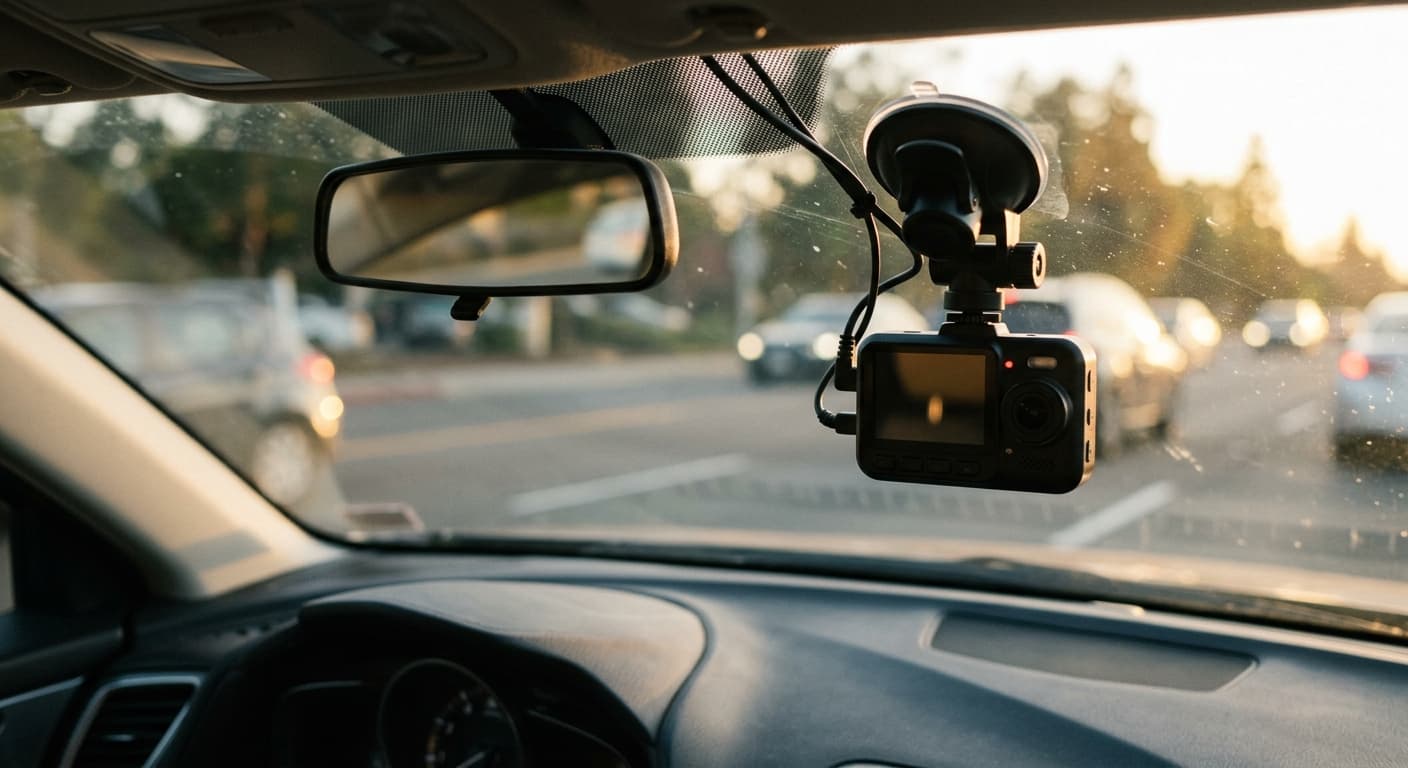
Dashcams are legal in Wyoming, and video recording on public roads raises no legal issues. As a one-party consent state under Wyo. Stat. Ann. Section 7-3-702, a driver may record in-vehicle audio for conversations they participate in. Mount the camera so it does not obstruct your view of the road.
Dashcams are legal and increasingly popular in Wyoming. There is no state statute that prohibits or restricts dashboard cameras in personal vehicles. Wyoming's vast highway system, remote rural roads, and wildlife crossings make dashcams particularly valuable for documenting road incidents. The legal framework for dashcam use draws from general traffic safety laws, the state's wiretapping statute for audio recording, and evidentiary rules.
This guide covers every aspect of dashcam law in Wyoming, including legality, mounting, audio recording rules, using footage as evidence, commercial vehicles, insurance, police interactions, and privacy.
Dashcam Legality in Wyoming
Are Dashcams Legal?
Yes. Wyoming does not have a statute that bans dashcams. You can install and operate a dashcam in your car, truck, SUV, motorcycle, or other vehicle without special permits.
Types of Dashcams
All common configurations are legal: front-facing, front and rear dual, interior cabin, 360-degree, motorcycle-mounted, hardwired always-on, and battery or capacitor-powered systems.
Windshield Mounting
General traffic safety principles require that nothing mounted on the windshield substantially obstruct the driver's view. Mount behind the rearview mirror, use the smallest mount possible, ensure it is secure, and keep the lens clean.
Audio Recording with Dashcams
One-Party Consent in Your Vehicle
Most dashcams record audio. Under Wyo. Stat. Ann. Section 7-3-702, your presence in the vehicle provides one-party consent:
- Conversations with passengers are covered
- Phone calls on speaker are covered
- Police interactions during stops are covered
- Drive-through interactions where you speak are covered
Disabling Audio
If you prefer to avoid audio concerns, most dashcams allow you to disable the microphone while continuing video recording. Video-only does not trigger the wiretapping statute.
Dashcam Footage as Evidence
Admissibility in Wyoming Courts
Dashcam footage is generally admissible if it meets authentication, accuracy, relevance, and integrity requirements.
Types of Cases
Traffic accidents: Establishing fault, documenting road conditions, capturing speed and trajectory, recording aftermath and damage.
Insurance claims: Supporting or contesting fault, documenting impact severity, providing objective records, countering fraudulent claims.
Criminal cases: Hit-and-run investigations, DUI arrests, road rage incidents, property damage.
Wildlife collisions: Wyoming's abundant wildlife (deer, elk, moose, antelope) makes wildlife-vehicle collisions common. Dashcam footage documents the circumstances, which is valuable for insurance claims and can demonstrate the driver was not at fault.
Preserving Evidence
Save footage immediately (most dashcams loop-record and overwrite). Download to a separate device, do not edit, document context, and preserve metadata.
Dashcams and Police Interactions

Recording Traffic Stops
Your dashcam can continue recording during stops. This is legal under both First Amendment principles and one-party consent. Keep the dashcam running, do not draw attention to it unnecessarily, and do not volunteer footage without a warrant.
Can Police Seize Your Dashcam?
Under Riley v. California (2014), police generally need a warrant to search digital devices. If police request footage as a witness, providing a copy is voluntary.
Commercial Vehicle Dashcams
Trucking and Fleet Management
Wyoming's position on major freight corridors (I-80, I-25, I-90) means significant commercial truck traffic. Fleet dashcam systems often include forward and inward cameras, GPS tracking, event-triggered recording, and real-time transmission. While the FMCSA does not mandate dashcams, many carriers require them.
Rideshare Drivers
Rideshare drivers can use dashcams in Wyoming. Interior cameras recording passengers are legal under one-party consent. Check platform policies and consider informing passengers as a courtesy.
Insurance and Dashcams
Impact on Claims
Dashcam footage can strengthen your claim by documenting fault, defend against claims filed by others, document road conditions, and prevent fraud. Some insurers offer discounts for dashcam use.
Footage That Hurts Your Case
Footage showing you speeding, distracted driving, or violating traffic laws before an accident can work against you. Audio may capture statements used as admissions.
Parked Vehicle Recording
Parking Mode
Many dashcams offer parking mode that records when motion or impact is detected. This is legal for video in public areas and valuable for documenting hit-and-run damage, break-ins, vandalism, and door dings.
Wyoming Winter Considerations
Wyoming's extreme winter conditions present unique dashcam considerations. Cold temperatures can affect battery performance (capacitor-based dashcams perform better in cold). Hardwired installations prevent battery drain issues. Footage of icy road conditions can be valuable for accident claims where weather was a factor.
More Wyoming Recording Laws
Audio Recording | Video Recording | Voyeurism and Hidden Cameras | Workplace Recording | Recording Police | Phone Call Recording | Security Cameras | Recording in Public | Landlord-Tenant Recording | Dashcam Laws | School Recording | Medical Recording
Back to Wyoming Recording Laws
More Wyoming Recording Topics
More Wyoming Laws
Frequently Asked Questions
Are dashcams legal in Wyoming?
Yes. Wyoming has no law prohibiting dashcams. You can install and operate a dashcam in your vehicle. Mount it so it does not obstruct your view, and be aware that audio recording follows one-party consent under Wyo. Stat. Ann. Section 7-3-702.
Can dashcam footage be used as evidence in Wyoming?
Yes. Dashcam footage is generally admissible in Wyoming courts for accident cases, insurance claims, traffic violations, and criminal cases. The footage must be authenticated, unaltered, and relevant. Save important footage immediately to prevent overwriting.
Do I have to tell passengers about my dashcam in Wyoming?
No. Under one-party consent, your presence in the vehicle provides sufficient consent for audio recording. Telling passengers is a common courtesy, especially for rideshare drivers, but is not legally required.
Can police take my dashcam during a traffic stop?
Police can seize your dashcam without a warrant in some situations, such as incident to a lawful stop or arrest. But under Riley v. California (2014), they generally need a warrant to search its footage. They cannot force you to show footage without a warrant. Sharing footage voluntarily as a witness is your choice.
Is dashcam footage useful for wildlife collision claims in Wyoming?
Yes. Wyoming has frequent wildlife-vehicle collisions with deer, elk, moose, and antelope. Dashcam footage documenting the collision circumstances is valuable for insurance claims and can demonstrate the driver acted reasonably.
Updates
Corrected the FAQ answer on police seizing a dashcam: officers can generally seize the device without a warrant (for example incident to a stop or arrest), but need a warrant under Riley v. California to search its footage. Also replaced a dead Riley v. California citation link with a live source.
Independently fact-checked against the cited primary sources; governing law re-checked for recent changes
Governing law re-checked for recent changes
Reviewed and approved by an editor
The Law Behind This Article
This article rests on the statutory provisions below, held in our own legal record and retrieved from the official source. Tap a section to read the operative text.
Wyoming Statutes, Title 7 - Criminal Procedure - Chapter 3: Fugitives and Prevention of Crime - Article 7: Communication Interception
§ 7-3-702Prohibition against interception or disclosure of wire, oral or electronic communications; exceptions; penalties.In forcecited in 18 of our articles
(a) Except as provided in subsection (b) of this section, no person shall intentionally: (i) Intercept, attempt to intercept, or procure any other person to intercept or attempt to intercept any wire, oral or electronic communication; (ii) Use, attempt to use, or procure any other person to use or attempt to use any electronic, mechanical or other device to intercept any oral communication when: (A) Such device is affixed to, or otherwise transmits a signal through, a wire, cable or other like connection used in wire communication; or (B) Such device transmits communications by radio or interferes with the transmission of such communication.
Official text (excerpt) · last checked 2026-08-31 · Read the full text in our law library · Verify at wyoleg.gov
Cited in 1 court opinions in our collectionLatest citing opinion in our collection: 2015
Opinions citing this section in our collection:
- Serna v. Bureau of Land Management Worland Field Office (Court of Appeals for the Tenth Circuit 2015, 614 F. App'x 384)“…nic communications except under certain circumstances. See Wyo. Stat. Ann. § 7-3-702(a). As relevant here, the statute cont…”
Identified automatically from the court opinions citing this section — not a ranking of which case controls.
Also relied on in: Wyoming Security Camera Laws: Rules for Homes and Businesses, Wyoming Video Recording Laws: Privacy Rules and Consent, Wyoming Voyeurism Laws: Hidden Cameras and Privacy Violations
Search our full record of US law — 2.1 million sections, every state + federal →
Sources and References
- Wyo. Stat. Ann. Section 7-3-702 - Interception of Communications(law.justia.com)
- Riley v. California, 573 U.S. 373 (2014)(supremecourt.gov).gov
- FMCSA - Federal Motor Carrier Safety Administration(fmcsa.dot.gov).gov
- NHTSA - National Highway Traffic Safety Administration(nhtsa.gov).gov
- Wyoming Legislature - Title 7(wyoleg.gov).gov