
Ohio
Ohio Laws on Recording Police: Your Rights and Limitations
Independently fact-checked against primary sources (last audited August 15, 2026). · Reviewed by the RecordingLaw editorial team. · Law checked current as of August 15, 2026. · 5 primary sources cited on this page. How we verify our legal content
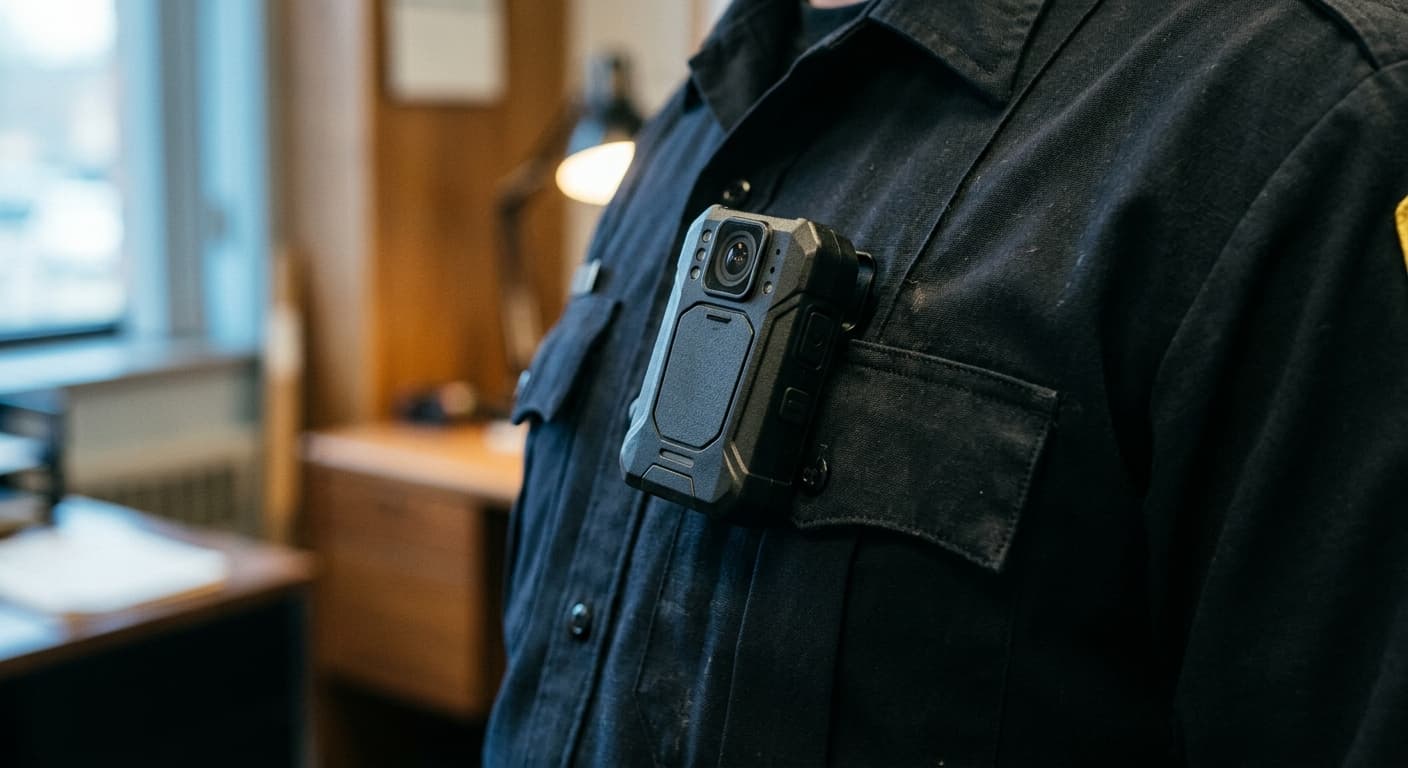
In Ohio, you have a First Amendment right to record police officers performing their public duties. As a one-party consent state under Ohio Rev. Code 2933.52, you may also secretly audio-record your own police interactions. Officers cannot confiscate your device without a warrant.
Quick Answer
You can legally record police officers in Ohio. The First Amendment protects your right to film, photograph, and audio-record law enforcement officers performing their duties in public. Because Ohio is a one-party consent state under ORC 2933.52, you can also secretly audio-record your own interactions with police.
Your Right to Record Police in Ohio
Constitutional Foundation
The right to record police is grounded in the First Amendment to the U.S. Constitution. Multiple federal circuit courts have recognized that recording law enforcement officers in the performance of their public duties is a protected form of expression. The Sixth Circuit, which covers Ohio, has not issued a published opinion squarely holding that the right is clearly established for civilian bystanders. The leading Sixth Circuit case on point, Crawford v. Geiger, 656 F. App'x 190 (6th Cir. 2016), is unpublished and not binding precedent. Hils v. Davis, 52 F.4th 997 (6th Cir. 2022), addressed officer-on-officer recording, not civilian rights. Until the Sixth Circuit issues a published civilian ruling, Ohio residents rely primarily on the First Amendment and the broader national consensus among other circuits.
The ACLU has extensively documented this right, and the U.S. Department of Justice has filed statements of interest in federal cases affirming that recording police in public is constitutionally protected.
No Ohio Statute Specifically Addresses Recording Police
Ohio has not enacted a statute that specifically codifies a right to record police officers performing their duties. The state's wiretapping law, ORC 2933.52, governs interception of communications and does not address video or audio recording of officers in public. Ohio residents' right to record police rests on the First Amendment and the broader circuit-court consensus described above, not on an explicit state statute.
The Ohio Bar Association Position
The Ohio Bar Association has published guidance confirming that:
- As a bystander, it is legal to record police interactions in Ohio
- Officers performing their duties in public do not have a reasonable expectation of privacy
- You can film, record audio, take photos, and livestream police activity
What You Can Record
Traffic Stops
You can record your own traffic stop in Ohio. Whether you are the driver, a passenger, or a bystander, you have the right to record. Practical tips for recording during a traffic stop:
- Keep your hands visible and inform the officer calmly that you are recording if they ask
- Mount your phone on the dashboard or use a dashcam rather than holding your phone up
- Do not make sudden movements toward your phone or recording device
- Continue to comply with lawful orders from the officer while recording
- Passengers can hold their phones and record without restriction
Arrests and Detentions
You can record arrests happening in public, whether you are the person being arrested or a bystander. This includes:
- Recording your own arrest (if possible while complying with officer commands)
- Filming the arrest of another person from a safe distance
- Photographing the scene, officers' badge numbers, and patrol car numbers
- Livestreaming the encounter to social media
Protests and Demonstrations
Recording police activity at public protests and demonstrations is protected. Ohio residents frequently record:
- Police interactions with protesters
- Use of force incidents
- Crowd management tactics
- Officer identification and conduct
Police Checkpoints
DUI checkpoints and other law enforcement checkpoints on public roads can be recorded. You can film the checkpoint operation, your own interaction with officers, and the conduct of officers during the stop.
Police Misconduct
Recording suspected police misconduct is one of the most important applications of this right. Recordings of excessive force, racial profiling, unlawful searches, and other misconduct have led to criminal charges against officers, civil rights lawsuits, and policy reforms.
Audio Recording Your Police Interactions
One-Party Consent Advantage
Because Ohio follows one-party consent under ORC 2933.52, you do not need to tell the officer that you are audio-recording your interaction. You can:
- Secretly record a conversation with a police officer during a traffic stop
- Use a hidden body camera or lapel recorder during a police encounter
- Record a phone call with a police department or detective
- Capture audio on your dashcam during a traffic stop
This is a significant advantage compared to states with two-party consent laws, where recording a police officer without their knowledge could technically violate the wiretapping statute.
Bystander Audio Recording
As a bystander, you can record audio of police interactions you observe in public. However, if you are not a party to the conversation between the officer and another person, the analysis depends on whether the conversation carries a reasonable expectation of privacy.
Police encounters on public streets, sidewalks, and other open areas generally do not carry a reasonable expectation of privacy because they occur in full view and earshot of passersby. Bystanders can typically record these interactions, including audio, without legal concern.
What Police Cannot Do
Confiscate Your Recording Device
Police officers cannot take your phone, camera, or recording device simply because you are recording them. The Fourth Amendment protects against unreasonable seizures. An officer needs a warrant to seize your recording device, except in limited circumstances involving exigent evidence.
Delete Your Recordings
Officers cannot delete, destroy, or order you to delete recordings. Destruction of recordings by police may constitute destruction of evidence and could give rise to civil rights claims under 42 U.S.C. 1983.
Demand You Stop Recording
An officer cannot order you to stop recording as long as you are not interfering with their duties. If an officer tells you to stop recording, you can:
- Calmly state that you are exercising your right to record
- Continue recording from a safe distance
- Do not argue or become confrontational
- Comply with other lawful orders (such as stepping back) while continuing to record
Arrest You for Recording
Recording police is not a crime in Ohio. An arrest based solely on the act of recording would likely constitute a false arrest and could give rise to a civil rights lawsuit.
Your Limitations While Recording
Do Not Interfere
The most important limitation on your right to record police is that you must not physically interfere with law enforcement operations. Interference can include:
- Stepping into the path of an officer pursuing a suspect
- Blocking a patrol car or emergency vehicle
- Physically touching an officer or their equipment
- Tampering with a crime scene
- Inciting bystanders to obstruct police
Interfering with police operations can result in charges for obstructing official business under ORC 2921.31, which is a second-degree misdemeanor. If the interference creates a risk of physical harm, the charge can be elevated to a fifth-degree felony.
Maintain a Safe Distance
While there is no specific distance requirement in Ohio law, you must maintain a reasonable distance from the police activity. Officers can direct you to step back to a specific location for safety reasons, and you must comply with that directive as long as it is reasonable.
A good general rule is to stay at least 10 to 15 feet away from the officers. This distance allows clear recording while avoiding any claim that you interfered with the operation.
Follow Lawful Orders
You must comply with lawful orders from police officers. If an officer directs you to move to a specific location, you should comply while continuing to record. If an officer tells you to put your phone down, you can calmly state that you are recording and ask if you are free to continue. Do not resist or physically struggle if an officer attempts to take your device; instead, document what happened afterward and file a complaint.
Do Not Trespass
You cannot trespass on private property to record police activity. Recording must be done from a location where you have a legal right to be, such as a public sidewalk, your own property, or property where you have been invited.
Body Camera Laws in Ohio
Police Body Camera Requirements
Ohio has addressed body-worn cameras through legislation. Key provisions include:
- Law enforcement agencies that use body cameras must adopt written policies governing their use
- Policies must address when cameras are activated, how footage is stored, and who can access recordings
- Body camera footage is generally subject to Ohio's public records law, ORC 149.43
Accessing Body Camera Footage
Body camera recordings held by Ohio law enforcement agencies are public records. You can request them through a public records request. However, certain portions may be redacted to protect:
- The identity of crime victims
- Personal information of minors
- Ongoing investigation details
- Information that could compromise officer safety
The Ohio Supreme Court has affirmed that law enforcement dashcam and body camera footage is subject to public records disclosure, with appropriate redactions.
Disputes Over Body Camera Footage
If a law enforcement agency denies your public records request for body camera footage, you can:
- Appeal to the agency's records custodian
- File a complaint with the Ohio Attorney General's office
- File a mandamus action in Ohio court to compel disclosure
Filing Complaints About Recording Rights Violations
Internal Affairs Complaints
If a police officer violates your right to record, file an internal affairs complaint with the officer's department. Include:
- The date, time, and location of the incident
- The officer's name and badge number (if known)
- A description of what happened
- Names and contact information of witnesses
- Any recordings or photographs of the incident
Civil Rights Complaints
You can file a civil rights complaint with:
- The U.S. Department of Justice Civil Rights Division
- The Ohio Civil Rights Commission
- The local civilian police review board (if one exists in your city)
Civil Lawsuits
Under 42 U.S.C. 1983, you can file a federal civil rights lawsuit against officers who violate your constitutional right to record. Potential remedies include:
- Compensatory damages for harm suffered
- Punitive damages for willful violations
- Attorney fees and litigation costs
- Injunctive relief (court orders requiring policy changes)
Practical Tips for Recording Police
Before You Record
- Make sure your phone has sufficient battery and storage
- Set your phone to "do not disturb" so incoming calls do not interrupt recording
- Consider using a recording app that automatically backs up to the cloud
- Know your local police department's policies on citizen recording
During the Encounter
- Stay calm and speak respectfully
- Keep your hands visible at all times
- Do not reach for your phone suddenly; move slowly and deliberately
- If recording at night, avoid shining your phone's flashlight directly at officers
- If you are a bystander, announce your presence so officers are not startled
After the Encounter
- Save the recording immediately to a secure location
- Back up the file to cloud storage
- Note the date, time, location, officer names, and badge numbers
- Write down your recollection of events while they are fresh
- Contact an attorney if your rights were violated
Explore More Ohio Recording Law Topics
Ohio Phone Call Recording Laws | Ohio Audio Recording Laws | Ohio Video Recording Laws | Ohio Workplace Recording Laws | Ohio Dashcam Laws | Ohio Security Camera Laws | Ohio School Recording Laws | Ohio Landlord-Tenant Recording Laws | Ohio Medical Recording Laws | Ohio Laws on Recording in Public | Ohio Voyeurism and Hidden Camera Laws
More Ohio Recording Topics
More Ohio Laws
Frequently Asked Questions
Can I record police during a traffic stop in Ohio?
Yes. You can record your own traffic stop using your phone, dashcam, or any other device. The First Amendment protects your right to record law enforcement officers performing their duties in public. Keep your hands visible and comply with lawful orders while recording.
Can police take my phone if I record them in Ohio?
No. Police cannot confiscate your recording device without a warrant. The Fourth Amendment protects against unreasonable seizures. If an officer takes your phone, do not resist, but document the incident afterward and file a complaint or consult an attorney.
Can I secretly record a conversation with a police officer in Ohio?
Yes. Ohio is a one-party consent state under ORC 2933.52. You can audio-record your interactions with police without telling them, because your consent as a participant in the conversation satisfies the legal requirement.
Can I get arrested for filming police in Ohio?
Recording police is not a crime in Ohio. An arrest based solely on the act of recording would likely be unlawful and could give rise to a civil rights lawsuit. However, you can be arrested if you physically interfere with police operations or obstruct justice while recording.
How do I get police body camera footage in Ohio?
Body camera footage is covered by the public records exception at ORC 149.43(A)(1)(jj). Submit a public records request to the law enforcement agency. The agency must provide the footage, though certain portions may be redacted to protect victim identities, minors, or ongoing investigations.
Updates
Independently fact-checked against the cited primary sources; governing law re-checked for recent changes
Removed the article's false claim that an Ohio statute explicitly protects the right to record police (none of the linked Ohio statutes contain this language, and research of the only bill using similar wording found it never became a codified recording-specific statute); corrected the body-camera public-records citation from ORC 149.43(A)(17), which is only the definitions clause, to the actual exception at ORC 149.43(A)(1)(jj).
Governing law re-checked for recent changes
Reviewed and approved by an editor
The Law Behind This Article
This article rests on the statutory provisions below, held in our own legal record and retrieved from the official source. Tap a section to read the operative text.
Ohio Revised Code
§ 2933.52Interception of wire, oral or electronic communicationsIn forcecited in 19 of our articles
(A) No person purposely shall do any of the following: (1) Intercept, attempt to intercept, or procure another person to intercept or attempt to intercept a wire, oral, or electronic communication; (2) Use, attempt to use, or procure another person to use or attempt to use an interception device to…
Official text (excerpt) · last checked 2026-07-31 · Read the full text in our law library · Verify at codes.ohio.gov
Cited in 64 court opinions in our collectionLatest citing opinion in our collection: 2025
In the courts (editorial summary, independently checked):State v. Bidinost (1994) held R.C. 2933.52(A)'s ban on purposeful interception applies to cordless telephone conversations intercepted and recorded on a baby monitor, requiring suppression. State v. Childs (2000) held the party seeking to suppress bears the burden of proving a 2933.52(A)(1) violation.
Opinions citing this section in our collection:
- State v. Robb (Ohio Supreme Court 2000, 88 Ohio St. 3d 59)✓During a prison siege, FBI agents used tunnel microphones to record rioting inmates' conversations without a warrant; the court held those interceptions were exempt under former Section 2933.52(B)(1), Ohio's exception for interceptions made under federal wiretap law.
- State v. Childs (Ohio Supreme Court 2000, 88 Ohio St. 3d 558)✓A defendant sought to suppress tapes of her own conversations as intercepted in violation of Section 2933.52(A)(1), but no one proved whether the other party consented; the court held the party seeking suppression carries the burden of proof, so the motion failed.
- State v. Bidinost (Ohio Supreme Court 1994, 71 Ohio St. 3d 449)✓A neighbor's baby monitor began picking up the defendant's cordless phone calls, and at police direction she recorded them; the court held that was a purposeful interception barred by Section 2933.52(A) and that the recordings had to be suppressed.
Identified automatically from the court opinions citing this section — not a ranking of which case controls.
Also relied on in: Ohio Audio Recording Laws: Consent, Devices, and Penalties, Ohio Landlord-Tenant Recording Laws: Privacy, Cameras, and Rights, Ohio Medical Recording Laws: Patient Rights, HIPAA, and Consent
§ 149.43Availability of public records for inspection and copyingIn forcecited in 14 of our articles
(A) As used in this section: (1) "Public record" means records kept by any public office, including, but not limited to, state, county, city, village, township, and school district units, and records pertaining to the delivery of educational services by an alternative school in this state kept by…
Official text (excerpt) · last checked 2026-09-08 · Read the full text in our law library · Verify at codes.ohio.gov
Also relied on in: Ohio Dashcam Laws: Mounting Rules, Audio Recording, and Evidence, Ohio Death Records: Are They Public + How to Get Them, How to Find a Cause of Death in Ohio (2026)
§ 2921.31Obstructing official businessIn force
(A) No person, without privilege to do so and with purpose to prevent, obstruct, or delay the performance by a public official of any authorized act within the public official's official capacity, shall do any act that hampers or impedes a public official in the performance of the public official's…
Official text (excerpt) · last checked 2026-07-31 · Read the full text in our law library · Verify at codes.ohio.gov
Cited in 913 court opinions in our collectionLatest citing opinion in our collection: 2026
Opinions citing this section in our collection:
- City of Dayton v. Rogers (Ohio Supreme Court 1979, 60 Ohio St. 2d 162)“…t. *164 The Dayton ordinance in question is identical to R. C. 2921.31 (A), and provides as follows: “(A) No…”
- State v. Lazzaro (Ohio Supreme Court 1996, 76 Ohio St. 3d 261)“…o was also convicted of obstructing official business under R.C. 2921.31(A), which provides: “(A) No pers…”
- State v. Wellman (Ohio Court of Appeals 2007, 173 Ohio App. 3d 494)“…ppeals a conviction for obstructing official business under R.C. 2921.31. We find no merit in his five assignmen…”
Identified automatically from the court opinions citing this section — not a ranking of which case controls.
United States Code Title 42
§ 1983Civil action for deprivation of rightsIn forcecited in 50 of our articles
Every person who, under color of any statute, ordinance, regulation, custom, or usage, of any State or Territory or the District of Columbia, subjects, or causes to be subjected, any citizen of the United States or other person within the jurisdiction thereof to the deprivation of any rights, privileges, or immunities secured by the Constitution and laws, shall be liable to the party injured in an action at law, suit in equity, or other proper proceeding for redress, except that in any action brought against a judicial officer for an act or omission taken in such officer’s judicial capacity, injunctive relief shall not be granted unless a declaratory decree was violated or declaratory relief was unavailable. For the purposes of this section, any Act of Congress applicable exclusively to the District of Columbia shall be considered to be a statute of the District of Columbia.
Official text (excerpt) · last checked 2026-07-28 · Read the full text in our law library · Verify at uscode.house.gov
Cited in 282,365 court opinions in our collectionLatest citing opinion in our collection: 2026
Opinions citing this section in our collection:
- Ashcroft v. Iqbal (Supreme Court of the United States 2009, 556 U.S. 662)“…its brought against state officials under Rev. Stat. §1979, 42 U. S. C. §1983.” Hartman, 547 U. S., at 254, n. 2. Cf.…”
- Celotex Corp. v. Catrett, Administratrix of the Estate of Catrett (Supreme Court of the United States 1986, 477 U.S. 317)“…policeman as she left. Petitioner brought an action under 42 U. S. C. § 1983 claiming that the refusal of service a…”
- Monell v. New York City Dept. of Social Servs. (Supreme Court of the United States 1978, 436 U.S. 658)“…decided less than two decades ago. Focusing new light on 42 U. S. C. § 1983 , that decision widened access to the f…”
Identified automatically from the court opinions citing this section — not a ranking of which case controls.
Also relied on in: Alabama Laws on Recording Police: Your Rights and Limits, Alaska Laws on Recording Police: Your Rights and Limits (2026), Arkansas Laws on Recording Police: Your Rights and Limits (2026)
Search our full record of US law — 2.1 million sections, every state + federal →
Sources and References
- Ohio Rev. Code 2933.52 - Interception of wire, oral, or electronic communications(codes.ohio.gov).gov
- Ohio Rev. Code 2921.31 - Obstructing official business(codes.ohio.gov).gov
- Ohio Rev. Code 149.43 - Public records law(codes.ohio.gov).gov
- ACLU - Know Your Rights: Recording Police(aclu.org)
- 42 U.S.C. 1983 - Civil rights claims(law.cornell.edu)
- U.S. Department of Justice - Civil Rights Division(justice.gov).gov
- Ohio Civil Rights Commission(crc.ohio.gov).gov