
Nevada
Nevada Voyeurism and Hidden Camera Laws: NRS 200.604 Penalties (2026)
Independently fact-checked against primary sources (last audited August 15, 2026). · Reviewed by the RecordingLaw editorial team. · Law checked current as of August 15, 2026. · 7 primary sources cited on this page. How we verify our legal content

Nevada law under NRS 200.604 prohibits knowingly capturing images or video of another person's private body areas without consent when that person has a reasonable expectation of privacy. A first offense is a gross misdemeanor carrying up to 364 days in jail and a $2,000 fine; a second offense is a Category E felony.
Nevada takes voyeurism and hidden camera offenses seriously. NRS 200.604 specifically targets anyone who captures images or video of another person's private body areas without consent. This statute operates alongside Nevada's broader recording laws, which use a split consent system: one-party consent for in-person conversations under NRS 200.650, and all-party consent for phone and wire communications under NRS 200.620.
This guide covers what NRS 200.604 prohibits, the penalties for violations, how voyeurism laws interact with Nevada's recording consent framework, and what protections exist for victims.
What NRS 200.604 Prohibits
The Core Prohibition
NRS 200.604 makes it unlawful to knowingly and intentionally capture an image of the "private area" of another person without their consent, when the person has a reasonable expectation of privacy.
The statute defines "private area" as any part of the body that is covered by clothing and that the person reasonably expects is not visible to the public. This includes but is not limited to:
- Genitalia
- Buttocks
- The female breast below the top of the areola
- Undergarments covering these areas
What "Capture an Image" Means
The statute covers any method of creating a visual record, including:
- Photographs (digital or film)
- Video recordings
- Screenshots from live video feeds
- Any electronic or mechanical device that creates a visual image
The law applies whether the image is stored permanently or viewed in real-time on a monitor or screen. Even if the voyeur does not save the image, the act of capturing it violates the statute.
Circumstances That Trigger NRS 200.604
The law applies when:
- The victim has a reasonable expectation of privacy for the body area being recorded
- The recording is made without the victim's consent
- The victim's private area would not be visible to the public under normal circumstances
- The perpetrator acts knowingly and intentionally
Common scenarios that violate NRS 200.604:
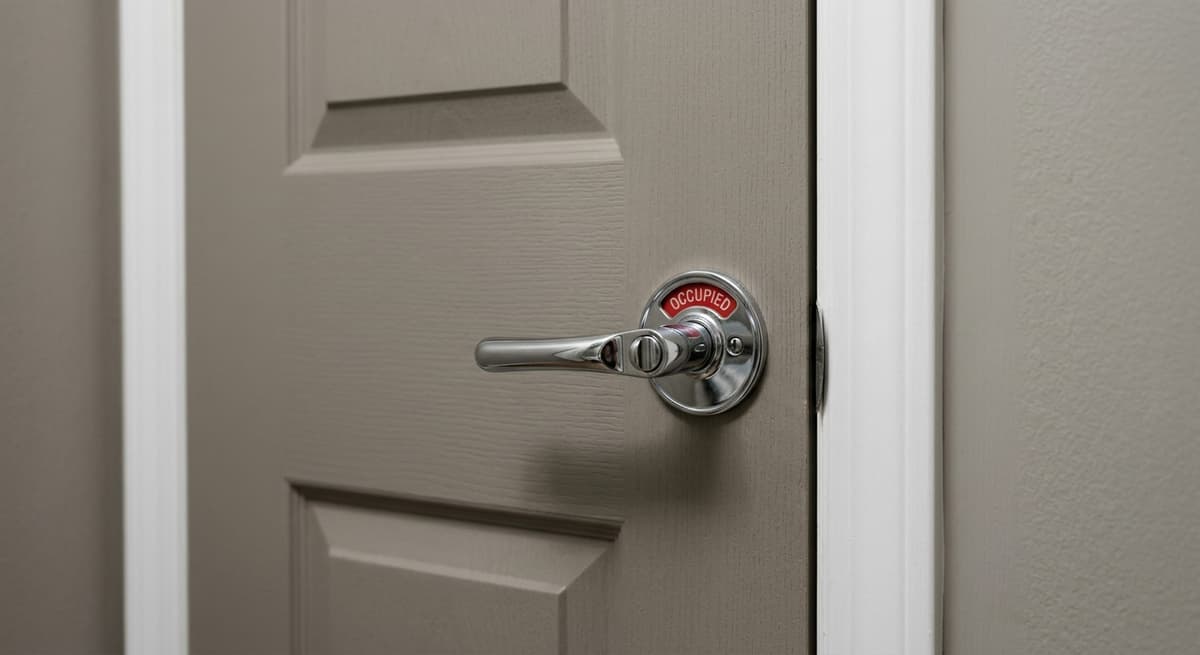
- Placing a hidden camera in a bathroom, locker room, changing room, or bedroom
- Using a phone camera to take upskirt or downblouse photos
- Installing a covert recording device in a hotel room
- Using a peephole or one-way mirror to view someone in a private area
- Positioning a camera to record into a private space like a bedroom or bathroom through a window
Penalties for Voyeurism in Nevada

First Offense: Gross Misdemeanor
A first violation of NRS 200.604 is classified as a gross misdemeanor under Nevada law:
| Penalty | Amount |
|---|---|
| Jail | Up to 364 days in county jail |
| Fine | Up to $2,000 |
| Classification | Gross misdemeanor |
Second and Subsequent Offenses: Category E Felony
A second or subsequent offense is a Category E felony:
| Penalty | Amount |
|---|---|
| Prison | 1 to 4 years in state prison |
| Fine | Up to $5,000 |
| Classification | Category E felony |
| Probation | Mandatory unless court finds otherwise |
Under NRS 193.130, Category E felonies in Nevada carry a presumptive sentence of probation for first-time felony offenders. However, a person convicted of a second NRS 200.604 offense has already demonstrated a pattern, and the court may impose incarceration.
When Victims Are Minors
If the victim is under 18 years of age, the charges can escalate dramatically. Under NRS 200.710, using a minor to produce pornography, or using a minor as the subject of a sexual portrayal in a performance, is a Category A felony, punished under NRS 200.750:
| Penalty | Amount |
|---|---|
| Prison (minor 14 or older) | Life with possibility of parole, minimum 5 years before parole eligibility |
| Prison (minor under 14) | Life with possibility of parole, minimum 10 years before parole eligibility |
| Fine | Up to $100,000 |
| Sex offender registration | Required |
Even if the perpetrator did not intend to produce pornography, hidden camera footage of a minor's private areas can trigger charges under NRS 200.710 in addition to NRS 200.604.
Distribution Penalties
Distributing voyeuristic images compounds the offense. Under NRS 200.604(2), distributing captured images of a person's private area is a separate criminal offense. If the images involve a minor, distribution can also trigger federal charges under 18 U.S.C. Section 2252.
Nevada's 2025 legislature also passed SB 213 (2025 Statutes of Nevada, Chapter 299), effective October 1, 2025. SB 213 is a criminal-law amendment: it expands the existing Category D felony for unlawful dissemination of an intimate image under NRS 200.780 and broadens the definition of intimate image under NRS 200.770 to cover photorealistic, digital, and AI-generated images of identifiable people. It does not create a civil cause of action. This extends the existing criminal penalties to deepfake and AI-generated content.
How Voyeurism Laws Interact With Nevada's Recording Consent Framework
The Split Consent System
Nevada's recording laws operate on a split consent system that affects voyeurism cases in specific ways:
- In-person recording of conversations follows one-party consent under NRS 200.650. If you are a participant in a face-to-face conversation, you can record it without notifying others.
- Phone and wire communications require all-party consent under NRS 200.620. The statute's text allows one-party consent or a court order in an emergency, but the Nevada Supreme Court's fractured decision in Lane v. Allstate Ins. Co., 114 Nev. 1176, 969 P.2d 938 (1998), interprets it to require every participant's consent in practice.
However, NRS 200.604 operates independently of the consent framework. Even if you are a participant in a conversation (satisfying NRS 200.650), you cannot use that interaction as an opportunity to capture images of someone's private areas. One-party consent to record a conversation does not grant consent to voyeuristic recording.
Audio on Hidden Cameras
If a hidden camera captures both video and audio, the voyeurism charge under NRS 200.604 may be accompanied by:
- An illegal eavesdropping charge under NRS 200.650 (if the camera records in-person conversations without being a participant)
- An illegal wiretapping charge under NRS 200.620 (if the camera captures phone conversations)
- Enhanced penalties under NRS 200.690 for the audio component
Common Voyeurism Scenarios in Nevada
Hidden Cameras in Rental Properties
Landlords, property managers, and short-term rental hosts who install hidden cameras in bedrooms, bathrooms, or other private areas violate NRS 200.604. This applies to:
- Long-term rental apartments and houses
- Vacation rentals and Airbnb properties
- Hotel rooms (though casinos have separate surveillance regulations)
- Shared housing and roommate situations
Guests and tenants who discover hidden cameras should document the device without disturbing it and contact local law enforcement immediately.
Workplace Hidden Cameras
Employers who install cameras in bathrooms, locker rooms, changing areas, or nursing rooms violate NRS 200.604. Even in areas where security cameras are otherwise permitted (sales floors, lobbies), cameras must not be positioned to capture private body areas of employees or customers.
Upskirt and Downblouse Photography
Taking photographs or video up someone's clothing or down their shirt without consent is a direct violation of NRS 200.604, regardless of where the incident occurs. This applies in public places, private spaces, and everywhere in between. The victim's reasonable expectation that their private areas are not visible to others is the controlling factor.
Peeping Tom Offenses
Using windows, mirrors, peepholes, or any device to view someone in a private area without their knowledge falls under NRS 200.604. Nevada courts have applied this statute to both high-tech surveillance devices and low-tech peeping methods.
Civil Remedies for Voyeurism Victims
Invasion of Privacy Claims
Victims can file civil lawsuits for invasion of privacy, seeking:
- Compensatory damages for emotional distress
- Special damages for therapy, lost wages, and other quantifiable harm
- Punitive damages to punish egregious conduct
- Injunctive relief to prevent further distribution of images
Statutory Damages Under NRS 200.690
If the hidden camera captured audio in violation of NRS 200.620 or NRS 200.650, the victim can also pursue statutory damages under NRS 200.690:
| Damage Type | Amount |
|---|---|
| Liquidated damages | $100 per day, minimum $1,000 |
| Actual damages | Whatever losses can be proven |
| Punitive damages | At court discretion |
| Attorney fees | Reasonable fees and costs |
AI-Generated and Deepfake Intimate Images
Nevada's 2025 legislation, SB 213, is a criminal-law amendment, not a civil remedy. It expanded the existing Category D felony for unlawful dissemination of an intimate image under NRS 200.780, and the definition of intimate image under NRS 200.770, to cover photorealistic, digital, and AI-generated images depicting identifiable people, effective October 1, 2025. A victim of synthetic or AI-generated intimate imagery pursues civil relief through the same invasion-of-privacy claims and NRS 200.690 statutory damages described above. SB 213 itself does not create a separate civil cause of action or a court-ordered removal process.
Sex Offender Registration
Depending on the circumstances, a voyeurism conviction may require sex offender registration in Nevada under NRS 179D.441. This is particularly likely when:
- The victim is a minor
- The offense involved sexual motivation
- The defendant has prior sexual offenses
- The offense is charged alongside other sex crimes
A conviction under NRS 200.710 (using a minor to produce pornography or as the subject of a sexual portrayal in a performance) automatically triggers sex offender registration requirements.
Detecting Hidden Cameras
If you suspect a hidden camera in a rental property, hotel room, or other location, there are practical steps you can take:
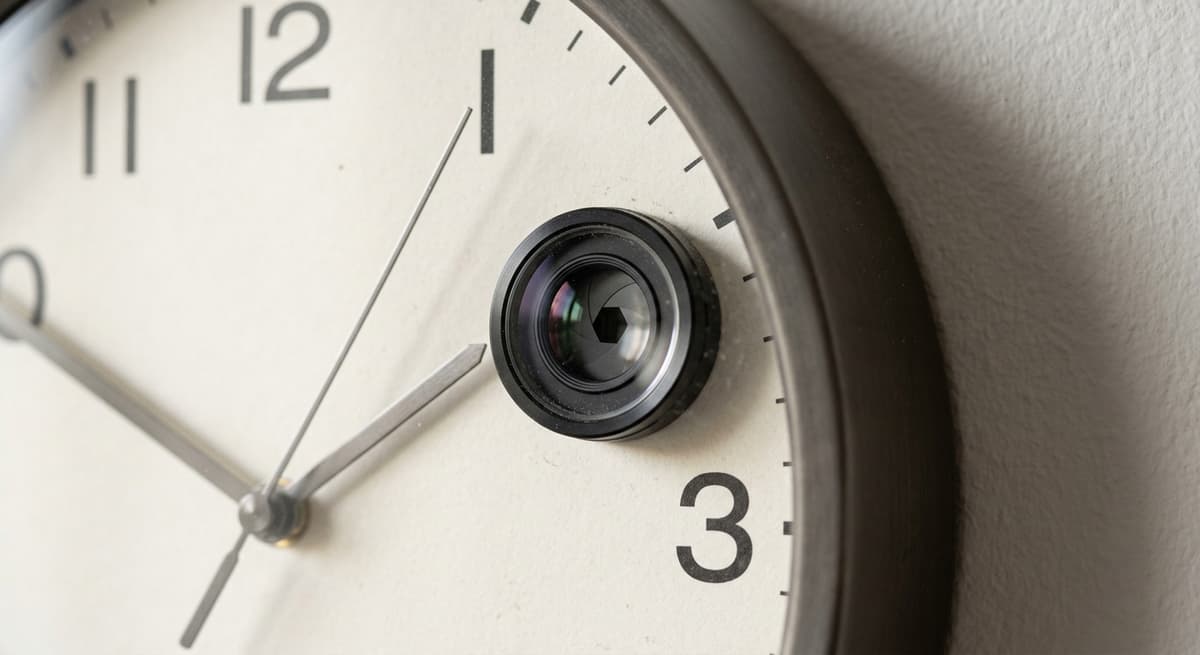
- Visual inspection: Check common hiding spots including smoke detectors, clocks, electrical outlets, air vents, and small decorative objects
- Light scan: Turn off the lights and look for small LED indicator lights
- Phone camera test: Some phone cameras can detect infrared lights used by night-vision cameras
- RF detector: Radio frequency detectors can identify wireless cameras that transmit signals
- Wi-Fi scan: Check the local Wi-Fi network for unfamiliar connected devices
If you find a hidden camera, do not touch or remove it. Document its location with your own camera and contact law enforcement. The device itself is evidence.
2025 Legislative Updates
Nevada's 83rd Legislature (2025 session) strengthened protections against voyeurism and non-consensual imagery:
- SB 263 expanded criminal penalties for creating or distributing synthetic media depicting minors in explicit situations, effective October 1, 2025
- SB 213 (Chapter 299) expanded the existing Category D felony for unlawful dissemination of an intimate image under NRS 200.780, and broadened the definition of intimate image under NRS 200.770, to cover AI-generated and photorealistic deepfake images, effective October 1, 2025. SB 213 does not create civil liability
- AB 73 established disclosure requirements for political campaign materials using synthetic media
These new laws supplement NRS 200.604 by addressing AI-generated and deepfake voyeuristic content.
More Nevada Recording Topics
More Nevada Recording Laws
More Nevada Laws
Frequently Asked Questions
What is the penalty for hidden cameras in Nevada?
A first offense under NRS 200.604 is a gross misdemeanor with up to 364 days in jail and a $2,000 fine. A second offense is a Category E felony with 1 to 4 years in prison. If the victim is under 18, charges under NRS 200.710 can carry a life sentence with possibility of parole (minimum 5 to 10 years served, depending on the minor's age) and mandatory sex offender registration.
Is it illegal to put a camera in a bathroom in Nevada?
Yes. Installing a camera in a bathroom, locker room, changing room, or any area where people have a reasonable expectation of privacy violates NRS 200.604. This applies to homeowners, landlords, employers, and anyone else who installs hidden cameras in private areas.
Can I be charged with voyeurism for upskirt photography in Nevada?
Yes. NRS 200.604 specifically prohibits capturing images of a person's private area without consent. Upskirt and downblouse photography are direct violations regardless of where the incident occurs, because the victim has a reasonable expectation that those areas are not visible.
Do voyeurism laws interact with Nevada's recording consent rules?
NRS 200.604 (voyeurism) operates independently of the consent framework for audio recording. Even if you have one-party consent to record a conversation under NRS 200.650, you cannot capture images of someone's private areas. If a hidden camera also records audio, separate charges under NRS 200.650 or NRS 200.620 may apply.
What should I do if I find a hidden camera in a Nevada rental property?
Do not touch or remove the device. Document its location by photographing it with your own camera. Contact local law enforcement immediately. The hidden camera is evidence of a crime under NRS 200.604. You may also have civil claims for invasion of privacy and emotional distress.
Updates
Corrected the description of 2025 Senate Bill 213: it is a criminal-law amendment that expands Nevada's felony for unlawfully disseminating an intimate image to cover AI-generated and deepfake images, not a civil-liability or image-removal law as the page previously stated, and updated a citation label to the statute's current title.
Independently fact-checked against the cited primary sources; governing law re-checked for recent changes
Corrected the minor-victim penalty section: the Category A felony for using a minor in pornography is NRS 200.710 (punished under NRS 200.750), not NRS 200.730, which is actually the possession statute. Added the under-14 parole bracket, and fixed the distribution subsection cite from NRS 200.604(3) to NRS 200.604(2).
Governing law re-checked for recent changes
Governing law re-checked for recent changes
Reviewed and approved by an editor
The Law Behind This Article
This article rests on the statutory provisions below, held in our own legal record and retrieved from the official source. Tap a section to read the operative text.
Nevada Revised Statutes, Chapter 200: CRIMES AGAINST THE PERSON
§ 200.604Capturing image of private area of another person; distributing, disclosing, displaying, transmitting or publishing image of private area of another person; penalties; exceptions; confidentiality of image.In forcecited in 12 of our articles
1. Except as otherwise provided in subsection 4, a person shall not knowingly and intentionally capture an image of the private area of another person: (a) Without the consent of the other person; and (b) Under circumstances in which the other person has a reasonable expectation of privacy. 2. Except as otherwise provided in subsection 4, a person shall not distribute, disclose, display, transmit or publish an image that the person knows or has reason to know was made in violation of subsection 1. 3. Unless a greater penalty is provided pursuant to NRS 200.780 or 212.188, a person who violates this section: (a) For a first offense, is guilty of a gross misdemeanor. (b) For a second or subsequent offense, is guilty of a category E felony and shall be punished as provided in NRS 193.130. 4. This section does not prohibit any lawful law enforcement or correctional activity, including, without limitation, capturing, distributing, disclosing, displaying, transmitting or publishing an image for the purpose of investigating or prosecuting a violation of this section.
Official text (excerpt) · last checked 2026-07-29 · Read the full text in our law library · Verify at leg.state.nv.us
Cited in 4 court opinions in our collectionLatest citing opinion in our collection: 2018
Opinions citing this section in our collection:
- Coleman v. State (Nevada Supreme Court 2018, 416 P.3d 238)“…By the Court, PICKERING, J.: NRS 200.604 prohibits a person from knowingly and i…”
- COLEMAN (SOLOMON) VS. STATE (Nevada Supreme Court 2018, 2018 NV 28)“…y the Court, PICKERING, J.: NRS 200.604 prohibits a person from knowingly and…”
- Brian Olsen v. City of Henderson (Court of Appeals for the Ninth Circuit 2016, 648 F. App'x 628)“…amily. Nichols reasonably believed that Olsen had violated Nev. Rev. Stat. § 200.604 by capturing and publishing to his per…”
Identified automatically from the court opinions citing this section — not a ranking of which case controls.
Also relied on in: Nevada Smart Glasses Recording Laws 2026, Nevada Landlord-Tenant Recording Laws: Rights for Renters and Property Owners (2026), Nevada Medical Recording Laws: Patient Rights and Healthcare Privacy (2026)
§ 200.620Interception and attempted interception of wire communication prohibited; exceptions.In forcecited in 18 of our articles
1. Except as otherwise provided in subsection 5 and NRS 179.410 to 179.515, inclusive, 209.419 and 704.195, it is unlawful for any person to intercept or attempt to intercept any wire communication unless: (a) The interception or attempted interception is made with the prior consent of one of the parties to the communication; and (b) An emergency situation exists and it is impractical to obtain a court order as required by NRS 179.410 to 179.515, inclusive, before the interception, in which event the interception is subject to the requirements of subsection 3. If the application for ratification is denied, any use or disclosure of the information so intercepted is unlawful, and the person who made the interception shall notify the sender and the receiver of the communication that: (1) The communication was intercepted; and (2) Upon application to the court, ratification of the interception was denied.
Official text (excerpt) · last checked 2026-08-28 · Read the full text in our law library · Verify at leg.state.nv.us
Cited in 18 court opinions in our collectionLatest citing opinion in our collection: 2025
In the courts (editorial summary, independently checked):Nevada reads NRS 200.620 as an all-party consent rule for phone recording, with a territorial limit. Lane v. Allstate Insurance held a participant who taped his own calls without the other parties' consent violated it; DITECH FINANCIAL, LLC VS. BUCKLES held it does not reach calls recorded from outside Nevada.
Opinions citing this section in our collection:
- Lane v. Allstate Insurance (Nevada Supreme Court 1998, 114 Nev. 1176)✓A former employee secretly taped hundreds of his own phone calls with his ex-employer's staff to build his suit; the court held NRS 200.620 bars recording a call without every party's consent, so the tapes were excluded and the dismissal of his suit was reversed.
- State v. Reyes (Nevada Supreme Court 1991, 107 Nev. 191)✓Police had an interpreter listen on a station extension phone while an informant set up a drug buy; the court held that officers' use of regularly installed telephone equipment in the ordinary course of their duties is not an interception under NRS 200.620.
- ABID VS. ABID (CHILD CUSTODY) (Nevada Supreme Court 2017, 2017 NV 94)“…corded phone conversations in violation of NRS 200.620 to obtain evidence to support tort…”
Identified automatically from the court opinions citing this section — not a ranking of which case controls.
Also relied on in: Nevada Windshield Mounting Laws (2026 Guide), Nevada Audio Recording Laws: Split Consent Rules and Penalties (2026), Nevada Dashcam Laws: Legal Rules for Dashboard Cameras (2026)
§ 200.650Unauthorized, surreptitious intrusion of privacy by listening device prohibited.In forcecited in 19 of our articles
Except as otherwise provided in NRS 179.410 to 179.515, inclusive, and 704.195, a person shall not intrude upon the privacy of other persons by surreptitiously listening to, monitoring or recording, or attempting to listen to, monitor or record, by means of any mechanical, electronic or other listening device, any private conversation engaged in by the other persons, or disclose the existence, content, substance, purport, effect or meaning of any conversation so listened to, monitored or recorded, unless authorized to do so by one of the persons engaging in the conversation.
Official text (excerpt) · last checked 2026-08-26 · Read the full text in our law library · Verify at leg.state.nv.us
Cited in 13 court opinions in our collectionLatest citing opinion in our collection: 2025
In the courts (editorial summary, independently checked):Nevada courts read NRS 200.650 to permit a recording authorized by a participant. Summers v. State (1986) upheld a body-wire recording because the informant taking part in the conversation authorized it. Abid v. Abid (2017) held the section carries no suppression rule, so a custody expert could consider recordings made in violation of it.
Opinions citing this section in our collection:
- Lane v. Allstate Insurance (Nevada Supreme Court 1998, 114 Nev. 1176)✓A former employee secretly taped hundreds of phone calls with company personnel; the court read NRS 200.650 as allowing in-person private conversations to be recorded when one participant authorizes it, and contrasted that in holding NRS 200.620 bars one-party taping of calls.
- Summers v. State (Nevada Supreme Court 1986, 102 Nev. 195)✓Police taped a transmitter to an informant, who recorded his conversation with Summers about the murder guns; the court held such a recording needs no court order so long as the authorization requirement of NRS 200.650 is met, and the informant had authorized it.
- ABID VS. ABID (CHILD CUSTODY) (Nevada Supreme Court 2017, 2017 NV 94)“…to this recording, the father's actions likely violated NRS 200.650, which prohibits the…”
Identified automatically from the court opinions citing this section — not a ranking of which case controls.
Also relied on in: Nevada Recording Laws (2026): Hybrid One-Party/All-Party Consent, Nevada Phone Call Recording Laws: All-Party Consent Required (2026), Nevada Security Camera Laws: Installation Rules and Privacy Limits (2026)
§ 200.690Penalties.In forcecited in 13 of our articles
1. A person who willfully and knowingly violates NRS 200.620 to 200.650, inclusive: (a) Shall be punished for a category D felony as provided in NRS 193.130. (b) Is liable to a person whose wire or oral communication is intercepted without his or her consent for: (1) Actual damages or liquidated damages of $100 per day of violation but not less than $1,000, whichever is greater; (2) Punitive damages; and (3) His or her costs reasonably incurred in the action, including a reasonable attorney’s fee, Ê all of which may be recovered by civil action. 2. A good faith reliance by a public utility on a written request for interception by one party to a conversation is a complete defense to any civil or criminal action brought against the public utility on account of the interception.
Official text (excerpt) · last checked 2026-07-29 · Read the full text in our law library · Verify at leg.state.nv.us
Cited in 5 court opinions in our collectionLatest citing opinion in our collection: 2023
Opinions citing this section in our collection:
- Lane v. Allstate Insurance (Nevada Supreme Court 1998, 114 Nev. 1176)“…shable as “a category D felony as provided in NRS 193.130.” NRS 200.690(l)(a). In addition, the violator is lia…”
- ABID VS. ABID (CHILD CUSTODY) (Nevada Supreme Court 2017, 2017 NV 94)“…regarding evidence and admissibility. See NRS 200.690(1) (enforcing NRS 200.650 exclusively…”
- DITECH FINANCIAL, LLC VS. BUCKLES (Nevada Supreme Court 2017, 2017 NV 64)“…ons without Buckles's consent.' 1 NRS 200.690(1)(b) provides a private right of actio…”
Identified automatically from the court opinions citing this section — not a ranking of which case controls.
Also relied on in: Nevada School Recording Laws: Rules for Students, Parents, and Teachers (2026), Nevada Video Recording Laws: When Consent Is Required (2026), Nevada Workplace Recording Laws: Employee and Employer Rights (2026)
§ 200.710Unlawful to use minor in producing child sexual abuse material or as subject of sexual portrayal in performance.In forcecited in 3 of our articles
1. A person who knowingly uses, encourages, entices or permits a minor to simulate or engage in or assist others to simulate or engage in sexual conduct to produce a performance is guilty of a category A felony and shall be punished as provided in NRS 200.750. 2. A person who knowingly uses, encourages, entices, coerces or permits a minor to be the subject of a sexual portrayal in a performance is guilty of a category A felony and shall be punished as provided in NRS 200.750, regardless of whether the minor is aware that the sexual portrayal is part of a performance.
Official text (excerpt) · last checked 2026-07-29 · Read the full text in our law library · Verify at leg.state.nv.us
Cited in 23 court opinions in our collectionLatest citing opinion in our collection: 2026
Opinions citing this section in our collection:
- Wilson v. State (Nevada Supreme Court 2005, 121 Nev. 345)“…gins with an examination of the statute. 8 NRS 200.710 states: 1. A person who knowingl…”
- State v. Second Judicial District Court of the State of Nevada ex rel. County of Washoe (Nevada Supreme Court 2004, 120 Nev. 254)“…e a child pornography videotape to defense counsel based on NRS 200.710 to 200.735 and 18 U.S.C. § 2252 . The…”
- State v. Hughes (Nevada Supreme Court 2011, 127 Nev. 626)“…the subject of a sexual portrayal in a performance. Under NRS 200.710, "[a] person who knowingly uses, encour…”
Identified automatically from the court opinions citing this section — not a ranking of which case controls.
Also relied on in: Nevada Pornography Laws (2026): Obscenity, AV Bill, CSAM Penalties
Nevada Revised Statutes, Chapter 179D: REGISTRATION OF SEX OFFENDERS AND OFFENDERS CONVICTED OF A CRIME AGAINST A CHILD
§ 179D.441Duty to register and to keep registration current.In force
Each offender convicted of a crime against a child and each sex offender shall: 1. Register initially with the local law enforcement agency of the jurisdiction in which the offender or sex offender was convicted as required pursuant to NRS 179D.445; 2. Register with the appropriate law enforcement agency as required pursuant to NRS 179D.460 and 179D.480; and 3. Keep the registration current as required pursuant to NRS 179D.447.
Official text (excerpt) · last checked 2026-07-29 · Read the full text in our law library · Verify at leg.state.nv.us
Cited in 7 court opinions in our collectionLatest citing opinion in our collection: 2026
Opinions citing this section in our collection:
- State v. Eighth Judicial District Court of the State of Nevada ex rel. County of Clark (Nevada Supreme Court 2013, 129 Nev. 492)“…r based solely on the offense committed. NRS 179D.115-.117; NRS 179D.441; NRS 179D.445; NRS 179D.460; NRS 179D.4…”
- DEL TORO (JUAN) v. STATE (CRIMINAL) (Nevada Supreme Court 2026, 142 Nev. Adv. Op. No. 33)“…enforcement in the county or city in which they reside. NRS 179D.441; NRS 179D.460(1)-(2). T…”
- Wallman (Trinity) Vs. Warden (Nevada Supreme Court 2020)“…(recognizing attempted sexual assault as a sexual offense); NRS 179D.441 (requiring…”
Identified automatically from the court opinions citing this section — not a ranking of which case controls.
Nevada Revised Statutes, Chapter 193: CRIMINALITY GENERALLY
§ 193.130Categories and punishment of felonies.In forcecited in 3 of our articles
1. Except when a person is convicted of a category A felony, and except as otherwise provided by specific statute, a person convicted of a felony shall be sentenced to a minimum term and a maximum term of imprisonment which must be within the limits prescribed by the applicable statute, unless the statute in force at the time of commission of the felony prescribed a different penalty. The minimum term of imprisonment that may be imposed must not exceed 40 percent of the maximum term imposed. 2. Except as otherwise provided by specific statute, for each felony committed on or after July 1, 1995: (a) A category A felony is a felony for which a sentence of death or imprisonment in the state prison for life with or without the possibility of parole may be imposed, as provided by specific statute. (b) A category B felony is a felony for which the minimum term of imprisonment in the state prison that may be imposed is not less than 1 year and the maximum term of imprisonment that may be imposed is not more than 20 years, as provided by specific statute.
Official text (excerpt) · last checked 2026-07-29 · Read the full text in our law library · Verify at leg.state.nv.us
Cited in 97 court opinions in our collectionLatest citing opinion in our collection: 2026
Opinions citing this section in our collection:
- State v. SECOND JUDICIAL DIST. CT.(PULLIN) (Nevada Supreme Court 2008, 124 Nev. 564)“…ral savings statutes adopted *568 in 1967 as NRS 193.130, 15 193.140, 16…”
- Washington v. State (Nevada Supreme Court 2001, 117 Nev. 735)“…of a category C felony and shall be punished as provided in NRS 193.130. 3. A person who offers, agrees or ar…”
- Hudson v. Warden (Nevada Supreme Court 2001, 117 Nev. 387)“…le I, II, III or IV, for a category E felony as provided in NRS 193.130. (b) For a third or subsequent offens…”
Identified automatically from the court opinions citing this section — not a ranking of which case controls.
Also relied on in: Nevada Dog Bite Laws: Liability and Victim Rights, Nevada GPS Tracking Laws: Is It Legal to Put a Tracker on a Car? (2026)
United States Code Title 18
§ 2252Certain activities relating to material involving the sexual exploitation of minorsIn forcecited in 7 of our articles
Any person who— knowingly transports or ships using any means or facility of interstate or foreign commerce or in or affecting interstate or foreign commerce by any means including by computer or mails, any visual depiction, if— the producing of such visual depiction involves the use of a minor engaging in sexually explicit conduct; and such visual depiction is of such conduct; knowingly receives, or distributes, any visual depiction using any means or facility of interstate or foreign commerce or that has been mailed, or has been shipped or transported in or affecting interstate or foreign commerce, or which contains materials which have been mailed or so shipped or transported, by any means including by computer, or knowingly reproduces any visual depiction for distribution using any means or facility of interstate or foreign commerce or in or affecting interstate or foreign commerce or through the mails, if— the producing of such visual depiction involves the use of a minor engaging in sexually explicit conduct; and such visual depiction is of such conduct; either— in the special maritime and territorial jurisdiction of the United States, or on any land or building owned by,…
Official text (excerpt) · last checked 2026-07-28 · Read the full text in our law library · Verify at uscode.house.gov
Cited in 3,732 court opinions in our collectionLatest citing opinion in our collection: 2026
Opinions citing this section in our collection:
- New York v. Ferber (Supreme Court of the United States 1982, 458 U.S. 747)“…o prohibits dissemination only if the material is obscene. 18 U. S. C. § 2252 (a) (1976 ed., Supp. IV). Two States pr…”
- United States v. X-Citement Video, Inc. (Supreme Court of the United States 1994, 513 U.S. 64)“…depictions of minors engaged in sexually explicit conduct. 18 U. S. C. § 2252 . The Court of Appeals for the Ninth Ci…”
- Osborne v. Ohio (Supreme Court of the United States 1990, 495 U.S. 103)“…rial for the purpose of sale or distribution for sale. See 18 U. S. C. § 2252 (a) (1982 ed.). But Congress did not…”
Identified automatically from the court opinions citing this section — not a ranking of which case controls.
Also relied on in: Alabama Voyeurism Laws: Hidden Cameras, Penalties, and Victim Rights, Wisconsin Voyeurism and Hidden Camera Laws: Privacy Crimes and Penalties (2026), xAI Sues Grok User Over Alleged AI-Generated Child Sexual Abuse Material
Search our full record of US law — 2.1 million sections, every state + federal →
Sources and References
- NRS 200.604 - Capturing Image of Private Area(leg.state.nv.us).gov
- NRS 200.620 - Interception of Wire Communications(leg.state.nv.us).gov
- NRS 200.650 - Surreptitious Intrusion of Privacy(leg.state.nv.us).gov
- NRS 200.690 - Penalties(leg.state.nv.us).gov
- NRS 200.710 - Unlawful to Use Minor in Producing Child Sexual Abuse Material or as Subject of Sexual Portrayal in Performance(leg.state.nv.us).gov
- NRS 193.130 - Categories of Felonies(leg.state.nv.us).gov
- NRS 179D.441 - Sex Offender Registration(leg.state.nv.us).gov
- 18 U.S.C. Section 2252 - Federal Child Pornography Statute(law.cornell.edu)