
Kansas
Kansas Workplace Recording Laws
Independently fact-checked against primary sources (last audited August 15, 2026). · Reviewed by the RecordingLaw editorial team. · Law checked current as of August 15, 2026. · 5 primary sources cited on this page. How we verify our legal content
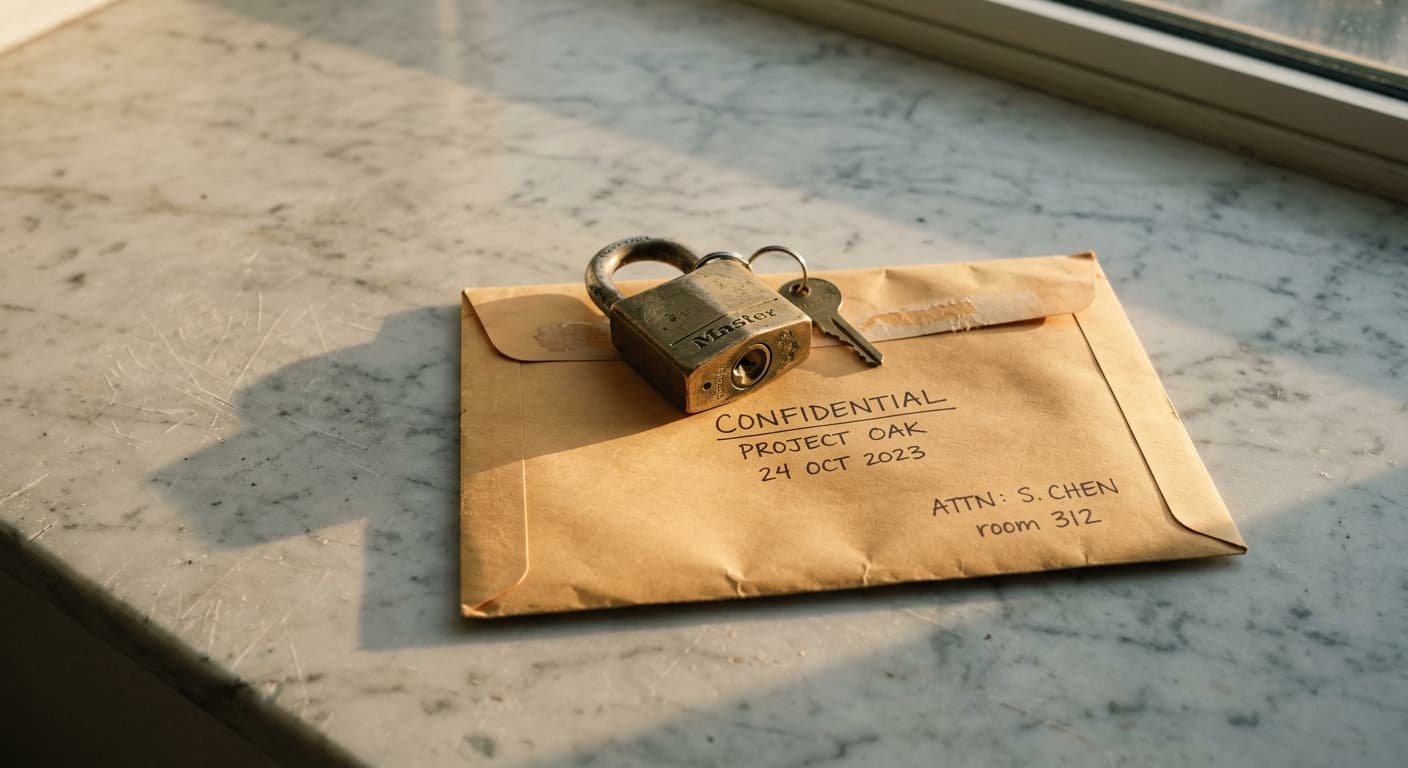
Kansas employees may record any workplace conversation they participate in without notifying coworkers or supervisors, because Kansas is a one-party consent state under K.S.A. 21-6101. Employers may install cameras in common work areas and can enforce internal policies that restrict recording devices, even when the recording itself is legal under state law.
Kansas is a one-party consent state under K.S.A. 21-6101, which means employees can legally record workplace conversations they participate in without informing coworkers, supervisors, or HR representatives. At the same time, employers have the right to install surveillance cameras in common work areas and to establish internal policies that restrict or prohibit recording devices.
This guide covers the intersection of Kansas recording law with employment rights, including employee recording rights, employer surveillance rules, wearable device policies, NLRA protections, and how workplace recordings are used as evidence.
Employee Recording Rights in Kansas
The Legal Foundation
Under Kansas one-party consent law, an employee who participates in a conversation can record it without obtaining permission from or even notifying the other participants. This right applies to:
- Face-to-face conversations with supervisors and managers
- Meetings with HR representatives
- Performance reviews and disciplinary discussions
- Conversations with coworkers about work conditions
- Phone calls and video conferences you participate in
- Interviews and job-related discussions
Your participation in the conversation satisfies the one-party consent requirement. You do not need to announce "I am recording" or obtain written consent.
What Employees Cannot Record
While Kansas gives employees broad recording rights for their own conversations, there are limits:
- Conversations you are not part of. Planting a hidden recorder in a conference room and leaving the area to capture other people's conversations is illegal under K.S.A. 21-6101(a)(4).
- Private spaces. Recording in bathrooms, locker rooms, or changing areas violates the voyeurism provisions of K.S.A. 21-6101(a)(6), which is a severity level 8 person felony.
- Intercepting electronic communications. Accessing a coworker's voicemail, email, or stored messages without authorization violates both state and federal law.
Common Reasons Employees Record at Work
Employees in Kansas commonly record workplace conversations for the following purposes:
Documenting harassment or discrimination. Recording can capture verbal harassment, discriminatory comments, or hostile work environment behavior that might otherwise be denied.
Preserving performance review details. Employees can record performance reviews to maintain an accurate record of what was discussed, especially if they disagree with the evaluation.
Protecting against retaliation. When employees report workplace violations, recordings can document retaliatory behavior by supervisors or management.
Recording verbal agreements. When an employer makes verbal promises about raises, promotions, schedules, or benefits, a recording can serve as evidence of those commitments.
Gathering evidence for legal claims. Employees pursuing workers' compensation claims, wage disputes, or wrongful termination lawsuits often use recordings as evidence.
Employer Surveillance Rights
Video Surveillance in the Workplace
Kansas employers can install video surveillance cameras in areas where employees do not have a reasonable expectation of privacy. Permissible locations include:
- Sales floors, retail spaces, and customer-facing areas
- Warehouses, production floors, and manufacturing areas
- Lobbies, reception areas, and main entrances
- Hallways and common corridors
- Parking lots and building exteriors
- Loading docks and shipping areas
Where Employers Cannot Install Cameras
Under the voyeurism provisions of K.S.A. 21-6101(a)(6), employers face criminal liability for installing cameras in areas where employees have a reasonable expectation of privacy:
- Bathrooms and restrooms. Installing a camera in a bathroom to secretly observe occupants violates K.S.A. 21-6101, which requires an intent to invade privacy; no business purpose justifies covert bathroom surveillance.
- Locker rooms and shower areas. Gyms, fire stations, police stations, and any workplace with locker rooms cannot have cameras in these spaces.
- Changing areas and dressing rooms. Retail employees who change into uniforms cannot be recorded during the process.
- Private break rooms. Small, enclosed break rooms with doors may carry a privacy expectation.
- Lactation rooms. Rooms designated for nursing mothers must remain camera-free.
An employer who installs cameras in these areas faces a severity level 8 person felony charge, carrying 7 to 23 months in prison on a first offense.
Audio Surveillance by Employers
When employer surveillance equipment captures audio, the same one-party consent rules apply. An employer that records audio in a common workspace may be legal if at least one party to any captured conversation has consented. However, indiscriminate audio recording of all conversations in a workplace, where the employer is not a party to most of those conversations, creates significant legal risk under K.S.A. 21-6101.
Best practice for employers is to limit audio surveillance to situations where a management representative is present and participating in the conversation.
Notice Requirements
Kansas does not have a specific statute requiring employers to notify employees of workplace surveillance. However, providing notice through employee handbooks, posted signs, or written policies is strongly recommended as a best practice. Notice helps:
- Eliminate any claim of a reasonable expectation of privacy in monitored areas
- Reduce the risk of legal challenges from employees
- Comply with requirements from other jurisdictions if the company operates across state lines
- Meet National Labor Relations Board (NLRB) guidance on surveillance in unionized workplaces
Employer Recording Policies

Can an Employer Prohibit Recording?
Kansas employers can adopt internal policies that prohibit or restrict recording in the workplace. While recording is legal under Kansas state law, employment in Kansas is generally at-will, meaning an employer can set workplace rules and discipline employees who violate them.
A typical employer recording policy might:
- Prohibit all personal recording devices in certain areas
- Require employees to obtain manager approval before recording
- Ban recording during specific meetings (such as disciplinary hearings or client meetings)
- Restrict the sharing of workplace recordings outside the company
Consequences of Violating Employer Policy
An employee who records a workplace conversation legally under Kansas law but in violation of company policy may face:
- Written warning or verbal counseling
- Suspension with or without pay
- Termination of employment
- Loss of certain benefits or privileges
Because Kansas is an at-will employment state, an employer can generally terminate an employee for violating a recording policy, even though the recording itself was legal.
NLRA Limitations on Recording Bans
The National Labor Relations Act (NLRA) provides important protections that may limit an employer's ability to enforce blanket recording bans. Section 7 of the NLRA protects employees' rights to engage in "concerted activities" for mutual aid or protection, which can include:
- Discussing wages and compensation with coworkers
- Recording conversations about working conditions
- Documenting safety violations or hazardous conditions
- Gathering evidence of unfair labor practices
The National Labor Relations Board (NLRB) has held, applying the Stericycle, Inc., 372 NLRB No. 113 (2023) standard, that employers cannot maintain blanket no-recording policies that would reasonably chill employees' exercise of their Section 7 rights. However, employers can enforce recording bans that are narrowly tailored to protect legitimate business interests, such as trade secrets, client confidentiality, or patient privacy.
Creating a Balanced Recording Policy
Employers seeking to implement a recording policy should consider guidance from our resource on creating an employer wearable recording device policy. Key principles include:
- Define specific areas or situations where recording is prohibited, rather than implementing a blanket ban
- Identify legitimate business reasons for restrictions (trade secrets, client confidentiality, HIPAA compliance)
- Ensure the policy does not interfere with employees' NLRA Section 7 rights
- Apply the policy consistently across all employees and management levels
- Provide clear notice of the policy in the employee handbook
Wearable Recording Devices in the Workplace
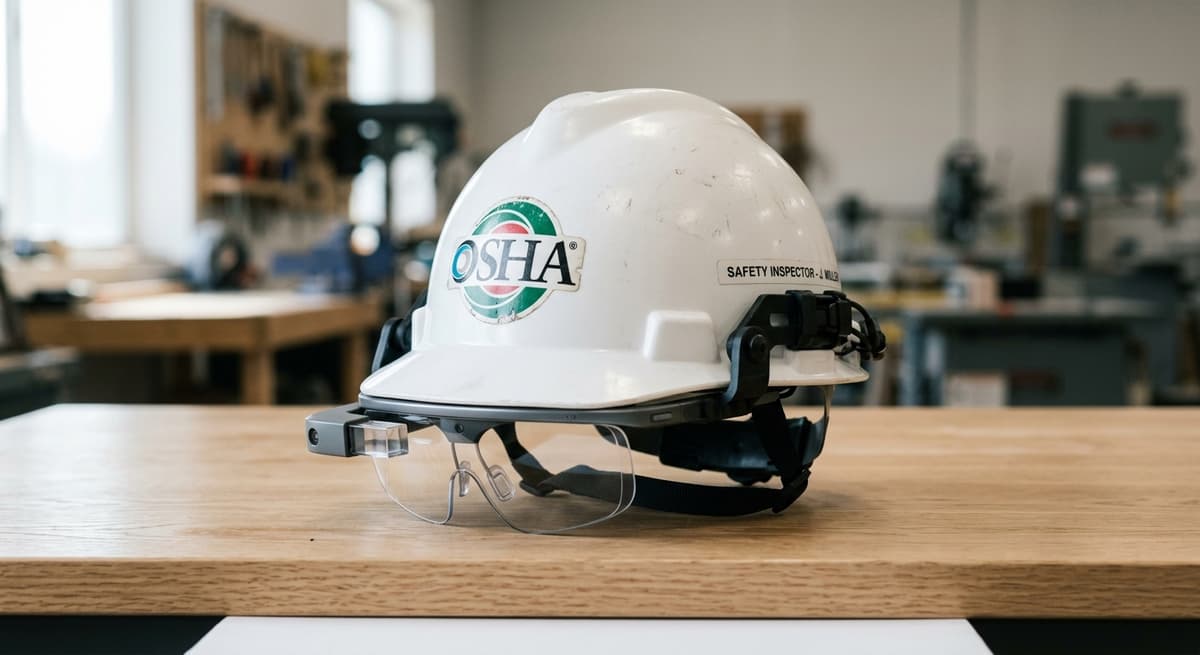
AI Voice Recorders
Kansas one-party consent law permits employees to use wearable AI voice recorders (such as Plaud) to record workplace conversations they participate in. The person wearing the device satisfies the one-party consent requirement, making the audio recording lawful under K.S.A. 21-6101.
These devices are commonly used for:
- Recording performance reviews and HR meetings
- Documenting conversations with supervisors about assignments and expectations
- Preserving verbal instructions and task details
- Capturing evidence of workplace misconduct
For more information, see our guide on wearable recording devices at work.
Smart Glasses
Smart glasses like Meta Ray-Bans capture both video and audio. Under Kansas law:
- Audio recording follows the one-party consent framework and is legal when the wearer participates in the conversation
- Video recording in common work areas and public spaces is generally permitted
- Video recording in private spaces such as restrooms or locker rooms violates the voyeurism provisions of K.S.A. 21-6101(a)(6)
Employees wearing smart glasses at work should limit video capture to common areas and be aware that employer policies may separately restrict wearable cameras.
Body Cameras
Some Kansas employees wear body cameras as part of their duties, including law enforcement officers, security guards, and delivery drivers. Kansas does not have a specific statute governing private-sector body camera use. The one-party consent framework applies: the person wearing the camera can record conversations they participate in.
Workplace Recording as Evidence
Employment Lawsuits
Recordings made under Kansas one-party consent are generally admissible in employment litigation. Common cases where workplace recordings serve as evidence include:
- Harassment and discrimination claims. Recordings can document hostile work environment conduct, discriminatory remarks, or retaliatory actions.
- Wage and hour disputes. Recordings of conversations about pay, overtime, or scheduling can support wage claims.
- Wrongful termination. Evidence of the employer's stated reasons for termination can be compared against the recording to show pretext.
- Workers' compensation. Recordings of conversations about workplace injuries or safety conditions can support claims.
- Whistleblower retaliation. Employees who report illegal activity can use recordings to document the company's retaliatory response.
EEOC and State Agency Proceedings
The Equal Employment Opportunity Commission (EEOC) and the Kansas Human Rights Commission (KHRC) accept legally obtained recordings as evidence in discrimination and harassment investigations. Employees who file complaints with these agencies can submit recordings to support their claims.
Administrative Hearings
Kansas administrative agencies, including the Kansas Department of Labor for unemployment claims and the Workers Compensation Division, generally accept legally obtained recordings as evidence. Authentication requirements for administrative hearings are typically less formal than in court proceedings.
Arbitration and Mediation
In workplace arbitration and mediation proceedings, legally obtained recordings are generally admissible. However, the arbitrator or mediator has discretion over what evidence to consider. Some arbitration agreements may include provisions about recording during the arbitration process itself.
Special Workplace Situations
Recording During Union Activities
Employees engaged in union organizing, collective bargaining, or other protected concerted activity under the NLRA have additional protections. The NLRB has held that employer surveillance of union activities can constitute an unfair labor practice under Section 8(a)(1) of the NLRA.
Employees can record:
- Conversations with coworkers about forming or joining a union
- Management statements about unionization
- Meetings where labor conditions are discussed
- Evidence of unfair labor practices
Recording in Healthcare Workplaces
Healthcare employers must balance recording rights against patient privacy obligations under HIPAA. While Kansas one-party consent allows employees to record conversations they participate in, recordings that capture protected health information (PHI) may create HIPAA compliance issues. Healthcare workers should be cautious about recording in areas where patient information is discussed.
Recording in Government Workplaces
Kansas public employees have recording rights under both state law and the First Amendment. Government employers face additional constraints on restricting employee speech and recording. However, public employees may be subject to specific workplace rules, security clearance requirements, or statutory restrictions that limit recording in certain government settings.
Recording Remote Work and Virtual Meetings
With the growth of remote work, recording virtual meetings and phone calls from home follows the same one-party consent rules. A Kansas employee working from home can record Zoom calls, Microsoft Teams meetings, and phone conversations they participate in. Many video conferencing platforms have built-in recording features that may notify other participants, but Kansas law does not require this notification.
Penalties for Illegal Workplace Recording
Criminal Penalties
Illegal recording in the workplace is subject to the same penalties as any other violation of K.S.A. 21-6101:
| Offense | Classification | Maximum Penalty |
|---|---|---|
| Audio interception without consent | Class A nonperson misdemeanor | 1 year jail, $2,500 fine |
| Voyeuristic recording in private workplace areas | Severity level 8 person felony | 7-23 months prison |
| Disseminating voyeuristic workplace recordings | Severity level 5 person felony | 31-136 months prison |
Civil Liability
Victims of illegal workplace recording can pursue civil damages under K.S.A. 22-2518, including actual damages (minimum $1,000), punitive damages, and attorney fees.
More Kansas Recording Laws
Audio Recording | Video Recording | Voyeurism Laws | Workplace Recording | Recording Police | Phone Call Recording | Security Cameras | Recording in Public | Landlord-Tenant Recording | Dashcam Laws | School Recording | Medical Recording
More Kansas Recording Topics
More Kansas Laws
Frequently Asked Questions
Can I record my boss in Kansas without telling them?
Yes. Kansas is a one-party consent state under K.S.A. 21-6101. As a participant in the conversation, you can record meetings, phone calls, and discussions with your boss without their knowledge or permission. However, your employer may have an internal policy against recording, and violating that policy could result in disciplinary action or termination.
Can my employer install cameras at work in Kansas?
Employers can install cameras in common work areas such as sales floors, warehouses, lobbies, and parking lots. Employers cannot install cameras in bathrooms, locker rooms, changing areas, or other spaces where employees have a reasonable expectation of privacy. Doing so violates K.S.A. 21-6101(a)(6) and is a severity level 8 person felony.
Can I be fired for recording at work in Kansas even if the recording is legal?
Yes. Kansas is an at-will employment state, meaning employers can set workplace rules and discipline employees who violate them. If your employer has a no-recording policy and you violate it, you may face termination even though the recording itself is legal under Kansas law. However, the NLRA may protect recordings related to wages, working conditions, or union activity.
Can I use a workplace recording as evidence in a lawsuit?
Yes. Recordings made legally under Kansas one-party consent law are generally admissible in employment lawsuits, EEOC proceedings, Kansas Human Rights Commission investigations, administrative hearings, and arbitration. The recording must be authenticated as genuine and relevant to the case.
Can I use an AI voice recorder like Plaud or smart glasses at work in Kansas?
Kansas one-party consent law allows you to use wearable recording devices to capture conversations you participate in. Audio recording via AI voice recorders is legal. Smart glasses that capture video are legal in common areas but cannot be used in private spaces like restrooms or locker rooms. Employer policies may separately restrict wearable devices in the workplace.
Updates
Removed a dead agency link and restated the bathroom-camera rule with K.S.A. 21-6101's intent element.
Independently fact-checked against the cited primary sources; governing law re-checked for recent changes
Governing law re-checked for recent changes
Confirmed K.S.A. 21-6101 one-party consent framework for all workplace recording. Updated NLRB no-recording-policy analysis to note Stericycle, Inc., 372 NLRB No. 113 (2023) as the controlling test replacing the earlier Boeing standard. NLRA Section 7 rights analysis confirmed. K.S.A. 22-2518 civil remedy confirmed. Added UpdatesLog.
Reviewed and approved by an editor
The Law Behind This Article
This article rests on the statutory provisions below, held in our own legal record and retrieved from the official source. Tap a section to read the operative text.
Kansas Statutes Annotated, Chapter 21: CRIMES AND PUNISHMENTS
§ 21-6101Breach of privacy.In forcecited in 26 of our articles
(a) Breach of privacy is knowingly and without lawful authority: (1) Intercepting, without the consent of the sender or receiver, a message by telephone, telegraph, letter or other means of private communication; (2) divulging, without the consent of the sender or receiver, the existence or contents of such message if such person knows that the message was illegally intercepted, or if such person illegally learned of the message in the course of employment with an agency in transmitting such message; (3) entering with intent to listen surreptitiously to private conversations in a private place or to observe the personal conduct of any other person or persons entitled to privacy therein; (4) installing or using outside or inside a private place any device for hearing, recording, amplifying or broadcasting sounds originating in such place, which sounds would not ordinarily be audible or comprehensible without the use of such device, without the consent of the person or persons entitled to privacy therein; (5) installing or using any device or equipment for the interception of any telephone, telegraph or other wire or wireless communication without the consent of the person in…
Official text (excerpt) · last checked 2026-08-31 · Read the full text in our law library · Verify at ksrevisor.gov
Cited in 8 court opinions in our collectionLatest citing opinion in our collection: 2026
In the courts (editorial summary, independently checked):Recent Kansas decisions construe the image-dissemination subsection, K.S.A. 21-6101(a)(8), not the interception subsections. State v. Ivy (2025) held a reasonable expectation of privacy under that subsection has a subjective and an objective component. State v. Jamil (2026), unpublished, found disseminating needs no jury definition.
Opinions citing this section in our collection:
- State v. Ivy (Court of Appeals of Kansas 2025)✓Ivy posted on Snapchat a sexual video his ex-girlfriend had recorded and texted him during their relationship; the court applied a subjective and objective two-part test and held a jury could find she kept a reasonable expectation of privacy, affirming the conviction.
- In re Belcher (Supreme Court of Kansas 2024, 552 P.3d 1213)“…deotape, photograph, film or image obtained in violation of K.S.A. 21-6101(a)(6) or (a)(8), and amendments…”
- State v. Jamil (Court of Appeals of Kansas 2026)✓Jamil secretly filmed a woman undressed and unconscious at his home, then sent the videos to her boyfriend; the court held that sharing with a single recipient can be disseminating under K.S.A. 21-6101(a)(8) and that intent to harass could be inferred from his conduct.
Identified automatically from the court opinions citing this section — not a ranking of which case controls.
Also relied on in: Kansas Audio Recording Laws, Kansas Dashcam Laws: Mounting Rules, Audio Recording, and Evidence (2026), Kansas Phone Call Recording Laws
§ 21-6804Sentencing grid for nondrug crimes; authority and responsibility of sentencing court; presumptive disposition.In forcecited in 4 of our articles
(a) The provisions of this section shall be applicable to the sentencing guidelines grid for nondrug crimes. The following sentencing guidelines grid shall be applicable to nondrug felony crimes: (b) Sentences expressed in the sentencing guidelines grid for nondrug crimes represent months of imprisonment. (c) The sentencing guidelines grid is a two-dimensional crime severity and criminal history classification tool. The grid's vertical axis is the crime severity scale which classifies current crimes of conviction. The grid's horizontal axis is the criminal history scale which classifies criminal histories. (d) The sentencing guidelines grid for nondrug crimes as provided in this section defines presumptive punishments for felony convictions, subject to the sentencing court's discretion to enter a departure sentence. The appropriate punishment for a felony conviction should depend on the severity of the crime of conviction when compared to all other crimes and the offender's criminal history. (e) (1) The sentencing court has discretion to sentence at any place within the sentencing range.
Official text (excerpt) · last checked 2026-07-29 · Read the full text in our law library · Verify at ksrevisor.gov
Cited in 70 court opinions in our collectionLatest citing opinion in our collection: 2026
Opinions citing this section in our collection:
- State v. Lamia-Beck (Supreme Court of Kansas 2024, 549 P.3d 1103)“…grid block for an offender classified in that grid block;" K.S.A. 21-6804(a), which holds Lamia-Beck's grid block…”
- State v. Smith (Court of Appeals of Kansas 2024)“…ts to the components of a "complete sentence" identified in K.S.A. 21-6804(e)(2): "the complete sentence . . . sha…”
- State v. Fleming (Supreme Court of Kansas 2018, 423 P.3d 506)“…rity level 3 person felony, in violation of K.S.A. 21-5420, K.S.A. 21-6804 and K.S.A. 21-6807 (aggravated r…”
Identified automatically from the court opinions citing this section — not a ranking of which case controls.
Also relied on in: Kansas Security Camera Laws, Kansas Voyeurism Laws, Kansas Recording Laws (2026): One-Party Consent Rules
Kansas Statutes Annotated, Chapter 22: CRIMINAL PROCEDURE
§ 22-2518Same; civil action for damages; defense available in civil and criminal actions.In forcecited in 11 of our articles
(1) Any person whose wire, oral or electronic communication is intercepted, disclosed or used in violation of this act shall have a civil cause of action against any person who intercepts, discloses or uses, or procures any other person to intercept, disclose or use, such communications, and shall be entitled to recover from any such person: (a) Actual damages, but not less than liquidated damages computed at the rate of $100 a day for each day of violation or $1,000, whichever is greater; (b) punitive damages; and (c) reasonable attorneys' fees and other litigation costs reasonably incurred. (2) A good faith reliance by any person on a court order authorizing the interception of any wire, oral or electronic communication shall constitute a complete defense in any civil or criminal action brought against such person based upon such interception.
Official text (excerpt) · last checked 2026-07-29 · Read the full text in our law library · Verify at ksrevisor.gov
Cited in 6 court opinions in our collectionLatest citing opinion in our collection: 2024
Opinions citing this section in our collection:
- State v. Gibson (Supreme Court of Kansas 1994, 255 Kan. 474)“…f unlawfully intercepted *481 wire or oral communications. K.S.A. 22-2518 establishes a civil cause of action for…”
- Fields v. Atchison, Topeka, & Santa Fe Railway Co. (District Court, D. Kansas 1997, 985 F. Supp. 1308)“…18 U.S.C. § 2510 et seq., and the Kansas Wiretap Act, K.S.A. 22-2518, and invaded their privacy by intercept…”
- Banks v. Opat (District Court, D. Kansas 2021)“…ete defense against any civil action. 18 U.S.C. § 2520(d); K.S.A. § 22-2518(2). “To be in good faith, the officers’…”
Identified automatically from the court opinions citing this section — not a ranking of which case controls.
Also relied on in: Kansas Landlord-Tenant Recording Laws, Kansas Video Recording Laws, Kansas Surveillance Camera Laws (2026 Guide)
Search our full record of US law — 2.1 million sections, every state + federal →
Sources and References
- K.S.A. 21-6101 - Breach of Privacy (Kansas Revisor of Statutes)(ksrevisor.org).gov
- K.S.A. 22-2518 - Civil Action for Damages (Kansas Revisor of Statutes)(ksrevisor.gov).gov
- National Labor Relations Act - Full Text (NLRB)(nlrb.gov).gov
- K.S.A. 21-6804 - Sentencing Guidelines Grid (Kansas Revisor of Statutes)(ksrevisor.org).gov
- EEOC - Filing a Charge of Discrimination(eeoc.gov).gov