Kansas Laws on Recording Police
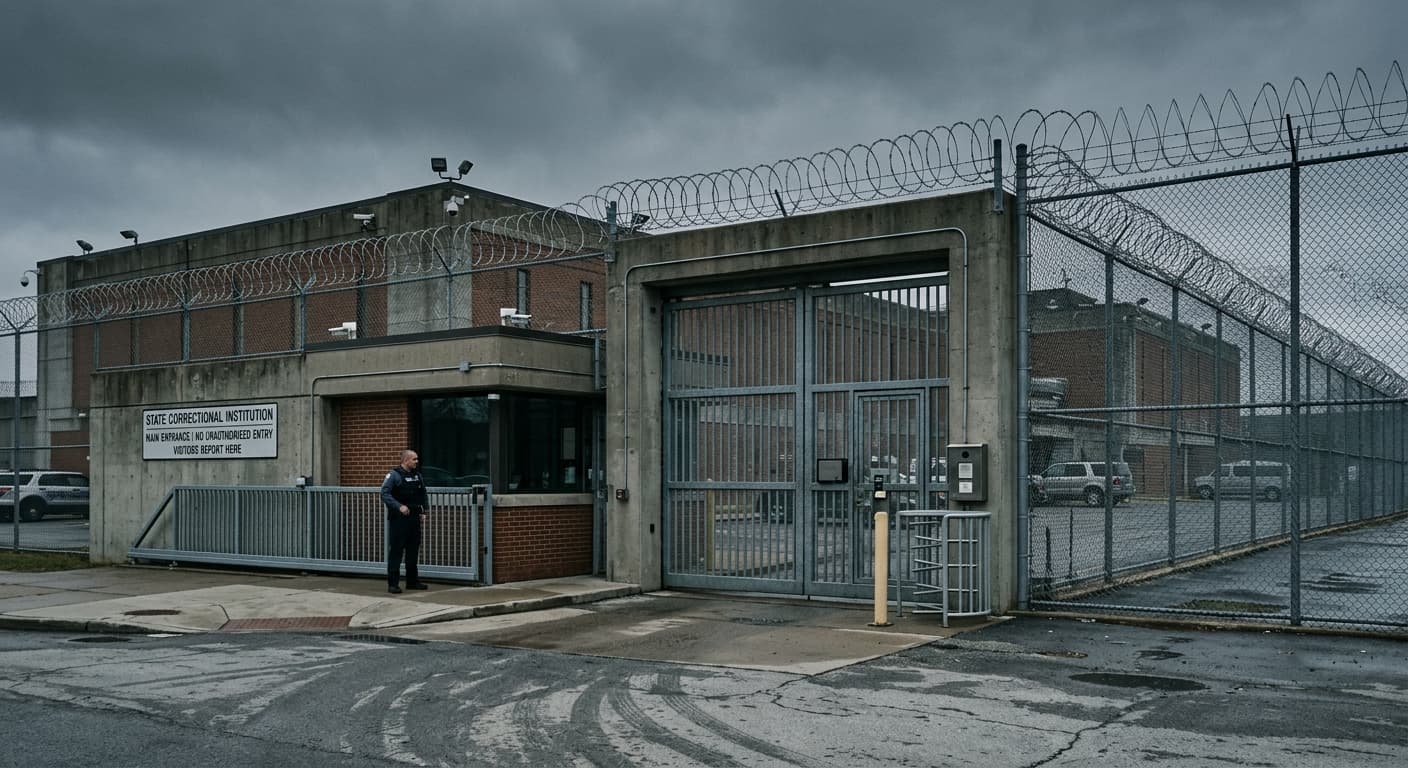
Recording law enforcement officers in Kansas is protected under both the First Amendment and Kansas one-party consent law. The U.S. Court of Appeals for the Tenth Circuit, which has jurisdiction over Kansas, explicitly recognized the constitutional right to record police in Irizarry v. Yehia, 38 F.4th 1282 (10th Cir. 2022).
This guide covers your legal right to record police in Kansas, the boundaries of that right, police body camera policies, how to access law enforcement recordings through public records requests, and what to do if your recording rights are violated.
The Constitutional Right to Record Police
First Amendment Protection
The right to record government officials, including police officers, performing their duties in public is rooted in the First Amendment to the U.S. Constitution. The Tenth Circuit's decision in Irizarry v. Yehia established this as settled law in the circuit that includes Kansas, Colorado, Oklahoma, New Mexico, Utah, and Wyoming.
In that case, the court held that recording police "falls squarely within the First Amendment's core purposes to protect free and robust discussion of public affairs, hold government officials accountable, and check abuse of power." The court emphasized that this right was "clearly established" and that officers who violate it can be held personally liable under 42 U.S.C. 1983.
What the Tenth Circuit Ruling Means for Kansas
The Irizarry decision means that in Kansas:
- You have a clearly established constitutional right to record police officers performing their duties in public
- Officers cannot order you to stop recording without a lawful basis
- Officers cannot confiscate or seize your recording device without a warrant
- Officers cannot delete footage from your device
- Officers who violate your recording rights may face personal civil liability
- Qualified immunity is not available as a defense because the right is clearly established
Kansas State Law Protections
In addition to the First Amendment, Kansas's one-party consent law under K.S.A. 21-6101 supports your right to record. As a participant in an interaction with a police officer, you satisfy the one-party consent requirement for audio recording. This means:
- You can record audio and video of your own traffic stops
- You can record conversations with officers during arrests, questioning, or detentions
- You can record interactions at police stations when you are a party to the conversation
- Your recording does not need to be disclosed to the officer
What You Can Record
Traffic Stops
You can record your own traffic stop in Kansas, including:
- The officer approaching your vehicle
- Questions asked and your responses
- Field sobriety tests
- Vehicle searches
- The issuance of citations or warnings
When recording a traffic stop, keep your phone or camera in a visible location. If you need to reach for a device to start recording, announce what you are doing before making sudden movements.
Arrests in Public
You can record arrests happening in public spaces, whether you are the person being arrested or a bystander. Bystander recording serves an important accountability function and is specifically protected by the Tenth Circuit's ruling.
Police Encounters on the Street
You can record any police activity visible from a public place, including:
- Officers conducting patrols
- Interactions between officers and other civilians
- Police responses to emergencies or incidents
- Officers executing searches or seizures
Public Protests and Demonstrations
You have a clear right to record police activity at public protests and demonstrations. Law enforcement agencies cannot create "no recording zones" around protest activity, and officers cannot target people for recording.
Government Buildings Open to the Public
You can generally record in areas of government buildings that are open to the public, such as lobbies, hallways, and public meeting rooms. However, specific areas within government buildings may have recording restrictions based on security concerns or court rules.
Limitations on Recording Police
Do Not Interfere With Police Operations
While you have the right to record, you must not physically interfere with police operations. Interference can include:
- Physically blocking an officer's path or movements
- Getting too close to an active arrest or volatile situation
- Crossing police barriers or crime scene tape
- Grabbing an officer or their equipment
- Refusing lawful orders to move back to a safe distance
Kansas law on obstruction of official duty (K.S.A. 21-5904) makes it a Class A nonperson misdemeanor to knowingly obstruct, resist, or oppose any person authorized by law in the discharge of an official duty. Recording itself is not obstruction, but actions taken while recording may cross the line.
Reasonable Distance Requirements
Officers may ask you to step back to a reasonable distance from an active scene. A "reasonable distance" is one that allows you to continue recording while not interfering with the officer's duties or creating a safety hazard. Courts have generally held that orders to move back must be based on legitimate safety concerns, not on a desire to prevent recording.
Private Property
If police activity occurs on private property where you are trespassing, you do not have a right to remain on that property to record. Your recording rights do not override trespassing laws under K.S.A. 21-5808.
Courtrooms
Kansas district courts may restrict recording in courtrooms. Supreme Court Rule 1001 governs media coverage of court proceedings in Kansas, and individual judges have discretion to permit or restrict cameras and recording devices during proceedings.
What to Do If Police Violate Your Recording Rights
During the Encounter
If a police officer orders you to stop recording or attempts to confiscate your device:
- Remain calm and do not physically resist
- Clearly state: "I am exercising my First Amendment right to record"
- Do not voluntarily hand over your device without a warrant
- If the officer seizes your device, do not resist physically
- Note the officer's name, badge number, and patrol car number
- Note the time, location, and any witnesses present
After the Encounter
If your recording rights were violated, you have several options:
File an internal complaint. Contact the police department's internal affairs division or civilian complaint board. Document what happened in writing and include details about the officer, the time, the location, and any witnesses.
File a complaint with the Kansas Commission on Peace Officers' Standards and Training (KS-CPOST). KS-CPOST oversees certification and discipline of Kansas law enforcement officers. Complaints about officer misconduct can be submitted directly.
Pursue a Section 1983 lawsuit. Under 42 U.S.C. 1983, you can file a federal civil rights lawsuit against officers who violate your clearly established constitutional right to record. Because the Tenth Circuit has ruled this right is clearly established, officers cannot claim qualified immunity as a defense. Damages may include:
- Compensatory damages for emotional distress, legal fees, and other losses
- Punitive damages if the officer's conduct was willful or malicious
- Attorney fees and litigation costs under 42 U.S.C. 1988
Contact a civil rights attorney. An attorney experienced in Section 1983 litigation can evaluate your case and advise on the best course of action.
Police Body Cameras in Kansas
State Law on Body Cameras
Kansas does not have a statewide mandate requiring all law enforcement officers to wear body cameras. Individual agencies make their own decisions about body camera adoption and policies. However, many Kansas law enforcement agencies, including the Wichita Police Department and the Kansas City, Kansas Police Department, have voluntarily adopted body camera programs.
Agency-Level Policies
Body camera policies vary by department but typically address:
- When officers must activate cameras (during traffic stops, arrests, use of force incidents, searches)
- When cameras may be deactivated (during administrative tasks, conversations with informants, inside sensitive locations)
- How footage is stored and for how long
- Who can access footage within the department
- How the public can request access to footage
Accessing Body Camera Footage
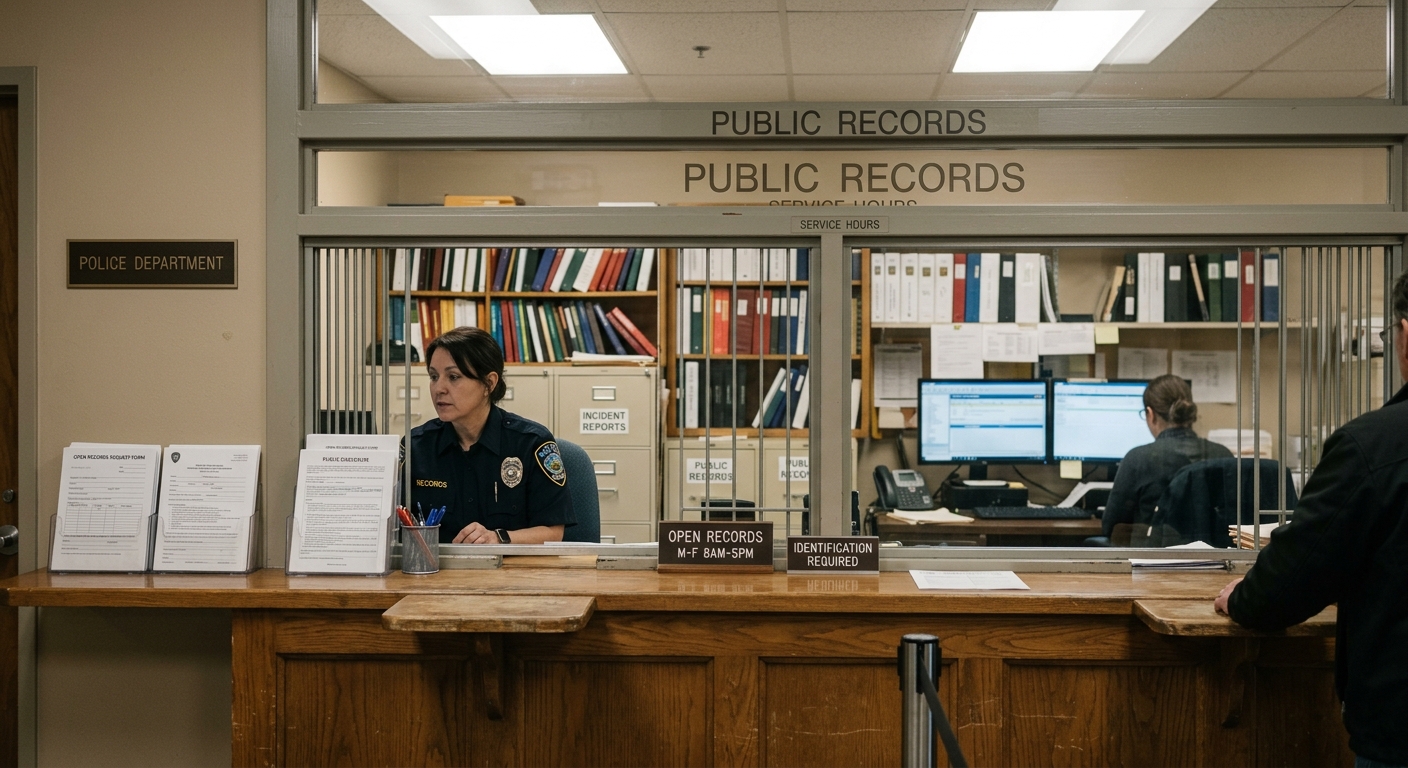
Body camera footage from Kansas law enforcement agencies is generally subject to the Kansas Open Records Act (K.S.A. 45-215 et seq.). Public records requests for body camera footage should be submitted in writing to the records custodian of the relevant law enforcement agency.
The agency may deny access under certain exemptions, including:
- Active criminal investigation files (K.S.A. 45-221(a)(10))
- Records that would reveal the identity of confidential informants
- Records that would create a risk to personal safety
- Records subject to other statutory confidentiality protections
If a request is denied, you can appeal to the Kansas Attorney General's office or file a lawsuit under the Kansas Open Records Act.
Recording Government Officials Beyond Police
Kansas Open Meetings Act
The Kansas Open Meetings Act (K.S.A. 75-4318) specifically provides that the use of cameras, photographic lights, and recording devices cannot be prohibited at open public meetings. This covers:
- City council meetings
- County commission meetings
- School board meetings
- State legislative proceedings
- Public hearings and forums
- Meetings of any public body subject to the Act
The Act allows the governing body to establish reasonable rules and regulations to ensure orderly proceedings, but these rules cannot amount to a blanket prohibition on recording.
Recording Other Government Employees
You can record interactions with other government employees under Kansas one-party consent law, including:
- Department for Children and Families (DCF) workers
- Kansas Department of Motor Vehicles (DMV) employees
- Tax officials and revenue agents
- Building inspectors and code enforcement officers
- Public school administrators and teachers (subject to student privacy laws)
- Social workers and government benefits administrators
As a participant in the conversation, your knowledge of the recording satisfies the one-party consent requirement.
Police Use of Surveillance and Recording
Wiretapping by Law Enforcement
Kansas law enforcement can conduct wiretapping and electronic surveillance only with proper judicial authorization. While K.S.A. 21-6101 does not explicitly detail the process for law enforcement wiretap orders, Kansas courts follow procedures similar to those under the federal Wiretap Act (18 U.S.C. 2516-2518).
A wiretap order requires:
- Probable cause that a specific crime has been, is being, or will be committed
- A showing that normal investigative procedures have been tried and failed, or are unlikely to succeed
- Identification of the person whose communications will be intercepted
- A time limitation on the surveillance
- Judicial oversight and approval
Police Dash Cameras
Many Kansas law enforcement vehicles are equipped with dashboard cameras. Dash camera footage is typically retained as part of official law enforcement records and is subject to the Kansas Open Records Act. Footage from dash cameras that captures your interaction with police during a traffic stop may be obtained through a public records request.
License Plate Readers and Other Surveillance
Kansas law enforcement agencies use various surveillance technologies, including automated license plate readers (ALPRs), surveillance drones, and closed-circuit television systems. The use of these technologies must comply with the Fourth Amendment's prohibition on unreasonable searches and seizures.
Using Police Encounter Recordings as Evidence
Criminal Defense
Recordings of police encounters can be powerful evidence in criminal cases. Common uses include:
- Challenging the legality of a traffic stop
- Disputing an officer's account of events
- Documenting Miranda rights violations
- Showing that a confession was coerced
- Demonstrating excessive use of force
Civil Rights Claims
Recordings serve as critical evidence in civil rights lawsuits against law enforcement. They can document:
- Excessive force
- False arrest
- Unlawful searches and seizures
- Racial profiling
- Violations of recording rights
Internal Affairs Investigations
Citizen recordings can prompt and support internal affairs investigations into police misconduct. Many Kansas police departments accept video evidence from the public as part of complaint investigations.
More Kansas Laws
- Kansas Recording Laws
- Kansas Recording Laws
- Kansas Hit and Run Laws
- Kansas Statute of Limitations
- Kansas Dog Bite Laws
- Kansas Whistleblower Laws
- [Kansas Data Privacy Laws](/us-laws/data-privacy-laws/kansas-data-privacy-laws)
- Kansas Recording Laws
More Kansas Recording Laws
Audio Recording | Video Recording | Voyeurism Laws | Workplace Recording | Recording Police | Phone Call Recording | Security Cameras | Recording in Public | Landlord-Tenant Recording | Dashcam Laws | School Recording | Medical Recording
Sources and References
- Irizarry v. Yehia, 38 F.4th 1282 (10th Cir. 2022)(ca10.uscourts.gov).gov
- K.S.A. 21-6101 - Breach of Privacy (Kansas Revisor of Statutes)(ksrevisor.gov).gov
- 42 U.S.C. 1983 - Civil Action for Deprivation of Rights(law.cornell.edu)
- K.S.A. 45-215 - Kansas Open Records Act (Kansas Revisor of Statutes)(ksrevisor.gov).gov
- K.S.A. 75-4318 - Kansas Open Meetings Act (Kansas Revisor of Statutes)(ksrevisor.gov).gov
- K.S.A. 21-5904 - Obstruction of Official Duty (Kansas Revisor of Statutes)(ksrevisor.gov).gov
- Kansas Commission on Peace Officers Standards and Training (KS-CPOST)(kscpost.org).gov