
Washington
Washington Medical Recording Laws: Recording Doctors, Hospitals, and Telehealth (2026)
Independently fact-checked against primary sources (last audited August 22, 2026). · Reviewed by the RecordingLaw editorial team. · Law checked current as of August 22, 2026. · 8 primary sources cited on this page. How we verify our legal content
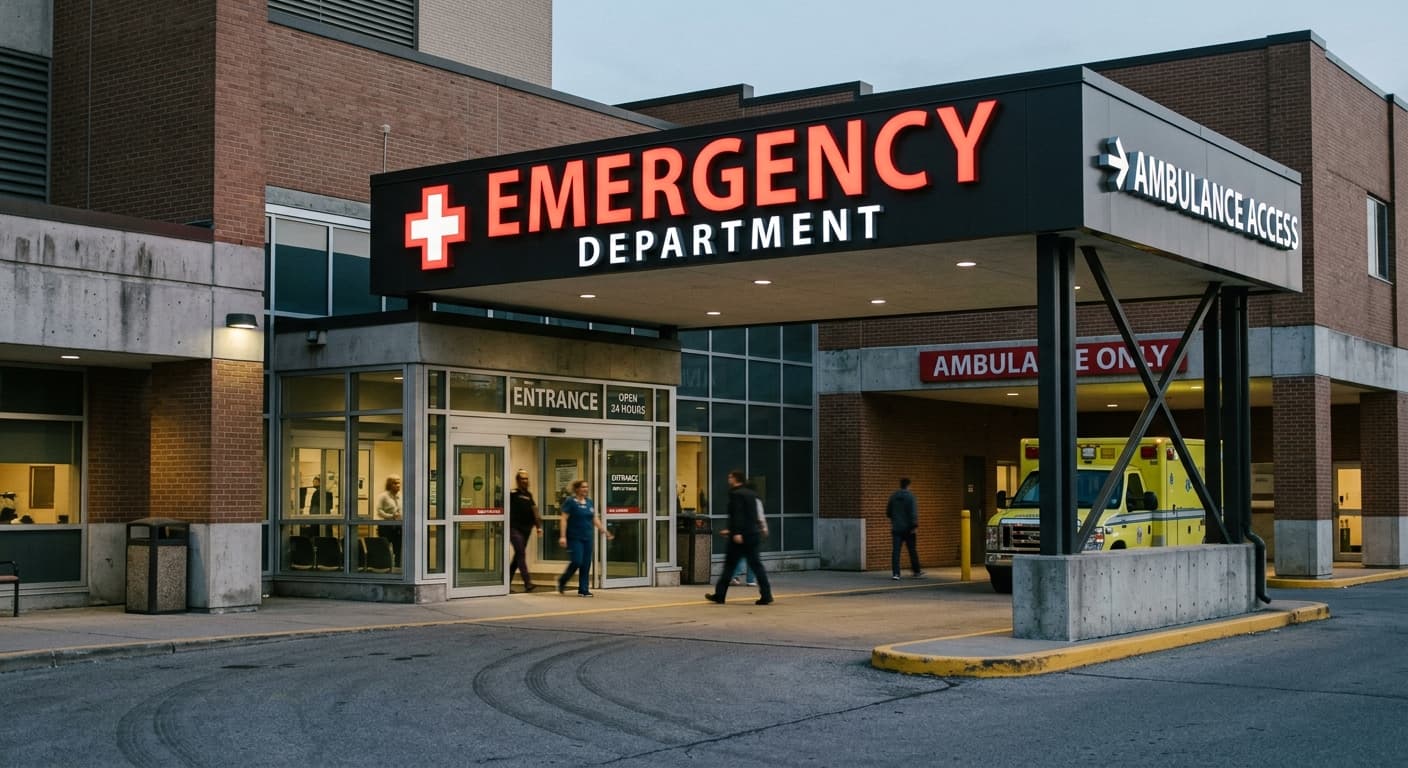
Washington requires all-party consent under RCW 9.73.030 to record medical appointments, including telehealth visits. Patients may record their own doctor visits, but the provider must also agree. HIPAA does not prohibit patient recording and does not override Washington's consent requirement.
Recording interactions with healthcare providers in Washington involves the intersection of state privacy law, federal health privacy regulations, and the unique nature of the doctor-patient relationship. Washington's two-party consent law under RCW 9.73.030 applies to medical settings just as it does elsewhere, meaning both the patient and the healthcare provider must consent before any recording of a private medical conversation.
This guide covers the rules for patients, healthcare providers, hospitals, and anyone involved in recording medical interactions in Washington.
Can Patients Record Their Doctor in Washington?
The General Rule
Under RCW 9.73.030, a patient cannot secretly record a conversation with their doctor, nurse, therapist, or any other healthcare provider. Medical conversations are inherently private, and both parties must consent to recording.
To lawfully record a medical appointment:
- Announce your intent to record before the appointment begins
- Obtain consent from the healthcare provider and anyone else present
- Record the announcement as part of the recording
- Respect a refusal: If the provider declines to be recorded, you cannot proceed with recording
Why Patients Want to Record
Patients have many legitimate reasons for wanting to record medical appointments:
- Complex diagnoses: Understanding treatment options for serious conditions
- Medication instructions: Accurately capturing dosing and interaction information
- Second opinions: Sharing the recording with another provider
- Memory assistance: Patients with cognitive impairment or hearing difficulties
- Caregiver communication: Sharing information with family members who could not attend
- Documentation: Creating a record of what was said for future reference
Provider Responses to Recording Requests
Healthcare providers in Washington may:
- Consent to recording: Many providers welcome recording, recognizing it improves patient compliance and understanding
- Decline recording: Providers have the right to refuse. If they do, the patient must respect that decision.
- Set conditions: Providers may agree to record only certain portions of the visit, or request that the recording not be shared publicly
- Require written consent: Some providers or facilities have policies requiring patients to sign a recording consent form
HIPAA and Patient Recording
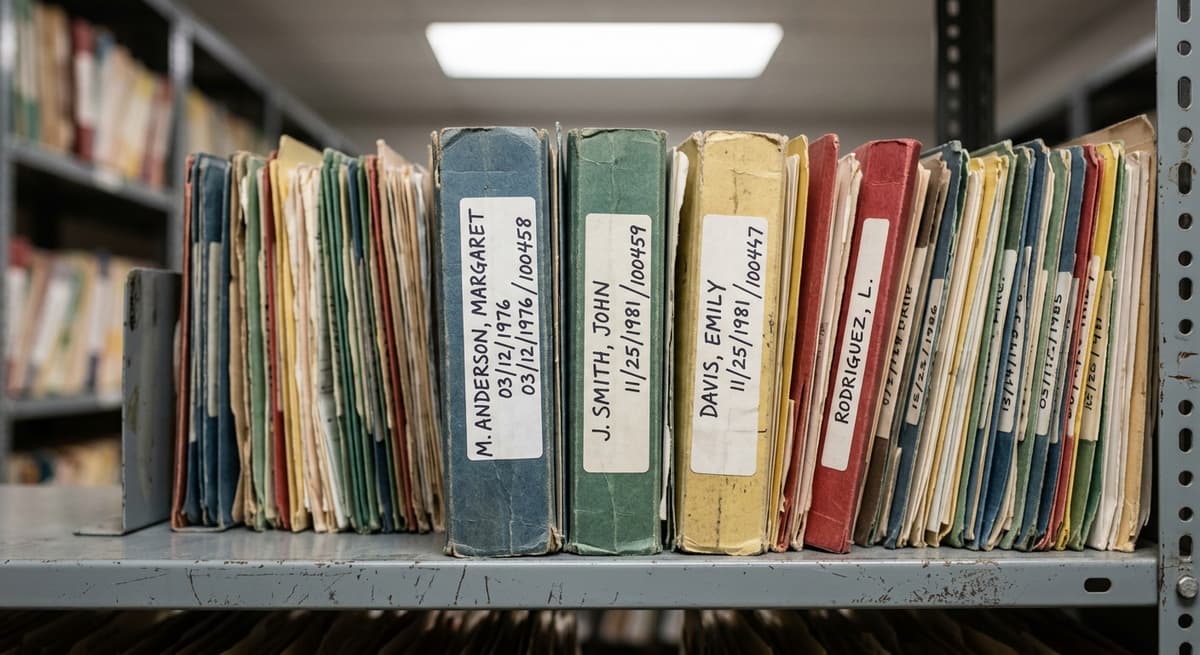
HIPAA Does Not Prohibit Patient Recording
A common misconception is that HIPAA (the Health Insurance Portability and Accountability Act) prohibits recording in medical settings. This is not accurate. HIPAA regulates how covered entities (healthcare providers, insurers, clearinghouses) handle protected health information (PHI). It does not restrict what patients do with information about their own health.
Key HIPAA points regarding recording:
- HIPAA does not prohibit patients from recording their own medical appointments
- HIPAA does not give providers the right to prevent patients from recording
- HIPAA does apply to recordings made by the healthcare provider that contain PHI from other patients
- HIPAA does not override Washington's two-party consent requirement
When HIPAA Concerns Arise
HIPAA concerns may arise in specific recording scenarios:
- Recording in shared spaces: If a patient records in a hospital room shared with another patient, the recording may capture the other patient's PHI, creating a HIPAA issue for the facility.
- Provider-initiated recording: If a healthcare provider records a patient encounter, the recording becomes part of the medical record and is subject to HIPAA protections.
- Telehealth recording: Recordings of telehealth visits by the provider are subject to HIPAA safeguards for electronic PHI.
Washington's Uniform Health Care Information Act
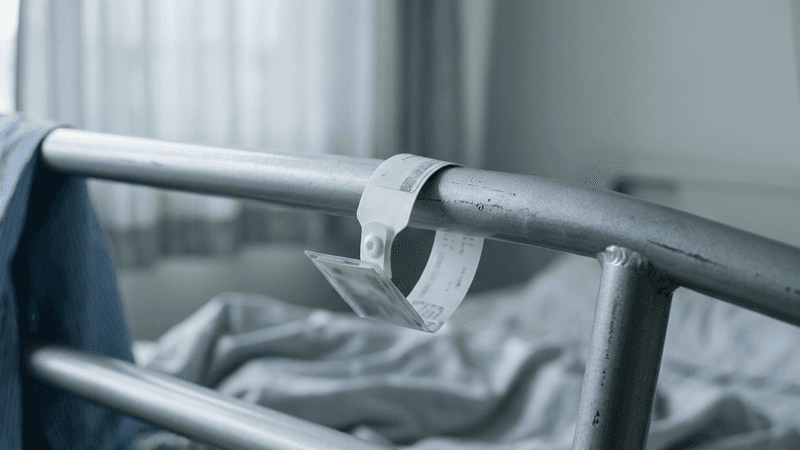
RCW 70.02: Health Care Information Privacy
Washington provides additional protections for health care information under the Uniform Health Care Information Act, RCW 70.02. This statute:
- Gives patients the right to access their own health care records
- Restricts the disclosure of health care information without patient authorization
- Provides civil remedies for unauthorized disclosure of health care information
- Establishes rules for who can access a patient's health information
How RCW 70.02 Interacts with Recording
If a healthcare provider records a patient encounter, the recording becomes part of the patient's health care information and is subject to the protections of RCW 70.02. The provider cannot share the recording without the patient's authorization, except in circumstances permitted by the statute.
If a patient records their own appointment, the recording is the patient's personal property. The patient controls who sees or hears the recording. However, if the recording captures information about other patients, sharing it may create privacy issues.
Recording in Hospitals and Medical Facilities

Hospital Security Cameras
Hospitals and medical facilities in Washington may use video surveillance for security purposes:
Permitted locations:
- Hospital lobbies and waiting areas
- Hallways and corridors
- Parking lots and exterior grounds
- Emergency department waiting areas
- Pharmacies (common areas)
Prohibited or restricted locations:
- Patient rooms: Recording in patient rooms raises significant privacy concerns. Silent video may be used for patient safety monitoring (fall prevention, for example) with patient consent, but audio recording requires all-party consent.
- Operating rooms: Recording in operating rooms is typically controlled by hospital policy and requires patient consent.
- Restrooms and changing areas: Cameras are prohibited under voyeurism laws (RCW 9A.44.115).
- Counseling and therapy rooms: These are private spaces where recording without consent violates the Privacy Act.
- Examination rooms: Cameras in exam rooms require explicit patient consent.
Audio Recording in Hospitals
Any hospital camera system that records audio of private conversations must comply with RCW 9.73.030. Since hospitals contain numerous private conversations between patients and providers, the safest practice is to use silent video surveillance and disable audio recording on all security camera systems.
Recording Telehealth Appointments
Telehealth Recording Rules
Telehealth appointments are subject to the same recording rules as in-person visits. Under RCW 9.73.030:
- Both the patient and the provider must consent to recording
- The consent requirement applies whether the appointment uses video (Zoom, Teams) or telephone
- Many telehealth platforms have built-in recording features that display a notification to all participants, but relying solely on the platform notification may not satisfy Washington's consent requirement
- Best practice: verbally announce that you wish to record before activating any recording feature
Provider Recording of Telehealth
Healthcare providers who record telehealth appointments must:
- Obtain patient consent before recording
- Secure the recording in compliance with HIPAA requirements
- Store the recording as part of the medical record
- Notify the patient that the recording will be made and explain its purpose
Third-Party Telehealth Recording
Family members, caregivers, or advocates who participate in a telehealth appointment and wish to record must announce their intent and obtain consent from all participants, including the healthcare provider.
Mental Health and Counseling Recordings
Special Privacy Protections
Mental health records receive enhanced privacy protections under both federal and Washington law:
- Federal regulations: 42 CFR Part 2 provides strict confidentiality protections for substance use disorder treatment records.
- Washington law: RCW 70.02.230 provides additional protections for mental health treatment information, requiring specific written authorization for disclosure.
Recording Therapy Sessions
Recording a therapy or counseling session requires consent from both the patient and the therapist. Therapists may be particularly reluctant to allow recording because:
- Recording may inhibit honest disclosure by the patient
- The recording could be taken out of context if shared
- Professional liability concerns may make therapists cautious
- State licensing boards may have guidelines about recorded sessions
If a therapist refuses to allow recording, the patient must respect that decision. Alternatives include requesting written summaries of sessions or taking notes during the appointment.
Psychiatric and Involuntary Hold Settings
Recording in psychiatric facilities and during involuntary commitment proceedings involves additional considerations:
- Patients in involuntary hold may have restricted access to recording devices
- Facility security policies may prohibit recording devices
- Court proceedings related to involuntary commitment may have separate rules about recording
- Patient safety concerns may justify temporary restrictions on device access
Recording for Medical Malpractice Documentation
Before an Appointment
If you are considering recording a medical appointment to document potential malpractice:
- Announce the recording: You must still comply with RCW 9.73.030. Secret recordings are inadmissible under RCW 9.73.050.
- The provider may refuse: If the provider declines to be recorded, you cannot proceed.
- Take written notes instead: Contemporaneous written notes are admissible in court and do not require consent.
- Consult an attorney first: A medical malpractice attorney can advise on documentation strategies.
Admissibility of Medical Recordings
Recordings of medical appointments are admissible in Washington courts only if they were obtained in compliance with the Privacy Act. Under RCW 9.73.050, recordings obtained in violation of the law are inadmissible in any civil or criminal proceeding.
This means a secretly recorded doctor's appointment cannot be used as evidence in a medical malpractice lawsuit, even if it contains statements that would support the patient's claim.
Emergency and Surgical Recording
Operating Room Recording
Recording in operating rooms is controlled by hospital policy. Some hospitals allow recording for:
- Teaching and training purposes: With patient consent, surgical procedures may be recorded for educational use.
- Quality assurance: Hospitals may record procedures internally for quality review.
- Patient requests: Some patients request video of their surgery. This requires informed consent and hospital approval.
Emergency Situations
The emergency exception under RCW 9.73.030(2)(a) allows one-party consent recording of communications that convey a report of a medical emergency. This exception is narrow and applies to emergency communications, not to the ongoing medical treatment that follows.
Penalties for Illegal Medical Recording
Recording a private medical conversation without consent carries the same penalties as any other Privacy Act violation:
| Offense | Classification | Maximum Penalty |
|---|---|---|
| Recording without consent (RCW 9.73.080) | Gross Misdemeanor | 364 days jail, $5,000 fine |
| Civil damages (RCW 9.73.060) | Civil liability | Actual damages or $100/day (max $1,000), plus attorney fees |
| Voyeurism (RCW 9A.44.115) | Class C Felony / Gross Misdemeanor | Up to 5 years prison |
Healthcare providers who illegally record patients may also face:
- Professional licensing action by the Washington Department of Health (DOH)
- HIPAA enforcement by the U.S. Department of Health and Human Services
- Civil malpractice claims for breach of patient privacy
More Washington Recording Laws
Audio Recording | Video Recording | Voyeurism & Hidden Cameras | Workplace Recording | Recording Police | Phone Call Recording | Security Cameras | Recording in Public | Landlord-Tenant | Dashcam Laws | Schools | Medical Recording
Back to Washington Recording Laws
More Washington Recording Topics
More Washington Laws
Frequently Asked Questions
Can I record my doctor appointment in Washington?
Yes, but only with the consent of your healthcare provider. Washington's two-party consent law (RCW 9.73.030) requires that all parties to a private conversation agree before recording. Announce your intent to record at the start of the appointment and ask for permission. If the provider refuses, you cannot record the visit.
Does HIPAA prevent me from recording my own doctor visit?
No. HIPAA regulates how healthcare providers handle protected health information. It does not restrict patients from recording their own medical appointments. However, Washington's two-party consent law still requires provider consent before recording. HIPAA and state recording law are separate requirements.
Can a hospital put cameras in patient rooms in Washington?
Hospitals may use silent video monitoring in patient rooms for safety purposes (such as fall prevention) with patient consent. Audio recording in patient rooms requires all-party consent under RCW 9.73.030. Cameras in bathrooms or changing areas are prohibited under voyeurism laws. Patients should be informed of any monitoring before it begins.
Can I record a telehealth appointment in Washington?
Yes, with consent from all participants. Washington's all-party consent law applies to telehealth appointments just as it does to in-person visits. You must announce your intent to record before activating any recording feature. Platform notifications that recording is active may help establish consent, but a verbal announcement is the safest approach.
Can I use a secretly recorded doctor conversation as evidence in a malpractice case?
No. Under RCW 9.73.050, recordings obtained in violation of Washington's Privacy Act are inadmissible in any civil or criminal court. A secretly recorded medical conversation cannot be used as evidence, even in a medical malpractice lawsuit. Patients should take written notes instead or record with proper consent.
Updates
Independently fact-checked against the cited primary sources; governing law re-checked for recent changes
Governing law re-checked for recent changes
Governing law re-checked for recent changes
Reviewed and approved by an editor
The Law Behind This Article
This article rests on the statutory provisions below, held in our own legal record and retrieved from the official source. Tap a section to read the operative text.
Revised Code of Washington
§ 9.73.030Intercepting, recording, or divulging private communication—Consent required—Exceptions.In forcecited in 41 of our articles
(1) Except as otherwise provided in this chapter, it shall be unlawful for any individual, partnership, corporation, association, or the state of Washington, its agencies, and political subdivisions to intercept, or record any: (a) Private communication transmitted by telephone, telegraph, radio, or other device between two or more individuals between points within or without the state by any device electronic or otherwise designed to record and/or transmit said communication regardless how such device is powered or actuated, without first obtaining the consent of all the participants in the communication; (b) Private conversation, by any device electronic or otherwise designed to record or transmit such conversation regardless how the device is powered or actuated without first obtaining the consent of all the persons engaged in the conversation.
Official text (excerpt) · last checked 2026-08-31 · Read the full text in our law library · Verify at app.leg.wa.gov
Cited in 221 court opinions in our collectionLatest citing opinion in our collection: 2026
In the courts (editorial summary, independently checked):Washington courts have policed what counts as a private communication under Sec. 9.73.030: State v. Gunwall (1986) concluded a pen register intercept comes within a private communication transmitted by telephone, while State v. Riley (1993) held a line trap that reveals only the calling number does not record one.
Opinions citing this section in our collection:
- State v. Salinas (Washington Supreme Court 1992, 119 Wash. 2d 192)“…alties for divulging a telegram or opening a sealed letter. RCW 9.73.030-.070, making it unlawful to intercept,…”
- State v. Gunwall (Washington Supreme Court 1986, 106 Wash. 2d 54)✓Everett police pulled a suspected cocaine dealer's toll records and put a pen register on her line without valid legal process; the court held a pen register intercept is a private communication transmitted by telephone, installable only under the eavesdropping statutes.
- State v. Brown (Washington Supreme Court 1997, 132 Wash. 2d 529)✓Palm Springs officers secretly recorded a Washington murder suspect's statements after his arrest; the court treated RCW 9.73.090, not 9.73.030, as the provision reaching recordings of arrested persons, and held the Privacy Act did not require suppressing that recording.
Identified automatically from the court opinions citing this section — not a ranking of which case controls.
Also relied on in: US Recording Laws by State (2026): All 50 States Explained, Washington Recording Laws (2026): All-Party Consent Rules, Federal Wiretap Act and ECPA: The Complete Guide (2026)
§ 70.02.230Mental health services, confidentiality of records—Permitted disclosures. (Effective until June 30, 2027.)In force
(1) The fact of admission to a provider for mental health services and all information and records compiled, obtained, or maintained in the course of providing mental health services to either voluntary or involuntary recipients of services at public or private agencies may not be disclosed except as provided in this section, RCW 70.02.050, 71.05.445, 74.09.295, 70.02.210, 70.02.240, 70.02.250, 70.02.260, and 70.02.265, or pursuant to a valid authorization under RCW 70.02.030. (2) Information and records related to mental health services, other than those obtained through treatment under chapter 71.34 RCW, may be disclosed: (a) In communications between qualified professional persons to meet the requirements of chapter 71.05 RCW, including Indian health care providers, in the provision of services or appropriate referrals, or in the course of guardianship proceedings if provided to a professional person: (i) Employed by the facility; (ii) Who has medical responsibility for the patient's care; (iii) Who is a designated crisis responder; (iv) Who is providing services under chapter 71.24 RCW; (v) Who is employed by a state or local correctional facility where the person is…
Official text (excerpt) · last checked 2026-07-29 · Read the full text in our law library · Verify at app.leg.wa.gov
Cited in 9 court opinions in our collectionLatest citing opinion in our collection: 2025
Opinions citing this section in our collection:
- Volk v. DeMeerleer (Washington Supreme Court 2016, 187 Wash. 2d 241)“…by the patient or required by law. Id.; *270 see also RCW 70.02.230(6)(a) (providing a right of action and…”
- John Doe G v. Department of Corrections (Court of Appeals of Washington 2017, 197 Wash. App. 609)“…rvices at public or private agencies must be confidential." RCW 70.02.230(1). But because the statute defines men…”
- Personal Restraint Petition Of: Stephen Canter (Court of Appeals of Washington 2025)“…agencies may not be disclosed except as provided” by law. RCW 70.02.230(1). Federal law also limits the disclos…”
Identified automatically from the court opinions citing this section — not a ranking of which case controls.
§ 9.73.050Admissibility of intercepted communication in evidence.In forcecited in 11 of our articles
Any information obtained in violation of RCW 9.73.030 or pursuant to any order issued under the provisions of RCW 9.73.040 shall be inadmissible in any civil or criminal case in all courts of general or limited jurisdiction in this state, except with the permission of the person whose rights have been violated in an action brought for damages under the provisions of RCW 9.73.030 through 9.73.080, or in a criminal action in which the defendant is charged with a crime, the commission of which would jeopardize national security.
Official text (excerpt) · last checked 2026-07-29 · Read the full text in our law library · Verify at app.leg.wa.gov
Cited in 116 court opinions in our collectionLatest citing opinion in our collection: 2025
Opinions citing this section in our collection:
- State v. Wanrow (Washington Supreme Court 1977, 88 Wash. 2d 221)“…epartment of an emergency telephone call, on the basis that RCW 9.73.050 and RCW 9.73.090 which authorize the re…”
- State v. Rupe (Washington Supreme Court 1984, 101 Wash. 2d 664)“…find that this statement violated the terms of the statute. RCW 9.73.050 provides that information obtained in v…”
- State v. Fjermestad (Washington Supreme Court 1990, 114 Wash. 2d 828)“…At the time RCW 9.73.040 was enacted, the Legislature added RCW 9.73.050 4 which deals with admissibility of *…”
Identified automatically from the court opinions citing this section — not a ranking of which case controls.
Also relied on in: Washington Audio Recording Laws: Two-Party Consent Rules and Penalties (2026), Washington Dashcam Laws: Mounting Rules, Audio Recording, and Evidence (2026), Washington Phone Call Recording Laws: Consent Rules and Exceptions (2026)
§ 9.73.060Violating right of privacy—Civil action—Liability for damages.In forcecited in 14 of our articles
Any person who, directly or by means of a detective agency or any other agent, violates the provisions of this chapter shall be subject to legal action for damages, to be brought by any other person claiming that a violation of this statute has injured his or her business, his or her person, or his or her reputation. A person so injured shall be entitled to actual damages, including mental pain and suffering endured by him or her on account of violation of the provisions of this chapter, or liquidated damages computed at the rate of one hundred dollars a day for each day of violation, not to exceed one thousand dollars, and a reasonable attorney's fee and other costs of litigation.
Official text (excerpt) · last checked 2026-07-29 · Read the full text in our law library · Verify at app.leg.wa.gov
Cited in 36 court opinions in our collectionLatest citing opinion in our collection: 2025
In the courts (editorial summary, independently checked):Washington courts read RCW 9.73.060 as supplying civil damages only for conduct chapter 9.73 prohibits. Kearney v. Kearney (1999) held RCW 9.73.050 creates no civil liability for filing illegally recorded material. Dillon v. Seattle Deposition Reporters, LLC (2014) reversed summary judgment on secretly transcribed calls.
Opinions citing this section in our collection:
- State v. Wanrow (Washington Supreme Court 1977, 88 Wash. 2d 221)“…case under RCW 9.73.050; there is no civil liability under RCW 9.73.060; and, there is no criminal liability un…”
- Kearney v. Kearney (Court of Appeals of Washington 1999, 95 Wash. App. 405)✓A father sued a guardian ad litem, an evaluator and an attorney under RCW 9.73.060 for filing transcripts of calls with his children that his estranged wife taped; the court held the act creates liability only for recording or intercepting, not filing, and affirmed dismissal.
- Dillon v. Seattle Deposition Reporters, LLC (Court of Appeals of Washington 2014, 179 Wash. App. 41)“…act is a gross misdemeanor and is also actionable in tort. RCW 9.73.060, .080. “We engage in a four-pronged ana…”
Identified automatically from the court opinions citing this section — not a ranking of which case controls.
Also relied on in: Washington Landlord-Tenant Recording and Surveillance Laws (2026), Washington Laws on Recording in Public: What Is Legal and What Is Not (2026), Washington Video Recording Laws: Filming, Surveillance, and Consent Rules (2026)
§ 9.73.080Penalties.In forcecited in 16 of our articles
(1) Except as otherwise provided in this chapter, any person who violates RCW 9.73.030 is guilty of a gross misdemeanor. (2) Any person who knowingly alters, erases, or wrongfully discloses any recording in violation of RCW 9.73.090(1)(c) is guilty of a gross misdemeanor.
Official text (excerpt) · last checked 2026-07-29 · Read the full text in our law library · Verify at app.leg.wa.gov
Cited in 13 court opinions in our collectionLatest citing opinion in our collection: 2023
Opinions citing this section in our collection:
- State v. Wanrow (Washington Supreme Court 1977, 88 Wash. 2d 221)“…9.73.090, which opens with a waiver of RCW 9.73.030 through RCW 9.73.080, [9] i.e., the recording is not unlaw…”
- State v. Williams (Washington Supreme Court 1980, 94 Wash. 2d 531)✓ATF agents recorded a suspect's conversations with an informant and undercover agents with only one party's consent. The court assumed without deciding that the RCW 9.73.080 criminal penalty may not reach federal agents, but held the tapes were still inadmissible in state court.
- State v. Clark (Washington Supreme Court 2007, 916 P.2d 384)“…Violation of RCW 9.73.030 constitutes a gross misdemeanor, RCW 9.73.080, and may also result in civil liability…”
Identified automatically from the court opinions citing this section — not a ranking of which case controls.
Also relied on in: Washington Security Camera Laws: Rules for Home and Business Surveillance (2026), Washington Workplace Recording Laws: Employee Rights and Employer Rules (2026), Washington Smart Glasses Recording Laws (2026)
Search our full record of US law — 2.1 million sections, every state + federal →
Sources and References
- RCW 9.73.030 - Intercepting, Recording, or Divulging Private Communications(app.leg.wa.gov).gov
- RCW 9.73.050 - Admissibility of Intercepted Communications(app.leg.wa.gov).gov
- RCW 9.73.060 - Civil Damages for Privacy Violations(app.leg.wa.gov).gov
- RCW 70.02 - Uniform Health Care Information Act(app.leg.wa.gov).gov
- RCW 9A.44.115 - Voyeurism(app.leg.wa.gov).gov
- HIPAA - Health Insurance Portability and Accountability Act(hhs.gov).gov
- 42 CFR Part 2 - Substance Use Disorder Records Confidentiality(ecfr.gov).gov
- Washington Department of Health(doh.wa.gov).gov