New Hampshire School Recording Laws
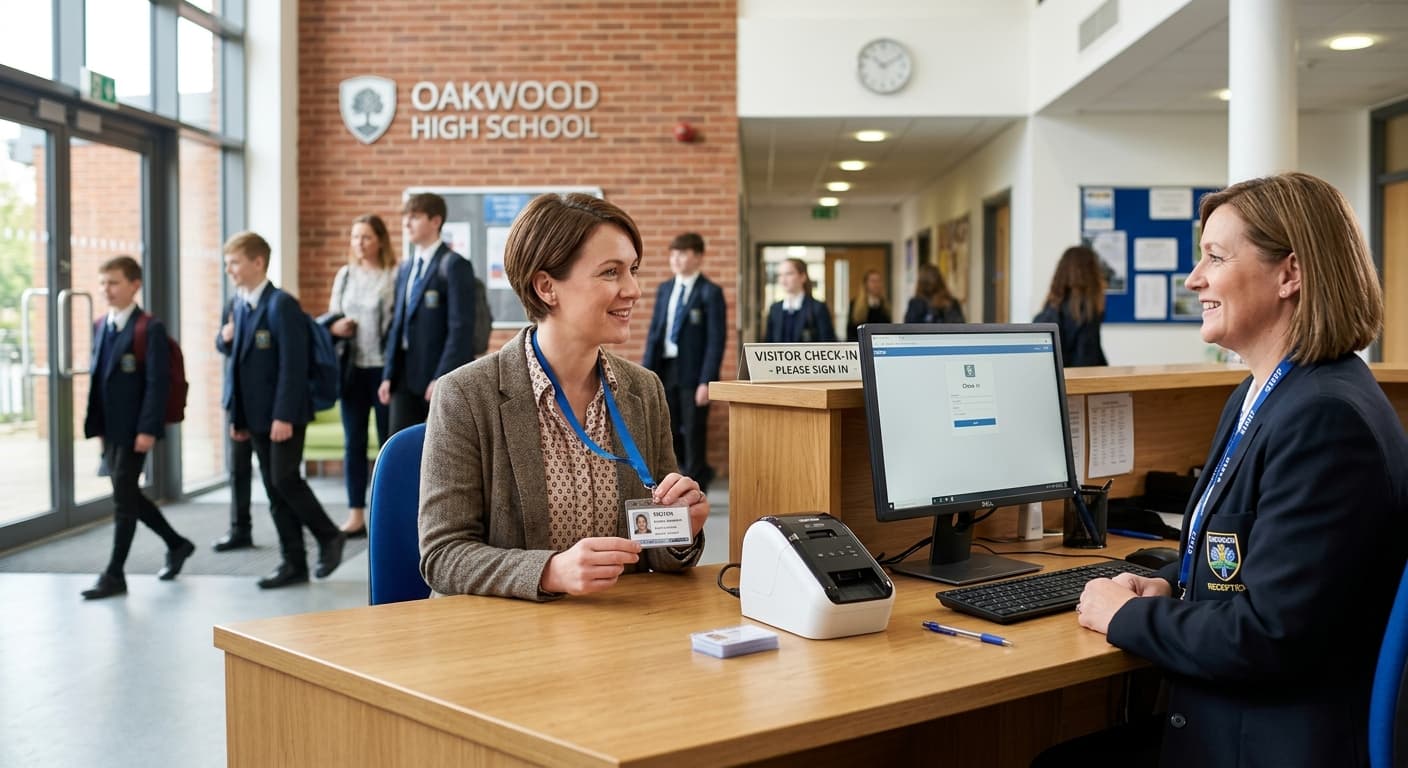
Recording in New Hampshire schools involves a complex intersection of the state's strict wiretapping law, student privacy protections under federal law, the Right-to-Know Law for public school board meetings, and practical safety considerations. Parents, students, teachers, and administrators all face specific legal rules about when and how recording may occur on school grounds.
This guide covers the legal framework for recording in schools, including school surveillance systems, parent recording of meetings, student recording rights, school board meeting recording, and the interplay between state and federal privacy laws.
The All-Party Consent Rule in Schools
How RSA 570-A:2 Applies to Schools
New Hampshire's wiretapping statute does not contain a school-specific exception. The all-party consent requirement under RSA 570-A:2 applies on school grounds just as it does everywhere else:
- Students cannot secretly record conversations with teachers, counselors, administrators, or other students
- Parents cannot secretly record conversations with school staff during meetings, conferences, or phone calls
- Teachers and staff cannot secretly record conversations with students, parents, or colleagues
- **Administrators cannot record** meetings, disciplinary hearings, or parent conferences without consent from all participants
The two-tier criminal liability applies. A participant who knowingly records their own conversation without consent faces a misdemeanor under RSA 570-A:2, I-a. A person who willfully intercepts a conversation they are not part of faces a Class B felony under RSA 570-A:2, I.
Why Parents Want to Record
Parents frequently want to record interactions with schools for several reasons:
- IEP (Individualized Education Program) meetings for students with disabilities
- Parent-teacher conferences to review discussion points later
- Disciplinary hearings where their child faces suspension or expulsion
- Conversations about bullying or safety concerns
- Documentation of school responses to complaints or requests
While these motivations are understandable, secret recording is not a legal option in New Hampshire. Parents must either obtain consent or use alternative documentation methods.
Recording at School Board Meetings
Right-to-Know Law Protections
New Hampshire's Right-to-Know Law (RSA 91-A:2-a) provides the clearest exception to the general consent requirement in the school context. Under this statute:
- Any person may use tape recorders, cameras, videotape equipment, and other recording devices at public school board meetings
- School boards cannot prohibit the use of recording devices during public sessions
- This includes regular school board meetings, budget hearings, and any other public session
School board meetings that are conducted in public session are fully open to recording. The Right-to-Know Law supersedes any school district policy that might attempt to prohibit recording at public sessions.
Nonpublic Sessions
School boards may enter nonpublic session under RSA 91-A:3 to discuss confidential matters such as:
- Student disciplinary cases involving identifiable students
- Personnel matters involving specific employees
- Legal strategy for pending litigation
- Matters that could adversely affect the reputation of a non-public person
Recording is not permitted during nonpublic sessions unless the board specifically authorizes it. Parents attending a nonpublic session regarding their child should not assume they may record.
School Surveillance Systems
Where Schools Can Install Cameras
New Hampshire schools commonly use security cameras for safety purposes. Lawful camera placements include:
- Hallways and corridors for student safety monitoring
- Building entrances and exits for access control
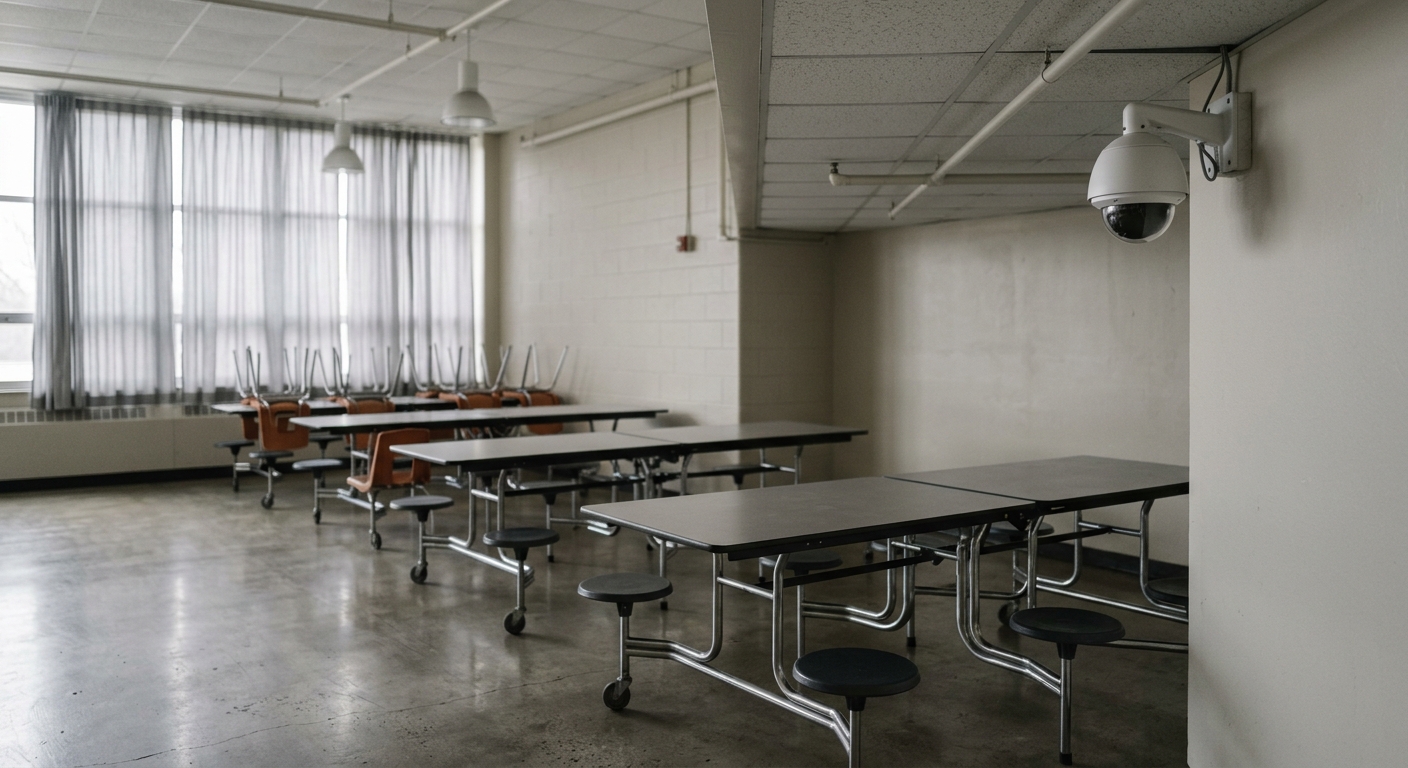
- Cafeterias and common areas for behavior monitoring
- Parking lots and bus loading zones for transportation safety
- Gymnasium and athletic facilities common areas (not locker rooms or changing areas)
- School grounds including playgrounds and athletic fields
Where Cameras Are Prohibited
Under RSA 644:9, cameras are prohibited in private places regardless of the educational context:
- Student bathrooms and restrooms
- Locker rooms and changing areas
- Shower facilities
- Staff bathrooms
- Any area where students or staff have a reasonable expectation of complete privacy from visual observation
Violations of RSA 644:9 in a school setting are a Class A misdemeanor, and the involvement of minors may result in enhanced penalties.
Audio Recording in Schools
School surveillance systems that record audio are subject to the all-party consent requirement:
- Cameras with microphones that capture student and teacher conversations in classrooms would require consent from all parties, which is impractical
- Audio-only monitoring of classrooms is generally prohibited without all-party consent
- Intercom systems that allow administrators to listen to classrooms raise wiretapping concerns if used for surveillance purposes
- Most schools disable audio on their security camera systems to avoid RSA 570-A:2 complications
Parent Recording at School Meetings
IEP and Special Education Meetings
Parents of students with disabilities often want to record IEP meetings to ensure they accurately capture the team's recommendations and decisions. In New Hampshire:
- You must request consent from all meeting participants before recording an IEP meeting
- The school may decline your request, in which case you cannot legally record
- Federal IDEA law does not create a right to record IEP meetings; recording rights are determined by state law
- Some school districts have policies addressing recording requests, which may allow recording with advance notice
- If the school refuses recording, you may bring a support person or advocate to take detailed notes
Parent-Teacher Conferences
The same rules apply to parent-teacher conferences and other school meetings:
- Obtain consent from the teacher and any other participants before recording
- If consent is denied, take detailed written notes during and after the meeting
- Send a follow-up email summarizing what was discussed to create a written record
- Bring a support person who can take notes and serve as a witness
Tips for Requesting Recording Permission
- Make the request in writing before the meeting, giving the school time to respond
- Explain your reason (e.g., "I would like to record so I can review the discussion about my child's reading goals")
- Be prepared for a refusal and have alternative documentation plans ready
- If the school agrees, record the consent on the recording itself
- Offer to share the recording with all participants
Student Recording Rights and Restrictions
Can Students Record in Class?
New Hampshire's all-party consent law generally prohibits students from secretly recording in the classroom:
- Recording teacher lectures without the teacher's consent violates RSA 570-A:2
- Recording conversations with classmates without their consent is also prohibited
- Cell phone policies in many New Hampshire schools further restrict student use of recording devices
Student Disability Accommodations
In limited circumstances, a student's disability-related needs may support a recording accommodation:
- A student with a learning disability may benefit from recording lectures for later review
- Such accommodations would typically be documented in an IEP or Section 504 plan
- The accommodation requires school agreement and is determined on a case-by-case basis
- Teachers must be informed that recording is an approved accommodation
- The recording should be used only for the student's educational benefit
Student Journalism
Student journalists at New Hampshire schools face the same all-party consent requirements as other citizens:
- Interviews must be conducted with the subject's consent before recording
- Recording school events such as assemblies and performances may require consent from speakers
- School-sanctioned journalism projects should include training on New Hampshire recording laws
- Recording at public school board meetings is protected under the Right-to-Know Law
FERPA and Student Privacy
Federal Privacy Protections
The Family Educational Rights and Privacy Act (FERPA, 20 U.S.C. Section 1232g) imposes strict requirements on how schools handle student records, including recordings:
- School surveillance footage that identifies individual students is considered an education record if maintained by the school
- Schools cannot share such recordings with third parties without parental consent (or student consent if age 18+) except under specific FERPA exceptions
- Recordings made during disciplinary proceedings involving specific students are subject to FERPA protections
- Law enforcement may access school recordings under FERPA's law enforcement exception
The U.S. Department of Education provides guidance on FERPA compliance, including how it applies to school surveillance systems.
FERPA and Parent Recordings
If a parent legally records a school meeting with consent from all participants:
- The parent's recording is not subject to FERPA because it was not created or maintained by the school
- However, the recording may contain personally identifiable information about other students that should not be shared publicly
- Parents should use such recordings only for personal reference and avoid posting them publicly
- If the recording involves another student's disciplinary or educational information, sharing it publicly could raise privacy concerns
Teachers and Staff Recording Rights
Teacher Recording of Students
Teachers in New Hampshire cannot secretly record students:
- Audio recording of classroom activities without student (and parent) consent violates RSA 570-A:2
- Video recording with audio follows the same rule
- Silent video of classroom activities is less clearly regulated but raises student privacy and FERPA concerns
- Schools may establish policies regarding teacher use of recording in educational settings
Staff Recording for Safety
When staff members need to document safety concerns:
- Written incident reports are the standard documentation method
- Silent video from school security cameras can be reviewed for evidence
- Witness statements from other staff members provide additional documentation
- Consulting school administration before any recording activity is recommended
Penalties for Illegal Recording in Schools
| Offense | Classification | Maximum Penalty |
|---|---|---|
| Secret audio recording at school (participant) | Misdemeanor | 1 year, $2,000 |
| Planting hidden recording device (RSA 570-A:2, I) | Class B Felony | 7 years, $4,000 |
| Camera in student bathroom/locker room (RSA 644:9) | Class A Misdemeanor | 1 year, $2,000 |
| FERPA violation (federal) | Loss of federal funding | N/A |
Civil damages under RSA 570-A:11 of $100 per day or $1,000 minimum, plus punitive damages and attorney fees, also apply.
More New Hampshire Recording Laws
Audio Recording | Video Recording | Voyeurism | Workplace Recording | Recording Police | Phone Call Recording | Security Cameras | Recording in Public | Landlord-Tenant | Dashcam Laws | Schools | Medical Recording
Back to New Hampshire Recording Laws
More New Hampshire Laws
Sources and References
- RSA 570-A:2 - Interception Prohibited(gc.nh.gov).gov
- RSA 91-A - Right-to-Know Law(gc.nh.gov).gov
- RSA 644:9 - Violation of Privacy(gc.nh.gov).gov
- RSA 570-A:11 - Civil Damages(gencourt.state.nh.us).gov
- U.S. Dept of Education - Student Privacy(ed.gov).gov
- RSA 91-A:3 - Nonpublic Sessions(gc.nh.gov).gov