New Hampshire Medical Recording Laws
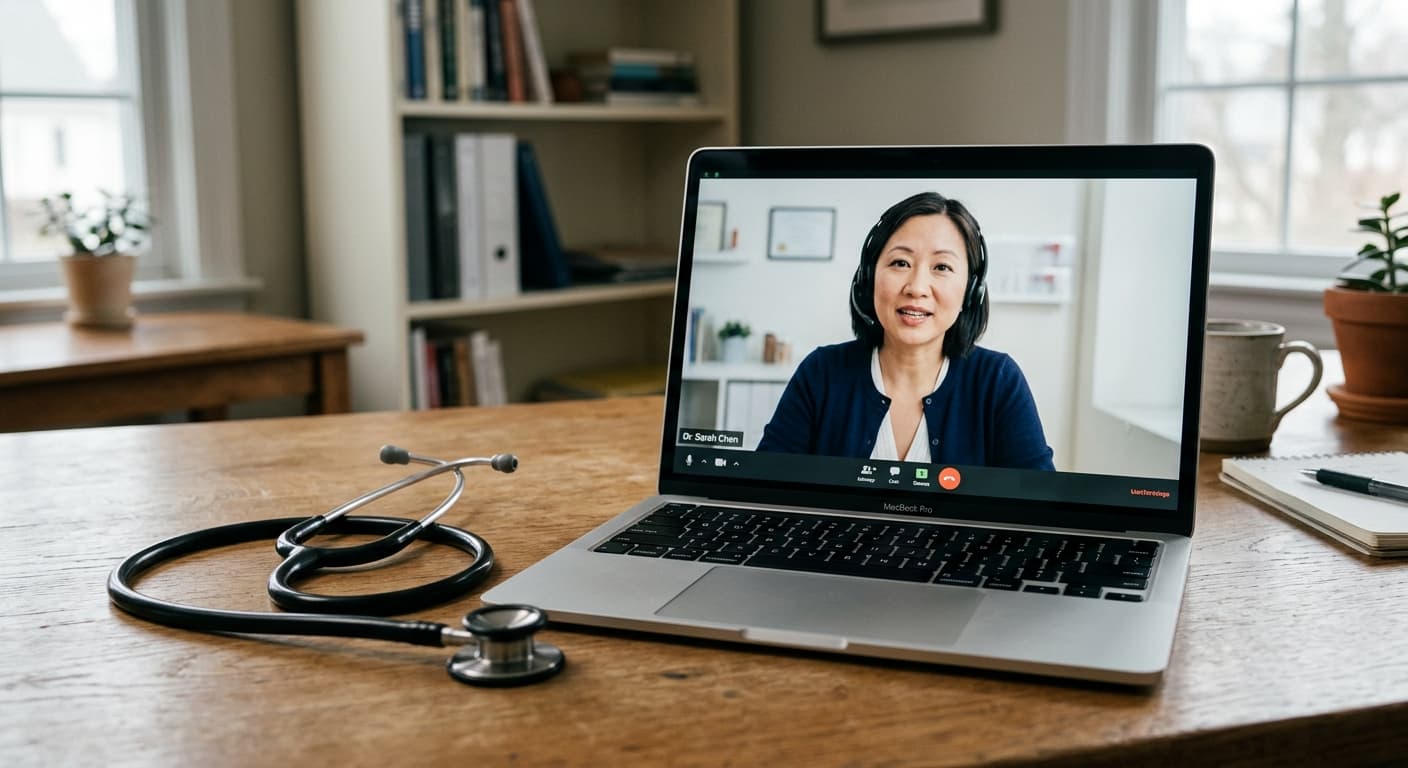
Recording in medical settings in New Hampshire presents a unique intersection of the state's strict all-party consent wiretapping law, federal health privacy regulations under HIPAA, and practical patient care considerations. Both patients and healthcare providers must understand the rules that govern recording in hospitals, clinics, doctor's offices, therapy sessions, and telehealth appointments.
This guide covers patient recording rights, provider recording obligations, hospital surveillance, telehealth recording rules, HIPAA implications, and how to legally document medical encounters.
All-Party Consent in Medical Settings
How RSA 570-A:2 Applies to Healthcare
New Hampshire's wiretapping statute applies to medical settings without exception. Under RSA 570-A:2, all-party consent is required before any recording of a medical conversation:
- Patients cannot secretly record conversations with doctors, nurses, therapists, or other healthcare providers
- Healthcare providers cannot secretly record conversations with patients
- Phone calls between patients and providers cannot be recorded without all-party consent
- Family members cannot secretly record conversations between a patient and their care team
The two-tier criminal penalty system applies. A participant who knowingly records without consent faces a misdemeanor under RSA 570-A:2, I-a (up to 1 year, $2,000). A willful interception is a Class B felony under RSA 570-A:2, I (up to 7 years, $4,000 per RSA 651:2).
Why Patients Want to Record Medical Appointments
Patients commonly want to record medical visits for legitimate and important reasons:
- Remembering complex instructions: Medical information can be difficult to absorb and remember, especially during stressful appointments
- Sharing information with family: Patients may want family members to hear what the doctor said
- Understanding treatment plans: Reviewing a recording can help patients better understand medications, procedures, and follow-up care
- Documenting informed consent discussions: Patients may want proof that risks were explained before a procedure
- Gathering evidence of medical errors: When patients suspect malpractice, they may want to document their interactions
- Accessibility needs: Patients with hearing impairments or cognitive challenges may benefit from recordings
While these motivations are valid, secret recording is not a legal option in New Hampshire. Patients must ask for and receive consent before recording.
How to Request Recording Permission
If you want to record a medical appointment in New Hampshire:
- Ask the provider at the beginning of the visit whether you may record the conversation
- Explain your reason (e.g., "I would like to record so I can review your instructions at home")
- If the provider agrees, record their verbal consent at the start of the recording
- If the provider declines, respect their decision and use alternative documentation methods
- Check the facility's policy: Some hospitals and clinics have specific policies about patient recording that may require advance written notice
Many healthcare providers are receptive to recording requests when the patient explains their purpose. However, providers are not legally required to consent.
Healthcare Provider Recording Obligations
Provider Recording of Patients
Healthcare providers who wish to record patient interactions must comply with both state and federal law:
State law requirements (RSA 570-A:2):
- All-party consent is required before any audio recording
- This includes recording clinical interviews, therapy sessions, and surgical commentary
- Video recording of procedures with audio requires consent from the patient and all staff whose voices are captured
HIPAA requirements:
- Recordings containing patient information are protected health information (PHI) under HIPAA (45 CFR Part 164)
- PHI recordings must be stored securely with access limited to authorized personnel
- Patients have the right to request access to their own medical records, which may include recordings maintained as part of the medical record
- Disclosure of recorded PHI to third parties requires patient authorization except under specific HIPAA exceptions
Medical Education and Training Recordings
Hospitals and medical schools may record patient encounters for educational purposes, but must comply with all consent requirements:
- Written patient consent must be obtained before any recording for educational use
- Consent forms should specify how the recording will be used, who will have access, and how long it will be retained
- Patients have the right to refuse educational recording without affecting their care
- De-identification of recordings used in published case studies is required under HIPAA
Therapy and Mental Health Sessions
Recording of therapy sessions raises particularly sensitive considerations:
- Therapist-patient conversations are protected by both the wiretapping statute and mental health confidentiality laws
- Therapists should not record sessions without explicit written consent from the patient
- Patients should not secretly record therapy sessions
- Group therapy sessions would require consent from every participant, which is often impractical
- Ethical guidelines from professional organizations such as the American Psychological Association and the National Association of Social Workers provide additional guidance on recording
Hospital and Clinic Surveillance
Where Security Cameras Are Permitted
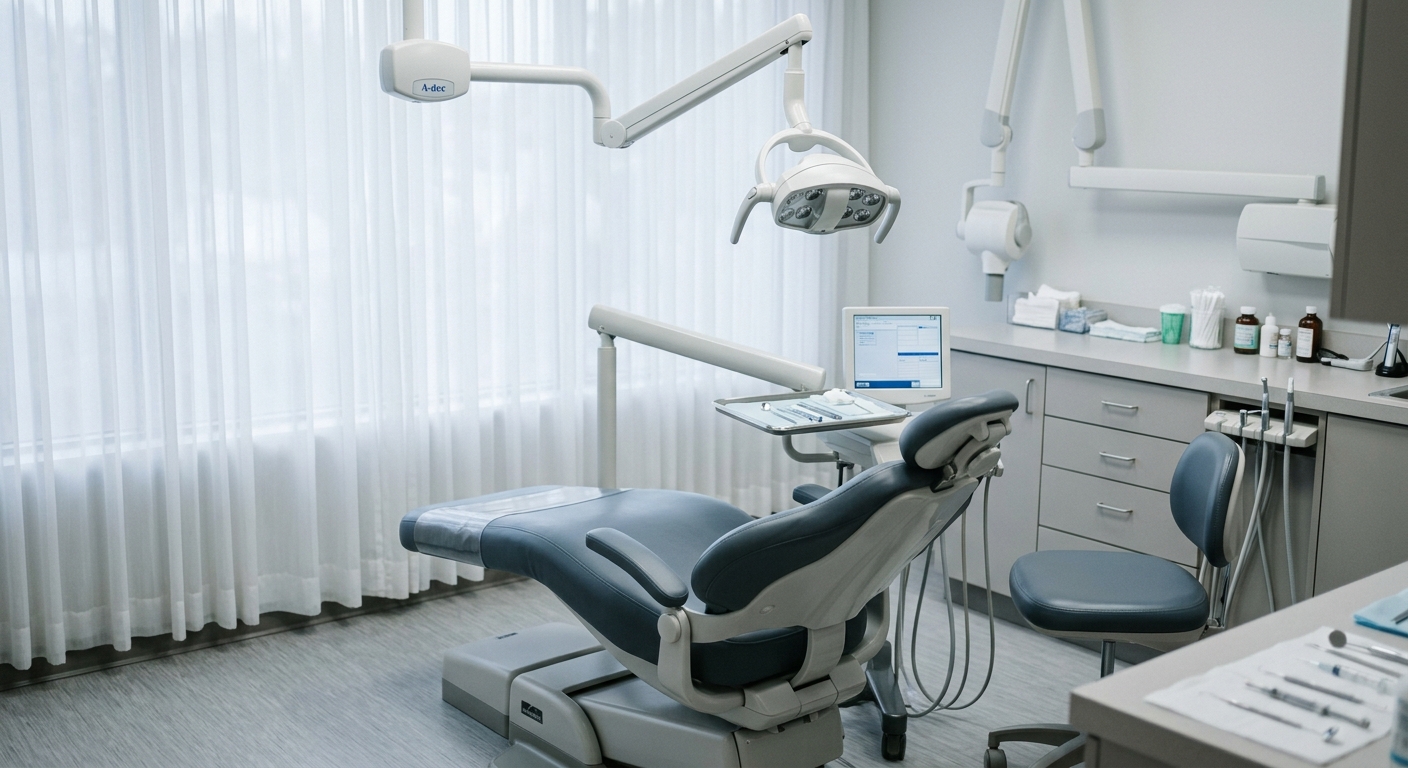
Healthcare facilities may install security cameras in certain locations:
- Waiting rooms and lobbies (silent video for safety monitoring)
- Hallways and corridors (silent video for access control)
- Parking garages and lots (for vehicle and pedestrian safety)
- Building entrances and exits (for access monitoring)
- Pharmacy windows and medication storage areas (for controlled substance security)
- Emergency department common areas (for staff and patient safety)
Where Security Cameras Are Prohibited
Under RSA 644:9, cameras are prohibited in areas where patients have a reasonable expectation of privacy:
- Patient bathrooms and restrooms
- Examination rooms (during patient use)
- Patient rooms in hospitals (unless specifically authorized for medical monitoring with patient consent)
- Surgical suites (standard security cameras are not appropriate; authorized medical recording equipment is a separate matter)
- Psychiatric treatment areas where patients have privacy expectations
- Changing areas in outpatient facilities
Audio-enabled security cameras in healthcare facilities trigger the all-party consent requirement under RSA 570-A:2, which is impractical in most healthcare settings. Facilities should disable audio on security cameras.
Patient Monitoring Equipment
Medical monitoring equipment (such as ICU cameras for remote patient monitoring) serves a different purpose than security surveillance:
- Patient consent for medical monitoring should be obtained as part of the admission or treatment consent process
- Audio monitoring for medical purposes (such as listening for patient calls for help) should be disclosed to the patient
- Access to monitoring feeds should be limited to authorized clinical staff
- Recordings from monitoring equipment are subject to HIPAA protections
Telehealth Recording
All-Party Consent for Telehealth
Telehealth appointments in New Hampshire are subject to the same all-party consent requirement as in-person visits:
- Platform recording notifications (such as Zoom's "this meeting is being recorded" pop-up) do not constitute consent under New Hampshire law
- Both the patient and the provider must affirmatively agree to any recording
- The provider should document consent in the patient's medical record
- Patients who want to record a telehealth appointment should ask the provider before the appointment or at the very beginning
Telehealth Platform Considerations
- Built-in recording features (Zoom, Teams, Doxy.me) should only be activated with all-party consent
- Screen recording by either party requires consent from the other party for any audio captured
- Cloud storage of telehealth recordings must comply with HIPAA security requirements
- Third-party recording apps should not be used without consent from all participants
Interstate Telehealth
When a New Hampshire patient has a telehealth appointment with a provider in another state (or vice versa), the stricter recording law typically applies:
- A New Hampshire patient calling a provider in a one-party consent state must still follow New Hampshire's all-party consent rule
- A provider in New Hampshire treating a patient in another state should follow New Hampshire's stricter standard
- HIPAA applies regardless of which state's recording law governs
HIPAA and Medical Recording Privacy
Protected Health Information
Under HIPAA (45 CFR Part 164), any recording that contains individually identifiable health information is protected health information (PHI). This includes:
- Audio recordings of medical appointments
- Video recordings of procedures or consultations
- Surveillance footage that identifies patients in a healthcare setting
- Telehealth session recordings
- Voicemails from providers containing health information
Patient Rights Under HIPAA
Patients have specific rights regarding recordings that are part of their medical record:
- Right to access: Patients may request copies of recordings maintained as part of their medical record
- Right to amend: Patients may request corrections to information in their medical record
- Right to an accounting of disclosures: Patients may request a list of who has received their PHI
- Right to restrict disclosures: Patients may request limitations on how their information is shared
The U.S. Department of Health and Human Services provides guidance on patient rights under HIPAA.
Provider HIPAA Obligations for Recordings
Healthcare providers who create or maintain recordings must:
- Store recordings securely with encryption and access controls
- Limit access to authorized personnel only
- Include recordings in the facility's HIPAA compliance program
- Retain and destroy recordings according to retention policies
- Report breaches involving recordings to affected patients and HHS
- Train staff on proper handling of recorded PHI
Legal Alternatives to Recording Medical Visits
For Patients
New Hampshire patients who cannot obtain recording consent should:
- Take detailed notes during the appointment
- Bring a trusted person who can listen and take notes
- Ask the provider to write down key instructions, medication names, and dosages
- Request a written after-visit summary through the patient portal
- Use teach-back: Repeat what the provider said in your own words to confirm understanding
- Ask for printed materials about your condition and treatment plan
- Follow up in writing via the patient portal to confirm what was discussed
For Healthcare Providers
Providers who need to document patient interactions should:
- Use the medical record as the primary documentation tool
- Dictate notes immediately after the encounter
- Use standardized forms for informed consent, treatment plans, and discharge instructions
- Provide written summaries to patients through the patient portal
- Document phone calls with brief notes in the medical record
Penalties for Illegal Medical Recording
| Offense | Classification | Maximum Penalty |
|---|---|---|
| Patient secretly records doctor (RSA 570-A:2, I-a) | Misdemeanor | 1 year, $2,000 |
| Hidden recording device in exam room (RSA 570-A:2, I) | Class B Felony | 7 years, $4,000 |
| Camera in patient bathroom (RSA 644:9) | Class A Misdemeanor | 1 year, $2,000 |
| HIPAA violation (federal) | Civil/Criminal | $100-$50,000 per violation |
| Civil damages (RSA 570-A:11) | Civil | $100/day or $1,000 min + punitive |
More New Hampshire Recording Laws
Audio Recording | Video Recording | Voyeurism | Workplace Recording | Recording Police | Phone Call Recording | Security Cameras | Recording in Public | Landlord-Tenant | Dashcam Laws | Schools | Medical Recording
Back to New Hampshire Recording Laws
More New Hampshire Laws
Sources and References
- RSA 570-A:2 - Interception Prohibited(gc.nh.gov).gov
- RSA 644:9 - Violation of Privacy(gc.nh.gov).gov
- RSA 570-A:11 - Civil Damages(gencourt.state.nh.us).gov
- HIPAA Privacy Rule(hhs.gov).gov
- HHS HIPAA Patient Rights(hhs.gov).gov
- RSA 625:9 - Classification of Crimes(gc.nh.gov).gov