North Carolina Recording Laws (2026): One-Party Consent Rules
North Carolina is a one-party consent state under N.C. Gen. Stat. § 15A-287. Recording your own calls is legal. Secret interception is a Class H felony with civil damages under § 15A-296.
85 articles · page 2 of 2

North Carolina is a one-party consent state under N.C. Gen. Stat. § 15A-287. Recording your own calls is legal. Secret interception is a Class H felony with civil damages under § 15A-296.

How to get a 50B Domestic Violence Protective Order or 50C Civil No-Contact Order in North Carolina: who qualifies, how long orders last, firearms, and penalties.

Learn about North Carolina Ring doorbell laws, including one-party consent rules, video surveillance limits, HOA regulations, and felony penalties under NCGS 15A-287.

Learn North Carolina school recording laws covering parent rights, student privacy under FERPA, IEP meeting recording, school cameras, and classroom rules.

Learn North Carolina security camera laws for homes and businesses. Covers placement rules, audio recording restrictions, HOA regulations, and privacy limits.

North Carolina stand-your-ground and castle doctrine explained. G.S. 14-51.3 removes duty to retreat; 14-51.2 creates presumption of reasonable fear for home, vehicle, and workplace intrusions.

Understand North Carolina's sexting laws: criminal penalties for adults and minors, revenge porn laws, and defenses available under North Carolina law.

NC slip and fall law: pure contributory negligence (1% fault bars all recovery), open-and-obvious absolute bar, 3-year SOL, and municipal charter notice traps.

North Carolina is one-party consent under § 15A-287: any participant can record. Learn how smart glasses audio, video, and voyeurism laws apply in NC.

Social Security disability in North Carolina: no state SSI supplement, automatic Medicaid on SSI approval, initial approval odds, and ALJ hearing wait times.

North Carolina requires 20 years of adverse possession without color of title (§ 1-40) or 7 years with color of title (§ 1-38). Learn how to remove a squatter using NC's expedited removal law or summary ejectment.

North Carolina statute of limitations: 3 years for personal injury and contracts, 2 years for wrongful death, no limit on felonies. Full deadlines by case type.

North Carolina surveillance camera laws: home security, workplace cameras, neighbor disputes, audio recording rules.

North Carolina Trade Secrets Protection Act (N.C. Gen. Stat. §§ 66-152 to 66-157): definitions, remedies, 3-year deadline, and federal DTSA overlay explained.

North Carolina holds over $1 billion in unclaimed money. Search NCCash for free, and see how some claims under $5,000 are now paid out automatically.

Learn North Carolina video recording laws covering public filming rights, voyeurism penalties under N.C. Gen. Stat. 14-202, and nonconsensual intimate images.

Learn North Carolina voyeurism and hidden camera laws under N.C. Gen. Stat. 14-202. Covers secret peeping penalties, revenge porn, deepfakes, and victim rights.

North Carolina's eCourts Portal lets you search your own name statewide for free, but one warrant category is restricted. Here's exactly what it shows.

Learn about North Carolina whistleblower laws, including REDA protections, state employee rights, the False Claims Act, filing deadlines, and available remedies.

North Carolina requires 35% VLT on side and rear windows (32%+ presumed compliant); multipurpose vehicles (minivans, pickups) are exempt behind the driver. 2026 rules, medical exemptions, penalties.

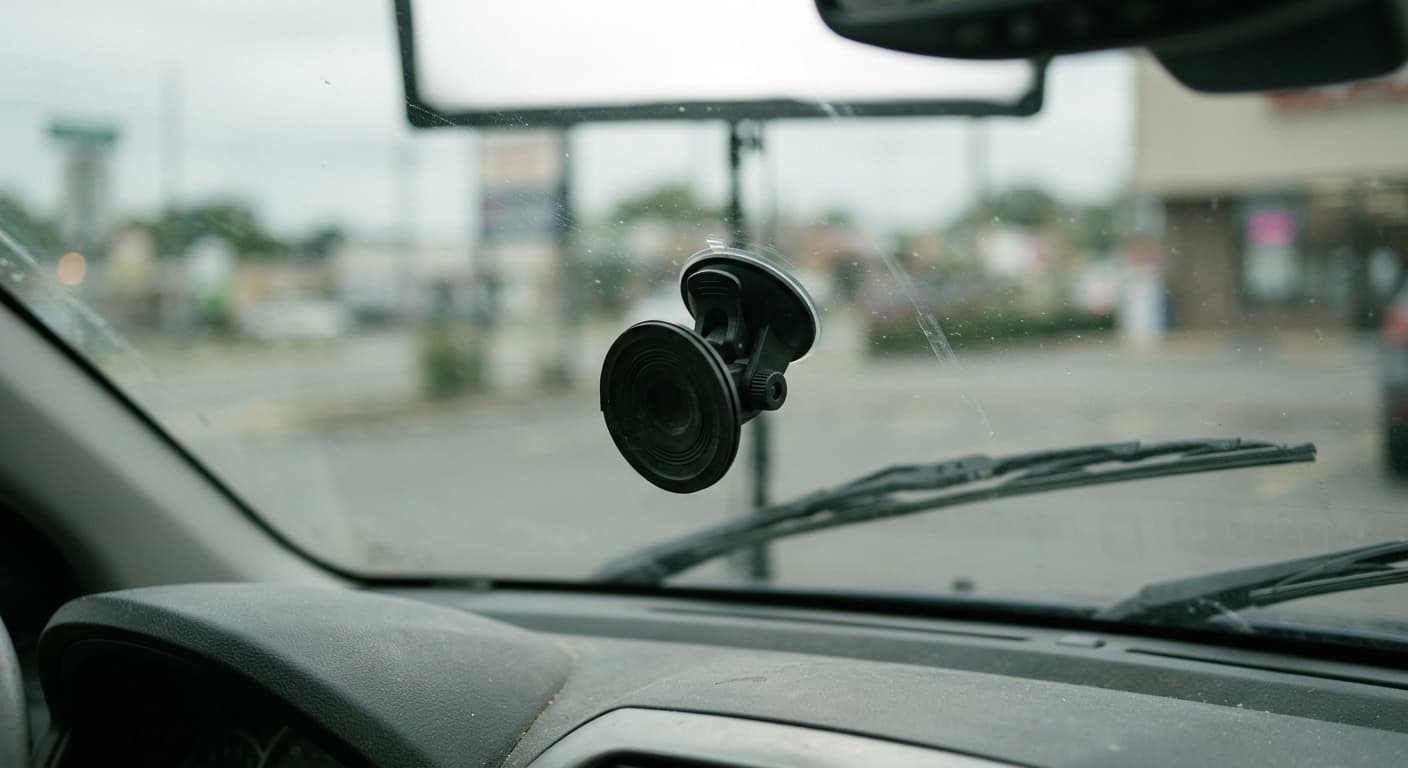
North Carolina windshield mounting laws: restrictions, penalties, and exemptions. Complete guide.

North Carolina workers' comp: mandatory for 3+ employees, 66 2/3% AWW, 30-day report rule, employer-directed doctor, and 2-year claim deadline.

Learn North Carolina workplace recording laws for employees and employers. Covers one-party consent, surveillance rules, no-recording policies, and NLRA rights.

North Carolina wrongful death law under G.S. 28A-18-2: the 2-year deadline, who must file, the damages allowed, and the pure contributory negligence rule.

North Carolina gives 3 years to sue after a truck accident but uses harsh contributory negligence. Learn the deadline, the 1% fault bar, liability, and FMCSA.