
South Dakota
South Dakota Pepper Spray and Stun Gun Laws (2026)
Independently fact-checked against primary sources (last audited September 23, 2026). · 16 primary sources cited on this page. How we verify our legal content
South Dakota has no dedicated statute regulating civilian purchase or possession of pepper spray or a stun gun. Both devices are reached only indirectly, through the state's general "dangerous weapon" definition, which names a stun gun specifically, through a 2024 officer-disarming felony that names both by description, and through a handful of place-based statutes that use that same "dangerous weapon" term, several of which come with real conditions and duties a reader needs, not a flat protection or a flat ban.
Jurisdiction scope: This page covers South Dakota state law only, principally SDCL 22-1-2, 13-32-7, 13-53-56, 13-53-57, 13-39A-43, 13-39A-44, 22-11-39, 22-14-8, 22-14-22 to 22-14-28, 9-19-20, and 7-18A-36. It does not cover South Dakota's separate concealed pistol permit statutes (SDCL Chapter 23-7) except where the campus and courthouse statutes reference them.
Is pepper spray legal to carry in South Dakota?
Yes. No South Dakota statute bans, licenses, or age-restricts civilian purchase, possession, or carry of pepper spray, mace, or a similar chemical irritant. South Dakota's general criminal-code definitions section, SDCL 22-1-2(10), defines "dangerous weapon" or "deadly weapon" as "any firearm, stun gun, knife, or device, instrument, material, or substance, whether animate or inanimate, which is calculated or designed to inflict death or serious bodily harm, or by the manner in which it is used is likely to inflict death or serious bodily harm." Pepper spray and mace are not named on that list the way a stun gun is; an ordinary OC canister would only count as a "dangerous weapon" for a given offense if it meets that broader, device-neutral test on its own terms. No South Dakota statute sets a capacity or formula cap or a licensed-dealer requirement for pepper spray.
A 2024 law reaches one specific use of pepper spray, alongside a stun gun and a baton: SDCL 22-11-39 makes it a Class 4 felony for a person who, "through use of force or threat of force, intentionally disarms or attempts to disarm a law enforcement officer, while the officer is engaged in the performance of the officer's duties, without the officer's consent." For that section, "weapon" is defined as "any firearm, stun gun, self-defense electronic control device, chemical irritant spray, or baton," so taking, or attempting to take, an officer's pepper spray or chemical irritant canister by force falls within it the same as taking a firearm. A separate section, SDCL 22-18-1.1(2), makes it aggravated assault, a Class 3 felony, to attempt to cause or knowingly cause bodily injury to another with a dangerous weapon; pepper spray falls within that offense if it independently meets the "dangerous weapon" definition's device-neutral test. Subdivision (4) reaches menace without contact: attempting, "by physical menace with a deadly weapon," to put another in fear of imminent serious bodily harm is the same Class 3 felony.
Are stun guns legal to carry in South Dakota?
Yes, for ordinary purchase, possession, and carry, with no statewide permit requirement. South Dakota's definitions section names a stun gun twice. SDCL 22-1-2(10) includes "stun gun" directly in its "dangerous weapon" or "deadly weapon" definition, alongside a firearm and a knife. SDCL 22-1-2(50) separately defines "stun gun" on its own terms: "any battery-powered, pulsed electrical device of high voltage and low or no amperage, which can disrupt the central nervous system and cause temporary loss of voluntary muscle control of a person." Being named in the general "dangerous weapon" definition sweeps a stun gun into four offenses South Dakota law builds around that term: the K-12 school and courthouse possession bans discussed below, SDCL 22-14-8, which makes it a Class 5 felony to conceal "a controlled or dangerous weapon" with intent to commit a felony, and SDCL 22-18-1.1(2), which makes it aggravated assault, a Class 3 felony, to attempt to cause or knowingly cause bodily injury to another with a dangerous weapon. Using a stun gun against a person therefore reaches that felony directly, and pepper spray reaches the same provision if it independently meets the definition's device-neutral test. SDCL 22-18-1.1(4) reaches a stun gun even without contact: attempting, "by physical menace with a deadly weapon," to put another in fear of imminent serious bodily harm is the same Class 3 felony, so brandishing a stun gun to menace someone is aggravated assault whether or not it is fired. No South Dakota statute separately prohibits ordinary civilian stun-gun ownership. SDCL 22-11-39 (see above) separately makes intentionally disarming, or attempting to disarm, a law enforcement officer of a stun gun by force a Class 4 felony.
Stun guns and pepper spray on public college and technical-institute campuses
South Dakota took an unusual, protective approach here in 2025, and it comes paired with a carve-out list and a storage duty a reader needs to know. SDCL 13-53-56 states that, "except as otherwise provided in Section 13-53-57," neither the Board of Regents nor any institution under the control of the board may restrict or limit the lawful carrying, possession, storage, or transportation of "... (2) A stun gun, as defined in Section 22-1-2, by any individual within the boundaries of the institution, or while in any building or structure owned or leased by the board or the institution; or (3) Mace, pepper spray, or other chemical irritant by any individual within the boundaries of the institution, or while in any building or structure owned or leased by the board or the institution." SDCL 13-39A-43 applies the identical rule to the South Dakota Board of Technical Education and its institutions. Both statutes were enacted by SL 2025, ch. 86. Notably, neither clause requires a permit for a stun gun or for mace or pepper spray; that contrasts with the same statutes' first item, a concealed pistol, which is protected only for a person "holding an enhanced permit, a restricted enhanced permit, or a reciprocal permit."
Section 13-53-57 is the "except as otherwise provided" that Section 13-53-56 points to, and it does three things. First, it lets the Board of Regents restrict a stun gun or pepper spray in four defined situations: a designated area containing more than 55 gallons of flammable liquid, significant quantities of higher-category hazardous materials, certain compressed-gas cylinders, or MRI or nuclear magnetic resonance equipment; a manufacturing or scientific-research room with controlled airborne-particle levels; a designated area under a facility or federal security clearance; or a building during a special event screened by metal detectors and staffed with armed security at every public entrance. Second, and more likely to affect an ordinary student day to day, it imposes a duty: "Whenever an individual is not carrying or in possession of any item referenced in subdivision (1), (2), or (3) of Section 13-53-56, the individual shall store the item in a locked case or safe." By its own words, that storage requirement covers a stun gun and pepper spray the same as a concealed pistol, not just the pistol. Third, it caps how far the board may go under those four situations: "Nothing in this section may be construed to prohibit, restrict, or limit the lawful carrying of any item referenced in subdivision (1), (2), or (3) of Section 13-53-56, beyond that which is necessary to maintain safety, security, or cleanliness within the designated area." That capping clause governs how the four carrying restrictions above are construed; it says nothing about the storage sentence, which is a direct statutory duty on the individual, not a board restriction the clause caps. SDCL 13-39A-44 applies the identical carve-outs, storage duty, and capping clause to the technical institutes.
Where you can't carry either device
South Dakota's K-12 school-weapons statute, SDCL 13-32-7, makes it a Class 1 misdemeanor to intentionally carry, possess, store, keep, leave, place, or put into another's possession "any dangerous weapon, firearm, or air gun" on or in a public elementary or secondary school's premises, vehicle, or building, or a building or vehicle used or leased for school functions, subject to exceptions for law enforcement, sentinel-trained individuals, and two pistol-specific concealed-permit-holder categories that do not help a spray or stun-gun carrier. The section reaches only public schools: its own exceptions list separately excludes "(8) A nonpublic school; (9) A church or other house of worship; or (10) A nonpublic school located on the premises of a church or other house of worship" from the ban entirely, so a parent or visitor carrying pepper spray or a stun gun to a parochial school or a house of worship is not within Section 13-32-7's reach at all. Because SDCL 22-1-2(10) defines "dangerous weapon" to include a stun gun by name, carrying a stun gun onto a covered public school's property falls within Section 13-32-7's ban; whether pepper spray does depends on whether it independently meets the "calculated or designed to inflict ... serious bodily harm" test in that same definition.
South Dakota's courthouse and state capitol statute works the same way, but its exception list is broader than a closed set of official-capacity carve-outs. SDCL 22-14-23 makes it a Class 1 misdemeanor to knowingly possess or cause to be present "any firearm or other dangerous weapon" in a county courthouse or the state capitol. SDCL 22-14-24 lists the exceptions: officials performing law-enforcement duties, judges and magistrates, authorized federal or state officials and service members, two concealed-pistol categories specific to the state capitol, a county or state employee assigned to work in the courthouse (outside Unified Judicial System areas), and, in paragraph (7), "the lawful carrying of a firearm or other dangerous weapon in a county courthouse incident to a hunter safety or a gun safety course or for any other lawful purposes." That residual "for any other lawful purposes" clause is the one a person lawfully carrying a self-defense stun gun into a county courthouse would rely on; whether a given carry qualifies as one of those "lawful purposes" is not spelled out further in the statute's text. SDCL 22-14-26 requires notice of Section 22-14-23's ban to be posted conspicuously at each public entrance to a county courthouse and the state capitol, and SDCL 22-14-25 separately preserves each court's own power "to promulgate rules or orders regulating, restricting, or prohibiting the possession of weapons" within its own building, except as to the authorizations Section 22-14-24 already grants. SDCL 22-14-27 states that holding a concealed pistol permit is not a defense to a Section 22-14-23 charge, which does not help a spray or stun-gun carrier either way. A county commission may vote to waive Section 22-14-23 as it applies to its own courthouse under SDCL 22-14-28. Because "dangerous weapon" again includes a stun gun under SDCL 22-1-2(10), the same courthouse and capitol ban, and the same paragraph (7) residual exception, reach a stun gun; pepper spray's coverage again depends on whether it independently meets that definition's broader test.
Local ordinances and state preemption
SDCL 9-19-20 bars a municipality from passing "an ordinance that restricts or prohibits, or imposes any licensure requirement or licensure fee on the possession, storage, transportation, purchase, sale, transfer, ownership, manufacture, or repair of firearms or ammunition or their components," voiding any ordinance that does and authorizing the attorney general to seek a cease-and-desist order and injunctive relief. SDCL 7-18A-36 imposes the identical rule on counties. Neither statute mentions pepper spray, mace, or a stun gun; both are scoped to firearms, ammunition, and their components. A South Dakota city or county is therefore not state-blocked from adopting its own ordinance regulating pepper spray or stun guns, unlike the firearms these two statutes reserve to the state.
Federal law: what it does and does not reach
No federal statute regulates a civilian's purchase or possession of pepper spray or a stun gun. Federal law matters in three places.
Federal buildings. Under 18 U.S.C. § 930(a), whoever knowingly possesses or causes to be present "a firearm or other dangerous weapon in a Federal facility (other than a Federal court facility)" faces a fine, imprisonment of up to 1 year, or both. Subsection (e) sets up to 2 years for a federal court facility, and subsection (b) up to 5 years where the weapon is intended to be used in a crime. Section 930(g)(2) defines the term:
The term "dangerous weapon" means a weapon, device, instrument, material, or substance, animate or inanimate, that is used for, or is readily capable of, causing death or serious bodily injury, except that such term does not include a pocket knife with a blade of less than 2½ inches in length.
The definition names neither device. Whether a particular spray or stun gun is "readily capable of" causing serious bodily injury is a question of fact the statute does not answer. Subsection (d)(3) exempts "the lawful carrying of firearms or other dangerous weapons in a Federal facility incident to hunting or other lawful purposes," and subsection (h) requires notice of the ban to be posted at each public entrance. A "Federal facility" is "a building or part thereof owned or leased by the Federal Government, where Federal employees are regularly present for the purpose of performing their official duties."
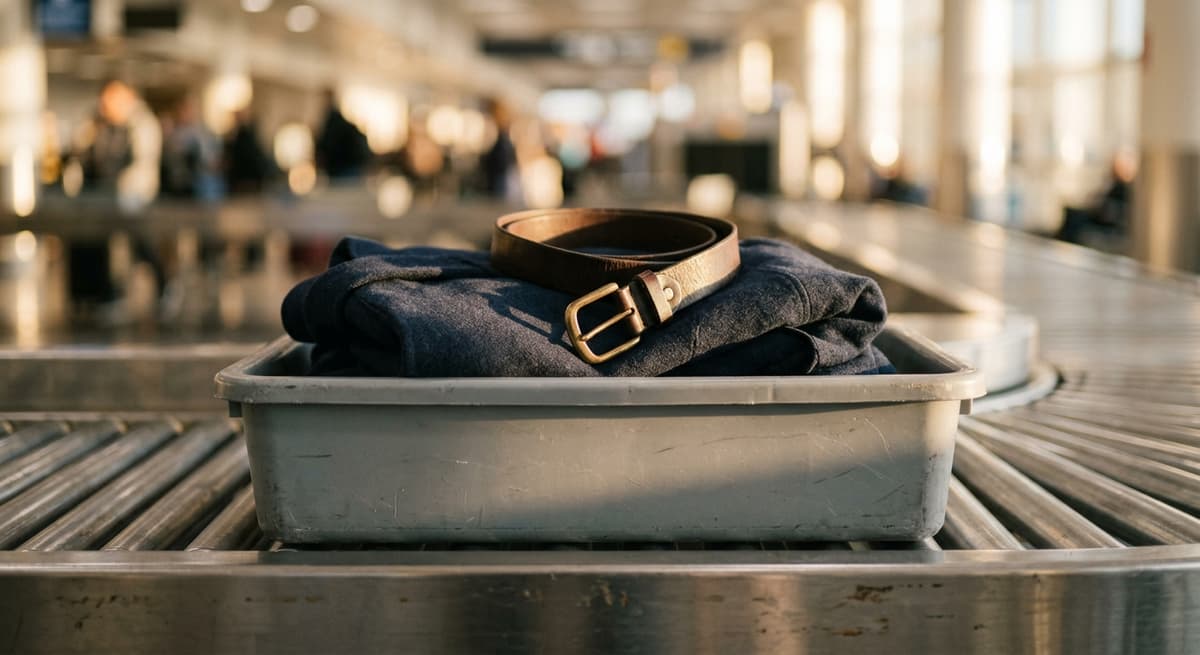
Air travel. The Transportation Security Administration's screening rules, which are agency policy rather than statute, bar both devices from carry-on bags. One 4 fl. oz. (118 ml) container of mace or pepper spray is permitted in checked baggage if it has a safety mechanism to prevent accidental discharge, and sprays containing more than 2 percent by mass of tear gas (CS or CN) are prohibited in checked baggage. Tasers, stun guns and other electro-shock weapons may travel in checked baggage only if transported so the device cannot discharge accidentally. Airlines may set stricter rules.
National parks. National Park Service regulations prohibit possessing, carrying or using a "weapon" in a park area except as the regulations provide (36 CFR 2.4(b)(1)). 36 CFR 1.4 defines "weapon" to include an "irritant gas device" and any "weapon the possession of which is prohibited under the laws of the State in which the park area or portion thereof is located."
Disclaimer: This article provides general legal information about South Dakota's pepper spray and stun gun laws as of September 2026. It is not legal advice. Consult a lawyer licensed in South Dakota for advice about a specific situation.
For a state-by-state comparison, see pepper spray and stun gun laws by state. South Dakota's self-defense statutes are covered separately on the South Dakota self-defense laws page.
Statutes cited reflect their in-force version as of 2026-09-18. Last updated: 2026-09-18.
Frequently Asked Questions
Do you need a permit for pepper spray or a stun gun in South Dakota?
No. No South Dakota statute requires a permit, age minimum, or license for ordinary civilian purchase, possession, or carry of pepper spray or a stun gun.
Can you carry pepper spray or a stun gun on a South Dakota college campus?
Generally yes, with real limits. SDCL 13-53-56 (Board of Regents institutions) and SDCL 13-39A-43 (technical institutes) bar the boards and their institutions from restricting the lawful carrying, possession, storage, or transportation of a stun gun or of mace, pepper spray, or other chemical irritant on campus, without a permit requirement for either item. But the companion sections, SDCL 13-53-57 and 13-39A-44, let the board restrict that same carrying in four defined situations (flammable-liquid or hazardous-materials areas, MRI equipment, controlled research rooms, security-clearance areas, and metal-detector special events), and they require that whenever a person is not carrying the item, it must be stored in a locked case or safe, a separate statutory duty on the individual. Those same sections also cap how far the board's four carrying restrictions specifically may go: a restriction may not go beyond what is necessary to maintain safety, security, or cleanliness within the designated area.
Is a stun gun considered a dangerous weapon in South Dakota?
Yes. SDCL 22-1-2(10) defines 'dangerous weapon' or 'deadly weapon' to include a stun gun by name, and SDCL 22-1-2(50) separately defines 'stun gun.' That classification sweeps a stun gun into four South Dakota offenses built around the 'dangerous weapon' term: the K-12 school possession ban, the courthouse and capitol possession ban, the felony of concealing a dangerous weapon with intent to commit a felony (SDCL 22-14-8), and aggravated assault under SDCL 22-18-1.1(2), a Class 3 felony, for attempting to cause or knowingly causing bodily injury to another with a dangerous weapon, or under SDCL 22-18-1.1(4), the same felony for attempting by physical menace with a deadly weapon to put another in fear of imminent serious bodily harm, even without contact. A separate 2024 statute, SDCL 22-11-39, makes intentionally disarming, or attempting to disarm, a law enforcement officer of a stun gun, or of pepper spray, a Class 4 felony.
Can you bring pepper spray or a stun gun into a South Dakota courthouse?
A stun gun is generally covered by SDCL 22-14-23's ban on possessing a 'firearm or other dangerous weapon' in a county courthouse or the state capitol, a Class 1 misdemeanor, because a stun gun is statutorily a 'dangerous weapon.' But SDCL 22-14-24(7) exempts 'the lawful carrying of a firearm or other dangerous weapon in a county courthouse incident to a hunter safety or a gun safety course or for any other lawful purposes,' a residual clause a lawful self-defense carrier could potentially rely on. Notice of the ban must be posted at each courthouse entrance under SDCL 22-14-26, and SDCL 22-14-25 separately preserves each court's own power to regulate weapons in its own building, except as to the authorizations Section 22-14-24 already grants. Whether pepper spray is covered by the underlying ban depends on whether it independently meets the 'dangerous weapon' definition's broader test.
Can South Dakota cities regulate pepper spray or stun guns locally?
Yes. South Dakota's municipal and county firearms-preemption statutes, SDCL 9-19-20 and 7-18A-36, apply only to firearms, ammunition, and their components. Neither mentions pepper spray or stun guns, so a city or county is not state-blocked from adopting its own ordinance for either device.
Updates
Independently fact-checked against the cited primary sources
The Law Behind This Article
This article rests on the statutory provisions below, held in our own legal record and retrieved from the official source. Tap a section to read the operative text.
South Dakota Codified Laws, Chapter 13-32: SUPERVISION OF STUDENTS AND CONDUCT OF SCHOOL
§ 13-32-7Possession of firearm or dangerous weapon--Public elementary or secondary school premises or vehicle--Penalty--Exceptions.In forcecited in 2 of our articles
Any person who intentionally carries, possesses, stores, keeps, leaves, places, or puts into the possession of another person, any dangerous weapon, firearm, or air gun, whether or not the firearm or air gun is designed, adapted, used, or intended to be used primarily for imitative or noisemaking purposes, on or in any public elementary or secondary school premises, vehicle, or building, or on or in any premises, vehicle, or building used or leased for public elementary or secondary school functions, whether or not any person is endangered by any action under this section, is guilty of a Class 1 misdemeanor.
Official text (excerpt) · last checked 2026-07-30 · Read the full text in our law library · Verify at sdlegislature.gov
Also relied on in: South Dakota Knife Laws (2026): No General Carry Restriction
South Dakota Codified Laws, Chapter 13-39A: SOUTH DAKOTA BOARD OF TECHNICAL EDUCATION
§ 13-39A-43Restrictions on lawful weapons prohibited.In force
Except as otherwise provided in § 13-39A-44, neither the South Dakota Board of Technical Education nor any institution under the control of the board may restrict or limit the lawful carrying, possession, storage, or transportation of: (1) A concealed pistol, as defined in § 22-1-2, and compatible ammunition, by any individual holding an enhanced permit, a restricted enhanced permit, or a reciprocal permit in accordance with chapter 23-7, within the boundaries of the institution, or while in any building or structure owned or leased by the board or the institution; (2) A stun gun, as defined in § 22-1-2, by any individual within the boundaries of the institution, or while in any building or structure owned or leased by the board or the institution; or (3) Mace, pepper spray, or other chemical irritant by any individual within the boundaries of the institution, or while in any building or structure owned or leased by the board or the institution.
Official text (excerpt) · last checked 2026-07-30 · Read the full text in our law library · Verify at sdlegislature.gov
§ 13-39A-44Restrictions on lawful weapons prohibited--Exceptions--Weapon storage requirement--Applicability.In force
The South Dakota Board of Technical Education or an institution under the control of the board may restrict or limit the lawful carrying or possession of any item referenced in subdivision (1), (2), or (3) of § 13-39A-43: (1) In a clearly designated portion of a building or structure, only if any of the following are present: (a) More than fifty-five gallons of flammable liquid, as identified in 29 C.F.R. § 1910.106 (January 1, 2025); (b) Significant quantities of hazardous materials classified as Category 3 or higher by the 704 Hazard Identification System of the National Fire Protection Association; (c) K-size cylinders containing corrosive, reactive, flammable, toxic, or oxidizer gases classified as Category 2 or higher by the 704 Hazard Identification System of the National Fire Protection Association; (d) L-size cylinders of acetylene gas; or (e) Magnetic resonance imaging equipment or nuclear magnetic resonance equipment; (2) In a room used for manufacturing or scientific research, if the concentration of airborne particles is controlled in order to maintain an environment with minimal pollutants; (3) In a clearly designated portion of a building or structure to…
Official text (excerpt) · last checked 2026-07-30 · Read the full text in our law library · Verify at sdlegislature.gov
South Dakota Codified Laws, Chapter 13-53: ADMINISTRATION OF STATE INSTITUTIONS
§ 13-53-56Restrictions on lawful weapons prohibited.In force
Except as otherwise provided in § 13-53-57, neither the Board of Regents nor any institution under the control of the board may restrict or limit the lawful carrying, possession, storage, or transportation of: (1) A concealed pistol, as defined in § 22-1-2, and compatible ammunition, by any individual holding an enhanced permit, a restricted enhanced permit, or a reciprocal permit in accordance with chapter 23-7, within the boundaries of the institution, or while in any building or structure owned or leased by the board or the institution; (2) A stun gun, as defined in § 22-1-2, by any individual within the boundaries of the institution, or while in any building or structure owned or leased by the board or the institution; or (3) Mace, pepper spray, or other chemical irritant by any individual within the boundaries of the institution, or while in any building or structure owned or leased by the board or the institution.
Official text (excerpt) · last checked 2026-07-30 · Read the full text in our law library · Verify at sdlegislature.gov
§ 13-53-57Restrictions on lawful weapons prohibited--Exceptions--Weapon storage requirement--Applicability.In force
The Board of Regents or an institution under the control of the board may restrict or limit the lawful carrying or possession of any item referenced in subdivision (1), (2), or (3) of § 13-53-56: (1) In a clearly designated portion of a building or structure, only if any of the following are present: (a) More than fifty-five gallons of flammable liquid, as identified in 29 C.F.R. § 1910.106 (January 1, 2025); (b) Significant quantities of hazardous materials classified as Category 3 or higher by the 704 Hazard Identification System of the National Fire Protection Association; (c) K-size cylinders containing corrosive, reactive, flammable, toxic, or oxidizer gases classified as Category 2 or higher by the 704 Hazard Identification System of the National Fire Protection Association; (d) L-size cylinders of acetylene gas; or (e) Magnetic resonance imaging equipment or nuclear magnetic resonance equipment; (2) In a room used for manufacturing or scientific research, if the concentration of airborne particles is controlled in order to maintain an environment with minimal pollutants; (3) In a clearly designated portion of a building or structure to which a facility security…
Official text (excerpt) · last checked 2026-07-30 · Read the full text in our law library · Verify at sdlegislature.gov
South Dakota Codified Laws, Chapter 22-1: DEFINITIONS AND GENERAL PROVISIONS
§ 22-1-2Definitions.In forcecited in 3 of our articles
Terms used in this title mean: (1) If applied to the intent with which an act is done or omitted: (a) The words, "malice, maliciously," and all derivatives thereof import a wish to intentionally vex, annoy, or injure another person, established either by proof or presumption of law; (b) The words, "intent, intentionally," and all derivatives thereof, import a specific design to cause a certain result or, if the material part of a charge is the violation of a prohibition against conduct of a certain nature, regardless of what the offender intends to accomplish thereby, a specific design to engage in conduct of that nature; (c) The words, "knowledge, knowingly," and all derivatives thereof, import only a knowledge that the facts exist which bring the act or omission within the provisions of any statute. A person has knowledge if that person is aware that the facts exist which bring the act or omission within the provisions of any statute.
Official text (excerpt) · last checked 2026-07-30 · Read the full text in our law library · Verify at sdlegislature.gov
Cited in 144 court opinions in our collectionLatest citing opinion in our collection: 2026
Opinions citing this section in our collection:
- State v. Heumiller (South Dakota Supreme Court 1982, 317 N.W.2d 126)“…uilty of aggravated assault.” “Deadly weapon” is defined in SDCL 22-1-2(9) as “any firearm, knife or device, in…”
- State v. Jenner (South Dakota Supreme Court 1990, 451 N.W.2d 710)“…ction. See, Weatherford, supra, at 55 (interpreting SDCL 22-1-2(18A), now SDCL 22-1-2(20)). Insanity is…”
- State v. Baker (South Dakota Supreme Court 1989, 440 N.W.2d 284)“…attempts to cast a shadow by innuendo in its brief. [2] SDCL 22-1-2(20) provides: `Insanity,' the condit…”
Identified automatically from the court opinions citing this section — not a ranking of which case controls.
Also relied on in: Pepper Spray and Stun Gun Laws by State (2026)
South Dakota Codified Laws, Chapter 22-11: OBSTRUCTION OF THE ADMINISTRATION OF GOVERNMENT
§ 22-11-39Disarming law enforcement officer--Felony.In force
Any person who, through use of force or threat of force, intentionally disarms or attempts to disarm a law enforcement officer, while the officer is engaged in the performance of the officer's duties, without the officer's consent, is guilty of a Class 4 felony. For the purposes of this section, the term "weapon" means any firearm, stun gun, self-defense electronic control device, chemical irritant spray, or baton. The term "disarm" means to take or remove a weapon from the person of the officer or the officer's immediate presence through the physical act of grabbing, holding, seizing, pushing, lifting, picking up, or other similar action.
Official text (excerpt) · last checked 2026-07-30 · Read the full text in our law library · Verify at sdlegislature.gov
South Dakota Codified Laws, Chapter 22-14: UNLAWFUL USE OF WEAPONS
§ 22-14-23Possession in county courthouse or state capitol--Misdemeanor.In forcecited in 2 of our articles
Except as provided in § 22-14-24, any person who knowingly possesses or causes to be present any firearm or other dangerous weapon, in any county courthouse or in the state capitol, or attempts to do so, is guilty of a Class 1 misdemeanor.
Official text (excerpt) · last checked 2026-07-30 · Read the full text in our law library · Verify at sdlegislature.gov
Cited in 1 court opinions in our collectionLatest citing opinion in our collection: 2005
Opinions citing this section in our collection:
- State v. Helland (South Dakota Supreme Court 2005, 707 N.W.2d 262)“…uge is guilty of a Class 4 felony.") (emphasis added.); and SDCL 22-14-23 ("Except as provided in § 22-14-24, any…”
Identified automatically from the court opinions citing this section — not a ranking of which case controls.
§ 22-14-8Concealment of weapon with intent to commit felony--Felony.In forcecited in 2 of our articles
Any person who conceals on or about his or her person a controlled or dangerous weapon with intent to commit a felony is guilty of a Class 5 felony.
Official text (excerpt) · last checked 2026-07-30 · Read the full text in our law library · Verify at sdlegislature.gov
Cited in 3 court opinions in our collectionLatest citing opinion in our collection: 2019
Opinions citing this section in our collection:
- State v. Coe (South Dakota Supreme Court 1979, 286 N.W.2d 340)“…two crimes involved here require proof of different facts. SDCL 22-14-8 and SDCL 22-30-1 through 22-30-6. Addit…”
- State v. Durke (South Dakota Supreme Court 1999, 593 N.W.2d 407)“…5), concealment of a weapon with intent to commit a felony (SDCL 22-14-8), and ingestion of an intoxicating subs…”
- State v. Willingham (South Dakota Supreme Court 2019, 2019 S.D. 55)“…led or dangerous weapon with intent to commit a felony[.]” SDCL 22-14-8. Upon review of the elements of each c…”
Identified automatically from the court opinions citing this section — not a ranking of which case controls.
South Dakota Codified Laws, Chapter 22-18: ASSAULTS AND PERSONAL INJURIES
§ 22-18-1.1Aggravated assault--Penalty.In forcecited in 2 of our articles
No person may: (1) Cause or attempt to cause serious bodily injury to another under circumstances manifesting extreme indifference to the value of human life; (2) Attempt to cause, or knowingly cause, bodily injury to another with a dangerous weapon; (3) Assault another with intent to commit bodily injury, which results in serious bodily injury; (4) Attempt by physical menace with a deadly weapon or a physical object realistically simulating a deadly weapon to put another in fear of imminent serious bodily harm; or (5) Attempt to induce a fear of death or imminent serious bodily harm by impeding the normal breathing or circulation of the blood of another person by applying pressure on the throat or neck, or by blocking the nose and mouth. A person who violates this section is guilty of aggravated assault. Aggravated assault is a Class 3 felony.
Official text (excerpt) · last checked 2026-07-30 · Read the full text in our law library · Verify at sdlegislature.gov
Cited in 144 court opinions in our collectionLatest citing opinion in our collection: 2026
Opinions citing this section in our collection:
- State v. Heumiller (South Dakota Supreme Court 1982, 317 N.W.2d 126)“…dded, footnote omitted). Appellant was charged under SDCL 22-18-1.1(5), which states: “Any person who: . .…”
- State v. Huber (South Dakota Supreme Court 1984, 356 N.W.2d 468)“…ror rests upon the charge of aggravated assault pursuant to SDCL 22-18-1.1(3). [1] The information charged in Cou…”
- State v. Cook (South Dakota Supreme Court 1982, 319 N.W.2d 809)“…304 N.W.2d 115 (S.D.1981). Aggravated assault under SDCL 22-18-1.1(3) requires the showing of: 1) an attem…”
Identified automatically from the court opinions citing this section — not a ranking of which case controls.
Also relied on in: South Dakota Restraining Order Laws (2026): How to Get a Protection Order
South Dakota Codified Laws, Chapter 7-18A: ORDINANCES AND RESOLUTIONS
§ 7-18A-36Firearms regulation prohibited--Action by attorney general.In forcecited in 2 of our articles
No county may pass an ordinance that restricts or prohibits, or imposes any tax, licensure requirement, or licensure fee on the possession, storage, transportation, purchase, sale, transfer, ownership, manufacture, or repair of firearms or ammunition or their components. Any ordinance prohibited by this section is null and void. The attorney general shall send a cease and desist order to any county that passes or enforces an ordinance in violation of this section. If the county fails to comply with the order, the attorney general shall bring an action in the name of the state for injunctive relief against any county that has passed an ordinance in violation of this section. A court shall grant any person charged with a violation of an ordinance prohibited under this section reasonable costs, expenses, and attorney's fees. This section does not apply to any generally applicable zoning ordinance, building regulation, or fire code so long as the ordinance, regulation, or code is not used to circumvent the prohibition under this section.
Official text (excerpt) · last checked 2026-07-30 · Read the full text in our law library · Verify at sdlegislature.gov
South Dakota Codified Laws, Chapter 9-19: ORDINANCES AND RESOLUTIONS
§ 9-19-20Firearms regulation prohibited--Action by attorney general.In forcecited in 2 of our articles
No municipality may pass an ordinance that restricts or prohibits, or imposes any licensure requirement or licensure fee on the possession, storage, transportation, purchase, sale, transfer, ownership, manufacture, or repair of firearms or ammunition or their components. Any ordinance prohibited by this section is null and void. The attorney general shall send a cease and desist order to any municipality that passes or enforces an ordinance in violation of this section. If the municipality fails to comply with the order, the attorney general shall bring an action in the name of the state for injunctive relief against any municipality that has passed an ordinance in violation of this section. A court shall grant any person charged with a violation of an ordinance prohibited under this section reasonable costs, expenses, and attorney's fees. This section does not apply to any generally applicable zoning ordinance, building regulation, or fire code so long as the ordinance, regulation, or code is not used to circumvent the prohibition under this section.
Official text (excerpt) · last checked 2026-07-30 · Read the full text in our law library · Verify at sdlegislature.gov
Code of Federal Regulations Title 36
§ 1.4What terms do I need to know?In forcecited in 53 of our articles
(a) The following definitions shall apply to this chapter, unless modified by the definitions for a specific part or regulation: Abandonment means the voluntary relinquishment of property with no intent to retain possession. Administrative activities means those activities conducted under the authority of the National Park Service for the purpose of safeguarding persons or property, implementing management plans and policies developed in accordance and consistent with the regulations in this chapter, or repairing or maintaining government facilities. Airboat means a vessel that is supported by the buoyancy of its hull and powered by a propeller or fan above the waterline. This definition should not be construed to mean a “hovercraft,” that is supported by a fan-generated air cushion. Aircraft means a device that is used or intended to be used for human flight in the air, including powerless flight. Archeological resource means material remains of past human life or activities that are of archeological interest and are at least 50 years of age.
Official text (excerpt) · last checked 2026-07-28 · Read the full text in our law library · Verify at ecfr.gov
Cited in 34 court opinions in our collectionLatest citing opinion in our collection: 2026
Opinions citing this section in our collection:
- WildEarth Guardians v. National Park Service (Court of Appeals for the Tenth Circuit 2013, 703 F.3d 1178)“…collect, kill, wound, or attempt to do any of the above.” 36 C.F.R. § 1.4(a). WildEarth argues that because NPS…”
- Nature v. United States (District Court, E.D. California 2017, 250 F. Supp. 3d 634)“…ent, historic, parkway, recreational, or other purposes. 36 C.F.R. § 1.4 . Nature argues that the El Portal Admi…”
- United States v. Knauer (District Court, E.D. New York 2010, 707 F. Supp. 2d 379)“…ng or attempting to take wildlife, except trapping. 36 C.F.R. § 1.4 (a) (in relevant part, reordered for cl…”
Identified automatically from the court opinions citing this section — not a ranking of which case controls.
Also relied on in: Knife Laws by State (2026): Carry Rules, Blade Limits, Penalties, Alabama Pepper Spray and Stun Gun Laws (2026), Alaska Pepper Spray and Stun Gun Laws (2026)
§ 2.4Weapons, traps and nets.In forcecited in 53 of our articles
(a) None of the provisions in this section or any regulation in this chapter may be enforced to prohibit an individual from possessing a firearm, including an assembled or functional firearm, in any National Park System unit if: (1) The individual is not otherwise prohibited by law from possessing the firearm; and (2) The possession of the firearm is in compliance with the law of the State in which the National Park System unit is located. (b)(1) Except as otherwise provided in this section and parts 7 (special regulations) and 13 (Alaska regulations), the following are prohibited: (i) Possessing a weapon, trap or net (ii) Carrying a weapon, trap or net (iii) Using a weapon, trap or net (2) Weapons, traps or nets may be carried, possessed or used: (i) At designated times and locations in park areas where: (A) The taking of wildlife is authorized by law in accordance with § 2.2 of this chapter; (B) The taking of fish is authorized by law in accordance with § 2.3 of this part. (ii) When used for target practice at designated times and at facilities or locations designed and constructed specifically for this purpose and designated pursuant to special regulations.
Official text (excerpt) · last checked 2026-07-28 · Read the full text in our law library · Verify at ecfr.gov
Cited in 26 court opinions in our collectionLatest citing opinion in our collection: 2024
Opinions citing this section in our collection:
- United States v. Masciandaro (Court of Appeals for the Fourth Circuit 2011, 638 F.3d 458)“…motor vehicle within a national park area, in violation of 36 C.F.R. § 2.4(b). He challenges his con- viction on t…”
- Brady Campaign to Prevent Gun Violence v. Salazar (District Court, District of Columbia 2009, 612 F. Supp. 2d 1)“…eady use.” 48 Fed.Reg. 30,252 (June 30, 1983), codified at 36 C.F.R. § 2.4 (a)(2). A similar regulation applied to…”
- United States v. Otis Lofton, United States of America v. Otis Lofton (Court of Appeals for the Fourth Circuit 2000, 233 F.3d 313)“…l Park Service. See 36 C.F.R. § 1.2 (2000); 36 C.F.R. § 2.4 (2000). Lofton’s conviction was affirm…”
Identified automatically from the court opinions citing this section — not a ranking of which case controls.
Also relied on in: Pennsylvania Pepper Spray and Stun Gun Laws (2026), Arizona Pepper Spray and Stun Gun Laws (2026), Arkansas Pepper Spray and Stun Gun Laws (2026)
United States Code Title 18
§ 930Possession of firearms and dangerous weapons in Federal facilitiesIn forcecited in 55 of our articles
Except as provided in subsection (d), whoever knowingly possesses or causes to be present a firearm or other dangerous weapon in a Federal facility (other than a Federal court facility), or attempts to do so, shall be fined under this title or imprisoned not more than 1 year, or both. Whoever, with intent that a firearm or other dangerous weapon be used in the commission of a crime, knowingly possesses or causes to be present such firearm or dangerous weapon in a Federal facility, or attempts to do so, shall be fined under this title or imprisoned not more than 5 years, or both. A person who kills any person in the course of a violation of subsection (a) or (b), or in the course of an attack on a Federal facility involving the use of a firearm or other dangerous weapon, or attempts or conspires to do such an act, shall be punished as provided in sections 1111, 1112, 1113, and 1117.
Official text (excerpt) · last checked 2026-07-28 · Read the full text in our law library · Verify at uscode.house.gov
Cited in 90 court opinions in our collectionLatest citing opinion in our collection: 2026
Opinions citing this section in our collection:
- United States v. Odeh (Court of Appeals for the Second Circuit 2008, 552 F.3d 93)“…f an attack on a U.S. facility in Nairobi, in violation of 18 U.S.C. § 930 (c) (Counts 9-221); murder of U.S. offi…”
- Kawaljeet Tagore v. USA (Court of Appeals for the Fifth Circuit 2013, 735 F.3d 324)“…statutory ban on weapons with blades exceeding 2.5 inches. 18 U.S.C. § 930(a), (g)(2).…”
- Heller v. District of Columbia (Court of Appeals for the D.C. Circuit 2015, 801 F.3d 264)“…universally prohibited from possessing firearms. See, e.g., 18 U.S.C. § 930(a), (g)(1) (unlawful to “knowingly poss…”
Identified automatically from the court opinions citing this section — not a ranking of which case controls.
Also relied on in: Idaho Knife Laws (2026): Carry, Blade Length, Preemption, North Dakota Knife Laws (2026): The 6-Inch Rule and Licensing, California Pepper Spray and Stun Gun Laws (2026)
Search our full record of US law — 2.1 million sections, every state + federal →
Sources and References
- SDCL 22-1-2(10), (50) - Definitions ('dangerous weapon' or 'deadly weapon'; 'stun gun')(sdlegislature.gov).gov
- SDCL 13-53-56 - Restrictions on lawful weapons prohibited (Board of Regents institutions)(sdlegislature.gov).gov
- SDCL 13-53-57 - Restrictions on lawful weapons prohibited, exceptions, weapon storage requirement(sdlegislature.gov).gov
- SDCL 13-39A-43 - Restrictions on lawful weapons prohibited (technical institutes)(sdlegislature.gov).gov
- SDCL 13-39A-44 - Restrictions on lawful weapons prohibited, exceptions, weapon storage requirement (technical institutes)(sdlegislature.gov).gov
- SDCL 22-11-39 - Disarming law enforcement officer, Felony(sdlegislature.gov).gov
- SDCL 22-14-8 - Concealment of weapon with intent to commit felony(sdlegislature.gov).gov
- SDCL 22-18-1.1 - Aggravated assault, Felony(sdlegislature.gov).gov
- SDCL 13-32-7 - Possession of firearm or dangerous weapon, public elementary or secondary school premises(sdlegislature.gov).gov
- SDCL 22-14-22 to 22-14-28 - County courthouse and state capitol possession of firearm or dangerous weapon(sdlegislature.gov).gov
- SDCL 9-19-20 - Firearms regulation prohibited, municipalities(sdlegislature.gov).gov
- SDCL 7-18A-36 - Firearms regulation prohibited, counties(sdlegislature.gov).gov
- 18 U.S.C. § 930 - Possession of firearms and dangerous weapons in Federal facilities(law.cornell.edu)
- Transportation Security Administration - What Can I Bring? Pepper Spray(tsa.gov).gov
- Transportation Security Administration - What Can I Bring? Stun Guns/Shocking Devices(tsa.gov).gov
- 36 CFR 1.4 - National Park Service definitions (weapon)(ecfr.gov).gov
- 36 CFR 2.4 - Weapons, traps and nets(ecfr.gov).gov