
Montana
Montana Open Container Law (2026): Possession Ban Explained
Independently fact-checked against primary sources (last audited September 17, 2026). · 3 primary sources cited on this page. How we verify our legal content
Montana bans knowingly possessing an open alcoholic beverage container in the passenger area of a vehicle, and that ban applies to the driver and to every passenger, under Mont. Code Ann. Section 61-8-1026. The rule reaches an unlocked glove or storage compartment but not the trunk, and it applies only while the vehicle is on a highway. This reflects the statute's text as of September 2026.
Jurisdiction scope: This page covers Montana state law only, specifically Mont. Code Ann. Section 61-8-1026. It does not cover local municipal ordinances or Montana's separate DUI statutes.
What Montana's Open Container Law Bans
Montana's rule is possession-based: it bans knowingly having an open alcoholic beverage container within the passenger area of a vehicle while the vehicle is on a highway, and the ban reaches the driver and every passenger, not just the driver. The statute's text does not include a separate consumption offense; the possession of the open container itself is what the law addresses, so the practical effect covers drinking as well, since drinking from a container necessarily means possessing it.
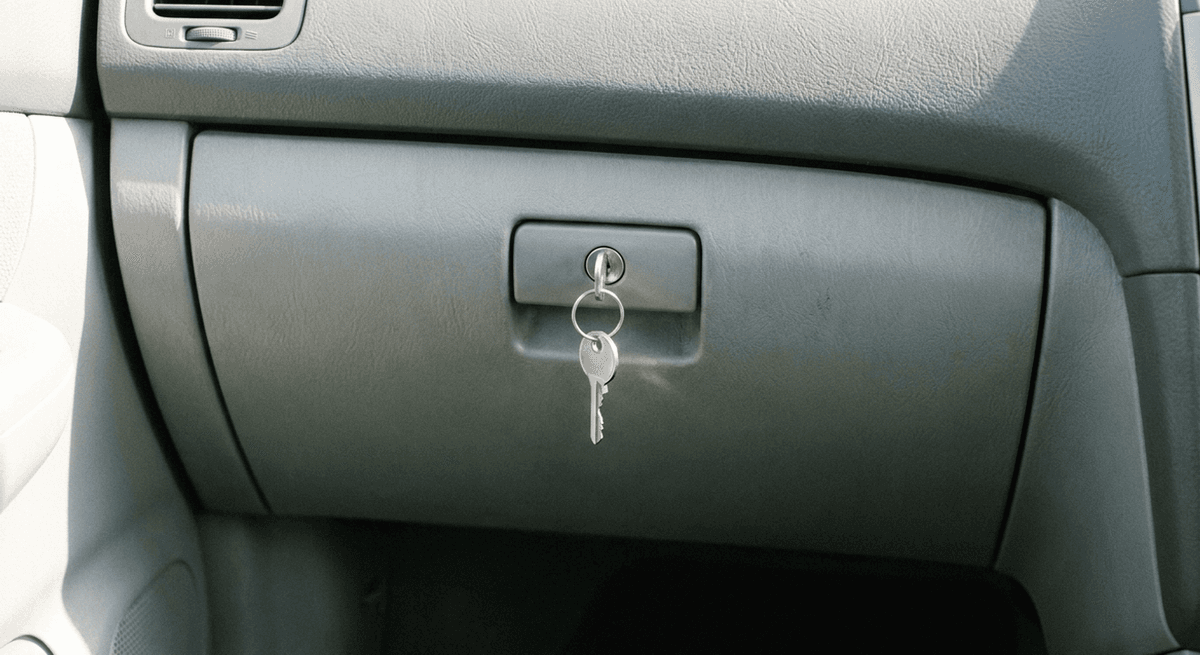
The "passenger area" includes an unlocked glove or storage compartment. Mont. Code Ann. Section 61-8-1001(13) defines "passenger area" as the area designed to seat the driver and passengers, plus any area readily accessible to them while seated, "including an unlocked glove compartment." That definition itself contains no exclusions. Separately, Section 61-8-1026(2) exempts the vehicle's trunk, luggage rack, or truck bed, and, in a vehicle with no trunk, the area behind the last upright seat, from the possession ban.
Exemptions to Montana's Open Container Law
Montana's statute lists several categories that fall outside the ban:
- A container locked in the glove compartment or another locked storage compartment.
- The trunk, luggage rack, or truck bed of the vehicle.
- The area behind the last upright seat, in a vehicle that has no trunk.
- A closed container kept in a part of the vehicle not normally occupied by the driver or passengers, in a vehicle without a trunk.
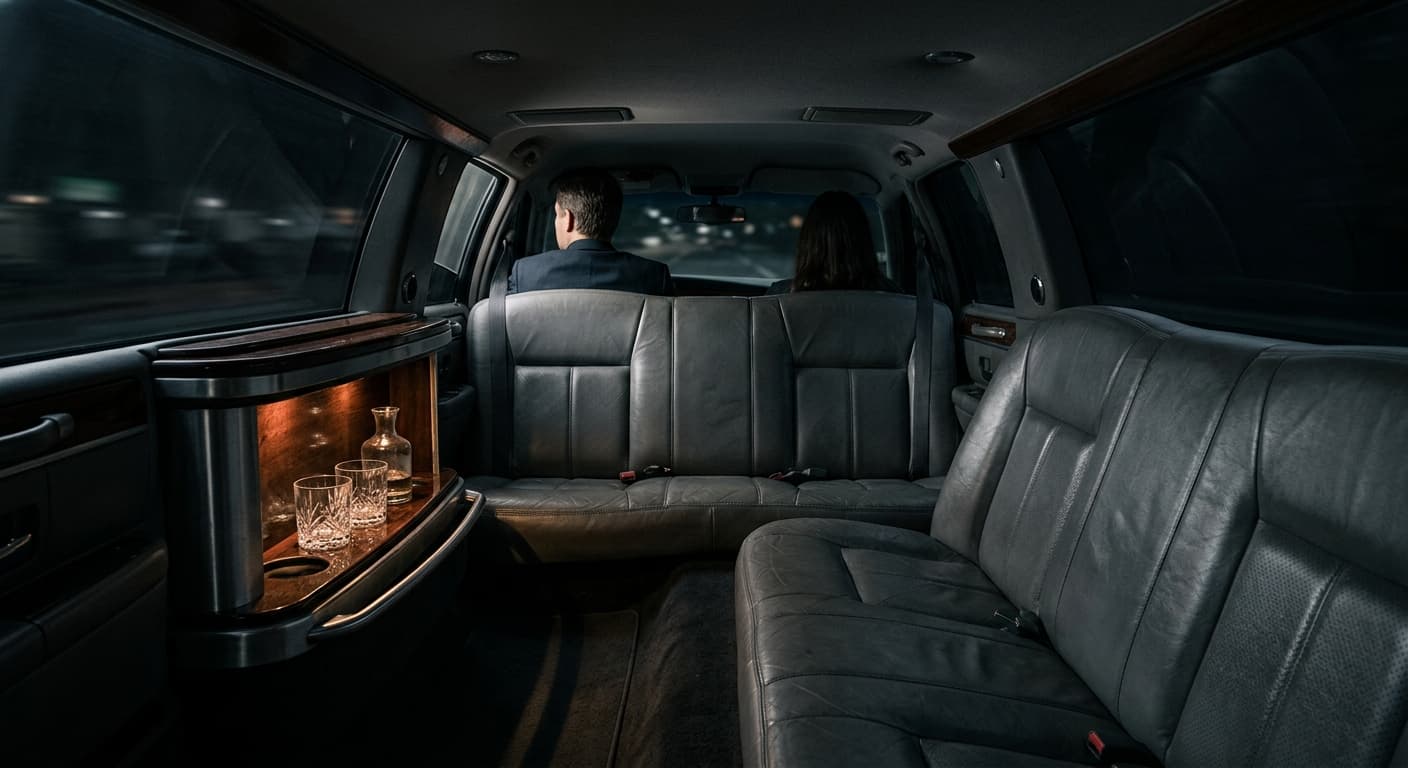
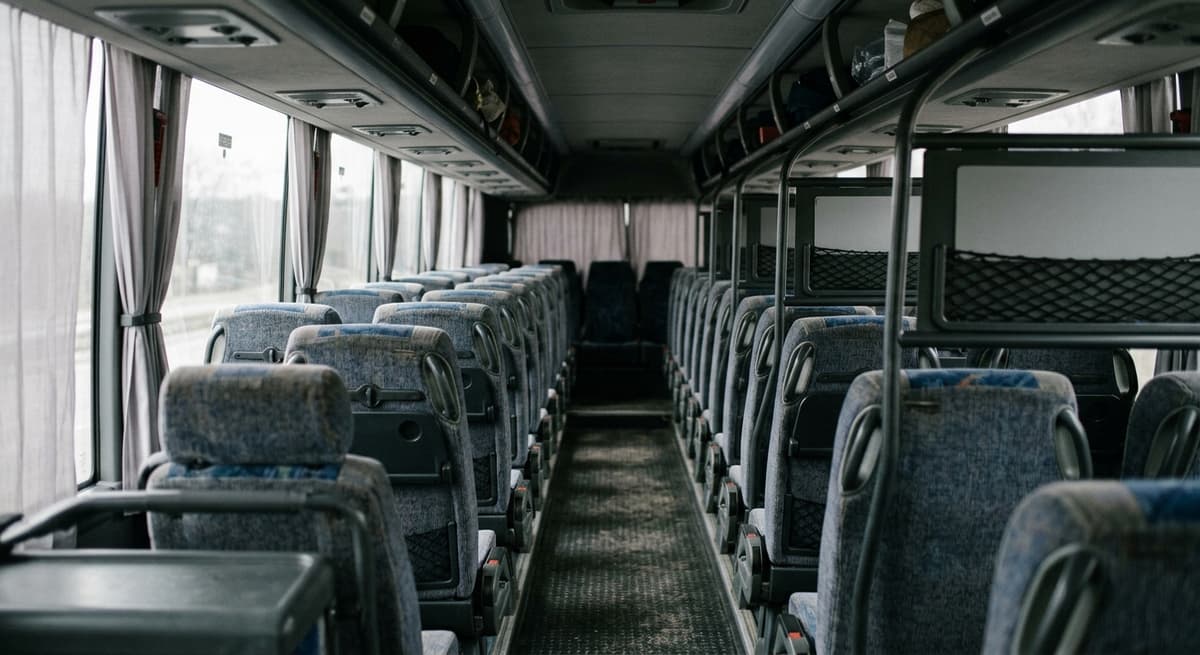
- In the immediate possession of a passenger, not the driver: someone riding in a bus, taxi, or limousine operated for compensation with a hired driver, or someone in the living quarters of a camper, travel trailer, or motor home.
Penalty for a Montana Open Container Violation
A violation of Section 61-8-1026 is not a criminal offense within the meaning of the specific statutes the section lists (including Montana's general criminal code and traffic-record statutes). It may not be recorded or charged against a driver's record, and an insurance company may not hold the violation against the insured or increase premiums because of it. The fine cannot exceed $100.
Montana and the Federal Open Container Standard
Federal law, 23 U.S.C. Section 154 (implemented by 23 CFR 1270.4), requires a state's open container law to ban both possession and consumption for every vehicle occupant to count as fully compliant for federal highway-funding purposes. Montana does not appear on FHWA's fiscal year 2026 list of non-conforming states, which names 12 states whose laws fall short of that standard. Montana's statute is written as a possession ban without a separately stated consumption offense, though this page does not represent Montana's absence from the FHWA list as a separate, official per-state federal certification of every element of the state's law.
Disclaimer: This article provides general legal information about Montana's open container law as of September 2026. It is not legal advice. Consult a lawyer licensed in Montana for advice about a specific situation.
Related reading: open container laws by state, Montana DUI laws, and Montana window tint laws.
Statutes cited reflect their in-force version as of 2026-09-16. Last updated: 2026-09-16.
Frequently Asked Questions
Can passengers have an open container of alcohol in a car in Montana?
No. Montana bans knowingly possessing an open alcoholic beverage container in the passenger area of a vehicle, and that ban applies to every passenger as well as the driver, unless an exemption such as a locked compartment, the trunk, or an exempt vehicle type applies.
Is a locked glove compartment exempt from Montana's open container law?
Yes. Section 61-8-1026(2) exempts a locked glove or storage compartment, along with the trunk, luggage rack, or truck bed, and, in a vehicle with no trunk, the area behind the last upright seat, from the possession ban - these are exemptions, not part of the passenger-area definition itself. An unlocked glove compartment does not qualify.
Does Montana's open container law apply to limousine or taxi passengers?
A passenger, not the driver, has an exemption for immediate possession of an open container while riding in a bus, taxi, or limousine operated for compensation with a hired driver. The same immediate-possession condition applies to the living quarters of a camper, travel trailer, or motor home. The driver of any of these vehicles remains bound by the general possession ban.
What is the penalty for an open container violation in Montana?
A violation is not a criminal offense within the meaning of the specific statutes the section lists. The fine cannot exceed $100, it may not be recorded or charged against the driver's record, and an insurer may not hold it against the insured or raise premiums because of it.
Updates
Corrected the no-trunk exemption to match the statute: it covers a closed container in an area not normally occupied by the driver or a passenger.
Independently fact-checked against the cited primary sources
The Law Behind This Article
This article rests on the statutory provisions below, held in our own legal record and retrieved from the official source. Tap a section to read the operative text.
Montana Code Annotated, Title 61
§ 61-8-1026Unlawful Possession Of Open Alcoholic Beverage Container In Motor Vehicle On HighwayIn forcecited in 2 of our articles
61-8-1026. Unlawful possession of open alcoholic beverage container in motor vehicle on highway. (1) Except as provided in subsection (2), a person commits the offense of unlawful possession of an open alcoholic beverage container in or on a motor vehicle if the person knowingly possesses an open alcoholic beverage container within the passenger area of a motor vehicle on a highway. (2) This section does not apply to an open alcoholic beverage container: (a) in a locked glove compartment or storage compartment; (b) in a motor vehicle trunk or luggage compartment or rack, or in a truck bed or cargo compartment; (c) behind the last upright seat of a motor vehicle that is not equipped with a trunk; (d) in a closed container in the area of a motor vehicle that is not equipped with a trunk and that is not normally occupied by the driver or a passenger; or (e) in the immediate possession of a passenger: (i) of a bus, taxi, or limousine that is used for the transportation of persons for compensation and that includes the provision of a hired driver; or (ii) in the living quarters of a camper, travel trailer, or motor home.
Official text (excerpt) · last checked 2026-09-23 · Read the full text in our law library · Verify at mca.legmt.gov
Also relied on in: Open Container Laws by State (2026): Passengers, Exemptions, Penalties
§ 61-8-1001DefinitionsIn forcecited in 4 of our articles
61-8-1001. Definitions. As used in this part, unless the context requires otherwise and unless a different meaning plainly is required, the following definitions apply: (1) "Aggravated driving under the influence" means a person is in violation of 61-8-1002(1)(a), (1)(b), (1)(c), (1)(d), or (1)(f) and: (a) the person's alcohol concentration, as shown by analysis of the person's blood, breath, oral fluid, or other bodily substance, is 0.16 or more; (b) the person is under the order of a court or the department to equip any motor vehicle the person operates with an approved ignition interlock device; (c) the person's driver's license or privilege to drive is suspended, canceled, or revoked as a result of a prior violation of driving under the influence, including a violation of 61-8-1002(1)(a), (1)(b), (1)(c), (1)(d), or (1)(f), an offense that meets the definition of aggravated driving under the influence, or a similar offense under previous laws of this state or the laws of another state; or (d) the person refuses to give a breath sample as required in 61-8-1016 and the person's driver's license or privilege to drive was suspended, canceled, or revoked under the provisions of…
Official text (excerpt) · last checked 2026-07-29 · Read the full text in our law library · Verify at mca.legmt.gov
Cited in 1 court opinions in our collectionLatest citing opinion in our collection: 2026
Opinions citing this section in our collection:
- State v. C. Horn (Montana Supreme Court 2026, 2026 MT 79)“…61-8-401, et al., MCA, were repealed and renumbered at § 61-8-1001, MCA. See 2021 Mont. Laws ch. 498, § 44. The…”
Identified automatically from the court opinions citing this section — not a ranking of which case controls.
Also relied on in: E-Scooter Laws by State: Sidewalk, Helmet & Age Rules (2026), Montana E-Scooter Laws: Sidewalk, Helmet & Age Rules (2026), Montana DUI Laws: Penalties, BAC Limit & License (2026)
United States Code Title 23
§ 154Open container requirementsIn forcecited in 46 of our articles
In this section, the following definitions apply: The term “alcoholic beverage” has the meaning given the term in section 158(c). The term “motor vehicle” means a vehicle driven or drawn by mechanical power and manufactured primarily for use on public highways, but does not include a vehicle operated exclusively on a rail or rails. The term “open alcoholic beverage container” means any bottle, can, or other receptacle— that contains any amount of alcoholic beverage; and that is open or has a broken seal; or the contents of which are partially removed. The term “passenger area” shall have the meaning given the term by the Secretary by regulation. For the purposes of this section, each State shall have in effect a law that prohibits the possession of any open alcoholic beverage container, or the consumption of any alcoholic beverage, in the passenger area of any motor vehicle (including possession or consumption by the driver of the vehicle) located on a public highway, or the right-of-way of a public highway, in the State.
Official text (excerpt) · last checked 2026-09-23 · Read the full text in our law library · Verify at uscode.house.gov
Cited in 20 court opinions in our collectionLatest citing opinion in our collection: 2004
Opinions citing this section in our collection:
- Foremost Insurance v. Richardson (Supreme Court of the United States 1982, 457 U.S. 668)“…er traffic, just as it has done for some land traffic. See 23 U. S. C. § 154 (55 m.p.h. speed limit). Yet no one su…”
- United States v. Kevin Bishop, United States of America v. Edward Stokes (Court of Appeals for the Third Circuit 1995, 66 F.3d 569)“…nder the Spending Clause, not the Commerce Clause. See 23 U.S.C. § 154 (Supp.1995) (conditioning receipt of f…”
- Mrs. Lizzie Beatrice Easterwood v. Csx Transportation, Inc. (Court of Appeals for the Eleventh Circuit 1991, 933 F.2d 1548)“…ce with the national highway speed limit. See 23 U.S.C.A. § 154 (1990). Easterwood argues that an auto…”
Identified automatically from the court opinions citing this section — not a ranking of which case controls.
Also relied on in: Maine Open Container Law (2026): Statute and Exemptions, Alabama Open Container Law (2026): The $25 Fine and No-Points Rule, Arkansas Open Container Law (2026): Rules, Exemptions, and Penalty
Code of Federal Regulations Title 23
§ 1270.4Compliance criteria.In forcecited in 20 of our articles
(a) To avoid the reservation of funds specified in § 1270.6, a State must enact and enforce an open container law that prohibits the possession of any open alcoholic beverage container, and the consumption of any alcoholic beverage, in the passenger area of any motor vehicle (including possession or consumption by the driver of the vehicle) located on a public highway, or the right-of-way of a public highway, in the State. (b) The law must apply to: (1) The possession of any open alcoholic beverage container and the consumption of any alcoholic beverage; (2) The passenger area of any motor vehicle; (3) All alcoholic beverages; (4) All occupants of a motor vehicle; and (5) All motor vehicles located on a public highway or the right-of-way of a public highway. (c) The law must provide for primary enforcement. (d) Exceptions.
Official text (excerpt) · last checked 2026-07-28 · Read the full text in our law library · Verify at ecfr.gov
Also relied on in: Alaska Open Container Law (2026): A Driver-Only Driving Offense, Arizona Open Container Law (2026): Possession and Drinking Both Banned, DC Open Container Law (2026): D.C. Code § 25-1001 Explained
Search our full record of US law — 2.1 million sections, every state + federal →
Sources and References
- Mont. Code Ann. § 61-8-1026 - Possessing open alcoholic beverage container in motor vehicle(mca.legmt.gov).gov
- 23 U.S.C. § 154(a) - Open container requirements(law.cornell.edu)
- 23 CFR 1270.4 - federal compliance criteria requiring possession and consumption bans for all occupants(law.cornell.edu)
- FHWA Notice N4510.905 (FY2026 apportionment notice) - list of states with a non-conforming open container law(highways.dot.gov).gov
- Mont. Code Ann. § 61-8-1001(13) - Definitions ("passenger area," including an unlocked glove compartment)(mca.legmt.gov).gov