
Arizona
Arizona Open Container Law (2026): Possession and Drinking Both Banned
Independently fact-checked against primary sources (last audited September 17, 2026). · 2 primary sources cited on this page. How we verify our legal content
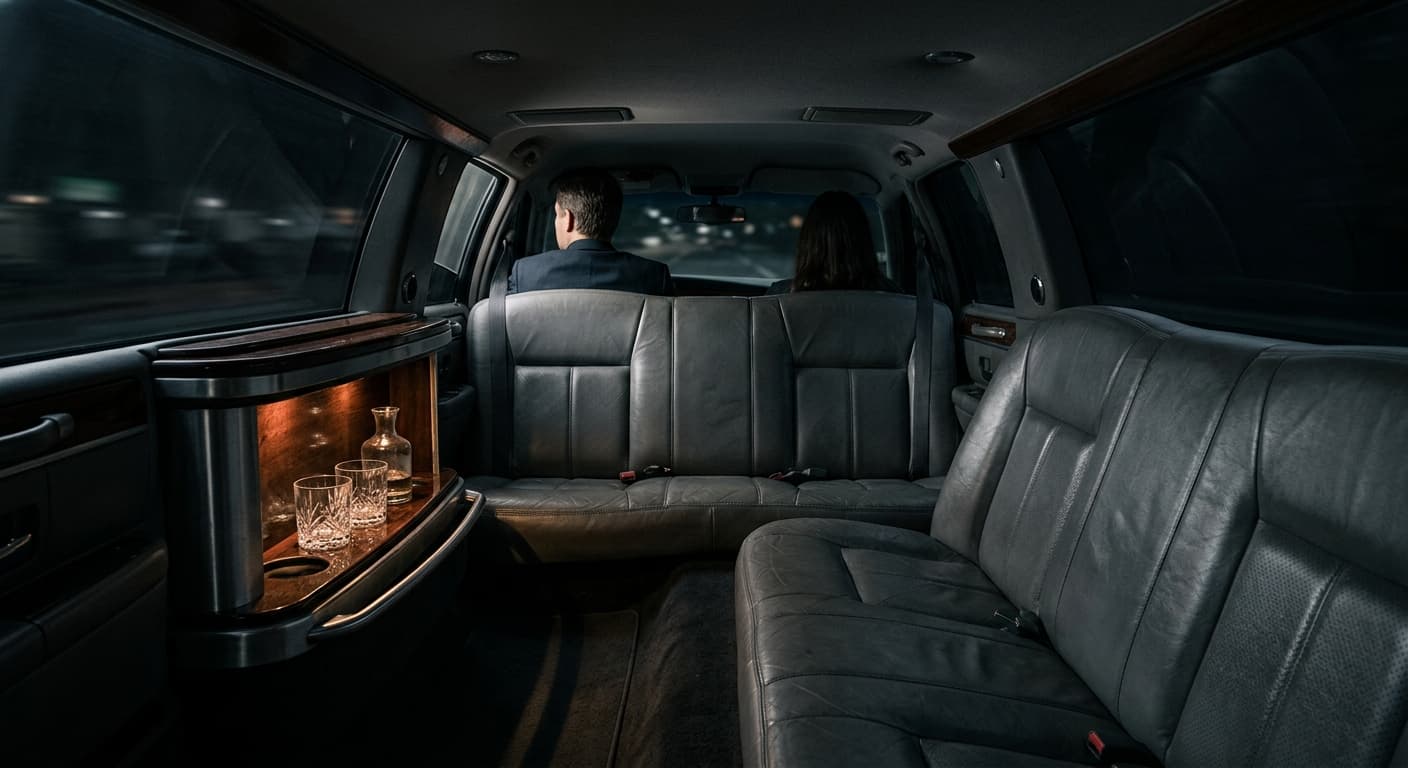
Arizona bans both possessing an open alcohol container and drinking alcohol in the passenger compartment of a vehicle located on a public highway or its right-of-way, for the driver and every passenger, under A.R.S. § 4-251. The rule reaches an unlocked glove compartment but not the trunk or a locked one. This reflects the statute's text as of September 2026.
Jurisdiction scope: This page covers Arizona state law only, specifically A.R.S. § 4-251. It does not cover local municipal ordinances or Arizona's separate DUI statutes.
What Arizona's open container law bans
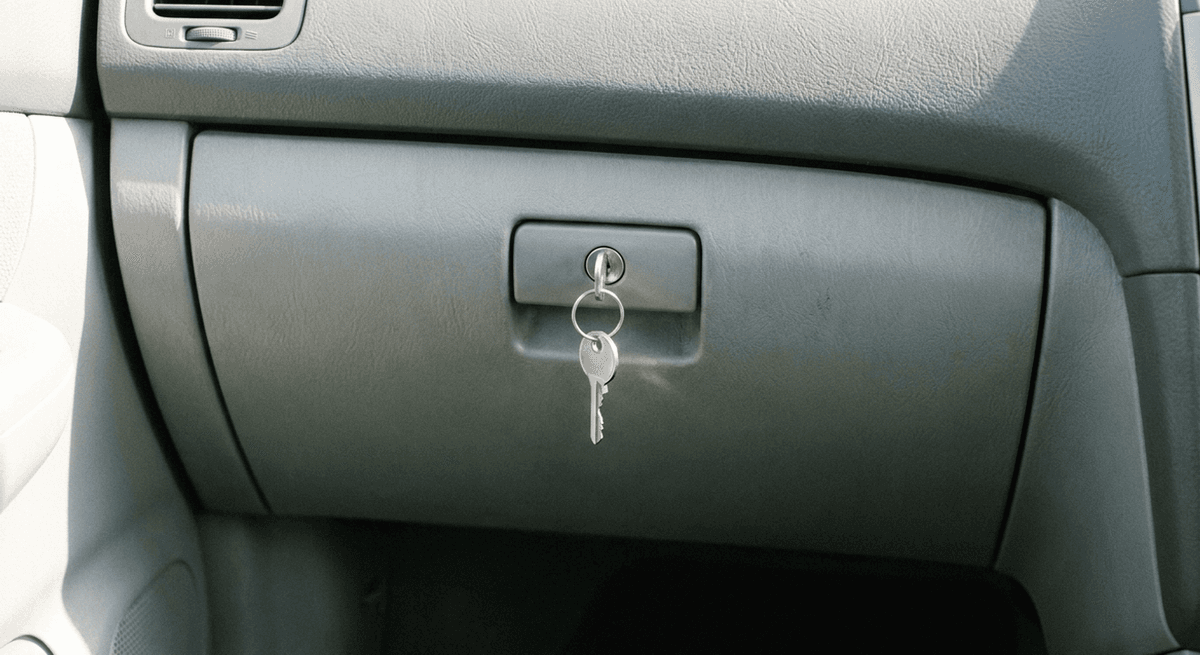
Arizona's rule covers more ground than many neighboring states: it bans both possessing an open container and drinking alcohol in the passenger compartment of a vehicle located on a public highway or right-of-way of a public highway in this state, and both bans apply to the driver and to every passenger, not just the driver. The "passenger compartment" is defined broadly. It reaches an unlocked glove compartment and any unlocked portable device within the immediate reach of the driver or a passenger. It does not reach the trunk, a locked glove compartment, or, in a vehicle with no trunk, the area behind the last upright seat.

That distinction matters in practice: sliding an open container into an unlocked glove compartment does not make it legal under Arizona law, while locking that same compartment, or putting the container in the trunk, does.
Exemptions: for-hire vehicles and RVs
Two categories of passengers, not drivers, fall outside the ban:
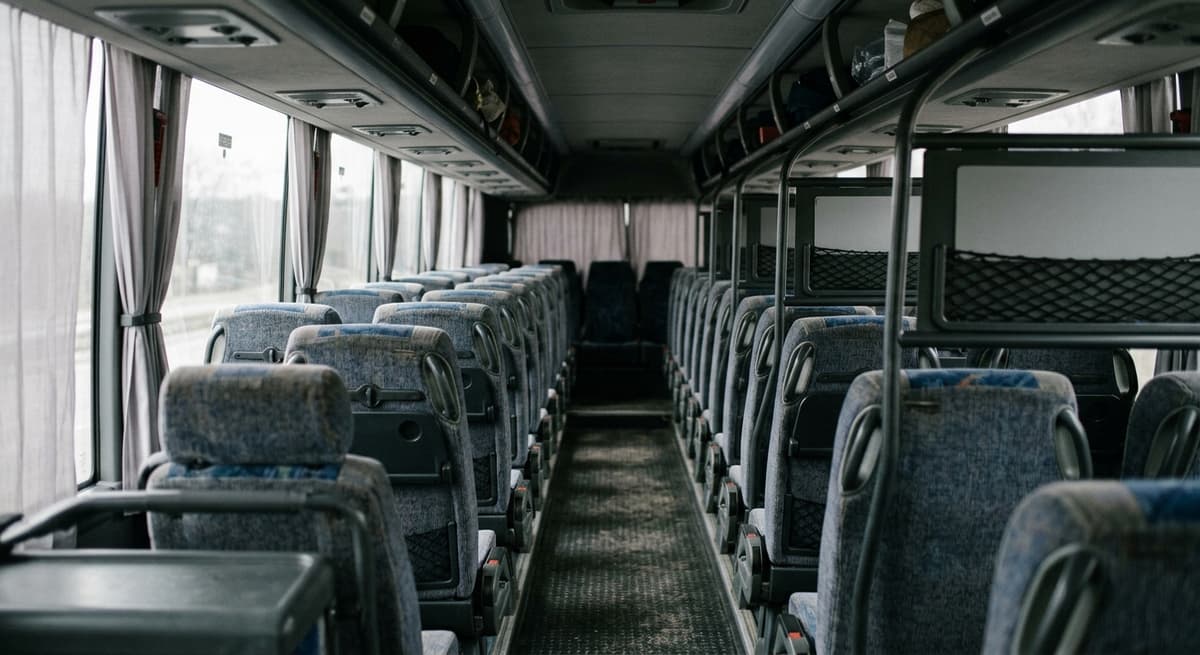
- A passenger riding in a bus, limousine, taxi, or a vehicle that is being used to provide transportation network company (TNC) services, such as a rideshare trip in progress. The carve-out does not cover the same vehicle when its driver is off the clock.
- A passenger in the living quarters of a motor home.
The driver of any of these vehicles remains bound by the general possession-and-consumption ban.
Penalty for an open container violation in Arizona
A violation is a Class 2 misdemeanor. Arizona's open container statute does not itself set the punishment; that comes from the state's general sentencing statutes. A Class 2 misdemeanor carries up to 4 months in jail under A.R.S. 13-707(A)(2) and a fine of up to $750, fixed by the court, under A.R.S. 13-802(B). Those are maximums; the court handling the case sets the actual sentence.
How Arizona's law fits the federal open container framework
Federal law, 23 CFR 1270.4, requires a state's open container law to ban both possession and consumption for every vehicle occupant to count as compliant for federal highway-funding purposes. Arizona's statute does both. Arizona does not appear on FHWA's current list of non-conforming states: the agency's fiscal year 2026 apportionment notice names twelve states whose laws fall short of that standard, and Arizona is not one of them, though this reflects the absence of Arizona from that published list rather than a separate, official per-state federal certification.
Disclaimer: This article provides general legal information about Arizona's open container law as of September 2026. It is not legal advice. Consult a lawyer licensed in Arizona for advice about a specific situation.
Related reading: open container laws by state, Arizona DUI laws, and Arizona window tint laws.
Statutes cited reflect their in-force version as of 2026-09-16. Last updated: 2026-09-16.
Frequently Asked Questions
Can passengers drink alcohol in a car in Arizona?
No. Arizona bans both possessing an open container and drinking alcohol in the passenger compartment of a vehicle located on a public highway or its right-of-way, and that ban applies to every passenger as well as the driver, unless the passenger is riding in an exempt vehicle type.
Is a locked glove compartment exempt from Arizona's open container law?
Yes. Arizona's passenger compartment definition excludes a locked glove compartment, along with the trunk and, in a vehicle with no trunk, the area behind the last upright seat. An unlocked glove compartment does not qualify for the exemption.
Does Arizona's open container law apply to Uber and Lyft passengers?
Passengers riding in a bus, limousine, taxi, or a vehicle that is actively providing transportation network company (TNC) services are exempt from the passenger-compartment rule. The driver of any of these vehicles is still bound by the general ban.
What is the penalty for an open container violation in Arizona?
A violation is a Class 2 misdemeanor. Under Arizona's general sentencing statutes, rather than the open container statute itself, that carries up to 4 months in jail and a fine of up to $750, with the court setting the actual sentence.
Updates
Added the maximum penalty for an Arizona open container violation (up to 4 months in jail and a $750 fine for a Class 2 misdemeanor) under A.R.S. 13-707 and 13-802.
Independently fact-checked against the cited primary sources
The Law Behind This Article
This article rests on the statutory provisions below, held in our own legal record and retrieved from the official source. Tap a section to read the operative text.
Arizona Revised Statutes, Title 4 (Alcoholic Beverages), Chapter 2 (REGULATIONS AND PROHIBITIONS), Article 3 (Prohibitions)
§ 4-251Spirituous liquor in motor vehicles; prohibitions; violation; classification; exceptions; definitionsIn force
A. It is unlawful for any person to: 1. Consume spirituous liquor while operating or while within the passenger compartment of a motor vehicle that is located on any public highway or right-of-way of a public highway in this state. 2. Possess an open container of spirituous liquor within the passenger compartment of a motor vehicle that is located on any public highway or right-of-way of a public highway in this state. B. A person who violates subsection A of this section is guilty of a class 2 misdemeanor. C. This section does not apply to: 1. A passenger in any bus, limousine, taxi or transportation network company vehicle as defined in section 28-9551 while the vehicle is being used to provide transportation network services as defined in section 28-9551. 2. A passenger in the living quarters of a motor home as defined in section 28-4301. D. For the purposes of this section: 1. "Motor vehicle": (a) Means a self-propelled vehicle. (b) Does not include a vehicle operated exclusively on rails or water. 2.
Official text (excerpt) · last checked 2026-09-23 · Read the full text in our law library · Verify at azleg.gov
Arizona Revised Statutes, Title 13 (Criminal Code), Chapter 7 (SENTENCING AND IMPRISONMENT)
§ 13-707Misdemeanors; sentencingIn forcecited in 2 of our articles
A. A sentence of imprisonment for a misdemeanor shall be for a definite term to be served other than a place within custody of the state department of corrections. The court shall fix the term of imprisonment within the following maximum limitations: 1. For a class 1 misdemeanor, six months. 2. For a class 2 misdemeanor, four months. 3. For a class 3 misdemeanor, thirty days. B. A person who is at least eighteen years of age or who has been tried as an adult and who stands convicted of any misdemeanor or petty offense, other than a traffic offense, and who has been convicted of one or more of the same misdemeanors or petty offenses within two years next preceding the date of the present offense shall be sentenced for the next higher class of offense than that for which the person currently is convicted. Time spent incarcerated within the two years next preceding the date of the offense for which a person is currently being sentenced shall not be included in the two years required to be free of convictions. C.
Official text (excerpt) · last checked 2026-08-04 · Read the full text in our law library · Verify at azleg.gov
Cited in 72 court opinions in our collectionLatest citing opinion in our collection: 2024
Opinions citing this section in our collection:
- State Ex Rel. Dean v. Dolny (Arizona Supreme Court 1989, 161 Ariz. 297)“…ed of misdemeanor possession of marijuana in Arizona. See A.R.S. §§ 13-707(A)(1), -802(A). In reaching its decis…”
- Benitez v. Dunevant (Arizona Supreme Court 2000, 198 Ariz. 90)“…mum sentence available was six months' incarceration, see A.R.S. § 13-707(A)(1) (1989), and a fine of $2500, see…”
- State v. Ceasar (Court of Appeals of Arizona 2016, 241 Ariz. 66)“…should be remanded for resentencing. We agree. ¶ 5 Under A.R.S. § 13-707(B), an enhanced sentence may be imposed…”
Identified automatically from the court opinions citing this section — not a ranking of which case controls.
Also relied on in: Arizona Sexting Laws: Legal Consequences and Penalties
Arizona Revised Statutes, Title 13 (Criminal Code), Chapter 8 (RESTITUTION AND FINES)
§ 13-802Fines for misdemeanorsIn force
A. A sentence to pay a fine for a class 1 misdemeanor shall be a sentence to pay an amount, fixed by the court, not more than two thousand five hundred dollars. B. A sentence to pay a fine for a class 2 misdemeanor shall be a sentence to pay an amount, fixed by the court, not more than seven hundred fifty dollars. C. A sentence to pay a fine for a class 3 misdemeanor shall be a sentence to pay an amount, fixed by the court, not more than five hundred dollars. D. A sentence to pay a fine for a petty offense shall be a sentence to pay an amount, fixed by the court, of not more than three hundred dollars. E. A judgment that the defendant shall pay a fine, with or without the alternative of imprisonment, shall constitute a lien in like manner as a judgment for money rendered in a civil action. F. This section does not apply to an enterprise.
Official text (excerpt) · last checked 2026-08-04 · Read the full text in our law library · Verify at azleg.gov
Cited in 25 court opinions in our collectionLatest citing opinion in our collection: 2021
Opinions citing this section in our collection:
- Benitez v. Dunevant (Arizona Supreme Court 2000, 198 Ariz. 90)“…e A.R.S. § 13-707(A)(1) (1989), and a fine of $2500, see A.R.S. § 13-802(A) (1989). Additionally, under A.R.S. §…”
- Derendal v. Griffith (Arizona Supreme Court 2005, 209 Ariz. 416)“…13-707.A.1 (2001), and a $2,500 fine, see A.R.S. § 13-802.A (2001). The municipal c…”
- State v. Moreno (Court of Appeals of Arizona 1982, 134 Ariz. 199)“…s’ imprisonment (A.R.S. § 13-707(1)), and a fine of $1,000 (A.R.S. § 13-802(A)). Even that is not a “petty offense”…”
Identified automatically from the court opinions citing this section — not a ranking of which case controls.
Code of Federal Regulations Title 23
§ 1270.4Compliance criteria.In forcecited in 20 of our articles
(a) To avoid the reservation of funds specified in § 1270.6, a State must enact and enforce an open container law that prohibits the possession of any open alcoholic beverage container, and the consumption of any alcoholic beverage, in the passenger area of any motor vehicle (including possession or consumption by the driver of the vehicle) located on a public highway, or the right-of-way of a public highway, in the State. (b) The law must apply to: (1) The possession of any open alcoholic beverage container and the consumption of any alcoholic beverage; (2) The passenger area of any motor vehicle; (3) All alcoholic beverages; (4) All occupants of a motor vehicle; and (5) All motor vehicles located on a public highway or the right-of-way of a public highway. (c) The law must provide for primary enforcement. (d) Exceptions.
Official text (excerpt) · last checked 2026-07-28 · Read the full text in our law library · Verify at ecfr.gov
Also relied on in: Maine Open Container Law (2026): Statute and Exemptions, Open Container Laws by State (2026): Passengers, Exemptions, Penalties, Alaska Open Container Law (2026): A Driver-Only Driving Offense
Search our full record of US law — 2.1 million sections, every state + federal →
Sources and References
- A.R.S. 4-251 - open container possession and consumption ban, passenger compartment definition, and exemptions(azleg.gov).gov
- FHWA Notice N4510.905 (FY2026 apportionment notice) - list of states with a non-conforming open container law(highways.dot.gov).gov
- 23 CFR 1270.4 - federal compliance criteria requiring possession and consumption bans for all occupants(law.cornell.edu)
- A.R.S. 13-707 - misdemeanor sentences of imprisonment (class 2 misdemeanor: up to four months)(azleg.gov)
- A.R.S. 13-802 - fines for misdemeanors (class 2 misdemeanor: up to $750)(azleg.gov)