
Alaska
Alaska Open Container Law (2026): A Driver-Only Driving Offense
Independently fact-checked against primary sources (last audited September 17, 2026). · 2 primary sources cited on this page. How we verify our legal content
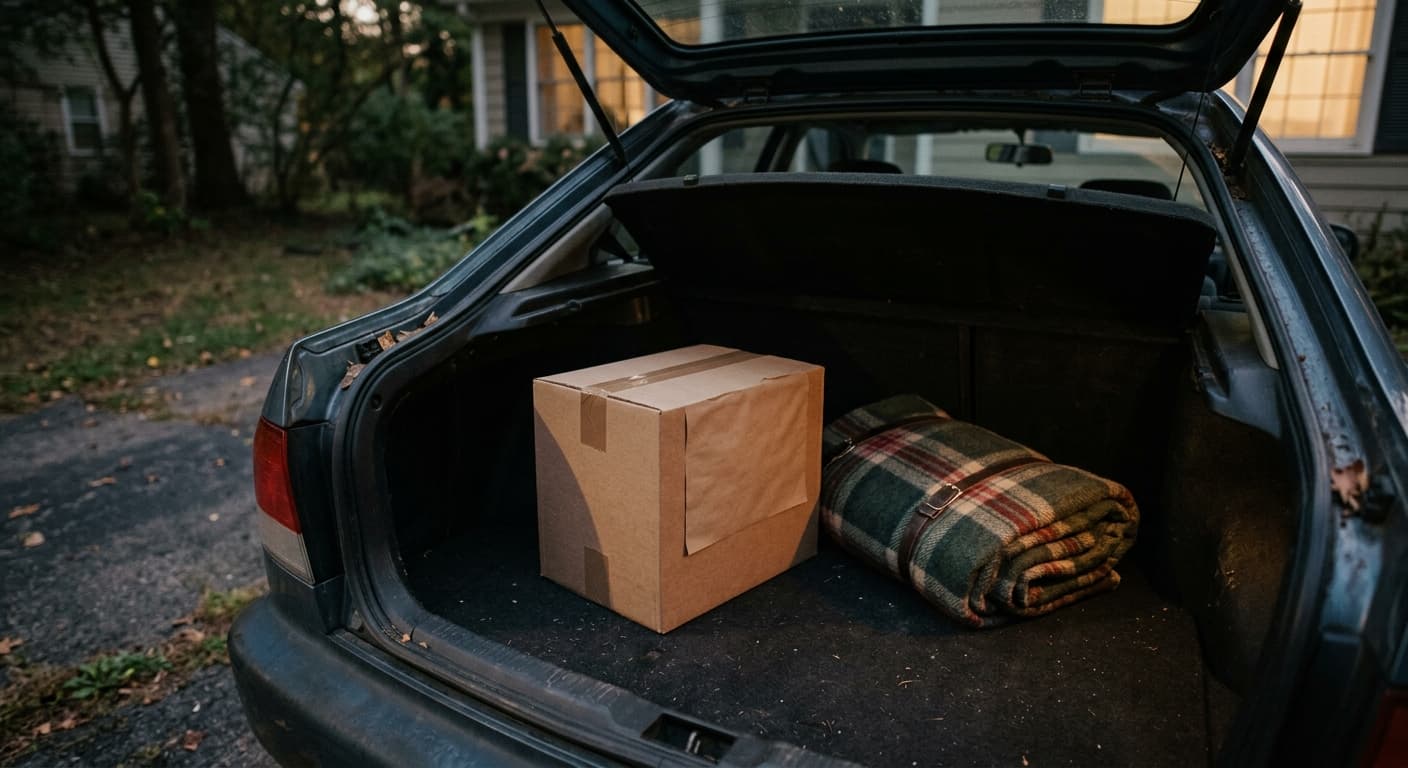
Alaska's open container law bans driving on a highway or vehicular way or area when there is an open alcohol container in the passenger compartment, under AS 28.35.029. Unlike most states, this is written as a driving offense committed by the driver, not a possession ban that also reaches a passenger holding a container. A violation is an infraction. This reflects the statute's text as of September 2026.
Jurisdiction scope: This page covers Alaska state law only, specifically AS 28.35.029. It does not cover local municipal ordinances or Alaska's separate DUI statutes.
Alaska's open container law is a driving offense, not a passenger-possession ban
The statute reads: "A person may not drive a motor vehicle on a highway or vehicular way or area, when there is an open bottle, can, or other receptacle containing an alcoholic beverage in the passenger compartment of the vehicle, except as provided in (b) of this section." The offense belongs to the act of driving with an open container present in the vehicle. A passenger who is simply holding an open container does not, on that fact alone, commit this offense the way a passenger would in a state that separately bans passenger possession.
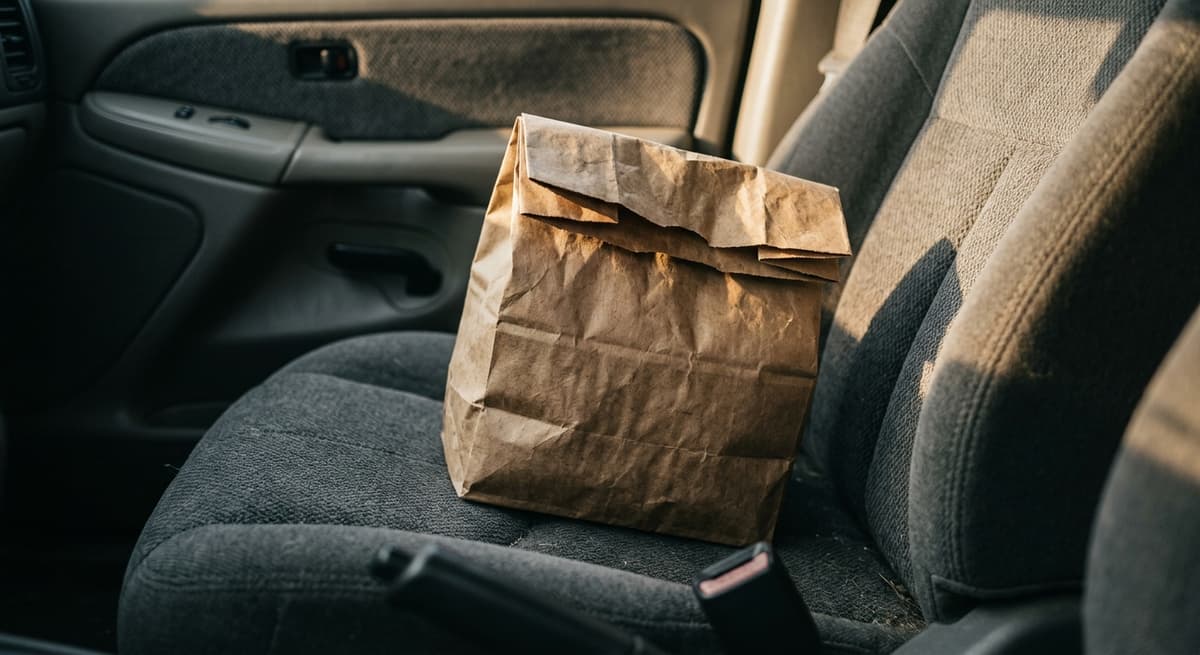
Do not read this as Alaska permitting passengers to drink freely. The driver commits this offense by driving on a highway or vehicular way or area while an unexempted open container is in the passenger compartment; the section is not violated by a container sitting in a parked vehicle or one off a highway or vehicular way. It is the driver, not a passenger holding the container, who bears legal exposure.
Alaska's law also defines "passenger compartment" broadly: it includes any utility or glove compartment accessible to the driver or a passenger while the vehicle is being operated. Placing an open container in the glove box does not take it out of the banned area.
Exemptions under Alaska's open container law
Four situations fall outside the ban. The exemptions are themselves subject to "Except as provided in AS 28.33.130," Alaska's out-of-service order statute, which controls instead for a person who operates a commercial motor vehicle or is on duty:
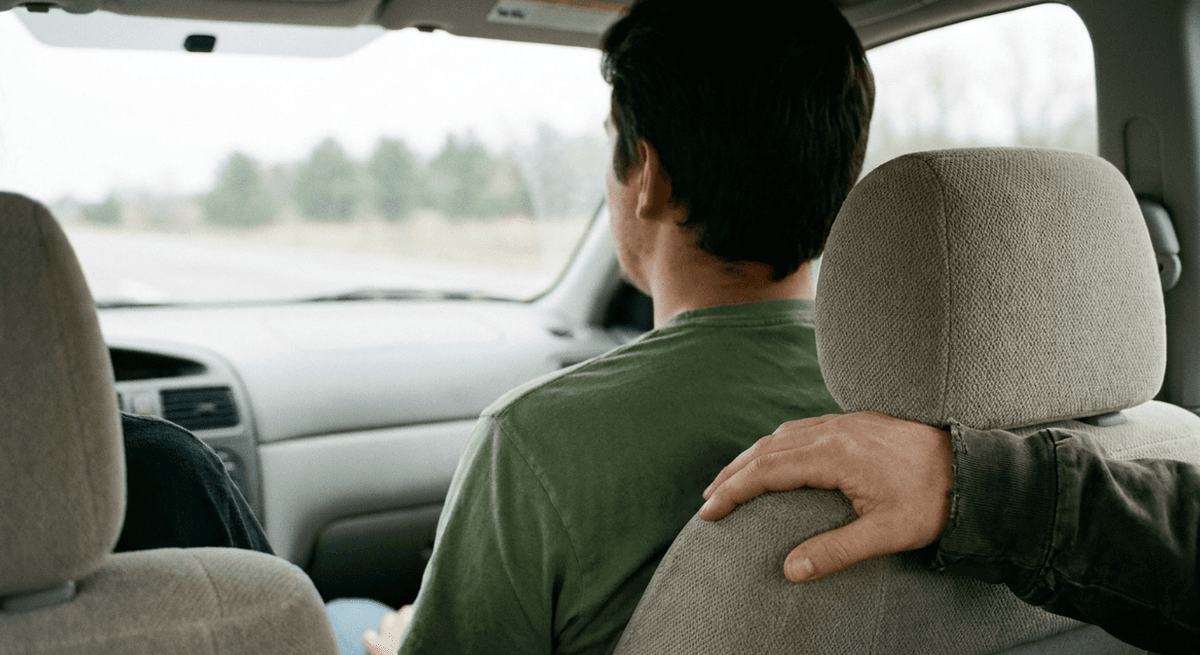
- A container stored in the trunk.
- A container enclosed inside another container, on a motor-driven cycle or, in a vehicle with no trunk, behind the last upright seat.
- A container kept behind a solid partition that separates the driver's area from the passenger area.
- Passenger possession in a for-hire vehicle designed to carry 12 or more persons.
Penalty, and why Alaska is on FHWA's non-conforming list
A violation is an infraction under AS 28.35.029(d). The section itself does not state a dollar fine amount; check with an Alaska court or the Department of Administration for the current infraction fine schedule before relying on a specific number.

Alaska is one of twelve states named on FHWA's fiscal year 2026 non-conforming list (Notice N4510.905, dated October 1, 2025), which means it stands to have 2.5 percent of certain federal highway funds reserved. Federal law, 23 CFR 1270.4, is generally understood to require a conforming state open container law to prohibit possession and consumption for all occupants of a vehicle, not just the driver. Alaska's statute binds only the driver, which is the visible reason its law does not meet that standard.
Disclaimer: This article provides general legal information about Alaska's open container law as of September 2026. It is not legal advice. Consult a lawyer licensed in Alaska for advice about a specific situation.
Related reading: open container laws by state, Alaska DUI laws, and Alaska window tint laws.
Statutes cited reflect their in-force version as of 2026-09-16. Last updated: 2026-09-16.
Frequently Asked Questions
Does Alaska's open container law apply to passengers?
Not directly. The offense is written as a driving offense: a person may not drive on a highway or vehicular way with an open container in the passenger compartment. A passenger holding an open container does not separately commit this offense, though it still exposes the driver unless an exemption applies.
What is the penalty for an open container violation in Alaska?
A violation is an infraction under AS 28.35.029(d). The statute does not specify a dollar fine within the section.
Can I keep an open container in the trunk in Alaska?
Yes. A container stored in the trunk is one of four exemptions under the statute, along with an enclosed container behind the last seat of a trunkless vehicle or on a motor-driven cycle, a container behind a solid partition, and passenger possession in a large for-hire vehicle.
Why is Alaska on the federal list of non-conforming open container states?
Alaska's law binds only the driver and does not separately ban passenger possession, while the federal standard is generally understood to require a conforming law to cover every occupant of the vehicle. That driver-only framing is the visible reason Alaska appears on FHWA's fiscal year 2026 non-conforming list.
Updates
Corrected the for-hire vehicle exemption to match the statute, which refers to vehicles with a capacity of 12 or more persons.
Independently fact-checked against the cited primary sources
The Law Behind This Article
This article rests on the statutory provisions below, held in our own legal record and retrieved from the official source. Tap a section to read the operative text.
Alaska Statutes, Title 28. Motor Vehicles, Chapter 35. Offenses and Accidents
§ 28.35.029Open containerIn force
(a) A person may not drive a motor vehicle on a highway or vehicular way or area, when there is an open bottle, can, or other receptacle containing an alcoholic beverage in the passenger compartment of the vehicle, except as provided in (b) of this section. (b) Except as provided in AS 28.33.130, a person may transport an open bottle, can, or other receptacle containing an alcoholic beverage (1) in the trunk of a motor vehicle; (2) on a motor driven cycle, or behind the last upright seat in a motor home, station wagon, hatchback, or similar trunkless vehicle, if the open bottle, can, or other receptacle is enclosed within another container; (3) behind a solid partition that separates the vehicle driver from the area normally occupied by passengers; or (4) if the open bottle, can, or other receptacle is in the possession of a passenger in a motor vehicle for which the owner receives direct monetary compensation and that has a capacity of 12 or more persons.
Official text (excerpt) · last checked 2026-09-23 · Read the full text in our law library · Verify at akleg.gov
Alaska Statutes, Title 28. Motor Vehicles, Chapter 33. Commercial Motor Vehicles
§ 28.33.130Out-of-service ordersIn force
(a) A person may not operate a commercial motor vehicle or be on duty (1) if, within the preceding four hours, the person (A) consumed or was under the influence of (i) an alcoholic beverage; (ii) a controlled substance not prescribed by a physician; or (iii) a controlled substance prescribed by a physician that might impair a person's ability to operate a commercial motor vehicle; or (B) had any measurable alcohol concentration within the blood or breath or any detectable presence of alcohol; (2) while in possession of an alcoholic beverage or a controlled substance not prescribed by a physician unless (A) the alcoholic beverage or controlled substance is manifested and documented as part of an authorized shipment of cargo; or (B) under AS 04, the alcoholic beverage may be legally served to passengers being carried for hire; (3) after being placed out of service for violation of a regulation adopted under AS 19.10.060(c) or AS 28.05.011; or (4) with an invalid operator's or commercial operator's license.
Official text (excerpt) · last checked 2026-07-31 · Read the full text in our law library · Verify at akleg.gov
Code of Federal Regulations Title 23
§ 1270.4Compliance criteria.In forcecited in 20 of our articles
(a) To avoid the reservation of funds specified in § 1270.6, a State must enact and enforce an open container law that prohibits the possession of any open alcoholic beverage container, and the consumption of any alcoholic beverage, in the passenger area of any motor vehicle (including possession or consumption by the driver of the vehicle) located on a public highway, or the right-of-way of a public highway, in the State. (b) The law must apply to: (1) The possession of any open alcoholic beverage container and the consumption of any alcoholic beverage; (2) The passenger area of any motor vehicle; (3) All alcoholic beverages; (4) All occupants of a motor vehicle; and (5) All motor vehicles located on a public highway or the right-of-way of a public highway. (c) The law must provide for primary enforcement. (d) Exceptions.
Official text (excerpt) · last checked 2026-07-28 · Read the full text in our law library · Verify at ecfr.gov
Also relied on in: Maine Open Container Law (2026): Statute and Exemptions, Open Container Laws by State (2026): Passengers, Exemptions, Penalties, Arizona Open Container Law (2026): Possession and Drinking Both Banned
Search our full record of US law — 2.1 million sections, every state + federal →
Sources and References
- AS 28.35.029 - open container driving offense, exemptions, and infraction penalty (verified live 2026-09-16)(akleg.gov).gov
- FHWA Notice N4510.905 (FY2026 apportionment notice) - list of 12 states with a non-conforming open container law, including Alaska(highways.dot.gov).gov
- 23 CFR 1270.4 - generally understood to require a conforming open container law to cover all vehicle occupants; regulatory text not independently reverified for this article(law.cornell.edu)