
West Virginia
West Virginia Laws on Recording Police: Your Rights and Limits
Independently fact-checked against primary sources (last audited August 15, 2026). · Reviewed by the RecordingLaw editorial team. · Law checked current as of August 15, 2026. · 5 primary sources cited on this page. How we verify our legal content
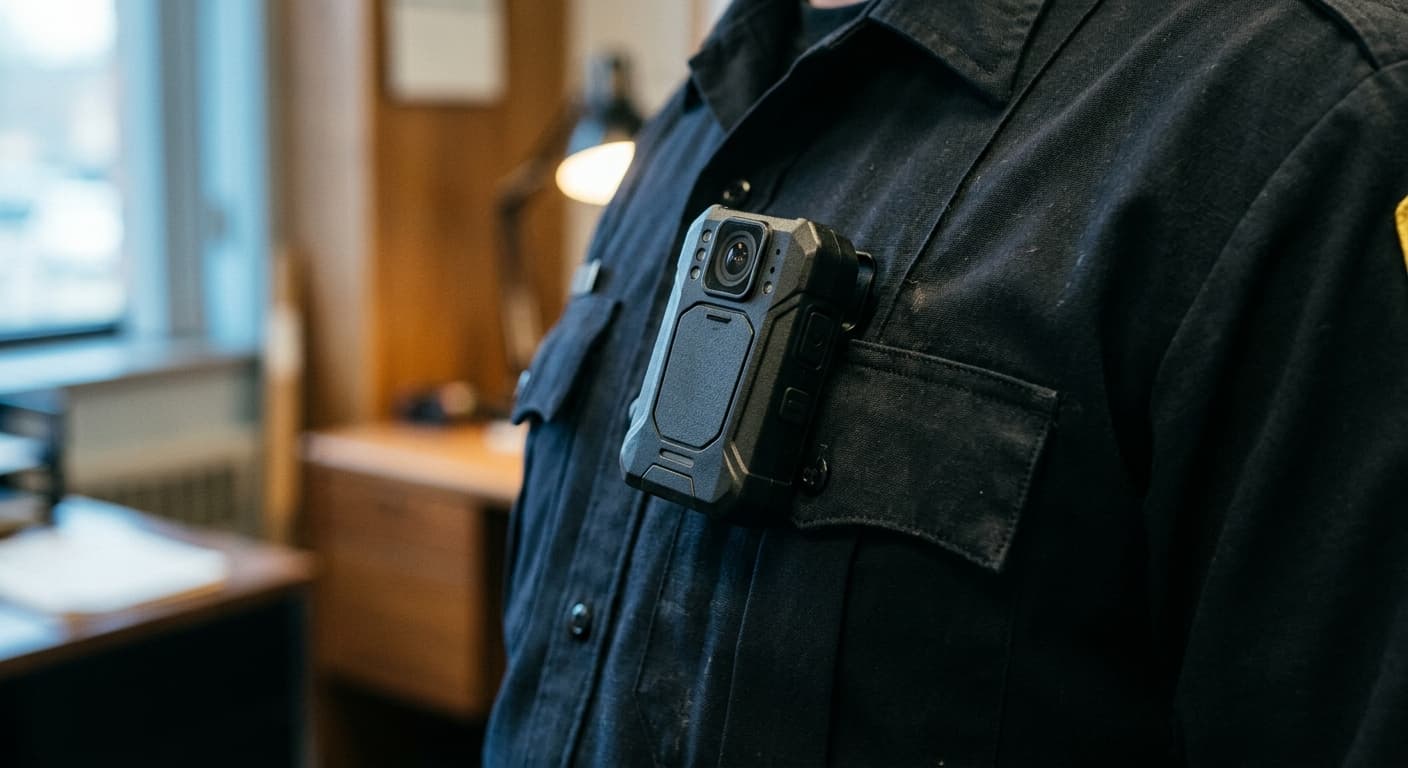
In West Virginia, you have a First Amendment right to record police officers performing their duties in public, and the state's one-party consent law (W. Va. Code 62-1D-3) lets you record any police interaction you are part of without notifying the officer.
Recording police officers in West Virginia is protected by both the First Amendment to the U.S. Constitution and the state's one-party consent wiretapping law. Under W. Va. Code 62-1D-3, you can record any conversation you participate in, including interactions with law enforcement. Beyond that, the constitutional right to record police performing public duties applies even when you are not a party to the interaction being filmed.
This guide covers every aspect of recording police in West Virginia, including your constitutional rights, practical guidelines for recording safely, what officers can and cannot do regarding your recording, body camera laws, recording in specific law enforcement contexts, and how police recordings are used as evidence.
Your Constitutional Right to Record Police
The First Amendment Foundation
The right to record police officers performing their duties in public is grounded in the First Amendment's protections for free speech and freedom of the press. Multiple federal circuit courts have recognized this right as clearly established constitutional law.
The U.S. Court of Appeals for the Fourth Circuit (which covers West Virginia) addressed this question in Sharpe v. Winterville Police Department, 59 F.4th 674 (4th Cir. 2023). The court held that a passenger livestreaming her own traffic stop was engaged in speech protected by the First Amendment, but it granted the individual officer qualified immunity because that right was not clearly established back in 2018 when the stop occurred, and it expressly declined to decide whether there is a broader First Amendment right to record police performing their duties in public. The town's livestreaming policy was sent back to the trial court on a separate claim, so whether that policy itself is constitutional remains unresolved. Six other federal circuit courts have separately held, in other cases, that recording police performing public duties is a constitutionally protected activity.
The U.S. Department of Justice has also taken the position that recording police is protected by the First Amendment, and has filed statements of interest in cases where citizens' recording rights were violated.
What You Can Record
In West Virginia, you can generally record:
- Traffic stops (including your own)
- Arrests happening in public spaces
- Police interactions with other citizens on public streets
- Officers directing traffic or responding to incidents
- Police presence at protests, demonstrations, and public events
- Your own interactions with officers during investigations or questioning
- DUI checkpoints and roadblocks
- Police use of force incidents
Where You Can Record
Your right to record police is strongest in traditional public forums and other public spaces:
| Location | Can You Record Police? | Notes |
|---|---|---|
| Public streets and sidewalks | Yes | Core First Amendment protected space |
| Parks and plazas | Yes | Traditional public forums |
| Government buildings (public areas) | Yes | Open areas accessible to the public |
| Your own property | Yes | Strong property rights support recording |
| Inside your vehicle during a traffic stop | Yes | You are a participant in the interaction |
| Private property (with owner permission) | Yes | Property owner can grant permission |
| Inside a police station (public areas) | Generally yes | Lobby and public-facing areas |
| Crime scenes behind police tape | No | Officers can restrict access for safety |
Your Rights During a Police Encounter
What Officers Cannot Do
Law enforcement officers in West Virginia generally cannot:
- Order you to stop recording in a public place if you are not interfering with their duties
- Confiscate your recording device without a warrant, except in very limited circumstances (such as exigent circumstances or a lawful arrest)
- Delete your recordings or force you to delete them
- Arrest you solely for recording them in a public space
- Retaliate against you for exercising your recording rights
- Demand your password or force you to unlock your device
The U.S. Supreme Court held in Riley v. California (2014) that police generally need a warrant to search the contents of a cell phone, including photos and videos. This protection extends to recording devices used to film police.
What Officers Can Do
Officers have legitimate authority to:
- Ask you to move back to a safe distance if you are too close to an active scene
- Establish a perimeter around a crime scene or dangerous situation
- Issue lawful orders related to public safety that may incidentally affect your ability to record from a specific vantage point
- Detain you briefly if they have reasonable suspicion that you have committed a crime (Terry stop)
- Arrest you if you physically interfere with their operations, obstruct justice, or commit another offense while recording
How to Exercise Your Rights Safely
When recording police in West Virginia, follow these practical guidelines:
- Maintain a safe distance. Stay far enough away that you do not interfere with the officers' duties. There is no fixed distance requirement, but 10 to 25 feet is generally reasonable.
- Do not physically interfere. Never step between an officer and a suspect, reach into a police vehicle, or physically touch an officer or their equipment.
- Stay calm and respectful. If an officer tells you to stop recording, calmly and politely assert your right. Say something like: "I believe I have a legal right to record in this public place. I am not interfering with your work."
- Comply with safety orders. If an officer orders you to move back for safety reasons, comply and continue recording from a greater distance.
- Do not resist if arrested. If an officer arrests you for recording, do not resist. Assert your rights later through legal channels. Resisting arrest is a separate criminal offense.
- Know your device. Learn how to quickly start recording and how to lock your device. Consider using a live-streaming app so footage is preserved even if your device is seized.
West Virginia's One-Party Consent and Police Recording
Recording Your Own Police Interactions
Under W. Va. Code 62-1D-3, you can record any interaction with police where you are a participant. This includes:
- Traffic stops where you are the driver or passenger
- Questioning by officers at your home or in public
- Encounters at DUI checkpoints
- Interviews at a police station (when you are the person being interviewed)
- Interactions with officers serving warrants or conducting searches
Your participation in the conversation provides one-party consent. You do not need to inform the officer that you are recording.
Recording Police Interactions with Others
When recording police interactions with third parties from a distance, the First Amendment (rather than the wiretapping statute) provides your primary legal protection. If your recording device captures audio of conversations you are not part of, the wiretapping statute's one-party consent requirement technically applies to the audio. However:
- Conversations occurring in public places where there is no reasonable expectation of privacy are generally not protected "oral communications" under the statute
- Police officers performing public duties in public spaces have a diminished expectation of privacy
- Courts have generally held that the right to record police encompasses both video and audio
The Criminal or Tortious Purpose Exception
Even when recording police, the criminal or tortious purpose exception in W. Va. Code 62-1D-3 applies. You cannot record police for the purpose of:
- Blackmail or extortion
- Intimidating witnesses or victims
- Interfering with an ongoing investigation for corrupt purposes
- Facilitating criminal activity
Recording police to document their conduct, protect your rights, or serve as a witness is not a criminal or tortious purpose.
Police Body Cameras in West Virginia
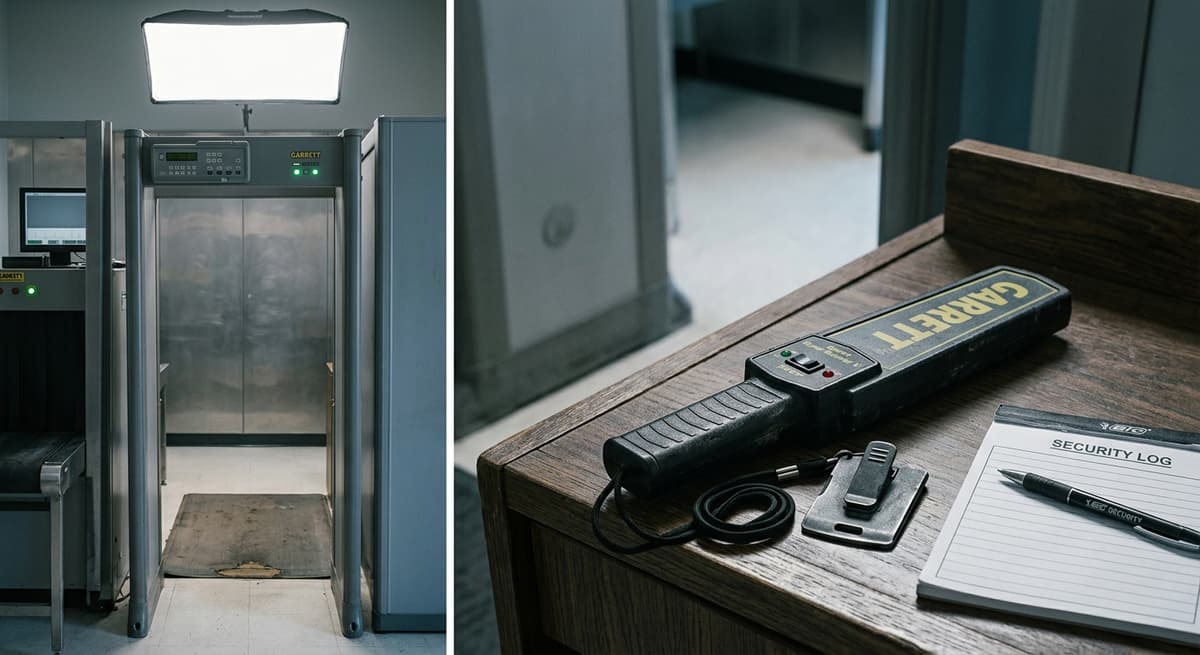
Current Body Camera Requirements
West Virginia does not have a comprehensive statewide body camera mandate. However, many law enforcement agencies across the state have adopted body-worn camera programs voluntarily or under departmental policy. The West Virginia Division of Justice and Community Services provides guidance and grant funding to assist agencies in implementing body camera programs.
Agencies that use body cameras typically establish policies covering:
- When officers must activate cameras (traffic stops, arrests, use of force situations)
- When officers may deactivate cameras (private residences at the occupant's request, medical facilities)
- How long footage is retained
- Who can access footage and under what circumstances
- Disciplinary consequences for failing to activate cameras or tampering with footage
Accessing Police Body Camera Footage
West Virginia's Freedom of Information Act (W. Va. Code 29B-1) provides the framework for public access to government records, including body camera footage. However, access may be limited by:
- Active investigation exemptions
- Privacy concerns for victims, witnesses, and bystanders
- Medical and juvenile information protections
- Court orders sealing certain recordings
- Ongoing litigation holds
To request body camera footage, submit a written Freedom of Information Act (FOIA) request to the relevant law enforcement agency. The agency must respond within five business days.
Dashboard Camera Footage
Many West Virginia law enforcement vehicles are equipped with dashboard cameras. Dashboard camera footage is subject to the same FOIA request process as body camera footage. This footage often captures:
- Traffic stops from the officer's perspective
- Vehicle pursuits
- Roadside interactions
- DUI investigations
Recording in Specific Law Enforcement Contexts
During a Traffic Stop
You can record during a traffic stop in West Virginia. Practical tips:
- Mount your phone in a visible location on your dashboard or have a passenger record
- Inform the officer of any reaching movements before making them
- Keep your hands visible and movements slow
- The officer may ask about the recording but cannot order you to stop
- Continue recording until the encounter is fully concluded
During a Search
If police are conducting a search of your home, vehicle, or person, you can record the search. This provides documentation of:
- Whether officers exceeded the scope of the warrant
- The condition of your property before and after the search
- What items were seized
- Whether proper procedures were followed
At a Protest or Demonstration
West Virginia residents have the right to record police at protests and demonstrations. Officers may establish crowd control measures, but they cannot single out people for recording or confiscate cameras. If you are recording at a protest:
- Stay behind police barriers if established
- Record from a safe distance
- Do not use the recording device in a way that could be perceived as a weapon
- Be prepared to move quickly if the situation becomes dangerous
During an Arrest
You can record your own arrest or the arrest of another person in a public place. If you are the person being arrested:
- You may not be able to continue holding or operating a recording device during a physical arrest
- Your device may be seized incident to arrest, but officers generally cannot search its contents without a warrant
- Live streaming preserves footage even if the device is taken
- Request that your personal property (including recording devices) be properly inventoried
Obstruction and Interference Laws
W. Va. Code 61-5-17: Obstruction of an Officer
W. Va. Code 61-5-17 makes it a misdemeanor to obstruct, resist, or interfere with a law enforcement officer in the performance of official duties. Recording police, by itself, does not constitute obstruction. However, certain behaviors while recording could cross the line:
- Physically blocking an officer's path to prevent an arrest
- Shouting at officers in a way that prevents them from communicating
- Refusing to move back when ordered for legitimate safety reasons
- Attempting to free a person from police custody
- Providing false information to officers during an investigation
The penalty for obstruction is a misdemeanor with up to 1 year in jail and/or a fine of up to $500.
What Constitutes "Interference"
Courts evaluate interference on a case-by-case basis. Simply standing nearby and recording is not interference. Factors courts consider include:
- Physical proximity to the police activity
- Whether the recorder's actions required officers to divert attention from their duties
- Whether the recorder obeyed lawful orders
- Whether the recording activity created a safety hazard
- The overall context of the encounter
If Your Rights Are Violated
What to Do Immediately
If a police officer violates your recording rights:
- Stay calm. Do not argue or physically resist.
- Clearly state your rights. "I have a legal right to record in this public place."
- Comply with orders under protest. If forced to stop, say "I am stopping under protest. I do not consent to this order."
- Note badge numbers and identifying information.
- Write down everything as soon as possible. Document the date, time, location, officers involved, and what happened.
- Preserve any footage that was captured before the interruption.
Legal Remedies
If your recording rights are violated, you may have several legal options:
- 42 U.S.C. Section 1983 civil rights lawsuit against the officer and/or department for violation of your First Amendment rights
- Internal affairs complaint with the officer's department
- Complaint to the U.S. Department of Justice Civil Rights Division
- State tort claims for false arrest, assault, or seizure of property
- FOIA request for the officer's body camera footage of the incident
More West Virginia Recording Laws
Audio Recording | Video Recording | Voyeurism and Hidden Cameras | Workplace Recording | Recording Police | Phone Call Recording | Security Cameras | Recording in Public | Landlord-Tenant Recording | Dashcam Laws | School Recording | Medical Recording
Back to West Virginia Recording Laws
More West Virginia Recording Topics
More West Virginia Laws
Frequently Asked Questions
Can I record police officers in West Virginia?
Yes. You have a First Amendment right to record police officers performing their duties in public. West Virginia's one-party consent law (W. Va. Code 62-1D-3) also allows you to record any interaction with police that you participate in. You must not physically interfere with police operations while recording.
Can a police officer tell me to stop recording in West Virginia?
An officer cannot lawfully order you to stop recording in a public place if you are not interfering with their duties. If an officer tells you to stop, calmly assert your right to record. Comply with legitimate safety orders (such as moving back) and continue recording from a greater distance.
Can police confiscate my phone or camera in West Virginia?
They cannot search it without a warrant. Under Riley v. California (2014), police need a warrant to search the contents of your phone. Officers cannot delete your recordings or force you to do so. A device may be seized incident to a lawful arrest, but its contents still require a warrant to search.
Do West Virginia police officers have to wear body cameras?
West Virginia does not have a statewide body camera mandate. Many departments have voluntarily adopted body camera programs. Whether officers at a specific agency use body cameras depends on that department's policies and resources.
What should I do if a police officer violates my right to record?
Stay calm, clearly assert your rights, comply under protest, and document everything. You may file an internal affairs complaint, a FOIA request for body camera footage, or a federal civil rights lawsuit under 42 U.S.C. Section 1983. Consult a civil rights attorney about your options.
Updates
Corrected the description of Sharpe v. Winterville Police Department to reflect that the officer was granted qualified immunity and the town's policy question was left open on remand, rather than describing it as settled controlling precedent for a general right to record police, and replaced a dead Riley v. California citation link.
Independently fact-checked against the cited primary sources; governing law re-checked for recent changes
Governing law re-checked for recent changes
Reviewed and approved by an editor
The Law Behind This Article
This article rests on the statutory provisions below, held in our own legal record and retrieved from the official source. Tap a section to read the operative text.
West Virginia Code
§ 62-1D-3Interception of communications generally.In forcecited in 36 of our articles
(a) Except as otherwise specifically provided in this article it is unlawful for any person to: (1) Intentionally intercept, attempt to intercept or procure any other person to intercept or attempt to intercept, any wire, oral or electronic communication; or (2) Intentionally disclose or intentionally attempt to disclose to any other person the contents of any wire, oral or electronic communication, knowing or having reason to know that the information was obtained through the interception of a wire, oral or electronic communication in violation of this article; and (3) Intentionally use or disclose or intentionally attempt to use or disclose the contents of any wire, oral or electronic communication or the identity of any party thereto, knowing or having reason to know that such information was obtained through the interception of a wire, oral or electronic communication in violation of this article. (b) Any person who violates subsection (a) of this section is guilty of a felony and, upon conviction thereof, shall be imprisoned in the penitentiary for not more than five years or fined not more than $10,000 or both fined and imprisoned.
Official text (excerpt) · last checked 2026-08-31 · Read the full text in our law library · Verify at code.wvlegislature.gov
Cited in 1 court opinions in our collectionLatest citing opinion in our collection: 1999
Opinions citing this section in our collection:
- Bartnicki v. Vopper (Court of Appeals for the Third Circuit 1999, 200 F.3d 109)“…77 -23a-4, 77-23a-11; Va. Code Ann. §§ 19.2-62 , 19.2-69; W. Va.Code §§ 62-1D-3, 62-1D-12; Wis. Stat. § 968.31 ; Wyo.…”
Identified automatically from the court opinions citing this section — not a ranking of which case controls.
Also relied on in: West Virginia Smart Glasses Recording Laws, West Virginia Audio Recording Laws: One-Party Consent Guide, West Virginia Phone Call Recording Laws: Rules and Consent Guide
§ 61-5-17Obstructing officer; fleeing from officer; making false statements to officer; interfering with emergency communications; penalties; definitions.In forcecited in 2 of our articles
(a) A person who by threats, menaces, acts, or otherwise forcibly or illegally hinders, or obstructs or attempts to hinder or obstruct a law-enforcement officer, probation officer, parole officer, courthouse security officer, correctional officer, the State Fire Marshal, or a full-time deputy or assistant fire marshal acting in his or her official capacity is guilty of a misdemeanor and, upon conviction thereof, shall be fined not less than $50 nor more than $500 or confined in jail not more than one year, or both fined and confined. (b) A person who intentionally disarms or attempts to disarm a law-enforcement officer, correctional officer, probation officer, parole officer, courthouse security officer, the State Fire Marshal, or a full-time deputy or assistant fire marshal acting in his or her official capacity is guilty of a felony and, upon conviction thereof, shall be confined in a state correctional facility not less than one nor more than five years.
Official text (excerpt) · last checked 2026-07-30 · Read the full text in our law library · Verify at code.wvlegislature.gov
Cited in 21 court opinions in our collectionLatest citing opinion in our collection: 2025
Opinions citing this section in our collection:
- Tiffanie Hupp v. State Trooper Seth Cook (Court of Appeals for the Fourth Circuit 2019, 931 F.3d 307)“…or parole officer acting in his or her official capacity.” W. Va. Code § 61-5-17(a). Interpreting this statute,…”
- Brandon Pegg v. Grant Herrnberger (Court of Appeals for the Fourth Circuit 2017, 845 F.3d 112)“…ficer (W. Va. Code § 61-2-10b(e)), obstructing an officer (W. Va. Code § 61-5-17(a)), and driving with an expired inspec…”
- United States v. Roseboro (Court of Appeals for the Fourth Circuit 2009, 551 F.3d 226)“…vehicle to a stop, shall be guilty of a class C felony."); W. Va. Code § 61-5-17(e) ("Any person who intention- ally fle…”
Identified automatically from the court opinions citing this section — not a ranking of which case controls.
United States Code Title 18
§ 2511Interception and disclosure of wire, oral, or electronic communications prohibitedIn forcecited in 422 of our articles
Except as otherwise specifically provided in this chapter any person who— intentionally intercepts, endeavors to intercept, or procures any other person to intercept or endeavor to intercept, any wire, oral, or electronic communication; intentionally uses, endeavors to use, or procures any other person to use or endeavor to use any electronic, mechanical, or other device to intercept any oral communication when— such device is affixed to, or otherwise transmits a signal through, a wire, cable, or other like connection used in wire communication; or such device transmits communications by radio, or interferes with the transmission of such communication; or such person knows, or has reason to know, that such device or any component thereof has been sent through the mail or transported in interstate or foreign commerce; or such use or endeavor to use (A) takes place on the premises of any business or other commercial establishment the operations of which affect interstate or foreign commerce; or (B) obtains or is for the purpose of obtaining information relating to the operations of any business or other commercial establishment the operations of which affect interstate or foreign…
Official text (excerpt) · last checked 2026-08-28 · Read the full text in our law library · Verify at uscode.house.gov
Cited in 2,045 court opinions in our collectionLatest citing opinion in our collection: 2026
In the courts (editorial summary, independently checked):Griggs-Ryan v. Smith (1990) applied the Section 2511(2)(d) prior-consent exception, treating a tenant repeatedly told that all incoming calls were taped as having impliedly consented. United States v. United States District Court (1972) read the then-current Section 2511(3) as conferring no presidential surveillance power.
Opinions citing this section in our collection:
- Mitchell v. Forsyth (Supreme Court of the United States 1985, 472 U.S. 511)✓The Attorney General authorized a warrantless 1970 national security wiretap that caught the plaintiff's calls; the Court held the since-repealed Section 2511(3) disclaimer left the tap lawful under Title III, and that Mitchell had qualified immunity.
- United States v. United States District Court for the Eastern District of Michigan (Supreme Court of the United States 1972, 407 U.S. 297)✓The Attorney General approved warrantless wiretaps on members of a domestic group accused of bombing a CIA office; the Court read Section 2511(3) as a congressional disclaimer conferring no surveillance power, then held the Fourth Amendment required prior judicial approval.
- Forsyth v. Barr (Court of Appeals for the Fifth Circuit 1994, 19 F.3d 1527)✓Dallas police used, in an internal affairs probe of an officer, calls private parties allegedly intercepted illegally; assuming that was unlawful, the Fifth Circuit held Section 2517(1) and (2) allowed the disclosure and use, defeating the Section 2511(1)(c) and (d) claims.
Identified automatically from the court opinions citing this section — not a ranking of which case controls.
Also relied on in: Connecticut Recording Laws (2026): Hybrid Consent Rules Explained, Oregon Recording Laws (2026): Hybrid One-Party and All-Party Rules, US Recording Laws by State (2026): All 50 States Explained
Search our full record of US law — 2.1 million sections, every state + federal →
Sources and References
- W. Va. Code 62-1D-3 - Interception of Communications(code.wvlegislature.gov).gov
- W. Va. Code 61-5-17 - Obstruction of an Officer(code.wvlegislature.gov).gov
- W. Va. Code 29B-1 - Freedom of Information Act(code.wvlegislature.gov).gov
- Riley v. California, 573 U.S. 373 (2014)(supremecourt.gov).gov
- DOJ - Addressing Police Misconduct(justice.gov).gov
- 18 U.S.C. 2511 - Federal Wiretap Act(law.cornell.edu)