
West Virginia
West Virginia Audio Recording Laws: One-Party Consent Guide
Independently fact-checked against primary sources (last audited August 15, 2026). · Reviewed by the RecordingLaw editorial team. · Law checked current as of August 15, 2026. · 5 primary sources cited on this page. How we verify our legal content
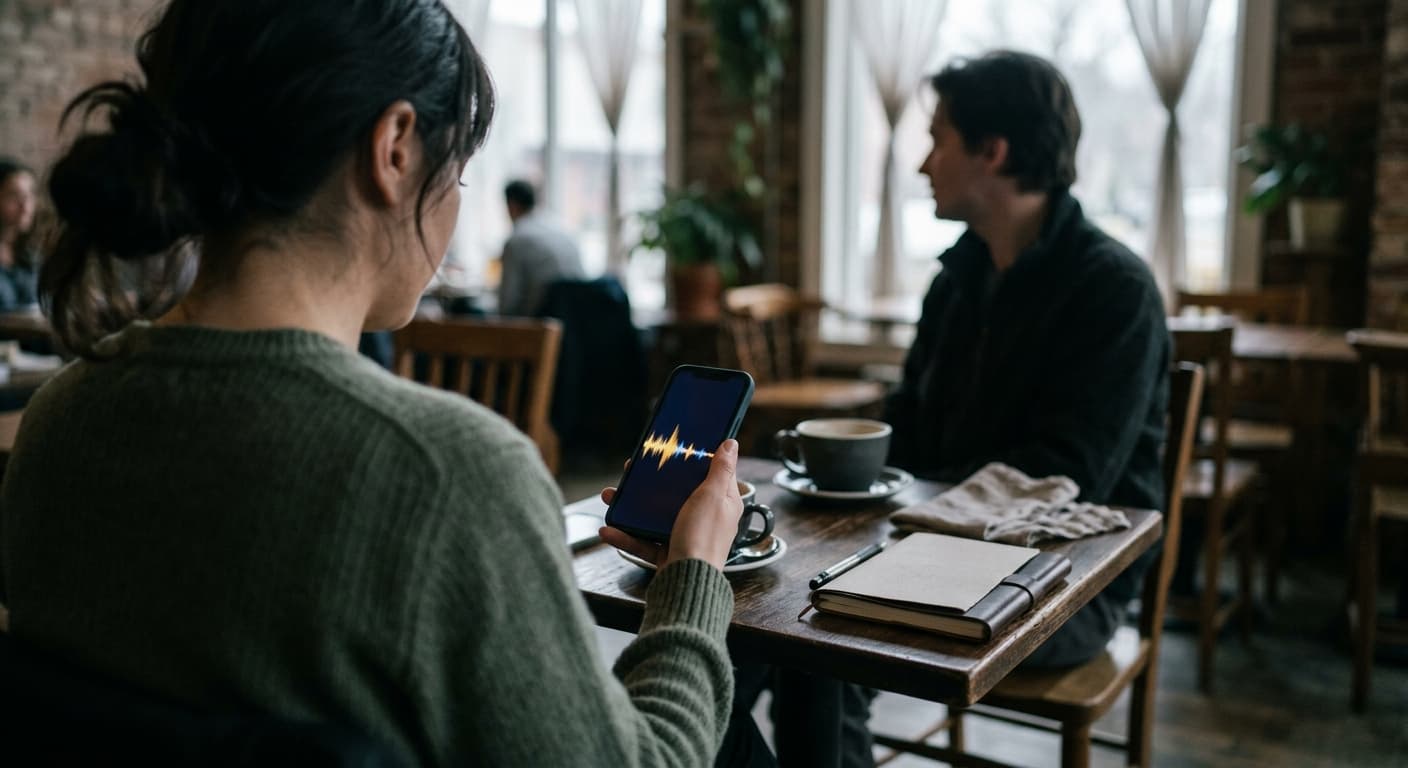
West Virginia is a one-party consent state for audio recording under W. Va. Code 62-1D-3. Any participant in a conversation may record it without notifying the other parties. Recording made for criminal or tortious purposes is illegal even when one-party consent is otherwise satisfied.
West Virginia's audio recording laws are governed by the Wiretapping and Electronic Surveillance Act, found in W. Va. Code Chapter 62, Article 1D. The core provision, W. Va. Code 62-1D-3, establishes a one-party consent framework that allows any participant in a conversation to record it without notifying the other parties. This applies to all forms of audio recording, whether capturing phone calls, in-person conversations, or digital communications.
This guide covers every aspect of audio recording law in West Virginia, including the scope of the one-party consent rule, what types of audio are protected, the criminal or tortious purpose exception, recording devices and technology, evidence rules, and the penalties for illegal interception.
Understanding West Virginia's One-Party Consent Rule for Audio
What the Statute Says
W. Va. Code 62-1D-3 prohibits the intentional interception of any wire, oral, or electronic communication. However, it provides a critical exception: a person who is a party to the communication, or who has received prior consent from one of the parties, may lawfully intercept that communication.
For audio recording purposes, this means:
- If you are part of the conversation, you can record it
- If someone in the conversation gives you permission to record, you can record
- You do not need to inform all participants about the recording
- The consent of one party is sufficient legal authorization
What Counts as an "Oral Communication"
Under W. Va. Code 62-1D-2, an "oral communication" is defined as any oral communication uttered by a person exhibiting an expectation that the communication is not subject to interception, under circumstances justifying that expectation.
This definition has two requirements:
- The speaker must subjectively believe the conversation is private
- That belief must be objectively reasonable given the circumstances
This means the law protects private conversations but does not cover statements made in public where anyone could overhear them. A hushed conversation in a private office is protected. A statement shouted across a crowded room generally is not.
Wire Communications vs. Oral Communications
West Virginia law distinguishes between different types of audio communication:
| Type | Definition | Examples |
|---|---|---|
| Wire communication | Aural transfer via wire, cable, or similar connection | Phone calls, VoIP calls, landline conversations |
| Oral communication | Spoken words with a reasonable expectation of privacy | Private in-person conversations, meetings in closed rooms |
| Electronic communication | Non-aural transfer of data | Text messages, emails, digital file transfers |
For audio recording, wire and oral communications are the primary categories. Both are subject to the one-party consent rule under W. Va. Code 62-1D-3.
When Audio Recording Is Legal in West Virginia
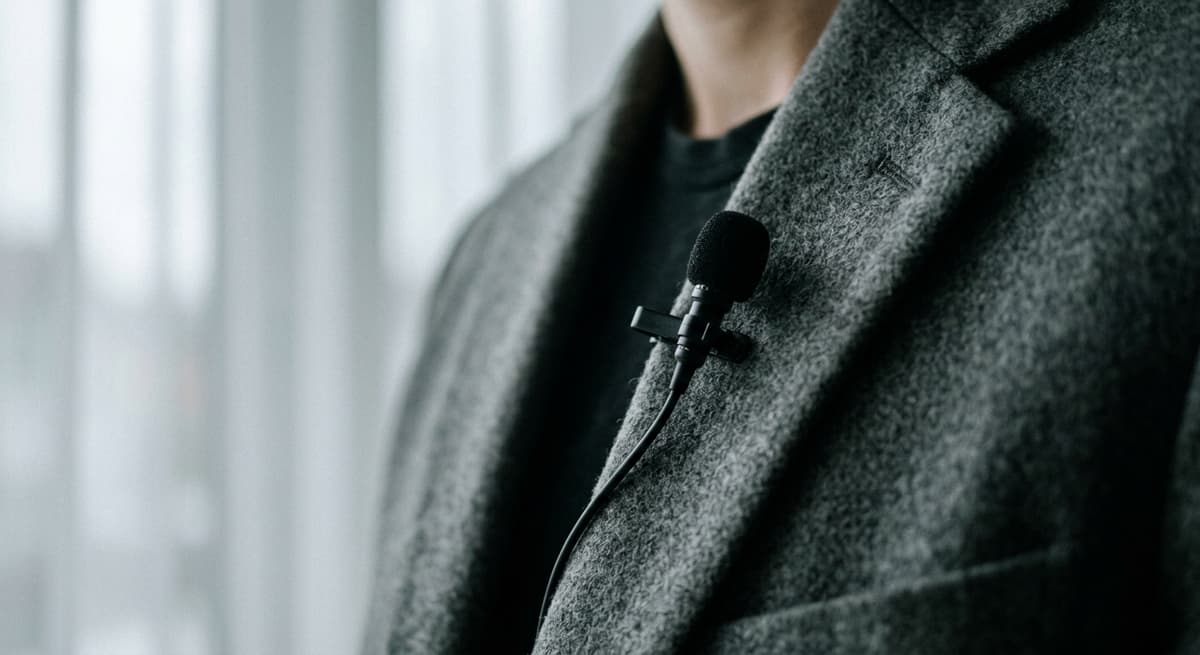
Recording Your Own Conversations
You can legally make audio recordings of any conversation you participate in. This applies to:
- Phone calls you make or receive
- In-person conversations you are part of
- Meetings you attend
- Video calls and virtual meetings you participate in
- Group conversations where you are present
Your own consent as a participant satisfies the one-party requirement. You do not need permission from anyone else in the conversation.
Recording with Third-Party Consent
You do not need to be a party to the conversation yourself if one of the participants has given you prior consent to record. For example:
- A police informant can consent to having officers record their conversation with a suspect
- An employee can consent to having their union representative record a meeting with management
- A family member can consent to recording a conversation they are having with another person
The consent must be genuine and given prior to the recording. Consent obtained through coercion or fraud does not satisfy the statute.
Recording in Public Spaces
Audio recording in public spaces where there is no reasonable expectation of privacy is generally unrestricted. Locations where audio recording is typically permitted without consent include:
- Public streets and sidewalks
- Parks and open public areas
- Retail stores and public business areas
- Government buildings open to the public
- Public transportation
- Outdoor events and gatherings
The key factor is whether the person being recorded had a reasonable expectation of privacy. In a busy public setting, that expectation typically does not exist.
Recording Public Meetings
West Virginia's Open Governmental Proceedings Act, W. Va. Code 6-9A, guarantees the public's right to record open government meetings. Under W. Va. Code 6-9A-9, the governing body must allow equipment to be placed within the meeting room in a way that permits its intended use, and ordinary use of such equipment cannot be declared to constitute undue interference with the meeting.
When Audio Recording Is Illegal in West Virginia

Recording Without Any Party's Consent
It is a felony to record a conversation when you are not a participant and no participant has consented. Common illegal scenarios include:
- Planting a hidden audio recorder in a room and leaving before a conversation takes place
- Using a listening device to capture conversations from another room
- Intercepting phone calls between two other people using wiretapping equipment
- Installing recording software on someone else's device without their knowledge
- Using a baby monitor or similar device to eavesdrop on adult conversations
The Criminal or Tortious Purpose Exception
Even with one-party consent, recording is illegal if the purpose is to commit a criminal or tortious act under W. Va. Code 62-1D-3. Intent determines legality:
Illegal purposes include:
- Recording for blackmail or extortion
- Recording to facilitate fraud
- Recording with intent to harass, stalk, or intimidate
- Recording to gain an unfair advantage in an illegal scheme
Legal purposes include:
- Documenting threats or harassment directed at you
- Preserving evidence of business agreements
- Recording workplace interactions for self-protection
- Keeping personal records of important conversations
- Gathering evidence of illegal activity to report to authorities
Recording in Areas with Privacy Expectations
Audio recording in areas where individuals have a heightened expectation of privacy can violate West Virginia law even if you are present. These locations include:
- Bathrooms and restrooms
- Changing rooms and locker rooms
- Hotel rooms (when you are not a guest or authorized occupant)
- Medical examination rooms (from outside the room)
- Private offices with closed doors (when you are not invited)
Audio Recording Devices and Technology

Legal Recording Equipment
West Virginia law does not restrict the type of device used for audio recording. Any device capable of capturing audio is legal to use when one-party consent requirements are met:
- Smartphones and mobile devices
- Dedicated digital voice recorders
- AI-powered wearable recorders (such as the Plaud NotePin)
- Smart glasses with audio capture (such as Meta Ray-Bans)
- Smartwatches with recording capabilities
- Laptop and desktop computers with microphones
- Body-worn cameras with audio
Our recommended Digital Voice Recorder.
Wearable Recording Devices
Wearable recording devices are increasingly common and are legal under West Virginia's one-party consent framework. If you are wearing a device that records audio and you are participating in the conversation, the recording is lawful. This applies to:
- Body cameras worn by private citizens
- AI voice recorders clipped to clothing
- Smart glasses that capture audio
- Smartwatches with recording apps
- Fitness trackers with voice recording features
Employers may implement wearable recording device policies that restrict use on company premises. Violating such policies is not a criminal offense, but it may result in disciplinary action. The National Labor Relations Act (NLRA) protects employees who record as part of protected concerted activity.
Hidden Audio Recorders
Hidden audio recorders are legal to use when you are a participant in the conversation being recorded. You can conceal a recording device on your person or in a location where you will be present for the conversation. However, you cannot:
- Hide a recorder in someone else's home, office, or vehicle without their knowledge
- Place a recording device to capture conversations you will not participate in
- Use hidden devices for voyeuristic or surveillance purposes prohibited by W. Va. Code 61-8-28
Audio Recording as Evidence in West Virginia
Admissibility Standards
Audio recordings made in compliance with West Virginia's one-party consent law are generally admissible in court. To admit an audio recording, the proponent must establish:
- Authentication: Evidence that the recording is what it purports to be, typically through testimony of the person who made it
- Accuracy: The recording is a fair and accurate representation of the conversation
- Integrity: The recording has not been altered, edited, or tampered with
- Relevance: The recording relates to a matter at issue in the case
Chain of Custody
Maintaining a clear chain of custody strengthens the admissibility of audio recordings. Best practices include:
- Preserving the original recording file in its native format
- Creating backup copies and storing them separately
- Documenting when the recording was made, by whom, and on what device
- Logging any transfers of the recording to attorneys, law enforcement, or other parties
- Using digital timestamps and metadata to verify authenticity
Criminal vs. Civil Proceedings
- Criminal cases: Illegally obtained audio recordings are inadmissible under exclusionary rules. The person who made the illegal recording may also face felony charges.
- Civil cases: Courts have more discretion, but illegally obtained recordings are typically excluded. The recorder may face counterclaims for damages under W. Va. Code 62-1D-12.
- Family court: West Virginia family courts regularly admit legally obtained audio recordings in custody, divorce, and protective order cases.
Expert Testimony
In some cases, parties may hire audio forensic experts to authenticate recordings or analyze their contents. Expert testimony can address:
- Whether the recording has been altered or spliced
- Enhancement of low-quality audio for clarity
- Speaker identification and voice comparison
- Background noise analysis to establish location or context
Penalties for Illegal Audio Recording in West Virginia
Criminal Penalties
Violating West Virginia's audio recording laws under W. Va. Code 62-1D-3 is a felony:
| Offense | Classification | Maximum Penalty |
|---|---|---|
| Illegal interception of oral or wire communication | Felony | Up to 5 years imprisonment, up to $10,000 fine, or both |
| Disclosing illegally intercepted communications | Felony | Up to 5 years imprisonment, up to $10,000 fine, or both |
| Using illegally obtained communications | Felony | Up to 5 years imprisonment, up to $10,000 fine, or both |
Civil Damages
Under W. Va. Code 62-1D-12, victims of illegal audio recording can pursue civil remedies:
- Actual damages or $100 per day of violation, whichever is greater
- Punitive damages for willful or particularly egregious violations
- Reasonable attorney fees and court costs
Federal Penalties
Illegal audio interception may also violate the federal Wiretap Act, 18 U.S.C. 2511. Federal penalties include imprisonment of up to 5 years and civil damages including the greater of actual damages or statutory damages of $10,000.
Special Audio Recording Situations
Recording Conversations with Minors
West Virginia law does not create a separate consent framework for conversations with minors. The standard one-party consent rule applies. If you are a participant in a conversation with a minor, you can record it. Parents who are present during conversations with their children can record those interactions.
However, you cannot install hidden recording devices to capture conversations between your child and other people when you are not present or a party to the conversation.
Recording in Vehicles
Audio recording inside your own vehicle is legal when you are present and participating in conversations. This covers dashcam audio, phone calls made while driving, and conversations with passengers. If you have a dashcam with audio recording enabled, your presence in the vehicle provides one-party consent for captured conversations.
Recording Therapy and Counseling Sessions
You can legally record your own therapy or counseling sessions under one-party consent. However, therapists and counselors may have facility policies against recording. While the recording itself is legal, violating a provider's policy could affect your treatment relationship.
Audio Surveillance vs. Audio Recording
There is an important distinction between audio recording (capturing a specific conversation you participate in) and audio surveillance (ongoing monitoring of a location to capture any conversations that occur). One-party consent authorizes recording when you are present. It does not authorize installing ongoing audio surveillance equipment to capture conversations in your absence.
More West Virginia Recording Laws
Audio Recording | Video Recording | Voyeurism and Hidden Cameras | Workplace Recording | Recording Police | Phone Call Recording | Security Cameras | Recording in Public | Landlord-Tenant Recording | Dashcam Laws | School Recording | Medical Recording
Back to West Virginia Recording Laws
More West Virginia Recording Topics
More West Virginia Laws
Frequently Asked Questions
Can I audio record a conversation in West Virginia without the other person knowing?
Yes. West Virginia is a one-party consent state under W. Va. Code 62-1D-3. You can record any conversation you participate in without informing or getting permission from other participants, as long as the recording is not for criminal or tortious purposes.
Is it legal to use a hidden audio recorder in West Virginia?
Yes, if you are a participant in the conversation being recorded. You can conceal a recording device on your person and record conversations you take part in. However, you cannot place hidden recorders to capture conversations you are not part of.
Can I record audio in a public place in West Virginia?
Yes. Audio recording in public places where there is no reasonable expectation of privacy is generally unrestricted. This includes streets, parks, public buildings, and retail areas. Private conversations in secluded public areas may still carry some privacy expectation.
What devices can I use for audio recording in West Virginia?
West Virginia law does not restrict the type of recording device. You can use smartphones, dedicated voice recorders, AI wearable recorders, smart glasses, smartwatches, body cameras, or any other audio-capable device as long as you comply with the one-party consent requirement.
What are the penalties for illegal audio recording in West Virginia?
Illegal audio interception is a felony under W. Va. Code 62-1D-3, punishable by up to 5 years in prison and a $10,000 fine. Civil liability under W. Va. Code 62-1D-12 includes the greater of actual damages or $100 per day of violation, plus punitive damages and attorney fees.
Updates
Independently fact-checked against the cited primary sources; governing law re-checked for recent changes
Governing law re-checked for recent changes
Corrected the citation for West Virginia's public-meeting recording-equipment rule from W. Va. Code 6-9A-7 (a criminal-penalty provision) to the actual governing section, W. Va. Code 6-9A-9 (Broadcasting or recording meetings).
Governing law re-checked for recent changes
Reviewed and approved by an editor
The Law Behind This Article
This article rests on the statutory provisions below, held in our own legal record and retrieved from the official source. Tap a section to read the operative text.
West Virginia Code
§ 62-1D-3Interception of communications generally.In forcecited in 36 of our articles
(a) Except as otherwise specifically provided in this article it is unlawful for any person to: (1) Intentionally intercept, attempt to intercept or procure any other person to intercept or attempt to intercept, any wire, oral or electronic communication; or (2) Intentionally disclose or intentionally attempt to disclose to any other person the contents of any wire, oral or electronic communication, knowing or having reason to know that the information was obtained through the interception of a wire, oral or electronic communication in violation of this article; and (3) Intentionally use or disclose or intentionally attempt to use or disclose the contents of any wire, oral or electronic communication or the identity of any party thereto, knowing or having reason to know that such information was obtained through the interception of a wire, oral or electronic communication in violation of this article. (b) Any person who violates subsection (a) of this section is guilty of a felony and, upon conviction thereof, shall be imprisoned in the penitentiary for not more than five years or fined not more than $10,000 or both fined and imprisoned.
Official text (excerpt) · last checked 2026-08-31 · Read the full text in our law library · Verify at code.wvlegislature.gov
Cited in 1 court opinions in our collectionLatest citing opinion in our collection: 1999
Opinions citing this section in our collection:
- Bartnicki v. Vopper (Court of Appeals for the Third Circuit 1999, 200 F.3d 109)“…77 -23a-4, 77-23a-11; Va. Code Ann. §§ 19.2-62 , 19.2-69; W. Va.Code §§ 62-1D-3, 62-1D-12; Wis. Stat. § 968.31 ; Wyo.…”
Identified automatically from the court opinions citing this section — not a ranking of which case controls.
§ 6-9A-9Broadcasting or recording meetings.In forcecited in 5 of our articles
(a) Except as otherwise provided in this section, any radio or television station is entitled to broadcast all or any part of a meeting required to be open. (b) A public agency may regulate the placement and use of equipment necessary for broadcasting, photographing, filming or recording a meeting, so as to prevent undue interference with the meeting. The public agency shall allow the equipment to be placed within the meeting room in such a way as to permit its intended use, and the ordinary use of the equipment may not be declared to constitute undue interference: Provided, That if the public agency, in good faith, determines that the size of the meeting room is such that all the members of the public present and the equipment and personnel necessary for broadcasting, photographing, filming and tape-recording the meeting cannot be accommodated in the meeting room without unduly interfering with the meeting and an adequate alternative meeting room is not readily available, then the public agency, acting in good faith and consistent with the purposes of this article, may require the pooling of the equipment and the personnel operating it.
Official text (excerpt) · last checked 2026-07-30 · Read the full text in our law library · Verify at code.wvlegislature.gov
§ 61-8-28Criminal invasion of privacy; penalties.In forcecited in 27 of our articles
(a) For the purposes of this section, the words or terms defined in this subsection have the meanings ascribed to them. These definitions are applicable unless a different meaning clearly appears from the context: (1) “A person fully or partially nude” means a male or female who is either clothed or unclothed so that: (A) All or any part of his or her genitals, pubic area or buttocks is visible; or (B) in the case of a female only, a part of a nipple of her breast is visible and is without a fully opaque covering; (2) “To visually portray” a person means to create a reproducible image of that person by means of: (A) A photograph; (B) A motion picture; (C) A video tape; (D) A digital recording; or (E) Any other mechanical or electronic recording process or device that can preserve, for later viewing, a visual image of a person; and (3) “Place where a reasonable person would have an expectation of privacy” means a place where a reasonable person would believe that he or she could, in privacy, be fully or partially nude without expecting that the act of exposing his or her body was being visually portrayed by another person.
Official text (excerpt) · last checked 2026-08-31 · Read the full text in our law library · Verify at code.wvlegislature.gov
Cited in 2 court opinions in our collectionLatest citing opinion in our collection: 2014
Opinions citing this section in our collection:
- Imaginary Images, Inc. v. Evans (Court of Appeals for the Fourth Circuit 2010, 612 F.3d 736)“…8 Pa. Cons. Stat. § 7507.1(e); Utah Code Ann. § 76-5a-2(6); W. Va. Code § 61-8-28(a)(1); Wis. Stat. § 942.08(1)(a). The m…”
- United States v. Thoms (U S Coast Guard Court of Criminal Appeals 2014)“…9-702.7 (West 2013); Vt. Stat. Ann. Tit. 13, § 2605 (2010); W. Va. Code § 61-8-28 (2000). 4 Ariz. Rev. Stat. Ann. § 13-…”
Identified automatically from the court opinions citing this section — not a ranking of which case controls.
§ 62-1D-12Civil liability; defense to civil or criminal action.In forcecited in 20 of our articles
(a) Any person whose wire, oral or electronic communication is intercepted, disclosed, used or whose identity is disclosed in violation of this article shall have a civil cause of action against any person who so intercepts, discloses, or uses, or procures any other person to intercept, disclose, or use the communications, and shall be entitled to recover from any such person or persons: (1) Actual damages, but not less than $100 for each day of violation; (2) Punitive damages, if found to be proper; and (3) Reasonable attorney fees and reasonable costs of litigation incurred. (b) A good faith reliance by a provider of electronic or wire communication services on a court order or legislative authorization constitutes a complete defense to any civil or criminal action brought under this article or any other law.
Official text (excerpt) · last checked 2026-07-30 · Read the full text in our law library · Verify at code.wvlegislature.gov
§ 62-1D-2Definitions.In forcecited in 6 of our articles
As used in this article, unless the context in which used clearly requires otherwise, the following terms have the meanings indicated: (a) "Aggrieved person" means a person who was a party to any intercepted wire, oral or electronic communication or a person against whom the interception was directed. (b) "Child care center" means a facility maintained by the state or any county or municipality thereof, or any agency or facility maintained by an individual, firm, corporation, association or organization, public or private, that is licensed by Bureau of Family Assistance for the care of children in any setting. (c) "Communications common carrier" means any telegraph company or telephone company and any radio common carrier. (d) "Contents" when used with respect to any wire, oral or electronic communication, includes any information concerning the substance, purport or meaning of that communication. (e) "Electronic, mechanical or other device" means any device or apparatus: (i) Which can be used to intercept a wire, oral or electronic communication; or (ii) the design of which renders it primarily useful for the surreptitious interception of any such communication.
Official text (excerpt) · last checked 2026-07-30 · Read the full text in our law library · Verify at code.wvlegislature.gov
Cited in 1 court opinions in our collectionLatest citing opinion in our collection: 2023
Opinions citing this section in our collection:
- Project Veritas v. Michael Schmidt (Court of Appeals for the Ninth Circuit 2023, 72 F.4th 1043)“…317 P.3d 1029, 1034 (Wash. 2014) (en banc) West Virginia: W. Va. Code §§ 62-1D-2(i), 62-1D-3(a)(1), (e); West Virginia v…”
Identified automatically from the court opinions citing this section — not a ranking of which case controls.
United States Code Title 18
§ 2511Interception and disclosure of wire, oral, or electronic communications prohibitedIn forcecited in 418 of our articles
Except as otherwise specifically provided in this chapter any person who— intentionally intercepts, endeavors to intercept, or procures any other person to intercept or endeavor to intercept, any wire, oral, or electronic communication; intentionally uses, endeavors to use, or procures any other person to use or endeavor to use any electronic, mechanical, or other device to intercept any oral communication when— such device is affixed to, or otherwise transmits a signal through, a wire, cable, or other like connection used in wire communication; or such device transmits communications by radio, or interferes with the transmission of such communication; or such person knows, or has reason to know, that such device or any component thereof has been sent through the mail or transported in interstate or foreign commerce; or such use or endeavor to use (A) takes place on the premises of any business or other commercial establishment the operations of which affect interstate or foreign commerce; or (B) obtains or is for the purpose of obtaining information relating to the operations of any business or other commercial establishment the operations of which affect interstate or foreign…
Official text (excerpt) · last checked 2026-08-28 · Read the full text in our law library · Verify at uscode.house.gov
Cited in 2,045 court opinions in our collectionLatest citing opinion in our collection: 2026
In the courts (editorial summary, independently checked):Griggs-Ryan v. Smith (1990) applied the Section 2511(2)(d) prior-consent exception, treating a tenant repeatedly told that all incoming calls were taped as having impliedly consented. United States v. United States District Court (1972) read the then-current Section 2511(3) as conferring no presidential surveillance power.
Opinions citing this section in our collection:
- Mitchell v. Forsyth (Supreme Court of the United States 1985, 472 U.S. 511)✓The Attorney General authorized a warrantless 1970 national security wiretap that caught the plaintiff's calls; the Court held the since-repealed Section 2511(3) disclaimer left the tap lawful under Title III, and that Mitchell had qualified immunity.
- United States v. United States District Court for the Eastern District of Michigan (Supreme Court of the United States 1972, 407 U.S. 297)✓The Attorney General approved warrantless wiretaps on members of a domestic group accused of bombing a CIA office; the Court read Section 2511(3) as a congressional disclaimer conferring no surveillance power, then held the Fourth Amendment required prior judicial approval.
- Forsyth v. Barr (Court of Appeals for the Fifth Circuit 1994, 19 F.3d 1527)✓Dallas police used, in an internal affairs probe of an officer, calls private parties allegedly intercepted illegally; assuming that was unlawful, the Fifth Circuit held Section 2517(1) and (2) allowed the disclosure and use, defeating the Section 2511(1)(c) and (d) claims.
Identified automatically from the court opinions citing this section — not a ranking of which case controls.
Search our full record of US law — 2.1 million sections, every state + federal →
Sources and References
- W. Va. Code 62-1D-3 - Interception of Communications(code.wvlegislature.gov).gov
- W. Va. Code 62-1D-2 - Definitions(code.wvlegislature.gov).gov
- W. Va. Code 62-1D-12 - Civil Cause of Action(code.wvlegislature.gov).gov
- W. Va. Code 6-9A-9 - Recording of Open Meetings(code.wvlegislature.gov).gov
- 18 U.S.C. 2511 - Federal Wiretap Act(law.cornell.edu)
- NLRA - National Labor Relations Act(nlrb.gov).gov