
West Virginia
West Virginia Dashcam Laws: Legality, Mounting, and Evidence Rules
Independently fact-checked against primary sources (last audited August 15, 2026). · Reviewed by the RecordingLaw editorial team. · Law checked current as of August 15, 2026. · 5 primary sources cited on this page. How we verify our legal content
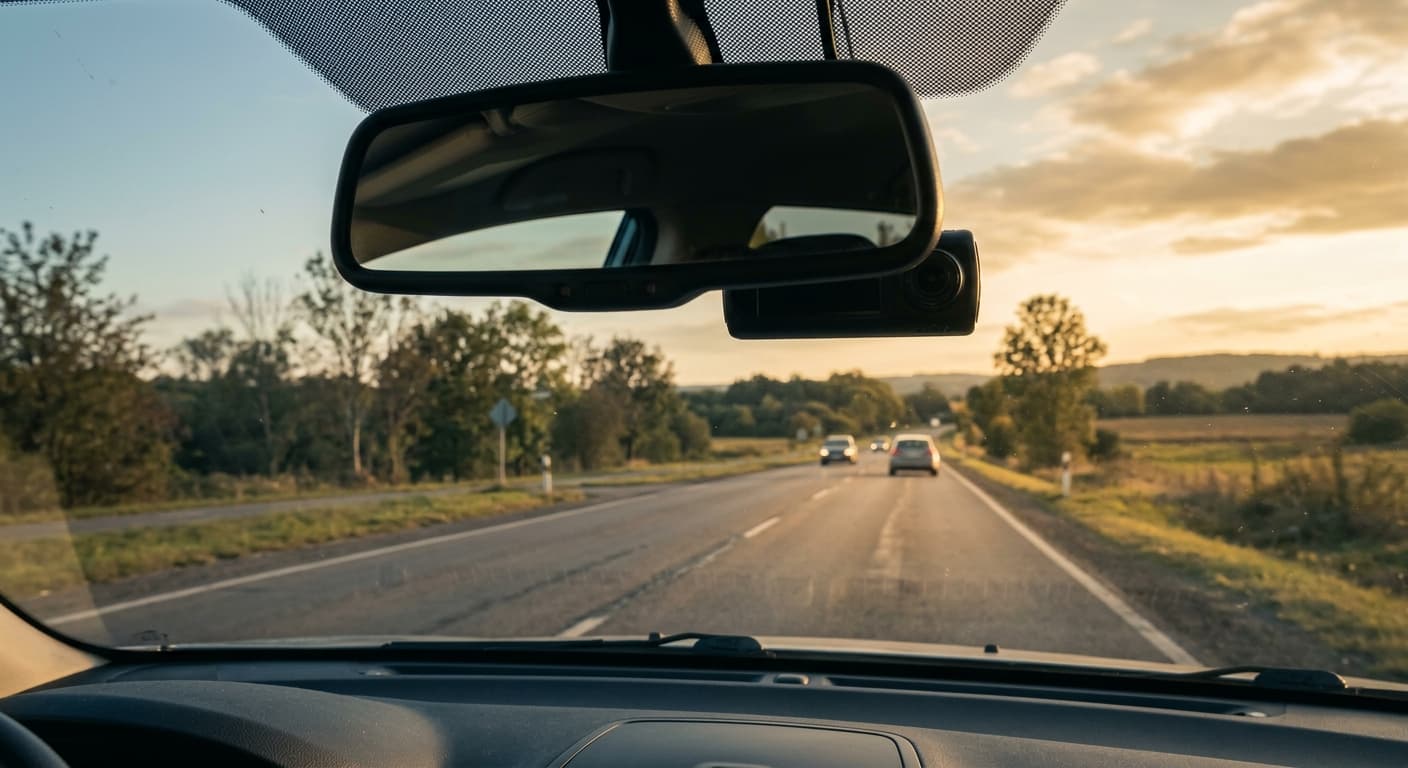
Dashcams are legal in West Virginia. No state statute prohibits their use in personal vehicles, and audio recording is governed by the one-party consent rule under W. Va. Code 62-1D-3, meaning your presence in the vehicle satisfies the consent requirement. Mount the camera so it does not obstruct your view of the road.
Dashcams are legal and increasingly common in West Virginia. There is no state statute that specifically prohibits or restricts the use of dashboard cameras in personal vehicles. The legal framework for dashcam use in West Virginia draws from general traffic safety laws, the state's wiretapping statute for audio recording, and evidentiary rules for using footage in court.
This guide covers every aspect of dashcam law in West Virginia, including legality, mounting requirements, audio recording rules, using footage as evidence, commercial vehicle dashcams, insurance implications, police interactions, and privacy considerations.
Dashcam Legality in West Virginia
Are Dashcams Legal?
Yes. West Virginia does not have a statute that bans or restricts the use of dashcams in personal vehicles. You can install and operate a dashcam in your car, truck, SUV, motorcycle, or other personal vehicle without any special permit or registration.
Types of Dashcams Covered
All common dashcam configurations are legal in West Virginia:
| Dashcam Type | Legal? | Notes |
|---|---|---|
| Front-facing single camera | Yes | Most common type |
| Front and rear dual camera | Yes | Captures both directions |
| Interior cabin camera | Yes | Useful for rideshare drivers |
| 360-degree camera system | Yes | Maximum coverage |
| Motorcycle-mounted camera | Yes | Handlebar or helmet mount |
| Hardwired always-on system | Yes | Records while parked |
| Battery or capacitor-powered | Yes | Standard portable units |
Windshield Mounting Requirements
While West Virginia does not have a specific dashcam mounting statute, general traffic safety principles require that nothing mounted on the windshield substantially obstruct the driver's view of the road. Best practices for dashcam mounting include:
- Mount behind the rearview mirror. This position keeps the camera out of your primary field of vision.
- Use the smallest mount possible. Minimize the physical footprint on the windshield.
- Ensure the mount is secure. A dashcam that falls during driving creates a distraction hazard.
- Keep the camera lens clean. A dirty lens produces poor-quality footage.
- Avoid suction cups on hot days. Heat can cause suction cup mounts to fail; adhesive mounts may be more reliable.
West Virginia law does require that windshields be free of obstructions that impair the driver's vision. Mounting a dashcam in a way that blocks a significant portion of your sightline could result in a traffic citation.
Audio Recording with Dashcams
One-Party Consent in Your Vehicle
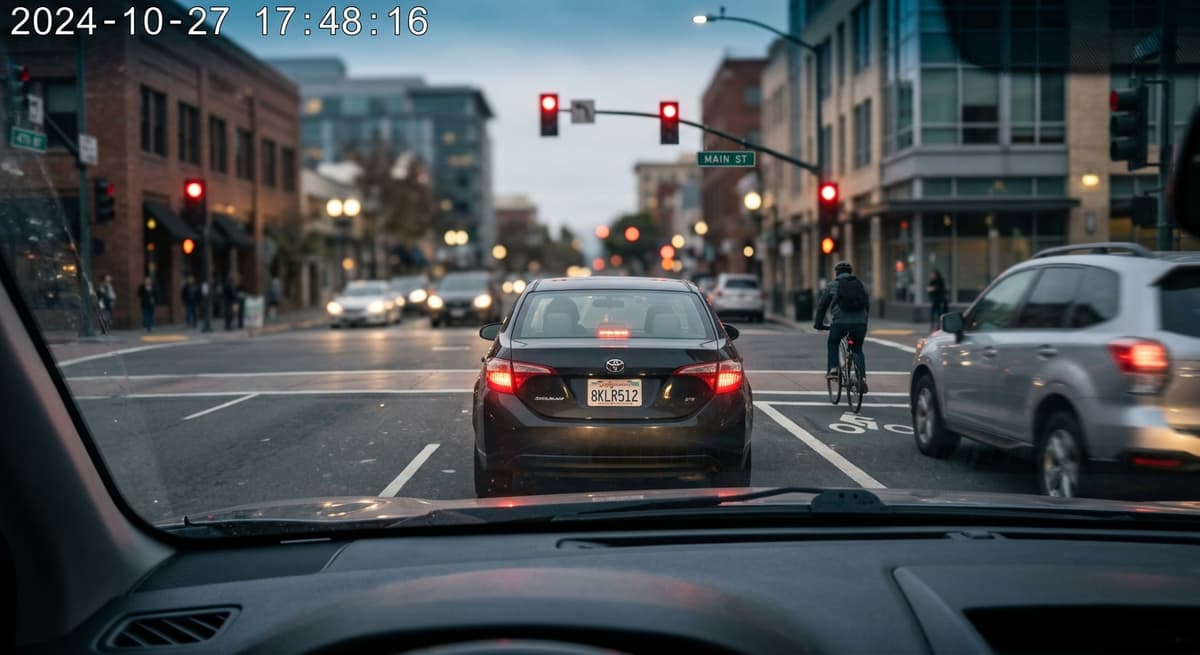
Most modern dashcams record audio along with video. In West Virginia, the audio recording component is governed by W. Va. Code 62-1D-3, the one-party consent wiretapping statute.
When you are in your vehicle, your presence provides one-party consent for audio recording of conversations you participate in. This means:
- Conversations between you and your passengers are covered by your consent
- Phone calls you make on speaker while driving are covered
- Interactions with police officers during traffic stops are covered (you are a participant)
- Drive-through and toll booth interactions where you are speaking are covered
When Audio Recording May Be Problematic
Audio recording by a dashcam could raise issues in limited circumstances:
- Passengers having a private conversation. If two passengers are speaking privately in the back seat and you are not participating, the question of whether you are a "party" to that conversation becomes less clear. In practice, everyone in the vehicle generally understands the driver can hear them.
- Parked vehicle recording. If your dashcam records audio while parked and captures conversations of people outside the vehicle that you are not participating in, the wiretapping statute could technically apply. However, conversations in a public parking lot typically lack a reasonable expectation of privacy.
- Recording in someone else's vehicle. If you place a dashcam in someone else's vehicle to record their conversations without their knowledge, and you are not present, this violates the one-party consent requirement.
Disabling Audio
If you want to avoid any potential audio recording issues, most dashcams allow you to disable the microphone while continuing to record video. Video-only recording does not trigger the wiretapping statute.
Dashcam Footage as Evidence
Admissibility in West Virginia Courts
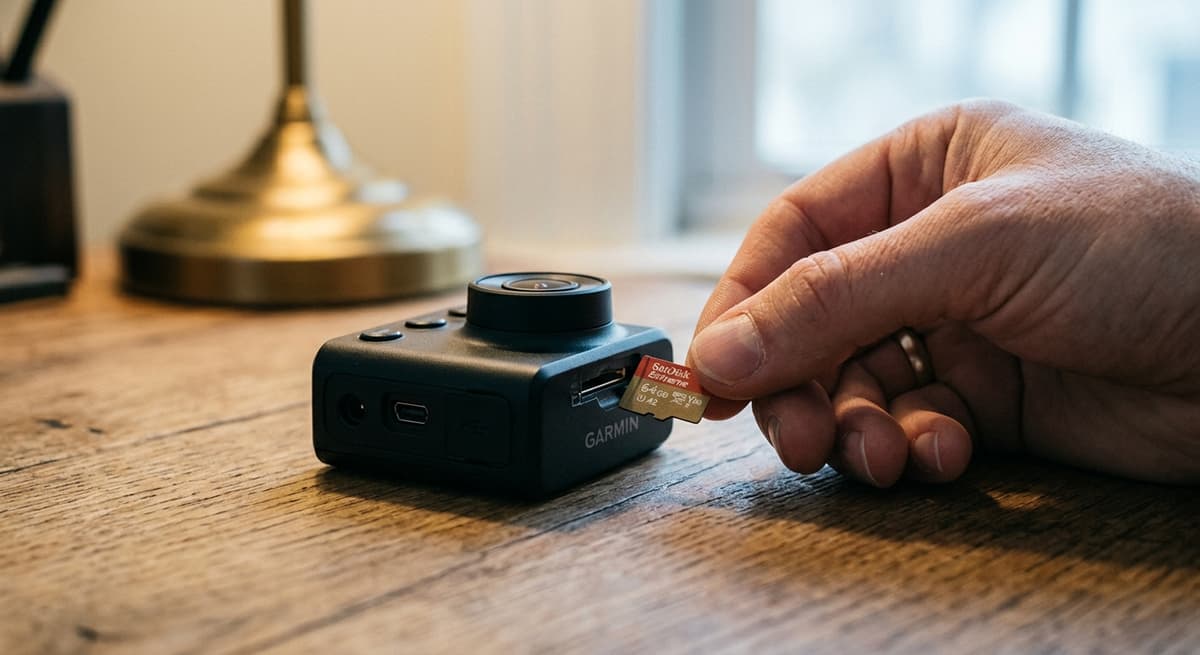
Dashcam footage is generally admissible as evidence in West Virginia courts. The footage must meet standard evidentiary requirements:
- Authentication: Testimony from the vehicle owner or operator that the footage is from their dashcam and shows the events in question
- Accuracy: The footage must fairly and accurately depict what occurred
- Relevance: The footage must relate to a disputed issue in the case
- Integrity: The footage must not have been edited, altered, or tampered with
Types of Cases Where Dashcam Footage Is Used
Dashcam footage is commonly submitted as evidence in:
Traffic accidents:
- Establishing fault by showing which driver violated traffic laws
- Documenting road conditions, traffic signals, and signage at the time of the accident
- Capturing the speed and trajectory of vehicles involved
- Recording the immediate aftermath and damage
Insurance claims:
- Supporting or contesting fault determinations
- Documenting the severity of impacts
- Providing an objective record of the accident sequence
- Countering fraudulent claims
Traffic violations:
- Contesting tickets for alleged violations your dashcam shows did not occur
- Documenting dangerous driving by other motorists
- Recording road rage incidents
Criminal cases:
- Hit-and-run investigations (capturing license plates and vehicle descriptions)
- DUI arrests (recording the traffic stop)
- Assault or road rage incidents
- Property damage or vandalism
Civil disputes:
- Personal injury claims
- Property damage claims
- Disputes about road conditions or construction zones
Preserving Dashcam Evidence
To ensure your dashcam footage is useful as evidence:
- Save footage immediately. Most dashcams record on a loop, overwriting old footage. After an incident, save or lock the relevant file before it is overwritten.
- Download to a separate device. Transfer the footage to a computer, cloud storage, or external drive as soon as possible.
- Do not edit the footage. Present the original, unaltered file. Cropping, speeding up, or otherwise modifying footage can undermine its credibility.
- Document the context. Note the date, time, location, weather conditions, and any other relevant details.
- Preserve metadata. The file's embedded data (timestamp, GPS coordinates if available) supports authentication.
Dashcams and Police Interactions
Recording Traffic Stops
Your dashcam can continue recording during a traffic stop. This is legal under both First Amendment principles (right to record police) and one-party consent (you are a participant in the interaction). Tips for recording traffic stops:
- Keep the dashcam running; do not turn it off
- Do not reach for the dashcam or draw attention to it unnecessarily
- If the officer asks about the dashcam, you can calmly acknowledge it
- The officer cannot order you to turn off your dashcam in most circumstances
- If the officer asks to see the footage, you are not required to show it without a warrant
Can Police Seize Your Dashcam?
Under Riley v. California (2014), police generally need a warrant to search digital devices, including dashcams and their storage media. Exceptions include:
- Consent (if you voluntarily agree to show the footage)
- Exigent circumstances (imminent destruction of evidence)
- Incident to a lawful arrest (limited, and the scope of this exception for dashcams is debated)
- Inventory search of an impounded vehicle (the dashcam and its contents may be inventoried)
If police ask for your dashcam footage as a witness (rather than as a suspect), you can voluntarily provide a copy without surrendering the original device.
Sharing Footage with Law Enforcement
You are not required to share dashcam footage with police unless compelled by a warrant or subpoena. However, sharing relevant footage can be helpful if:
- You witnessed an accident and your footage could help the investigation
- Your footage captured a hit-and-run or other criminal activity
- You are the victim of a crime and your dashcam captured the incident
If you choose to share footage, provide a copy rather than your original device or SD card.
Commercial Vehicle Dashcams
Trucking and Fleet Management
Commercial vehicle operators in West Virginia may be required to use dashcams under employer policies. Fleet dashcam systems often include:
- Forward-facing cameras for road safety
- Inward-facing cameras for driver monitoring
- GPS tracking and telematics integration
- Event-triggered recording (hard braking, collisions)
- Real-time video transmission to fleet management
Federal Motor Carrier Safety Administration (FMCSA) Considerations
While the FMCSA does not mandate dashcams for commercial vehicles, the agency has acknowledged their value for safety monitoring. Commercial dashcam footage can be relevant in:
- Post-accident investigations
- Hours of service compliance reviews
- Driver safety evaluations
- FMCSA compliance audits
Rideshare and Delivery Drivers
Rideshare drivers (Uber, Lyft) and delivery drivers operating in West Virginia can use dashcams. Considerations include:
- Interior cameras. Recording passengers is legal under one-party consent if you are present
- Platform policies. Check your rideshare company's dashcam policy for any requirements or restrictions
- Passenger notice. While not legally required, informing passengers about the camera is a courtesy that can reduce disputes
- Audio recording. Your presence as the driver satisfies one-party consent for audio
Insurance and Dashcams
Impact on Insurance Claims
Dashcam footage can significantly affect insurance claim outcomes:
- Supporting your claim. Clear footage showing the other driver was at fault strengthens your claim
- Defending against claims. Footage proving you were not at fault can quickly resolve a claim filed against you
- Documenting conditions. Road conditions, weather, and visibility at the time of an incident are captured objectively
- Preventing fraud. Dashcam footage deters and exposes staged accidents and fraudulent claims
Insurance Discounts
Some insurance companies offer discounts for dashcam use. While this practice is not universal in West Virginia, it is worth asking your insurer about:
- Safe driver discounts linked to dashcam monitoring
- Reduced premiums for fleet vehicles equipped with dashcams
- Usage-based insurance programs that integrate with dashcam data
Dashcam Footage That Hurts Your Case
Be aware that dashcam footage can also work against you:
- Footage showing you were speeding, distracted, or violated traffic laws before an accident
- Audio capturing statements that could be used as admissions
- Footage revealing that your account of an accident differs from what actually happened
- Video evidence that you were partially at fault in a comparative negligence analysis
Parked Vehicle Dashcam Recording
Parking Mode Features
Many dashcams offer a "parking mode" that continues recording while your vehicle is parked and turned off. These features typically activate when the camera detects motion or impact. Parking mode dashcam recording is legal in West Virginia for video capture in public areas.
Considerations for parking mode:
- Public parking lots. Recording in public parking areas is generally unrestricted for video
- Private property. Recording in a private garage or enclosed parking structure follows the same privacy principles as other video surveillance
- Audio recording while parked. If the dashcam microphone is active and captures conversations of people outside your vehicle, the wiretapping statute could apply if those conversations carry a reasonable expectation of privacy (which is unlikely in a public parking lot)
What Parking Mode Captures
Parking mode dashcam footage has proven valuable for documenting:
- Hit-and-run damage to parked vehicles
- Vehicle break-ins and theft attempts
- Vandalism
- Shopping cart damage
- Door dings from adjacent vehicles
- Weather-related damage (hail, falling debris)
More West Virginia Recording Laws
Audio Recording | Video Recording | Voyeurism and Hidden Cameras | Workplace Recording | Recording Police | Phone Call Recording | Security Cameras | Recording in Public | Landlord-Tenant Recording | Dashcam Laws | School Recording | Medical Recording
Back to West Virginia Recording Laws
More West Virginia Recording Topics
More West Virginia Laws
Frequently Asked Questions
Are dashcams legal in West Virginia?
Yes. West Virginia has no law prohibiting dashcams. You can install and operate a dashcam in your personal vehicle. Mount it so it does not obstruct your view of the road, and be aware that audio recording follows the one-party consent rule under W. Va. Code 62-1D-3.
Can dashcam footage be used as evidence in West Virginia?
Yes. Dashcam footage is generally admissible in West Virginia courts for accident cases, insurance claims, traffic violations, and criminal cases. The footage must be authenticated, unaltered, and relevant to the case. Save important footage immediately to prevent it from being overwritten.
Do I have to tell passengers about my dashcam in West Virginia?
No. Under one-party consent, your presence in the vehicle provides sufficient consent for audio recording. You are not required to inform passengers. However, telling passengers about the camera is a common courtesy, especially for rideshare drivers.
Can police take my dashcam during a traffic stop?
Police can seize your dashcam without a warrant in some situations, such as incident to a lawful arrest, exigent circumstances, or an inventory search after your vehicle is impounded. But under Riley v. California (2014), they generally need a warrant to search what is stored on it. They cannot force you to show footage without a warrant or your consent. If police request footage as part of a witness inquiry, sharing a copy is voluntary.
Does dashcam footage affect insurance claims in West Virginia?
Yes. Dashcam footage can strengthen your insurance claim by objectively documenting fault. It can also defend you against claims filed by other drivers. However, footage that shows you violated traffic laws or were partially at fault can work against you.
Updates
Fixed a FAQ answer that wrongly implied police generally cannot seize a dashcam without a warrant; seizure and Riley's warrant-to-search rule are separate, and the answer now distinguishes them. Also replaced a dead Riley v. California citation link.
Independently fact-checked against the cited primary sources; governing law re-checked for recent changes
Governing law re-checked for recent changes
Reviewed and approved by an editor
The Law Behind This Article
This article rests on the statutory provisions below, held in our own legal record and retrieved from the official source. Tap a section to read the operative text.
West Virginia Code
§ 62-1D-3Interception of communications generally.In forcecited in 36 of our articles
(a) Except as otherwise specifically provided in this article it is unlawful for any person to: (1) Intentionally intercept, attempt to intercept or procure any other person to intercept or attempt to intercept, any wire, oral or electronic communication; or (2) Intentionally disclose or intentionally attempt to disclose to any other person the contents of any wire, oral or electronic communication, knowing or having reason to know that the information was obtained through the interception of a wire, oral or electronic communication in violation of this article; and (3) Intentionally use or disclose or intentionally attempt to use or disclose the contents of any wire, oral or electronic communication or the identity of any party thereto, knowing or having reason to know that such information was obtained through the interception of a wire, oral or electronic communication in violation of this article. (b) Any person who violates subsection (a) of this section is guilty of a felony and, upon conviction thereof, shall be imprisoned in the penitentiary for not more than five years or fined not more than $10,000 or both fined and imprisoned.
Official text (excerpt) · last checked 2026-08-31 · Read the full text in our law library · Verify at code.wvlegislature.gov
Cited in 1 court opinions in our collectionLatest citing opinion in our collection: 1999
Opinions citing this section in our collection:
- Bartnicki v. Vopper (Court of Appeals for the Third Circuit 1999, 200 F.3d 109)“…77 -23a-4, 77-23a-11; Va. Code Ann. §§ 19.2-62 , 19.2-69; W. Va.Code §§ 62-1D-3, 62-1D-12; Wis. Stat. § 968.31 ; Wyo.…”
Identified automatically from the court opinions citing this section — not a ranking of which case controls.
Also relied on in: West Virginia Smart Glasses Recording Laws, West Virginia Security Camera Laws: Rules for Homes and Businesses, West Virginia Video Recording Laws: Privacy Rules and Consent
Search our full record of US law — 2.1 million sections, every state + federal →
Sources and References
- W. Va. Code 62-1D-3 - Interception of Communications(code.wvlegislature.gov).gov
- W. Va. Code 62-1D - Wiretapping and Electronic Surveillance Act(code.wvlegislature.gov).gov
- Riley v. California, 573 U.S. 373 (2014)(supremecourt.gov).gov
- FMCSA - Federal Motor Carrier Safety Administration(fmcsa.dot.gov).gov
- NHTSA - National Highway Traffic Safety Administration(nhtsa.gov).gov