
Utah
Utah Security Camera Laws
Independently fact-checked against primary sources (last audited August 15, 2026). · Reviewed by the RecordingLaw editorial team. · Law checked current as of August 15, 2026. · 3 primary sources cited on this page. How we verify our legal content
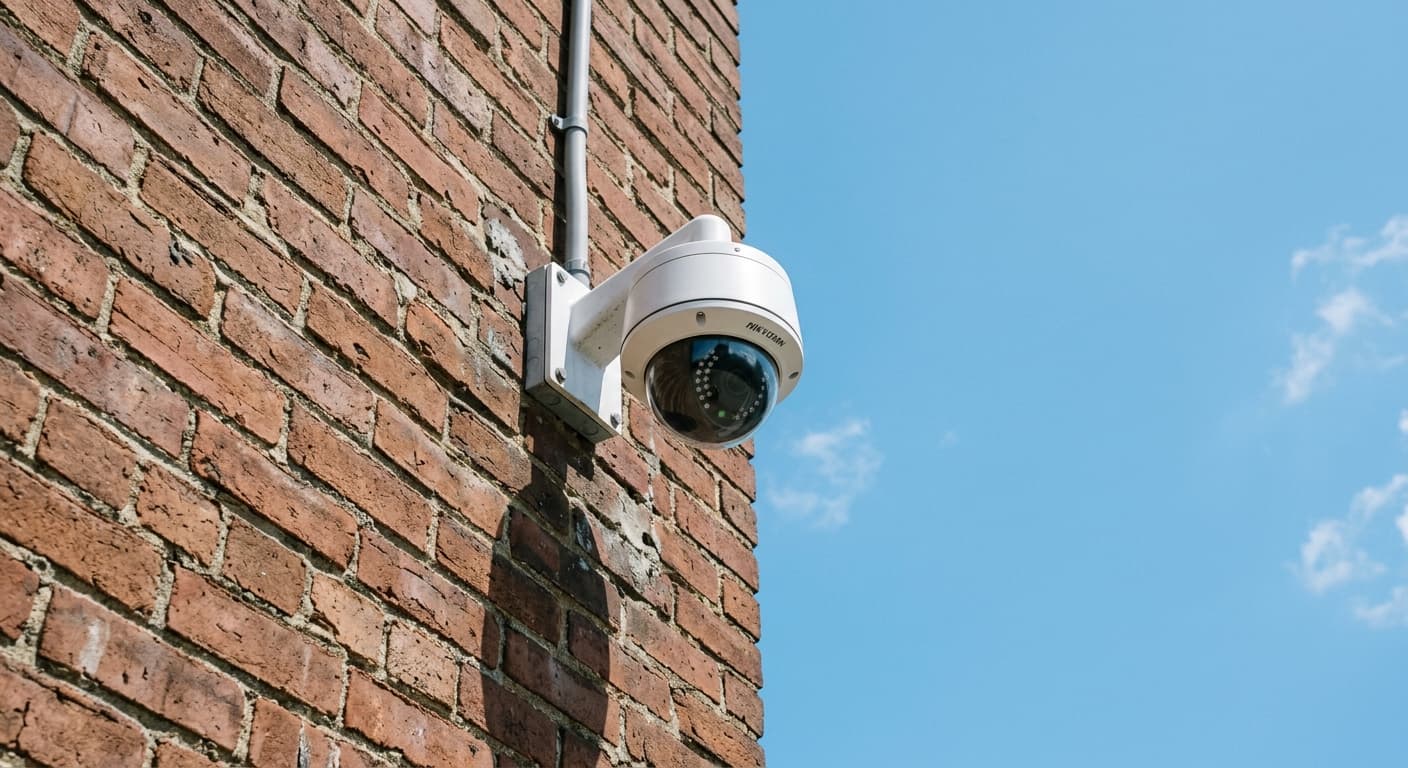
Utah homeowners can install security cameras on their own property without restriction for silent video surveillance. Adding audio recording follows the one-party consent rule under Utah Code 77-23a-4. Cameras may not be placed anywhere people have a reasonable expectation of privacy, such as bathrooms or locker rooms.
Utah does not have a comprehensive statute specifically governing security cameras. The legality of security camera use is determined by Utah's voyeurism statute (76-12-307, recodified from 76-9-702.7 effective May 7, 2025) and the wiretapping law (77-23a-4) for audio.
This guide covers residential cameras, business surveillance, doorbell cameras, audio concerns, neighbor disputes, and camera footage as evidence.
Residential Security Cameras
Utah homeowners can install cameras on their property's exterior (doorbell cameras, porch cameras, driveway cameras), in common areas of the home, and in garages and outbuildings. Cameras cannot be placed in bathrooms, guest bedrooms, or areas where visitors have privacy expectations.
Audio recording by cameras follows one-party consent. If you participate in a conversation captured by the camera, the audio is legal. Ambient audio of others' conversations may carry risk.
Business Security Cameras
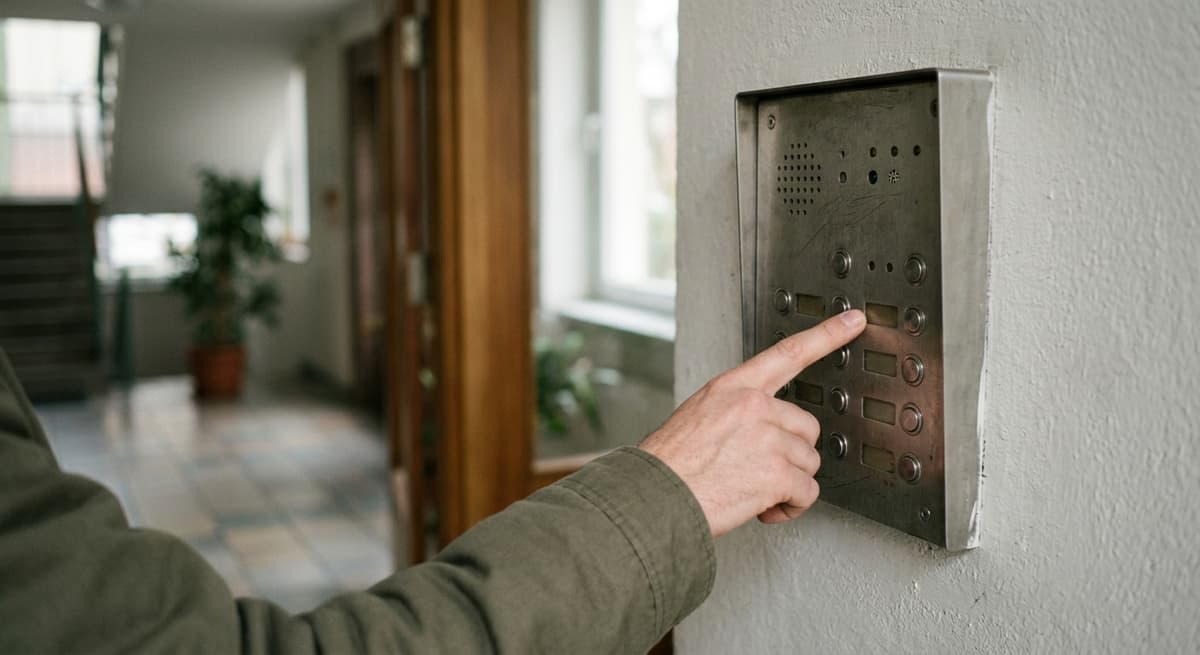
Permitted: Retail floors, warehouses, parking lots, lobbies, hallways, cash register areas. Prohibited: Bathrooms, locker rooms, changing areas, nursing rooms.
Utah does not require employers to notify employees about cameras, but signage is recommended.
Doorbell Cameras
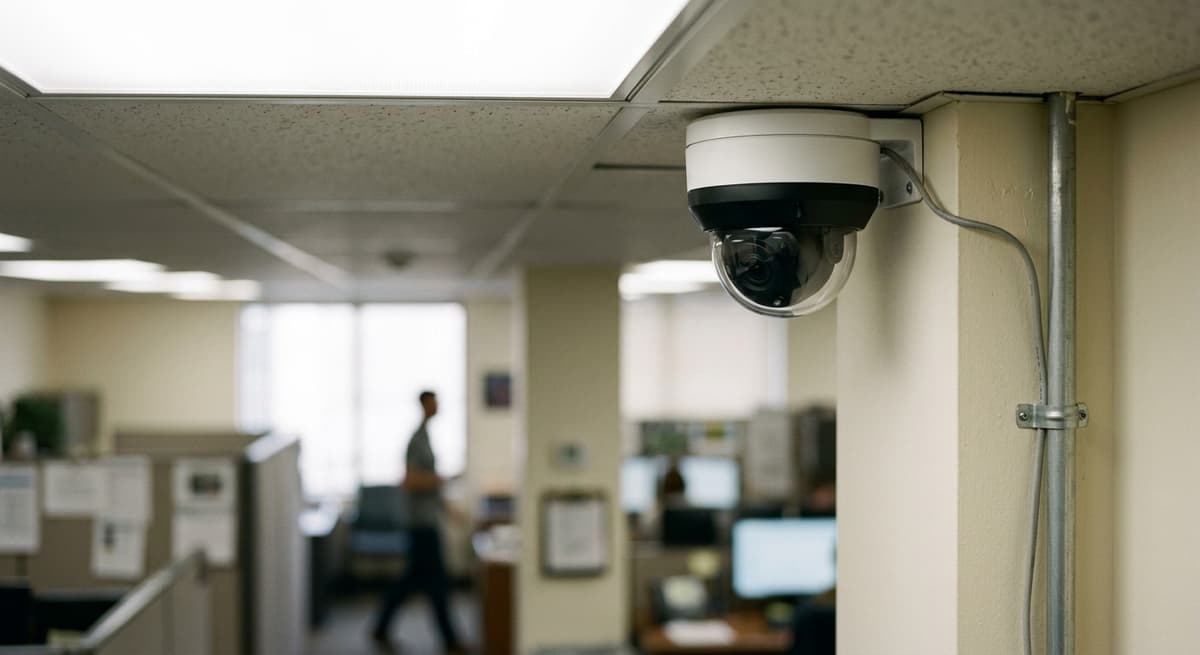
Video of your porch is legal. Audio of your conversations with visitors is legal. Audio of conversations between others that you are not part of carries risk. Sharing footage with law enforcement is permissible but not required without a warrant.
Neighbor Privacy
Point cameras at your own property. Deliberately aiming cameras at a neighbor's private areas could support an invasion of privacy claim. Incidental capture of a neighbor's driveway or front yard is generally acceptable.
Camera Footage as Evidence
Security camera footage is regularly used in Utah courts. Authenticate, preserve chain of custody, and keep footage unaltered.
More Utah Recording Laws
Audio Recording | Video Recording | Voyeurism & Hidden Cameras | Workplace Recording | Recording Police | Phone Call Recording | Security Cameras | Recording in Public | Landlord-Tenant | Dashcam Laws | Schools | Medical Recording
More Utah Recording Topics
See Also
- Utah Surveillance Camera Laws covers home, HOA, neighbor, workplace, and landlord camera rules in Utah.
More Utah Laws
Frequently Asked Questions
Are security cameras legal in Utah?
Yes. Utah homeowners and businesses can install security cameras on their property. The main restriction is the voyeurism statute (76-12-307, recodified from 76-9-702.7 effective May 7, 2025), which prohibits cameras in private places like bathrooms and locker rooms.
Do I need to tell neighbors about my security cameras in Utah?
No. Utah does not require notification. However, cameras should be pointed at your own property. Deliberately aiming at a neighbor's private areas could support a privacy claim.
Can my security camera record audio in Utah?
Audio follows one-party consent rules (77-23a-4). Recording your own conversations is legal. Recording others' conversations without any participant's consent may violate wiretapping law.
Can police access my Ring camera footage without a warrant?
You are not required to share footage without a warrant. You can cooperate voluntarily. Check your cloud provider's terms regarding law enforcement access.
Can my employer put cameras in the break room?
Open break areas are generally permissible. Cameras in private areas like bathrooms or changing areas violate 76-12-307 (recodified from 76-9-702.7 effective May 7, 2025).
Updates
Replaced this page's core statutory citation for camera placement (Utah's voyeurism law, repealed and renumbered in May 2025) with the correct current section, 76-12-307, throughout the intro, key takeaways, and FAQ.
Independently fact-checked against the cited primary sources; governing law re-checked for recent changes
Governing law re-checked for recent changes
Audit pass: no accuracy errors found. Utah-specific citations (77-23a-4, 76-9-702.7, le.utah.gov links) verified correct.
Reviewed and approved by an editor
The Law Behind This Article
This article rests on the statutory provisions below, held in our own legal record and retrieved from the official source. Tap a section to read the operative text.
Utah Code, Title 76: Criminal Offenses
§ 76-12-307Recorded or photographed voyeurism.In forcecited in 10 of our articles
(1) (a) As used in this section, "sex-designated privacy space" means the same as that term is defined in Section 76-12-309. (b) Terms defined in Sections 76-1-101.5, 76-12-101, and 76-12-301 apply to this section. (2) An actor commits recorded or photographed voyeurism if the actor intentionally uses any type of technology to secretly or surreptitiously record, by video, photograph, or other means, an individual: (a) for the purpose of viewing any portion of the individual's body regarding which the individual has a reasonable expectation of privacy, whether or not that portion of the body is covered with clothing; (b) without the knowledge or consent of the individual; and (c) under circumstances in which the individual has a reasonable expectation of privacy. (3) (a) Except as provided in Subsection(3)(b), a violation of Subsection (2) is a class A misdemeanor.
Official text (excerpt) · last checked 2026-07-29 · Read the full text in our law library · Verify at le.utah.gov
Also relied on in: Utah Smart Glasses Recording Laws (2026), Utah Drone Laws (2026): Police Warrants, Prisons & Privacy, Utah Employee Monitoring Laws: Workplace Surveillance and Social Media (2026)
Utah Code, Title 77: Criminal Procedure
§ 77-23a-4Offenses -- Criminal and civil -- Lawful interception.In forcecited in 19 of our articles
(1) (a) Except as otherwise specifically provided in this chapter, any person who violates Subsection (1)(b) is guilty of an offense and is subject to punishment under Subsection (10), or when applicable, the person is subject to civil action under Subsection (11). (b) A person commits a violation of this subsection who: (i) intentionally or knowingly intercepts, endeavors to intercept, or procures any other person to intercept or endeavor to intercept any wire, electronic, or oral communication; (ii) intentionally or knowingly uses, endeavors to use, or procures any other person to use or endeavor to use any electronic, mechanical, or other device to intercept any oral communication, when the device is affixed to, or otherwise transmits a signal through a wire, cable, or other like connection used in wire communication or when the device transmits communications by radio, or interferes with the transmission of the communication; (iii) intentionally or knowingly discloses or endeavors to disclose to any other person the contents of any wire, electronic, or oral communication, knowing or having reason to know that the information was obtained through the interception of a wire,…
Official text (excerpt) · last checked 2026-08-31 · Read the full text in our law library · Verify at le.utah.gov
Cited in 5 court opinions in our collectionLatest citing opinion in our collection: 2026
In the courts (editorial summary, independently checked):State v. Wood (2023) held a jail's recording of inmate calls fell within the consent exception in section 77-23a-4(7)(a) because the inmate impliedly consented by using phones he was told were monitored. The Quarasan Group, Inc. v. Nozani, LLC (2020) dismissed an eavesdropping claim once Utah law governed and did not bar the recording.
Opinions citing this section in our collection:
- State v. Wood (Utah Supreme Court 2023, 532 P.3d 997)✓A jail recorded an inmate's calls to his wife after warning him by handbook, placard and a message before each call; the Utah Supreme Court held he impliedly consented, so the interception fell within section 77-23a-4(7)(a) and suppression was denied.
- State v. Draughon (Court of Appeals of Utah 2026, 2026 UT App 52)“…rties to the call—consented to the call being recorded. See Utah Code §§ 77-23a-4(7)(b), -7. He claims Counsel should hav…”
- United States v. Maynard (Court of Appeals for the D.C. Circuit 2010, 615 F.3d 544)“…ined by the police acting pursuant to a warrant. See, e.g., Utah Code Ann. §§ 77-23a-4, 77-23a-7, 77-23a-15.5; Minn Stat §§ 62…”
Identified automatically from the court opinions citing this section — not a ranking of which case controls.
Also relied on in: Utah AI Meeting Recording Laws (2026), Utah Surveillance Camera Laws (2026 Guide), Utah Windshield Mounting Laws (2026 Guide)
United States Code Title 18
§ 2511Interception and disclosure of wire, oral, or electronic communications prohibitedIn forcecited in 422 of our articles
Except as otherwise specifically provided in this chapter any person who— intentionally intercepts, endeavors to intercept, or procures any other person to intercept or endeavor to intercept, any wire, oral, or electronic communication; intentionally uses, endeavors to use, or procures any other person to use or endeavor to use any electronic, mechanical, or other device to intercept any oral communication when— such device is affixed to, or otherwise transmits a signal through, a wire, cable, or other like connection used in wire communication; or such device transmits communications by radio, or interferes with the transmission of such communication; or such person knows, or has reason to know, that such device or any component thereof has been sent through the mail or transported in interstate or foreign commerce; or such use or endeavor to use (A) takes place on the premises of any business or other commercial establishment the operations of which affect interstate or foreign commerce; or (B) obtains or is for the purpose of obtaining information relating to the operations of any business or other commercial establishment the operations of which affect interstate or foreign…
Official text (excerpt) · last checked 2026-08-28 · Read the full text in our law library · Verify at uscode.house.gov
Cited in 2,045 court opinions in our collectionLatest citing opinion in our collection: 2026
In the courts (editorial summary, independently checked):Griggs-Ryan v. Smith (1990) applied the Section 2511(2)(d) prior-consent exception, treating a tenant repeatedly told that all incoming calls were taped as having impliedly consented. United States v. United States District Court (1972) read the then-current Section 2511(3) as conferring no presidential surveillance power.
Opinions citing this section in our collection:
- Mitchell v. Forsyth (Supreme Court of the United States 1985, 472 U.S. 511)✓The Attorney General authorized a warrantless 1970 national security wiretap that caught the plaintiff's calls; the Court held the since-repealed Section 2511(3) disclaimer left the tap lawful under Title III, and that Mitchell had qualified immunity.
- United States v. United States District Court for the Eastern District of Michigan (Supreme Court of the United States 1972, 407 U.S. 297)✓The Attorney General approved warrantless wiretaps on members of a domestic group accused of bombing a CIA office; the Court read Section 2511(3) as a congressional disclaimer conferring no surveillance power, then held the Fourth Amendment required prior judicial approval.
- Forsyth v. Barr (Court of Appeals for the Fifth Circuit 1994, 19 F.3d 1527)✓Dallas police used, in an internal affairs probe of an officer, calls private parties allegedly intercepted illegally; assuming that was unlawful, the Fifth Circuit held Section 2517(1) and (2) allowed the disclosure and use, defeating the Section 2511(1)(c) and (d) claims.
Identified automatically from the court opinions citing this section — not a ranking of which case controls.
Also relied on in: Connecticut Recording Laws (2026): Hybrid Consent Rules Explained, Oregon Recording Laws (2026): Hybrid One-Party and All-Party Rules, US Recording Laws by State (2026): All 50 States Explained
Search our full record of US law — 2.1 million sections, every state + federal →
Sources and References
- Utah Code Ann. 76-12-307 -- Recorded or Photographed Voyeurism(le.utah.gov).gov
- Utah Code Ann. 77-23a-4 -- Interception of Communications(le.utah.gov).gov
- NLRB -- National Labor Relations Act(nlrb.gov).gov
- 18 U.S.C. 2511 -- Federal Wiretap Act(law.cornell.edu)