
Utah
Utah Landlord-Tenant Recording Laws
Independently fact-checked against primary sources (last audited August 15, 2026). · Reviewed by the RecordingLaw editorial team. · Law checked current as of August 15, 2026. · 4 primary sources cited on this page. How we verify our legal content
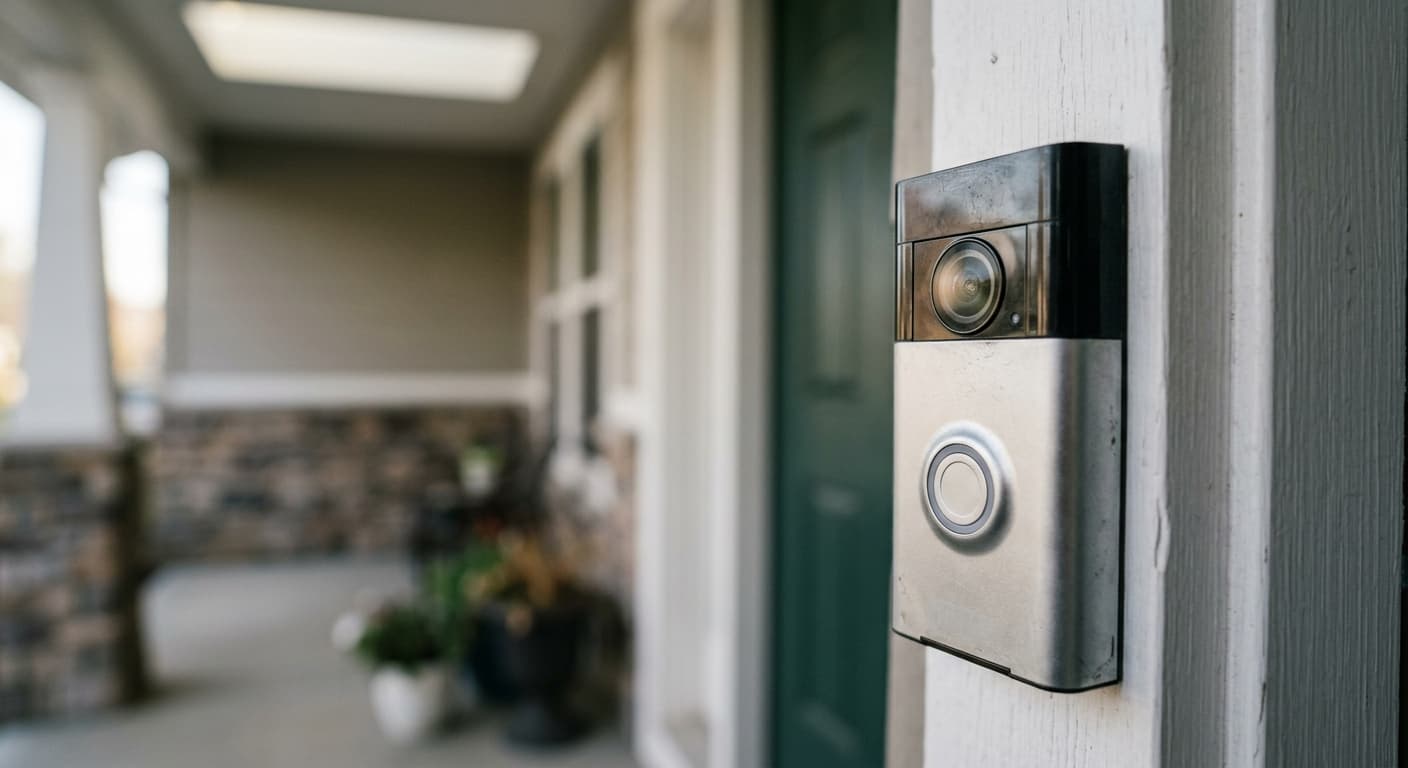
Utah follows one-party consent under Utah Code Ann. 77-23a-4, so either a tenant or landlord may record any conversation they personally join without notifying the other party. Landlords cannot install cameras inside a tenant-occupied unit without consent; doing so violates Utah's voyeurism statute (76-12-307, recodified from 76-9-702.7 effective May 7, 2025), with penalties escalating to a third degree felony in aggravating circumstances such as a victim under 14.
Utah's one-party consent law gives tenants the right to record conversations with their landlord. Under Utah Code Ann. 77-23a-4, any party to a conversation can record it without informing others.
This guide covers tenant and landlord recording rights, security camera rules for rentals, entry notification requirements, and evidence use.
Tenant Recording Rights
You can record in-person conversations, phone calls, inspections, and move-in/move-out walkthroughs with your landlord without informing them. Common reasons include documenting repair agreements, harassment, illegal entry, and security deposit disputes.
You cannot record conversations your landlord has with others that you are not part of, or install cameras aimed at other tenants' units.
Landlord Recording and Cameras
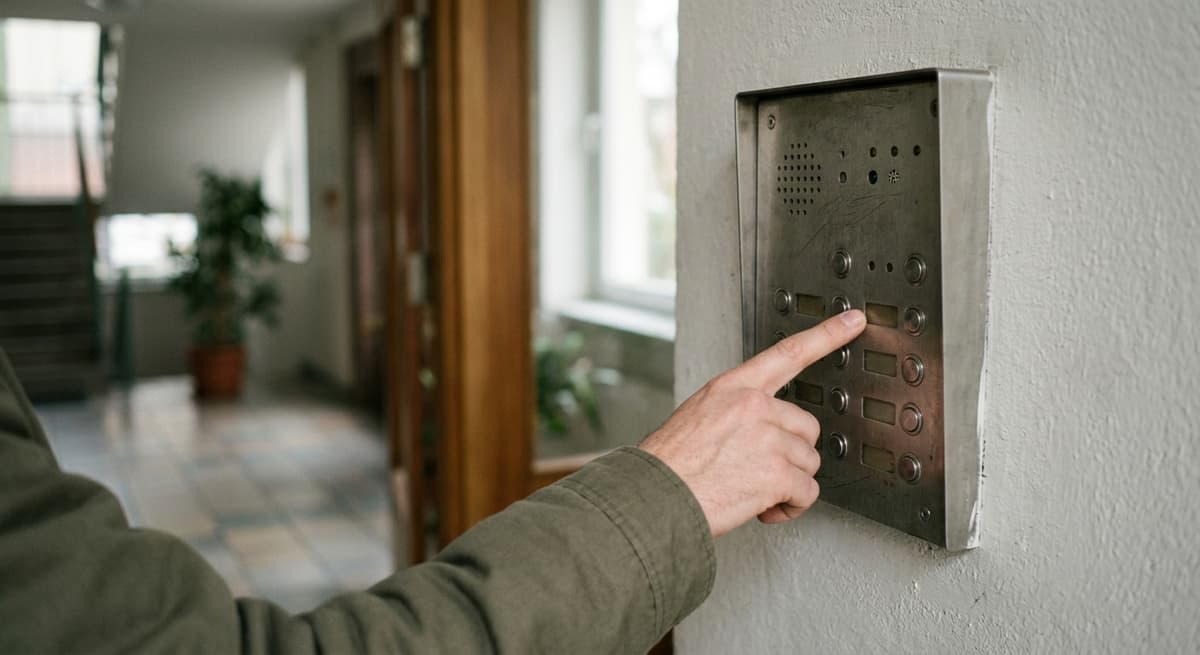
Landlords can place cameras in common areas of multi-unit buildings (lobbies, hallways, parking lots). Landlords cannot install cameras inside tenant-occupied units without consent. Violations of the voyeurism statute (76-12-307, recodified from 76-9-702.7 effective May 7, 2025) are generally a Class A misdemeanor, escalating to a third degree felony under 76-12-307(3)(b) if the occupant is under 14 or other aggravating circumstances apply.
Entry Notification
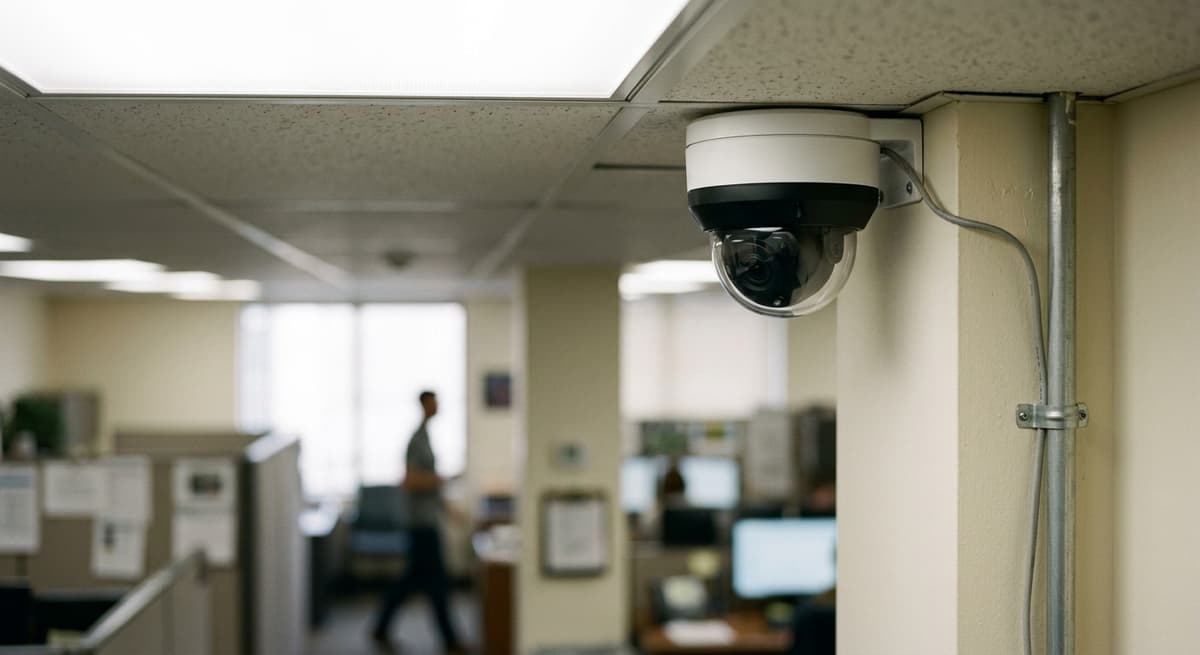
Under the Utah Fit Premises Act (57-22-4), landlords must provide at least 24 hours notice before entering, unless the rental agreement provides otherwise. Tenants can use cameras to document entries and verify compliance.
Security Deposits
Recording move-in/move-out inspections creates valuable evidence for deposit disputes. Utah law requires landlords to return deposits within 30 days and provide an itemized list of deductions.
Fair Housing
Recordings of discriminatory statements by landlords can be submitted to HUD or the Utah Antidiscrimination and Labor Division.
More Utah Recording Laws
Audio Recording | Video Recording | Voyeurism & Hidden Cameras | Workplace Recording | Recording Police | Phone Call Recording | Security Cameras | Recording in Public | Landlord-Tenant | Dashcam Laws | Schools | Medical Recording
More Utah Recording Topics
More Utah Laws
Frequently Asked Questions
Can I record my landlord in Utah?
Yes. Under one-party consent (77-23a-4), you can record any conversation you participate in with your landlord without informing them.
Can my landlord put cameras inside my apartment in Utah?
No. Your unit is a private place. A landlord installing cameras without consent violates the voyeurism statute (76-12-307, recodified from 76-9-702.7 effective May 7, 2025), a Class A misdemeanor that escalates to a third degree felony if the occupant is under 14 or other aggravating circumstances apply.
Can my landlord enter without notice in Utah?
Only if the rental agreement provides otherwise. Under 57-22-4, landlords must provide at least 24 hours notice before entering unless the lease says differently.
Can I install cameras in my rental in Utah?
Yes. Check your lease for restrictions on mounting hardware. Point cameras at your own space, not at other units.
Can I use a recording in a security deposit dispute?
Yes. Recordings of inspections are commonly used in Utah courts for deposit disputes. Keep originals unedited.
Updates
Replaced the dead citation for the landlord-camera prohibition (repealed and renumbered in May 2025) with the correct current section, 76-12-307, and added the felony-level penalty escalation that applies when the occupant is a minor or other aggravating circumstances are present, in place of a flat misdemeanor characterization.
Independently fact-checked against the cited primary sources; governing law re-checked for recent changes
Corrected the entry-notice exception under Utah's Fit Premises Act: notice can be skipped only if the rental agreement provides otherwise, not specifically for emergencies, and removed an unsupported claim that notice must specify date, time, and purpose.
Governing law re-checked for recent changes
Audit pass: no accuracy errors found. Utah-specific citations (77-23a-4, 76-9-702.7, le.utah.gov links) verified correct.
Reviewed and approved by an editor
The Law Behind This Article
This article rests on the statutory provisions below, held in our own legal record and retrieved from the official source. Tap a section to read the operative text.
Utah Code, Title 77: Criminal Procedure
§ 77-23a-4Offenses -- Criminal and civil -- Lawful interception.In forcecited in 19 of our articles
(1) (a) Except as otherwise specifically provided in this chapter, any person who violates Subsection (1)(b) is guilty of an offense and is subject to punishment under Subsection (10), or when applicable, the person is subject to civil action under Subsection (11). (b) A person commits a violation of this subsection who: (i) intentionally or knowingly intercepts, endeavors to intercept, or procures any other person to intercept or endeavor to intercept any wire, electronic, or oral communication; (ii) intentionally or knowingly uses, endeavors to use, or procures any other person to use or endeavor to use any electronic, mechanical, or other device to intercept any oral communication, when the device is affixed to, or otherwise transmits a signal through a wire, cable, or other like connection used in wire communication or when the device transmits communications by radio, or interferes with the transmission of the communication; (iii) intentionally or knowingly discloses or endeavors to disclose to any other person the contents of any wire, electronic, or oral communication, knowing or having reason to know that the information was obtained through the interception of a wire,…
Official text (excerpt) · last checked 2026-08-31 · Read the full text in our law library · Verify at le.utah.gov
Cited in 5 court opinions in our collectionLatest citing opinion in our collection: 2026
In the courts (editorial summary, independently checked):State v. Wood (2023) held a jail's recording of inmate calls fell within the consent exception in section 77-23a-4(7)(a) because the inmate impliedly consented by using phones he was told were monitored. The Quarasan Group, Inc. v. Nozani, LLC (2020) dismissed an eavesdropping claim once Utah law governed and did not bar the recording.
Opinions citing this section in our collection:
- State v. Wood (Utah Supreme Court 2023, 532 P.3d 997)✓A jail recorded an inmate's calls to his wife after warning him by handbook, placard and a message before each call; the Utah Supreme Court held he impliedly consented, so the interception fell within section 77-23a-4(7)(a) and suppression was denied.
- State v. Draughon (Court of Appeals of Utah 2026, 2026 UT App 52)“…rties to the call—consented to the call being recorded. See Utah Code §§ 77-23a-4(7)(b), -7. He claims Counsel should hav…”
- United States v. Maynard (Court of Appeals for the D.C. Circuit 2010, 615 F.3d 544)“…ined by the police acting pursuant to a warrant. See, e.g., Utah Code Ann. §§ 77-23a-4, 77-23a-7, 77-23a-15.5; Minn Stat §§ 62…”
Identified automatically from the court opinions citing this section — not a ranking of which case controls.
Also relied on in: Utah Smart Glasses Recording Laws (2026), Utah AI Meeting Recording Laws (2026), Utah Surveillance Camera Laws (2026 Guide)
Utah Code, Title 57: Real Estate
§ 57-22-4Owner's duties.In forcecited in 3 of our articles
(1) To protect the physical health and safety of the ordinary renter, an owner: (a) may not rent the premises unless they are safe, sanitary, and fit for human occupancy; and (b) shall: (i) maintain common areas of the residential rental unit in a sanitary and safe condition; (ii) maintain electrical systems, plumbing, heating, and hot and cold water; (iii) maintain any air conditioning system in an operable condition; (iv) maintain other appliances and facilities as specifically contracted in the rental agreement; and (v) for buildings containing more than two residential rental units, provide and maintain appropriate receptacles for garbage and other waste and arrange for its removal, except to the extent that the renter and owner otherwise agree. (2) Except as otherwise provided in the rental agreement, an owner shall provide the renter at least 24 hours prior notice of the owner's entry into the renter's residential rental unit.
Official text (excerpt) · last checked 2026-09-06 · Read the full text in our law library · Verify at le.utah.gov
Cited in 2 court opinions in our collectionLatest citing opinion in our collection: 2021
Opinions citing this section in our collection:
- Building Monitoring Systems, Inc. v. Paxton (Utah Supreme Court 1995, 276 Utah Adv. Rep. 31)“…the rental agreement if the unit is unfit for occupancy.” Utah Code Ann. § 57-22-4 (4). Finally, section 57-22-6(2) provid…”
- Win-Win v. Dutson (Court of Appeals of Utah 2021, 483 P.3d 64)“…v. Century Mortg. LLC, 3. Win-Win points out that, under Utah Code section 57-22-4, before entering into the Lease, the Du…”
Identified automatically from the court opinions citing this section — not a ranking of which case controls.
Also relied on in: Utah Ring Doorbell Laws: What You Need to Know in 2026, Utah Landlord-Tenant Laws (2026): Deposits, Notice, and Tenant Rights
Utah Code, Title 76: Criminal Offenses
§ 76-12-307Recorded or photographed voyeurism.In forcecited in 10 of our articles
(1) (a) As used in this section, "sex-designated privacy space" means the same as that term is defined in Section 76-12-309. (b) Terms defined in Sections 76-1-101.5, 76-12-101, and 76-12-301 apply to this section. (2) An actor commits recorded or photographed voyeurism if the actor intentionally uses any type of technology to secretly or surreptitiously record, by video, photograph, or other means, an individual: (a) for the purpose of viewing any portion of the individual's body regarding which the individual has a reasonable expectation of privacy, whether or not that portion of the body is covered with clothing; (b) without the knowledge or consent of the individual; and (c) under circumstances in which the individual has a reasonable expectation of privacy. (3) (a) Except as provided in Subsection(3)(b), a violation of Subsection (2) is a class A misdemeanor.
Official text (excerpt) · last checked 2026-07-29 · Read the full text in our law library · Verify at le.utah.gov
Also relied on in: Utah Drone Laws (2026): Police Warrants, Prisons & Privacy, Utah Employee Monitoring Laws: Workplace Surveillance and Social Media (2026), Utah Recording Laws (2026): One-Party Consent Rules
Search our full record of US law — 2.1 million sections, every state + federal →
Sources and References
- Utah Code Ann. 77-23a-4 -- Interception of Communications(le.utah.gov).gov
- Utah Fit Premises Act -- 57-22-4(le.utah.gov).gov
- Utah Code Ann. 76-12-307 -- Recorded or Photographed Voyeurism(le.utah.gov).gov
- Fair Housing Act -- HUD(hud.gov).gov