
Oklahoma
Oklahoma Security Camera Laws: Home, Business, and HOA Rules
Independently fact-checked against primary sources (last audited August 15, 2026). · Reviewed by the RecordingLaw editorial team. · 4 primary sources cited on this page. How we verify our legal content
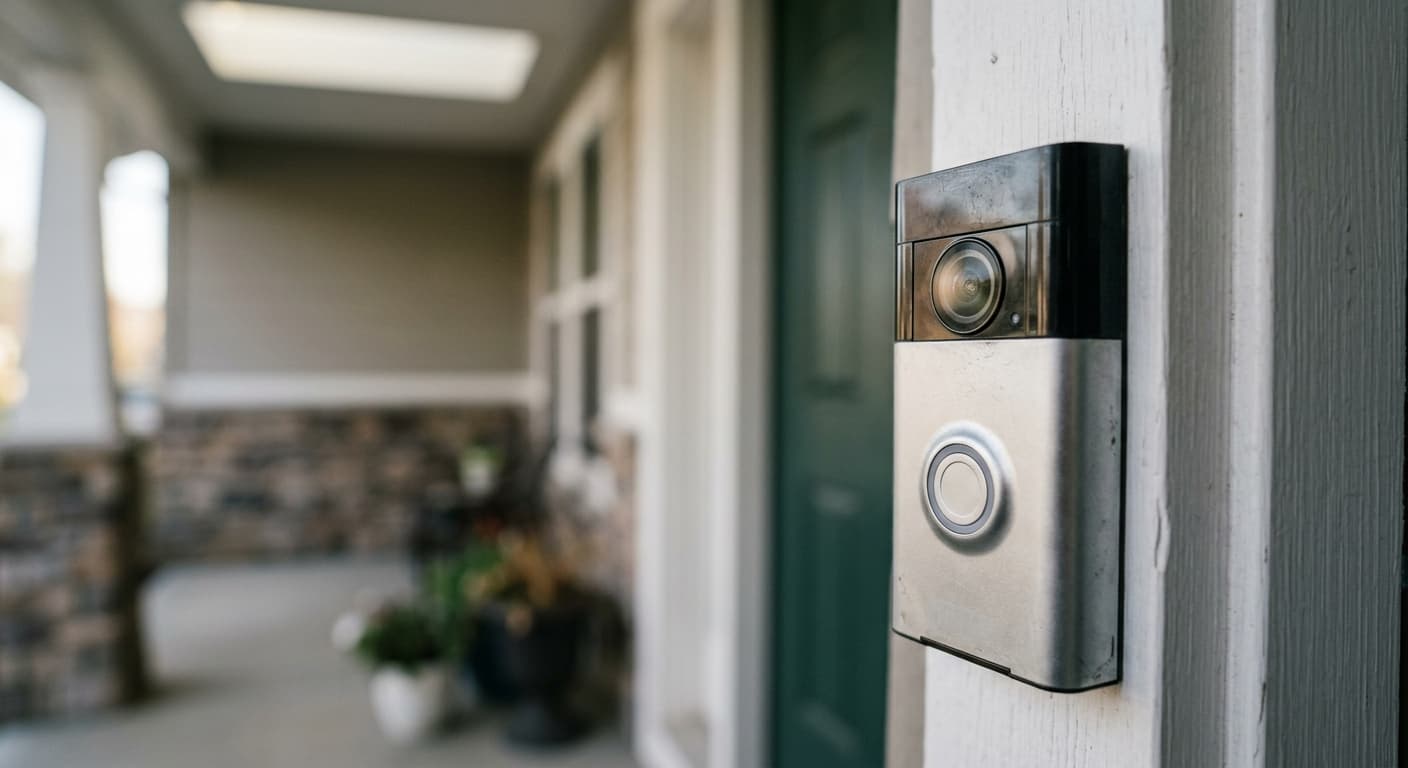
Oklahoma allows video surveillance cameras on your own property with no permit required. Audio-capable cameras follow the one-party consent rule under 13 O.S. 176.4, and cameras are barred from bathrooms, changing areas, and other private spaces by the Peeping Tom statute, 21 O.S. 1171. Since January 1, 2026, Section 1171 also separately criminalizes clandestinely capturing an image of someone's private area for a prurient or lewd purpose even in a public place.
Overview of Oklahoma Security Camera Laws
Oklahoma does not have a single comprehensive statute governing security cameras. Instead, the legality of security camera installation and use is determined by a combination of state wiretapping laws, privacy statutes, property rights, local ordinances, and federal regulations. The general rule is straightforward: you can install security cameras on your own property, but you cannot use them to invade someone else's reasonable expectation of privacy.
For video-only cameras (no audio), Oklahoma imposes minimal restrictions when the camera is on your property and pointed at areas visible to the public. When cameras capture audio, the Security of Communications Act (Okla. Stat. tit. 13, Sections 176.1 through 176.11) and its one-party consent requirement apply.
Home Security Cameras
Your Right to Protect Your Property
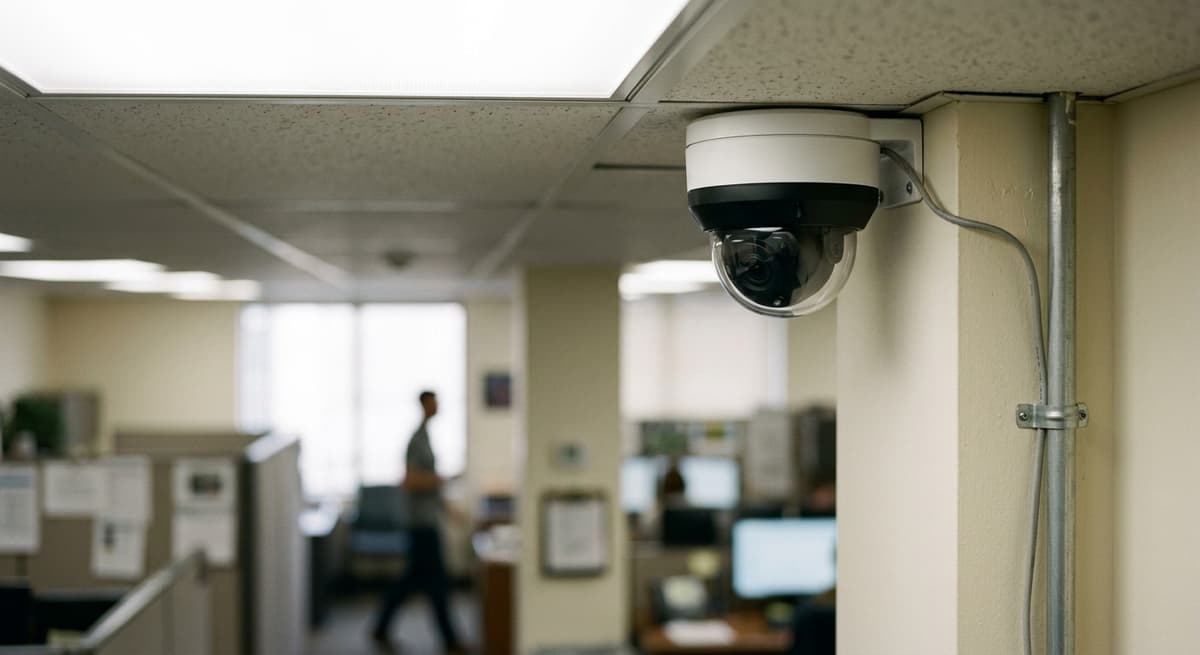
Oklahoma homeowners have broad rights to install security cameras on their residential property. You can place cameras:
- On exterior walls, eaves, and rooflines
- At front doors and entryways (including doorbell cameras like Ring or Nest)
- In driveways, garages, and carports
- Overlooking backyards, patios, and decks
- Inside your home in common areas (living rooms, kitchens, hallways)
- At gates and along fence lines
No state permit or registration is required for residential security cameras in Oklahoma. Some local municipalities may have specific ordinances about camera placement, particularly if cameras extend over public rights-of-way, but these are uncommon.
Restrictions on Home Camera Placement
Even on your own property, certain placements are illegal:
- Bathrooms and restrooms are always off-limits. Recording in these areas can violate Okla. Stat. tit. 21, Section 1171, the Peeping Tom statute.
- Bedrooms used by guests or tenants should not have hidden cameras, as occupants have a reasonable expectation of privacy.
- Cameras aimed to capture the interior of a neighbor's home through windows can create liability for invasion of privacy.
- Cameras in spaces used by household employees for changing or personal hygiene are prohibited.
Nanny Cameras and In-Home Monitoring
Oklahoma homeowners can use nanny cameras and in-home monitoring systems in common areas of the home, including living rooms, kitchens, playrooms, and nurseries. These cameras help parents monitor childcare quality and home safety.
However, nanny cameras should not be placed in:
- Bathrooms or areas where a caregiver might change clothes
- A live-in caregiver's private bedroom
- Any area where the caregiver has been given a reasonable expectation of privacy
Audio recording: If your nanny camera records audio, it must comply with the one-party consent requirement under Section 176.4. When you are not home, you are not a party to any conversations the camera captures. Audio recording without any participant's consent could violate Section 176.3. Consider disabling audio on cameras used when you are away, or inform caregivers that audio is being recorded.
Business Security Cameras
Employer Surveillance Rights
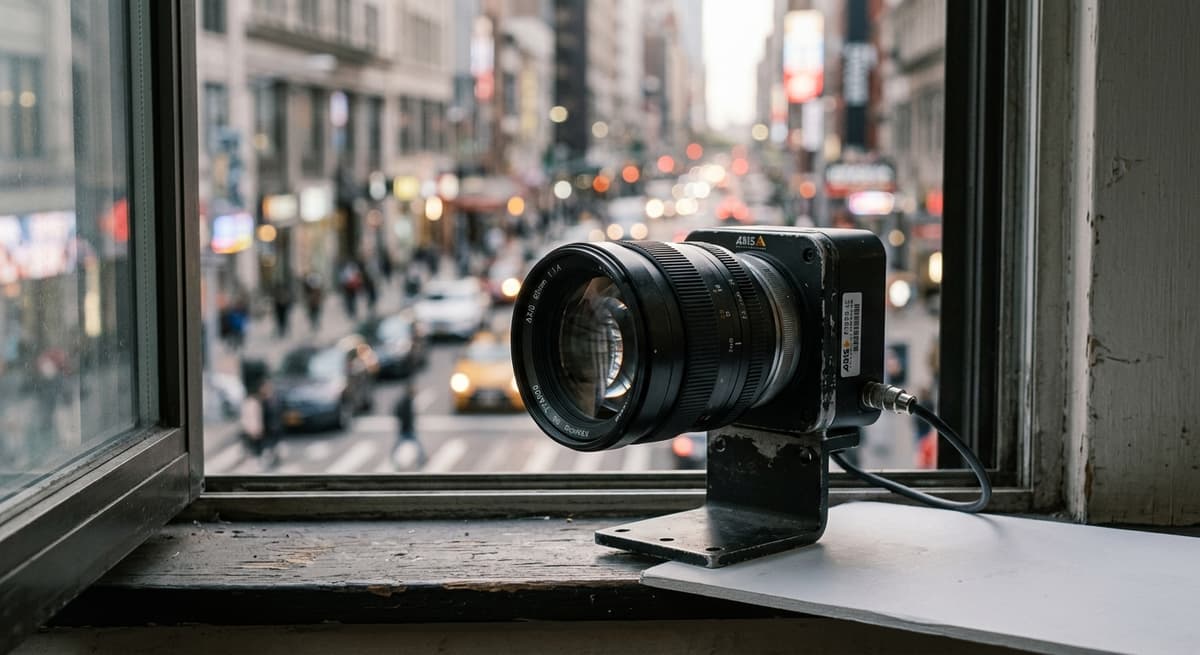
Oklahoma businesses have significant latitude to install security cameras for legitimate business purposes. Video surveillance is commonly used for:
- Loss prevention and theft deterrence
- Employee safety monitoring
- Customer dispute resolution
- Liability protection and insurance documentation
- Access control and building security
- Monitoring cash registers and high-value inventory
Where Businesses Can Place Cameras
Cameras are generally permitted in:
- Sales floors, showrooms, and retail areas
- Lobbies, reception areas, and waiting rooms
- Warehouses, storage areas, and loading docks
- Parking lots and exterior perimeters
- Hallways, stairwells, and corridors
- Production floors and manufacturing areas
- Common break rooms (with notice recommended)
Where Businesses Cannot Place Cameras
Business cameras are prohibited in areas where employees or customers have a reasonable expectation of privacy:
- Employee restrooms and bathrooms
- Locker rooms and changing facilities
- Shower areas
- Lactation rooms
- Dressing rooms in retail stores
- Medical examination areas
Placing cameras in any of these locations violates the Peeping Tom statute (Okla. Stat. tit. 21, Section 1171) and can result in criminal charges against the business owner or manager responsible.
Employee Notification
Oklahoma law does not explicitly require businesses to notify employees about video-only surveillance in common work areas. However, notification is strongly recommended because:
- It can deter misconduct and reduce theft
- It demonstrates good faith and transparency
- It reduces potential legal challenges based on privacy expectations
- It aligns with guidance from the Equal Employment Opportunity Commission
- It can be required by union contracts or collective bargaining agreements
Common notification methods include posted signs, employee handbook disclosures, and written acknowledgments signed during onboarding.
Audio Recording with Security Cameras
The Critical Distinction
Many modern security cameras include built-in microphones that record audio alongside video. In Oklahoma, this audio capability triggers the Security of Communications Act and its one-party consent requirement.
Video-only cameras: No consent requirement in areas where there is no reasonable expectation of privacy. You can silently record in any common area of your home or business.
Cameras with audio: Subject to Okla. Stat. tit. 13, Section 176.4. At least one party to any conversation captured by the audio must consent to the recording.
When Audio Becomes a Problem
Audio recording creates legal risk in situations where:
- The camera owner is not present and no one in the recorded conversation has consented
- The camera captures conversations of visitors, employees, or passersby who are unaware of the audio recording
- The camera is in a location where people have private conversations (offices, meeting rooms)
Best Practices for Audio-Capable Cameras
To stay compliant with Oklahoma law when using cameras with audio:
- Disable audio on cameras that monitor areas where you are not regularly present
- Post clear signage stating "Audio and Video Recording in Progress" if audio is enabled
- Inform employees and regular visitors about audio recording capabilities
- Review camera settings to ensure audio is only active where you intend it to be
- Consult an attorney if you need audio monitoring for security purposes in areas where you are not a regular participant
Neighbor Disputes and Security Cameras
Cameras Pointed at Neighbors
Oklahoma law does not prohibit pointing a security camera at areas visible from your own property, including a neighbor's driveway, front yard, or exterior. However, problems arise when cameras are positioned to:
- Look directly into a neighbor's windows, particularly bedroom or bathroom windows
- Monitor private areas of a neighbor's property not visible to the general public
- Create a pattern of surveillance that constitutes harassment
Legal Remedies for Camera Disputes
If a neighbor's security camera invades your privacy, potential legal options include:
- Talking to the neighbor about adjusting the camera angle
- Filing a civil claim for invasion of privacy (intrusion upon seclusion) if the camera captures private areas
- Reporting to law enforcement if the camera placement violates the Peeping Tom statute
- Checking local ordinances for any municipal regulations on camera placement
- Consulting an attorney about a restraining order or injunctive relief in serious cases
HOA and Landlord Security Camera Rules
Homeowners Associations
Oklahoma HOAs can adopt rules about security camera installation, including:
- Restrictions on camera visibility from the street or common areas
- Requirements for camera placement to match community aesthetics
- Limitations on the size, number, or type of exterior cameras
- Rules about cameras that monitor shared common areas
HOA rules cannot override state law. An HOA cannot require you to install cameras in areas that violate the Peeping Tom statute, nor can an HOA authorize audio recording that violates the Security of Communications Act.
Landlord Security Cameras
Oklahoma landlords can install security cameras in common areas of rental properties, including:
- Building entrances and exits
- Parking lots and garages
- Hallways and stairwells
- Laundry rooms and common recreation areas
- Building exterior and perimeter
Landlords cannot install cameras:
- Inside individual rental units (without tenant consent)
- In areas adjacent to unit entrances that capture private activities
- In shared bathrooms or changing areas
- In any location where tenants have a reasonable expectation of privacy
For detailed information about recording interactions with landlords, see our guide on Oklahoma landlord-tenant recording laws.
Doorbell Cameras and Smart Home Devices
Ring, Nest, and Similar Devices
Video doorbell cameras are popular in Oklahoma and are legal to install on your own property. These devices typically record:
- Video of the area in front of your door
- Audio of conversations at the doorstep
- Motion-activated clips stored locally or in the cloud
The audio recording function is subject to Oklahoma's one-party consent rule. When you are interacting with a visitor through the doorbell camera (using the two-way talk feature), you are a party to the conversation and can record. When the camera captures conversations between visitors without your participation, the audio recording may raise consent issues.
Cloud Storage and Data Sharing
When security camera footage is stored in the cloud, consider:
- Privacy policies of your camera provider regarding law enforcement access
- Data retention periods and how long footage is stored
- Account security to prevent unauthorized access to your recordings
- Law enforcement requests for footage, which generally require a warrant or subpoena
Security Camera Footage as Evidence
Admissibility in Court
Security camera footage is regularly admitted as evidence in Oklahoma courts for:
- Burglary, trespassing, and property crime prosecutions
- Personal injury and slip-and-fall cases
- Vehicle accidents captured by exterior cameras
- Domestic disputes and protective order cases
- Insurance claims and fraud investigations
- Landlord-tenant disputes about property damage
Authentication requirements under the Oklahoma Evidence Code (Okla. Stat. tit. 12, Section 2901) apply. The party offering the footage must demonstrate that it is genuine, unaltered, and accurately represents what it claims to show.
Preserving Footage for Legal Use
- Save original files without editing or cropping
- Note the camera location, date, time, and any relevant settings
- Maintain a chain of custody log for the footage
- Store backups in a secure secondary location
- Do not share footage publicly if it may be needed in court proceedings
More Oklahoma Recording Laws
Audio Recording | Video Recording | Voyeurism & Hidden Cameras | Workplace Recording | Recording Police | Phone Call Recording | Security Cameras | Recording in Public | Landlord-Tenant | Dashcam Laws | Schools | Medical Recording
Back to Oklahoma Recording Laws
More Oklahoma Recording Topics
See Also
- Oklahoma Surveillance Camera Laws covers home, HOA, neighbor, workplace, and landlord camera rules in Oklahoma.
More Oklahoma Laws
Frequently Asked Questions
Do I need a permit to install security cameras on my property in Oklahoma?
No. Oklahoma does not require a state permit to install security cameras on your own residential or commercial property. Some local municipalities may have specific ordinances about camera placement, but there is no statewide registration or permitting requirement.
Can my security camera record audio in Oklahoma?
Audio recording is subject to the one-party consent rule under Okla. Stat. tit. 13, Section 176.4. If you are present and participating in a conversation captured by the camera, audio recording is legal. If the camera records conversations when you are not present and no participant has consented, the audio recording may violate the Security of Communications Act.
Can my landlord put security cameras inside my apartment in Oklahoma?
No. A landlord cannot install cameras inside your rental unit without your consent. Tenants have a reasonable expectation of privacy inside their homes. Landlords can install cameras in common areas like hallways, parking lots, and building entrances, but not inside individual units, in shared bathrooms, or in changing areas.
Can I point my security camera at my neighbor's property in Oklahoma?
You can capture areas of your neighbor's property that are visible from your own property, such as their driveway or front yard. However, pointing a camera to look directly into a neighbor's windows or private areas could support an invasion of privacy claim. Adjust camera angles to focus primarily on your own property.
Is security camera footage admissible in Oklahoma courts?
Yes. Security camera footage is regularly admitted as evidence in criminal and civil cases in Oklahoma. The footage must be authenticated under the Oklahoma Evidence Code (Okla. Stat. tit. 12, Section 2901) to show it is genuine and unaltered. Footage obtained in violation of privacy laws may be excluded.
Updates
Fixed the Peeping Tom statute citation link (21 O.S. 1171), which had pointed to Oklahoma's murder statute, plus the one-party consent and felony-interception citation links, which pointed to unrelated larceny statutes. Added a note that Oklahoma's Peeping Tom law, since January 1, 2026, also covers certain public-place image capture, not only private-space camera placement.
Independently fact-checked against the cited primary sources
Added UpdatesLog. No substantive legal errors found. Verified 13 O.S. sections 176.4 and 176.3 and 21 O.S. section 1171 Peeping Tom statute are accurate.
Reviewed and approved by an editor
The Law Behind This Article
This article rests on the statutory provisions below, held in our own legal record and retrieved from the official source. Tap a section to read the operative text.
Oklahoma Statutes, Title 13: COMMON CARRIERS
§ 176.3Prohibited acts - Felonies – Penalties - VenueIn forcecited in 13 of our articles
Except as otherwise specifically provided in this act, any person is guilty of a Class D1 felony offense and upon conviction shall be punished by a fine of not less than Five Thousand Dollars ($5,000.00), or by imprisonment as provided for in subsections B through F of Section 20N of Title 21 of the Oklahoma Statutes, or by both who: 1. Willfully intercepts, endeavors to intercept or procures any other person to intercept or endeavor to intercept any wire, oral or electronic communication; 2. Willfully uses, endeavors to use or procures any other person to use or endeavor to use any electronic, mechanical or other device to intercept any oral communication; 3. Willfully discloses or endeavors to disclose to any other person the contents of any wire, oral or electronic communication, knowing or having reason to know that the information was obtained in violation of the provisions of the Security of Communications Act; 4. Willfully uses or endeavors to use the contents of any wire, oral or electronic communication, knowing or having reason to know that the information was obtained in violation of the provisions of the Security of Communications Act; 5.
Official text (excerpt) · last checked 2026-08-31 · Read the full text in our law library · Verify at oklegislature.gov
Also relied on in: Oklahoma Recording Laws (2026): One-Party Consent Rules, Oklahoma AI Meeting Recording Laws: One-Party Consent Rules (2026), Oklahoma Audio Recording Laws: One-Party Consent Rules and Penalties
Oklahoma Statutes, Title 21: CRIMES AND PUNISHMENTS
§ 1171Peeping Tom – Use of photographic, electronic or videoIn forcecited in 8 of our articles
equipment – Offenses and punishment - Definition. A. Every person who hides, waits or otherwise loiters in the vicinity of any private dwelling house, apartment building, any other place of residence, or in the vicinity of any locker room, dressing room, restroom or any other place where a person has a right to a reasonable expectation of privacy, with the unlawful and willful intent to watch, gaze, or look upon any person in a clandestine manner, shall, upon conviction, be guilty of a misdemeanor. The violator shall be punished by imprisonment in the county jail for a term of not more than one (1) year, or by a fine not to exceed Five Thousand Dollars ($5,000.00), or by both such fine and imprisonment. B.
Official text (excerpt) · last checked 2026-08-31 · Read the full text in our law library · Verify at oklegislature.gov
Cited in 3 court opinions in our collectionLatest citing opinion in our collection: 2026
Opinions citing this section in our collection:
- United States v. Watkins (Court of Appeals for the Tenth Circuit 2026)“…D. Cent. Code § 12.1-31-14; Ohio Rev. Code Ann. § 2907.08;2 Okla. Stat. Ann. tit. 21, § 1171; Or. Rev. Stat. 163.700;2,3 18 Pa. Cons…”
- United States v. Helton (Court of Appeals for the Tenth Circuit 2008, 302 F. App'x 842)“…ory reference, we presume Helton was charged with violating Okla. Stat. Ann. tit. 21, § 1171(B) which makes it a felony to: “use[ ]…”
Identified automatically from the court opinions citing this section — not a ranking of which case controls.
Also relied on in: Oklahoma Surveillance Camera Laws (2026 Guide), Oklahoma Landlord-Tenant Recording Laws: Rights for Renters and Landlords, Oklahoma Medical Recording Laws: Patient Rights, HIPAA, and Consent (2026)
Search our full record of US law — 2.1 million sections, every state + federal →
Sources and References
- Oklahoma Security of Communications Act(oscn.net).gov
- Okla. Stat. tit. 21, Section 1171 - Peeping Tom(law.justia.com)
- Okla. Stat. tit. 13, Section 176.4 - One-Party Consent(law.justia.com)
- Oklahoma Legislature - Oklahoma Statutes(oklegislature.gov).gov
- EEOC(eeoc.gov).gov
- FTC(ftc.gov).gov