
Louisiana
Louisiana Workplace Recording Laws: Employee and Employer Rights
Independently fact-checked against primary sources (last audited August 15, 2026). · Reviewed by the RecordingLaw editorial team. · Law checked current as of August 9, 2026. · 6 primary sources cited on this page. How we verify our legal content
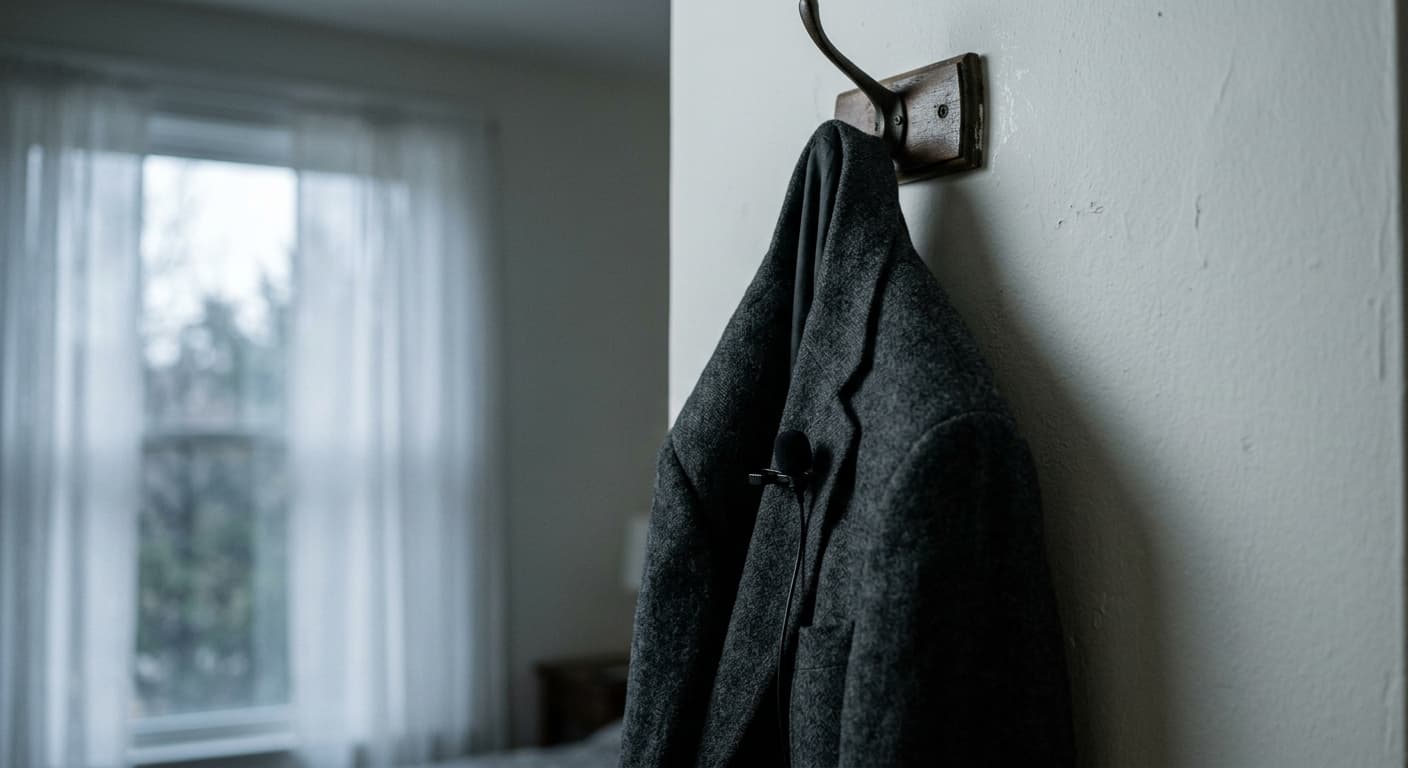
Louisiana employees can legally record any workplace conversation they participate in without notifying coworkers or supervisors. The state one-party consent rule under La. R.S. 15:1303 requires only the recorder's own consent, covering in-person meetings, performance reviews, and HR discussions. Employers may restrict recording by policy, but the act itself carries no criminal penalty.
Louisiana's one-party consent law gives employees a significant right: the ability to record their own workplace conversations without telling anyone. Under La. R.S. 15:1303, any person who is a party to a conversation can record it. This applies in every workplace setting, from office buildings to construction sites to retail stores.
At the same time, employers have their own rights to monitor the workplace through video surveillance and other means. This guide explains where employee recording rights and employer surveillance authority intersect, what protections federal labor law provides, and how to handle the tension between legal recording rights and company policies that restrict them.
Employee Recording Rights in Louisiana
The Legal Foundation
Under Louisiana's one-party consent statute La. R.S. 15:1303, you can record any conversation you are participating in at work. This includes:
- Conversations with your supervisor or manager. Meetings about performance, discipline, scheduling, or work assignments.
- Conversations with coworkers. Discussions about working conditions, pay, safety concerns, or other workplace matters.
- HR meetings. Including disciplinary hearings, complaints, grievance discussions, and exit interviews.
- Client or customer interactions. Phone calls and in-person conversations with external parties.
- Union meetings you attend. Discussions about collective bargaining, grievances, or organizing activities.
You do not need to inform anyone that you are recording. The law requires only that you (one party) consent to the recording.
What Employees Cannot Record
The one-party consent rule only protects you when you are a participant in the conversation. You cannot legally:
- Leave a recording device in a conference room and walk away. If you are not present for the conversation, you are not a party to it.
- Place a recording device on a coworker's desk to capture their conversations. This is illegal interception under La. R.S. 15:1303.
- Use software to monitor a coworker's phone calls or electronic communications. Intercepting communications between third parties is a felony.
- Record conversations in areas where you have no legitimate reason to be. Entering restricted areas to record violates both the recording statute and potentially trespass laws.
Common Reasons Employees Record at Work
Employees in Louisiana commonly record workplace interactions to:
- Document harassment or discrimination. Preserving evidence of hostile work environment, sexual harassment, racial discrimination, or retaliation.
- Record performance reviews. Capturing exactly what was said about your performance and any promises made.
- Preserve verbal agreements. When a supervisor makes promises about promotions, raises, schedule changes, or job duties.
- Document safety concerns. Recording evidence of unsafe working conditions, OSHA violations, or employer instructions to ignore safety protocols.
- Protect against wrongful termination. Building a factual record of conversations leading up to a potential firing.
Employer Surveillance Rights
Video Surveillance in the Workplace
Louisiana employers can install video surveillance cameras in the workplace, subject to important restrictions:
Where cameras ARE permitted:
- Lobbies, entrances, and exits
- Hallways and common areas
- Retail sales floors and customer-facing areas
- Warehouses, loading docks, and storage areas
- Parking lots and exterior areas
- Cash register areas and point-of-sale locations
Where cameras are PROHIBITED:
- Bathrooms and restrooms
- Locker rooms and changing areas
- Break rooms designated as private employee spaces
- Nursing rooms or lactation spaces
- Any area where employees have a reasonable expectation of privacy
Placing cameras in prohibited areas violates Louisiana's video voyeurism statute La. R.S. 14:283 and can result in criminal charges against the employer.
Audio Surveillance by Employers
Audio surveillance is subject to stricter rules than video surveillance. Under La. R.S. 15:1303, intercepting oral communications requires the consent of at least one party to the conversation. This means:
- **An employer can record a conversation if an authorized representative participates in it.** A manager who is part of a meeting can record it.
- An employer cannot use hidden microphones to record employee conversations the employer is not part of. This is illegal interception and a felony.
- Automated call recording systems are permitted when the employer's representative is a party to the call or when employees are informed (creating implied consent).
Employee Monitoring Technology
Louisiana does not have a specific statute governing electronic employee monitoring (email monitoring, keystroke logging, GPS tracking, etc.). However, several legal frameworks apply:
- The federal Electronic Communications Privacy Act (18 U.S.C. 2511) prohibits interception of electronic communications but includes a "provider exception" that allows employers who provide the communication system to monitor it.
- The Stored Communications Act (18 U.S.C. 2701) governs access to stored electronic communications.
- Louisiana's computer fraud statute (La. R.S. 14:73.5) prohibits unauthorized access to computer systems but does not prevent employers from monitoring employer-owned systems.
Best practice for employers is to have a clear, written electronic monitoring policy that employees acknowledge in writing.
Federal Labor Law Protections
NLRB and Recording Rights
The National Labor Relations Board (NLRB) has addressed employer no-recording policies in several significant decisions. Under Section 7 of the National Labor Relations Act, employees have the right to engage in concerted activities for mutual aid or protection. The NLRB has held that blanket no-recording policies can unlawfully chill these Section 7 rights.
The controlling standard for evaluating workplace policies under Section 7 is Stericycle, Inc., 372 NLRB No. 113 (2023), under which a work rule is unlawful if it has a reasonable tendency to chill protected rights, with the burden on the employer to show the rule advances a legitimate business interest proportionate to its burden on Section 7 rights. NLRB General Counsel Memorandum GC 25-05 (2025) rescinded certain prior guidance memos on policy wording but was a housekeeping action; Stericycle remains the controlling Board standard.
Key NLRB principles:
- Blanket recording bans may be unlawful. A policy that completely prohibits all workplace recording, without exception, has a reasonable tendency to chill Section 7 rights and is presumptively unlawful under Stericycle.
- Context-specific restrictions may be valid. An employer can restrict recording to protect confidential business information, trade secrets, or patient privacy, as long as the restriction is not applied selectively against union or concerted activity.
- Enforcement matters. Even if a policy is facially neutral, the NLRB will examine whether it is enforced in a discriminatory way that targets employees engaged in protected activity.
Whistleblower Protections
Federal and state whistleblower laws may protect employees who record evidence of illegal activity in the workplace:
- Louisiana Whistleblower Statute (La. R.S. 23:967) prohibits employers from retaliating against employees who report violations of state law.
- OSHA whistleblower protections under various federal statutes protect employees who report safety violations, environmental hazards, and other regulated concerns.
- Sarbanes-Oxley Act protections apply to employees of publicly traded companies who report financial fraud.
An employee who lawfully records evidence of illegal workplace activity under Louisiana's one-party consent law may have additional protections against retaliation if the recording relates to a whistleblower complaint.
Company Recording Policies

Can Employers Ban Recording?
Yes, but with nuances. Louisiana employers can adopt policies that prohibit recording in the workplace as a condition of employment. An employee who violates such a policy can face discipline, up to and including termination.
However, the recording itself remains legal under Louisiana state law. The distinction is:
- Legality: Recording a conversation you participate in at work is legal under La. R.S. 15:1303. You will not face criminal charges.
- Employment consequences: Your employer can fire you for violating company policy, even if the recording was lawful.
This creates a practical tension. The recording is legal, but making it could cost you your job.
When Company Policies Cannot Be Enforced
There are situations where an employer cannot legally enforce a no-recording policy:
- NLRB-protected activity. If the recording relates to concerted activity for mutual aid or protection under Section 7 of the NLRA, discipline may constitute an unfair labor practice.
- Whistleblower activity. If the recording documents illegal conduct and the employee files a protected whistleblower complaint, retaliation for the recording may be unlawful.
- Discrimination documentation. If an employee records evidence of discrimination or harassment and files a complaint with the EEOC or the Louisiana Commission on Human Rights, retaliatory termination may violate Title VII or the Louisiana Employment Discrimination Law.
- Workers' compensation claims. Recording evidence related to a workplace injury or workers' compensation claim may be protected from retaliation under Louisiana law.
Industry-Specific Workplace Recording Rules
Healthcare Workplaces
Healthcare employers in Louisiana must balance recording rights against patient privacy obligations under the Health Insurance Portability and Accountability Act (HIPAA). Employees cannot record patient information in ways that violate HIPAA's privacy rules. However, recording conversations about employment matters that do not involve protected health information remains lawful under La. R.S. 15:1303.
Financial Institutions
Banks, credit unions, and other financial institutions are subject to federal regulations that may require call recording (such as under Dodd-Frank compliance requirements) while also restricting the disclosure of customer financial information. Employees at financial institutions should be aware that recording customer interactions may be required by the employer but sharing those recordings externally could violate Gramm-Leach-Bliley Act privacy requirements.
Education Workplaces
Teachers and school employees in Louisiana can record their own conversations under the one-party consent rule. However, recording students raises additional concerns under the Family Educational Rights and Privacy Act (FERPA), which protects student educational records. Recording that captures student information may create FERPA-regulated records.
Law Enforcement Workplaces
Louisiana law enforcement officers are subject to department-specific body camera policies and internal affairs procedures. While officers retain their one-party consent recording rights as individuals, departmental policies may impose additional restrictions on recording while on duty.
Using Workplace Recordings in Legal Proceedings
Employment Lawsuits
Recordings made lawfully under Louisiana's one-party consent law are generally admissible in employment-related lawsuits. They can serve as evidence in:
- Wrongful termination claims
- Harassment and discrimination lawsuits
- Wage and hour disputes
- Retaliation claims
- Workers' compensation hearings
- Unemployment insurance appeals
Authentication requirements apply. You must be able to demonstrate that the recording is genuine, complete, and unaltered.
Administrative Proceedings
Workplace recordings can also be submitted to administrative bodies including:
- The Louisiana Workforce Commission (unemployment claims)
- The EEOC (discrimination charges)
- The NLRB (unfair labor practice charges)
- OSHA (safety complaint investigations)
Best Practices for Employees
- Know your company's recording policy. Review the employee handbook and any signed agreements.
- Understand the legal vs. employment distinction. Recording may be legal but could violate company policy.
- Record only conversations you participate in. Leaving a device to record others is illegal.
- Preserve recordings securely. Back up files and maintain chain of custody documentation.
- Consult an attorney before using recordings. An employment lawyer can advise on the best strategy.
Best Practices for Employers
- Draft clear, specific recording policies. Avoid blanket bans that may violate NLRB rules.
- Post notice of video surveillance. Transparency reduces legal risk.
- Never place cameras in private areas. Bathrooms, locker rooms, and changing areas are off-limits.
- Do not use audio surveillance without participation. Recording employees' conversations without a participant's consent is a felony.
- Train managers on recording laws. Ensure supervisors understand both employee rights and employer obligations.
More Louisiana Recording Laws
Audio Recording | Video Recording | Voyeurism & Hidden Cameras | Workplace Recording | Recording Police | Phone Call Recording | Security Cameras | Recording in Public | Landlord-Tenant | Dashcam Laws | Schools | Medical Recording
Back to Louisiana Recording Laws
More Louisiana Recording Topics
More Louisiana Laws
Frequently Asked Questions
Can I record my boss in Louisiana?
Yes. Louisiana's one-party consent law under La. R.S. 15:1303 allows you to record any conversation you participate in, including conversations with your boss. However, if your employer has a no-recording policy, you could face disciplinary action including termination for violating it.
Can my employer record me at work in Louisiana?
Your employer can use video surveillance in common work areas like hallways, lobbies, and sales floors. Cameras are prohibited in bathrooms, locker rooms, and changing areas. Audio recording requires a participant's consent under La. R.S. 15:1303, so your employer cannot record your private conversations without a participant being aware.
Can I be fired for recording at work in Louisiana?
While the recording itself is legal under Louisiana law, your employer can enforce a company policy that prohibits recording. Violating such a policy can result in discipline or termination. Exceptions exist when the recording relates to NLRB-protected activity, whistleblower complaints, or discrimination documentation.
Are workplace recordings admissible in court in Louisiana?
Yes. Recordings made lawfully under Louisiana's one-party consent law are generally admissible in employment lawsuits, administrative proceedings, and other legal actions. You must authenticate the recording by showing it is genuine and unaltered.
Can my employer listen to my personal phone calls at work?
Generally no. Under both Louisiana law and the federal Wiretap Act, intercepting your personal phone calls without your consent or the consent of the other party is illegal. Employers may monitor business calls on employer-provided systems with proper notice, but personal calls are protected.
Updates
Repointed misrouted statute citations to verified sources for the sections the page actually cites.
Independently fact-checked against the cited primary sources
Governing law re-checked for recent changes
Governing law re-checked for recent changes
Reviewed and approved by an editor
The Law Behind This Article
This article rests on the statutory provisions below, held in our own legal record and retrieved from the official source. Tap a section to read the operative text.
Louisiana Revised Statutes
§ 15:1303Interception and disclosure of wire, electronic, or oral communicationsIn forcecited in 36 of our articles
A. Except as otherwise specifically provided in this Chapter, it shall be unlawful for any person to: (1) Willfully intercept, endeavor to intercept, or procure any other person to intercept or endeavor to intercept, any wire, electronic or oral communication; (2) Willfully use, endeavor to use, or procure any other person to use or endeavor to use, any electronic, mechanical, or other device to intercept any oral communication when: (a) Such device is affixed to, or otherwise transmits a signal through, a wire, cable, or other like connection used in wire or electronic communication; or (b) Such device transmits communications by radio or interferes with the transmission of such communication; (3) Willfully disclose, or endeavor to disclose, to any other person the contents of any wire, electronic, or oral communication, knowing or having reason to know that the information was obtained through the interception of a wire, electronic, or oral communication in violation of this Subsection; or (4) Willfully use, or endeavor to use, the contents of any wire, electronic, or oral communication, knowing or having reason to know that the information was obtained through the…
Official text (excerpt) · last checked 2026-08-31 · Read the full text in our law library · Verify at legis.la.gov
Cited in 25 court opinions in our collectionLatest citing opinion in our collection: 2020
In the courts (editorial summary, independently checked):Louisiana courts apply the consent exception in La. R.S. 15:1303. Smith v. Smith (2005) held a parent may consent for a child where he has a good faith, reasonable basis that it serves the child’s best interest, placing the recording within 15:1303(C)(4). Keller v. Aymond (1998) held willfulness is not required for civil liability.
Opinions citing this section in our collection:
- Smith v. Smith (Louisiana Court of Appeal 2005, 923 So. 2d 732)✓A father secretly taped his daughter's calls with her mother in his own home during a custody fight; the court applied vicarious consent and held his good faith, objectively reasonable belief that taping served the child's best interest fell within La. R.S. 15:1303(C)(4).
- Johnson v. Aymond (Louisiana Court of Appeal 1998, 709 So. 2d 1072)✓A newspaper printed excerpts of a phone conversation a defendant had allegedly taped and handed out at a press conference; the court held those allegations, accepted as true, state a cause of action under the literal language of La. R.S. 15:1303(A)(4), and reversed the dismissal.
- Keller v. Aymond (Louisiana Court of Appeal 1998, 722 So. 2d 1224)✓A newspaper published excerpts of private calls taped by another and handed out at a press conference; the court held criminal willfulness under section 1303 is not needed for civil damages, and that fact issues over the paper's reason to know barred summary judgment under 1303.
Identified automatically from the court opinions citing this section — not a ranking of which case controls.
§ 14:283Video voyeurism; penaltiesIn forcecited in 30 of our articles
A. Video voyeurism is any of the following: (1) The use of any camera, videotape, photo-optical, photo-electric, or any other image recording device, or an unmanned aircraft system equipped with any camera, videotape, photo-optical, photo-electric, or any other image recording device, for the purpose of observing, viewing, photographing, filming, or videotaping a person where that person has not consented to the specific instance of observing, viewing, photographing, filming, or videotaping and either: (a) It is for a lewd or lascivious purpose. (b) The observing, viewing, photographing, filming, or videotaping is as described in Paragraph (B)(3) of this Section and occurs in a place where an identifiable person has a reasonable expectation of privacy. (2) The transfer of an image obtained by activity described in Paragraph (1) of this Subsection by live or recorded telephone message, electronic mail, the Internet, or a commercial online service.
Official text (excerpt) · last checked 2026-08-31 · Read the full text in our law library · Verify at legis.la.gov
Cited in 16 court opinions in our collectionLatest citing opinion in our collection: 2024
In the courts (editorial summary, independently checked):In State v. Schaller (2009) a Louisiana appeals court set out the elements of La. R.S. 14:283 and, since the statute does not define lewd or lascivious, applied a definition of an act tending to excite lust, rejecting a claimed babysitting reason for a hidden bedroom camera. State v. Boudreaux (2006) found 56 consecutive years excessive.
Opinions citing this section in our collection:
- State v. Batiste (Supreme Court of Louisiana 2006, 939 So. 2d 1245)“…Batiste, charging him with video voyeurism, a violation of La. R.S. 14:283. [1] At his arraignment on December *…”
- State v. Boudreaux (Louisiana Court of Appeal 2006, 945 So. 2d 898)✓A stepfather hid a wireless camera in his 18-year-old stepdaughter's bedroom and taped her for four months. He pleaded guilty to 14 counts of video voyeurism, and the court vacated the 56-year consecutive sentence as excessive because the acts formed a single scheme.
- State v. Perry (Louisiana Court of Appeal 2012, 12 La.App. 3 Cir. 298)✓A houseguest was secretly videotaped drying off in the family's guest bathroom. The court affirmed the video voyeurism conviction and three-year sentence, addressing only whether the untimely pretrial motions were properly denied, not the reach of the statute.
Identified automatically from the court opinions citing this section — not a ranking of which case controls.
§ 14:73.5Computer fraudIn forcecited in 2 of our articles
A. Computer fraud is the accessing or causing to be accessed of any computer, computer system, computer network, or any part thereof with the intent to: (1) Defraud; or (2) Obtain money, property, or services by means of false or fraudulent conduct, practices, or representations, or through the fraudulent alteration, deletion, or insertion of programs or data. B. Whoever commits computer fraud shall be fined not more than ten thousand dollars, or imprisoned with or without hard labor for not more than five years, or both.
Official text (excerpt) · last checked 2026-07-29 · Read the full text in our law library · Verify at legis.la.gov
Cited in 3 court opinions in our collectionLatest citing opinion in our collection: 1995
Opinions citing this section in our collection:
- State v. Azar (Supreme Court of Louisiana 1989, 539 So. 2d 1222)“…y for thirty-seven counts of computer fraud in violation of La.R.S. 14:73.5. Defendant filed a motion to quash on t…”
- State v. Coleman (Louisiana Court of Appeal 1995, 95 La.App. 4 Cir. 2414)“…of violence; 2) no probation for a second conviction of La.R.S. 14:73.5 (computer fraud), La. R.S. 14:81.1 (por…”
Identified automatically from the court opinions citing this section — not a ranking of which case controls.
§ 23:967Employee protection from reprisal; prohibited practices; remediesIn forcecited in 8 of our articles
A. An employer shall not take reprisal against an employee who in good faith, and after advising the employer of the violation of law: (1) Discloses or threatens to disclose a workplace act or practice that is in violation of state law. (2) Provides information to or testifies before any public body conducting an investigation, hearing, or inquiry into any violation of law. (3) Objects to or refuses to participate in an employment act or practice that is in violation of law. B. An employee may commence a civil action in a district court where the violation occurred against any employer who engages in a practice prohibited by Subsection A of this Section. If the court finds the provisions of Subsection A of this Section have been violated, the plaintiff may recover from the employer damages, reasonable attorney fees, and court costs. C.
Official text (excerpt) · last checked 2026-09-10 · Read the full text in our law library · Verify at legis.la.gov
Cited in 134 court opinions in our collectionLatest citing opinion in our collection: 2026
Opinions citing this section in our collection:
- Hale v. Touro Infirmary (Louisiana Court of Appeal 2004, 886 So. 2d 1210)“…ntends that Touro terminated her employment in violation of La. R.S. 23:967, Louisiana's "whistleblower statute" (h…”
- Accardo v. LOUISIANA HEALTH SERV. & INDEM. (Louisiana Court of Appeal 2006, 2005 La.App. 1 Cir. 2377)“…ary judgment on Salena Accardo's claim of retaliation under La. R.S. 23:967 (Louisiana Whistleblower Statute). Pl…”
- Nolan v. JEFFERSON PAR. HOSP. SERV. DIST. NO. 2 (Louisiana Court of Appeal 2001, 790 So. 2d 725)“…at she asserts provide her with a cause of action. *731 La.R.S. 23:967, contained in the Labor and Workers' Co…”
Identified automatically from the court opinions citing this section — not a ranking of which case controls.
United States Code Title 18
§ 2511Interception and disclosure of wire, oral, or electronic communications prohibitedIn forcecited in 418 of our articles
Except as otherwise specifically provided in this chapter any person who— intentionally intercepts, endeavors to intercept, or procures any other person to intercept or endeavor to intercept, any wire, oral, or electronic communication; intentionally uses, endeavors to use, or procures any other person to use or endeavor to use any electronic, mechanical, or other device to intercept any oral communication when— such device is affixed to, or otherwise transmits a signal through, a wire, cable, or other like connection used in wire communication; or such device transmits communications by radio, or interferes with the transmission of such communication; or such person knows, or has reason to know, that such device or any component thereof has been sent through the mail or transported in interstate or foreign commerce; or such use or endeavor to use (A) takes place on the premises of any business or other commercial establishment the operations of which affect interstate or foreign commerce; or (B) obtains or is for the purpose of obtaining information relating to the operations of any business or other commercial establishment the operations of which affect interstate or foreign…
Official text (excerpt) · last checked 2026-08-28 · Read the full text in our law library · Verify at uscode.house.gov
Cited in 2,045 court opinions in our collectionLatest citing opinion in our collection: 2026
In the courts (editorial summary, independently checked):Griggs-Ryan v. Smith (1990) applied the Section 2511(2)(d) prior-consent exception, treating a tenant repeatedly told that all incoming calls were taped as having impliedly consented. United States v. United States District Court (1972) read the then-current Section 2511(3) as conferring no presidential surveillance power.
Opinions citing this section in our collection:
- Mitchell v. Forsyth (Supreme Court of the United States 1985, 472 U.S. 511)✓The Attorney General authorized a warrantless 1970 national security wiretap that caught the plaintiff's calls; the Court held the since-repealed Section 2511(3) disclaimer left the tap lawful under Title III, and that Mitchell had qualified immunity.
- United States v. United States District Court for the Eastern District of Michigan (Supreme Court of the United States 1972, 407 U.S. 297)✓The Attorney General approved warrantless wiretaps on members of a domestic group accused of bombing a CIA office; the Court read Section 2511(3) as a congressional disclaimer conferring no surveillance power, then held the Fourth Amendment required prior judicial approval.
- Forsyth v. Barr (Court of Appeals for the Fifth Circuit 1994, 19 F.3d 1527)✓Dallas police used, in an internal affairs probe of an officer, calls private parties allegedly intercepted illegally; assuming that was unlawful, the Fifth Circuit held Section 2517(1) and (2) allowed the disclosure and use, defeating the Section 2511(1)(c) and (d) claims.
Identified automatically from the court opinions citing this section — not a ranking of which case controls.
§ 2701Unlawful access to stored communicationsIn forcecited in 19 of our articles
Except as provided in subsection (c) of this section whoever— intentionally accesses without authorization a facility through which an electronic communication service is provided; or intentionally exceeds an authorization to access that facility; and thereby obtains, alters, or prevents authorized access to a wire or electronic communication while it is in electronic storage in such system shall be punished as provided in subsection (b) of this section. The punishment for an offense under subsection (a) of this section is— if the offense is committed for purposes of commercial advantage, malicious destruction or damage, or private commercial gain, or in furtherance of any criminal or tortious act in violation of the Constitution or laws of the United States or any State— a fine under this title or imprisonment for not more than 5 years, or both, in the case of a first offense under this subparagraph; and a fine under this title or imprisonment for not more than 10 years, or both, for any subsequent offense under this subparagraph; and in any other case— a fine under this title or imprisonment for not more than 1 year or both, in the case of a first offense under this paragraph;…
Official text (excerpt) · last checked 2026-07-28 · Read the full text in our law library · Verify at uscode.house.gov
Cited in 724 court opinions in our collectionLatest citing opinion in our collection: 2026
Opinions citing this section in our collection:
- United States v. Warshak (Court of Appeals for the Sixth Circuit 2010, 631 F.3d 266)“…ied in good faith on the Stored Communications Act (“SCA”), 18 U.S.C. §§ 2701 et seq., a statute that allows the gove…”
- Guest v. Leis (Court of Appeals for the Sixth Circuit 2001, 255 F.3d 325)“…7 *340 In their brief, plaintiffs mention in passing 18 U.S.C. § 2701 , which prohibits intentional unlawful…”
- City of Ontario v. Quon (Supreme Court of the United States 2010, 560 U.S. 746)“…Raising claims under Rev. Stat. §1979, 42 U. S. C. §1983; 18 U. S. C. §2701 et seq., popularly known as the Stored…”
Identified automatically from the court opinions citing this section — not a ranking of which case controls.
Search our full record of US law — 2.1 million sections, every state + federal →
Sources and References
- La. R.S. 15:1303 - Interception of Communications(legis.la.gov).gov
- La. R.S. 14:283 - Video Voyeurism(legis.la.gov).gov
- La. R.S. 23:967 - Employee Protection from Reprisal(law.justia.com)
- NLRB - Employee Rights(nlrb.gov).gov
- 18 U.S.C. 2511 - Federal Wiretap Act(law.cornell.edu)
- EEOC - Filing a Charge(eeoc.gov).gov
- HHS HIPAA(hhs.gov).gov
- FERPA FAQs(studentprivacy.ed.gov).gov