
Illinois
Illinois Medical Recording Laws: Patient Rights, HIPAA, and Consent Rules (2026)
Independently fact-checked against primary sources (last audited August 22, 2026). · Reviewed by the RecordingLaw editorial team. · Law checked current as of August 22, 2026. · 6 primary sources cited on this page. How we verify our legal content
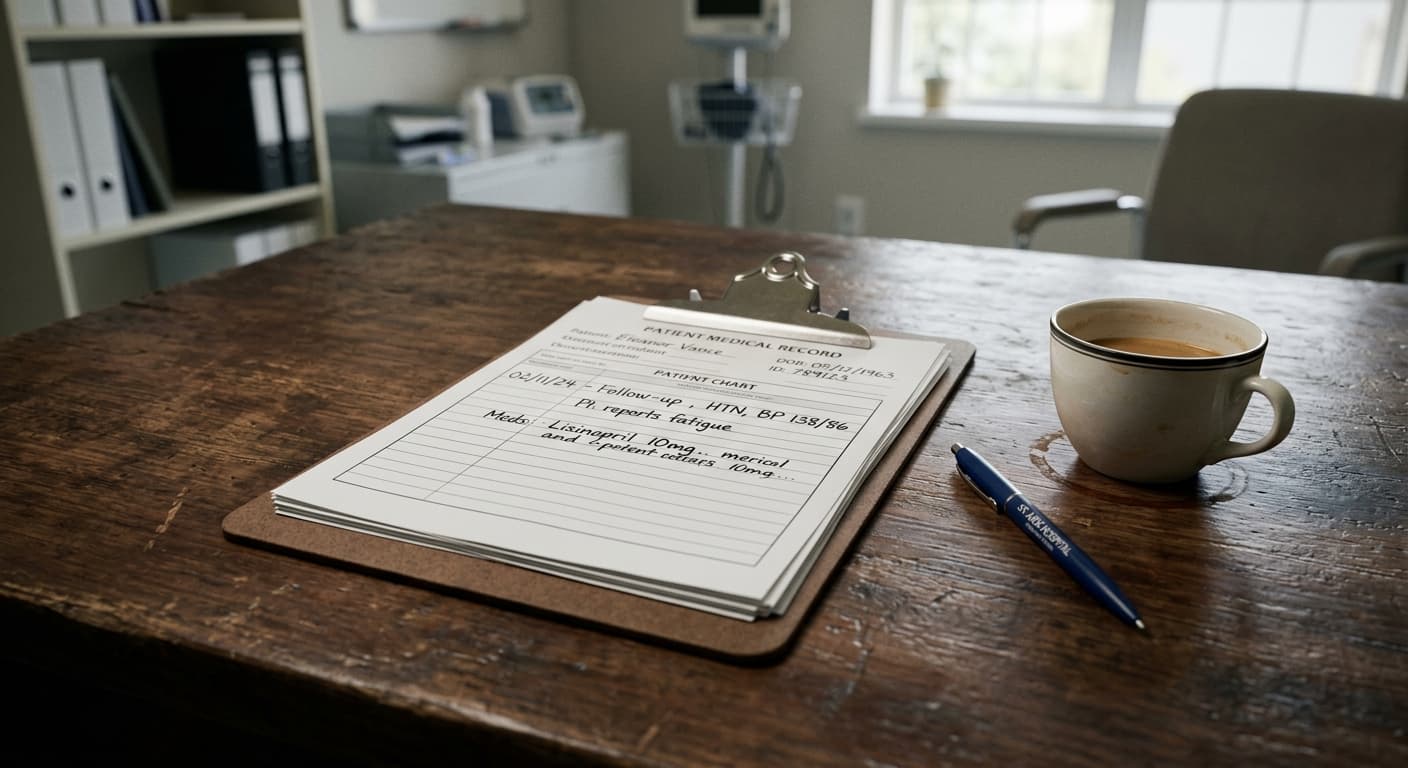
Recording a medical conversation in Illinois requires consent from all parties under the Illinois Eavesdropping Act (720 ILCS 5/14-2). HIPAA separately restricts how healthcare providers handle recorded patient information. Patients who record without the doctor's consent commit a Class 4 felony under 720 ILCS 5/14-4 for a first offense, escalating to a Class 3 felony for a subsequent offense.
Recording in medical settings in Illinois involves a complex intersection of the state eavesdropping statute, federal HIPAA regulations, state medical confidentiality laws, and healthcare facility policies. The all-party consent requirement under 720 ILCS 5/14-2 applies to private medical conversations. The Health Insurance Portability and Accountability Act (HIPAA) governs the privacy of protected health information. And Illinois-specific statutes like the Mental Health and Developmental Disabilities Confidentiality Act (740 ILCS 110) provide additional protections for sensitive medical communications.
Patient Recording of Medical Appointments
Can Patients Record Doctor Visits?
Patients in Illinois cannot automatically record medical appointments without the consent of all parties to the conversation. Under the all-party consent eavesdropping statute, a conversation between a patient and doctor in a private examination room is a "private conversation" because:
- Both parties intend the medical discussion to remain confidential
- The closed examination room creates a reasonable expectation of privacy
- Medical confidentiality norms reinforce the expectation that the conversation is private
Recording a private medical conversation without the doctor's consent is a Class 4 felony under 720 ILCS 5/14-4 for a first offense, carrying 1 to 3 years in prison and up to $25,000 in fines; a subsequent offense is a Class 3 felony (2 to 5 years).
How to Record a Medical Appointment Legally
If you want to record a medical appointment in Illinois:
- Ask permission before the appointment. Contact the provider's office in advance and ask about their recording policy.
- Get verbal consent at the start of the visit. Before activating any recording device, inform the doctor and all other healthcare personnel in the room that you would like to record.
- Respect refusals. If the provider or any party in the room declines, you must not record.
- Ask for notes or a summary instead. If recording is not permitted, ask the provider to provide written notes or a visit summary.
- Check the facility's policies. Hospitals and clinics often have their own recording policies that may be stricter than state law.
Why Patients Want to Record
Research published in medical journals shows that patients retain only a fraction of what doctors tell them during appointments. Recording is particularly helpful for:
- Complex diagnoses and treatment plans
- Medication instructions and dosing schedules
- Post-surgical care instructions
- Second opinion consultations
- Appointments where the patient is under the influence of anesthesia or pain medication
Many healthcare providers support patient recording because it improves adherence to treatment plans. The American Medical Association has acknowledged that patient recording of office visits can be beneficial, while emphasizing the importance of consent.
HIPAA and Recording
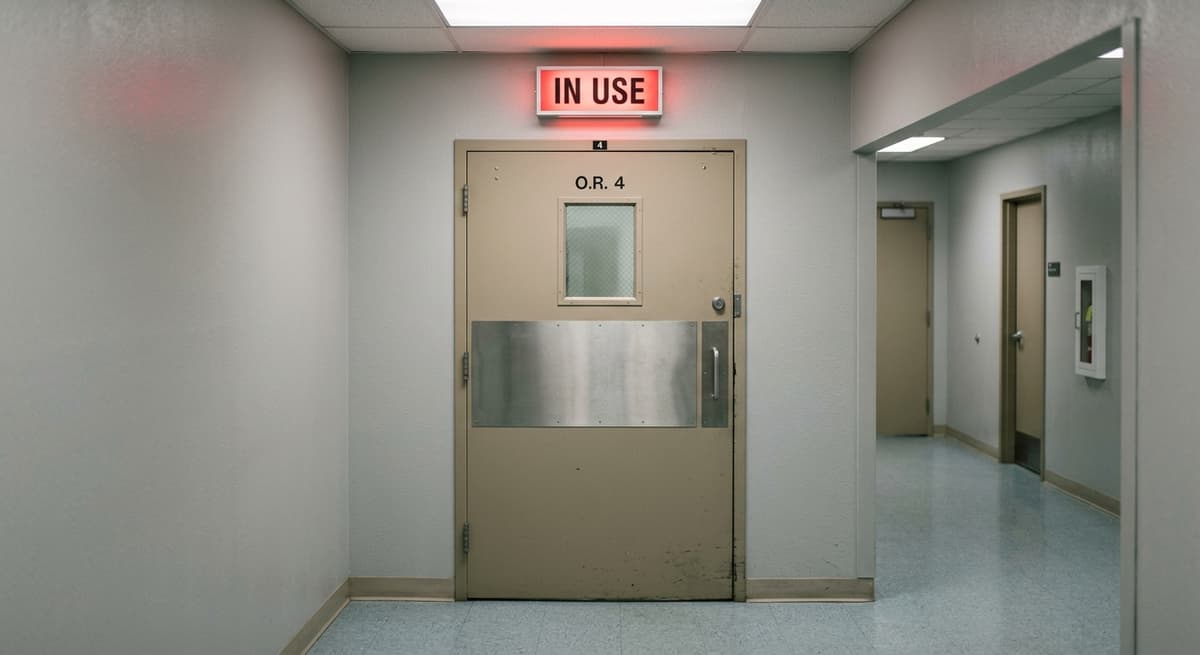
What HIPAA Protects
The Health Insurance Portability and Accountability Act (HIPAA) establishes federal standards for protecting the privacy of individually identifiable health information, known as Protected Health Information (PHI). HIPAA applies to "covered entities," including:
- Healthcare providers (doctors, hospitals, clinics, pharmacies)
- Health plans (insurance companies, HMOs)
- Healthcare clearinghouses
- Business associates of covered entities
HIPAA and Patient Recordings
HIPAA does not directly prohibit patients from recording their own medical appointments. HIPAA regulates what covered entities do with PHI, not what patients do with their own health information. However:
- A healthcare provider can refuse to allow recording based on their own policies
- If a patient records an appointment, the recording may contain other patients' PHI if other conversations are captured (such as in a shared waiting room)
- Healthcare facilities can establish reasonable rules about recording on their premises
Provider Recording of Patients
Healthcare providers who want to record patient interactions must comply with both HIPAA and the Illinois eavesdropping statute:
- HIPAA authorization: The provider must obtain written authorization from the patient before using or disclosing PHI through a recording
- Eavesdropping consent: The provider must obtain all-party consent under Illinois law before recording a private medical conversation
- Documentation: The authorization and consent should be documented in the patient's medical record
The Illinois Mental Health Confidentiality Act
Enhanced Protections for Mental Health Records
The Mental Health and Developmental Disabilities Confidentiality Act (740 ILCS 110) provides protections for mental health records and communications that go beyond both HIPAA and the general eavesdropping statute. Under this Act:
- Communications between a therapist and a patient are confidential
- Mental health records cannot be disclosed without patient consent except in specific statutory circumstances
- The therapist-patient privilege protects these communications in legal proceedings
Recording therapy sessions, counseling appointments, or psychiatric evaluations requires consent from both the patient and the mental health provider. The heightened confidentiality protections under this Act reinforce the expectation of privacy in mental health settings.
Exceptions to Mental Health Confidentiality
The Act provides limited exceptions where disclosure (and potentially recording) may occur without patient consent:
- When there is a risk of imminent physical harm to the patient or others (duty to warn)
- In child abuse or neglect reporting
- Court-ordered evaluations and involuntary commitment proceedings
- When required by other specific statutes
Hospital and Clinic Security Cameras
Permitted Camera Locations
Healthcare facilities may install security cameras in areas where patients do not have a reasonable expectation of bodily privacy:
- Hospital lobbies and waiting areas
- Parking lots and garages
- Hallways and corridors
- Emergency room triage areas (with limitations)
- Administrative offices
- Pharmacy counters (for security)
- Building entrances and exits
Prohibited Camera Locations
Cameras are prohibited in areas where patients have bodily privacy expectations:
- Patient rooms: Both private and semi-private rooms during care
- Examination rooms: Where patients undress for medical examinations
- Bathrooms: All patient and visitor restrooms
- Operating rooms: During surgical procedures (except for clinical recording with proper consent)
- Labor and delivery rooms: Where patients have a strong expectation of privacy
- Psychiatric units: Where patients have heightened privacy concerns
Placing cameras in these locations violates the voyeurism statute under 720 ILCS 5/26-4, with penalties of up to a Class 4 felony.
Special Exception: Patient Safety Monitoring
In limited clinical circumstances, video monitoring of patients may be medically necessary:
- Fall risk monitoring: Patients at high risk of falls may be monitored by video in their rooms, but consent from the patient or their legal representative should be obtained
- Seizure monitoring: Epilepsy monitoring units use continuous video recording as part of treatment
- Psychiatric observation: Patients on suicide watch or psychiatric holds may be monitored, with appropriate clinical justification
In each case, the monitoring must serve a legitimate medical purpose, and appropriate consent and notice procedures should be followed.
Telemedicine Recording
Recording Telehealth Visits
Telemedicine has expanded significantly in Illinois, raising recording questions for virtual medical appointments. Under Illinois law:
- A telehealth visit is a private electronic communication subject to the eavesdropping statute
- Recording a telehealth visit requires consent from all parties (patient and provider)
- Most telehealth platforms notify participants when recording begins
- Providers who record telehealth visits must comply with both HIPAA authorization requirements and Illinois consent law
Patient Recording of Telehealth
Patients who want to record their telehealth appointments should follow the same consent procedures as in-person visits. The fact that the visit occurs over a digital platform does not change the consent requirement. Screen recording or audio capture of a telehealth visit without the provider's consent is a Class 4 felony.
Recording in Emergency Situations
Emergency Room Recording
Emergency rooms present unique recording challenges:
- The fast pace and life-threatening circumstances may make formal consent procedures impractical
- Family members often want to record to document care decisions
- Healthcare providers are focused on treatment rather than recording policies
Illinois law does not create a specific emergency exception to the eavesdropping statute for medical settings. However:
- Conversations in busy, open emergency treatment areas may have a reduced expectation of privacy
- The fear of crime exception under 720 ILCS 5/14-3(i) may apply if a patient or family member reasonably suspects medical malpractice or criminal negligence
- Recordings of 911 calls are exempt from the consent requirement under 720 ILCS 5/14-3
Family Members Recording Patient Care
Family members who want to record a loved one's medical care should:
- Ask the healthcare provider for permission before recording
- Avoid capturing other patients' conversations or information
- Focus recording on conversations directly relevant to their family member's care
- Remember that recording without consent remains a felony regardless of the circumstances
Medical Malpractice and Recording
Using Recordings in Malpractice Cases
Recordings of medical conversations can be important evidence in medical malpractice cases. However, the recording must be lawfully obtained to be admissible:
- Recordings made with all-party consent are admissible
- Recordings made under a valid exception (such as the fear of crime exception) may be admissible if the requirements are met
- Illegally obtained recordings are generally inadmissible in Illinois courts
The Fear of Crime Exception in Medical Settings
The fear of crime exception under 720 ILCS 5/14-3(i) has potential application in medical settings when a patient reasonably suspects a healthcare provider is committing a criminal offense. However:
- Standard medical malpractice (negligence) is a civil matter, not a criminal offense
- Criminal medical conduct, such as intentional harm, fraud, or sexual assault during treatment, may qualify
- The exception requires reasonable suspicion at the time of recording, not retrospective justification
Patients who suspect criminal conduct by a healthcare provider should consult an attorney before relying on the fear of crime exception.
BIPA in Healthcare Settings
Biometric Data in Healthcare
Healthcare facilities that collect biometric identifiers from patients or visitors trigger BIPA compliance obligations:
- Fingerprint scanners used for patient identification or access control
- Facial recognition cameras in healthcare facility entrances
- Iris scanners for high-security areas
- Palm vein scanners for patient check-in systems
BIPA requires the same informed written consent, purpose disclosure, and data retention policies in healthcare settings as in any other context. The healthcare exception in BIPA is narrow: it exempts HIPAA-covered information used for healthcare treatment, payment, or operations, but it does not exempt all biometric collection by healthcare facilities.
Employee Biometrics in Healthcare
Healthcare facilities that use biometric systems for employee timekeeping, access control, or identification must comply with BIPA for employee biometric data. This includes obtaining written consent from each employee and maintaining proper data retention and destruction policies.
More Illinois Recording Laws
Audio Recording | Video Recording | Voyeurism & Hidden Cameras | Workplace Recording | Recording Police | Phone Call Recording | Security Cameras | Recording in Public | Landlord-Tenant | Dashcam Laws | Schools | Medical Recording
Back to Illinois Recording Laws
More Illinois Recording Topics
More Illinois Laws
Frequently Asked Questions
Can I record my doctor visit in Illinois?
You can record a doctor visit only with consent from all parties in the room. Medical conversations in private examination rooms are considered private under the Illinois eavesdropping statute (720 ILCS 5/14-2). Ask your doctor at the start of the appointment if you may record. If they agree, you may proceed. If they decline, you cannot legally record.
Does HIPAA prevent me from recording my own medical appointment?
HIPAA does not directly prohibit patients from recording their own medical appointments. HIPAA regulates how healthcare providers handle Protected Health Information, not what patients do with their own health information. However, the Illinois eavesdropping statute separately requires all-party consent, and healthcare facilities can set their own recording policies.
Can hospitals put security cameras in patient rooms?
Generally no. Patient rooms are areas where patients have a reasonable expectation of bodily privacy. Limited exceptions exist for medically necessary monitoring, such as fall risk patients, seizure monitoring, or psychiatric observation, where proper consent and clinical justification exist. General security cameras in patient rooms are prohibited.
Can I record a telehealth appointment in Illinois?
Recording a telehealth appointment requires consent from all participants, just like an in-person visit. The telehealth visit is a private electronic communication under the eavesdropping statute. Ask your provider for permission before recording. Screen recording or audio capture without consent is a Class 4 felony for a first offense under 720 ILCS 5/14-2 and 5/14-4, escalating to a Class 3 felony for a subsequent offense.
Are mental health sessions more protected from recording in Illinois?
Yes. The Mental Health and Developmental Disabilities Confidentiality Act (740 ILCS 110) provides heightened confidentiality protections for mental health communications beyond the general eavesdropping statute. Recording therapy sessions or psychiatric appointments requires consent from both the patient and the mental health provider.
Updates
Corrected the penalty for recording a doctor visit or telehealth appointment without consent, which the page stated as a flat Class 2 felony in three places (including one place that contradicted the page's own correct Class 4 statement elsewhere): it is actually a Class 4 felony for a first offense (1 to 3 years) and Class 3 felony for a subsequent offense (2 to 5 years) under 720 ILCS 5/14-4. Also fixed the fear-of-crime exception citation from 720 ILCS 5/14-3(h) to the correct 5/14-3(i) in two places, and replaced a dead Mental Health Confidentiality Act citation link.
Independently fact-checked against the cited primary sources; governing law re-checked for recent changes
Spoke propagation refresh. Corrected eavesdropping penalty from Class 4 to Class 2 felony (up to 5 years) per 720 ILCS 5/14-4 and parent hub audit. Corrected law enforcement eavesdropping penalty from Class 3 to Class 1 felony (4 to 15 years). Corrected fear-of-crime exception from 14-3(i) to 14-3(h) where misattributed. Fixed SourcesList prop (sources to citations). Updated More Illinois Laws anchor text. Added People v. Clark and ACLU v. Alvarez citations where missing.
Spoke propagation refresh (2026-05-15) introduced two errors this pass corrects: basic eavesdropping (including patient recording of doctor visits and telehealth) is a Class 4 felony (1 to 3 years) for a first offense and Class 3 felony (2 to 5 years) for a subsequent offense per 720 ILCS 5/14-4, not a flat Class 2; and the fear-of-crime exception is 720 ILCS 5/14-3(i), not 14-3(h). Also fixed a dead Mental Health Confidentiality Act citation link.
Reviewed and approved by an editor
The Law Behind This Article
This article rests on the statutory provisions below, held in our own legal record and retrieved from the official source. Tap a section to read the operative text.
Illinois Compiled Statutes Chapter 720, Act 5 (Criminal Code of 2012)
§ 14-2Elements of the offense; affirmative defenseIn forcecited in 13 of our articles
(a) A person commits eavesdropping when he or she knowingly and intentionally: (1) Uses an eavesdropping device, in a surreptitious manner, for the purpose of overhearing, transmitting, or recording all or any part of any private conversation to which he or she is not a party unless he or she does so with the consent of all of the parties to the private conversation; (2) Uses an eavesdropping device, in a surreptitious manner, for the purpose of transmitting or recording all or any part of any private conversation to which he or she is a party unless he or she does so with the consent of all other parties to the private conversation; (3) Intercepts, records, or transcribes, in a surreptitious manner, any private electronic communication to which he or she is not a party unless he or she does so with the consent of all parties to the private electronic communication; (4) Manufactures, assembles, distributes, or possesses any electronic, mechanical, eavesdropping, or other device knowing that or having reason to know that the design of the device renders it primarily useful for the purpose of the surreptitious overhearing, transmitting, or recording of private conversations or the…
Official text (excerpt) · last checked 2026-08-31 · Read the full text in our law library · Verify at ilga.gov
Also relied on in: Illinois Recording Laws (2026): All-Party Consent Rules, Illinois Audio Recording Laws: All-Party Consent Rules and Penalties (2026), Illinois Security Camera Laws: BIPA, Audio Rules, and Placement (2026)
Search our full record of US law — 2.1 million sections, every state + federal →
Sources and References
- 720 ILCS 5/14-2 - Elements of Eavesdropping Offense(ilga.gov).gov
- 720 ILCS 5/14-3 - Exemptions(ilga.gov).gov
- 720 ILCS 5/26-4 - Voyeurism Statute(ilga.gov).gov
- 740 ILCS 110 - Mental Health Confidentiality Act(ilga.gov).gov
- HIPAA - HHS(hhs.gov).gov
- 740 ILCS 14 - BIPA(ilga.gov).gov