
Louisiana
Louisiana Ring Doorbell Laws: What You Need to Know in 2026
Independently fact-checked against primary sources (last audited August 17, 2026). · Reviewed by the RecordingLaw editorial team. · Law checked current as of August 17, 2026. · 6 primary sources cited on this page. How we verify our legal content
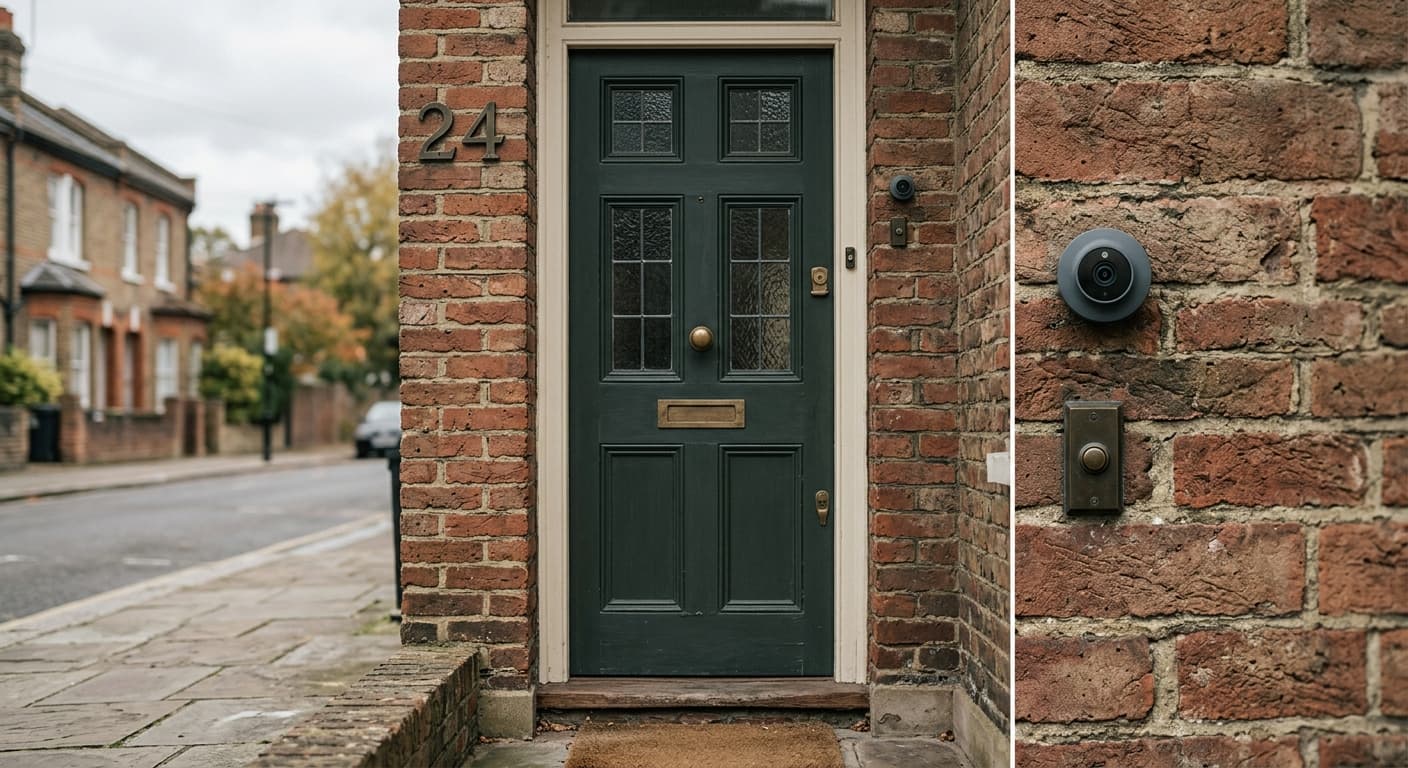
Ring doorbells are legal in Louisiana. Video recording your own property is permitted, and audio recording is lawful under La. R.S. 15:1303 when you participate in the conversation. Recording third-party conversations without your presence may constitute illegal interception under the same statute.
Louisiana's recording laws carry some of the steepest penalties in the nation, making it important for Ring doorbell owners to understand exactly where the legal lines fall. The state's Electronic Surveillance Act governs audio recording, while separate voyeurism statutes address video. This guide covers how these laws apply to Ring doorbells, along with HOA restrictions, landlord-tenant rights, law enforcement access rules, and the specific penalties for violations.
Louisiana Audio Recording Laws and Ring Doorbells
Louisiana is a one-party consent state for audio recording. Under the Electronic Surveillance Act, La. R.S. 15:1303, it is unlawful to intentionally intercept any wire, electronic, or oral communication. However, the statute includes a critical exception: it is not unlawful for a person to intercept a communication where that person is a party to the communication, or where one of the parties has given prior consent to the interception.
This means your Ring doorbell can legally record the audio of any conversation you are part of at your front door. Your participation provides the required one-party consent.

One-Party Consent and Ring Doorbell Audio
When you speak with someone at your door through the Ring app or in person, the recording is lawful because you are a party to the conversation. This applies whether the visitor is a neighbor, a delivery driver, a solicitor, or anyone else.
The legal question becomes more nuanced when your Ring doorbell captures conversations between third parties on your porch while you are not present. Under a strict reading of La. R.S. 15:1303, recording a conversation without the consent of at least one party to that conversation could constitute illegal interception. No Louisiana appellate court has issued a ruling specifically addressing passive doorbell recordings of third-party conversations, so the legal risk remains uncertain.
Given Louisiana's severe penalties for wiretapping violations (discussed below), homeowners who want to minimize legal exposure may consider disabling audio recording in the Ring app when they are not actively monitoring their doorbell.
Reasonable Expectation of Privacy
Louisiana's Electronic Surveillance Act protects "oral communications," which the statute defines as communications uttered by a person exhibiting an expectation that the communication is not subject to interception, under circumstances justifying that expectation. Conversations in public spaces, where speakers have no reasonable expectation of privacy, fall outside the statute's protection.
A front porch is generally considered a semi-public area. Visitors who approach your door enter a space that is open and visible from the street. Courts in other jurisdictions have found that conversations on open front porches carry a diminished expectation of privacy. While Louisiana courts have not addressed this specific scenario in the Ring doorbell context, the semi-public nature of a front porch may reduce the legal risk associated with incidental audio capture.
Video Recording Laws and Ring Doorbells in Louisiana
Louisiana does not have a general residential video surveillance statute. Video recording with a Ring doorbell is governed by the state's video voyeurism law, La. R.S. 14:283, and general privacy principles.
Recording video of your own property, including your front door, porch, walkway, driveway, and the street in front of your home, is lawful. These are areas where people do not have a reasonable expectation of privacy. A Ring doorbell aimed at your entryway operates well within legal boundaries for video surveillance.
Video Voyeurism Under La. R.S. 14:283
Louisiana's video voyeurism statute covers the use of any camera, videotape, or image recording device to observe, view, photograph, film, or videotape a person who has not consented to that specific instance of recording. Non-consent alone is not enough. The statute requires one of two further conditions under La. R.S. 14:283(A)(1).
The first is that the recording is for a lewd or lascivious purpose. The second is that the recording captures the sexual or intimate imagery described in La. R.S. 14:283(B)(3), meaning sexual intercourse, masturbation, or specified intimate body parts, and occurs in a place where an identifiable person has a reasonable expectation of privacy.
The reasonable-expectation-of-privacy prong is not a freestanding trigger. Ordinary, non-lewd recording of someone in a private place is not video voyeurism under this statute unless the imagery itself falls within the sexual or intimate categories the law lists.
The statute also covers the use of unmanned aircraft systems (drones) equipped with cameras. A Ring doorbell mounted in a standard position on your front door would not implicate this law. The concern arises when cameras are positioned to capture intimate imagery of people through windows, in bathrooms, or in other areas where privacy is reasonably expected.
A video voyeurism conviction triggers mandatory sex offender registration. La. R.S. 14:283(F) makes the offense a sex offense and provides that whoever commits it shall be required to register under Chapter 3-B of Title 15, and the registration duty itself is imposed by La. R.S. 15:542. The requirement does not depend on the conviction being a second or subsequent offense, which makes Louisiana's video voyeurism penalties particularly consequential.
Neighbor Privacy and Camera Placement
Pointing a security camera at a neighbor's house is not inherently illegal in Louisiana when the camera serves a legitimate home security purpose. The front of a neighbor's property visible from the street or from your own property does not carry a reasonable expectation of privacy.
However, deliberately aiming a Ring camera or associated outdoor camera at a neighbor's windows, enclosed patio, fenced backyard, or other private spaces could give rise to a civil invasion of privacy claim. Louisiana Civil Code Article 667 addresses the obligations of property owners to avoid causing unreasonable interference with neighboring properties, and courts could apply these principles to intrusive surveillance.
Short-Term Rental Camera Restrictions
Louisiana has a specific statute addressing cameras in short-term rental properties. La. R.S. 21:61 restricts, but does not flatly ban, cameras at short-term rental properties. An owner or lessor may install or use a camera only in "common areas" (all areas of the structure except bedrooms and bathrooms), and only after conspicuously posting a sign stating that electronic surveillance equipment is installed and that common-area activity is subject to recording.
The threshold question for a Ring doorbell is whether it is a "camera" under this statute at all. La. R.S. 21:61(A)(1) defines "camera" as a camcorder, motion picture camera, photographic camera of any type, or other equipment "that is concealed or disguised to secretly or surreptitiously videotape, film, photograph, record, or view a person by electronic means." A plainly visible, manufacturer-branded doorbell camera mounted at the front entrance is neither concealed nor disguised, so it likely falls outside that definition entirely and triggers no sign requirement. A hidden camera at the same rental would be squarely within it.
No Louisiana court has applied that definition to a doorbell camera as of April 2026. Because posting the notice sign costs almost nothing and settles the question either way, short-term rental operators who use any camera are better off posting it. What the statute plainly does not allow under any reading is a camera positioned to capture the interior of a bedroom or bathroom. Short-term rental operators should consult with a Louisiana attorney to understand how this statute applies to their specific situation.
HOA Rules and Ring Doorbells in Louisiana
Louisiana does not have a state law specifically addressing HOA authority over doorbell cameras. HOAs in Louisiana govern through their declarations of covenants, conditions, and restrictions (CC&Rs), bylaws, and architectural guidelines, which derive their authority from the Louisiana Condominium Act and the state's property law framework.
Architectural Review and Approval
Many Louisiana HOAs require homeowners to submit an architectural modification request before installing exterior devices like Ring doorbells. The architectural review committee (ARC) may impose requirements regarding device color, size, placement, and visibility from common areas or the street.
Some communities have adopted specific security camera policies that address doorbell cameras. These policies may permit video recording while restricting audio capture, require cameras to point only toward the homeowner's property, or specify approved device models that match the community's aesthetic standards.
HOA Authority and Limitations
Louisiana HOAs have broad authority to regulate exterior modifications within their communities. If the CC&Rs include provisions about exterior alterations, a Ring doorbell installation could require prior approval. Homeowners who install without approval risk fines, mandatory removal, or legal action from the HOA.
At the same time, an HOA likely cannot impose a total ban on security devices. Louisiana law recognizes homeowners' legitimate interest in protecting their property, and a court might view a blanket prohibition on all doorbell cameras as unreasonable. The more defensible approach for HOAs is to regulate placement and appearance rather than prohibit security devices entirely.
Homeowners in Louisiana HOA communities should review their community's governing documents and submit any required requests before installing a Ring doorbell.
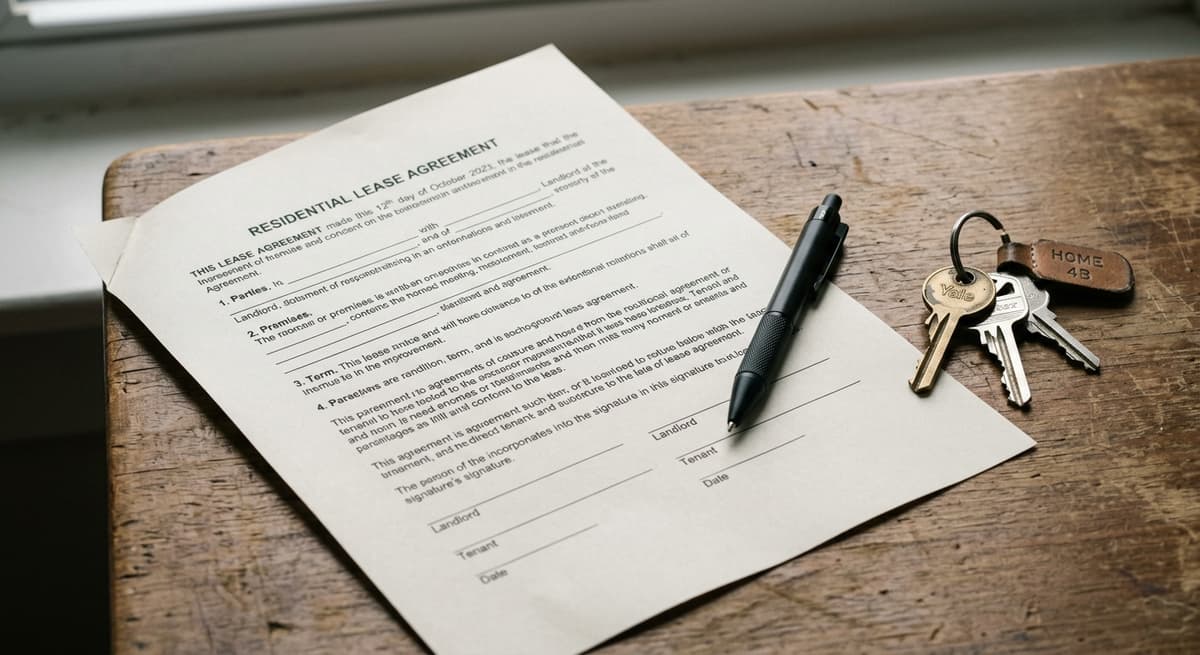
Landlord and Tenant Rights for Ring Doorbells in Louisiana
Louisiana's landlord-tenant law, primarily governed by the Louisiana Civil Code (Articles 2668 through 2729), does not specifically address doorbell camera installation. General principles of lease law and property modification apply.
Tenant Installation Rights
Tenants in Louisiana typically need landlord permission before installing a Ring doorbell. Louisiana Civil Code Article 2692 requires a tenant to repair any damage or deterioration to the leased property caused by use that exceeds normal, agreed-upon use, but it does not itself require landlord consent for exterior modifications. Even so, mounting a doorbell camera on the exterior of a building, even a battery-operated model, is the kind of alteration most Louisiana leases require prior landlord approval for, since attaching hardware to the structure can create exactly the sort of excess-use damage Article 2692 makes the tenant responsible for repairing.
Tenants can generally install cameras inside their own rental unit without landlord permission, provided the cameras record only within the tenant's private living space. Cameras pointed at common areas, neighboring units, or the exterior of the building require landlord approval.
Landlord Surveillance Restrictions
Louisiana landlords can install security cameras in common areas of multi-unit properties, such as building entrances, hallways, parking areas, and shared amenities. These areas lack a reasonable expectation of privacy.
Landlords cannot install cameras inside a tenant's individual unit without explicit consent. Doing so could violate the Electronic Surveillance Act (for audio recording) and constitute an invasion of privacy. A landlord who installs a Ring doorbell that captures audio or video inside a tenant's home without consent faces both criminal and civil liability.
Short-Term Rental Landlords
As noted above, La. R.S. 21:61 allows short-term rental owners to install cameras only in common areas (excluding bedrooms and bathrooms) and only with a posted notice sign, but the statute defines "camera" as equipment that is concealed or disguised. A visible Ring doorbell at the entrance likely sits outside that definition. Landlords who rent properties through platforms like Airbnb should still consider posting the notice sign, since it resolves the question at almost no cost, and should never use a concealed camera anywhere on the premises without it.
Law Enforcement Access to Ring Doorbell Footage in Louisiana
Louisiana law enforcement can access Ring doorbell footage through established legal procedures. The Fourth Amendment and Article I, Section 5 of the Louisiana Constitution protect residents from unreasonable searches and seizures, including searches of digital recordings.
Warrant and Subpoena Requirements
Police in Louisiana generally need a search warrant based on probable cause to compel a homeowner to turn over Ring footage. The warrant must specify the recordings sought and the relevant time period. Law enforcement can also use a grand jury subpoena or court order to obtain footage.
No published Louisiana appellate decision has addressed how these protections apply specifically to privately held home security recordings, so the analysis rests on general search-and-seizure principles rather than on doorbell-camera precedent.
Voluntary Cooperation
Ring owners in Louisiana can voluntarily share footage with police at any time. Officers investigating a crime in your neighborhood may knock on your door and ask to review your Ring footage. You have the right to agree or decline. Voluntary sharing does not require a warrant or any legal process.
Ring's Law Enforcement Policies
Ring responds to legally valid government demands, including search warrants, subpoenas, and court orders. In early 2024, Ring ended its "Request for Assistance" feature that allowed police to request footage directly from users through the Neighbors app.
As of 2025, Ring has partnered with Axon to reintroduce voluntary features enabling police to request footage from Ring users. Ring also retains the authority to share footage without user consent in situations involving "danger of death or serious physical injury," with Amazon making that determination internally.
The FTC's 2023 enforcement action against Ring resulted in a $5.8 million settlement and required Ring to implement stronger privacy protections, including restrictions on employee access to customer videos and mandatory multi-factor authentication.
Penalties for Illegal Recording in Louisiana
Louisiana imposes some of the most severe penalties in the country for illegal recording.
Electronic Surveillance Act Violations (La. R.S. 15:1303)
Violating Louisiana's Electronic Surveillance Act by illegally intercepting, recording, or disclosing wire, electronic, or oral communications carries a prison sentence of 2 to 10 years at hard labor and a fine of up to $10,000. This applies to audio recording violations, such as using a Ring doorbell to intentionally record private conversations without the consent of any party.
Civil Damages for Wiretapping
Beyond criminal penalties, victims of illegal interception can pursue civil remedies under La. R.S. 15:1312. The statute allows recovery of actual damages, $100 per day of violation or $1,000 (whichever is greater), punitive damages, and reasonable attorney's fees and litigation costs. This civil remedy provides a significant financial incentive for victims to pursue claims.
Video Voyeurism Penalties (La. R.S. 14:283)
A first conviction for video voyeurism carries a fine of up to $2,000 and imprisonment of up to 2 years, with or without hard labor. A second or subsequent conviction increases the penalty to a fine of up to $2,000 and imprisonment at hard labor for 6 months to 3 years, without benefit of parole, probation, or suspension of sentence.
Two enhanced tiers apply to specific content. Under La. R.S. 14:283(B)(3), video voyeurism that captures sexual intercourse, masturbation, or the specified intimate body parts carries a fine of up to $10,000 and imprisonment at hard labor for 1 to 5 years, without benefit of parole, probation, or suspension of sentence.
Under La. R.S. 14:283(B)(4), video voyeurism of a child under 17 committed "with the intention of arousing or gratifying the sexual desires of the offender" carries a fine of up to $10,000 and imprisonment at hard labor for 2 to 10 years, without benefit of parole, probation, or suspension of sentence. That intent element is part of the offense. A doorbell camera that incidentally records a child walking up the front steps does not fall within this tier.
All video voyeurism convictions require mandatory sex offender registration.

Invasion of Privacy Civil Claims
Louisiana recognizes civil causes of action for invasion of privacy under its general tort law. A neighbor or visitor who believes a Ring doorbell violates their privacy could pursue a civil lawsuit seeking compensatory damages, punitive damages, and injunctive relief requiring the camera to be repositioned or removed.
How to Use a Ring Doorbell Legally in Louisiana
Given Louisiana's steep penalties for recording violations, following these guidelines is particularly important:
Position your camera at your own entryway. Aim your Ring doorbell at your front door, porch, and walkway. Avoid directing the camera toward a neighbor's windows, enclosed patios, or fenced private areas. The camera may incidentally capture portions of a neighbor's visible property without creating legal issues.
Consider the audio recording risks. Louisiana's 2-to-10-year felony penalty for illegal interception makes audio recording a serious concern. If you are worried about capturing third-party conversations when you are not present, disable audio recording through the Ring app's privacy settings.
Know the short-term rental rules. La. R.S. 21:61 governs concealed or disguised cameras at short-term rentals, limiting them to common areas outside bedrooms and bathrooms and requiring a posted notice sign. A plainly visible Ring doorbell likely falls outside that definition, but posting the notice sign is a low-cost way to remove any question. Consult an attorney before installing a camera on a rental property listed on platforms like Airbnb.
Check your HOA guidelines. Review the CC&Rs and architectural review requirements in your community before installing a Ring doorbell. Submit a formal request if required, and keep a copy of any written approval.
Get landlord permission if renting. Tenants should obtain written landlord approval before mounting a Ring doorbell on the exterior of a rental property. Discuss removal obligations and any damage repair expectations before installation.
Use Ring's privacy features. Configure motion zones to limit detection to your property. Enable end-to-end encryption for stored footage. Keep your Ring software and firmware updated to protect against security vulnerabilities.
Understand law enforcement access. You can share footage voluntarily, but police generally need a warrant to compel production. If you receive a formal legal request for footage, consulting an attorney before responding is a prudent step.
More Louisiana Laws
Ring doorbell regulations are one piece of Louisiana's legal landscape. These related guides cover other important topics:
- Louisiana Recording Laws explain the full scope of one-party consent rules for phone calls, in-person conversations, and workplace recording across the state.
- Louisiana Hit and Run Laws detail what drivers are required to do after an accident and the penalties for leaving the scene.
- Louisiana Lemon Law covers protections for buyers who purchase defective new or used vehicles.
This article provides general legal information about Ring doorbell camera laws in Louisiana. Laws can change, and their application depends on specific circumstances. Consult an attorney licensed in Louisiana for advice specific to your situation. Information is current as of April 2026.
Frequently Asked Questions
Is it legal to have a Ring doorbell in Louisiana?
Yes, Ring doorbells are legal in Louisiana for residential use. Video recording of your own property is permitted, and audio recording is lawful under the one-party consent rule in La. R.S. 15:1303 when you participate in the conversation. Position the camera at your own entryway and avoid recording private areas of neighboring properties.
Can my neighbor record me with a Ring doorbell in Louisiana?
A neighbor can legally record video of areas visible from their property, which may include portions of your yard visible from the street. If a neighbor's camera is deliberately aimed at your windows or private spaces, or captures audio of your conversations without your consent, it could violate Louisiana's Electronic Surveillance Act or give rise to a civil privacy claim.
What are the penalties for illegal recording in Louisiana?
Louisiana imposes some of the harshest recording penalties in the country. Violating the Electronic Surveillance Act carries 2 to 10 years at hard labor and a $10,000 fine. Video voyeurism carries up to 2 years for a first offense, with mandatory sex offender registration. Civil damages for illegal wiretapping include actual damages, statutory damages, punitive damages, and attorney's fees.
Can I use a Ring doorbell on my Airbnb in Louisiana?
Most likely yes. La. R.S. 21:61 defines 'camera' as equipment that is concealed or disguised to secretly or surreptitiously record, so a plainly visible Ring doorbell at the entrance probably falls outside the statute and triggers no sign duty. Where the statute does apply, it permits cameras only in common areas (everywhere except bedrooms and bathrooms) and only after the specified notice sign is posted. No Louisiana court has tested that definition against a doorbell camera, so posting the notice anyway is the low-cost safe course, and consulting a Louisiana attorney is recommended.
Can Louisiana police access my Ring doorbell footage?
Police generally need a warrant or court order to compel access to your Ring footage. You can voluntarily share recordings with law enforcement. Ring may also disclose footage to police without your consent in emergency situations involving imminent danger of death or serious physical injury, with Amazon making that determination internally.
Updates
Corrected the video voyeurism section to state the statute's actual elements and penalty tiers, cited the correct sex offender registration provision, added the concealed-or-disguised definition that governs Louisiana's short-term rental camera law, and removed an unsupported claim about Louisiana case law.
Corrected two misrouted citation links (sex-offender-registration and civil-damages statutes) that pointed to the wrong Louisiana statute pages; the legal claims they supported were already accurate.
Independently fact-checked against the cited primary sources; governing law re-checked for recent changes
Corrected the description of La. R.S. 21:61 from a flat camera ban to its actual common-area-with-posted-notice rule (fixed across the key takeaways, two body sections, the how-to-comply checklist, and the FAQ), and corrected a fabricated 'good administrator' consent rule attributed to Civil Code Article 2692, which actually only covers a tenant's duty to repair excess-use damage.
Governing law re-checked for recent changes
Reviewed and approved by an editor
The Law Behind This Article
This article rests on the statutory provisions below, held in our own legal record and retrieved from the official source. Tap a section to read the operative text.
Louisiana Revised Statutes
§ 15:1303Interception and disclosure of wire, electronic, or oral communicationsIn forcecited in 36 of our articles
A. Except as otherwise specifically provided in this Chapter, it shall be unlawful for any person to: (1) Willfully intercept, endeavor to intercept, or procure any other person to intercept or endeavor to intercept, any wire, electronic or oral communication; (2) Willfully use, endeavor to use, or procure any other person to use or endeavor to use, any electronic, mechanical, or other device to intercept any oral communication when: (a) Such device is affixed to, or otherwise transmits a signal through, a wire, cable, or other like connection used in wire or electronic communication; or (b) Such device transmits communications by radio or interferes with the transmission of such communication; (3) Willfully disclose, or endeavor to disclose, to any other person the contents of any wire, electronic, or oral communication, knowing or having reason to know that the information was obtained through the interception of a wire, electronic, or oral communication in violation of this Subsection; or (4) Willfully use, or endeavor to use, the contents of any wire, electronic, or oral communication, knowing or having reason to know that the information was obtained through the…
Official text (excerpt) · last checked 2026-08-31 · Read the full text in our law library · Verify at legis.la.gov
Cited in 25 court opinions in our collectionLatest citing opinion in our collection: 2020
In the courts (editorial summary, independently checked):Louisiana courts apply the consent exception in La. R.S. 15:1303. Smith v. Smith (2005) held a parent may consent for a child where he has a good faith, reasonable basis that it serves the child’s best interest, placing the recording within 15:1303(C)(4). Keller v. Aymond (1998) held willfulness is not required for civil liability.
Opinions citing this section in our collection:
- Smith v. Smith (Louisiana Court of Appeal 2005, 923 So. 2d 732)✓A father secretly taped his daughter's calls with her mother in his own home during a custody fight; the court applied vicarious consent and held his good faith, objectively reasonable belief that taping served the child's best interest fell within La. R.S. 15:1303(C)(4).
- Johnson v. Aymond (Louisiana Court of Appeal 1998, 709 So. 2d 1072)✓A newspaper printed excerpts of a phone conversation a defendant had allegedly taped and handed out at a press conference; the court held those allegations, accepted as true, state a cause of action under the literal language of La. R.S. 15:1303(A)(4), and reversed the dismissal.
- Keller v. Aymond (Louisiana Court of Appeal 1998, 722 So. 2d 1224)✓A newspaper published excerpts of private calls taped by another and handed out at a press conference; the court held criminal willfulness under section 1303 is not needed for civil damages, and that fact issues over the paper's reason to know barred summary judgment under 1303.
Identified automatically from the court opinions citing this section — not a ranking of which case controls.
Also relied on in: Louisiana HB 410: Recording-Notice Bill Heads to the Governor (2026), Louisiana HB 475: Disclosure Required Before AI-Recorded Medical Visits, Louisiana Smart Glasses Recording Laws (2026)
§ 14:283Video voyeurism; penaltiesIn forcecited in 30 of our articles
A. Video voyeurism is any of the following: (1) The use of any camera, videotape, photo-optical, photo-electric, or any other image recording device, or an unmanned aircraft system equipped with any camera, videotape, photo-optical, photo-electric, or any other image recording device, for the purpose of observing, viewing, photographing, filming, or videotaping a person where that person has not consented to the specific instance of observing, viewing, photographing, filming, or videotaping and either: (a) It is for a lewd or lascivious purpose. (b) The observing, viewing, photographing, filming, or videotaping is as described in Paragraph (B)(3) of this Section and occurs in a place where an identifiable person has a reasonable expectation of privacy. (2) The transfer of an image obtained by activity described in Paragraph (1) of this Subsection by live or recorded telephone message, electronic mail, the Internet, or a commercial online service.
Official text (excerpt) · last checked 2026-08-31 · Read the full text in our law library · Verify at legis.la.gov
Cited in 16 court opinions in our collectionLatest citing opinion in our collection: 2024
In the courts (editorial summary, independently checked):In State v. Schaller (2009) a Louisiana appeals court set out the elements of La. R.S. 14:283 and, since the statute does not define lewd or lascivious, applied a definition of an act tending to excite lust, rejecting a claimed babysitting reason for a hidden bedroom camera. State v. Boudreaux (2006) found 56 consecutive years excessive.
Opinions citing this section in our collection:
- State v. Batiste (Supreme Court of Louisiana 2006, 939 So. 2d 1245)“…Batiste, charging him with video voyeurism, a violation of La. R.S. 14:283. [1] At his arraignment on December *…”
- State v. Boudreaux (Louisiana Court of Appeal 2006, 945 So. 2d 898)✓A stepfather hid a wireless camera in his 18-year-old stepdaughter's bedroom and taped her for four months. He pleaded guilty to 14 counts of video voyeurism, and the court vacated the 56-year consecutive sentence as excessive because the acts formed a single scheme.
- State v. Perry (Louisiana Court of Appeal 2012, 12 La.App. 3 Cir. 298)✓A houseguest was secretly videotaped drying off in the family's guest bathroom. The court affirmed the video voyeurism conviction and three-year sentence, addressing only whether the untimely pretrial motions were properly denied, not the reach of the statute.
Identified automatically from the court opinions citing this section — not a ranking of which case controls.
Also relied on in: Louisiana Audio Recording Laws: One-Party Consent Rules and Penalties, Louisiana Landlord-Tenant Recording Laws: Rights and Restrictions, Louisiana Recording Laws (2026): One-Party Consent Rules
§ 21:61Notice required for use of camera in short-term rental structuresIn forcecited in 6 of our articles
A. For the purposes of this Section, the following definitions apply: (1) "Camera" means a camcorder, motion picture camera, photographic camera of any type, or other equipment that is concealed or disguised to secretly or surreptitiously videotape, film, photograph, record, or view a person by electronic means. (2) "Common area" means all areas of the short-term rental structure, excluding any bedrooms or bathrooms. (3) "Short-term rental structure" means a building which may have previously been used as a one- or two-family dwelling but is rented from the owner of the structure by an unknown number of persons for a period of time not to exceed twenty-nine days. B.(1) Except as provided in Paragraph (2) of this Subsection, an owner or lessor of a short-term rental structure shall not install or use a camera on the premises of a short-term rental structure.
Official text (excerpt) · last checked 2026-07-29 · Read the full text in our law library · Verify at legis.la.gov
Also relied on in: Louisiana Surveillance Camera Laws (2026 Guide), Security Camera Sign Laws by State: Notice Rules
§ 15:1312Recovery of civil damages authorizedIn forcecited in 17 of our articles
A. Any person whose wire, electronic, or oral communication is intercepted, disclosed, or used in violation of this Chapter shall have a civil cause of action against any person who intercepts, discloses, or uses, or procures any other person to intercept, disclose, or use such communications, and be entitled to recover from any such person: (1) Actual damages, but not less than liquidated damages computed at the rate of one hundred dollars a day for each day of violation or one thousand dollars, whichever is greater. (2) A reasonable attorney's fee and other litigation costs reasonably incurred. (3) Punitive damages. B. A good faith reliance on a court order shall constitute a complete defense to any civil or criminal action brought under this Chapter.
Official text (excerpt) · last checked 2026-07-29 · Read the full text in our law library · Verify at legis.la.gov
Cited in 7 court opinions in our collectionLatest citing opinion in our collection: 2024
Opinions citing this section in our collection:
- Benoit v. Roche (Louisiana Court of Appeal 1995, 657 So. 2d 574)“…eets Act of 1968 authorize a civil damages cause of action. La.R.S. 15:1312; 18 U.S.C. § 2520 ; see also United S…”
- Keller v. Aymond (Louisiana Court of Appeal 1998, 722 So. 2d 1224)“…spaper before the plaintiffs can claim a civil remedy under La. R.S. 15:1312. Hence, the newspaper can be held civil…”
- Wingrave v. Hebert (Louisiana Court of Appeal 2007, 964 So. 2d 385)“…of this Chapter shall have a civil cause of action. . . ." La. R.S. 15:1312(A). The substance of LESA was first i…”
Identified automatically from the court opinions citing this section — not a ranking of which case controls.
Also relied on in: Louisiana Phone Call Recording Laws: What You Need to Know, Louisiana Security Camera Laws: Residential and Business Rules, Louisiana AI Meeting Recording Laws: One-Party Consent Rules
§ 15:541DefinitionsIn forcecited in 5 of our articles
For the purposes of this Chapter, the definitions of terms in this Section shall apply: (1) "Administration of criminal justice" means performance of any of the following activities: detection, apprehension, detention, pretrial release, post-trial release, prosecution, adjudication, correctional supervision, or rehabilitation of accused persons or criminal offenders. The term also includes criminal identification activities, the collection, storage, and dissemination of criminal history record information, and the compensation of victims of crime. (2) "Aggravated offense" means a conviction for the perpetration or attempted perpetration of, or conspiracy to commit, any of the following: (a)(i) Aggravated rape (R.S. 14:42), which occurred prior to August 1, 2015, and which shall include convictions for the perpetration or attempted perpetration of, or conspiracy to commit, aggravated oral sexual battery (formerly R.S. 14:43.4, Repealed by Acts 2001, No. 301, §2) occurring prior to August 15, 2001. (ii) First degree rape (R.S. 14:42) which occurred on or after August 1, 2015. (b)(i) Forcible rape (R.S. 14:42.1) which occurred prior to August 1, 2015.
Official text (excerpt) · last checked 2026-07-29 · Read the full text in our law library · Verify at legis.la.gov
Cross-referenced in the statute itself: § 14:283
Cited in 191 court opinions in our collectionLatest citing opinion in our collection: 2025
Opinions citing this section in our collection:
- State v. Williams (Louisiana Court of Appeal 2009, 9 La.App. 5 Cir. 48)“…h of defendant’s convictions are defined as sex offenses by La. R.S. 15:541. See La. R.S. 15:541(24);…”
- STATE of Louisiana v. Gary LAYTON; State of Louisiana v. Gary Layton (Supreme Court of Louisiana 2015, 168 So. 3d 358)“…law. Likewise, we reject the defendant’s assertion La. R.S. § 15:541, which supplies a definition for the t…”
- Quatrevingt v. State (Louisiana Court of Appeal 2018, 242 So. 3d 625)“…offenses included any offenses other than those defined in La. R.S. 15:541 as "aggravated offenses" or "sexual off…”
Identified automatically from the court opinions citing this section — not a ranking of which case controls.
Also relied on in: Louisiana Voyeurism and Hidden Camera Laws: Offenses, Penalties, and Protections, Louisiana Expungement Laws: Eligibility, Costs, and How to Clear Your Record
Louisiana Civil Code
§ 667Limitations on use of propertyIn forcecited in 4 of our articles
Although a proprietor may do with his estate whatever he pleases, still he cannot make any work on it, which may deprive his neighbor of the liberty of enjoying his own, or which may be the cause of any damage to him. However, if the work he makes on his estate deprives his neighbor of enjoyment or causes damage to him, he is answerable for damages only upon a showing that he knew or, in the exercise of reasonable care, should have known that his works would cause damage, that the damage could have been prevented by the exercise of reasonable care, and that he failed to exercise such reasonable care. Nothing in this Article shall preclude the court from the application of the doctrine of res ipsa loquitur in an appropriate case. Nonetheless, the proprietor is answerable for damages without regard to his knowledge or his exercise of reasonable care, if the damage is caused by an ultrahazardous activity. An ultrahazardous activity as used in this Article is strictly limited to pile driving or blasting with explosives.
Official text (excerpt) · last checked 2026-07-29 · Read the full text in our law library · Verify at legis.la.gov
Cited in 72 court opinions in our collectionLatest citing opinion in our collection: 2026
Opinions citing this section in our collection:
- Suire v. Lafayette City-Parish Government (Supreme Court of Louisiana 2005, 907 So. 2d 37)“…allation of metal sheeting constitutes "pile driving" under La. Civ. Code art. 667, such that the plaintiff's claim is sub…”
- LEJEUNE BROS. v. Goodrich Petroleum Co. (Louisiana Court of Appeal 2007, 6 La.App. 3 Cir. 1557)“…ourt committed error in dismissing plaintiff's claims under La. Civ.Code art. 667 and claims for unjust enrichment.…”
- Grace Ranch, LLC v. BP Am. Prod. Co. (Louisiana Court of Appeal 2018, 252 So. 3d 546)“…es La.R.S. 31:11(A) to its analogous provision contained in La.Civ.Code art. 667, which governs the limitations placed o…”
Identified automatically from the court opinions citing this section — not a ranking of which case controls.
§ 2692Lessee's obligation to make repairsIn forcecited in 2 of our articles
The lessee is bound to repair damage to the thing caused by his fault or that of persons who, with his consent, are on the premises or use the thing, and to repair any deterioration resulting from his or their use to the extent it exceeds the normal or agreed use of the thing.
Official text (excerpt) · last checked 2026-07-29 · Read the full text in our law library · Verify at legis.la.gov
Cited in 15 court opinions in our collectionLatest citing opinion in our collection: 2023
Opinions citing this section in our collection:
- MJ Farms, Ltd. v. Exxon Mobil Corp. (Supreme Court of Louisiana 2008, 998 So. 2d 16)“…the lessee to return the thing in the same condition), and La. Civ.Code art. 2692 (duty to repair the damage for excessiv…”
- Burmaster v. Plaquemines Parish Government (Supreme Court of Louisiana 2008, 982 So. 2d 795)“…Civ. Code art. 2322 "Damage caused by ruin of building"; La Civ.Code art. 2692 "Lessee's obligation to make repairs"…”
- New Orleans Hat Attack, Inc. v. New York Life Ins. Co. (Louisiana Court of Appeal 1995, 665 So. 2d 1186)“…remises in a condition suitable for its intended use. See La.Civ.Code art. 2692 (West 1952). The lease defined the inte…”
Identified automatically from the court opinions citing this section — not a ranking of which case controls.
§ 2668Contract of lease definedIn forcecited in 2 of our articles
Lease is a synallagmatic contract by which one party, the lessor, binds himself to give to the other party, the lessee, the use and enjoyment of a thing for a term in exchange for a rent that the lessee binds himself to pay. The consent of the parties as to the thing and the rent is essential but not necessari­ly sufficient for a contract of lease.
Official text (excerpt) · last checked 2026-07-29 · Read the full text in our law library · Verify at legis.la.gov
Cited in 15 court opinions in our collectionLatest citing opinion in our collection: 2024
Opinions citing this section in our collection:
- Arata v. Louisiana Stadium and Exposition District (Supreme Court of Louisiana 1969, 254 La. 579)“…ay be leased for a percentage of the crop produced. Compare La.Civil Code art. 2668; J. P. Hudson & Sons Co. v. Godchaux Co…”
- Blalock v. Lord (Louisiana Court of Appeal 2006, 927 So. 2d 1142)“…exchange for a rent that the lessee binds himself to pay." La.Civ.Code art. 2668. A sale is a contract whereby a person…”
- Southpark Community Hospital, LLC v. Southpark Acquisition Co. (Louisiana Court of Appeal 2013, 13 La.App. 3 Cir. 59)“…ns both the lessor and the lessee with certain obligations. La. Civ. Code art. 2668. The lessor’s obligations are threefold…”
Identified automatically from the court opinions citing this section — not a ranking of which case controls.
Also relied on in: Louisiana Landlord-Tenant Laws (2026): Deposits, Notice, and Tenant Rights
Explore the law
The laws cited above reference these related sections in their own text:
- Louisiana Revised Statutes § 14:283.1 — Voyeurism; penalties view in our statute record · read at the official source
- Louisiana Revised Statutes § 14:40.2 — Stalking view in our statute record · read at the official source
- Louisiana Revised Statutes § 14:81 — Indecent behavior with juveniles view in our statute record · read at the official source
- Louisiana Revised Statutes § 14:81.1 — Child sexual abuse materials view in our statute record · read at the official source
- Louisiana Revised Statutes § 14:81.3 — Computer-aided solicitation of a minor view in our statute record · read at the official source
Related law for further reading — not part of this article’s citations.
Search our full record of US law — 2.1 million sections, every state + federal →
Sources and References
- La. R.S. 15:1303 - Electronic Surveillance Act(legis.la.gov).gov
- La. R.S. 14:283 - Video Voyeurism; Penalties(legis.la.gov).gov
- La. R.S. 15:1312 - Civil Remedies for Illegal Interception(legis.la.gov).gov
- La. R.S. 21:61 - Short-Term Rental Camera Restrictions(legis.la.gov).gov
- La. R.S. 15:541 - Sex Offender Registration Definitions(law.justia.com)
- FTC Settlement with Ring - Privacy Violations(ftc.gov).gov
- FTC Blog - Ring Privacy Failures(ftc.gov).gov
- Ring Law Enforcement Information Requests(ring.com)
- Louisiana Reporters Recording Guide - RCFP(rcfp.org)
- La. R.S. 15:542 - Registration of Sex Offenders and Child Predators(legis.la.gov)