
Florida
Florida Ring Doorbell Laws: What You Need to Know in 2026
Independently fact-checked against primary sources (last audited August 17, 2026). · Reviewed by the RecordingLaw editorial team. · Law checked current as of August 17, 2026. · 8 primary sources cited on this page. How we verify our legal content
Florida is one of the highest-risk states for Ring doorbell owners who record audio. The state's all-party consent wiretapping law (Fla. Stat. 934.03) makes it a third-degree felony to record oral communications without the consent of every party involved. Ring doorbells record audio by default, and that default setting could expose Florida homeowners to serious criminal liability.
Video recording is a different story. Florida law generally permits recording video of public-facing areas where there is no reasonable expectation of privacy. But the moment audio enters the picture, Florida's strict consent requirements apply.
Florida Audio Recording Laws and Ring Doorbells
Florida's wiretapping statute creates substantial legal risk for Ring doorbell owners who record audio. Understanding this law is essential before enabling or leaving audio recording active on any Ring device.
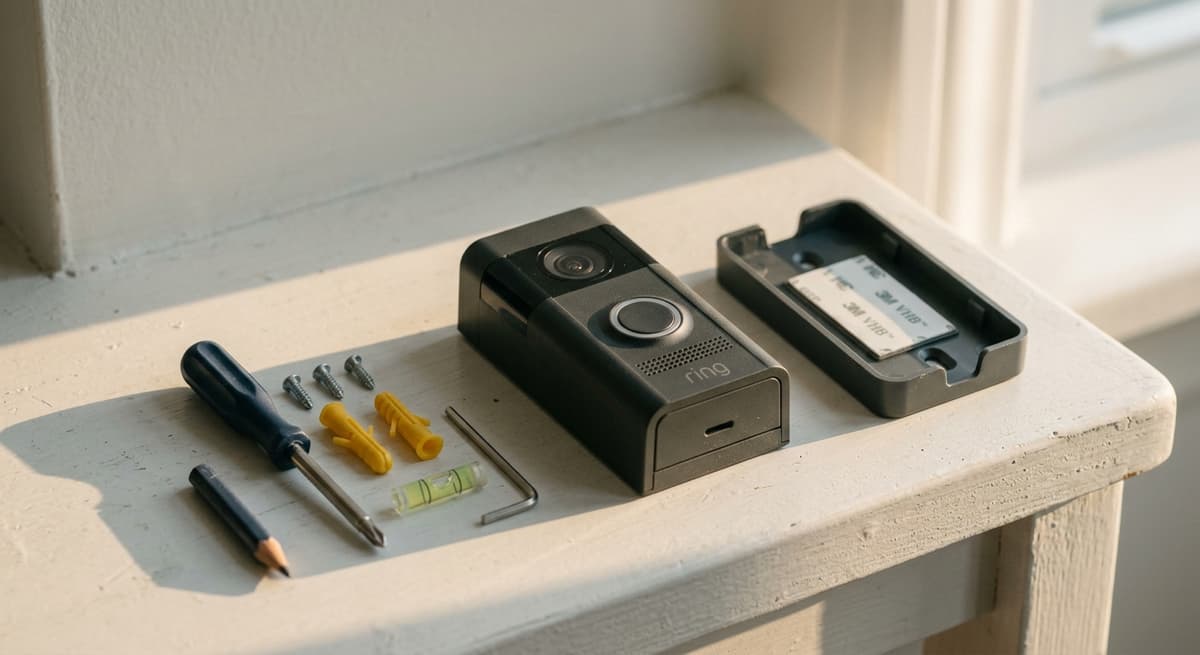
Fla. Stat. 934.03: The All-Party Consent Requirement
Florida Statute 934.03 makes it unlawful for any person to intentionally intercept, endeavor to intercept, or procure any other person to intercept any wire, oral, or electronic communication. The term "oral communication" includes any conversation spoken by a person who has a reasonable expectation that the communication is not being intercepted.
The critical element is consent. Florida requires the consent of all parties to a communication before it can be legally recorded. There is no exception for property owners recording on their own land. If a Ring doorbell captures a conversation between two visitors on a Florida homeowner's front porch, and neither visitor consented to the recording, the homeowner has potentially committed a felony.
Why Ring Doorbells Are High Risk in Florida
Ring doorbell cameras record audio automatically whenever motion is detected or the doorbell button is pressed. This means the device may capture conversations between delivery workers, neighbors, family members, or anyone else who happens to be near the front door.
In Florida, these passive recordings of third-party conversations create felony exposure because the homeowner is not a party to the conversation and has not obtained consent from the speakers. Even if the homeowner never listens to or shares the recording, the act of intercepting the communication itself violates the statute.
The Public Space Exception
Florida law does recognize an exception for conversations that occur in settings where the parties do not have a reasonable expectation of privacy. A conversation held loudly on a public sidewalk, for example, may not qualify as a protected "oral communication" under the statute because the speakers could reasonably expect to be overheard.
Whether a front porch qualifies as a space with no reasonable expectation of privacy is fact-specific. A semi-enclosed porch where visitors speak in normal tones presents a stronger privacy argument than a fully open, street-facing stoop. Florida courts have not issued a blanket ruling on this question as of April 2026.
Video Recording Laws and Ring Doorbells in Florida
Florida's approach to video surveillance is more permissive than its audio recording rules.
General Video Surveillance Rules
Florida does not prohibit homeowners from recording video on their own property. Video surveillance of public-facing areas, including front porches, driveways, walkways, and front yards, is legal because people in these areas do not have a reasonable expectation of privacy. Florida law recognizes that recording in places accessible to public view is permissible as long as the camera is not hidden in a private space.
Visible notice of video recording (such as a sign or the camera itself being clearly visible) strengthens the legal position of the homeowner, though it is not strictly required for video-only recording of public areas.
Digital Voyeurism: Fla. Stat. 810.145
Florida updated its voyeurism statute in 2024, redesignating the offense from "video voyeurism" to "digital voyeurism" under Fla. Stat. 810.145, effective October 1, 2024. The offense is considerably narrower than its name suggests, and the details matter for anyone weighing doorbell camera risk.
Under Fla. Stat. 810.145(2)(a), a person commits digital voyeurism only by intentionally using or installing an imaging device to secretly view, broadcast, or record another person, without that person's knowledge and consent, who is "dressing, undressing, or privately exposing the body," at a place and time when that person has a reasonable expectation of privacy. The statute also requires a purpose element: the offender must act "for his or her own amusement, entertainment, sexual arousal, gratification, or profit, or for the purpose of degrading, exploiting, or abusing another person." A separate provision covers using an imaging device to record under or through the clothing someone is wearing.
Two statutory definitions narrow the offense further. "Privately exposing the body" means exposing a sexual organ. "Reasonable expectation of privacy" means circumstances in which a reasonable person would believe he or she could fully disrobe in privacy, and the statute's examples are the interior of a residential dwelling, a bathroom, a changing room, a fitting room, a dressing room, or a tanning booth.
For offenders 19 or older, a first offense is a third-degree felony; offenders under 19 commit a first-degree misdemeanor. Subsequent offenses, and offenses by family or household members or others in a position of trust or authority over the victim, are second-degree felonies.
Just as important, Fla. Stat. 810.145(5) lists categories the statute expressly "does not apply to," and two of them describe an ordinary home security camera. Subsection (5)(c) exempts any "video surveillance device that is installed in such a manner that the presence of the device is clearly and immediately obvious." A Ring doorbell mounted in plain view beside a front door fits that description. Subsection (5)(b) separately exempts a "security system when a written notice is conspicuously posted on the premises stating that a video surveillance system has been installed for the purpose of security for the premises," so the recording sign recommended later in this article brings a home system within a second exception.
Taken together, the narrow elements and these exceptions mean a normally installed, visible Ring doorbell does not create realistic digital voyeurism exposure in Florida. Camera aim by itself is not the offense. A camera that happens to overlook a neighbor's window or a fenced backyard does not violate Fla. Stat. 810.145 unless it secretly captures someone dressing, undressing, or exposing a sexual organ and the operator acted for one of the purposes the statute lists. The conduct this law targets is a concealed camera aimed at a bedroom, bathroom, or changing area, not a doorbell facing a walkway.
Camera Placement Guidelines
These are practical steps for avoiding neighbor disputes and civil privacy complaints rather than the dividing line between a legal camera and a felony, which Fla. Stat. 810.145 draws much further along:
- Point Ring cameras at your own porch, walkway, driveway, and front yard
- Avoid capturing footage through neighbors' windows or into fenced private areas
- Use Ring's privacy zone feature to block out areas where recording could raise concerns
- A clearly visible Ring doorbell at the front door presents the lowest legal risk for video recording
HOA and Ring Doorbells in Florida
Florida has some of the most specific laws in the country governing doorbell cameras in condominiums and HOA communities.
Condominiums: The Material Alteration Issue
Under Florida Statute 718.113(2), any material alteration to the common elements of a condominium requires approval. Florida arbitrators have ruled that installing a Ring doorbell on a condominium unit's front door constitutes a material alteration because the device changes the appearance of the common elements and may require electrical wiring within common element walls.
If the condominium's declaration specifies a procedure for approving material alterations, that procedure controls. If the declaration is silent, Section 718.113(2)(a) requires approval from 75% of the total voting interests before the alteration can proceed.
This means a Florida condo owner cannot simply install a Ring doorbell without checking the association's governing documents and potentially obtaining a supermajority vote.
HOA Communities (Non-Condominium)
Florida homeowners' associations governed by Chapter 720 of the Florida Statutes have similar authority to regulate exterior modifications through their declarations and rules. While the "material alteration" framework is specific to condominiums under Chapter 718, HOAs can still restrict Ring doorbells through their governing documents.
Common HOA restrictions include:
- Requiring prior written approval for exterior device installation
- Limiting camera placement to avoid recording common areas or neighboring properties
- Specifying approved device types, colors, and mounting locations
- Requiring that audio recording be disabled
What to Do Before Installing
Florida condo and HOA residents should take these steps before purchasing a Ring doorbell:
- Review the declaration, bylaws, and community rules for modification requirements
- Submit a written request to the association board if approval is needed
- Confirm whether the declaration specifies a voting threshold or defers to the statutory 75% default
- Keep written records of any approval received
Landlord and Tenant Rights for Ring Doorbells
Florida's landlord-tenant law (Chapter 83, Florida Statutes) does not specifically address doorbell camera installation, but several principles from the statute and from Florida's recording laws apply.
Tenant Installation Rights
Florida tenants who want to install a Ring doorbell generally need their landlord's written consent, especially if the installation requires drilling, wiring, or any modification to the rental unit's exterior. Most Florida lease agreements include clauses addressing tenant modifications.
Battery-powered Ring doorbells that mount with adhesive or over existing hardware create fewer modification concerns, but reviewing the lease remains the safest approach.
Landlord Camera Placement
Florida landlords can install security cameras in common areas of multi-unit properties, such as lobbies, hallways, parking lots, and building entrances. These are areas where tenants have no reasonable expectation of privacy.
Landlords cannot install cameras inside a tenant's unit, pointing into windows of occupied units, or directed at fenced patios or backyards where tenants expect privacy. Florida's all-party consent law applies to any audio recording in these settings.
Audio Recording and Landlords
A landlord who installs a Ring doorbell with audio enabled at a building entrance in Florida faces the same felony exposure as any other person under Fla. Stat. 934.03. Recording tenant conversations without consent is not excused by property ownership. Landlords should disable audio on all Ring devices or obtain written consent from tenants.
Smart Doorbell Disclosure
Florida best practices recommend that landlords who install smart doorbells disclose them in the lease agreement. While no specific Florida statute mandates this disclosure, transparency reduces the risk of disputes and potential legal claims.
Law Enforcement Access to Ring Doorbell Footage
Florida law enforcement frequently uses Ring doorbell footage in criminal investigations, from package theft to violent crimes.
Voluntary Disclosure
Police in Florida commonly ask homeowners to share Ring footage voluntarily. Homeowners have no legal obligation to comply. Florida law protects the right to refuse this request.
Warrants and Subpoenas
If a homeowner refuses, Florida police can apply for a search warrant by demonstrating probable cause to a Florida judge. Law enforcement can also serve subpoenas or court orders directly on Ring (Amazon) to obtain cloud-stored footage.
Ring's published law enforcement guidelines confirm that the company responds to valid legal process, including search warrants, subpoenas, and court orders.
Emergency Exceptions
Ring retains the ability to disclose footage to law enforcement without a warrant or the homeowner's consent in situations involving imminent danger of death or serious physical injury, as permitted under the federal Stored Communications Act. Amazon determines internally whether a situation qualifies.
Ring-Axon Partnership (2025)
In January 2024, Ring eliminated its Request for Assistance feature that allowed police to request footage from users through the Neighbors app. In April 2025, Ring announced a new partnership with Axon, and by October 2025 police agencies could send voluntary "Community Requests" for footage through Axon Evidence, which post to the Ring Neighbors feed. Sharing remains entirely voluntary: homeowners can decline anonymously, and a request expires after 60 days with no response. Florida residents should be aware that law enforcement footage requests continue through this Axon-based channel, alongside the existing warrant, subpoena, and court-order process.
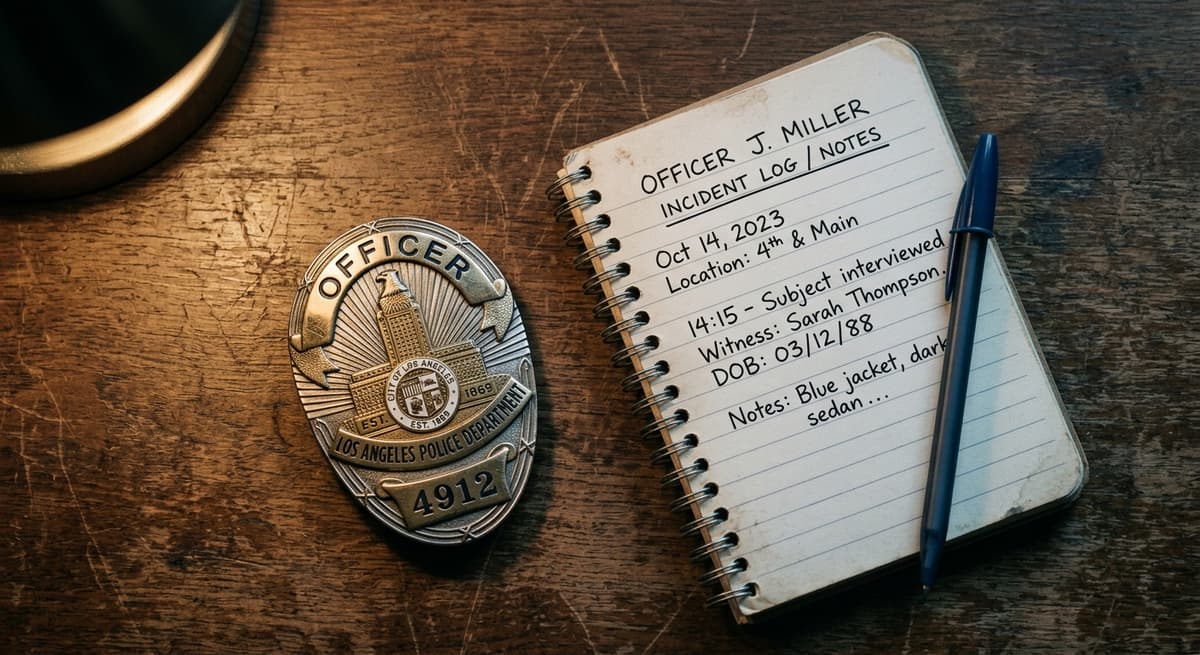
Ring Footage in Florida Criminal Cases
Ring doorbell footage is increasingly used as evidence in Florida criminal cases, including burglary, package theft, assault, and hit-and-run investigations. Florida courts generally admit video footage from Ring doorbells, though audio portions may face challenges if obtained without proper consent under Fla. Stat. 934.03.
Penalties for Illegal Recording in Florida
Florida imposes some of the harshest penalties in the country for unauthorized audio recording.
Criminal Penalties
| Offense | Classification | Maximum Prison | Maximum Fine |
|---|---|---|---|
| Unauthorized interception of communications (Fla. Stat. 934.03) | Third-Degree Felony | 5 years | $5,000 |
| Digital voyeurism, first offense, offender under 19 (Fla. Stat. 810.145(2)) | First-Degree Misdemeanor | 1 year | $1,000 |
| Digital voyeurism, first offense, offender 19 or older (Fla. Stat. 810.145(2)) | Third-Degree Felony | 5 years | $5,000 |
| Digital voyeurism, subsequent offense | Second-Degree Felony | 15 years | $10,000 |
| Digital voyeurism by a family/household member or someone in a position of trust or authority over the victim (Fla. Stat. 810.145(7)(b)) | Elevates a third-degree felony to second-degree, or a second-degree felony to first-degree | Up to 30 years | Up to $10,000 |
| Digital voyeurism against a child victim by a responsible adult, school employee, or offender age 24 or older (Fla. Stat. 810.145(8)) | Second-Degree Felony | 15 years | $10,000 |
| Digital voyeurism dissemination | Third-Degree Felony | 5 years | $5,000 |
The digital voyeurism rows apply only where every element of Fla. Stat. 810.145(2) is met, including secret recording of a person who is dressing, undressing, or privately exposing the body and the statute's amusement, gratification, profit, or degradation purpose. They are also subject to the exceptions in Fla. Stat. 810.145(5) for conspicuously posted security systems and for devices whose presence is clearly and immediately obvious, which is why a visible doorbell camera is not a realistic candidate for these penalties. The wiretapping row is the one that should concern a typical Ring owner.
Civil Liability Under Fla. Stat. 934.10
Florida provides a private right of action for victims of illegal recording. Under Fla. Stat. 934.10, a person whose wire, oral, or electronic communication is illegally intercepted can file a civil lawsuit and recover:
- Preliminary, equitable, or declaratory relief
- Actual damages, with a minimum of $100 per day of violation or $1,000 (whichever is higher)
- Punitive damages in appropriate cases
- Reasonable attorney's fees and litigation costs
A good faith belief that the recording was legal serves as a complete defense to both civil and criminal liability under Florida law. However, ignorance of the all-party consent requirement is unlikely to constitute good faith.
How to Use a Ring Doorbell Legally in Florida
Given Florida's felony penalties for unauthorized audio recording, Ring doorbell owners need to take proactive steps.
Disable Audio Recording
This is the single most important step for Florida Ring doorbell owners. Disabling audio through the Ring app eliminates the primary source of legal risk. With audio off, the device records only video, and video surveillance of public-facing areas is clearly legal in Florida.
To disable audio in the Ring app: open the device settings, navigate to "Video Settings" or "Audio Settings," and toggle off audio recording.
Post Clear Signage
If audio remains enabled (for example, to use the two-way talk feature with delivery drivers), post a visible sign near the Ring doorbell stating "Audio and Video Recording in Progress." While Florida does not have a specific statute equating signage with consent, a visible notice strengthens the argument that visitors were informed and implicitly consented by remaining in the area. The same sign has a second benefit: a conspicuously posted written notice that a video surveillance system has been installed for security purposes places the system inside the exception in Fla. Stat. 810.145(5)(b).
Use Two-Way Talk Carefully
Ring's two-way talk feature, where the homeowner communicates with a visitor through the app, is less legally problematic than passive recording because both parties are aware of the conversation. However, the device may still passively record audio before the homeowner initiates the two-way talk, creating a brief window of non-consensual recording.
Configure Privacy Zones
Use Ring's privacy zone feature to exclude neighboring properties, windows, fenced yards, and any areas where recording could raise privacy concerns.
Get HOA or Condo Approval
Florida condo owners should obtain association approval before installation, given the material alteration requirements under Fla. Stat. 718.113. HOA residents should check their governing documents for modification procedures.
Review Your Lease
Florida tenants should check their lease for modification clauses and obtain written landlord permission before installing a Ring doorbell.
More Florida Laws
Florida has several other laws that may be relevant to homeowners and residents:
- Florida Recording Laws cover the full scope of the state's all-party consent requirements for audio and video recording
- Florida Hit and Run Laws outline penalties for leaving the scene of an accident
- Florida Lemon Laws protect buyers of defective vehicles
- Florida Data Privacy Laws cover the Florida Digital Bill of Rights and consumer data protections
This article provides general legal information about Florida Ring doorbell laws as of April 2026. Laws and their interpretation can change. Consult an attorney for advice specific to your situation.
Frequently Asked Questions
Is it legal to use a Ring doorbell in Florida?
Ring doorbells are legal in Florida for video recording of public-facing areas. However, the audio recording feature creates serious legal risk. Florida is an all-party consent state under Fla. Stat. 934.03, meaning recording conversations without everyone's consent is a third-degree felony. Disabling audio is strongly recommended.
Can a Ring doorbell record audio in Florida?
Ring doorbells can technically record audio, but doing so in Florida without the consent of all parties to a conversation may violate Fla. Stat. 934.03. This is a third-degree felony punishable by up to 5 years in prison and $5,000 in fines. The safest approach is to disable audio recording through the Ring app.
Can I install a Ring doorbell in my Florida condo?
Florida condominium law (Fla. Stat. 718.113) treats Ring doorbell installation as a potential material alteration to common elements. If your declaration does not specify a procedure, 75% of voting interests must approve the installation. Check your governing documents and obtain written association approval before installing.
What are the penalties for illegal Ring doorbell recording in Florida?
Criminal penalties include up to 5 years in prison and $5,000 in fines for a third-degree felony under Fla. Stat. 934.03. Civil liability under Fla. Stat. 934.10 includes minimum damages of $100 per day of violation or $1,000 (whichever is higher), plus punitive damages and attorney's fees.
Can Florida police access my Ring doorbell footage?
Police can ask you to share footage voluntarily, but you have the right to refuse. They can also obtain a warrant from a Florida judge or serve legal process directly on Ring (Amazon). In emergencies involving imminent danger, Ring may share footage with law enforcement without the homeowner's consent.
Updates
Corrected the digital voyeurism section: Fla. Stat. 810.145 applies only to secretly recording someone dressing, undressing, or exposing the body for amusement, gratification, profit, or degradation, and it expressly does not apply to a clearly visible surveillance device or a security system with conspicuously posted notice.
Dated the Ring-Axon law enforcement footage-request partnership precisely (announced April 2025, live by October 2025) and clarified that sharing through it is entirely voluntary with a 60-day response window; fixed the digital voyeurism statute's effective date to October 1, 2024; and rebuilt the penalty table to include the under-19 misdemeanor tier and the family/authority and child-victim felony enhancements that Fla. Stat. 810.145 actually contains.
Independently fact-checked against the cited primary sources; governing law re-checked for recent changes
Governing law re-checked for recent changes
Reviewed and approved by an editor
The Law Behind This Article
This article rests on the statutory provisions below, held in our own legal record and retrieved from the official source. Tap a section to read the operative text.
Florida Statutes
§ 934.03Interception and disclosure of wire, oral, or electronic communications prohibited.In forcecited in 51 of our articles
(1) Except as otherwise specifically provided in this chapter, any person who:(a) Intentionally intercepts, endeavors to intercept, or procures any other person to intercept or endeavor to intercept any wire, oral, or electronic communication; (b) Intentionally uses, endeavors to use, or procures any other person to use or endeavor to use any electronic, mechanical, or other device to intercept any oral communication when:1. Such device is affixed to, or otherwise transmits a signal through, a wire, cable, or other like connection used in wire communication; or 2.
Official text (excerpt) · last checked 2026-08-31 · Read the full text in our law library · Verify at leg.state.fl.us
Cited in 74 court opinions in our collectionLatest citing opinion in our collection: 2026
In the courts (editorial summary, independently checked):State v. Walls (1978) held that recording an in-home oral communication without the consent of all parties violated section 934.03 and required suppression, and State v. Inciarrano (1985) held the statute protects only communications uttered with a reasonable expectation of privacy.
Opinions citing this section in our collection:
- State v. Walls (Supreme Court of Florida 1978, 356 So. 2d 294)✓An extortion victim secretly recorded threats made to him in his own home; the court held that was a protected oral communication, that recording it without every party's consent violated Section 934.03, and that Section 934.06 barred using the tape as evidence.
- SHARRON TASHA FORD v. CITY OF BOYNTON BEACH (District Court of Appeal of Florida 2021)“…ng oral communications in violation of the wiretap statute, section 934.03, Florida Statutes (2009), and for obstructing without vio…”
- State v. Calhoun (Circuit Court for the Judicial Circuits of Florida 1984, 7 Fla. Supp. 2d 3)“…hall not be violated” . . . (emphasis mine) Furthermore, section 934.03, Florida Statutes, makes it unlawful for *6 any person (…”
Identified automatically from the court opinions citing this section — not a ranking of which case controls.
Also relied on in: Florida Recording Laws (2026): All-Party Consent Rules, Florida Dashcam Laws: Rules for Dashboard Cameras (2026), Can an Employer Record Conversations Without Consent? (2026)
§ 934.10Civil remedies.In forcecited in 12 of our articles
(1) Any person whose wire, oral, or electronic communication is intercepted, disclosed, or used in violation of ss. 934.03-934.09 shall have a civil cause of action against any person or entity who intercepts, discloses, or uses, or procures any other person or entity to intercept, disclose, or use, such communications and shall be entitled to recover from any such person or entity which engaged in that violation such relief as may be appropriate, including:(a) Preliminary or equitable or declaratory relief as may be appropriate; (b) Actual damages, but not less than liquidated damages computed at the rate of $100 a day for each day of violation or $1,000, whichever is higher; (c) Punitive damages; and (d) A reasonable attorney’s fee and other litigation costs reasonably incurred. (2) A good faith reliance on:(a) A court order, subpoena, or legislative authorization as provided in ss. 934.03-934.09, (b) A request of an investigative or law enforcement officer under s. 934.09(7), or (c) A good faith determination that Florida or federal law, other than 18 U.S.C. s.
Official text (excerpt) · last checked 2026-07-28 · Read the full text in our law library · Verify at leg.state.fl.us
Cited in 33 court opinions in our collectionLatest citing opinion in our collection: 2026
In the courts (editorial summary, independently checked):Minotty v. Baudo (2010) held the civil action reaches only actual interception, not attempts, and does not cover silent video surveillance. Jatar v. Lamaletto (2000) affirmed summary judgment where the plaintiff had no reasonable expectation of privacy. Burgess v. Burgess (1984) held interspousal immunity does not bar the action.
Opinions citing this section in our collection:
- Burgess v. Burgess (Supreme Court of Florida 1984, 447 So. 2d 220)“…mages brought by one spouse against the other spouse, under Section 934.10, Florida Statutes (1979)? Burgess v. Burgess, 417 S…”
- Minotty v. Baudo (District Court of Appeal of Florida 2010, 42 So. 3d 824)✓A doctor hid cameras in colleagues' offices, but the microphones never worked, so only silent video was captured. The court held section 934.10 gives a civil claim only for actual interception of oral communications, not attempts or silent video, and reversed those judgments.
- Roberts v. Jardine (District Court of Appeal of Florida 1978, 358 So. 2d 588)✓Sued under section 934.10 for secretly taping a phone call, the defendant refused to answer interrogatories. The court held she could invoke the Fifth Amendment, since interception is also a crime, and could not be defaulted for it, but had to produce the tape already played.
Identified automatically from the court opinions citing this section — not a ranking of which case controls.
Also relied on in: Florida Audio Recording Laws: All-Party Consent Rules and Penalties (2026), Florida Landlord-Tenant Recording Laws: Cameras and Privacy Rules (2026), Florida Medical Recording Laws: Patient Rights and HIPAA Rules (2026)
§ 810.145Digital voyeurism.In forcecited in 15 of our articles
(1) As used in this section, the term:(a) “Broadcast” means electronically transmitting a visual image or visual recording with the intent that it be viewed by another person. (b) “Family or household member” has the same meaning as in s. 741.28. (c) “Imaging device” means any mechanical, digital, or electronic viewing device; still camera; camcorder; motion picture camera; or any other instrument, equipment, or format capable of recording, storing, or transmitting visual images of another person. (d) “Position of authority or trust” means a position occupied by a person 18 years of age or older who is a relative, caregiver, coach, employer, or other person who, by reason of his or her relationship with the victim, is able to exercise undue influence over him or her or exploit his or her trust. (e) “Privately exposing the body” means exposing a sexual organ.
Official text (excerpt) · last checked 2026-08-31 · Read the full text in our law library · Verify at leg.state.fl.us
Cited in 3 court opinions in our collectionLatest citing opinion in our collection: 2024
In the courts (editorial summary, independently checked):Kenneth Isaac Parkerson v. State of Florida (2015) rejected a facial overbreadth challenge to section 810.145, holding the video voyeurism statute regulates conduct, not pure speech. Clemen v. Surterra Holdings, Inc. (2024) drew on its privacy definition and exemption for clearly visible cameras when dismissing an intrusion claim.
Opinions citing this section in our collection:
- Kenneth Isaac Parkerson v. State of Florida (District Court of Appeal of Florida 2015, 163 So. 3d 683)✓A man caught watching people inside their homes, once carrying a camera, argued Florida's video voyeurism statute was facially overbroad because it could reach journalists and investigators; the court held section 810.145 is not overbroad and affirmed his convictions.
- Clemen v. Surterra Holdings, Inc. (District Court, M.D. Florida 2024)✓A worker sued over cameras aimed at a workplace changing area; dismissing her intrusion on seclusion claim, the court drew on section 810.145's privacy definition and its exclusion for obvious cameras, and found no authority making an alleged violation outrageous per se.
- Keith Taig v. City of Vero Beach (Court of Appeals for the Eleventh Circuit 2023)✓A spa customer recorded by covert police cameras installed under a court order argued Florida statutes including section 810.145 gave officers clear notice of customers' privacy rights; the court held those state statutes do not clearly establish a federal constitutional right.
Identified automatically from the court opinions citing this section — not a ranking of which case controls.
Also relied on in: Is It Illegal to Video Record Someone Without Their Consent? (2026), Florida School Recording Laws: Classroom, Campus, and Student Privacy (2026), Florida Security Camera Laws: Home, Business, and HOA Rules (2026)
§ 718.113Maintenance; limitation upon improvement; display of flag; hurricane protection; display of religious decorations.In forcecited in 2 of our articles
(1) Maintenance of the common elements is the responsibility of the association, except for any maintenance responsibility for limited common elements assigned to the unit owner by the declaration. The association shall provide for the maintenance, repair, and replacement of the condominium property for which it bears responsibility pursuant to the declaration of condominium. After turnover of control of the association to the unit owners, the association must perform any required maintenance identified by the developer pursuant to s. 718.301(4)(p) and (q) until the association obtains new maintenance protocols from a licensed professional engineer or architect or a person certified as a reserve specialist or professional reserve analyst by the Community Associations Institute or the Association of Professional Reserve Analysts. The declaration may provide that certain limited common elements shall be maintained by those entitled to use the limited common elements or that the association shall provide the maintenance, either as a common expense or with the cost shared only by those entitled to use the limited common elements.
Official text (excerpt) · last checked 2026-07-28 · Read the full text in our law library · Verify at leg.state.fl.us
Cited in 2 court opinions in our collectionLatest citing opinion in our collection: 2016
Opinions citing this section in our collection:
- Escadote I Corp. v. Ocean Three Limited Partnership (District Court of Appeal of Florida 2016, 211 So. 3d 1059)“…ciation’s duty to maintain and repair common elements under section 718.113, Florida Statutes (2007).…”
- Colony Beach & Tennis Club, Ltd. v. Colony Beach & Tennis Club Ass'n (District Court, M.D. Florida 2011, 456 B.R. 545)“…ransactions, § 190.20[2][c] (2010); see Fla. Stat. § 718.113 (1). Under the Condominium Act, an asso…”
Identified automatically from the court opinions citing this section — not a ranking of which case controls.
Also relied on in: Ring Doorbell Laws by State: Complete 2026 Legal Guide
Search our full record of US law — 2.1 million sections, every state + federal →
Sources and References
- Fla. Stat. 934.03 - Interception and Disclosure of Wire, Oral, or Electronic Communications(leg.state.fl.us).gov
- Fla. Stat. 934.10 - Civil Remedies for Unlawful Interception(leg.state.fl.us).gov
- Fla. Stat. 810.145 - Digital Voyeurism (2025)(flsenate.gov).gov
- Fla. Stat. 718.113 - Maintenance; Limitation Upon Improvement; Material Alteration(leg.state.fl.us).gov
- Chapter 934 - Security of Communications (Full Chapter)(leg.state.fl.us).gov
- Florida Attorney General - Video and Audio Recording in City Offices(myfloridalegal.com).gov
- Ring Law Enforcement Information Requests(ring.com)
- FTC Action Against Ring for Privacy Violations(ftc.gov).gov
- Digital Voyeurism - 2024 Florida Bill Summary(flsenate.gov).gov
- NPR - Ring Will No Longer Allow Police to Request Users Doorbell Camera Footage (2024)(npr.org)
- Fla. Stat. 810.145 - Digital Voyeurism (elements in (2)(a), definitions in (1), exceptions in (5))(leg.state.fl.us)