
West Virginia
West Virginia Pepper Spray and Stun Gun Laws (2026)
Independently fact-checked against primary sources (last audited September 23, 2026). · 14 primary sources cited on this page. How we verify our legal content
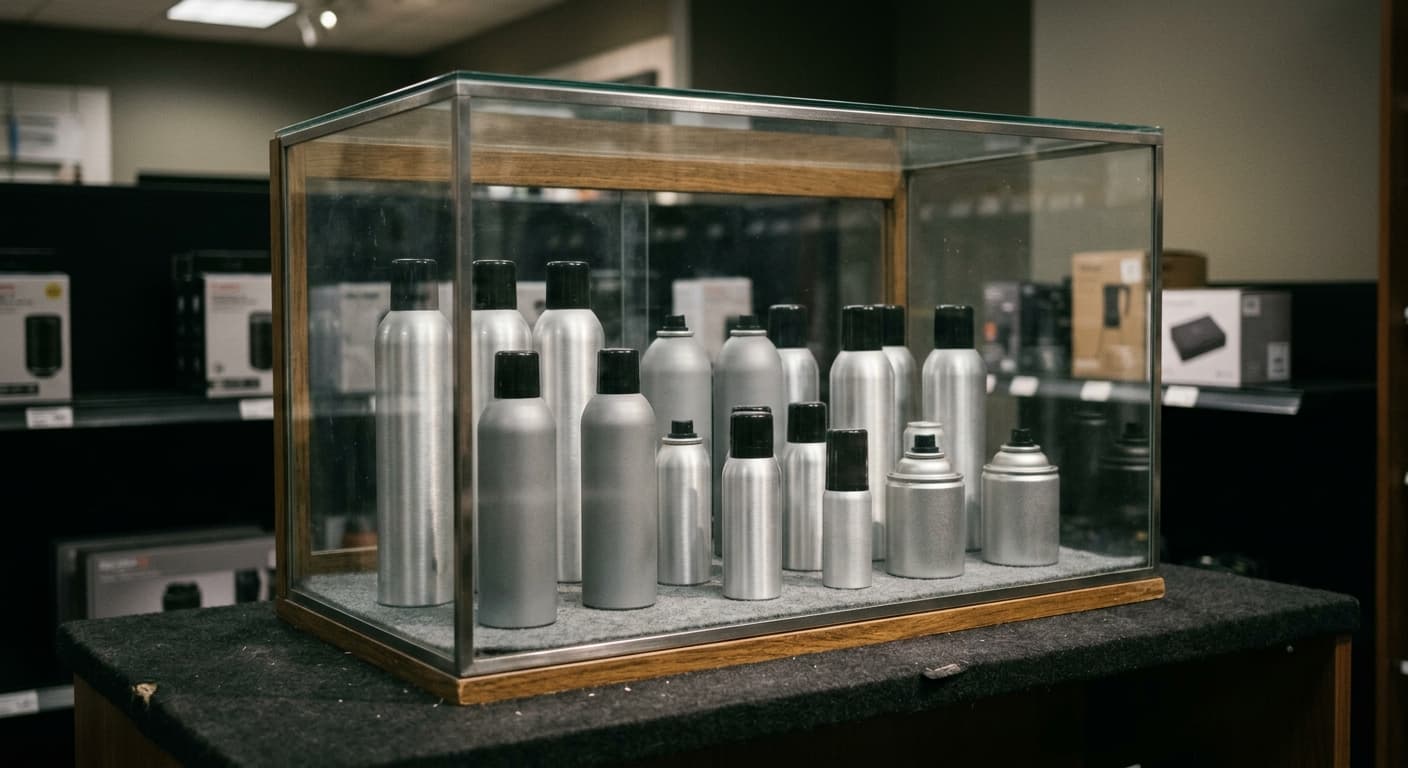
West Virginia's weapons-definitions statute treats these two devices differently, but neither status rests on a closed list. It defines "pepper spray" by name and excludes it from the state's "deadly weapon" definition, but only when the spray is used solely for self-defense, a conditional carve-out rather than a blanket one. A stun gun is not named anywhere in the definitions statute, but the statute's "deadly weapon" definition is not a closed list either: it opens with a functional test, an instrument "designed to be used to produce serious bodily injury or death or is readily adaptable to such use," and says the enumerated instruments that follow are included but the list "is not limited to" them. Whether a stun gun is a "deadly weapon" in West Virginia is a question about that functional test and about a residual "like kind or character" clause, not a question this page can answer by pointing to an omission from a list.
Jurisdiction scope: This page covers West Virginia state law only, principally W. Va. Code §§ 61-7-2, 61-7-7, 61-7-8, 61-7-10, 61-7-11, 61-7-11a, 61-7-14, 61-7-17, and 8-12-5a. It does not cover West Virginia's concealed-carry license statutes in detail or every municipal ordinance permitted under § 8-12-5a's exceptions.
Is pepper spray legal in West Virginia?
For self-defense use, yes; neither subdivision (12), which defines pepper spray, nor subdivision (5), which excludes it from "deadly weapon," sets a capacity or formula limit. For ordinary carry, the statute's own exclusion is narrower than "legal to carry" suggests. W. Va. Code § 61-7-2(12) defines "pepper spray" as "a temporarily disabling aerosol that is composed partly of capsicum oleoresin and causes irritation, blinding of the eyes, and inflammation of the nose, throat, and skin that is intended for self-defense use." Subdivision (5), which defines "deadly weapon" for the whole weapons article, then states: "The term 'deadly weapon' does not include pepper spray as defined in subdivision (12) of this subsection when used by any person solely for self-defense purposes." The exclusion is conditioned on that use; the statute does not separately say that merely possessing or carrying an unused canister is a "use... solely for self-defense purposes." Because most West Virginia weapons offenses (carrying without a license, sale to a prohibited person, possession on school or court property) are written around the term "deadly weapon," ordinary self-defense use of pepper spray falls outside that framework, but this page cannot tell a reader that carrying an unused canister is categorically outside it too.

Subdivision (5) separately expands "deadly weapon," for two specific statutes only, the school-discipline law at § 18A-5-1a and the school/court possession law at § 61-7-11a, to include a shorter-bladed knife and "explosive, chemical, biological, and radiological materials." Pepper spray is a chemical material. Its self-defense-use exclusion is written into the general deadly-weapon definition and does not, by its own terms, exempt it from this separate chemical-materials expansion that applies specifically to §§ 18A-5-1a and 61-7-11a. This page states that open question rather than resolving it; see "Schools and courts" below.
Are stun guns legal in West Virginia?
For an adult, most likely yes, but the reason is a functional test, not an omission from a closed list, and no West Virginia statute names a stun gun, a taser, or an electronic device by any term in the sections cited on this page. W. Va. Code § 61-7-2(5) defines "deadly weapon" first by a functional test, "an instrument which is designed to be used to produce serious bodily injury or death or is readily adaptable to such use," and then states the term "includes, but is not limited to," eleven named categories (antique firearm, blackjack, firearm, gravity knife, knife, metallic or false knuckles, nunchaku, pepper spray, pistol, revolver, and switchblade knife) "or other deadly weapons of like kind or character which may be easily concealed on or about the person." No subdivision names a stun gun. The defensible reading is that a stun gun is arguably not an instrument "designed to be used to produce serious bodily injury or death," and is not obviously "of like kind or character" to the bladed, striking, and firearm-type weapons the residual clause reaches, not that a stun gun escapes the definition simply because it is missing from a list, since the statute itself says the list does not limit the term.
§ 61-7-7's felon-and-status-prohibited-person offenses, subsections (a) and (b), are written around "firearm" specifically, cross-referenced to the definition in § 61-7-2, so those offenses do not reach a stun gun or pepper spray by themselves. But § 61-7-7(c), the statute's own concealed-carry authorization, is written around "deadly weapon," not firearm alone: "Any person may carry a concealed deadly weapon without a license therefor who is: (1) At least 18 years of age; (2) A United States citizen or legal resident thereof; (3) Not prohibited from possessing a firearm under the provisions of this section; and (4) Not prohibited from possessing a firearm under the provisions of 18 U.S.C. § 922(g) or (n)." That is the article's authorization for carrying a concealed deadly weapon without a license, and its only prohibited-person condition on doing so; the separate under-18 bar in § 61-7-8(a) is covered below. Because whether a stun gun is a "deadly weapon" turns on the functional test described above, § 61-7-7(c)'s conditions matter to a stun-gun carrier in a way the page cannot say are irrelevant to criminal history. § 61-7-10, which bars selling or lending "any deadly weapon other than a firearm to a person prohibited from possessing" one, is keyed to the same "deadly weapon" definition; the only class this article prohibits from possessing a non-firearm deadly weapon is the under-18 minor covered in § 61-7-8, discussed below, so § 61-7-10 functions mainly as a bar on selling, renting, giving, or lending a stun gun (if it is a deadly weapon) or pepper spray to a minor, a misdemeanor fined up to $5,000 or up to a year in jail, or both.
Minors
W. Va. Code § 61-7-8(a) provides: "Notwithstanding any other provision of this article to the contrary, a person under the age of 18 years who is not married or otherwise emancipated shall not possess or carry concealed or openly any deadly weapon." Its provisos, allowing possession on the minor's own or family premises, with permission on another's premises, for hunting, or while traveling to and from a hunting site, apply only to a firearm. A violation routes into juvenile jurisdiction under § 49-4-701 et seq. Because "deadly weapon" is the functional-test definition described above, whether § 61-7-8 reaches a stun gun or an unused pepper-spray canister depends on the same open questions; the statute sets no age floor specific to either device by name. The minor of § 61-7-8(a) is the only person this article bars from possessing a non-firearm deadly weapon, and § 61-7-10(b) makes it a misdemeanor to "knowingly sell, rent, give or lend... any deadly weapon other than a firearm to a person prohibited from possessing" one, punishable by up to $5,000 or up to a year in jail, or both. Read together, the two sections mean a parent or retailer who sells, gives, or lends pepper spray, or a stun gun if it is a deadly weapon, to a minor risks that offense, separate from whatever the minor themselves faces under § 61-7-8. § 61-7-8 was itself amended by the same 2026 act, H.B. 4106 (2026 Regular Session, Ch. 75, approved April 1, 2026, effective June 12, 2026), that repealed § 61-7-3, sometimes cited elsewhere as West Virginia's under-21 deadly-weapon-carrying statute and printed on the state's code site as "[Repealed.]"; that act also amended §§ 61-7-6 and 61-7-7. Section 61-7-3 is not current law and sets no age restriction on either device.

Schools and courts
W. Va. Code § 61-7-11a makes it unlawful to possess a firearm or other "deadly weapon" on a school bus, on the grounds of a primary or secondary educational facility, or at a school-sponsored function, and a school violation "is guilty of a felony and, upon conviction thereof, shall be imprisoned in a state correctional facility for a definite term of years of not less than two years nor more than 10 years, or fined not more than $5,000, or both"; subsections (d) and (e) additionally attach driver's-license suspension or revocation to a school violation. The statute's school/court definition of "deadly weapon" adds explosive, chemical, biological, and radiological materials, so an unused pepper-spray canister on school property raises the open question described above rather than a settled exclusion. A stun gun remains outside the enumerated list and this chemical-materials expansion for the same reason it is outside the general definition: no subdivision names it, though the functional test and the residual "like kind" clause are not affirmatively closed to it either. Two exceptions in subsection (b) are written in deadly-weapon terms and partly answer the school question either device raises. The (b)(1)(B) proviso: "it shall not be unlawful to possess a firearm or other deadly weapon in or on the grounds of any private primary or secondary school, if such institution has adopted a written policy allowing for possession of firearms or other deadly weapons in the facility or on the grounds of the facility." And (b)(2)(G) exempts "a person who, as otherwise permitted by the provisions of this article, possesses an unloaded firearm or deadly weapon in a motor vehicle or leaves an unloaded firearm or deadly weapon in a locked motor vehicle."
Section 61-7-11a is not limited to schools. Subsection (g)(1) separately provides: "It is unlawful for a person to possess a firearm or other deadly weapon on the premises of a court of law, including family courts," with exceptions for a law-enforcement officer acting in an official capacity and a person exempted by court order; (g)(3) makes a violation a misdemeanor. Subsection (h) raises the offense to a felony, two to ten years, where the possession is with intent to commit a crime.
Outside § 61-7-11a, W. Va. Code § 61-7-14, the Business Liability Protection Act, governs private property generally: an owner, lessee, or other person charged with the care, custody, and control of real property may prohibit carrying, openly or concealed, a firearm or other "deadly weapon" on that property, and a person who refuses to temporarily relinquish the weapon or leave the premises when asked is guilty of a misdemeanor, fined not more than $1,000 or confined in jail not more than six months, or both. A separate proviso bars any natural person from possessing or carrying a firearm or other deadly weapon on the premises of a primary or secondary educational facility in the state, except as 61-7-11a(b)(2)(A) through (K) provide (including the (b)(2)(G) vehicle exception above), unless the person is a law-enforcement officer or has the express written permission of the county school superintendent.
Three federal layers apply on top of West Virginia law; see the federal section below.
Brandishing pepper spray or a stun gun
Apart from where either device may be carried, West Virginia also regulates how it is displayed. W. Va. Code § 61-7-11 provides: "It shall be unlawful for any person armed with a firearm or other deadly weapon, whether licensed to carry the same or not, to carry, brandish or use such weapon in a way or manner to cause, or threaten, a breach of the peace." A violation is a misdemeanor, fined not less than $50 nor more than $1,000, or confined in the county jail not less than ninety days nor more than one year, or both. Because "deadly weapon" is the same functional-test definition discussed throughout this page, whether displaying pepper spray or a stun gun in a threatening manner falls under § 61-7-11 turns on the same open question; the section does not name either device. § 61-7-17 separately preserves West Virginia's self-defense law: "Nothing in this article should be construed to abrogate or modify statutory provisions and common law decisions related to defense of self or others."
Does West Virginia preempt local pepper spray or stun gun ordinances?
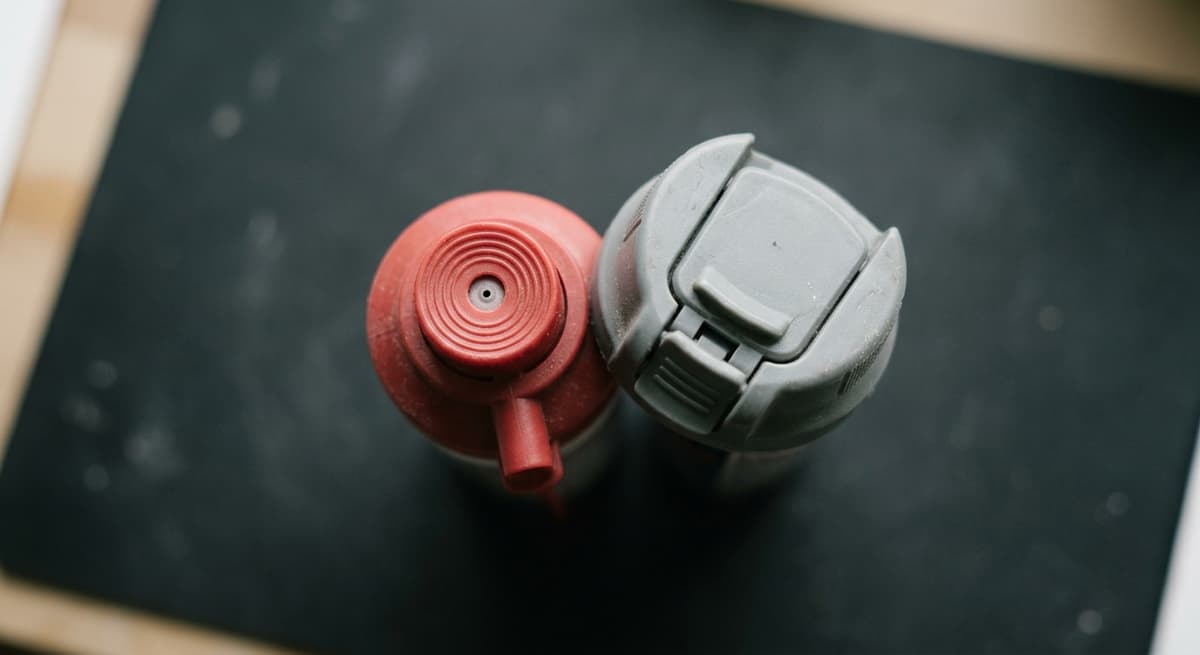
For the purchase, possession, transfer, carrying, transport, sale, and storage of a deadly weapon, a firearm, and pepper spray, yes, by name. For a stun gun, only partially: a separate clause voids a municipal ordinance restricting the sale, purchase, transfer, manufacture, repair, or display of a "personal defense tool or product other than firearms," but that clause does not cover carrying or possessing one. W. Va. Code § 8-12-5a(a) states that "neither a municipality nor the governing body of any municipality may, by ordinance or otherwise, limit the right of any person to purchase, possess, transfer, own, carry, transport, sell, or store any deadly weapon, firearm, or pepper spray," with "pepper spray" separately defined in subsection (b) using the same wording as § 61-7-2(12). Subsection (h)(2)(A) separately voids "any provision of an ordinance that is designed or enforced to effectively restrict or prohibit the sale, purchase, transfer, manufacture, repair, or display of firearms, ammunition, firearms accessories or components... or personal defense tools or products other than firearms which are otherwise lawful under the laws of this state," and (h)(2)(B) repeats the same phrase for zoning ordinances. A stun gun is a personal defense tool other than a firearm, so a municipal ordinance restricting its sale, purchase, transfer, or display is void under this clause even though a stun gun is not one of the three categories named in subsection (a).
Subsection (c) allows some municipal regulation even of the protected categories: a municipality may prohibit or regulate carrying or possessing a deadly weapon, firearm, or pepper spray inside a municipally owned or operated building, and may bar carrying one openly or not lawfully concealed in a municipally owned recreation facility, though a valid concealed handgun license holder may still carry a firearm into such a facility if it is securely stored out of view. Subsection (c)(3) provides a locked-vehicle exception: a person may keep an otherwise lawfully possessed deadly weapon, firearm, or pepper spray in a motor vehicle in municipal public parking facilities if the vehicle is locked and the item is out of view. Subsection (c)(4) bars a municipality from regulating a deadly weapon, firearm, or pepper spray on municipally owned or operated property other than municipal buildings and recreation facilities. Subsection (d) provides an absolute defense for a person who leaves or relinquishes possession on request; subsection (e) requires any such ordinance to be posted at each entrance; and subsection (h)(1) denies a municipality authority to restrict lawful carry on the public streets and sidewalks of the municipality.
Federal law: what it does and does not reach
No federal statute regulates a civilian's purchase or possession of pepper spray or a stun gun. Federal law matters in three places.
Federal buildings. Under 18 U.S.C. § 930(a), whoever knowingly possesses or causes to be present "a firearm or other dangerous weapon in a Federal facility (other than a Federal court facility)" faces a fine, imprisonment of up to 1 year, or both. Subsection (e) sets up to 2 years for a federal court facility, and subsection (b) up to 5 years where the weapon is intended to be used in a crime. Section 930(g)(2) defines the term:
The term "dangerous weapon" means a weapon, device, instrument, material, or substance, animate or inanimate, that is used for, or is readily capable of, causing death or serious bodily injury, except that such term does not include a pocket knife with a blade of less than 2½ inches in length.
The definition names neither device. Whether a particular spray or stun gun is "readily capable of" causing serious bodily injury is a question of fact the statute does not answer. Subsection (d)(3) exempts "the lawful carrying of firearms or other dangerous weapons in a Federal facility incident to hunting or other lawful purposes," and subsection (h) requires notice of the ban to be posted at each public entrance. A "Federal facility" is "a building or part thereof owned or leased by the Federal Government, where Federal employees are regularly present for the purpose of performing their official duties."
Air travel. The Transportation Security Administration's screening rules, which are agency policy rather than statute, bar both devices from carry-on bags. One 4 fl. oz. (118 ml) container of mace or pepper spray is permitted in checked baggage if it has a safety mechanism to prevent accidental discharge, and sprays containing more than 2 percent by mass of tear gas (CS or CN) are prohibited in checked baggage. Tasers, stun guns and other electro-shock weapons may travel in checked baggage only if transported so the device cannot discharge accidentally. Airlines may set stricter rules.
National parks. National Park Service regulations prohibit possessing, carrying or using a "weapon" in a park area except as the regulations provide (36 CFR 2.4(b)(1)). 36 CFR 1.4 defines "weapon" to include an "irritant gas device" and any "weapon the possession of which is prohibited under the laws of the State in which the park area or portion thereof is located."
Disclaimer: This article provides general legal information about West Virginia's pepper spray and stun gun laws as of September 2026. It is not legal advice. Consult a lawyer licensed in West Virginia for advice about a specific situation.
For a state-by-state comparison, see pepper spray and stun gun laws by state. West Virginia's self-defense statutes are covered separately on the West Virginia self-defense laws page.
Statutes cited reflect their in-force version as of 2026-09-18. Last updated: 2026-09-18.
Frequently Asked Questions
Is pepper spray legal to carry in West Virginia?
W. Va. Code 61-7-2 excludes pepper spray from the state's 'deadly weapon' definition, but only 'when used by any person solely for self-defense purposes.' That exclusion is conditioned on use rather than stated as a blanket carve-out for possession, so the statute's text does not by itself resolve whether merely carrying an unused canister is covered.
Do you need a permit for a stun gun in West Virginia?
No West Virginia statute regulates civilian stun-gun possession by name, and no permit is required to carry a concealed deadly weapon for a person who meets 61-7-7(c): at least 18, a United States citizen or legal resident, and not prohibited from possessing a firearm under 61-7-7 or 18 U.S.C. 922(g) or (n). Whether a stun gun is a deadly weapon at all turns on 61-7-2(5)'s functional test plus a non-exhaustive list; a stun gun is not in the list, and a defensible reading is that it does not meet the functional test either, but the statute does not say so directly.
Can you carry pepper spray or a stun gun on West Virginia school property?
The school and court possession statute, 61-7-11a, bans a firearm or 'deadly weapon' on school grounds and buses, a felony punishable by two to ten years, and its school/court definition of 'deadly weapon' adds chemical materials. Because pepper spray's self-defense exclusion is conditioned on use and pepper spray is a chemical material, an unused canister on school property raises an open question this page cannot resolve for a reader. A stun gun is not named in this statute or its expanded definition. Two exceptions apply in deadly-weapon terms: a private school may adopt a written policy allowing firearms or other deadly weapons on its grounds, and a person may keep an unloaded firearm or deadly weapon in a locked vehicle.
Does West Virginia preempt local ordinances on pepper spray or stun guns?
Yes, in two ways. W. Va. Code 8-12-5a(a) bars a municipality from limiting the purchase, possession, or carrying of a deadly weapon, firearm, or pepper spray, subject to exceptions for municipal buildings, recreation facilities, and locked vehicles in municipal parking. Separately, 8-12-5a(h)(2)(A) voids any municipal ordinance restricting the sale, purchase, transfer, manufacture, repair, or display of a 'personal defense tool or product other than firearms,' which reaches a stun gun even though a stun gun is not named in subsection (a).
Can a minor possess pepper spray or a stun gun in West Virginia?
W. Va. Code 61-7-8(a) bars a person under 18 who is not married or emancipated from possessing or carrying 'any deadly weapon,' with provisos that apply only to firearms. Whether this reaches pepper spray or a stun gun depends on the same open 'deadly weapon' questions covered above; the statute sets no age floor specific to either device by name.
Updates
Independently fact-checked against the cited primary sources
The Law Behind This Article
This article rests on the statutory provisions below, held in our own legal record and retrieved from the official source. Tap a section to read the operative text.
West Virginia Code
§ 61-7-10Deadly weapons for sale or hire; sale to prohibited persons; penalties.In forcecited in 2 of our articles
(a) Any person who violates the provisions of subsection (b) of this section is guilty of a misdemeanor and, upon conviction thereof, shall be fined not more than $5,000 or confined in jail for not more than one year, or both fined and confined, except that where the person violating subsection (b) is other than a natural person, the person shall be fined not more than $10,000. (b) A person may not knowingly sell, rent, give or lend, or, where the person is other than a natural person, knowingly permit an employee thereof to knowingly sell, rent, give or lend, any deadly weapon other than a firearm to a person prohibited from possessing a deadly weapon other than a firearm by any provision of this article. (c) A person may not knowingly sell, rent, give or lend, or where the person is other than a natural person, knowingly permit an employee thereof to knowingly sell, rent, give or lend a firearm or ammunition to a person prohibited by any provision of this article or the provisions of 18 U.S.C. §922.
Official text (excerpt) · last checked 2026-07-30 · Read the full text in our law library · Verify at code.wvlegislature.gov
Also relied on in: West Virginia Knife Laws (2026): Pocketknife Rule, Carry
§ 61-7-11Brandishing deadly weapons; threatening or causing breach of the peace; criminal penalties.In forcecited in 2 of our articles
It shall be unlawful for any person armed with a firearm or other deadly weapon, whether licensed to carry the same or not, to carry, brandish or use such weapon in a way or manner to cause, or threaten, a breach of the peace. Any person violating this section shall be guilty of a misdemeanor, and, upon conviction thereof, shall be fined not less than $50 nor more than $1,000, or shall be confined in the county jail not less than ninety days nor more than one year, or both.
Official text (excerpt) · last checked 2026-07-30 · Read the full text in our law library · Verify at code.wvlegislature.gov
Cited in 7 court opinions in our collectionLatest citing opinion in our collection: 2021
Opinions citing this section in our collection:
- United States v. Smith (District Court, S.D. West Virginia 2010, 742 F. Supp. 2d 855)“…d charged with brandishing a deadly weapon in violation of W. Va. Code § 61-7-11 , carrying a deadly weapon in violation…”
- United States v. Harris (Court of Appeals for the Fourth Circuit 2002)“…3 Harris does cite W. Va. Code§ 61-7-11 (West 2000) and VI. Code Ann. Tit. 14 §…”
- Quigley v. City of Huntington WV (District Court, S.D. West Virginia 2020)“…he constitutionality of W. Va. Const. art. VIII, § 10, and W. Va. Code § 61-7-11. ECF No. 78. The State of West Virgin…”
Identified automatically from the court opinions citing this section — not a ranking of which case controls.
§ 61-7-11APossessing deadly weapons on premises of educational facilities; reports by school principals; suspension of driver’s license; possessing deadly weapons on premises housing courts of law and family law courts.In forcecited in 2 of our articles
(a) The Legislature finds that the safety and welfare of the citizens of this state are inextricably dependent upon assurances of safety for children attending and persons employed by schools in this state and for persons employed by the judicial department of this state. It is for the purpose of providing assurances of safety that §61-7-11a(b), §61-7-11a(g), and §61-7-11a(h), of this code and §61-7-11a(b)(2)(I) of this code, are enacted as a reasonable regulation of the manner in which citizens may exercise the rights accorded to them pursuant to section 22, article III of the Constitution of the State of West Virginia.
Official text (excerpt) · last checked 2026-07-30 · Read the full text in our law library · Verify at code.wvlegislature.gov
§ 61-7-14Right of certain persons to limit possession of firearms on premises.In forcecited in 4 of our articles
This section may be referred to as "The Business Liability Protection Act". (a) As used in this section: (1) "Parking lot" means any property that is used for parking motor vehicles and is available to customers, employees, or invitees for temporary or long‐term parking or storage of motor vehicles: Provided, That for purposes of this section, parking lot does not include the private parking area at a business located at the primary residence of the property owner. (2) "Motor vehicle" means any privately-owned automobile, truck, minivan, sports utility vehicle, motor home, recreational vehicle, motorcycle, motor scooter, or any other vehicle operated on the roads of this state and, which is required to be registered under state law: Provided, That for purposes of this section, motor vehicle does not mean vehicles owned, rented, or leased by an employer and used by the employee in the course of employment.
Official text (excerpt) · last checked 2026-07-30 · Read the full text in our law library · Verify at code.wvlegislature.gov
Cited in 1 court opinions in our collectionLatest citing opinion in our collection: 2020
Opinions citing this section in our collection:
- The West Virginia Coalition Against Domestic Violence, Inc. v. Morrisey (District Court, S.D. West Virginia 2020)“…ception for domestic violence shelters. See W. Va. Code § 61-7-14(d); Pl.’s Opp’n Mot.…”
Identified automatically from the court opinions citing this section — not a ranking of which case controls.
Also relied on in: West Virginia E-Scooter Laws: Sidewalk, Helmet & Age Rules (2026)
§ 61-7-17Construction of article.In force
Nothing in this article should be construed to abrogate or modify statutory provisions and common law decisions related to defense of self or others.
Official text (excerpt) · last checked 2026-07-30 · Read the full text in our law library · Verify at code.wvlegislature.gov
§ 61-7-2Definitions.In forcecited in 3 of our articles
As used in this article, unless the context otherwise requires: (1) "Antique firearm" means: (A) Any firearm, including, but not limited to, a firearm with a match lock, flintlock, percussion cap, or similar type of ignition system which was manufactured on or before 1898; (B) Any replica of any firearm described in paragraph (A) of this subdivision if such replica is not designed or redesigned to use rimfire or conventional centerfire fixed ammunition which is no longer manufactured in the United States and which is not readily available in the ordinary channels of commercial trade; and (C) Any muzzle-loading rifle, muzzle-loading shotgun, or muzzle-loading pistol, which is designed to use black powder, or black powder substitute, and which cannot use fixed ammunition. For purposes of this subdivision, the term "antique firearm" shall not include any weapon which includes a firearm frame or receiver, any firearm which is converted into a muzzle-loading weapon, or any muzzle-loading weapon which can be readily converted to fire fixed ammunition by replacing the barrel, bolt, breechblock, or any combination thereof.
Official text (excerpt) · last checked 2026-07-30 · Read the full text in our law library · Verify at code.wvlegislature.gov
Cited in 2 court opinions in our collectionLatest citing opinion in our collection: 2018
Opinions citing this section in our collection:
- Wilkerson v. Target Corp. (District Court, S.D. West Virginia 2008, 578 F. Supp. 2d 835)“…and therefore her claim is without merit. See W. Va.Code §§ 61-7-2(3) and 61-7-3(a). (# 35 at 5.) T…”
- Bernard Greer v. State of West Virginia (Court of Appeals for the Fourth Circuit 2018, 710 F. App'x 131)“…W. Va. Code Ann. § 61-7-7(a)(1) (LexisNexis Supp. 2017); W. Va. Code Ann. § 61-7-2(11) (LexisNexis 2014). We have reviewed…”
Identified automatically from the court opinions citing this section — not a ranking of which case controls.
Also relied on in: Pepper Spray and Stun Gun Laws by State (2026)
§ 61-7-3Carrying a deadly weapon without provisional license or other authorization by persons under twenty-one years of age; penalties.In forcecited in 2 of our articles
[Repealed.]
Official text (excerpt) · last checked 2026-07-30 · Read the full text in our law library · Verify at code.wvlegislature.gov
Cited in 4 court opinions in our collectionLatest citing opinion in our collection: 2017
Opinions citing this section in our collection:
- Drake v. Filko (Court of Appeals for the Third Circuit 2013, 724 F.3d 426)“…Va.Code Ann. § 18.2-308; Wash. Rev.Code § 9.41.050(l)(a); W. Va.Code § 61-7-3; Wis. Stat. § 941.23 (2)(d). .…”
- United States v. Shaquille Robinson (Court of Appeals for the Fourth Circuit 2017, 846 F.3d 694)“…arm if they had received a license from the State. See W. Va. Code § 61-7-3 to -4 (2014). And,…”
- United States v. Smith (District Court, S.D. West Virginia 2010, 742 F. Supp. 2d 855)“…Code § 61-7-11 , carrying a deadly weapon in violation of W. Va. Code § 61-7-3 , and carrying a firearm in violation o…”
Identified automatically from the court opinions citing this section — not a ranking of which case controls.
§ 61-7-7Persons prohibited from possessing firearms; classifications; right of nonprohibited persons over 18 years of age to carry concealed deadly weapons; offenses and penalties; reinstatement of rights to possess; offenses; penalties.In forcecited in 4 of our articles
(a) Except as provided in this section, no person shall possess a firearm, as such is defined in §61-7-2 of this code, who: (1) Has been convicted in any court of a crime punishable by imprisonment for a term exceeding one year; (2) Is habitually addicted to alcohol; (3) Is an unlawful user of or habitually addicted to any controlled substance; (4) Has been adjudicated to be mentally incompetent or who has been involuntarily committed to a mental institution pursuant to the provisions of §27-1-1 et seq.
Official text (excerpt) · last checked 2026-09-24 · Read the full text in our law library · Verify at code.wvlegislature.gov
Cited in 6 court opinions in our collectionLatest citing opinion in our collection: 2025
Opinions citing this section in our collection:
- United States v. Smith (District Court, S.D. West Virginia 2010, 742 F. Supp. 2d 855)“…Va. Code § 61-7-3 , and carrying a firearm in violation of W. Va. Code § 61-7-7 . (Docket 20 at 20-21.) Count Tw…”
- United States v. Juan Castillo-Rivera (Court of Appeals for the Fifth Circuit 2017, 853 F.3d 218)“…es the crime domestic battery, which is 37 West Virginia W. Va. Code § 61-7-7 section twenty-eight,…”
- Mach v. Garland (District Court, E.D. Kentucky 2025)“…18 U.S.C. § 925A ‘Remedy for erroneous denial of firearm’; W. Va. Code § 61-7-7(f); W. Va. Code § 61-7A-5.” Id. Howev…”
Identified automatically from the court opinions citing this section — not a ranking of which case controls.
Also relied on in: Knife Laws by State (2026): Carry Rules, Blade Limits, Penalties, West Virginia Restraining Order Laws (2026): How to Get a Protective Order
§ 61-7-8Possession of deadly weapons by minors; prohibitions.In forcecited in 2 of our articles
(a) Notwithstanding any other provision of this article to the contrary, a person under the age of 18 years who is not married or otherwise emancipated shall not possess or carry concealed or openly any deadly weapon: Provided, That a minor may possess a firearm upon premises owned by the minor or his or her family or on the premises of another with the permission of his or her parent or guardian and in the case of property other than his or her own or that of his or her family, with the permission of the owner or lessee of the property: Provided, however, That nothing in this section shall prohibit a minor from possessing a firearm while hunting in a lawful manner or while traveling from a place where he or she may lawfully possess a deadly weapon, to a hunting site, and returning to a place where he or she may lawfully possess the weapon.
Official text (excerpt) · last checked 2026-07-30 · Read the full text in our law library · Verify at code.wvlegislature.gov
Cited in 2 court opinions in our collectionLatest citing opinion in our collection: 2024
Opinions citing this section in our collection:
- Rocky Mountain Gun Owners v. Polis (Court of Appeals for the Tenth Circuit 2024, 121 F.4th 96)“…h Dakota (S.D. Codified Laws § 23-7-44); and West Virginia (W. Va. Code § 61-7-8). Lastly, this jurisdiction curr…”
- Michael Walker v. B. Donahoe (Court of Appeals for the Fourth Circuit 2021, 3 F.4th 676)“…or carry[ing] concealed or openly any deadly weapon.” See W. Va. Code § 61-7-8 (providing exceptions for minors posse…”
Identified automatically from the court opinions citing this section — not a ranking of which case controls.
§ 8-12-5ALimitations upon municipalities’ power to restrict the purchase, possession, transfer, ownership, carrying, transport, sale, and storage of certain weapons and ammunition.In forcecited in 3 of our articles
(a) Neither a municipality nor the governing body of any municipality may, by ordinance or otherwise, limit the right of any person to purchase, possess, transfer, own, carry, transport, sell, or store any deadly weapon, firearm, or pepper spray, or any ammunition or ammunition components to be used therewith nor to so regulate the keeping of gunpowder so as to directly or indirectly prohibit the ownership of the ammunition in any manner inconsistent with or in conflict with state law. (b) For the purposes of this section: (1) “Deadly weapon” has the meaning provided in §61-7-2 of this code. (2) “Firearm” has the meaning provided in §61-7-2 of this code. (3) “Municipally owned or operated building” means any building that is used for the business of the municipality, such as a courthouse, city hall, convention center, administrative building, or other similar municipal building used for a municipal purpose permitted by state law: Provided, That “municipally owned or operated building” does not include a building owned by a municipality that is leased to a private entity where the municipality primarily serves as a property owner receiving rental payments.
Official text (excerpt) · last checked 2026-07-30 · Read the full text in our law library · Verify at code.wvlegislature.gov
Code of Federal Regulations Title 36
§ 1.4What terms do I need to know?In forcecited in 53 of our articles
(a) The following definitions shall apply to this chapter, unless modified by the definitions for a specific part or regulation: Abandonment means the voluntary relinquishment of property with no intent to retain possession. Administrative activities means those activities conducted under the authority of the National Park Service for the purpose of safeguarding persons or property, implementing management plans and policies developed in accordance and consistent with the regulations in this chapter, or repairing or maintaining government facilities. Airboat means a vessel that is supported by the buoyancy of its hull and powered by a propeller or fan above the waterline. This definition should not be construed to mean a “hovercraft,” that is supported by a fan-generated air cushion. Aircraft means a device that is used or intended to be used for human flight in the air, including powerless flight. Archeological resource means material remains of past human life or activities that are of archeological interest and are at least 50 years of age.
Official text (excerpt) · last checked 2026-07-28 · Read the full text in our law library · Verify at ecfr.gov
Cited in 34 court opinions in our collectionLatest citing opinion in our collection: 2026
Opinions citing this section in our collection:
- WildEarth Guardians v. National Park Service (Court of Appeals for the Tenth Circuit 2013, 703 F.3d 1178)“…collect, kill, wound, or attempt to do any of the above.” 36 C.F.R. § 1.4(a). WildEarth argues that because NPS…”
- Nature v. United States (District Court, E.D. California 2017, 250 F. Supp. 3d 634)“…ent, historic, parkway, recreational, or other purposes. 36 C.F.R. § 1.4 . Nature argues that the El Portal Admi…”
- United States v. Knauer (District Court, E.D. New York 2010, 707 F. Supp. 2d 379)“…ng or attempting to take wildlife, except trapping. 36 C.F.R. § 1.4 (a) (in relevant part, reordered for cl…”
Identified automatically from the court opinions citing this section — not a ranking of which case controls.
Also relied on in: Alabama Pepper Spray and Stun Gun Laws (2026), Alaska Pepper Spray and Stun Gun Laws (2026), Arizona Pepper Spray and Stun Gun Laws (2026)
§ 2.4Weapons, traps and nets.In forcecited in 53 of our articles
(a) None of the provisions in this section or any regulation in this chapter may be enforced to prohibit an individual from possessing a firearm, including an assembled or functional firearm, in any National Park System unit if: (1) The individual is not otherwise prohibited by law from possessing the firearm; and (2) The possession of the firearm is in compliance with the law of the State in which the National Park System unit is located. (b)(1) Except as otherwise provided in this section and parts 7 (special regulations) and 13 (Alaska regulations), the following are prohibited: (i) Possessing a weapon, trap or net (ii) Carrying a weapon, trap or net (iii) Using a weapon, trap or net (2) Weapons, traps or nets may be carried, possessed or used: (i) At designated times and locations in park areas where: (A) The taking of wildlife is authorized by law in accordance with § 2.2 of this chapter; (B) The taking of fish is authorized by law in accordance with § 2.3 of this part. (ii) When used for target practice at designated times and at facilities or locations designed and constructed specifically for this purpose and designated pursuant to special regulations.
Official text (excerpt) · last checked 2026-07-28 · Read the full text in our law library · Verify at ecfr.gov
Cited in 26 court opinions in our collectionLatest citing opinion in our collection: 2024
Opinions citing this section in our collection:
- United States v. Masciandaro (Court of Appeals for the Fourth Circuit 2011, 638 F.3d 458)“…motor vehicle within a national park area, in violation of 36 C.F.R. § 2.4(b). He challenges his con- viction on t…”
- Brady Campaign to Prevent Gun Violence v. Salazar (District Court, District of Columbia 2009, 612 F. Supp. 2d 1)“…eady use.” 48 Fed.Reg. 30,252 (June 30, 1983), codified at 36 C.F.R. § 2.4 (a)(2). A similar regulation applied to…”
- United States v. Otis Lofton, United States of America v. Otis Lofton (Court of Appeals for the Fourth Circuit 2000, 233 F.3d 313)“…l Park Service. See 36 C.F.R. § 1.2 (2000); 36 C.F.R. § 2.4 (2000). Lofton’s conviction was affirm…”
Identified automatically from the court opinions citing this section — not a ranking of which case controls.
Also relied on in: Pennsylvania Pepper Spray and Stun Gun Laws (2026), Arkansas Pepper Spray and Stun Gun Laws (2026), California Pepper Spray and Stun Gun Laws (2026)
United States Code Title 18
§ 922Unlawful actsIn forcecited in 72 of our articles
It shall be unlawful— for any person— except a licensed importer, licensed manufacturer, or licensed dealer, to engage in the business of importing, manufacturing, or dealing in firearms, or in the course of such business to ship, transport, or receive any firearm in interstate or foreign commerce; or except a licensed importer or licensed manufacturer, to engage in the business of importing or manufacturing ammunition, or in the course of such business, to ship, transport, or receive any ammunition in interstate or foreign commerce; for any importer, manufacturer, dealer, or collector licensed under the provisions of this chapter to ship or transport in interstate or foreign commerce any firearm to any person other than a licensed importer, licensed manufacturer, licensed dealer, or licensed collector, except that— this paragraph and subsection (b)(3) shall not be held to preclude a licensed importer, licensed manufacturer, licensed dealer, or licensed collector from returning a firearm or replacement firearm of the same kind and type to a person from whom it was received; and this paragraph shall not be held to preclude an individual from mailing a firearm owned in compliance…
Official text (excerpt) · last checked 2026-09-16 · Read the full text in our law library · Verify at uscode.house.gov
Cited in 40,024 court opinions in our collectionLatest citing opinion in our collection: 2026
In the courts (editorial summary, independently checked):Section 922(g)(1) bars a felon from possessing a firearm, and the Supreme Court cases in this line turn on sentencing, not on the ban. Taylor v. United States (1990) and Shepard v. United States (2005) held that whether prior convictions enhance a 922(g) sentence under 924(e) is decided from offense elements and limited plea records.
Opinions citing this section in our collection:
- United States v. Booker (Supreme Court of the United States 2004, 543 U.S. 220)“…e Johnson with one crime (say, illegal gun possession, see 18 U. S. C. § 922 (g)) and Jackson with another (say, ban…”
- Almendarez-Torres v. United States (Supreme Court of the United States 1998, 523 U.S. 224)“…cidivism an offense element in such circumstances. But cf. 18 U. S. C. § 922 (g)(1) (prior felony conviction an elem…”
- Taylor v. United States (Supreme Court of the United States 1990, 495 U.S. 575)✓Taylor pleaded guilty to felon-in-possession under 18 U.S.C. § 922(g)(1) and had two Missouri burglary convictions; the Court held that 'burglary' in the § 924(e) enhancement attached to a § 922(g) conviction means generic burglary judged by the prior statute's elements.
Identified automatically from the court opinions citing this section — not a ranking of which case controls.
Also relied on in: Can You Become an ICE Agent with a Criminal Record? (2026 Guide), How Long Does a Felony Stay on Your Record? (2026), Supreme Court Limits the Federal Gun Ban on Marijuana Users (Hemani, 2026)
§ 930Possession of firearms and dangerous weapons in Federal facilitiesIn forcecited in 55 of our articles
Except as provided in subsection (d), whoever knowingly possesses or causes to be present a firearm or other dangerous weapon in a Federal facility (other than a Federal court facility), or attempts to do so, shall be fined under this title or imprisoned not more than 1 year, or both. Whoever, with intent that a firearm or other dangerous weapon be used in the commission of a crime, knowingly possesses or causes to be present such firearm or dangerous weapon in a Federal facility, or attempts to do so, shall be fined under this title or imprisoned not more than 5 years, or both. A person who kills any person in the course of a violation of subsection (a) or (b), or in the course of an attack on a Federal facility involving the use of a firearm or other dangerous weapon, or attempts or conspires to do such an act, shall be punished as provided in sections 1111, 1112, 1113, and 1117.
Official text (excerpt) · last checked 2026-07-28 · Read the full text in our law library · Verify at uscode.house.gov
Cited in 90 court opinions in our collectionLatest citing opinion in our collection: 2026
Opinions citing this section in our collection:
- United States v. Odeh (Court of Appeals for the Second Circuit 2008, 552 F.3d 93)“…f an attack on a U.S. facility in Nairobi, in violation of 18 U.S.C. § 930 (c) (Counts 9-221); murder of U.S. offi…”
- Kawaljeet Tagore v. USA (Court of Appeals for the Fifth Circuit 2013, 735 F.3d 324)“…statutory ban on weapons with blades exceeding 2.5 inches. 18 U.S.C. § 930(a), (g)(2).…”
- Heller v. District of Columbia (Court of Appeals for the D.C. Circuit 2015, 801 F.3d 264)“…universally prohibited from possessing firearms. See, e.g., 18 U.S.C. § 930(a), (g)(1) (unlawful to “knowingly poss…”
Identified automatically from the court opinions citing this section — not a ranking of which case controls.
Also relied on in: Idaho Knife Laws (2026): Carry, Blade Length, Preemption, North Dakota Knife Laws (2026): The 6-Inch Rule and Licensing, Colorado Pepper Spray and Stun Gun Laws (2026)
Search our full record of US law — 2.1 million sections, every state + federal →
Sources and References
- W. Va. Code 61-7-2 - Definitions (deadly weapon enumerated list, subdivision (5); pepper spray defined and excluded, subdivision (12))(code.wvlegislature.gov).gov
- W. Va. Code 61-7-3 - Carrying a deadly weapon without provisional license by persons under twenty-one years of age (repealed)(code.wvlegislature.gov).gov
- W. Va. Code 61-7-7 - Persons prohibited from possessing firearms; right of nonprohibited persons over 18 to carry concealed deadly weapons (subsection (c) is deadly-weapon-scoped, not firearm-only)(code.wvlegislature.gov).gov
- W. Va. Code 61-7-8 - Possession of deadly weapons by minors; prohibitions(code.wvlegislature.gov).gov
- W. Va. Code 61-7-10 - Deadly weapons for sale or hire; sale to prohibited persons; penalties(code.wvlegislature.gov).gov
- W. Va. Code 61-7-11 - Brandishing deadly weapons; threatening or causing breach of the peace; criminal penalties(code.wvlegislature.gov).gov
- W. Va. Code 61-7-11a - Possessing deadly weapons on premises of educational facilities and courts of law(code.wvlegislature.gov).gov
- W. Va. Code 61-7-17 - Construction of article (preserves self-defense law)(code.wvlegislature.gov).gov
- W. Va. Code 61-7-14 - Business Liability Protection Act (private-property carry restrictions)(code.wvlegislature.gov).gov
- W. Va. Code 8-12-5a - Limitations upon municipalities' power to restrict deadly weapons, firearms, pepper spray, and personal defense tools(code.wvlegislature.gov).gov
- 18 U.S.C. 930 - Possession of firearms and dangerous weapons in Federal facilities(law.cornell.edu)
- Transportation Security Administration - What Can I Bring? Pepper Spray(tsa.gov).gov
- Transportation Security Administration - What Can I Bring? Stun Guns/Shocking Devices(tsa.gov).gov
- 36 CFR 1.4 - National Park Service definitions (weapon)(ecfr.gov).gov
- 36 CFR 2.4 - Weapons, traps and nets(ecfr.gov).gov