
Vermont
Vermont Medical Recording Laws
Independently fact-checked against primary sources (last audited August 15, 2026). · Reviewed by the RecordingLaw editorial team. · Law checked current as of August 15, 2026. · 3 primary sources cited on this page. How we verify our legal content
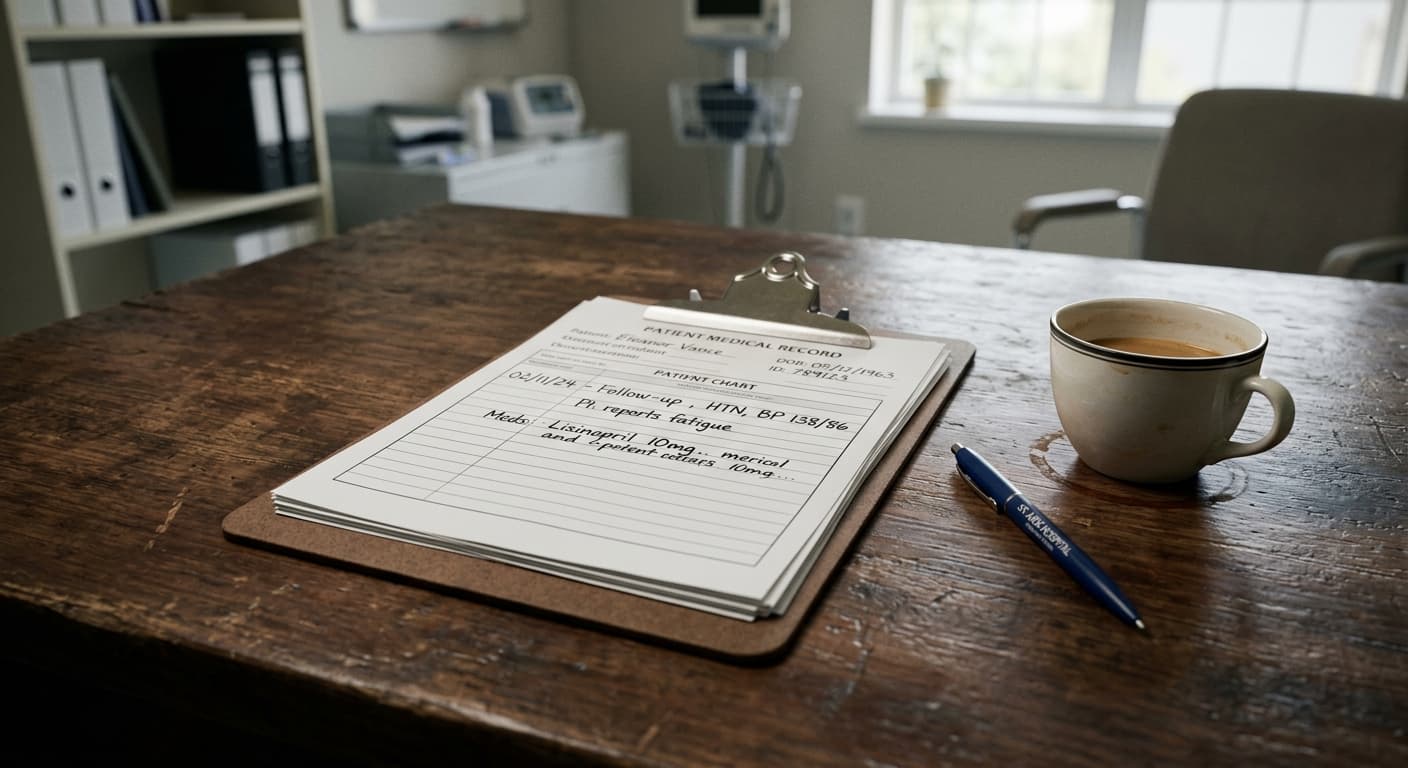
A Vermont patient may record their own medical appointment without notifying the provider. Vermont has no state wiretapping statute, so federal one-party consent under 18 U.S.C. 2511 controls. HIPAA restricts providers and insurers, not patients, and does not prohibit patient recordings.
Vermont patients can record their own medical appointments under federal one-party consent (18 U.S.C. 2511). Because Vermont has no state wiretapping statute, federal law governs.
This guide covers patient rights, HIPAA, facility policies, the Rheaume ER ruling, telehealth, and evidence use.
Patient Recording Rights
You can record doctor visits, specialist consultations, informed consent conversations, pharmacy consultations, and insurance discussions without informing the provider.
The Rheaume ER Ruling
In State v. Rheaume (2005), the Vermont Supreme Court held that hospital emergency rooms are not private spaces. Patients in ER treatment areas have no reasonable expectation of privacy because these areas are "freely accessible." However, private examination rooms carry different expectations.
HIPAA
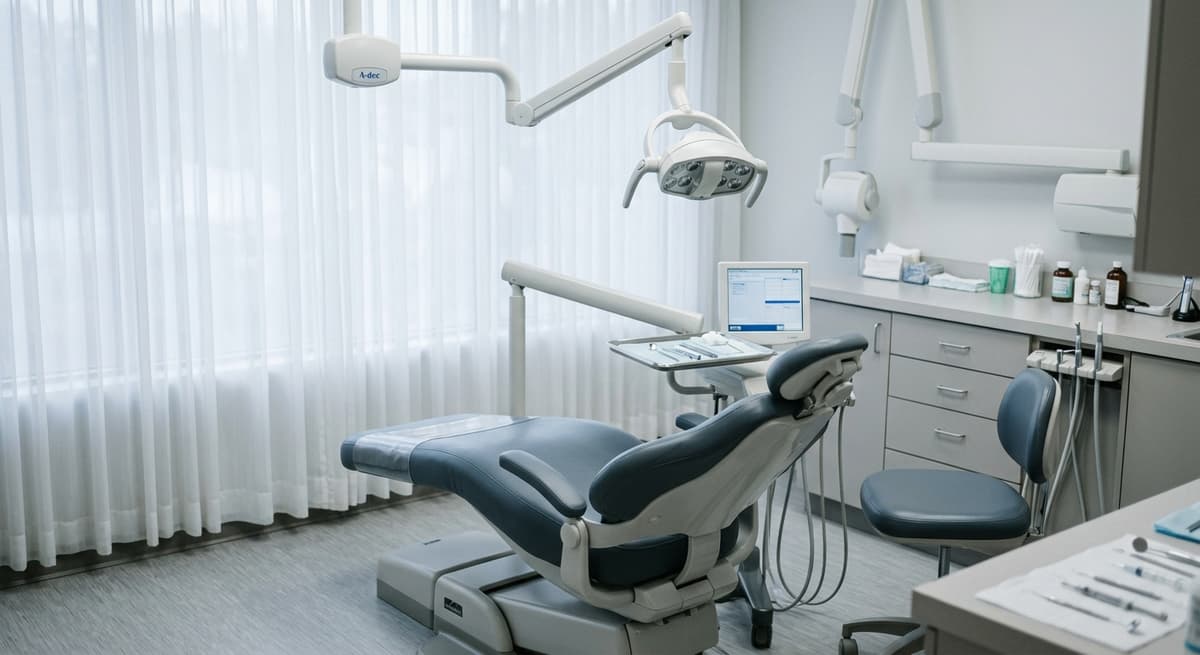
HIPAA restricts providers, not patients. You can record your visit, share it, and use it in legal proceedings. Your provider cannot correctly cite HIPAA to prohibit your recording.
Facility Policies
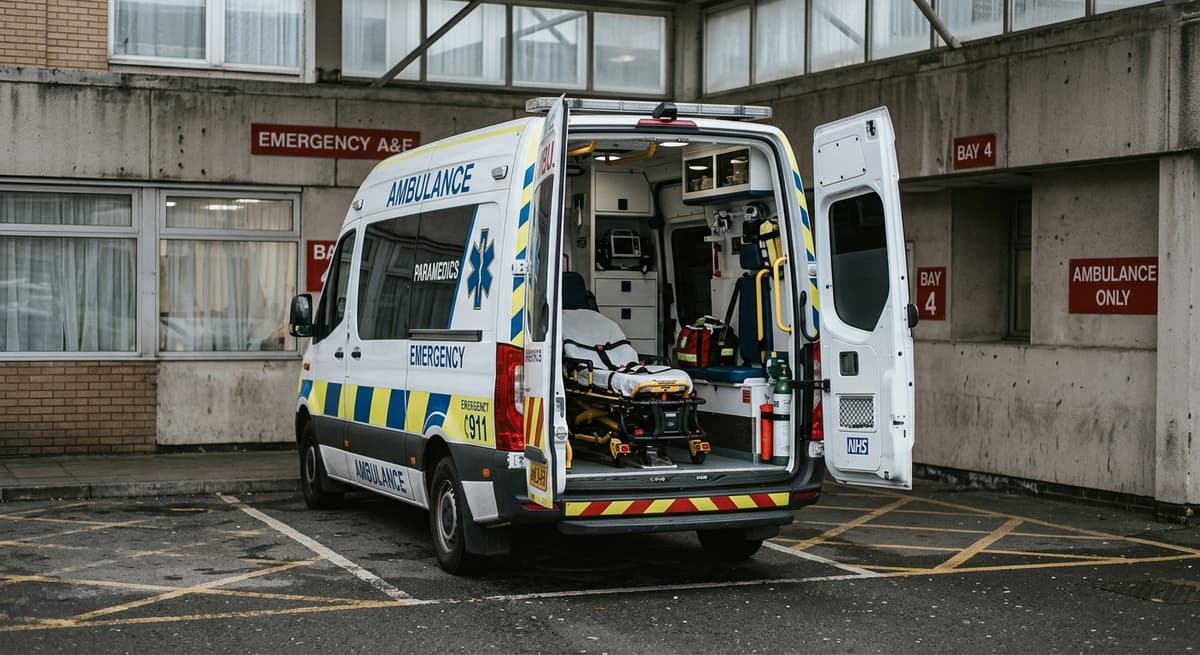
Facilities can have recording policies. Violating them is not criminal. A simple "I'd like to record this" often resolves concerns.
Telehealth
One-party consent applies. If your provider is in a two-party consent state, inform them. Platform recording features typically notify both parties.
Evidence Use
Recordings support malpractice claims, insurance disputes, and informed consent cases. Authentication requirements apply in Vermont courts.
More Vermont Recording Laws
Audio Recording | Video Recording | Voyeurism & Hidden Cameras | Workplace Recording | Recording Police | Phone Call Recording | Security Cameras | Recording in Public | Landlord-Tenant | Dashcam Laws | Schools | Medical Recording
Back to Vermont Recording Laws
More Vermont Recording Topics
More Vermont Laws
Frequently Asked Questions
Can I record my doctor in Vermont?
Yes. Federal one-party consent (18 U.S.C. 2511) allows recording medical appointments you attend. HIPAA does not restrict patient recording.
Does HIPAA prevent recording medical visits?
No. HIPAA restricts providers and insurers, not patients. You can record, share, and use your own recordings.
Is a hospital ER a private space in Vermont?
No. The Vermont Supreme Court ruled in Rheaume (2005) that ERs are not private. Private examination rooms have different expectations.
Can I record a telehealth appointment?
Yes. One-party consent applies. If your provider is in a two-party consent state, inform them.
Can I use a medical recording in a malpractice case?
Yes. Lawfully recorded appointments are generally admissible in Vermont courts.
Updates
Independently fact-checked against the cited primary sources; governing law re-checked for recent changes
Governing law re-checked for recent changes
Reviewed and approved by an editor
The Law Behind This Article
This article rests on the statutory provisions below, held in our own legal record and retrieved from the official source. Tap a section to read the operative text.
Vermont Statutes Annotated, Title 13: Crimes and Criminal Procedure, Chapter 59: Lewdness and Prostitution, Subchapter: LEWD AND INDECENT CONDUCT
§ 2605VoyeurismIn forcecited in 14 of our articles
(a) As used in this section: (1) “Bona fide private investigator or bona fide security guard” means an individual lawfully providing services, whether licensed or unlicensed, pursuant to 26 V.S.A. §§ 3151 and 3151a. (2) “Female breast” means any portion of the female breast below the top of the areola. (3) “Circumstances in which a person has a reasonable expectation of privacy” means circumstances in which a reasonable person would believe that his or her intimate areas would not be visible to the public, regardless of whether that person is in a public or private area. This definition includes circumstances in which a person knowingly disrobes in front of another, but does not expect nor give consent for the other person to photograph, film, or record his or her intimate areas. (4) “Intimate areas” means the naked or undergarment-clad genitals, pubic area, buttocks, or female breast of a person.
Official text (excerpt) · last checked 2026-08-31 · Read the full text in our law library · Verify at legislature.vermont.gov
Cited in 6 court opinions in our collectionLatest citing opinion in our collection: 2022
In the courts (editorial summary, independently checked):In State v. DEVOID (2010) the Vermont Supreme Court reversed an attempted voyeurism conviction under section 2605(b)(1), holding the evidence could not show the defendant, on the ground, was able to see the complainant's intimate areas as the statute defines them, so looking at her window was not an overt act.
Opinions citing this section in our collection:
- State v. DEVOID (Supreme Court of Vermont 2010, 188 Vt. 445)✓A man stared up at a second-floor shower window from the parking lot; a photograph taken inside the bathroom showed the complainant's intimate areas, as the statute defines them, were below the sill, so the court reversed his attempted-voyeurism conviction as unsupported.
- State v. Squiers (Supreme Court of Vermont 2006, 179 Vt. 388)“…r any object into the genital or anal opening of another”); 13 V.S.A. § 2605(a)(4) & (b) (prohibiting the viewing or…”
- State v. Beaudoin (Supreme Court of Vermont 2008, 185 Vt. 164)“…ter 1 includes §§ 2601 and 2602 and a section on voyeurism, 13 V.S.A. § 2605. Section 2601 makes it a felony to enga…”
Identified automatically from the court opinions citing this section — not a ranking of which case controls.
United States Code Title 18
§ 2511Interception and disclosure of wire, oral, or electronic communications prohibitedIn forcecited in 418 of our articles
Except as otherwise specifically provided in this chapter any person who— intentionally intercepts, endeavors to intercept, or procures any other person to intercept or endeavor to intercept, any wire, oral, or electronic communication; intentionally uses, endeavors to use, or procures any other person to use or endeavor to use any electronic, mechanical, or other device to intercept any oral communication when— such device is affixed to, or otherwise transmits a signal through, a wire, cable, or other like connection used in wire communication; or such device transmits communications by radio, or interferes with the transmission of such communication; or such person knows, or has reason to know, that such device or any component thereof has been sent through the mail or transported in interstate or foreign commerce; or such use or endeavor to use (A) takes place on the premises of any business or other commercial establishment the operations of which affect interstate or foreign commerce; or (B) obtains or is for the purpose of obtaining information relating to the operations of any business or other commercial establishment the operations of which affect interstate or foreign…
Official text (excerpt) · last checked 2026-08-28 · Read the full text in our law library · Verify at uscode.house.gov
Cited in 2,045 court opinions in our collectionLatest citing opinion in our collection: 2026
In the courts (editorial summary, independently checked):Griggs-Ryan v. Smith (1990) applied the Section 2511(2)(d) prior-consent exception, treating a tenant repeatedly told that all incoming calls were taped as having impliedly consented. United States v. United States District Court (1972) read the then-current Section 2511(3) as conferring no presidential surveillance power.
Opinions citing this section in our collection:
- Mitchell v. Forsyth (Supreme Court of the United States 1985, 472 U.S. 511)✓The Attorney General authorized a warrantless 1970 national security wiretap that caught the plaintiff's calls; the Court held the since-repealed Section 2511(3) disclaimer left the tap lawful under Title III, and that Mitchell had qualified immunity.
- United States v. United States District Court for the Eastern District of Michigan (Supreme Court of the United States 1972, 407 U.S. 297)✓The Attorney General approved warrantless wiretaps on members of a domestic group accused of bombing a CIA office; the Court read Section 2511(3) as a congressional disclaimer conferring no surveillance power, then held the Fourth Amendment required prior judicial approval.
- Forsyth v. Barr (Court of Appeals for the Fifth Circuit 1994, 19 F.3d 1527)✓Dallas police used, in an internal affairs probe of an officer, calls private parties allegedly intercepted illegally; assuming that was unlawful, the Fifth Circuit held Section 2517(1) and (2) allowed the disclosure and use, defeating the Section 2511(1)(c) and (d) claims.
Identified automatically from the court opinions citing this section — not a ranking of which case controls.
Search our full record of US law — 2.1 million sections, every state + federal →
Sources and References
- 18 U.S.C. 2511 -- Federal Wiretap Act(law.cornell.edu)
- HIPAA Privacy Rule(hhs.gov).gov
- Right to Access Health Information -- HHS(hhs.gov).gov
- 13 V.S.A. 2605 -- Voyeurism(legislature.vermont.gov).gov