
Arizona
Arizona Laws on Recording Police: Your Rights After HB 2319
Independently fact-checked against primary sources (last audited August 15, 2026). · Reviewed by the RecordingLaw editorial team. · Law checked current as of August 15, 2026. · 7 primary sources cited on this page. How we verify our legal content
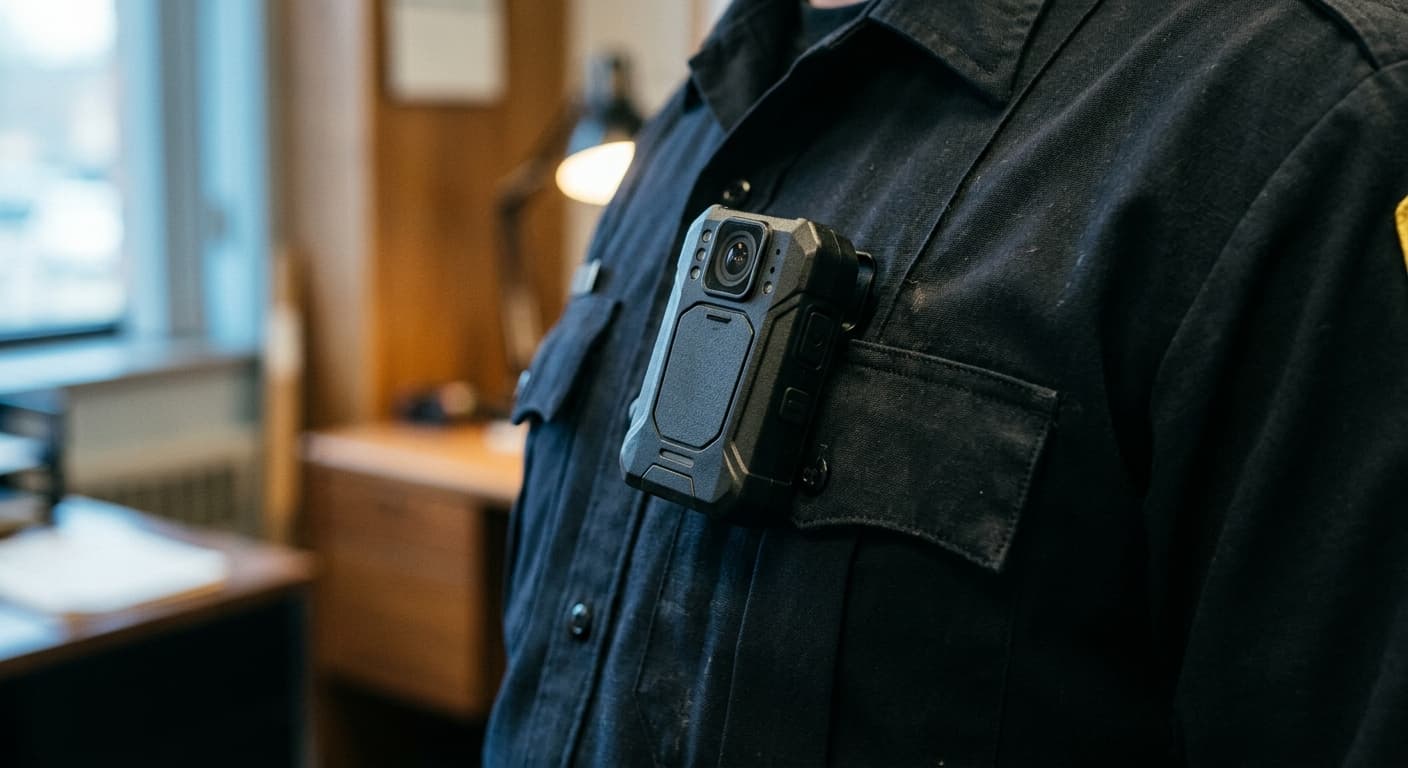
Arizona residents have a First Amendment right to record police officers performing their duties in public. Audio recordings fall under Arizona's one-party consent law (A.R.S. 13-3005). Arizona's eight-foot buffer rule, HB 2319 (A.R.S. 13-3732), was permanently blocked by a federal court in 2023 and cannot be enforced.
You have the legal right to record police officers in Arizona. The First Amendment to the U.S. Constitution protects your ability to film, photograph, and audio record law enforcement officers performing their official duties in public spaces, as established by Fordyce v. City of Seattle, 55 F.3d 436 (9th Cir. 1995), and Askins v. U.S. Dep't of Homeland Sec., 899 F.3d 1035 (9th Cir. 2018). Arizona's attempt to restrict this right through HB 2319 was permanently enjoined by stipulated injunction in Arizona Broadcasters Ass'n v. Mayes (D. Ariz. July 21, 2023).
This guide covers the full scope of your rights to record police in Arizona, the history and downfall of the eight-foot restriction, what officers can and cannot do when you are filming, and practical tips for safely and legally recording law enforcement encounters.
The Constitutional Right to Record Police
First Amendment Protection
Multiple federal appeals courts have recognized that the First Amendment protects the right of individuals to record police officers carrying out their duties in public, though the U.S. Supreme Court has not directly ruled on the question, so the scope of the right still varies somewhat by circuit. This right flows from the broader freedom of the press and the freedom of speech, which encompass the right to gather information about government officials acting in their public capacity.
The Ninth Circuit Court of Appeals, which covers Arizona, has recognized a First Amendment right to record police in two decisions. Fordyce v. City of Seattle, 55 F.3d 436 (9th Cir. 1995), reversed summary judgment and sent to trial a claim that an officer used force to stop a bystander from filming a protest, holding a jury could find that violated the First Amendment. Askins v. U.S. Dep't of Homeland Sec., 899 F.3d 1035 (9th Cir. 2018), cited Fordyce for the right to record officers performing official duties in public and vacated the dismissal of similar claims, sending them back for further proceedings. Neither case was decided on qualified-immunity 'clearly established right' grounds. U.S. District Judge John J. Tuchi cited this Ninth Circuit authority in the Arizona Broadcasters case, finding the right to record law enforcement in public beyond reasonable dispute.
What This Right Covers
Your right to record police in Arizona includes:
- Filming traffic stops, including your own
- Recording arrests happening in public view
- Documenting police interactions with yourself or others
- Livestreaming encounters on social media platforms
- Photographing officers and their vehicles, badges, and equipment
- Audio recording conversations with police (one-party consent applies under ARS 13-3005)
- Recording from any public location where you have a legal right to be
The Rise and Fall of HB 2319 (The Eight-Foot Rule)
What the Law Said
In 2022, Arizona Governor Doug Ducey signed HB 2319 into law, codified as ARS 13-3732. The law made it a Class 3 misdemeanor to knowingly make a video recording of law enforcement activity within eight feet of where the activity was occurring, if the person making the recording was warned by an officer that they were too close.
The law included exceptions for:
- The person who was the subject of the police encounter
- A person in a vehicle during a traffic stop
- A person recording from inside a private residence
The Legal Challenge
A coalition including the American Civil Liberties Union of Arizona, several news organizations, and individual journalists challenged HB 2319 in federal court shortly after it was signed. The plaintiffs argued that the law violated the First Amendment by restricting speech based on its content (recording police) and was not narrowly tailored to serve a compelling government interest.
The Court's Ruling
On July 21, 2023, U.S. District Judge John J. Tuchi entered a permanent injunction and declaratory judgment in Arizona Broadcasters Ass'n v. Mayes, No. 2:22-cv-01431-JJT (D. Ariz. 2023), blocking enforcement of ARS 13-3732. The injunction was stipulated -- the Arizona Attorney General agreed not to defend the statute, and the parties jointly presented the injunction for entry. Because the resolution was by stipulation, the court did not issue a full merits ruling on First Amendment strict scrutiny. The declaratory judgment confirms the statute is unenforceable as a restriction on First Amendment-protected recording activity. HB 2319 cannot be enforced anywhere in Arizona.
What This Means for You
The permanent injunction means you can record police from any distance in Arizona, as long as you are in a public place and not physically interfering with police operations. The eight-foot restriction has no legal force.
What You Can Do When Recording Police
Your Specific Rights
When recording law enforcement in Arizona, you can:
- Stand on any public sidewalk, street, or property and record
- Use any device including smartphones, cameras, body cameras, and professional video equipment
- Record audio as well as video under one-party consent rules
- Refuse to identify yourself unless you are suspected of committing a crime (Arizona has a stop-and-identify statute under ARS 13-2412, but it only applies when you are lawfully detained on suspicion of criminal activity)
- Refuse to stop recording when an officer asks you to
- Refuse to show officers your footage without a warrant
- Refuse to delete footage under any circumstances
- Livestream your recording so a copy exists even if your device is seized
Recording Your Own Police Encounter
If you are the subject of a police encounter (traffic stop, pedestrian stop, or arrest), you have the right to record the interaction. Under the HB 2319 ruling, even the now-defunct law acknowledged an exception for the subject of the encounter. Best practices:
- Inform the officer calmly that you are recording
- Keep your hands visible if possible
- Do not make sudden movements to reach for your phone
- If your phone is already out, keep recording
- You can also ask a passenger to record the encounter
What You Cannot Do When Recording Police
Limitations on Your Right
The right to record is not unlimited. You cannot:
- Physically interfere with police operations
- Trespass on private property to get a better angle for recording
- Enter a crime scene that has been cordoned off
- Obstruct an officer's movement or block them from performing their duties
- Refuse to comply with lawful orders to move back from an active tactical situation (such as an active shooter or hostage situation)
- Resist arrest if an officer unlawfully tries to stop your recording (assert your rights verbally, then challenge the action in court)
Arizona's Existing Obstruction Laws
Officers may still use existing statutes if your recording activity crosses into interference:
- ARS 13-2409: Obstructing a criminal investigation or prosecution (Class 5 felony)
- ARS 13-2506: Obstructing a highway or public thoroughfare (Class 3 misdemeanor)
- ARS 13-1502: Criminal trespass (applicable if you enter private property to record)
These laws apply to your conduct, not to the act of recording itself. An officer cannot use obstruction as a pretext to stop lawful recording.
What Officers Cannot Do
Prohibited Officer Conduct
Arizona police officers cannot:
- Order you to stop recording solely because they do not want to be filmed
- Confiscate your phone or camera without a warrant or probable cause
- Delete footage from your device under any circumstances
- Arrest you for the sole act of recording in a public place
- Threaten you with arrest for lawful recording activity
- Physically assault you or use force to prevent recording
- Retaliate against you for exercising your First Amendment rights
What to Do if an Officer Violates Your Rights
If a police officer unlawfully interferes with your recording:
- Stay calm and do not physically resist. Verbal resistance is protected; physical resistance can lead to additional charges regardless of whether the underlying stop was lawful.
- State clearly: "I am exercising my First Amendment right to record. I am not interfering with your duties."
- Note the officer's name, badge number, and patrol car number if possible.
- File a complaint with the department's internal affairs division.
- Contact the ACLU of Arizona or a civil rights attorney if your rights were violated.
- File a Section 1983 civil rights lawsuit in federal court if you suffered damages from the violation.
Police Body Cameras in Arizona
State Law on Body-Worn Cameras
Arizona does not have a comprehensive statewide body camera mandate. Individual police departments set their own policies on body-worn cameras. However, many Arizona law enforcement agencies have adopted body camera programs, including:
- The Phoenix Police Department
- The Tucson Police Department
- The Mesa Police Department
- The Maricopa County Sheriff's Office
Body-Worn Camera Statutory Framework
Arizona does not have a single statute setting statewide definitions or operational requirements for the peace officer body-worn camera program -- individual departments set their own written policies, consistent with the point above. ARS 41-1734 governs how the Arizona Department of Public Safety specifically discloses, redacts, and charges fees for its own body-worn camera footage; it does not extend to other Arizona law enforcement agencies.
Accessing Body Camera Footage
Body camera footage from Arizona law enforcement is a public record subject to ARS 39-121. For footage held by the Arizona Department of Public Safety specifically, the disclosure and redaction rules in ARS 41-1734 also apply. You can request footage through a public records request to the relevant agency. Exceptions apply:
- Footage from ongoing criminal investigations may be withheld
- The Department of Public Safety may redact footage showing victims or juveniles under ARS 41-1734
- Agencies may charge reasonable fees for copying and producing the footage
Recording at Government Meetings and Buildings
Arizona Open Meeting Law
The Arizona Open Meeting Law (ARS 38-431.01) explicitly protects the public's right to record government meetings. You can record:
- City council meetings
- County board of supervisors meetings
- School board meetings
- Police oversight board meetings
- Public hearings and forums
- Any meeting of a public body
The law states that persons in attendance may record any portion of a public meeting, as long as the recording does not actively interfere with the meeting. No prior permission is needed.
Recording Inside Government Buildings
You generally have the right to record in public areas of government buildings (lobbies, hallways, courtrooms during public proceedings). However, some areas may have additional restrictions:
- Courtrooms are subject to the presiding judge's rules
- Secure areas of police stations and jails are restricted
- Some government offices may have posted policies about recording
Arizona Recording Laws by Topic
Phone Call Recording | Audio Recording | Video Recording | Workplace Recording | Recording Police | Security Cameras | Recording in Public | Landlord-Tenant | Dashcam Laws | Schools | Medical Recording | Voyeurism & Hidden Cameras
Back to Arizona Recording Laws
More Arizona Recording Topics
More Arizona Laws
Frequently Asked Questions
Can I record police officers in Arizona?
Yes. The First Amendment protects your right to record law enforcement officers performing their duties in public. Arizona's 2022 eight-foot restriction law (HB 2319) was permanently struck down as unconstitutional by a federal court in 2023. You can record from any distance as long as you do not physically interfere with police operations.
Was the Arizona eight-foot police recording law overturned?
Yes. HB 2319 was permanently enjoined by stipulated injunction and declaratory judgment in Arizona Broadcasters Ass'n v. Mayes, No. 2:22-cv-01431-JJT (D. Ariz. July 21, 2023) (Tuchi, J.). The Arizona Attorney General agreed not to defend the statute. The injunction was entered by stipulation, not after a full merits ruling. ARS 13-3732 is unenforceable anywhere in Arizona.
Can a police officer in Arizona tell me to stop recording?
An officer cannot legally order you to stop recording solely because they do not want to be filmed. They can ask you to move if you are physically interfering with their duties or creating a safety hazard, but the act of recording itself is protected. If an officer orders you to stop, calmly state that you are exercising your First Amendment right.
Can police confiscate my phone for recording them in Arizona?
No. An officer cannot confiscate your recording device without a warrant or probable cause of a crime. They also cannot delete your footage under any circumstances. If an officer takes your phone, do not physically resist, but clearly state your objection and file a complaint afterward.
Can I record police during a traffic stop in Arizona?
Yes. You can record your own traffic stop as either the driver or a passenger. You can also record other people's traffic stops from a public location. Keep your hands visible and do not make sudden movements that could be misinterpreted as a threat.
Updates
Replaced two dead case-citation links with live CourtListener opinion pages, and corrected the page's description of Askins v. DHS, which had been framed as a qualified-immunity 'clearly established right' ruling; the case actually vacated a dismissal and sent the claims back for further proceedings. Also corrected an overstatement that the U.S. Supreme Court has ruled on the right to record police, which remains a circuit-by-circuit question.
Independently fact-checked against the cited primary sources; governing law re-checked for recent changes
Governing law re-checked for recent changes
Corrected the body-worn camera statutory framework section (the corpus's linked ARS 38-1171/38-1172 text is unrelated first-responder death-benefit law, not a body-cam statute, and no such statewide statute could be verified via the official Arizona Legislature site), narrowed ARS 41-1734's disclosure/redaction rules to the Department of Public Safety as the statute itself scopes them, and fixed the obstruction-statute citation from ARS 13-2404 (fire control, misdemeanor) to the correct ARS 13-2409 (obstructing investigations, Class 5 felony).
Governing law re-checked for recent changes
Added Fordyce v. City of Seattle, 55 F.3d 436 (9th Cir. 1995), and Askins v. U.S. Dep't of Homeland Sec., 899 F.3d 1035 (9th Cir. 2018) as controlling Ninth Circuit authority establishing the right to record police. Reframed HB 2319 / ARS 13-3732 injunction as stipulated injunction and declaratory judgment in Arizona Broadcasters Ass'n v. Mayes (D. Ariz. July 21, 2023), not a full merits ruling. Added ARS 38-1171, 38-1172, and 41-1734 body-worn camera statutory framework section replacing bare public-records-law reference. Updated citations array.
Reviewed and approved by an editor
The Law Behind This Article
This article rests on the statutory provisions below, held in our own legal record and retrieved from the official source. Tap a section to read the operative text.
Arizona Revised Statutes, Title 13 (Criminal Code), Chapter 30 (EAVESDROPPING AND COMMUNICATIONS)
§ 13-3005Interception of wire, electronic and oral communications; installation of pen register or trap and trace device; classification; exceptionsIn forcecited in 19 of our articles
A. Except as provided in this section and section 13-3012, a person is guilty of a class 5 felony who either: 1. Intentionally intercepts a wire or electronic communication to which he is not a party, or aids, authorizes, employs, procures or permits another to so do, without the consent of either a sender or receiver thereof. 2. Intentionally intercepts a conversation or discussion at which he is not present, or aids, authorizes, employs, procures or permits another to so do, without the consent of a party to such conversation or discussion. 3. Intentionally intercepts the deliberations of a jury or aids, authorizes, employs, procures or permits another to so do. B. Except as provided in sections 13-3012 and 13-3017, a person who intentionally and without lawful authority installs or uses a pen register or trap and trace device on the telephone lines or communications facilities of another person which are utilized for wire or electronic communication is guilty of a class 6 felony.
Official text (excerpt) · last checked 2026-08-31 · Read the full text in our law library · Verify at azleg.gov
Cited in 7 court opinions in our collectionLatest citing opinion in our collection: 2025
In the courts (editorial summary, independently checked):State v. Morrison (2002) held that 13-3005 criminalizes unlawful interception but provides no exclusionary remedy, so a recording made in violation of it is not automatically inadmissible. State v. Hauss (1984) held the section inapplicable to a police station interview room talk where no reasonable expectation of privacy existed.
Opinions citing this section in our collection:
- State v. Morrison (Court of Appeals of Arizona 2002, 203 Ariz. 489)“…ause it was made without his or her consent in violation of A.R.S. § 13-3005 and 18 U.S.C. § 2511 and was, therefo…”
- State v. Hauss (Court of Appeals of Arizona 1984, 142 Ariz. 159)✓Police secretly recorded an arrested suspect's talk with his girlfriend in a station interview room, after telling her the room was being monitored; the court held there was no reasonable expectation of privacy in that setting, so section 13-3005 did not apply.
- State v. Allgood (Court of Appeals of Arizona 1992, 171 Ariz. 522)“…communication.” (Emphasis added.) See also A.R.S. § 13-3005. (penalizing as a class 5 felony interc…”
Identified automatically from the court opinions citing this section — not a ranking of which case controls.
Also relied on in: Arizona Recording Laws (2026): One-Party Consent Rules, One-Party Consent States: Complete 2026 Guide, Arizona Audio Recording Laws: Complete Guide to Consent Rules
Arizona Revised Statutes, Title 13 (Criminal Code), Chapter 24 (OBSTRUCTION OF PUBLIC ADMINISTRATION)
§ 13-2409Obstructing criminal investigations or prosecutions; classificationIn force
A person who knowingly attempts by means of bribery, misrepresentation, intimidation or force or threats of force to obstruct, delay or prevent the communication of information or testimony relating to a violation of any criminal statute to a peace officer, magistrate, prosecutor or grand jury or who knowingly injures another in his person or property on account of the giving by the latter or by any other person of any such information or testimony to a peace officer, magistrate, prosecutor or grand jury is guilty of a class 5 felony, except that it is a class 3 felony if the person commits the offense with the intent to promote, further or assist a criminal street gang.
Official text (excerpt) · last checked 2026-08-04 · Read the full text in our law library · Verify at azleg.gov
Cited in 17 court opinions in our collectionLatest citing opinion in our collection: 2026
Opinions citing this section in our collection:
- State v. Carrasco (Court of Appeals of Arizona 2001, 201 Ariz. 220)“…ing a criminal investigation or prosecution in violation of A.R.S. § 13-2409, a class five felony. After the jury fo…”
- English-Clark v. City of Tucson (Court of Appeals of Arizona 1984, 142 Ariz. 522)“…ructing a criminal investigation, a class five felony under A.R.S. § 13-2409, after rejecting the charge of misdemea…”
- Walker v. Superior Court (Court of Appeals of Arizona 1998, 191 Ariz. 424)“…to law enforcement agencies, a class 1 misdemeanor.) ¶ 6 A.R.S. section 13-2409 (1989) provides as follows: Obstructi…”
Identified automatically from the court opinions citing this section — not a ranking of which case controls.
§ 13-2412Refusing to provide truthful name when lawfully detained; classificationIn force
A. It is unlawful for a person, after being advised that the person’s refusal to answer is unlawful, to fail or refuse to state the person's true full name on request of a peace officer who has lawfully detained the person based on reasonable suspicion that the person has committed, is committing or is about to commit a crime. A person detained under this section shall state the person's true full name, but shall not be compelled to answer any other inquiry of a peace officer. B. A person who violates this section is guilty of a class 2 misdemeanor.
Official text (excerpt) · last checked 2026-08-04 · Read the full text in our law library · Verify at azleg.gov
Cited in 9 court opinions in our collectionLatest citing opinion in our collection: 2026
Opinions citing this section in our collection:
- State v. Price (Court of Appeals of Arizona 2016)“…Decision of the Court name was valid. See Ariz. Rev. Stat. § 13-2412(A) (“It is unlawful for a person, after…”
- State v. Roman (Court of Appeals of Arizona 2022)“…th. Police arrested Roman for refusing to provide his name. A.R.S. § 13-2412(A). ¶3 Officers searched Ro…”
- State v. Fittz (Court of Appeals of Arizona 2018)“…tate [their] true full name on request of a peace officer.” A.R.S. § 13-2412(A). If there is probable cause for an a…”
Identified automatically from the court opinions citing this section — not a ranking of which case controls.
Arizona Revised Statutes, Title 13 (Criminal Code), Chapter 37 (MISCELLANEOUS OFFENSES)
§ 13-3732Unlawful video recording of law enforcement activity; classification; definitionIn forcecited in 4 of our articles
A. It is unlawful for a person to knowingly make a video recording of law enforcement activity if the person making the video recording is within eight feet of where the person knows or reasonably should know that law enforcement activity is occurring, either receives or has previously received a verbal warning from a law enforcement officer that the person is prohibited from making a video recording of a law enforcement activity within eight feet of the activity and continues to make a video recording of the law enforcement activity within eight feet of the activity. If the law enforcement activity is occurring in an enclosed structure that is on private property, a person who is authorized to be on the private property may make a video recording of the activity from an adjacent room or area that is less than eight feet away from where the activity is occurring, unless a law enforcement officer determines that the person is interfering in the law enforcement activity or that it is not safe to be in the area and orders the person to leave the area. B.
Official text (excerpt) · last checked 2026-08-04 · Read the full text in our law library · Verify at azleg.gov
Cited in 1 court opinions in our collectionLatest citing opinion in our collection: 2022
Opinions citing this section in our collection:
- Arizona Broadcasters Association v. Mayes (District Court, D. Arizona 2022)“…13-3732(A). A violation of HB2319 is a class 3 misdemeanor. A.R.S. § 13-3732(D). 2 HB2319 is set to take effect o…”
Identified automatically from the court opinions citing this section — not a ranking of which case controls.
Also relied on in: Arizona Dashcam Laws: Rules for Dashboard Cameras in Vehicles, Arizona Video Recording Laws: Rules for Cameras and Filming
Arizona Revised Statutes, Title 38 (Public Officers and Employees), Chapter 3 (CONDUCT OF OFFICE), Article 3.1 (Public Meetings and Proceedings)
§ 38-431.01Meetings shall be open to the public; seating; minutes; recordingsIn forcecited in 4 of our articles
A. All meetings of any public body shall be public meetings and all persons so desiring shall be allowed to attend and listen to the deliberations and proceedings. All legal action of public bodies shall occur during a public meeting. B. Schools, school boards, executive boards and municipalities shall provide for an amount of seating sufficient to accommodate the reasonably anticipated attendance of all persons desiring to attend the deliberations and proceedings, when feasible. This section does not require a public body to relocate a meeting outside of the largest regular meeting room. C. All public bodies shall provide for the taking of written minutes or a recording of all their meetings, including executive sessions. For meetings other than executive sessions, the minutes or recording shall include: 1. The date, time and place of the meeting. 2. The members of the public body recorded as either present or absent. 3. A general description of the matters considered. 4. An accurate description of all legal actions proposed, discussed or taken, including a record of how each member voted.
Official text (excerpt) · last checked 2026-08-04 · Read the full text in our law library · Verify at azleg.gov
Cited in 44 court opinions in our collectionLatest citing opinion in our collection: 2026
Opinions citing this section in our collection:
- Karol v. Board of Education Trustees (Arizona Supreme Court 1979, 122 Ariz. 95)“…We agree and so hold. The teachers next point to A.R.S. § 38-431.01(D), added, 1975 Ariz.Sess.Laws, ch. 48,…”
- Cooper v. ARIZONA WESTERN COLLEGE, ETC. (Court of Appeals of Arizona 1980, 125 Ariz. 463)“…e by a majority of the members of a governing body." [2] A.R.S. § 38-431.01, as amended by Laws 1975, Ch. 48, § 1,…”
- Desert Mountain v. Flagstaff (Court of Appeals of Arizona 2025)“…Karol v. Bd. of Educ. Trs., 122 Ariz. 95, 97 (1979) (citing A.R.S. § 38-431.01 (1979)). ¶2 In this specia…”
Identified automatically from the court opinions citing this section — not a ranking of which case controls.
Also relied on in: Arizona Laws on Recording in Public: What You Can and Cannot Film, Arizona School Recording Laws: Rules for Students, Parents, and Teachers
Arizona Revised Statutes, Title 39 (Public Records, Printing and Notices), Chapter 1 (PUBLIC RECORDS), Article 2 (Searches and Copies)
§ 39-121Inspection of public recordsIn forcecited in 4 of our articles
Public records and other matters in the custody of any officer shall be open to inspection by any person at all times during office hours.
Official text (excerpt) · last checked 2026-09-03 · Read the full text in our law library · Verify at azleg.gov
Cited in 89 court opinions in our collectionLatest citing opinion in our collection: 2026
In the courts (editorial summary, independently checked):Arizona courts presume records covered by section 39-121 open, while allowing a custodian to withhold when confidentiality, privacy, or the state's best interests outweigh disclosure, subject to judicial review. Carlson v. Pima County (1984) stated that balancing; Arizona Board of Regents v. Phoenix Newspapers, Inc. (1991) applied it.
Opinions citing this section in our collection:
- Carlson v. Pima County (Arizona Supreme Court 1984, 141 Ariz. 487)✓A jail inmate sued for defamation after a reporter obtained a sheriff's offense report naming him; the court held the report was a public record open under 39-121, and that records kept under 39-121.01(B) are presumed open unless privacy or state interests outweigh disclosure.
- Arizona Board of Regents v. Phoenix Newspapers, Inc. (Arizona Supreme Court 1991, 167 Ariz. 254)✓Newspapers sought the names and resumes of everyone considered for the ASU presidency; applying 39-121, the court held the Board could withhold the 256 prospects on confidentiality and state interest grounds but had to release the 17 interviewed candidates.
- Salt River Pima-Maricopa Indian Community v. Rogers (Arizona Supreme Court 1991, 168 Ariz. 531)✓A newspaper sought a list of payments to individual tribal allottees for a freeway right of way that sat in the state treasurer's office; the court held mere possession is not enough and that the list was not a public record or other matter under 39-121.
Identified automatically from the court opinions citing this section — not a ranking of which case controls.
Also relied on in: Arizona Police Body Camera Laws (2026): Rules & Footage Access, Arizona Public Records Law: Requests, Fees, and Special Actions, Are Autopsy Reports Public in Arizona? (2026 Guide)
Arizona Revised Statutes, Title 41 (State Government), Chapter 12 (PUBLIC SAFETY), Article 2 (Department of Public Safety)
§ 41-1734Video recordings; release; consent; redactions; request requirements; feeIn forcecited in 3 of our articles
A. The department may release to the public a copy of a video recording only if one or more of the following apply: 1. All persons other than peace officers shown in the video recording consent to the release, or any information that may identify persons shown in the video has been redacted. If a person shown in the video recording is deceased, the person's parent, guardian, next of kin or estate may provide the consent. 2. The department is the custodian of the video recording and reasonably determines that there is an important public purpose for releasing the video recording, including a situation in which the video recording involves any of the following: (a) A person being arrested for a misdemeanor or felony with a sentence that may result in incarceration. (b) One or more peace officers using physical force. (c) An allegation of law enforcement misconduct. B. Before the department releases to the public a copy of a video recording, the department shall review the video recording to determine whether redacting or withholding the video recording is appropriate. The department: 1.
Official text (excerpt) · last checked 2026-08-04 · Read the full text in our law library · Verify at azleg.gov
Search our full record of US law — 2.1 million sections, every state + federal →
Sources and References
- Arizona Revised Statutes 13-3732 - Recording of Law Enforcement Activity(azleg.gov).gov
- Arizona Revised Statutes 13-3005 - Interception of Communications(azleg.gov).gov
- Arizona Open Meeting Law - ARS 38-431.01(azleg.gov).gov
- Arizona Public Records Law - ARS 39-121(azleg.gov).gov
- ARS 41-1734 - DPS peace officer body camera requirement(azleg.gov).gov
- Fordyce v. City of Seattle, 55 F.3d 436 (9th Cir. 1995) - First Amendment right to record in public(courtlistener.com)
- Askins v. U.S. Dept of Homeland Sec., 899 F.3d 1035 (9th Cir. 2018) - First Amendment right to record law enforcement in public; dismissal vacated and remanded for further proceedings(courtlistener.com)
- EFF - Federal Judge Upholds Right to Record Police in Arizona(eff.org)
- ARS 13-2409 - Obstructing criminal investigations or prosecutions(azleg.gov).gov
- Arizona Revised Statutes 13-2412 - Failure to Provide Truthful Name(azleg.gov).gov