
California
California Hit and Run Laws: Penalties and What to Do
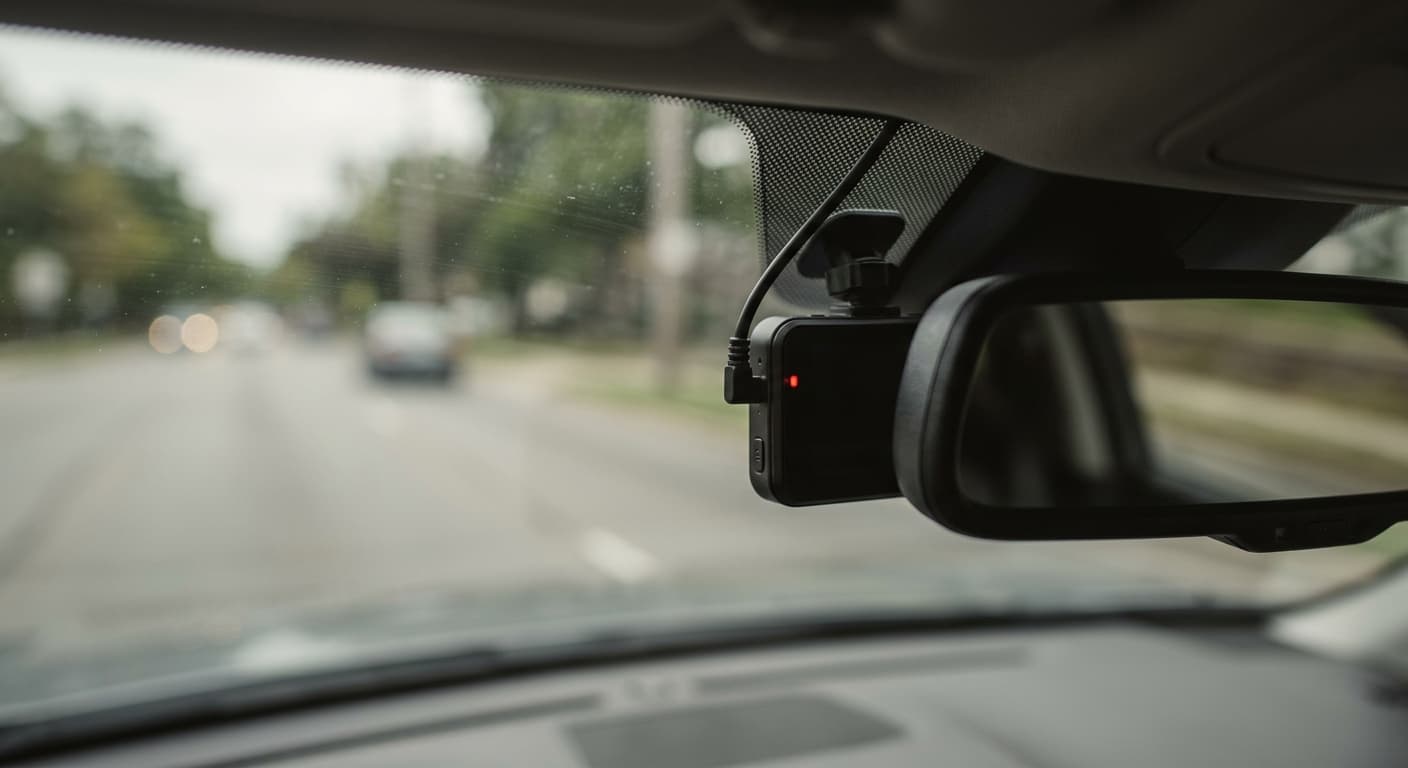
California classifies hit and run as a misdemeanor under Cal. Veh. Code 20002 when only property is damaged, punishable by up to 6 months in jail and a $1,000 fine. When an accident causes injury or death, Cal. Veh. Code 20001 elevates the offense to a wobbler, carrying up to 4 years in state prison.
Hurt in a hit-and-run? If the driver who hit you fled or had no insurance, your own uninsured/underinsured-motorist (UM/UIM) coverage may pay your injury claim. Estimate what it could be worth with our free California Car Accident Settlement Calculator.
California Hit and Run Laws (2026 Guide)
Quick Summary: California Hit and Run Laws
- Property damage only: Misdemeanor, up to 6 months in jail, up to $1,000 fine
- Injury involved: Wobbler offense (misdemeanor or felony), up to 4 years in prison
- Death or serious injury: Felony, 90 days minimum, up to 4 years in prison, $1,000 to $10,000 fine
- DUI with hit and run: Additional 5 years consecutive if victim dies
- Statute of limitations: 2 years for civil claims

California Hit and Run Statistics
Hit and run crashes have reached crisis levels in California, particularly in major cities. The numbers paint a troubling picture:
- 50% of Los Angeles traffic accidents are hit and runs, compared to 11% nationally
- Only 8 to 12% of hit and run drivers in LA are ever caught
- 4 out of 5 serious felony hit and run cases go unsolved
- 3,807 traffic fatalities occurred in California in 2024
- 7,148 pedestrians were killed by drivers nationally in 2024
These statistics underscore why California law imposes severe penalties on drivers who flee accident scenes.
Vehicle Code 20001: Felony Hit and Run Explained
The term "felony hit and run" is somewhat misleading. California classifies hit and run involving injury as a "wobbler" crime, meaning prosecutors can charge it as either a misdemeanor or felony depending on the circumstances.
To secure a conviction under Vehicle Code 20001, prosecutors must prove four elements beyond a reasonable doubt:
- You were driving a vehicle involved in an accident
- The accident caused injury or death to another person
- You knew, or reasonably should have known, that you were in an accident that injured someone
- You willfully failed to stop, provide assistance, or exchange information
The duty to stop applies regardless of who caused the accident. Even if the other driver was entirely at fault, you must still stop and fulfill your legal obligations.
Your Legal Duties at the Scene
California Vehicle Code Sections 20003 and 20004 outline your specific obligations after any accident:
- Stop immediately at the scene or as close as safely possible
- Provide your name, address, and vehicle registration to the other party
- Show your driver's license if requested (or other valid ID if you do not have a license)
- Provide reasonable assistance to anyone who is injured
- Notify law enforcement or the California Highway Patrol if the accident involves death or injury
For accidents involving only property damage, you may move your vehicle to avoid blocking traffic. For accidents involving injury or death, do not move your vehicle unless law enforcement or emergency personnel instruct you to do so.
What Happens When You Leave the Scene
If you leave an accident scene without fulfilling your legal duties, the consequences depend on the severity of the accident.
Property damage only (Vehicle Code 20002): Leaving the scene is a misdemeanor. If you cannot locate the vehicle owner, you must leave a written note in a visible location on the damaged property. The note must include your name, address, and a brief description of what happened. You must also report the accident to local police or the CHP without unnecessary delay.
Vehicle Code Section 20002 states:
"Leave in a conspicuous place on the vehicle or other property damaged a written notice giving the name and address of the driver and the owner of the vehicle involved and a statement of the circumstances thereof and shall without unnecessary delay notify the police department of the city wherein the collision occurred or if the collision occurred in unincorporated territory, the local headquarters of the Department of the California Highway Patrol."
When Does Hit and Run Become a Felony?
A hit and run becomes a potential felony when the accident causes injury or death. Prosecutors consider several factors when deciding whether to file felony charges:
- The severity of injuries sustained by the victim
- Whether the accident resulted in permanent injury or death
- Your criminal history
- Evidence of intoxication or reckless driving
- Whether you made any attempt to return or contact authorities
Intentional Acts and Additional Charges
If the hit and run resulted from road rage or intentional conduct, prosecutors may pursue additional charges including vehicular homicide and assault with a deadly weapon. If you were intoxicated and caused a death, you may face gross vehicular manslaughter charges under Penal Code 191.5, which carries up to 10 years in prison.
Note: Prosecutors can charge you with multiple offenses arising from the same incident.
California Hit and Run Penalties
California imposes different penalties based on the nature of the accident and resulting harm.
Property Damage Only (Vehicle Code 20002)
- Up to 6 months in county jail
- Fine up to $1,000
- Restitution for property damage
- 2 points on your driving record
- Possible probation in lieu of jail
Injury Involved (Vehicle Code 20001)
As a misdemeanor:
- Up to 1 year in county jail
- Fine between $1,000 and $10,000
As a felony:
- 2, 3, or 4 years in state prison
- Fine between $1,000 and $10,000
Death or Permanent Serious Injury
- Minimum 90 days in county jail, up to 4 years in state prison
- Fine between $1,000 and $10,000
- The court may reduce the minimum sentence in the interests of justice
Hit and Run While Intoxicated
Fleeing the scene after causing a fatal accident while intoxicated carries some of the harshest penalties in California law.
Under Vehicle Code Section 20001(c), if you flee after committing gross vehicular manslaughter while intoxicated (Penal Code 191.5), you face an additional 5 years in state prison. This sentence runs consecutive to any other punishment, meaning it is added on top of the base sentence.
This enhancement only applies if prosecutors specifically charge it in the complaint and prove it at trial or you admit to it.
Notable California Hit and Run Cases
Several high-profile cases illustrate how California courts handle hit and run offenses:
Rebecca Gayheart (2001): The actress struck and killed 9-year-old Jorge Cruz Jr. in Los Angeles after he ran into the street. Gayheart pleaded no contest to vehicular manslaughter without gross negligence. She received 3 years probation, a $2,800 fine, 750 hours of community service, and a one-year license suspension.
Lindsay Lohan (2007): The actress was arrested in Beverly Hills for DUI, possession of cocaine, and misdemeanor hit and run after a car accident. The case resulted in court-ordered rehabilitation.
Caitlyn Jenner (2015): The reality TV star was involved in a multi-vehicle collision on Pacific Coast Highway that killed Kim Howe. Prosecutors declined to file criminal charges, citing insufficient evidence to prove criminal negligence. The case was settled in civil court.
These cases demonstrate that celebrity status does not exempt anyone from hit and run laws, though outcomes vary based on the specific facts and evidence available.
How Police Investigate Hit and Run Cases
Despite low solve rates, police employ multiple investigative techniques to identify hit and run drivers:
- Traffic and surveillance cameras: Red light cameras, business security footage, and city traffic cameras often capture license plates or vehicle descriptions
- Paint transfer analysis: Forensic technicians can match paint chips left at the scene to specific vehicle makes and models
- Witness statements: Bystanders may provide partial plate numbers, vehicle descriptions, or driver characteristics
- Automated license plate readers (ALPR): Police databases track vehicles throughout the city and can identify cars near accident scenes
- Social media tips: Police increasingly rely on community tips submitted through social media and anonymous tip lines
- Vehicle damage matching: Body shops may report suspicious repairs, and police can match damage patterns to accident scenes
What To Do If You Are the Victim
If a hit and run driver strikes you or your vehicle, take these steps to protect yourself and improve the chances of finding the responsible party:
- Get to safety and call 911 if anyone is injured
- Document everything: Take photos of the scene, your injuries, vehicle damage, skid marks, and debris
- Write down what you remember: Vehicle color, make, model, partial license plate, driver description, direction of travel
- Talk to witnesses: Get contact information from anyone who saw the accident
- Look for cameras: Note any nearby businesses, traffic cameras, or doorbell cameras that may have footage
- File a police report immediately, even if damage seems minor
- Contact your insurance company: Your uninsured motorist coverage may apply
- Seek medical attention: Some injuries do not become apparent until hours or days later
Insurance Options for Hit and Run Victims
If the at-fault driver cannot be found, you may still have options:
- Uninsured motorist coverage: This coverage pays for your injuries and vehicle damage when the at-fault driver has no insurance or cannot be identified
- Collision coverage: Covers damage to your vehicle regardless of fault
- Medical payments coverage (MedPay): Pays medical expenses regardless of fault
Review your policy or contact your insurance agent to understand your coverage.
How Fault Is Determined in California
California follows the "pure comparative negligence" rule. This means that even if you were partially at fault for an accident, you can still recover damages from the other party. However, your recovery is reduced by your percentage of fault.
For example, if you suffered $100,000 in damages but were 30% at fault, you could recover $70,000.
Because fault determination significantly affects your legal and financial outcomes, never admit fault at an accident scene. Let insurance companies and attorneys determine liability based on evidence.
Statute of Limitations
California imposes time limits for taking legal action after a hit and run:
- Personal injury claims: 2 years from the date of the accident
- Property damage claims: 3 years from the date of the accident
- Claims by minors: The clock starts when the minor turns 18, then the standard time limits apply
For more details, see our California Statute of Limitations guide.
Legal Defenses for Hit and Run Charges
If you are charged with hit and run in California, several defenses may apply to your case:
No Injury or Property Damage Occurred
You can only be convicted under Vehicle Code 20001 if the accident caused injury or death. If prosecutors cannot prove any harm occurred, the felony charge cannot stand. You may still face misdemeanor charges under Vehicle Code 20002 if property damage occurred.
It Was Unsafe to Stop
In certain situations, stopping at the scene may pose a genuine danger. Valid reasons to leave might include:
- The other driver or bystanders threatened you with violence
- You were in a dangerous area and feared for your safety
- No safe place to pull over existed
- You were transporting someone to the hospital in an emergency
If you left for safety reasons, contact police as soon as possible to report the accident. An attorney can help you present this defense effectively.
You Were Not the Driver
Police sometimes identify the wrong person based on vehicle registration alone. If someone else was driving your car at the time of the accident, you are not guilty of hit and run. Alibis, witness testimony, and other evidence can establish that you were not behind the wheel.
You Did Not Know an Accident Occurred
Minor collisions can occur without the driver realizing it, especially in large vehicles or loud traffic conditions. If you genuinely did not know you were involved in an accident, you lacked the intent required for a conviction.
Can You Settle a Hit and Run Case?
Under California Penal Code 1378, prosecutors may dismiss hit and run charges if you satisfy the victim and they appear in court to acknowledge receiving satisfaction for their injuries.
This option is most viable when:
- The injuries were minor
- You have accepted responsibility
- You have compensated the victim for all expenses
- The victim agrees to the resolution
The decision to dismiss remains with the court, but victim satisfaction is a significant factor.
Should You Turn Yourself In?
If you left an accident scene and later realized you should have stayed, turning yourself in is generally advisable. Voluntary surrender demonstrates good faith and may influence prosecutors to reduce charges or judges to impose lighter sentences.
Before turning yourself in, consult with a criminal defense attorney. An attorney can help you understand your options, communicate with prosecutors, and present your case in the most favorable light.
Is hit and run a felony in California?
It depends on the circumstances. Hit and run causing only property damage is always a misdemeanor. Hit and run causing injury is a "wobbler" that prosecutors can charge as either a misdemeanor or felony. The severity of injuries, your criminal history, and other factors influence the charging decision.
How long do police have to charge me with hit and run?
For misdemeanor hit and run, prosecutors generally have 1 year to file charges. For felony hit and run, they have 3 years. These time limits can vary based on specific circumstances.
What if I did not know I hit someone?
Lack of knowledge is a valid defense. If you genuinely did not realize an accident occurred, you lacked the intent required for conviction. However, you must prove this was reasonable given the circumstances.
Can I be charged if I come back to the scene later?
Yes, but returning to the scene or turning yourself in voluntarily may help your case. Prosecutors and judges often view voluntary surrender favorably when determining charges and sentences.
Does insurance cover hit and run damage to my car?
If you are the victim, your uninsured motorist coverage or collision coverage may apply. If you caused the hit and run and fled, your insurance policy may limit or deny coverage for claims arising from criminal conduct.
What is the difference between hit and run and leaving the scene?
These terms are often used interchangeably. "Leaving the scene of an accident" is the formal description of the offense. "Hit and run" is the common term used in everyday language and media.
Legal References
- California Vehicle Code 20001: Felony hit and run (injury or death)
- California Vehicle Code 20002: Misdemeanor hit and run (property damage)
- California Vehicle Code 20003: Duties at accident scene
- California Vehicle Code 20004: Duty to report fatal accidents
- California Penal Code 1378: Dismissal upon victim satisfaction
- California Penal Code 191.5: Gross vehicular manslaughter while intoxicated
Other California Laws
- California Whistleblower Laws
- California Car Seat Laws
- California Lemon Law
- California Recording Laws (2026 Guide)
- California Sexting Laws
- California Statute of Limitations
- California Dog Bite Laws
- California Child Support Laws
More California Laws
Frequently Asked Questions
When Does Hit and Run Become a Felony?
A hit and run becomes a potential felony when the accident causes injury or death. Prosecutors consider several factors when deciding whether to file felony charges: If the hit and run resulted from road rage or intentional conduct, prosecutors may pursue additional charges including vehicular homicide and assault with a deadly weapon.
Can You Settle a Hit and Run Case?
Under California Penal Code 1378, prosecutors may dismiss hit and run charges if you satisfy the victim and they appear in court to acknowledge receiving satisfaction for their injuries. This option is most viable when: The decision to dismiss remains with the court, but victim satisfaction is a significant factor.
Should You Turn Yourself In?
If you left an accident scene and later realized you should have stayed, turning yourself in is generally advisable. Voluntary surrender demonstrates good faith and may influence prosecutors to reduce charges or judges to impose lighter sentences. Before turning yourself in, consult with a criminal defense attorney. An attorney can help you understand your options, communicate with prosecutors, and present your case in the most favorable light.
Injured in California? Get a free case review from a personal-injury attorney
If someone else's negligence caused your injury, you may be owed compensation for medical bills, lost wages, and pain and suffering. Get a free, no-obligation review from a California personal-injury attorney. Most work on contingency, so there is no upfront cost.
The Law Behind This Article
This article rests on the statutory provisions below, held in our own legal record and retrieved from the official source. Tap a section to read the operative text.
California Vehicle Code
§ 20001In force
(a) The driver of a vehicle involved in an accident resulting in injury to a person, other than himself or herself, or in the death of a person shall immediately stop the vehicle at the scene of the accident and shall fulfill the requirements of Sections 20003 and 20004. (b) (1) Except as provided in paragraph (2), a person who violates subdivision (a) shall be punished by imprisonment in the state prison, or in a county jail for not more than one year, or by a fine of not less than one thousand dollars ($1,000) nor more than ten thousand dollars ($10,000), or by both that imprisonment and fine. (2) If the accident described in subdivision (a) results in death or permanent, serious injury, a person who violates subdivision (a) shall be punished by imprisonment in the state prison for two, three, or four years, or in a county jail for not less than 90 days nor more than one year, or by a fine of not less than one thousand dollars ($1,000) nor more than ten thousand dollars ($10,000), or by both that imprisonment and fine.
Official text (excerpt) · last checked 2026-07-28 · Read the full text in our law library · Verify at leginfo.legislature.ca.gov
Cited in 453 court opinions in our collectionLatest citing opinion in our collection: 2026
Opinions citing this section in our collection:
- Corenbaum v. Lampkin (California Court of Appeal 2013, 215 Cal. App. 4th 1308)“…n was convicted of fleeing the scene of an injury accident (Veh. Code, § 20001, subd. (a)), but was not found guilty…”
- People v. Scheer (California Court of Appeal 1998, 80 Cal. Rptr. 2d 676)“…rial that resulted in his conviction of felony hit and run (Veh. Code, § 20001, subd. (a); counts 1, 2) and vehicular…”
- People v. Martinez (California Supreme Court 2017, 218 Cal. Rptr. 3d 140)“…to leaving the scene of an injury accident in violation of Vehicle Code section 20001, subdivision (a) (Vehicle Code section…”
Identified automatically from the court opinions citing this section — not a ranking of which case controls.
§ 20002In force
(a) The driver of any vehicle involved in an accident resulting only in damage to any property, including vehicles, shall immediately stop the vehicle at the nearest location that will not impede traffic or otherwise jeopardize the safety of other motorists. Moving the vehicle in accordance with this subdivision does not affect the question of fault. The driver shall also immediately do either of the following: (1) Locate and notify the owner or person in charge of that property of the name and address of the driver and owner of the vehicle involved and, upon locating the driver of any other vehicle involved or the owner or person in charge of any damaged property, upon being requested, present his or her driver’s license, and vehicle registration, to the other driver, property owner, or person in charge of that property. The information presented shall include the current residence address of the driver and of the registered owner. If the registered owner of an involved vehicle is present at the scene, he or she shall also, upon request, present his or her driver’s license information, if available, or other valid identification to the other involved parties.
Official text (excerpt) · last checked 2026-07-28 · Read the full text in our law library · Verify at leginfo.legislature.ca.gov
Cited in 326 court opinions in our collectionLatest citing opinion in our collection: 2026
Opinions citing this section in our collection:
- People v. Carbajal (California Supreme Court 1995, 10 Cal. 4th 1114)“…nvicted of leaving the scene of an accident in violation of Vehicle Code section 20002, subdivision (a) (commonly known as "hi…”
- People v. Michael B. (California Supreme Court 1980, 28 Cal. 3d 548)“…y 19, 1977, Michael was involved in a hit and run accident (Veh. Code, § 20002, subd. (a)); had stolen a vehicle (id.…”
- People v. Jimenez (California Court of Appeal 1992, 11 Cal. App. 4th 1611)“…er (1954) 43 Cal.2d 715, 721 [ 277 P.2d 393 ].) Vehicle Code section 20002, a companion statute to Vehicle Code se…”
Identified automatically from the court opinions citing this section — not a ranking of which case controls.
Search our full record of US law — 2.1 million sections, every state + federal →
Sources and References
- Cal. Veh. Code § 20001: duty on accident causing injury or death(leginfo.legislature.ca.gov).gov
- Cal. Veh. Code § 20002: duty on accident causing property damage(leginfo.legislature.ca.gov).gov