
California
California Car Seat Laws: Requirements and Guidelines
Independently fact-checked against primary sources (last audited August 20, 2026). · Reviewed by the RecordingLaw editorial team. · Law checked current as of August 20, 2026. · 2 primary sources cited on this page. How we verify our legal content
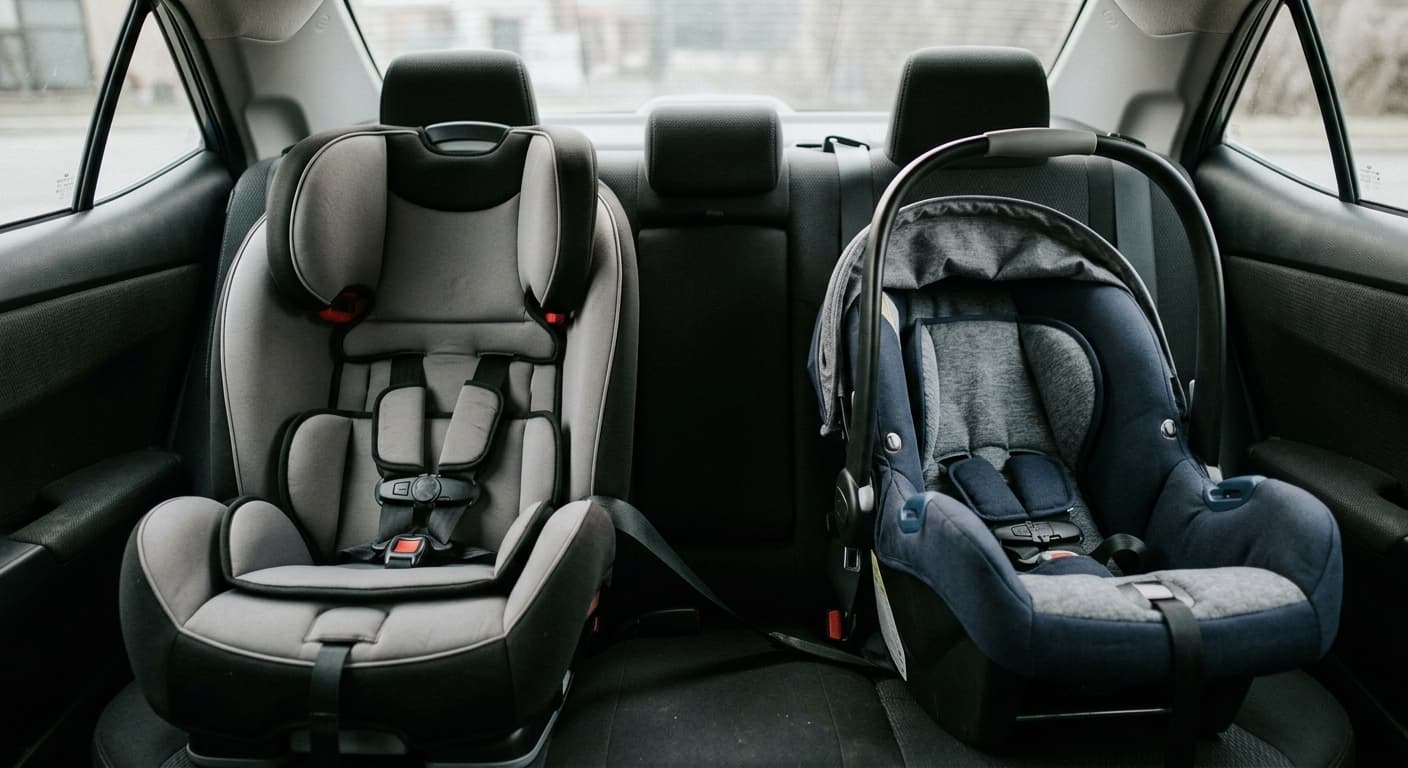
California requires children under 2 to ride in a rear-facing seat until they reach either 40 inches or 40 pounds, per Cal. Veh. Code section 27360. Children must use a booster seat until age 8 or a height of 4 feet 9 inches, and must ride in the back seat until those thresholds are met.
A Summary of Child Car Seat Laws in California
What are the Height and Weight Requiredments for Car Seats in California?
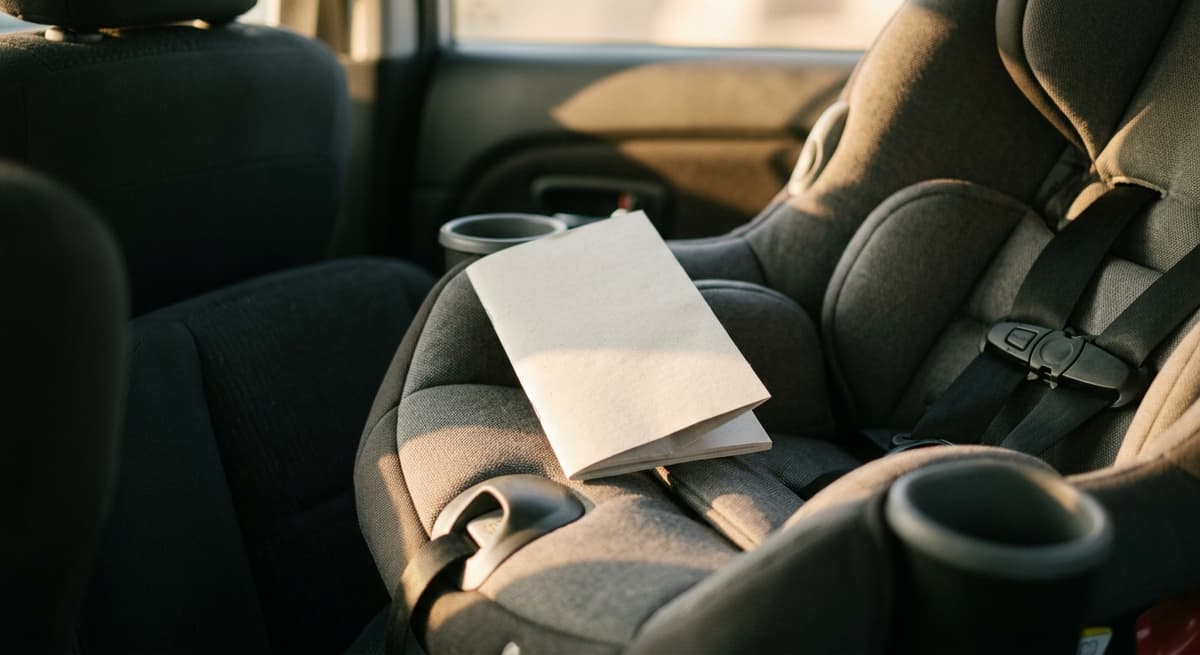
Children should be secured with the appropriate booster seat or child safety seat if they have a height of less than 4'9'' or are under 8 years old.
Children under the age of 2 are required to use rear-facing seats unless they have a height of 40 inches or more or weigh at least 40 pounds.
Forward-facing seats can only be used by children once they have surpassed the rear-facing seat legal limits.
Children can only graduate to a safety belt when they attain a height of 4'9'' or an age of 8.
What are the Rear Facing Car Seat Laws in California?
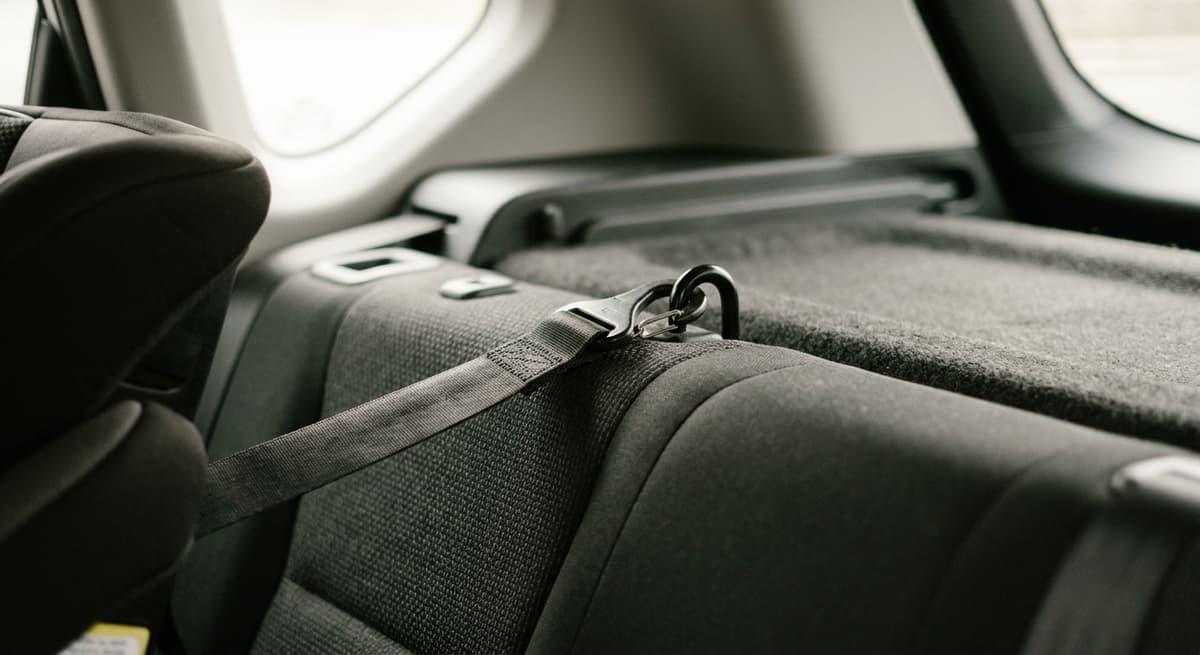
Rules on infants rely on age and weight when it comes to the car seat regulations, although height and weight indicators are more reliable since the growth rate of children varies widely. The law requires that children under the age of 2 years should be fastened to a rear-facing child safety seat, and this should be the case until the baby's height and weight reaches 40 inches OR 40 pounds respectively. This means that your child only needs to be over 40 inches, or over 40 pounds, in order to not use a rear-facing car seat anymore. Of importance also, is that parents should fasten their children in a way that adheres to the manufacturer's guidelines. As your child grows over the years, the cost of replacing seats to suit the regulations may be quite costly and that's why car seat manufacturers are now selling convertible car seats. These allow you to convert the seat from rear-facing to front-facing as your child progresses through the growth stages at no extra cost.
What are the Forward Facing Car Seat Laws in California?
By law, children can switch to a forward-facing car seat once they have met the qualifications required (outgrown the rear-facing car seat legal requirements). These types of seats should face the front of the vehicle and should be on the back seat. It's important to read the manufacturer's guidelines in order to determine how to use the harnesses and whether your child has qualified for or outgrown the forward-facing car seats.
What are the Booster Seat Laws in California?
The need for booster seats cannot be stressed enough as regular seat belts were designed with adults of average height in mind. This means regular seatbelts can barely fit and this may result in serious injuries or even death in case of an accident. To ensure proper fitting, booster seats allow the seatbelts to be securely fastened on the child. The recommended age range for booster seats is 4-8 years.
When can a Child Sit in the Front Seat in California?
California law states that children can stop using child safety seats when they attain the age of 8 years or a height of 4'9''. However, the height holds more weight since a child with a height of less than 4'9'' may be too short to fit in a regular seatbelt, and therefore using a booster seat is ideal until such a time when this height is met. When a child has qualified to use a regular seatbelt, they are legally allowed to sit in the front seat but adults should also ensure that any child in the car is wearing a seatbelt. California has a series of exemptions in CVC 27363 which allow for a child to ride in the front seat prior to meeting the age and height requirements. Note that CVC 27363 was repealed and reenacted in 2025, so confirm the current exemption list on the California Legislative Information site before relying on a specific exception. Under the pre-2025 version, a child could ride in the front seat if there was no active airbag and any of the following conditions were met:
- There is no rear seat
- The rear seats are not forward facing (either rear or side facing)
- The child restraint system cannot be installed properly in the rear seat
- All of the rear seats are occupied by other children that do not meet the height or weight requirements
*Note - If medical reasons require a child to ride in the front seat then they are also allowed. A court may require proof of condition.
Are Cars Seats Required in Taxis in California?
California requires all children under 8 years old to utilize the appropriate child safety seat. They do not have an exemption for taxis. If you are travelling in a taxi, Uber, Lyft, or other ride share vehicle in California you will need to ensure that you have the appropriate child safety restraint.
Is it Illegal to Leave a Child Inside a Car in California?
The temperatures in California can sometimes get hot and unbearable. California law (Cal. Veh. Code Section 15620) prohibits leaving a child 6 years of age or younger unattended in a vehicle when doing so presents a significant risk to the child's health or safety, or when the vehicle's engine is running or the keys are in the ignition. Exceptions apply when they are accompanied by someone of at least 12 years of age. We strongly advise to never leave your child alone in the vehicle.
More California Laws
Frequently Asked Questions
What are the Height and Weight Requiredments for Car Seats in California?
Children should be secured with the appropriate booster seat or child safety seat if they have a height of less than 4'9'' or are under 8 years old. Children under the age of 2 are required to use rear-facing seats unless they have a height of 40 inches or more or weigh at least 40 pounds. Forward-facing seats can only be used by children once they have surpassed the rear-facing seat legal limits.
What are the Rear Facing Car Seat Laws in California?
Rules on infants rely on age and weight when it comes to the car seat regulations, although height and weight indicators are more reliable since the growth rate of children varies widely. The law requires that children under the age of 2 years should be fastened to a rear-facing child safety seat, and this should be the case until the baby's height and weight reaches 40 inches OR 40 pounds respectively.
What are the Forward Facing Car Seat Laws in California?
By law, children can switch to a forward-facing car seat once they have met the qualifications required (outgrown the rear-facing car seat legal requirements). These types of seats should face the front of the vehicle and should be on the back seat. It's important to read the manufacturer's guidelines in order to determine how to use the harnesses and whether your child has qualified for or outgrown the forward-facing car seats.
What are the Booster Seat Laws in California?
The need for booster seats cannot be stressed enough as regular seat belts were designed with adults of average height in mind. This means regular seatbelts can barely fit and this may result in serious injuries or even death in case of an accident.
When can a Child Sit in the Front Seat in California?
California law states that children can stop using child safety seats when they attain the age of 8 years or a height of 4'9''. However, the height holds more weight since a child with a height of less than 4'9'' may be too short to fit in a regular seatbelt, and therefore using a booster seat is ideal until such a time when this height is met. When a child has qualified to use a regular seatbelt, they are legally allowed to sit in the front seat but adults should also ensure that any child in the car is wearing a seatbelt.
Are Cars Seats Required in Taxis in California?
California requires all children under 8 years old to utilize the appropriate child safety seat. They do not have an exemption for taxis. If you are travelling in a taxi, Uber, Lyft, or other ride share vehicle in California you will need to ensure that you have the appropriate child safety restraint.
Is it Illegal to Leave a Child Inside a Car in California?
The temperatures in California can sometimes get hot and unbearable. California law prohibits leaving a child 6 years of age or younger unattended in a vehicle when doing so presents a significant risk to the child's health or safety, or when the vehicle's engine is running or the keys are in the ignition. Exceptions apply when they are accompanied by someone of at least 12 years of age. We strongly advise to never leave your child alone in the vehicle.
Updates
Corrected California's unattended-child rule: the law covers children 6 years of age or younger (not just those under 6), and it only prohibits leaving them unattended when there is a significant safety risk or the engine is running/keys are in the ignition, rather than an unconditional ban.
Independently fact-checked against the cited primary sources; governing law re-checked for recent changes
Corrected the rear-facing exit rule to the statute's 40 inches OR 40 pounds threshold (Veh. Code 27360, not 27363), removed a fabricated 65-pound booster-graduation figure, and fixed the taxi section which had picked up Arkansas's under-6/under-60lb rule instead of California's own under-8 rule.
Governing law re-checked for recent changes
Reviewed and approved by an editor
The Law Behind This Article
This article rests on the statutory provisions below, held in our own legal record and retrieved from the official source. Tap a section to read the operative text.
California Vehicle Code
§ 27360In force
(a) Except as provided in Section 27363, a parent, legal guardian, or driver who transports a child under eight years of age on a highway in a motor vehicle, as defined in paragraph (1) of subdivision (c) of Section 27315, shall properly secure that child in a rear seat in an appropriate child passenger restraint system meeting applicable federal motor vehicle safety standards. (b) Except as provided in Section 27363, a parent, legal guardian, or driver who transports a child under two years of age on a highway in a motor vehicle, as defined in paragraph (1) of subdivision (c) of Section 27315, shall properly secure the child in a rear-facing child passenger restraint system that meets applicable federal motor vehicle safety standards, unless the child weighs 40 or more pounds or is 40 or more inches tall. The child shall be secured in a manner that complies with the height and weight limits specified by the manufacturer of the child passenger restraint system. (c) This section does not apply to a driver if the parent or legal guardian of the child is a passenger in the motor vehicle. (d) This section shall become operative January 1, 2017.
Official text (excerpt) · last checked 2026-09-09 · Read the full text in our law library · Verify at leginfo.legislature.ca.gov
Cited in 10 court opinions in our collectionLatest citing opinion in our collection: 2025
Opinions citing this section in our collection:
- People v. Thomas (Appellate Division of the Superior Court of California 1984, 159 Cal. App. Supp. 3d 18)“…as appeals from the judgment of conviction for violation of Vehicle Code section 27360, subdivision (a) (failure to secure chi…”
- Los Angeles County Department of Children & Family Services v. William C. (California Supreme Court 2012, 54 Cal. 4th 610)“…el represents that William recently admitted a violation of Vehicle Code section 27360, subdivision (a) (transporting a young…”
- Chavez v. Glock, Inc. (California Court of Appeal 2012, 207 Cal. App. 4th 1283)“…now Pen. Code, § 25100) (unlawful storage of a firearm) and Vehicle Code section 27360 (failure to properly secure child in ca…”
Identified automatically from the court opinions citing this section — not a ranking of which case controls.
§ 15620In force
(a) A parent, legal guardian, or other person responsible for a child who is 6 years of age or younger may not leave that child inside a motor vehicle without being subject to the supervision of a person who is 12 years of age or older, under either of the following circumstances: (1) Where there are conditions that present a significant risk to the child’s health or safety. (2) When the vehicle’s engine is running or the vehicle’s keys are in the ignition, or both. (b) A violation of subdivision (a) is an infraction punishable by a fine of one hundred dollars ($100), except that the court may reduce or waive the fine if the defendant establishes to the satisfaction of the court that he or she is economically disadvantaged and the court, instead, refers the defendant to a community education program that includes education on the dangers of leaving young children unattended in motor vehicles, and provides certification of completion of that program. Upon completion of that program, the defendant shall provide that certification to the court.
Official text (excerpt) · last checked 2026-07-28 · Read the full text in our law library · Verify at leginfo.legislature.ca.gov
Search our full record of US law — 2.1 million sections, every state + federal →
Sources and References
- Cal. Veh. Code § 27360: child passenger restraint requirements(leginfo.legislature.ca.gov).gov
- Cal. Veh. Code Section 15620: leaving a child unattended in a motor vehicle(leginfo.legislature.ca.gov).gov