
Missouri Ring Doorbell Laws: What You Need to Know in 2026
Missouri is a one-party consent state. Learn how RSMo 542.402 affects Ring doorbell cameras, audio recording rules, HOA restrictions, tenant rights, and penalties.
9 min read
85 articles · page 2 of 2
Missouri is a one-party consent state. Learn how RSMo 542.402 affects Ring doorbell cameras, audio recording rules, HOA restrictions, tenant rights, and penalties.

In Missouri, one-party consent lets students and parents record school conversations they join. Learn student, parent, and teacher rights and how FERPA applies.

Missouri security camera laws allow surveillance on your own property with few restrictions. Learn audio consent rules, neighbor privacy limits, HOA regulations, and workplace camera laws.

Missouri is a stand-your-ground state under RSMo 563.031.3. Learn the castle doctrine scope, deadly force rules, and civil immunity under RSMo 563.074 (updated 2026).

Learn about Missouri sexting laws, penalties for minors and adults under Chapter 573, revenge porn statutes, sex offender registration, and available defenses.

Missouri slip and fall law: pure comparative fault, Massachusetts Rule (no duty for natural ice/snow), open-and-obvious doctrine, 5-year SOL, 90-day city notice requirement.

Missouri is a one-party consent state. Under Mo. Rev. Stat. § 542.402, you can record audio of your own conversations with smart glasses. Learn what's legal.

Social Security disability in Missouri: the limited SSI supplement, 209(b) Medicaid rules, initial approval odds, and how long an ALJ hearing takes.
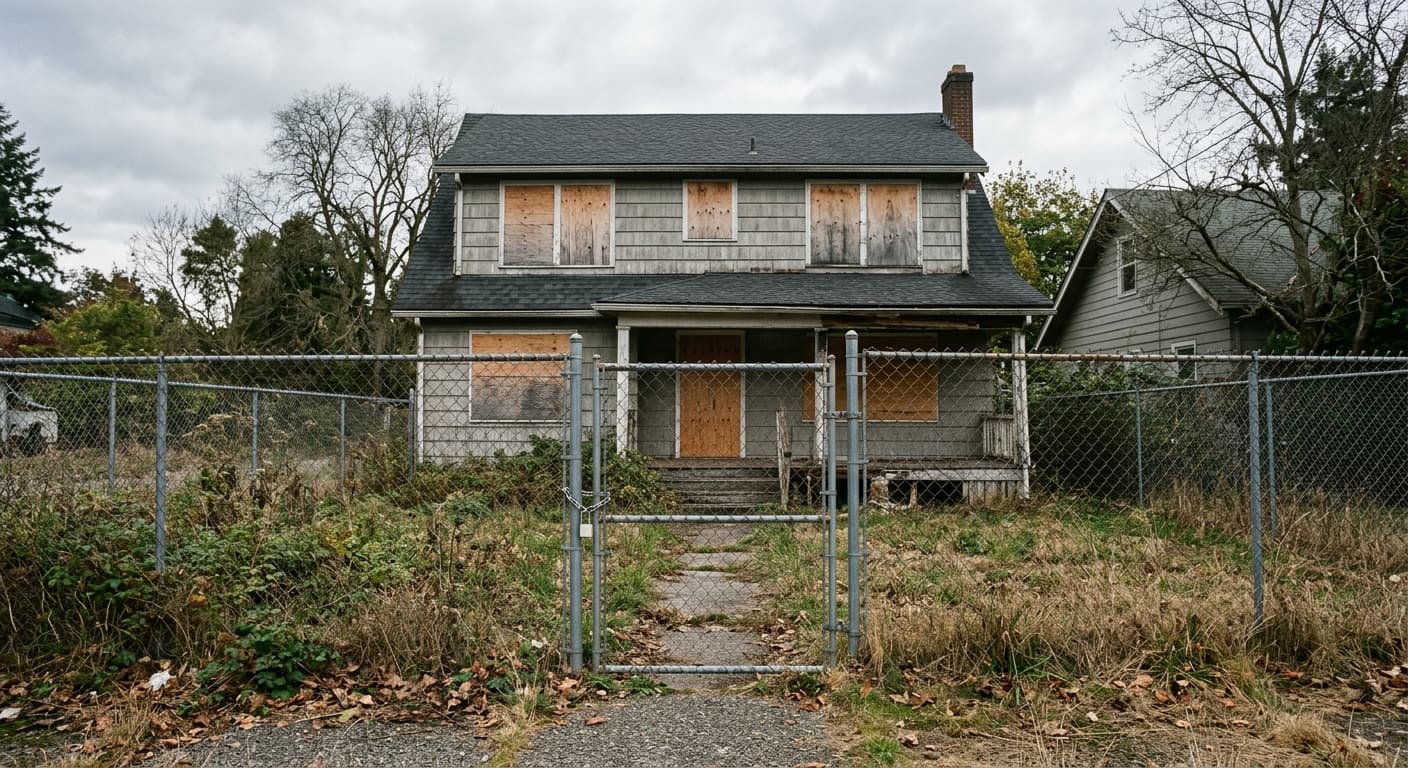
Missouri requires 10 years of continuous, hostile, open, exclusive, and actual possession to claim adverse possession under Mo. Rev. Stat. § 516.010. Learn the elements, removal process, and FAQ.

Missouri statute of limitations: deadlines for personal injury (5 yrs), contracts (5-10 yrs), medical malpractice (2 yrs), and criminal charges by offense type.

Missouri's Sunshine Law explained: the third business day deadline, the ten cent per page cap, the public-interest fee waiver, and police body camera video.

Missouri surveillance camera laws: home security, workplace cameras, neighbor disputes, audio recording rules.

Missouri Uniform Trade Secrets Act (Mo. Rev. Stat. §§ 417.450-417.467): 5-year filing deadline (longer than UTSA baseline), damages, remedies, and the federal DTSA overlay.

Missouri holds over $1.5 billion in unclaimed money across millions of accounts. Learn how to search ShowMeMoney.com for free and file a claim.

Missouri video recording laws permit filming in public spaces with no special restrictions. Learn the rules for private property, hidden cameras, and when audio consent applies.

Missouri voyeurism laws criminalize hidden cameras and secret recording where someone expects privacy. Learn about Mo. Rev. Stat. 565.252, 565.253, penalties, and your rights.

Learn how to check if you have an active warrant in Missouri using the free Case.net court search, spot fake copycat sites, and know what to do next.

Learn about Missouri's whistleblower protections: who qualifies, how to report violations, retaliation protections, and available remedies.

Missouri window tint law requires 35% VLT on front side windows. Back and rear windows have no limit. Learn the rules, penalties, and medical exemptions.
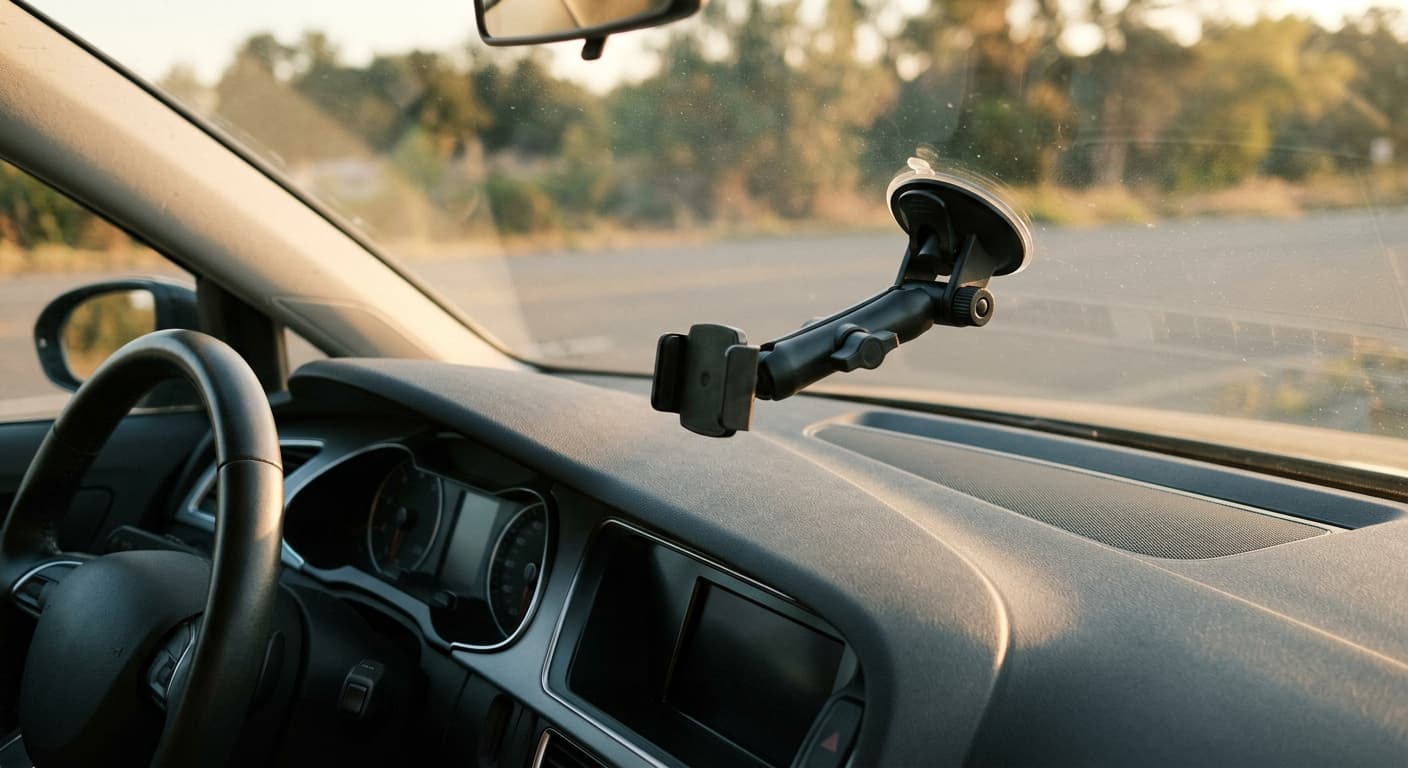
Missouri windshield mounting laws: restrictions, penalties, and exemptions. Complete guide.

Missouri workers' comp requires 5+ employees (1+ construction). Learn deadlines, the 66 2/3% wage rate, employer-directed care, and your rights under RSMo Ch. 287.

Missouri workplace recording laws allow employees to record conversations they participate in under one-party consent. Learn employer surveillance rules, NLRA protections, and limits.
Missouri wrongful death law: the 3-year deadline (RSMo 537.100), the tiered classes of who may sue under RSMo 537.080, recoverable damages, and fault rules.
Missouri motorcycle accident law: 5-year deadline to sue, pure comparative fault, a partial helmet law for riders 26+ with insurance, no lane splitting.
Missouri gives truck-crash victims 5 years to sue and uses pure comparative fault. Learn the at-fault rule, FMCSA regulations, and who can be liable.