
Hawaii
Hawaii Car Seat Laws: Requirements and Guidelines
Independently fact-checked against primary sources (last audited August 20, 2026). · Reviewed by the RecordingLaw editorial team. · Law checked current as of August 20, 2026. · 4 primary sources cited on this page. How we verify our legal content
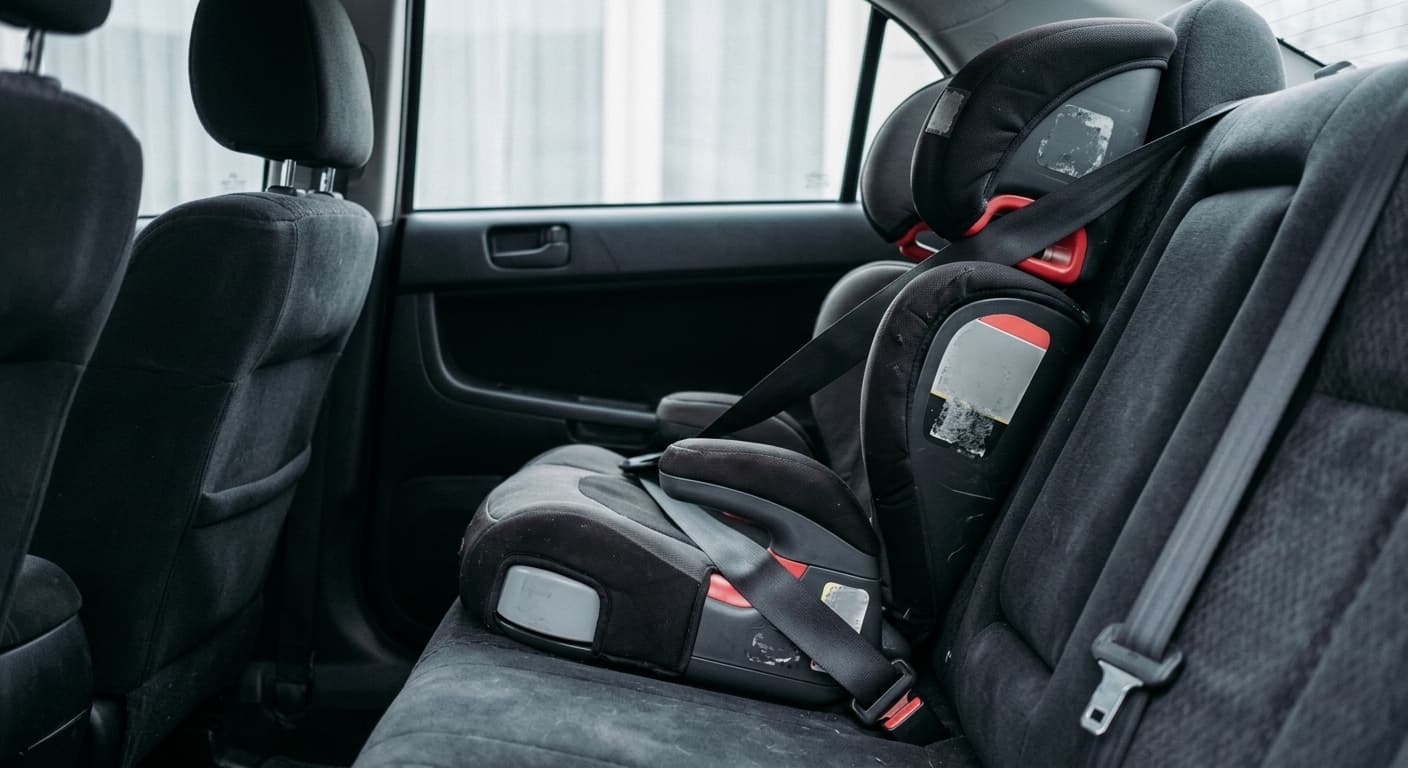
Hawaii requires children under 2 in a rear-facing car seat, ages 2 to 3 in a harnessed car seat, ages 4 through 6 in a booster seat or child safety seat regardless of height, and ages 7 through 9 in a booster seat or child safety seat unless the child exceeds 4 feet 9 inches tall, under Hawaii Revised Statutes Section 291-11.5.
Understanding Hawaii Car Seat Laws
Hawaii's child passenger safety law, codified in Hawaii Revised Statutes Section 291-11.5, sets clear requirements for how children of different ages must be restrained in motor vehicles. The law reflects the state's commitment to keeping keiki (children) safe on the road.
Hawaii's requirements are divided into distinct age-based stages, each with specific restraint types. The state also imposes some of the steeper penalties in the nation for violations, including mandatory attendance at a child passenger restraint safety class. This guide covers every stage of Hawaii's car seat requirements, penalties, exemptions, and resources for families.
Rear-Facing Car Seat Requirements in Hawaii
Under Hawaii law, infants and toddlers under 2 years old must be properly restrained in a rear-facing car seat with a harness. This aligns with the AAP's recommendation to keep children rear-facing for as long as possible.
Rear-Facing Requirements Summary
| Requirement | Detail |
|---|---|
| Age | Under 2 years old |
| Restraint type | Rear-facing car seat with harness |
| Seat position | Rear seat of the vehicle |
| Federal standards | Must meet FMVSS 213 |
The Hawaii Department of Transportation (HDOT) recommends keeping children rear-facing until they reach the maximum height or weight limit of their rear-facing seat. Many modern convertible seats accommodate rear-facing children up to 40 or 50 pounds, allowing children to remain in this safest position well beyond their second birthday.
Why Rear-Facing Is Safest
The rear-facing position distributes crash forces across the entire back, head, and neck of the child. According to the NHTSA, this is especially critical for children under 2 because their head is proportionally larger and heavier compared to their body, and their neck vertebrae have not yet fully developed.
Installation Guidelines
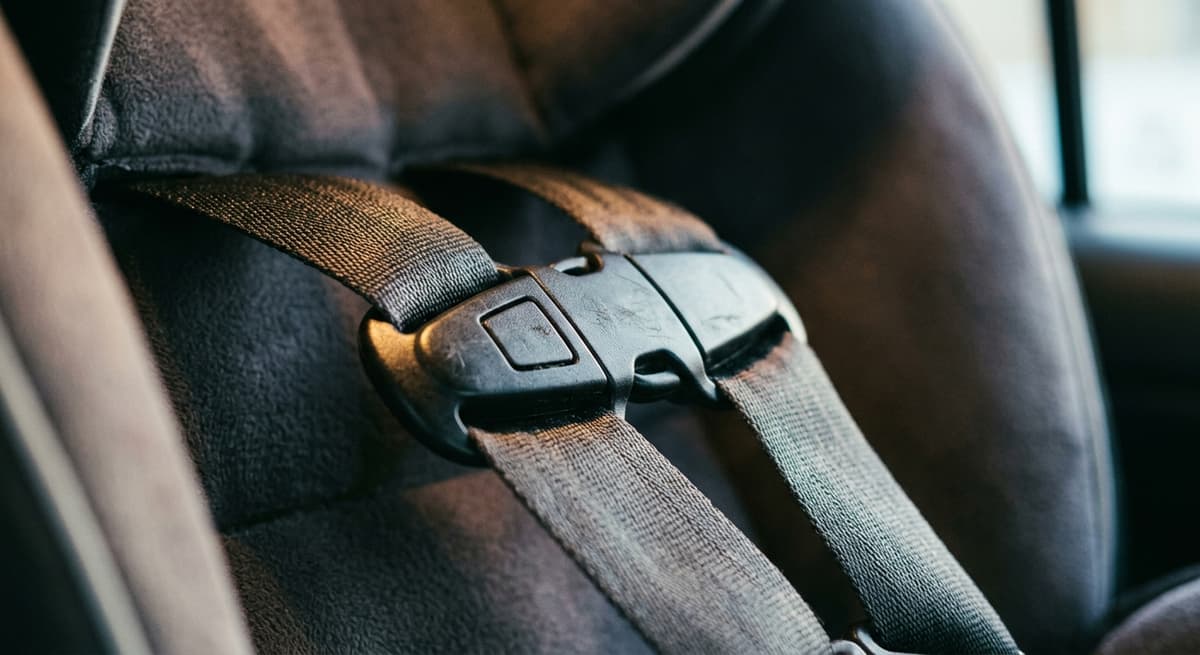
Place the rear-facing seat in the back of the vehicle, away from any active airbag. Adjust the recline angle according to the manufacturer's instructions (typically 30 to 45 degrees for newborns). Harness straps should sit at or below the child's shoulders and lie flat without twisting. The chest clip should rest at armpit level.
Forward-Facing Car Seat Requirements in Hawaii
Children who are 2 years old but under 4 years old must be restrained in a car seat with a harness. This can be either a rear-facing seat (if the child still fits within the manufacturer's limits) or a forward-facing seat.
Forward-Facing Requirements Summary
| Requirement | Detail |
|---|---|
| Age range | 2 to 3 years old |
| Restraint type | Car seat with harness (rear-facing or forward-facing) |
| Seat position | Rear seat of the vehicle |
| Tether | Top tether required for forward-facing seats |
The HDOT recommends that children remain in a forward-facing car seat with a harness until they reach the maximum height or weight limit of the seat, which is typically around 65 pounds for many models. Keeping a child in the harnessed seat as long as possible provides better protection than transitioning to a booster too soon.
Using the Top Tether
When a forward-facing seat is installed, always connect the top tether strap to the vehicle's tether anchor point. This significantly reduces the forward movement of the car seat and the child's head during a collision. The tether anchor is usually found on the back of the vehicle seat or on the rear shelf behind the seat.
Harness Strap Positioning
For forward-facing use, the harness straps should sit at or above the child's shoulders. The chest clip should be at armpit level. Tighten the harness so you cannot pinch any excess webbing at the shoulder. The harness should feel snug but not uncomfortable.
Booster Seat Requirements in Hawaii
Hawaii law requires children ages 4 through 9 to ride in a child safety seat or booster seat. Only children ages 7 through 9 may use a seat belt instead once they are taller than 4 feet 9 inches; children ages 4 through 6 must remain in a child safety seat or booster seat regardless of height.
Booster Seat Requirements Summary
| Requirement | Detail |
|---|---|
| Age range | 4 to 9 years old |
| Height exception | Ages 7-9 only: seat belt allowed once over 4 feet 9 inches tall |
| Belt type | Lap-and-shoulder belt required with booster |
| Seat position | Rear seat of the vehicle |
Types of Booster Seats
| Type | Best For | Notes |
|---|---|---|
| High-back booster | Vehicles without headrests | Provides head and neck support |
| Backless booster | Vehicles with adjustable headrests | More portable and affordable |
| Combination seat | Transitioning from harness to booster | Converts from harnessed to belt-positioning mode |
A booster seat raises the child so that the vehicle's lap and shoulder belt fits correctly. The shoulder belt should cross the middle of the chest and shoulder (not the neck or face). The lap belt should sit low and snug across the upper thighs (not the stomach).
Vehicles with Lap Belts Only
If your vehicle has seating positions equipped with only a lap belt (no shoulder belt), Hawaii law allows you to use a child safety seat designed to support children up to 80 pounds. This is an important consideration for older vehicles or certain rear middle seats.
The Seat Belt Fit Test
Before moving a child out of the booster, confirm that:
- The child can sit all the way back against the vehicle seat.
- The knees bend comfortably at the edge of the seat.
- The shoulder belt crosses the middle of the chest and shoulder.
- The lap belt sits low and snug across the upper thighs.
- The child can maintain this position for the entire ride.
Most children reach proper seat belt fit between ages 8 and 12, depending on their growth rate.
Front Seat Rules in Hawaii
Hawaii's child passenger restraint law, HRS 291-11.5, does not set a specific legal age for front-seat placement.
However, safety experts and the HDOT recommend that children ride in the back seat until at least age 13. Front passenger airbags are designed for adult-sized occupants and can cause serious injury to smaller passengers, and any child still required to use a car seat or booster seat under state law should remain in the rear.
If the vehicle has no rear seat, a child may ride in the front, but only with the appropriate restraint installed and, ideally, with the front passenger airbag turned off.
Seat Belt Requirements for Older Children
Children ages 10 and older who have outgrown their booster seat and can pass the seat belt fit test must wear a properly secured seat belt at all times. Hawaii's seat belt law applies to all passengers in all seating positions.
The recommended height for proper seat belt fit is 4 feet 9 inches or taller. If a child is over 10 but has not yet reached this height, continuing to use a booster seat is the safer choice even though it is no longer legally required.
Penalties for Violating Hawaii Car Seat Laws
Hawaii imposes significant penalties for child restraint violations, making it one of the stricter states in the nation for enforcement.
Penalty Schedule
| Offense | Fine | Additional Requirements |
|---|---|---|
| First violation | Up to $100 | Mandatory child passenger restraint safety class |
| Second violation (within 3 years) | $250 to $500 | Additional surcharges |
Additional Fees and Requirements
Beyond the base fine, violators must also pay:
- A $50 driver education assessment (if the violator has not previously attended a child restraint safety class).
- A $10 surcharge deposited into the neurotrauma special fund.
- Up to a $10 surcharge for the trauma system special fund, at the court's discretion.
The mandatory safety class requirement makes Hawaii's approach both punitive and educational. The class is approved by the judiciary's division of driver education and can be completed through video conference in some cases.
Hawaii enforces its car seat law as a primary offense, meaning law enforcement can stop a vehicle solely because a child appears to be improperly restrained.
Leaving a Child Unattended in a Vehicle in Hawaii
Hawaii law makes it illegal to leave a child inside a motor vehicle for more than 5 minutes without supervision. Given Hawaii's warm climate, the interior of a parked vehicle can reach dangerous temperatures in a matter of minutes, creating serious risks of heat stroke and dehydration.
While the law sets a 5-minute threshold, the safest approach is to never leave a child unattended in a vehicle for any length of time.
Exemptions to Hawaii Car Seat Laws
Hawaii law provides limited exemptions to the child restraint requirements:
- Commercial, emergency, and mass transit vehicles: HRS 291-11.5(b) exempts emergency vehicles, mass transit vehicles, and "commercial vehicles" -- defined by statute as any vehicle used to transport people for hire, compensation, or profit, which covers taxicabs -- from the child restraint requirements.
- Public transit: Buses and other public transit vehicles are exempt.
Rideshare vehicles are not specifically exempt under Hawaii law. If you plan to use a rideshare service with a child, bring an appropriate car seat.
Free Car Seat Resources in Hawaii
The Hawaii Department of Transportation offers several resources to help families:
- Car seat inspection stations: Certified technicians on each major island can check your car seat installation at no cost.
- Educational materials: The HDOT provides the Birth to Boosters brochure with clear guidelines for each stage.
- Community events: Car seat check events are held throughout the year on Oahu, Maui, the Big Island, and Kauai.
Proper installation is critical. The NHTSA estimates that nearly half of all car seats are installed incorrectly. A free inspection takes just a few minutes and can make the difference between a car seat that protects your child and one that does not.
Hawaii Car Seat Law Quick Reference Chart
| Age | Required Restraint | Seat Position |
|---|---|---|
| Birth to 2 years | Rear-facing car seat with harness | Rear seat |
| 2 to 3 years | Car seat with harness (rear or forward-facing) | Rear seat |
| 4 to 6 years | Booster seat or child safety seat | Rear seat |
| 7 to 9 years, under 4'9" | Booster seat or child safety seat | Rear seat |
| 7 to 9 years, 4'9" or taller | Seat belt | Rear seat recommended (no legal front-seat age) |
| 10+ years | Seat belt | Rear seat recommended until 13 (no legal front-seat age) |
More Hawaii Laws
Frequently Asked Questions
At what age can a child stop using a car seat in Hawaii?
Children ages 4 through 6 must use a child safety seat or booster seat regardless of height. Children ages 7 through 9 must also use a child safety seat or booster seat, unless they are taller than 4 feet 9 inches, in which case a seat belt is allowed instead. By age 10, every child may use a standard seat belt. Safety experts recommend continuing booster use until the child can pass the seat belt fit test, regardless of age.
When can a child sit in the front seat in Hawaii?
Hawaii does not have a law setting a specific age for front-seat placement. However, the Hawaii Department of Transportation and the AAP recommend that children ride in the back seat until at least age 13 because front passenger airbags are designed for adults, and any child still required to use a car seat or booster seat under state law should stay in the rear.
What is the fine for a car seat violation in Hawaii?
A first-time violation carries a fine of up to $100, plus mandatory attendance at a child passenger restraint safety class, a $50 driver education assessment, and a $10 neurotrauma surcharge. A second violation within three years carries a fine of $250 to $500, and a third or subsequent violation within three years carries a fine of $500 to $800. Hawaii enforces car seat laws as a primary offense.
Are taxis exempt from Hawaii car seat laws?
Hawaii's law exempts emergency, mass transit, and 'commercial vehicles' under HRS 291-11.5(b), and a taxicab used to transport passengers for a fare fits the statute's definition of a commercial vehicle. Rideshare vehicles such as Uber and Lyft are not specifically exempt. If you plan to travel with a child in a rideshare vehicle, you should bring and properly install an appropriate car seat or booster seat.
Is it illegal to leave a child in a car in Hawaii?
Yes. Hawaii law makes it illegal to leave a child unattended in a motor vehicle for more than 5 minutes. Given Hawaii's warm climate, vehicle interiors can reach dangerous temperatures quickly. Safety experts recommend never leaving a child unattended in a vehicle for any length of time.
Updates
Reworded the taxi exemption to use Hawaii's actual statutory language: HRS 291-11.5(b) exempts "emergency, commercial, and mass transit vehicles," and the law's own definition of "commercial vehicle" (any vehicle transporting people for hire, compensation, or profit) covers taxicabs.
Independently fact-checked against the cited primary sources; governing law re-checked for recent changes
Gated the 4'9" seat-belt exemption to ages 7-9 only (children 4-6 must stay in a booster/child safety seat regardless of height), corrected the first-offense fine from a fabricated $100-$500 range to the statute's actual up-to-$100 cap, and removed the unsupported 'children under 10 cannot ride in front' claim -- HRS 291-11.5 sets no front-seat age; that's HDOT/AAP safety guidance (back seat until 13), not law.
Governing law re-checked for recent changes
Reviewed and approved by an editor
The Law Behind This Article
This article rests on the statutory provisions below, held in our own legal record and retrieved from the official source. Tap a section to read the operative text.
Hawaii Revised Statutes, Chapter 291: TRAFFIC VIOLATIONS
§ 291-11.5Child passenger restraintsIn force
(a) Except as otherwise provided in this section, no person operating a motor vehicle on a public highway in the State shall transport a child under ten years of age except under the following circumstances: (1) If the child is under two years of age, the person operating the motor vehicle shall ensure that the child is properly restrained in a rear-facing child passenger restraint system with harness that meets federal motor vehicle safety standards at the time of its manufacture; (2) If the child is two years of age or older, but less than four years of age, the person operating the motor vehicle shall ensure that the child is properly restrained in a rear-facing or forward-facing child passenger restraint system with harness that meets federal motor vehicle safety standards at the time of its manufacture; (3) If the child is four years of age or older but less than ten years of age, the person operating the motor vehicle shall ensure that the child is properly restrained in a child passenger restraint system with harness or booster seat that meets federal motor vehicle safety standards at the time of its manufacture; except as provided in paragraph (4); or (4) If the child…
Official text (excerpt) · last checked 2026-09-09 · Read the full text in our law library · Verify at capitol.hawaii.gov
Cited in 3 court opinions in our collectionLatest citing opinion in our collection: 2006
Opinions citing this section in our collection:
- State v. Ribbel (Hawaii Supreme Court 2006, 111 Haw. 426)“…(final emphasis added) (alterations in original). Comparing HRS § 291-11.5 (Supp. 2005), which governs the usage o…”
- State v. Figel (Hawaii Supreme Court 1995, 80 Haw. 47)“…as to private land which is open for public use. See also HRS § 291-11.5 (1985), relating to "child passenger re…”
Identified automatically from the court opinions citing this section — not a ranking of which case controls.
Search our full record of US law — 2.1 million sections, every state + federal →
Sources and References
- Hawaii Revised Statutes Section 291-11.5 - Child Passenger Restraints(capitol.hawaii.gov).gov
- Hawaii DOT - Child Passenger Safety(hidot.hawaii.gov).gov
- Hawaii DOT - Birth to Boosters Brochure(hidot.hawaii.gov).gov
- NHTSA - Car Seats and Booster Seats(nhtsa.gov).gov
- GHSA - Child Passengers State Laws(ghsa.org)