
Wyoming
Wyoming Squatters Rights and Adverse Possession Laws (2026)
Independently fact-checked against primary sources (last audited August 18, 2026). · Reviewed by the RecordingLaw editorial team. How we verify our legal content
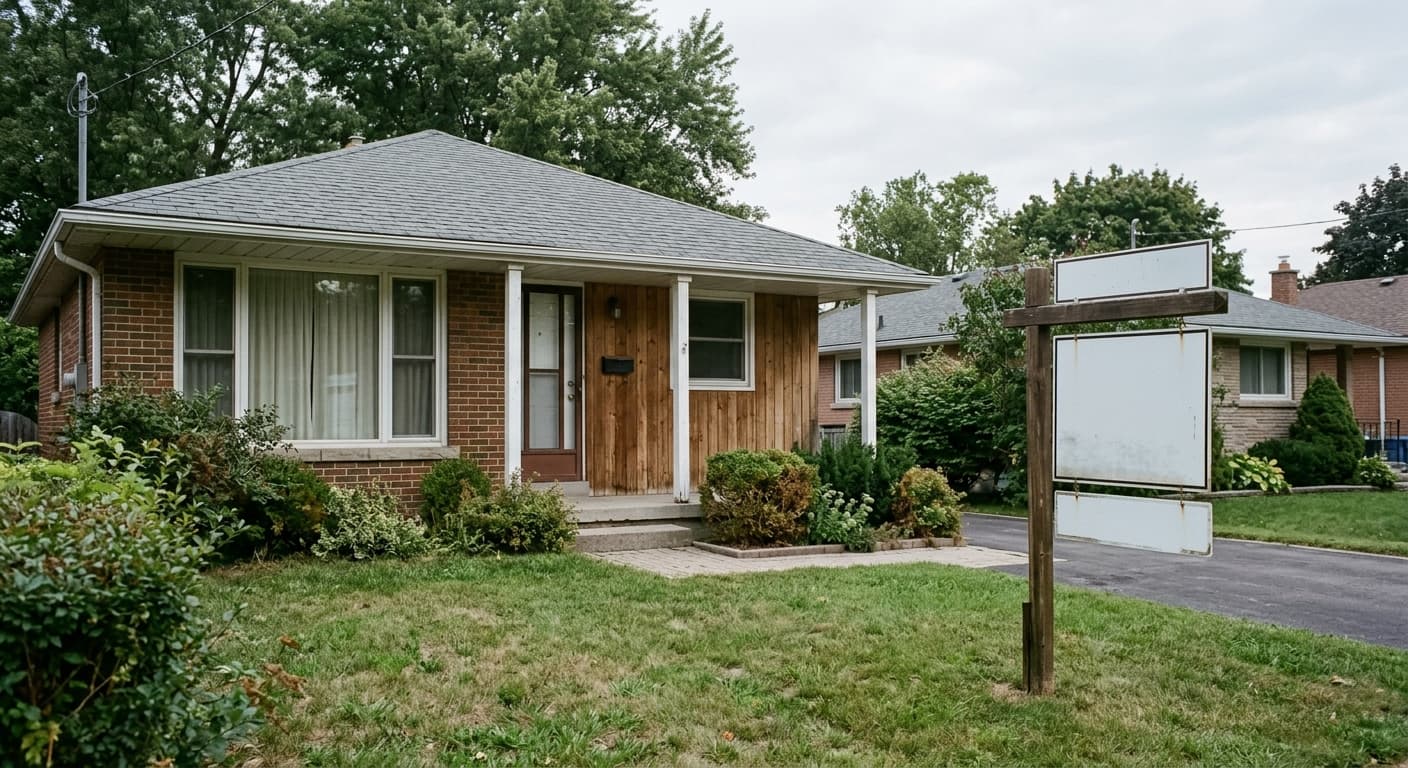
Wyoming gives a squatter 10 years to ripen an adverse possession claim under Wyo. Stat. Ann. § 1-3-103. Property owners who discover an unauthorized occupant can remove that person through a forcible entry and detainer (FED) action in Wyoming circuit court.
Information last verified on May 27, 2026. This article provides general legal information, not legal advice.
Jurisdiction scope: This page covers Wyoming state law. For a comparison of every state, see the national squatters rights guide.
Adverse Possession in Wyoming: Period and Elements
The 10-Year Statutory Period
Wyoming sets a single 10-year clock for adverse possession. Wyo. Stat. Ann. § 1-3-103 bars any action to recover real property unless it is brought within 10 years. A squatter who occupies land for fewer than 10 continuous years acquires no rights whatsoever under Wyoming law.

Wyoming recognizes no shorter color-of-title track. In many states, a claimant who holds a defective deed can satisfy adverse possession in five or seven years. Wyoming imposes no such shortcut: the 10-year period applies regardless of whether the claimant holds a written instrument purporting to convey title.
Wyoming also imposes no tax-payment requirement. A squatter is not required to have paid property taxes during the 10-year period to perfect a claim, though payment of taxes may serve as evidence supporting other elements.
One statutory exception qualifies the 10-year clock. Wyo. Stat. Ann. § 1-3-104 provides that a person entitled to bring an action for the recovery of real property who is under any legal disability when the cause of action accrues may bring the action within 10 years after the disability is removed. Where the record owner was under a legal disability at the moment the cause of action accrued, the owner's window runs from the removal of that disability, so 10 years of possession alone does not necessarily bar the owner.
The Five Elements Wyoming Courts Apply
Wyoming courts do not apply a clear-and-convincing standard to adverse possession. They apply shifting presumptions instead. A presumption of ownership rests with the record title holder unless and until the adverse claimant makes out a prima facie case on each element. Once the claimant makes that showing, the presumption shifts in the claimant's favor and the burden shifts back to the record title holder to produce evidence that the possession was permissive. If the owner shows permissive use, such as a neighborly accommodation, whether the claimant adversely possessed the property becomes a question of weight and credibility for the trier of fact. See Sellers v. Claudson, 2024 WY 69, 550 P.3d 559 (Wyo. 2024); Braunstein v. Robinson Family Ltd. Partnership LLP, 2010 WY 26, 226 P.3d 826 (Wyo. 2010). Every element must coexist throughout the entire 10-year period.
Actual possession. The squatter must physically occupy and use the land in the way a typical owner would use property of that type. Fencing, farming, building, or making improvements all support actual possession. Sporadic visits do not.
Open and notorious possession. The occupation must be visible and obvious so that a reasonably attentive owner would notice it. Concealed or hidden occupation fails this element. Wyoming courts have held that open and notorious use puts the true owner on constructive notice of the adverse claim. See Doenz v. Garber, 665 P.2d 932 (Wyo. 1983).
Exclusive possession. The squatter must hold the property to the exclusion of the true owner and the general public. Shared or permissive use by the true owner breaks exclusivity. A claimant who shares the property jointly with the owner cannot satisfy this element.
Continuous possession. Possession must be uninterrupted for the full 10 years. Continuity does not require the claimant to be present every moment, but any significant gap or abandonment restarts the clock. Wyoming courts look to whether the use matches normal seasonal or agricultural patterns for land of that character. See Snell v. Ruppert, 582 P.2d 916 (Wyo. 1978).
Hostile possession. Hostile means the claimant holds the land without the owner's permission and under a claim of right. A tenant in lawful possession, a licensee, or anyone whose presence the owner has authorized cannot satisfy hostility. Hostility is a legal standard, not a requirement of ill will. Wyoming courts apply an objective test: the claimant must have acted as an owner would act, treating the land as their own. See Doenz v. Garber, 665 P.2d 932 (Wyo. 1983).
Tacking
A claimant may add together, or "tack," successive periods of adverse possession from prior occupants, provided there is privity of possession between the claimant and each predecessor. Tacking allows a squatter to combine their own period with that of a predecessor to reach the 10-year threshold.
How to Remove a Squatter in Wyoming
Step 1: Confirm the Occupant's Status
Before filing any legal action, determine whether the person is a trespasser, a holdover tenant, or a squatter with a colorable adverse possession claim. A person who entered with permission (a former tenant or guest) is a holdover and the FED process applies on different grounds. A person who entered without any permission and has been present for only a short time may be removable by law enforcement as a trespasser.

If the occupant has been present for an extended period without permission and claims ownership, treat the matter as a squatter situation and proceed through the courts.
Step 2: Serve the Three-Day Notice to Quit
Written notice is a statutory prerequisite in Wyoming, not an optional courtesy. Wyo. Stat. Ann. § 1-21-1003 requires the party who wants to commence a forcible entry and detainer action to notify the adverse party to leave the premises, and that notice must be served at least three days before the action is commenced. The requirement is unconditional and applies to every FED plaintiff, not only to landlords with a lease.
The squatter case sits squarely inside the FED chapter. Wyo. Stat. Ann. § 1-21-1002(a)(v) allows forcible entry and detainer proceedings where the defendant is a settler or occupier of lands or tenements, without color of title, to which the complainant has the right of possession. The three-day notice to quit therefore applies to a squatter exactly as it applies to a holdover tenant.
Serve the notice by leaving a written copy with the occupant, or at the occupant's usual place of abode or business if the occupant cannot be found. Retain proof of delivery. An owner who files before the three days have run risks dismissal of the action.
Step 3: File a Forcible Entry and Detainer Action
The primary legal tool for removing a squatter in Wyoming is the forcible entry and detainer action governed by Wyo. Stat. Ann. § 1-21-1001 et seq. FED cases in Wyoming are filed in circuit court. Circuit courts handle these summary proceedings, which move faster than ordinary civil actions.
Once the three-day notice period under § 1-21-1003 has run, the property owner submits a complaint to the circuit court in the county where the property is located, pays the filing fee, and serves the occupant with a summons. The circuit court schedules a hearing, typically within a short time after service. At the hearing, the judge determines who has the right to possession. If the court rules for the property owner, it issues a judgment for possession and, if necessary, a writ of restitution directing the sheriff to remove the occupant.

Step 4: Enforce the Writ of Restitution
Once the court issues a writ of restitution, the county sheriff carries out the removal. The property owner should not attempt a self-help eviction by changing locks, removing belongings, or cutting off utilities while the occupant is still present. Self-help eviction exposes the owner to civil liability in Wyoming.
No Expedited Anti-Squatter Law as of May 2026
As of May 2026, Wyoming has not enacted any expedited squatter-removal statute separate from the standard FED process. Several states passed anti-squatter bills in 2023 and 2024 creating fast-track administrative or law enforcement removal procedures, but Wyoming was not among them. Property owners in Wyoming must follow the standard FED court process.
When Law Enforcement Can Help
Sheriff or police involvement is appropriate when the occupant is clearly trespassing with no colorable claim to the property and no prior permission to be there. In those circumstances, a property owner can report a trespass under Wyo. Stat. Ann. § 6-3-303. However, if the occupant asserts any ownership or tenancy claim, law enforcement will typically decline to act and direct the owner to civil court.
Legal disclaimer: This page provides general legal information about Wyoming squatters rights and adverse possession law. It is not legal advice. Laws change, and every situation is different. If you face a squatter situation or wish to bring or defend an adverse possession claim in Wyoming, consult a licensed Wyoming real estate attorney.
Sources
- Wyo. Stat. Ann. § 1-3-103 (10-year limitation on actions to recover real property)
- Wyo. Stat. Ann. § 1-3-104 (10-year window runs from removal of a legal disability)
- Wyo. Stat. Ann. § 1-21-1001 et seq. (forcible entry and detainer)
- Wyo. Stat. Ann. § 1-21-1002(a)(v) (FED against a settler or occupier without color of title)
- Wyo. Stat. Ann. § 1-21-1003 (notice to quit premises required; 3 days before commencing the action)
- Sellers v. Claudson, 2024 WY 69, 550 P.3d 559 (Wyo. 2024) (shifting presumptions and burdens in adverse possession)
- Braunstein v. Robinson Family Ltd. Partnership LLP, 2010 WY 26, 226 P.3d 826 (Wyo. 2010) (presumption favoring the record title holder)
- Wyo. Stat. Ann. § 6-3-303 (trespass)
- Doenz v. Garber, 665 P.2d 932 (Wyo. 1983) (open and notorious; hostile possession elements)
- Snell v. Ruppert, 582 P.2d 916 (Wyo. 1978) (continuity of possession)
For state-by-state comparisons, visit the national squatters rights guide.
RecordingLaw.com provides general legal information, not legal advice. No attorney-client relationship is formed by reading this page.
More Wyoming Laws
Frequently Asked Questions
How long does a squatter have to stay in Wyoming to claim ownership?
A squatter must possess the property continuously for 10 years under Wyo. Stat. Ann. § 1-3-103. All five elements (actual, open and notorious, exclusive, continuous, and hostile possession) must be satisfied throughout that period.
Does Wyoming have a shorter adverse possession period for color of title?
No. Wyoming does not reduce the 10-year period for claimants who hold a defective deed or other color of title. The same 10-year requirement applies in all adverse possession cases.
Does a squatter need to pay property taxes in Wyoming?
No. Wyoming has no tax-payment requirement for adverse possession. A squatter who never paid property taxes can still bring a claim if the other elements are met for 10 years.
Which court handles squatter removal in Wyoming?
Forcible entry and detainer actions are filed in Wyoming circuit court in the county where the property is located, under Wyo. Stat. Ann. § 1-21-1001 et seq.
Does a Wyoming owner have to give a squatter written notice before filing?
Yes. Wyo. Stat. Ann. § 1-21-1003 requires the party commencing a forcible entry and detainer action to notify the adverse party to leave the premises, served at least 3 days before the action is commenced. The requirement is not limited to tenants: § 1-21-1002(a)(v) makes an occupier without color of title a proper FED defendant, so the 3-day notice to quit is a prerequisite to filing against a squatter.
Can a Wyoming property owner remove a squatter without going to court?
Not safely. Self-help eviction (changing locks, removing belongings, cutting utilities) while an occupant is present exposes the owner to civil liability. Owners must use the FED process unless the situation is a clear, brief trespass where law enforcement will assist.
Did Wyoming pass a new anti-squatter law in 2024 or 2025?
No. As of May 2026, Wyoming has not enacted any expedited squatter-removal statute. The standard forcible entry and detainer procedure under § 1-21-1001 et seq. remains the required removal method.
Can a squatter combine time periods with a previous occupant to reach 10 years?
Yes. Wyoming allows tacking of successive adverse possession periods when there is privity of possession between the claimant and the prior occupant. The combined periods must still total 10 continuous years.
Updates
Corrected the removal steps to state that Wyoming requires a written notice to quit served at least 3 days before a forcible entry and detainer action is filed, including against a squatter; replaced an inaccurate clear-and-convincing burden of proof with the shifting presumptions Wyoming courts actually apply; and noted that the 10-year clock runs from removal of a legal disability where the owner was under one when the claim accrued.
Corrected two mismatched case citations. The article had cited 'Graybill v. Lampman, 726 P.2d 90 (Wyo. 1986)' for the open-and-notorious and hostile-possession elements of adverse possession, but that citation actually belongs to an unrelated case, Hensley v. Williams; it now cites Doenz v. Garber, 665 P.2d 932 (Wyo. 1983), a real Wyoming Supreme Court adverse possession case that addresses those exact elements. The article also cited 'Dority v. Dority, 645 P.2d 56 (Wyo. 1982)' for continuity of possession, but that case is an unrelated Utah divorce decision; it now cites Snell v. Ruppert, 582 P.2d 916 (Wyo. 1978), a genuine Wyoming Supreme Court adverse possession case on continuity. Both case citations now link to working CourtListener opinion pages instead of the Wyoming courts homepage.
Independently fact-checked against the cited primary sources
Reviewed and approved by an editor
The Law Behind This Article
This article rests on the statutory provisions below, held in our own legal record and retrieved from the official source. Tap a section to read the operative text.
Wyoming Statutes, Title 1 - Code of Civil Procedure - Chapter 3: Limitation of Actions
§ 1-3-103Recovery of real property; generally.In force
An action for the recovery of the title or possession of lands, tenements or hereditaments can only be brought within ten (10) years after the cause of such action accrues.
Official text (excerpt) · last checked 2026-09-08 · Read the full text in our law library · Verify at wyoleg.gov
Search our full record of US law — 2.1 million sections, every state + federal →
Sources and References
- wyoleg.gov
- wyoleg.gov
- wyoleg.gov
- Doenz v. Garber, 665 P.2d 932 (Wyo. 1983) — Adverse possession elements (open and notorious; hostile possession)(courtlistener.com)
- Snell v. Ruppert, 582 P.2d 916 (Wyo. 1978) — Continuity of adverse possession(courtlistener.com)
- Sellers v. Claudson, 2024 WY 69, 550 P.3d 559 (Wyo. 2024) — Shifting presumptions and burdens of proof in a Wyoming adverse possession claim(courtlistener.com)
- Braunstein v. Robinson Family Ltd. Partnership LLP, 2010 WY 26, 226 P.3d 826 (Wyo. 2010) — Presumption in favor of the record title holder, rebutted by a prima facie case of adverse possession(courtlistener.com)