
Colorado
Colorado Open Container Law (2026): Statute and Penalty
Independently fact-checked against primary sources (last audited September 23, 2026). · 1 primary source cited on this page. How we verify our legal content

Colorado bans both the driver and passengers from drinking alcohol or having an open container in the passenger area of a vehicle on a public highway, under C.R.S. Section 42-4-1305(2)(a). As of September 2026, the operative text was confirmed against the state's own official code site.
Jurisdiction scope: This article addresses Colorado's state open container law, covering driver and passenger possession and consumption, under C.R.S. Section 42-4-1305. It does not address DUI charges, or rules for boats. For Colorado's separate DUI penalties, see Colorado DUI laws.
What Colorado's Open Container Law Prohibits
Colorado's statute bans both drinking and possessing an open container in one subsection. The official Colorado Revised Statutes text reads:
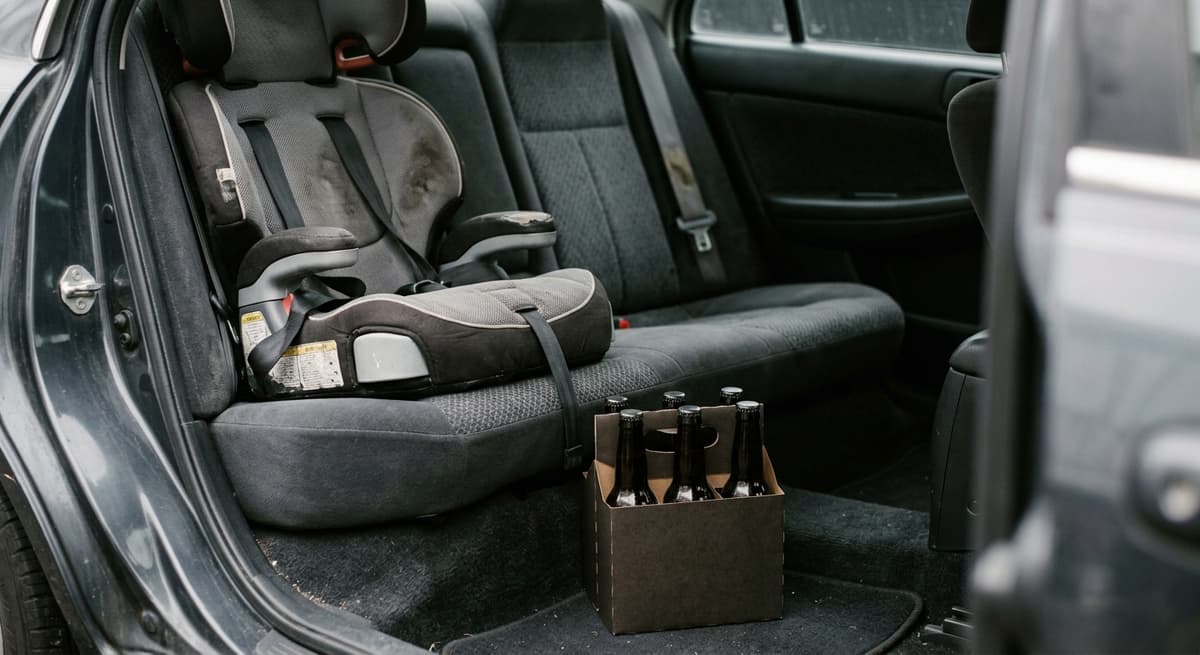
"(2)(a) Except as otherwise permitted in paragraph (b) of this subsection (2), a person while in the passenger area of a motor vehicle that is on a public highway of this state or the right-of-way of a public highway of this state may not knowingly: (I) Drink an alcoholic beverage; or (II) Have in his or her possession an open alcoholic beverage container."
C.R.S. § 42-4-1305(2)(a)
That single rule reaches everyone in the passenger area, driver and passengers alike, and it bans both the act of drinking and the mere possession of an open container.
What Counts as the "Passenger Area"
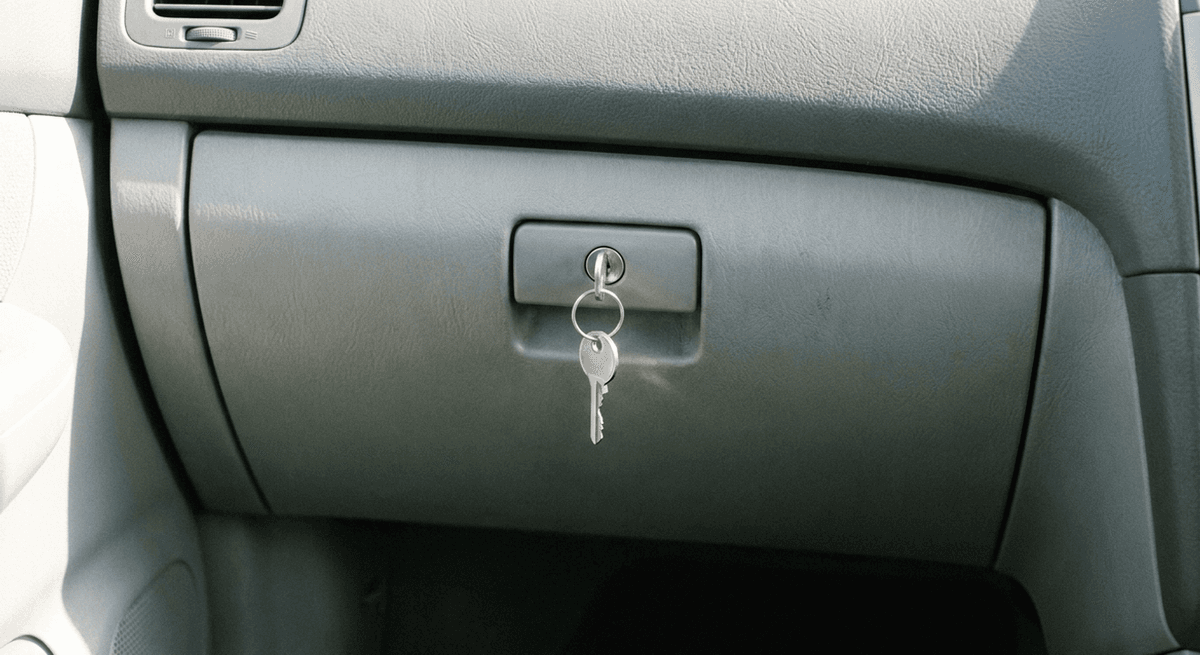
Colorado defines the "passenger area" as the space designed to seat the driver and passengers while the vehicle is being operated, plus any area readily accessible to the driver or a passenger while in a seated position (in plain terms, without getting out of the vehicle). That definition explicitly includes the glove compartment, which puts Colorado among the stricter states: moving an open container into the glove box does not take it out of the banned zone.
Exemptions
Subsection (2)(b) carves out four situations:
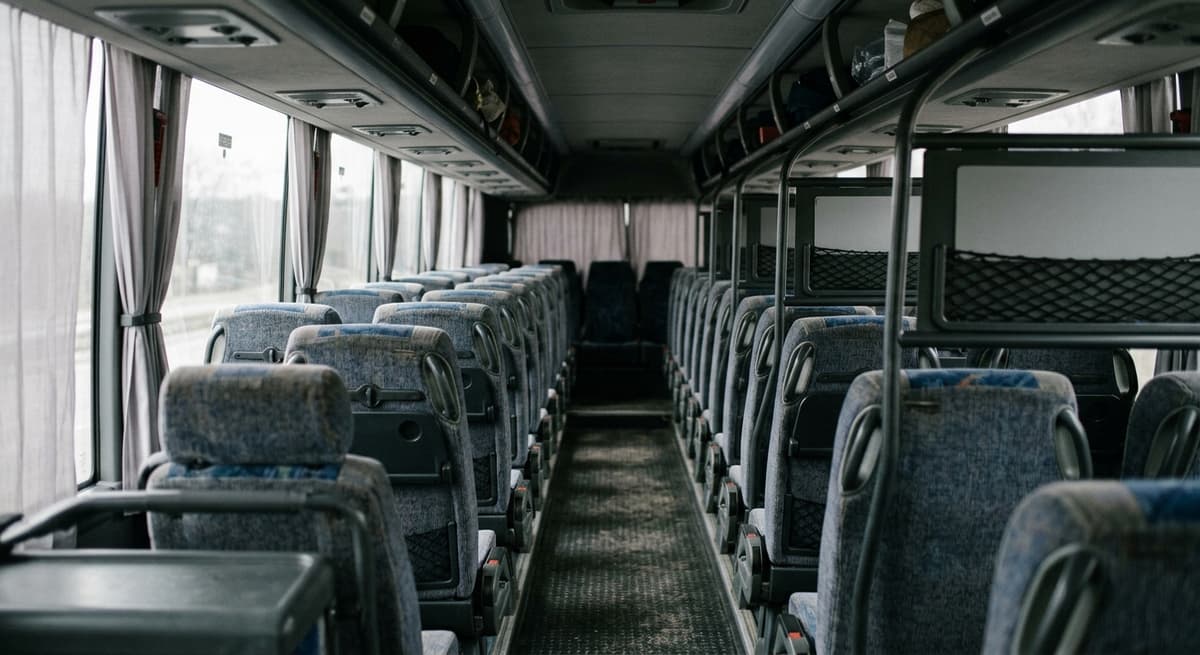
- A passenger, but not the driver or a front-seat passenger, riding in a vehicle designed to carry passengers for hire.
- A passenger, but not the driver or a front-seat passenger, in the living quarters of a house coach, house trailer, motor home, or trailer coach.
- The area behind the last upright seat, in a vehicle with no trunk.
- An area not normally occupied by the driver or passengers, in a vehicle with no trunk.
Local Ordinances
Subsection (3) of the statute expressly preserves the authority of any statutory or home-rule town, city, or city-and-county in Colorado to adopt its own open container ordinance, as long as that local ordinance is no less restrictive than the state law. A driver or passenger in a Colorado municipality with its own ordinance could face a stricter local rule on top of the state statute.
Penalty
Violating Colorado's open container law is a class A traffic infraction. The statute sets the fine at $50, plus a $16 surcharge, under C.R.S. Sections 42-4-1305(2)(c) and 42-4-1701(4)(a)(I)(N).
Federal Compliance
Federal law, 23 U.S.C. Section 154, conditions a share of a state's highway funding on having an open container law that bans both possession and consumption, covers the whole passenger area, reaches every occupant, and is primarily enforced. States that fall short have 2.5 percent of certain federal highway apportionments reserved and redirected to highway safety programs, under FHWA's annual apportionment notice. Colorado's statute meets those elements, so Colorado is not on FHWA's list of non-conforming states for fiscal year 2026 (FHWA Notice N4510.905, dated October 1, 2025).
For how this rule compares with every other state, see the open container laws by state comparison.
Disclaimer: This article provides general legal information about Colorado's open container law as of September 2026. It is not legal advice. Consult a lawyer licensed in Colorado for advice about a specific situation.
Statutes cited reflect their in-force version as of 2026-09-16. Last updated: 2026-09-16.
Frequently Asked Questions
Can a passenger drink alcohol in a car in Colorado?
No. C.R.S. Section 42-4-1305(2)(a) bans anyone in the passenger area of a vehicle on a public highway, driver or passenger, from drinking an alcoholic beverage or possessing an open container.
Is the glove compartment a safe place for an open container in Colorado?
No. Colorado's definition of the banned "passenger area" specifically includes the glove compartment, so storing an open container there does not exempt it.
What is the fine for an open container violation in Colorado?
A class A traffic infraction under C.R.S. Section 42-4-1305 carries a $50 fine plus a $16 surcharge.
Can a Colorado city have a stricter open container rule than the state?
Yes. C.R.S. Section 42-4-1305(3) lets a Colorado town, city, or city-and-county adopt its own ordinance, as long as it is no less restrictive than the state statute.
Updates
Independently fact-checked against the cited primary sources
Independently fact-checked against the cited primary sources
The Law Behind This Article
This article rests on the statutory provisions below, held in our own legal record and retrieved from the official source. Tap a section to read the operative text.
Colorado Revised Statutes, Title 42: Vehicles and Traffic
§ 42-4-1305Open alcoholic beverage container - motor vehicle - prohibitedIn force
(1) Definitions. As used in this section, unless the context otherwise requires: (a) Alcoholic beverage means a beverage as defined in 23 CFR 1270.3 (a). (b) Motor vehicle means a vehicle driven or drawn by mechanical power and manufactured primarily for use on public highways but does not include a vehicle operated exclusively on a rail or rails. (c) Open alcoholic beverage container means a bottle, can, or other receptacle that contains any amount of alcoholic beverage and: (I) That is open or has a broken seal; or (II) The contents of which are partially removed. (d) Passenger area means the area designed to seat the driver and passengers while a motor vehicle is in operation and any area that is readily accessible to the driver or a passenger while in his or her seating position, including but not limited to the glove compartment.
Official text (excerpt) · last checked 2026-09-23 · Read the full text in our law library · Verify at olls.info
§ 42-4-1701Traffic offenses and infractions classified - penalties - penalty and surcharge schedule - repealIn forcecited in 4 of our articles
(1) It is a traffic infraction for any person to violate any of the provisions of articles 1 to 3 of this title 42 and parts 1 to 3 and 5 to 19 of this article 4 unless such violation is, by articles 1 to 3 of this title 42 and parts 1 to 3 and 5 to 19 of this article 4 or by any other law of this state, declared to be a felony, misdemeanor, petty offense, civil infraction, or misdemeanor traffic offense. Such a traffic infraction constitutes a civil matter. (2) (a) For the purposes of this part 17, judge shall include any county court magistrate who hears traffic infraction matters, but no person charged with a traffic violation other than a traffic infraction or class 2 misdemeanor traffic offense shall be taken before a county court magistrate. (b) For the purposes of this part 17, magistrate shall include any county court judge who is acting as a county court magistrate in traffic infraction and class 2 misdemeanor traffic offense matters.
Official text (excerpt) · last checked 2026-07-29 · Read the full text in our law library · Verify at olls.info
Cited in 2 court opinions in our collectionLatest citing opinion in our collection: 2011
Opinions citing this section in our collection:
- United States v. Boyer (District Court, D. Colorado 1996, 935 F. Supp. 1138)“…ative Crimes Act (ACA). 18 U.S.C. § 13 . See, Colo.Rev.Stat. § 42-4-1701(4)(a)(l). Defendant argues that he cann…”
- Laidley v. City and County of Denver (District Court, D. Colorado 2011, 798 F. Supp. 2d 1193)“…uilty of a class 2 misdemeanor traffic offense. Pursuant to C.R.S. § 42-4-1701(3)(a)(II)(A), the penalties for a class…”
Identified automatically from the court opinions citing this section — not a ranking of which case controls.
Also relied on in: Colorado Windshield Mounting Laws (2026 Guide), Colorado Car Seat Laws (2026): Ages, Rear Seat & the Rear-Seat Change, Colorado Window Tint Laws (2026): Legal VLT Limits
United States Code Title 23
§ 154Open container requirementsIn forcecited in 46 of our articles
In this section, the following definitions apply: The term “alcoholic beverage” has the meaning given the term in section 158(c). The term “motor vehicle” means a vehicle driven or drawn by mechanical power and manufactured primarily for use on public highways, but does not include a vehicle operated exclusively on a rail or rails. The term “open alcoholic beverage container” means any bottle, can, or other receptacle— that contains any amount of alcoholic beverage; and that is open or has a broken seal; or the contents of which are partially removed. The term “passenger area” shall have the meaning given the term by the Secretary by regulation. For the purposes of this section, each State shall have in effect a law that prohibits the possession of any open alcoholic beverage container, or the consumption of any alcoholic beverage, in the passenger area of any motor vehicle (including possession or consumption by the driver of the vehicle) located on a public highway, or the right-of-way of a public highway, in the State.
Official text (excerpt) · last checked 2026-09-23 · Read the full text in our law library · Verify at uscode.house.gov
Cited in 20 court opinions in our collectionLatest citing opinion in our collection: 2004
Opinions citing this section in our collection:
- Foremost Insurance v. Richardson (Supreme Court of the United States 1982, 457 U.S. 668)“…er traffic, just as it has done for some land traffic. See 23 U. S. C. § 154 (55 m.p.h. speed limit). Yet no one su…”
- United States v. Kevin Bishop, United States of America v. Edward Stokes (Court of Appeals for the Third Circuit 1995, 66 F.3d 569)“…nder the Spending Clause, not the Commerce Clause. See 23 U.S.C. § 154 (Supp.1995) (conditioning receipt of f…”
- Mrs. Lizzie Beatrice Easterwood v. Csx Transportation, Inc. (Court of Appeals for the Eleventh Circuit 1991, 933 F.2d 1548)“…ce with the national highway speed limit. See 23 U.S.C.A. § 154 (1990). Easterwood argues that an auto…”
Identified automatically from the court opinions citing this section — not a ranking of which case controls.
Also relied on in: Open Container Laws by State (2026): Passengers, Exemptions, Penalties, Maine Open Container Law (2026): Statute and Exemptions, Alabama Open Container Law (2026): The $25 Fine and No-Points Rule
Search our full record of US law — 2.1 million sections, every state + federal →
Sources and References
- C.R.S. § 42-4-1305 - Open alcoholic beverage container - motor vehicle - prohibited(olls.info)
- 23 U.S.C. § 154(a) - Open container requirements(law.cornell.edu)
- FHWA Notice N4510.905 - FY2026 Apportionment of Federal-Aid Highway Program Funds (open container non-conforming states list)(highways.dot.gov).gov