
South Dakota
South Dakota Laws on Recording Police
Independently fact-checked against primary sources (last audited August 15, 2026). · Reviewed by the RecordingLaw editorial team. · Law checked current as of August 15, 2026. · 6 primary sources cited on this page. How we verify our legal content
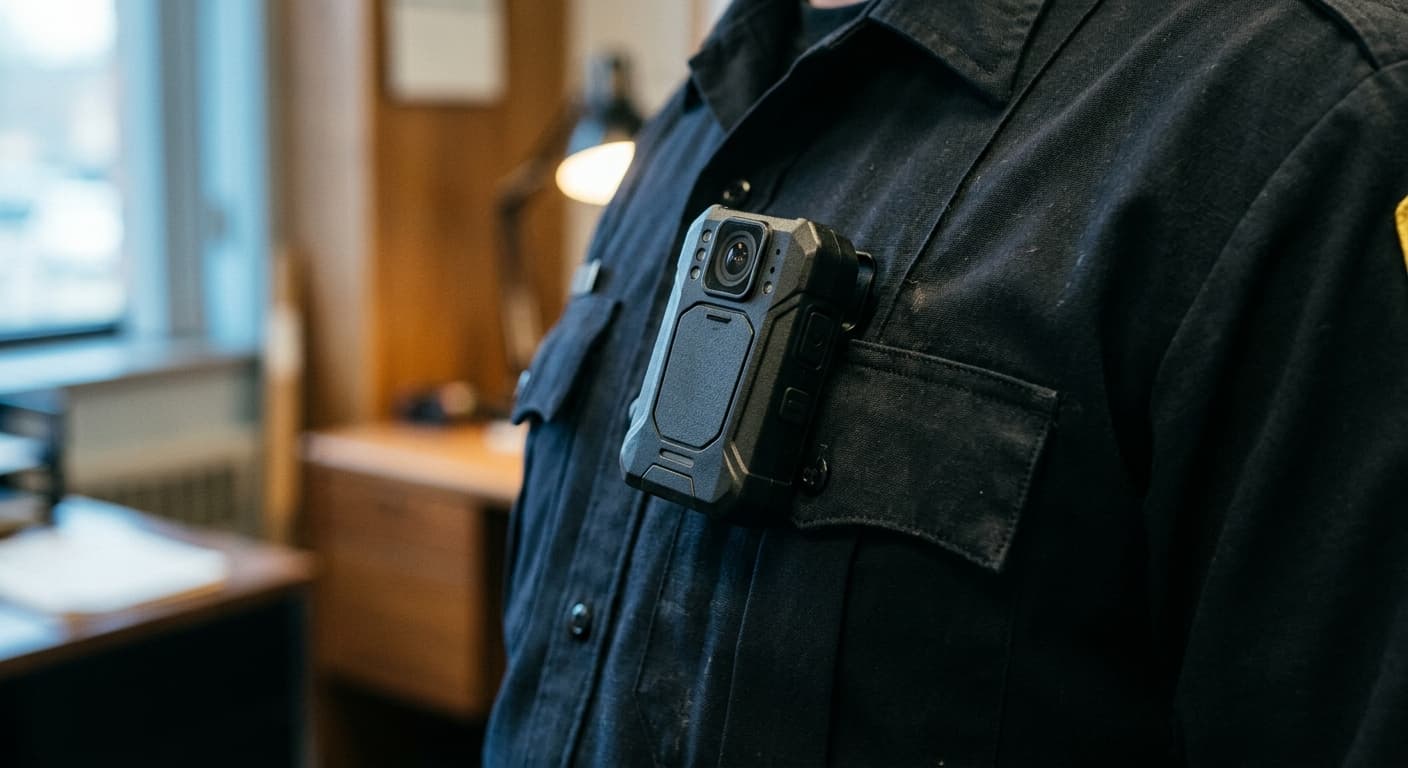
In South Dakota, the First Amendment protects your right to record on-duty police officers in public. Under SDCL 23A-35A-20, South Dakota's one-party consent law, you may audio record any police interaction you are part of without notifying the officer.
South Dakota residents have the right to record police officers performing their duties in public. This right is grounded in the First Amendment to the U.S. Constitution and supported by federal court rulings. South Dakota's one-party consent law (SDCL 23A-35A-20) further allows you to audio record any interaction with police that you are part of without informing the officers.
This guide explains when and how you can legally record police in South Dakota, your rights during traffic stops, the limits on recording, and the rules around body camera footage and police video.
Your Constitutional Right to Record Police
The First Amendment Foundation
The right to record police officers performing their duties in public is protected by the First Amendment. Multiple federal courts of appeals have recognized this right, holding that the act of recording public officials carries out a core First Amendment purpose: enabling the public to monitor government conduct.
The U.S. Court of Appeals for the Eighth Circuit, which covers South Dakota, has addressed bystander recording of police in several decisions but has not yet recognized a clearly established right to record officers performing their duties as a stand-alone First Amendment doctrine. In Chestnut v. Wallace, 947 F.3d 1085 (8th Cir. Jan. 21, 2020), the court held that the right to passively observe police was clearly established. In Robbins v. City of Des Moines, 984 F.3d 673 (8th Cir. Jan. 5, 2021), the Eighth Circuit declined to extend that holding into a clearly established right to record. In Molina v. Book, No. 21-1830 (8th Cir. Feb. 2, 2023, cert. denied Feb. 20, 2024), the court again declined to recognize the right as clearly established in the qualified-immunity context. Federal circuits that have explicitly upheld the right to record police include the First, Third, Fifth, Seventh, Ninth, and Eleventh Circuits, and the First Amendment doctrine generally supports recording on public property.
In practice, this means that recording police officers in public in South Dakota is constitutionally protected activity. Officers who seize recording devices or arrest individuals solely for recording face potential liability under 42 U.S.C. 1983 for violating civil rights.
South Dakota's One-Party Consent Rule
Beyond the First Amendment, South Dakota's wiretapping statute provides additional support. Under SDCL 23A-35A-20, you can record any conversation you participate in without informing the other party. When you interact with a police officer during a traffic stop, at a public event, or during any other encounter, you are a party to that conversation and can lawfully record the audio.
When You Can Record Police
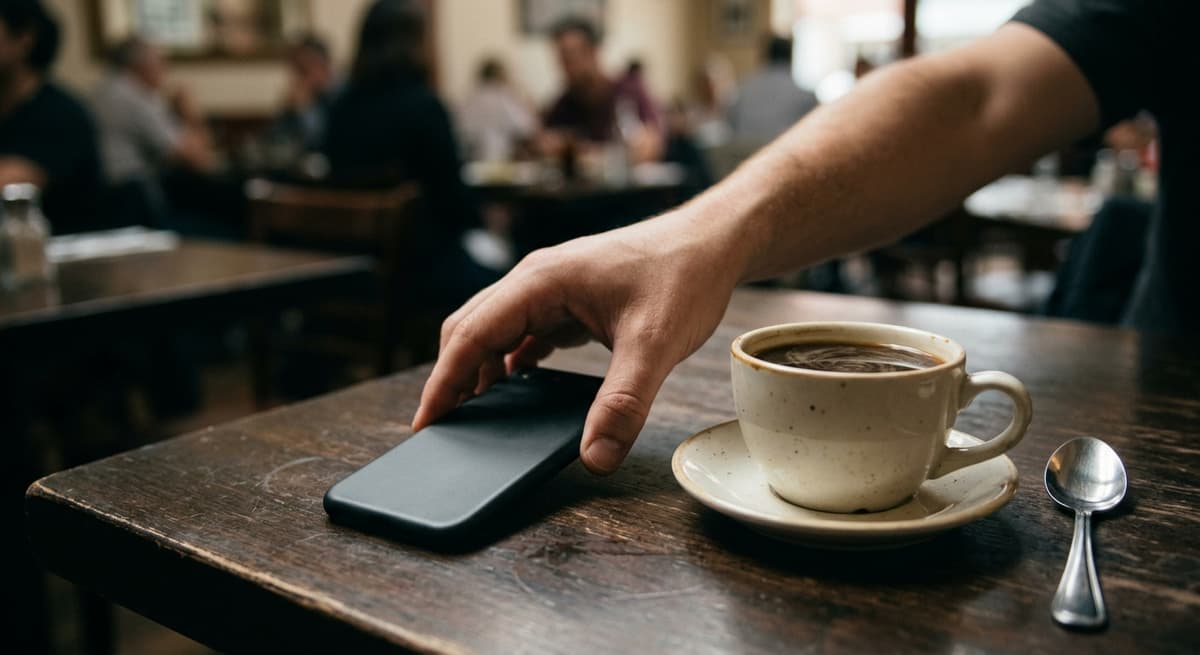
Traffic Stops
You can record your own traffic stop in South Dakota. This includes:
- Turning on your phone's camera or voice recorder when pulled over
- Using a dashcam that captures both video and audio of the stop
- Having a passenger record the interaction
- Livestreaming the encounter on social media
When recording a traffic stop, keep your hands visible and inform the officer if you need to reach for your phone. Do not make sudden movements that could be interpreted as reaching for a weapon.
Arrests and Detentions
You can record arrests happening in public. Whether you are the person being arrested or a bystander, you have the right to capture the event on video or audio. Bystanders should maintain a safe distance and avoid physically interfering with the arrest.
Police Checkpoints and Roadblocks
South Dakota law enforcement occasionally conducts DUI checkpoints and other roadblocks. You can record these encounters. Your dashcam may continue recording throughout the stop, and you can use a handheld device as well.
Public Protests and Demonstrations
During public protests, demonstrations, and rallies in South Dakota, you can record police activity including their interactions with protesters, their crowd management tactics, and their response to any incidents. This right extends to journalists, independent media, and members of the public alike.
Interactions at Government Buildings
You can record police officers and other government officials in public areas of government buildings. This includes the public areas of courthouses, city halls, police station lobbies, and other government facilities. Individual buildings may have specific rules about recording in certain areas, but public lobbies and common areas are generally open to recording.
Limits on Recording Police
Do Not Interfere With Police Operations
While you have the right to record, you cannot physically interfere with police operations. Interference includes:
- Stepping into the path of officers pursuing a suspect
- Reaching past a police perimeter or crime scene tape
- Blocking police vehicles or equipment
- Touching officers or their equipment
- Loudly disrupting police communications during an active operation
South Dakota's obstruction statute makes it illegal to intentionally prevent or attempt to prevent a law enforcement officer from performing a lawful duty.
Do Not Trespass
You cannot enter private property without permission to get a better recording angle. If police are conducting an operation on private property, you must record from a public area or from property where you have permission to be.
Follow Lawful Orders to Move Back
Officers may order you to move back to a safe distance during an active scene. You should comply with reasonable distance requests while continuing to record. An order to stop recording entirely, however, is generally not a lawful order.
Search vs. Seizure: What Officers Can and Cannot Do
Police officers cannot confiscate your phone or recording device simply to punish you for recording them, and taking hold of the device is a separate question from searching what is on it. Officers may, in narrow circumstances, take temporary physical custody of your device based on probable cause, for example to prevent you from deleting recorded evidence, while they seek a warrant. But viewing, copying, or deleting your photos, video, or audio requires a warrant to search the device's contents in nearly all circumstances.
The U.S. Supreme Court's decision in Riley v. California, 573 U.S. 373 (2014), established that police generally need a warrant to search the digital contents of a cell phone, including recorded video and audio files, even once the phone is already in their possession. If an officer takes your device, clearly state that you do not consent to a search of its contents, but do not physically resist.
Officers Cannot Force You to Delete Footage
An officer has no legal authority to force you to delete recordings. If ordered to delete footage, calmly decline and state that you believe you have the right to record. If the officer persists, do not physically resist, but document the interaction and contact an attorney afterward.
Body Camera and Police Dashcam Footage
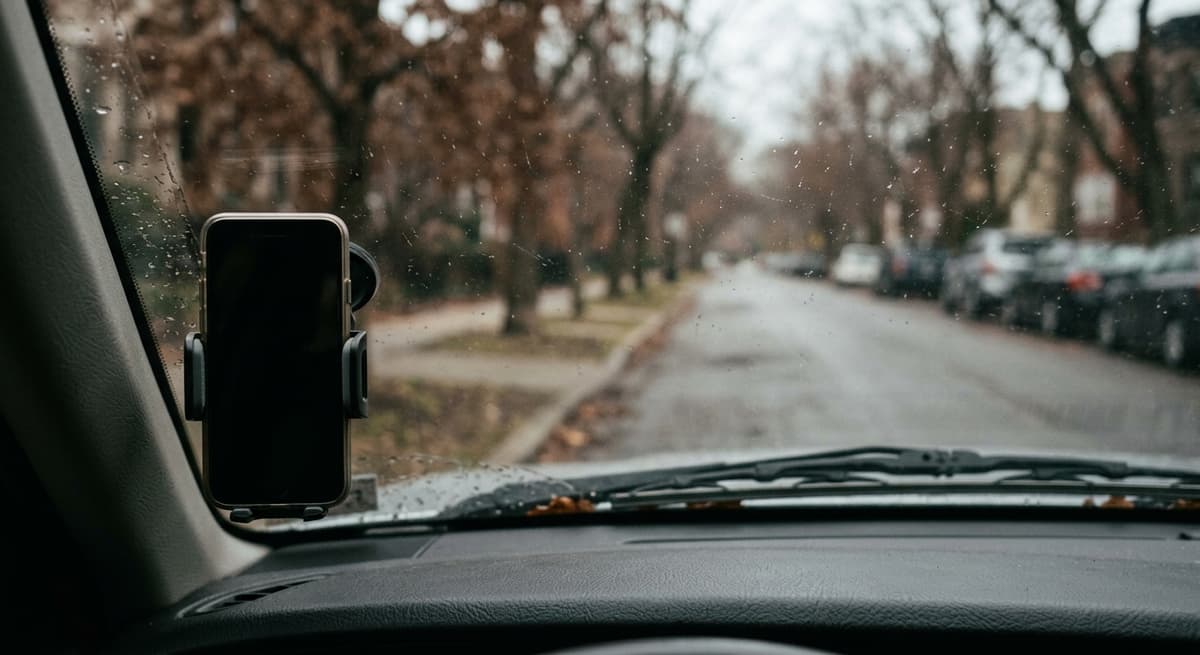
South Dakota's Approach to Police Video
South Dakota does not have a specific statute mandating or regulating law enforcement body cameras or dashcams. Individual agencies make their own decisions about whether to equip officers with body cameras.
Public Access to Police Video
Body camera footage and police dashcam video are generally treated as exempt from South Dakota's public records laws under the general law enforcement records exemption at SDCL 1-27-1.5(5). Law enforcement agencies have broad discretion on whether to release police video to the public. South Dakota News Watch has reported that requests for police video are routinely denied by agencies across the state.
This lack of public access has drawn criticism from transparency advocates. Unlike states that have enacted specific body camera disclosure laws, South Dakota leaves the decision entirely to individual agencies.
Obtaining Police Video for Legal Proceedings
While the public may not have access to police video, defendants in criminal cases can typically obtain body camera and dashcam footage through the discovery process. Attorneys can subpoena police video as part of litigation. If you are involved in a case where police video may be relevant, consult with a South Dakota attorney about how to obtain it.
Recording Police in South Dakota vs. Neighboring States
South Dakota's one-party consent framework is more permissive than some neighboring states:
| State | Consent Type | Can You Record Police? |
|---|---|---|
| South Dakota | One-party | Yes |
| North Dakota | One-party | Yes |
| Nebraska | One-party | Yes |
| Wyoming | One-party | Yes |
| Iowa | One-party | Yes |
| Montana | Two-party | Yes, but audio consent rules may apply |
| Minnesota | One-party | Yes |
All states permit recording police in public, but the audio recording rules vary. Montana's two-party consent requirement means you should inform officers you are recording if you want to capture audio during a Montana police encounter.
What to Do If Your Rights Are Violated
If a police officer in South Dakota:
- Arrests you for recording
- Seizes your recording device
- Forces you to delete footage
- Threatens you for recording
Take these steps:
- Remain calm and do not physically resist. Asserting your rights verbally is appropriate; physical resistance is dangerous and can result in additional charges.
- Clearly state your rights. Say something like "I believe I have the right to record under the First Amendment and I do not consent to the seizure of my device."
- Document everything. Write down the officer's name, badge number, agency, date, time, and location as soon as possible.
- Contact an attorney. An attorney can advise you on filing a complaint or pursuing a civil rights claim under 42 U.S.C. 1983.
- File a complaint. You can file a complaint with the officer's agency or with the ACLU of South Dakota.
Recording Government Meetings
South Dakota's Open Meetings Law (SDCL 1-25) provides a separate and explicit right to record government meetings. Under SDCL 1-25-11, no public body may prevent a person from recording a public meeting that is open to the public, as long as the recording is:
- Reasonable in its methods
- Obvious to meeting participants
- Not disruptive to the proceedings
This applies to city and county commission meetings, school board meetings, state legislative proceedings, public hearings, and all other open government meetings.
More South Dakota Recording Laws
Audio Recording | Video Recording | Voyeurism & Hidden Cameras | Workplace Recording | Recording Police | Phone Call Recording | Security Cameras | Recording in Public | Landlord-Tenant | Dashcam Laws | Schools | Medical Recording
Back to South Dakota Recording Laws
More South Dakota Recording Topics
More South Dakota Laws
Frequently Asked Questions
Can I record police officers in South Dakota?
Yes. The First Amendment protects your right to record police officers performing their duties in public. South Dakota's one-party consent law (SDCL 23A-35A-20) also allows you to audio record your own interactions with police without informing them.
Can police take my phone for recording them in South Dakota?
Police cannot confiscate your phone or recording device solely to punish or stop you from recording them in public. Temporary physical custody of the device on probable cause, for example to prevent deletion of evidence, is a separate question from searching it: under Riley v. California, officers generally need a warrant to search the contents of a phone, including any video or audio you recorded, even once it is in their possession. If an officer takes your device, clearly state that you do not consent to a search and contact an attorney.
Can I record a traffic stop in South Dakota?
Yes. You can record your own traffic stop using a phone, dashcam, or any other recording device. Keep your hands visible and avoid sudden movements. Passengers can also record the stop.
Can I get police body camera footage in South Dakota?
Public access is very limited. Body camera and dashcam footage are exempt from South Dakota public records laws. Law enforcement agencies have full discretion on whether to release video. Defendants in criminal cases can typically obtain footage through the legal discovery process.
What should I do if police order me to stop recording in South Dakota?
Calmly state that you believe you have the right to record under the First Amendment. Do not physically resist. If the officer persists, comply to avoid arrest but document the interaction. Contact an attorney afterward about filing a complaint or a civil rights claim under 42 U.S.C. 1983.
Updates
Corrected a mischaracterization of Riley v. California: the Supreme Court's warrant requirement applies to police searching the contents of a phone, not to physically taking temporary custody of it, and the page previously blurred that distinction in both the body and the FAQ.
Independently fact-checked against the cited primary sources; governing law re-checked for recent changes
Governing law re-checked for recent changes
Reviewed and approved by an editor
The Law Behind This Article
This article rests on the statutory provisions below, held in our own legal record and retrieved from the official source. Tap a section to read the operative text.
South Dakota Codified Laws, Chapter 23A-35A: INTERCEPTION OF WIRE, ELECTRONIC, OR ORAL COMMUNICATIONS
§ 23A-35A-20Overhearing or recording communications, conversations, or jury deliberations by means of eavesdropping device as felony.In forcecited in 17 of our articles
Except as provided in § 23A-35A-21, a person is guilty of a Class 5 felony who is not: (1) A sender or receiver of a communication who intentionally and by means of an eavesdropping device overhears or records a communication, or aids, authorizes, employs, procures, or permits another to overhear or record, without the consent of either a sender or receiver of the communication; (2) A person present during a conversation or discussion who intentionally and by means of an eavesdropping device overhears or records the conversation or discussion, or aids, authorizes, employs, procures, or permits another to overhear or record, without the consent of a party to the conversation or discussion; or (3) A member of a jury who intentionally records or listens to by means of an eavesdropping device the deliberations of the jury or aids, authorizes, employs, procures, or permits another to record or listen.
Official text (excerpt) · last checked 2026-08-31 · Read the full text in our law library · Verify at sdlegislature.gov
Cited in 3 court opinions in our collectionLatest citing opinion in our collection: 2022
Opinions citing this section in our collection:
- State v. Woods (South Dakota Supreme Court 1985, 361 N.W.2d 620)“…ent fails. We next address the State’s argument that SDCL 23A-35A-20(2) exempts one party consent recordings…”
- State v. Braddock (South Dakota Supreme Court 1990, 452 N.W.2d 785)“…nsent recordings without prior court authorization” because SDCL 23A-35A-20 exempts from criminal liability a perso…”
- Gantvoort v. Ranschau (South Dakota Supreme Court 2022, 2022 S.D. 22)“…ff when no noise was detected in the room. 3. SDCL 23A-35A-20(1)–(2), which criminalizes recordings m…”
Identified automatically from the court opinions citing this section — not a ranking of which case controls.
South Dakota Codified Laws, Chapter 1-25: MEETINGS OF PUBLIC AGENCIES
§ 1-25-11Recording of open official meeting to be permitted.In forcecited in 5 of our articles
No public body may prevent a person from recording, through audio or video technology, an official meeting as long as the recording is reasonable, obvious, and not disruptive. This section does not apply to meetings closed to the public pursuant to specific law.
Official text (excerpt) · last checked 2026-07-30 · Read the full text in our law library · Verify at sdlegislature.gov
United States Code Title 18
§ 2511Interception and disclosure of wire, oral, or electronic communications prohibitedIn forcecited in 418 of our articles
Except as otherwise specifically provided in this chapter any person who— intentionally intercepts, endeavors to intercept, or procures any other person to intercept or endeavor to intercept, any wire, oral, or electronic communication; intentionally uses, endeavors to use, or procures any other person to use or endeavor to use any electronic, mechanical, or other device to intercept any oral communication when— such device is affixed to, or otherwise transmits a signal through, a wire, cable, or other like connection used in wire communication; or such device transmits communications by radio, or interferes with the transmission of such communication; or such person knows, or has reason to know, that such device or any component thereof has been sent through the mail or transported in interstate or foreign commerce; or such use or endeavor to use (A) takes place on the premises of any business or other commercial establishment the operations of which affect interstate or foreign commerce; or (B) obtains or is for the purpose of obtaining information relating to the operations of any business or other commercial establishment the operations of which affect interstate or foreign…
Official text (excerpt) · last checked 2026-08-28 · Read the full text in our law library · Verify at uscode.house.gov
Cited in 2,045 court opinions in our collectionLatest citing opinion in our collection: 2026
In the courts (editorial summary, independently checked):Griggs-Ryan v. Smith (1990) applied the Section 2511(2)(d) prior-consent exception, treating a tenant repeatedly told that all incoming calls were taped as having impliedly consented. United States v. United States District Court (1972) read the then-current Section 2511(3) as conferring no presidential surveillance power.
Opinions citing this section in our collection:
- Mitchell v. Forsyth (Supreme Court of the United States 1985, 472 U.S. 511)✓The Attorney General authorized a warrantless 1970 national security wiretap that caught the plaintiff's calls; the Court held the since-repealed Section 2511(3) disclaimer left the tap lawful under Title III, and that Mitchell had qualified immunity.
- United States v. United States District Court for the Eastern District of Michigan (Supreme Court of the United States 1972, 407 U.S. 297)✓The Attorney General approved warrantless wiretaps on members of a domestic group accused of bombing a CIA office; the Court read Section 2511(3) as a congressional disclaimer conferring no surveillance power, then held the Fourth Amendment required prior judicial approval.
- Forsyth v. Barr (Court of Appeals for the Fifth Circuit 1994, 19 F.3d 1527)✓Dallas police used, in an internal affairs probe of an officer, calls private parties allegedly intercepted illegally; assuming that was unlawful, the Fifth Circuit held Section 2517(1) and (2) allowed the disclosure and use, defeating the Section 2511(1)(c) and (d) claims.
Identified automatically from the court opinions citing this section — not a ranking of which case controls.
United States Code Title 42
§ 1983Civil action for deprivation of rightsIn forcecited in 50 of our articles
Every person who, under color of any statute, ordinance, regulation, custom, or usage, of any State or Territory or the District of Columbia, subjects, or causes to be subjected, any citizen of the United States or other person within the jurisdiction thereof to the deprivation of any rights, privileges, or immunities secured by the Constitution and laws, shall be liable to the party injured in an action at law, suit in equity, or other proper proceeding for redress, except that in any action brought against a judicial officer for an act or omission taken in such officer’s judicial capacity, injunctive relief shall not be granted unless a declaratory decree was violated or declaratory relief was unavailable. For the purposes of this section, any Act of Congress applicable exclusively to the District of Columbia shall be considered to be a statute of the District of Columbia.
Official text (excerpt) · last checked 2026-07-28 · Read the full text in our law library · Verify at uscode.house.gov
Cited in 282,365 court opinions in our collectionLatest citing opinion in our collection: 2026
Opinions citing this section in our collection:
- Ashcroft v. Iqbal (Supreme Court of the United States 2009, 556 U.S. 662)“…its brought against state officials under Rev. Stat. §1979, 42 U. S. C. §1983.” Hartman, 547 U. S., at 254, n. 2. Cf.…”
- Celotex Corp. v. Catrett, Administratrix of the Estate of Catrett (Supreme Court of the United States 1986, 477 U.S. 317)“…policeman as she left. Petitioner brought an action under 42 U. S. C. § 1983 claiming that the refusal of service a…”
- Monell v. New York City Dept. of Social Servs. (Supreme Court of the United States 1978, 436 U.S. 658)“…decided less than two decades ago. Focusing new light on 42 U. S. C. § 1983 , that decision widened access to the f…”
Identified automatically from the court opinions citing this section — not a ranking of which case controls.
Search our full record of US law — 2.1 million sections, every state + federal →
Sources and References
- SDCL 23A-35A-20 -- Interception of Communications(sdlegislature.gov).gov
- SDCL 1-25-11 -- Recording of Open Official Meeting(sdlegislature.gov).gov
- SDCL Chapter 1-25 -- Open Meetings Law(sdlegislature.gov).gov
- 42 U.S.C. 1983 -- Civil Action for Deprivation of Rights(uscode.house.gov).gov
- 18 U.S.C. 2511 -- Federal Wiretap Act(uscode.house.gov).gov
- South Dakota Attorney General -- Open Meetings Law Guide(atg.sd.gov).gov
- Reporters Committee for Freedom of the Press -- South Dakota Recording Guide(rcfp.org)