Maine Laws on Recording Police: Your Rights and Limits (2026)
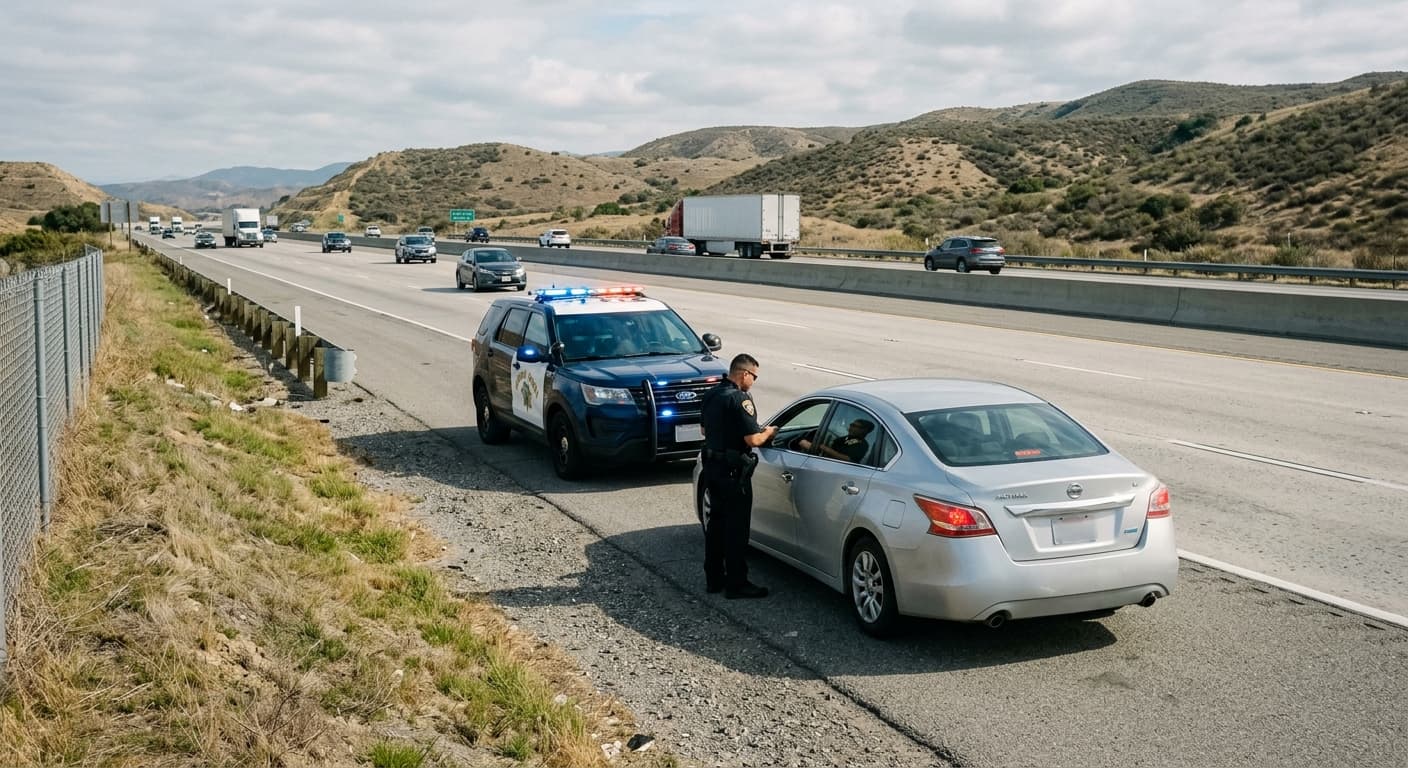
Recording police officers in Maine is protected by both the First Amendment to the U.S. Constitution and the state's one-party consent wiretapping law. The First Circuit Court of Appeals, which has jurisdiction over Maine, has confirmed that citizens have the right to record law enforcement performing their duties in public. This guide explains your rights, the legal limits, and practical guidance for recording police encounters in Maine.
Your Right to Record Police in Maine
First Amendment Protection
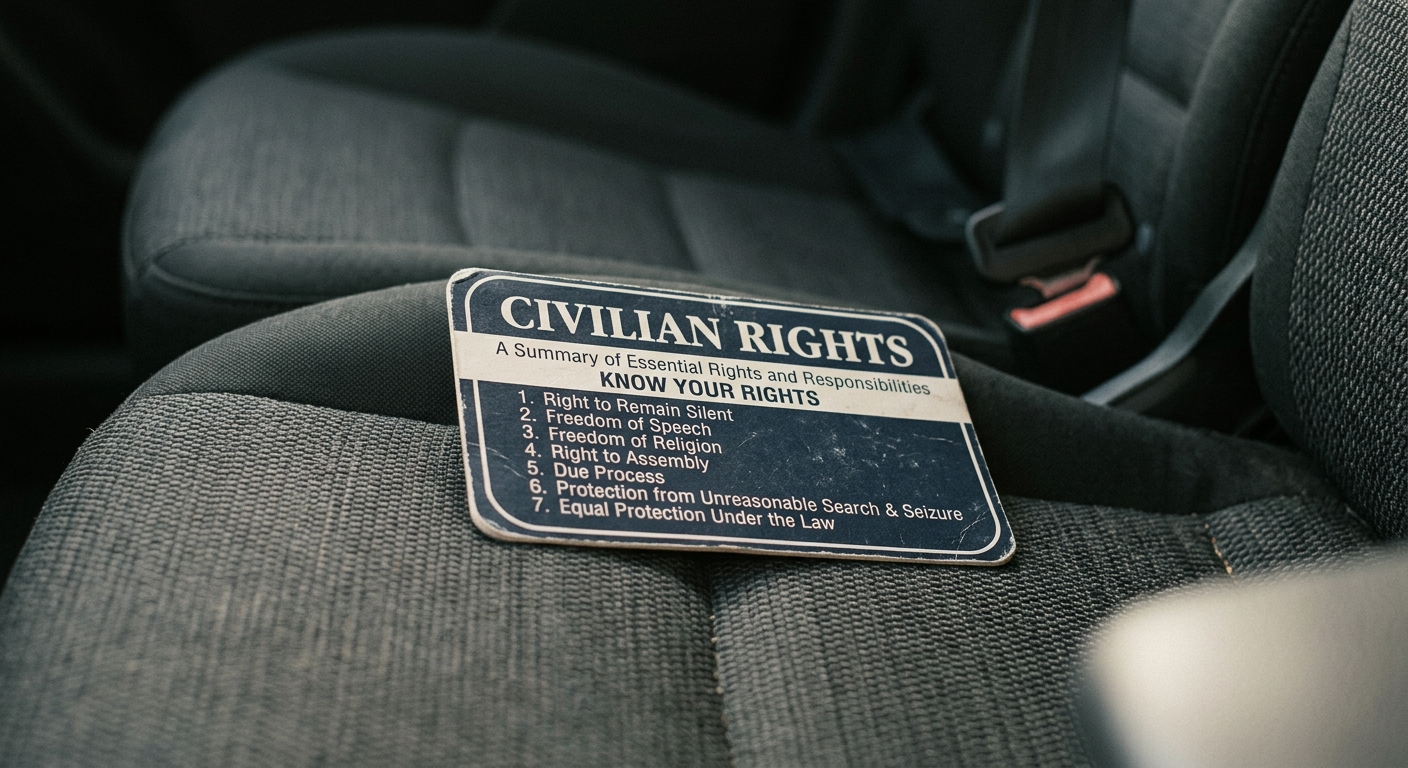
The First Amendment protects the right to record government officials, including police officers, performing their duties in public places. The First Circuit Court of Appeals established this right clearly in Glik v. Cunniffe, 655 F.3d 78 (1st Cir. 2011). In that case, the court held that recording police activity in public is a clearly established right protected under the First Amendment.
Because Maine falls within the First Circuit, the Glik ruling is binding precedent. This means:
- You can record police officers on public streets, sidewalks, parks, and other public areas
- You can use a smartphone, camera, body camera, or any other recording device
- You do not need to ask permission to record
- You do not need to identify yourself as a journalist or have any special credentials
- The right to record extends to all citizens, not just members of the press
Maine One-Party Consent
In addition to First Amendment protections, Maine's one-party consent law (15 M.R.S.A. section 710 and section 712) allows you to audio record any conversation you participate in. When you are interacting with a police officer (during a traffic stop, at a checkpoint, or during a street encounter), you are a party to that conversation and can record it without informing the officer.
What You Can Record
You can legally record:
- Traffic stops where you are the driver or passenger
- Street encounters and questioning by officers
- Arrests that occur in public view
- Police activity visible from public spaces
- Protests, demonstrations, and public gatherings where police are present
- Interactions at police stations during voluntary visits
- Your own booking process (though stations may restrict devices)
What Police Cannot Do
Cannot Order You to Stop Recording
Police officers in Maine cannot order you to stop recording if you are in a public place and not interfering with their operations. An officer who orders you to stop recording, threatens arrest for recording, or retaliates against you for recording may be violating your constitutional rights.
Cannot Delete Your Footage
An officer cannot demand that you delete photos, video, or audio recordings from your device. Forcing you to delete recordings could constitute destruction of evidence and a violation of your First and Fourth Amendment rights.
Cannot Confiscate Your Device Without a Warrant
Under the Fourth Amendment and the U.S. Supreme Court's ruling in Riley v. California, 573 U.S. 373 (2014), police generally need a warrant to search or seize your cell phone or recording device. An officer cannot take your phone or camera simply because you are recording them.
Exceptions may exist in narrow circumstances:
- If the officer reasonably believes the device contains evidence of a crime and there is an immediate risk of destruction
- Incident to a lawful arrest (though Riley significantly limits phone searches even in this context)
- Under exigent circumstances involving immediate danger to life
Cannot Retaliate
Officers cannot retaliate against you for exercising your right to record. Retaliation can take many forms:
- Arresting you on fabricated charges
- Issuing citations or summonses as punishment
- Using excessive force
- Threatening to arrest you for obstruction or disorderly conduct without actual basis
- Following or harassing you after the recording
Your Obligations While Recording
Do Not Physically Interfere
While you have the right to record, you must not physically interfere with police operations. Interference includes:
- Stepping into an active crime scene
- Blocking officers' path during a pursuit or arrest
- Touching officers or their equipment
- Crossing police tape or barricades
- Getting close enough to endanger yourself or others
Maintain a Reasonable Distance
There is no specific distance requirement in Maine law, but courts generally expect you to maintain a distance that allows officers to perform their duties without obstruction. A general guideline is to stay at least 10 to 15 feet away from active police operations.
Follow Lawful Orders
You must follow lawful police orders that are not aimed at suppressing your recording. For example, if an officer orders you to move back from a crime scene for safety reasons, you should comply. You can continue recording from a greater distance.
Do Not Resist Arrest
If an officer arrests you for recording (even if the arrest is unlawful), do not physically resist. Comply with the arrest and assert your rights later through the legal system. Resisting arrest can result in additional criminal charges.
Recording During Traffic Stops
Your Rights During a Stop
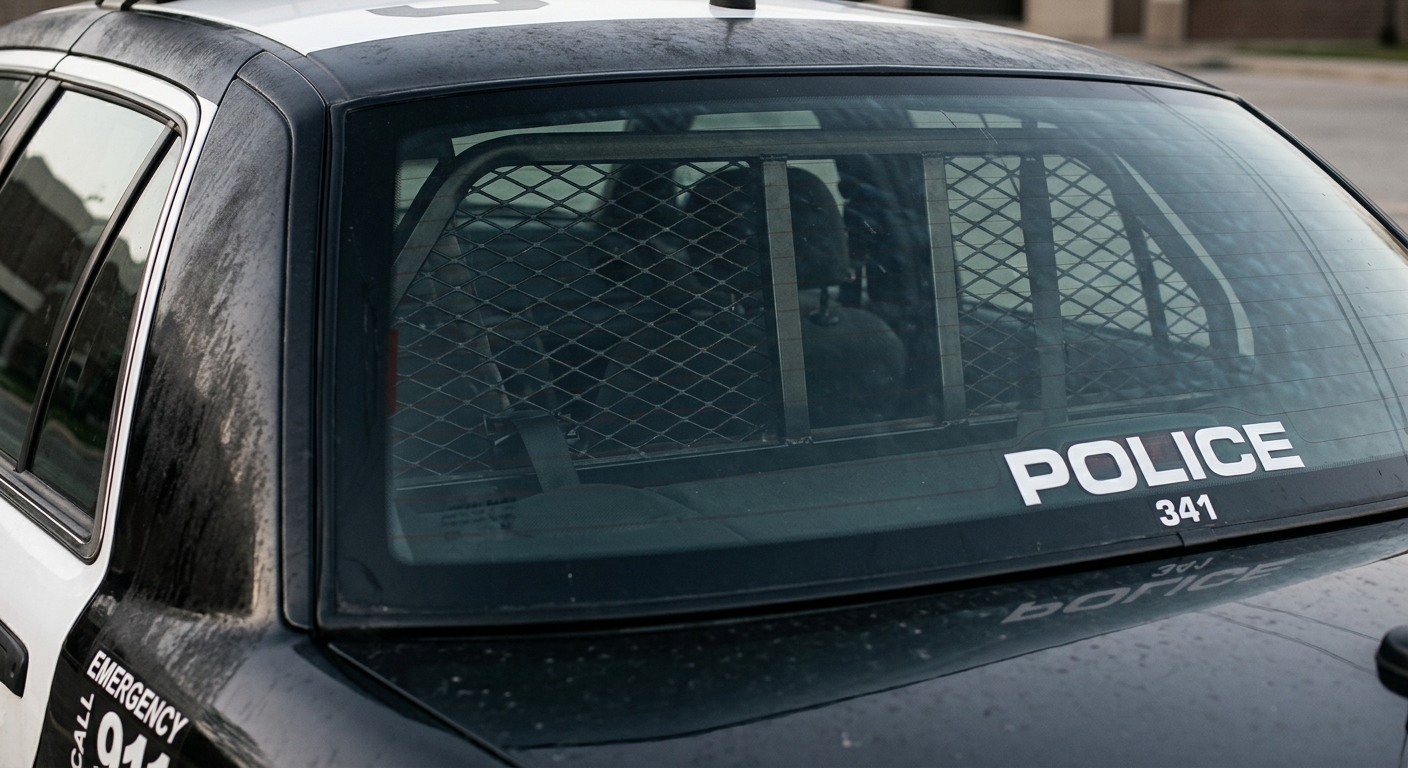
During a traffic stop in Maine, you have the right to:
- Keep your dashcam recording throughout the stop
- Use your phone to record the interaction
- Have passengers record the encounter
- Refuse to turn off recording devices
Practical Tips for Recording Traffic Stops
- Inform the officer calmly that you are recording if asked (though you are not legally required to)
- Keep your hands visible and avoid sudden movements when reaching for a phone
- Mount your phone on a dashboard holder rather than holding it, to keep both hands free
- Do not reach for your phone if an officer has drawn a weapon or is giving commands about your hands
Passenger Recording Rights
Passengers in a vehicle during a traffic stop also have the right to record. Under Maine one-party consent, a passenger who is present during the interaction with the officer is a party to any conversation they can hear and can record it.
What to Do If Your Rights Are Violated
During the Encounter
If a police officer tells you to stop recording, orders you to delete footage, or attempts to confiscate your device:
- State calmly that you have a First Amendment right to record in public
- Do not physically resist if the officer takes your device
- Note the officer's name, badge number, and department
- Note the date, time, and location of the incident
- Identify any witnesses who observed the encounter
- As soon as possible, write down everything that happened
Filing a Complaint
You can file complaints about police misconduct through several channels:
- Internal Affairs at the officer's department
- The Maine Attorney General's Office - The AG's Office investigates police misconduct
- The ACLU of Maine - Can provide legal guidance on First Amendment violations
- Federal civil rights complaint - You can file a complaint with the U.S. Department of Justice Civil Rights Division
Legal Remedies
If your right to record was violated, you may have legal remedies including:
- 42 U.S.C. 1983 lawsuit for violation of your First and Fourth Amendment rights
- State tort claims for false arrest, assault, or conversion of property
- Municipal liability if the department has a pattern of suppressing recording
- Injunctive relief to prevent future violations
Police Body Cameras in Maine
Maine Body Camera Laws
Maine has addressed police body cameras through legislation. 25 M.R.S.A. section 2803-B requires law enforcement agencies to adopt written policies governing the use of body-worn cameras. Key provisions include:
- Officers must activate cameras during law enforcement encounters
- Agencies must establish retention policies for footage
- The public has a right to access body camera footage under Maine's Freedom of Access Act
Requesting Body Camera Footage
Under Maine's Freedom of Access Act (1 M.R.S.A. section 400 et seq.), you can submit a public records request for police body camera footage. To request footage:
- Submit a written request to the law enforcement agency
- Identify the date, time, and location of the incident
- Specify the officers involved if known
- Be aware that some footage may be redacted or withheld for ongoing investigations or privacy reasons
Recording at Protests and Public Demonstrations
Your Rights at Protests
Maine residents have the right to record at protests and public demonstrations. This includes recording:
- Police deployment and crowd control tactics
- Arrests of protesters
- Use of force by officers
- Officer badge numbers and identifications
- Conversations with officers that you are part of
Protecting Your Recordings
At protests and other volatile situations, consider these precautions:
- Enable cloud backup so footage is saved even if your device is seized
- Use a passcode or biometric lock on your device
- Stream video live to a social media platform as a backup
- Share your location with a trusted contact
- Carry a portable battery charger
Recording Inside Police Stations
Voluntary Visits
If you voluntarily visit a police station to file a report, provide a statement, or conduct other business, you can record conversations you participate in under one-party consent. However, police stations may have policies restricting the use of electronic devices in certain areas.
During Arrest Processing
If you are arrested, the police may confiscate your phone and other personal property as part of the booking process. The phone may be placed in a property bag and returned to you upon release. Officers still need a warrant to search the contents of your phone under Riley v. California.
More Maine Laws
- Maine Recording Laws
- Maine Whistleblower Laws
- Maine Sexting Laws
- Maine Lemon Laws
- [Maine Data Privacy Laws](/us-laws/data-privacy-laws/maine-data-privacy-laws)
- Maine Recording Laws
- Maine Recording Laws
- Maine Recording Laws
More Maine Recording Laws
Audio Recording | Video Recording | Voyeurism Laws | Workplace Recording | Recording Police | Phone Call Recording | Security Cameras | Recording in Public | Landlord-Tenant Recording | Dashcam Laws | School Recording | Medical Recording