Freund v. Collins: Proposed VA Disability Appeals Settlement, What Veterans Need to Know
Independently fact-checked against primary sources (last audited July 18, 2026). · 4 primary sources cited on this page. How we verify our legal content
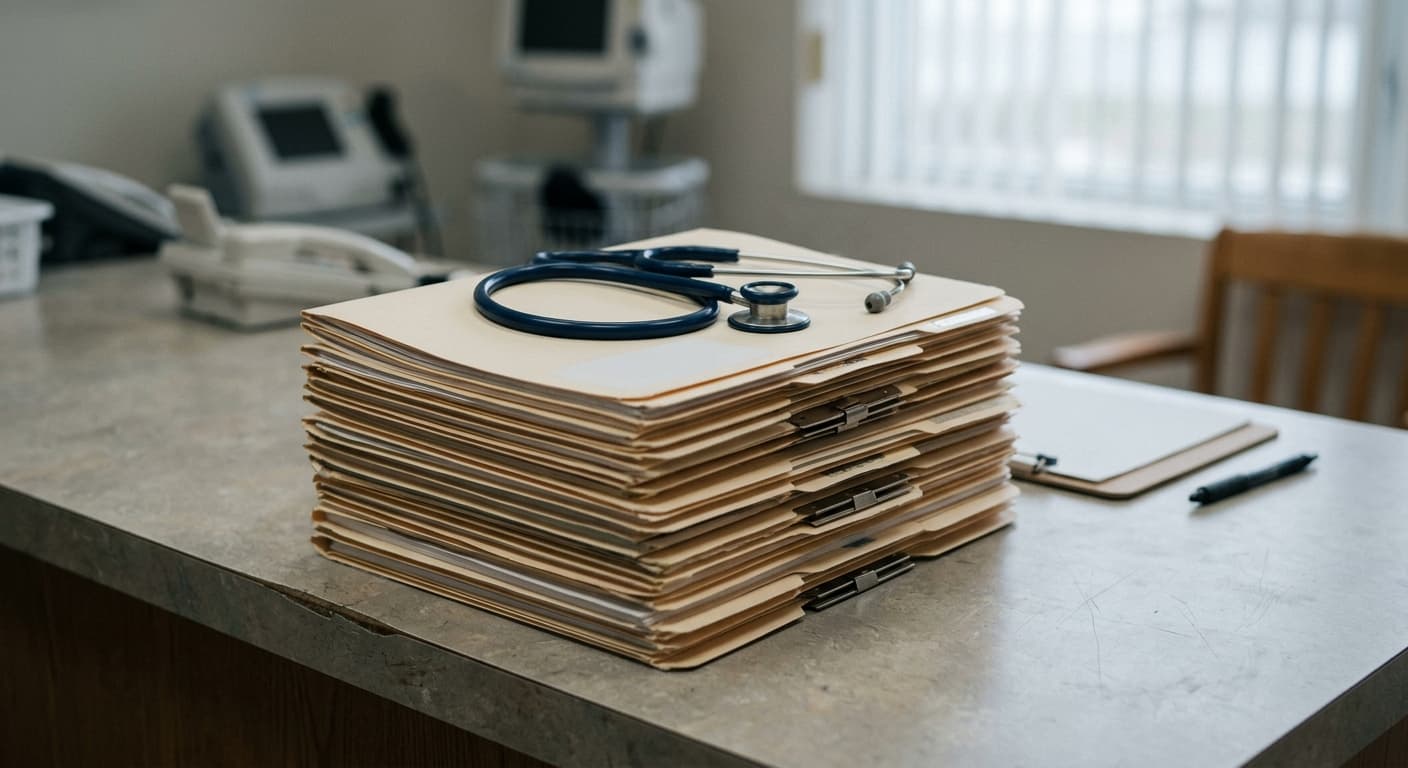
Freund v. Collins: Proposed Settlement Could Reopen Nearly 93,000 Wrongly Closed VA Disability Appeals
A proposed class settlement in Freund v. Collins, pending before the U.S. Court of Appeals for Veterans Claims (No. 21-4168), could reopen roughly 93,000 VA disability appeals a decades-old docketing failure wrongly marked closed. A fairness hearing is set for August 13, 2026.
Information last verified on July 18, 2026. This is a developing story; we update it as the record changes.
Status: As of July 18, 2026, this is a PROPOSED class settlement in Freund v. Collins (No. 21-4168) before the U.S. Court of Appeals for Veterans Claims. The court has set a fairness hearing for August 13, 2026 to decide whether to approve it. It is not final, and nothing is guaranteed until the court approves it.
Jurisdiction scope: This article covers a federal class action in the U.S. Court of Appeals for Veterans Claims about VA disability appeals. It is general information, not advice about your individual VA claim or appeal.
What Happened
Freund v. Collins is a class action pending in the U.S. Court of Appeals for Veterans Claims, No. 21-4168. It concerns VA disability benefits appeals that VACOLS, the VA's internal case-tracking system, improperly closed as abandoned rather than sending them to the Board of Veterans' Appeals. Court filings and VA's own notices describe appeals closed because processors failed to scan or upload a validly filed Substantive Appeal (VA Form 9) in time, entered an incorrect receipt date, or misidentified the document type. VA has identified about 28,258 files where records strongly indicate a timely appeal existed despite the closure, and another 64,599 files with some indicators pointing the same way. The parties have reached a proposed settlement addressing both groups, and the court has scheduled a fairness hearing for August 13, 2026, at 10:00 a.m., at 625 Indiana Ave. NW, Suite 900, Washington, DC, to decide whether to approve it.

Who Is Covered
The proposed settlement's class is defined around two file groups VA itself identified while auditing VACOLS closures. The first group, about 28,258 files, has records that strongly indicate a Substantive Appeal was timely filed before VACOLS marked the case closed. The second, larger group, about 64,599 files, has some indicators pointing the same direction but is less clear-cut and requires closer file-by-file review. VA is mailing correspondence to veterans and substitute claimants in both groups now. Receiving a letter is not, by itself, a guarantee of reactivation; each file still has to be individually reviewed and confirmed to show a timely filed appeal before it moves forward. Veterans who believe an old appeal was closed in error, whether or not they receive a letter, can also learn the general process to appeal a VA rating for context on how the Board's substantive-appeal step normally works.
What the Settlement Would Do
If approved, the settlement would require VA to manually review every flagged file in both groups rather than rely on VACOLS's original, disputed closure determination. Files where that review confirms a timely Substantive Appeal was on record would be reactivated, and the claimant would be notified in writing. The significant practical detail is what reactivation restores: the appeal's original effective date, not the date of reactivation. Because VA disability effective dates drive how far back an eventual award can be paid, restoring the original date could allow back pay running to the original filing date, in some files as far back as 1990. Readers unfamiliar with how that mechanism works can review how VA back pay works for background on effective dates and retroactive awards generally; the same principles would apply here if a file is reactivated.
What Happens Next
Nothing changes for any individual file until the Veterans Court actually approves the settlement. The court has scheduled a fairness hearing for August 13, 2026, at 10:00 a.m., at its Washington, DC courthouse, where it will hear from the parties and any class members before deciding whether the settlement is fair, reasonable, and adequate. That approval, if granted, is what would trigger VA's obligation to begin the file-by-file manual review described above. VA has indicated the review and notification process would take time to work through nearly 93,000 files once it begins; a hearing date is not a completion date. Until the court rules, no file is reactivated, no effective date changes, and no back pay is owed under this settlement. We are not predicting how the court will rule at the August 13 hearing and will update this page once a decision is issued.
Analysis: Why This Matters
The following is analysis from the Recording Law Editorial Team.
The scale here is what stands out: nearly 93,000 files sitting inside a single docketing system for years or decades, closed not because a veteran abandoned an appeal but because of clerical failures inside VA's own process. That is a large number of people who may have believed, correctly, that they had done everything required, only to have their case disappear from the pipeline. The effective-date piece is the part with real financial weight. VA disability back pay is generally tied to when a claim or appeal was validly filed, not when it is finally decided, so restoring a 1990s-era effective date could matter far more to a claimant than a favorable decision alone would today. That combination of scale, dollar exposure, and a wave of official-looking mail landing in mailboxes is exactly the environment claim sharks look for. None of that changes the fact that this remains a proposed settlement awaiting a fairness hearing, and we are not forecasting how the court will rule.
How to Check Without Getting Scammed
If you served and had a VA disability appeal that seemed to vanish years ago, the safest first step is watching for an official VA letter referencing this case, and confirming any letter's authenticity through VA.gov or a VA regional office rather than a phone number or link inside an unsolicited email. From there, work with an accredited Veterans Service Organization or an accredited attorney or claims agent; VA maintains a searchable directory of accredited representatives, and most VSO help is free. Be skeptical of anyone who contacts you first, charges a large upfront fee, or claims they can guarantee entry into the settlement or a specific payout; no one can promise an outcome in a case that has not even had its fairness hearing yet. For a fuller rundown of these tactics, see how to avoid claim sharks targeting veterans around high-profile VA settlements and payouts.
This is general legal information, not legal advice. It covers a proposed federal class settlement affecting VA disability appeals and reflects sources verified on July 18, 2026. This matter is pending and could change at the August 13, 2026 hearing; consult an accredited representative or a lawyer about your specific VA claim.
Related articles
Last updated: 2026-07-18. This is a developing story; details verified as of 2026-07-18.
Frequently Asked Questions
Is the Freund v. Collins settlement final?
No. As of July 18, 2026, it is a proposed settlement. The U.S. Court of Appeals for Veterans Claims has scheduled a fairness hearing for August 13, 2026 to decide whether to approve it, and nothing takes effect until then.
How do I know if my VA appeal was wrongly closed?
VA is mailing correspondence to veterans and substitute claimants in the roughly 93,000 files it identified through its VACOLS review. If you filed a Substantive Appeal (VA Form 9) years ago and never received a Board decision, watch for an official VA letter and confirm it through VA.gov or a VA office.
What is VACOLS?
VACOLS, the Veterans Appeals Control and Locator System, is VA's internal electronic system for tracking disability appeals. According to VA's own notices, it improperly marked many appeals as closed or abandoned when staff failed to scan documents in time, logged incorrect receipt dates, or misidentified filings.
How far back could Freund back pay go?
If a file is reactivated, the proposed settlement would restore its original effective date rather than the date of reactivation. Because VA back pay generally runs from the effective date, some restored files could reach back to as early as 1990.
Do I need to pay someone to join the settlement?
No. There is no fee to be part of this class or to have VA review your file. Accredited Veterans Service Organizations generally help free of charge, and accredited attorneys or agents are subject to VA fee regulations. Be wary of anyone charging large upfront fees tied to this settlement.
When is the Freund v. Collins fairness hearing?
The U.S. Court of Appeals for Veterans Claims has scheduled the fairness hearing for Thursday, August 13, 2026, at 10:00 a.m., at 625 Indiana Ave. NW, Suite 900, Washington, DC 20004.
How many veterans could be affected by this settlement?
VA has identified about 28,258 files where records strongly indicate a timely Substantive Appeal existed despite closure, plus about 64,599 additional files with some indicators pointing the same way, a combined class of nearly 93,000 files.
Updates
Independently fact-checked against the cited primary sources
Sources and References
- VA News: Notice of proposed settlement in class action concerning substantive appeals(news.va.gov).gov
- VA News: Freund v. Collins fairness hearing scheduled for August 13, 2026(news.va.gov).gov
- U.S. Court of Appeals for Veterans Claims, Freund v. Collins, No. 21-4168 (court filing)(uscourts.cavc.gov).gov
- U.S. Court of Appeals for Veterans Claims, Freund v. Collins, No. 21-4168(uscourts.cavc.gov).gov