
United Kingdom
UK Home CCTV & Ring Doorbell Camera Laws
Independently fact-checked against primary sources (last audited June 19, 2026). · 6 primary sources cited on this page. How we verify our legal content
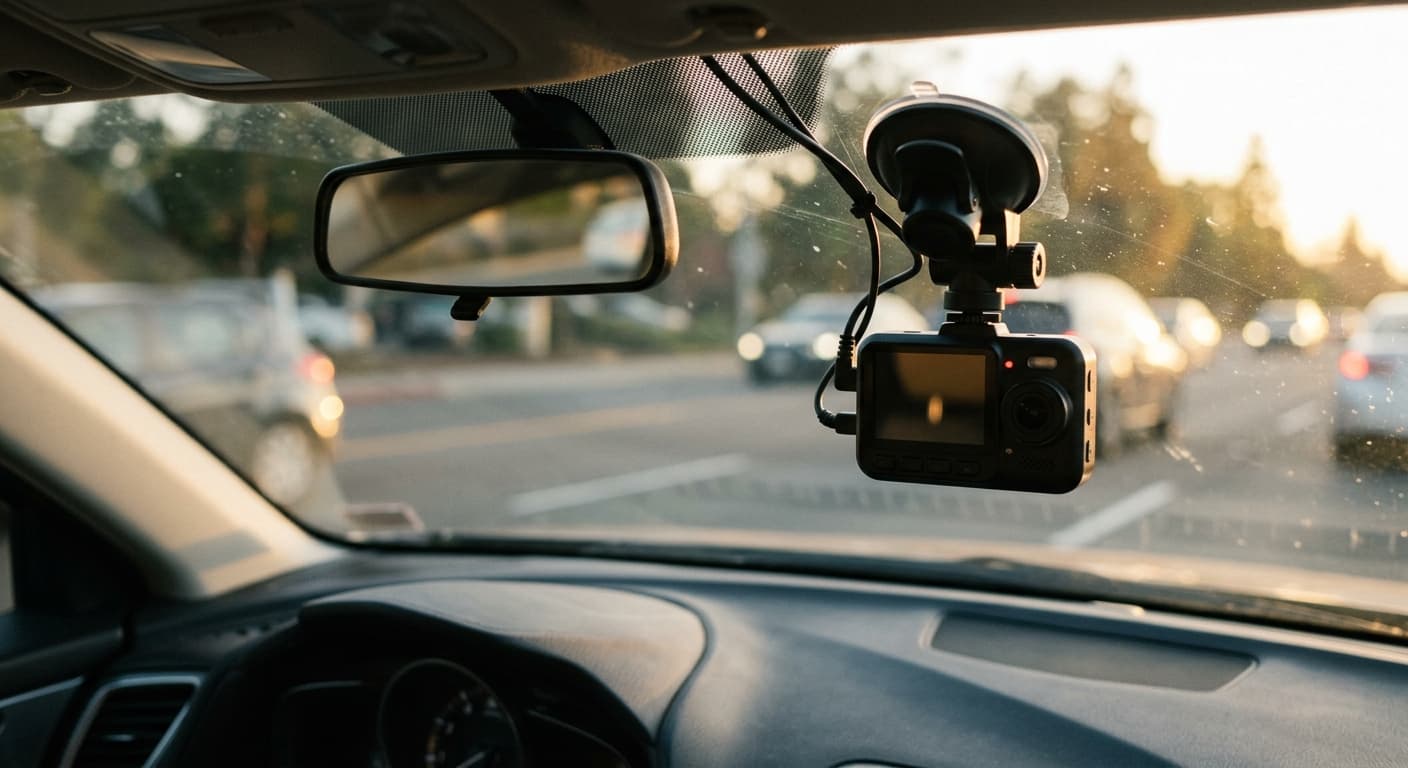
A home CCTV camera or Ring video doorbell that films only your own property sits outside UK GDPR under the domestic purposes exemption, but the moment it captures a neighbour's garden, a shared space, the pavement or the street, you become a data controller with duties under the Data Protection Act 2018, as the Information Commissioner's Office confirms and the case of Fairhurst v Woodard [2021] illustrates.
For the full picture of UK recording rules, see the UK recording laws overview.
When the Domestic Exemption Applies (and When It Stops)
The deciding factor for a home camera is not the device but its field of view and sound pickup. Under Article 2(2) of the UK GDPR, processing of personal data "by an individual in the course of a purely personal or household activity" falls outside the regime. The ICO applies this directly to home cameras: if your system "captures only images within the boundary of your private domestic property (including your garden), then the data protection laws will not apply to you." A doorbell that sees your own porch and a camera covering only your back garden are generally exempt.
The exemption ends the instant the camera reaches beyond your land. The ICO is explicit that data protection law applies "if your system captures images of people outside the boundary of your private domestic property, for example, in neighbours' homes or gardens, shared spaces, or on a public footpath or a street." Most video doorbells and driveway cameras cross that line by default, because they are designed to see who approaches, which usually means the pavement and part of the road.
Watch out: Audio extends the boundary problem. A doorbell microphone can record conversations several metres into the street even when the lens points only at your door, and that captured sound is personal data the same as the picture.
What You Must Do Once You Are a Controller
Once a camera captures beyond your boundary you are a data controller and the ICO sets out the duties that follow. You should be able to explain why you need the footage, put up a sign so people know recording is taking place and why, and limit capture to only what you actually need. You must hold images securely, delete them as soon as they are no longer needed, and not keep recordings indefinitely.

You also acquire obligations toward the people you film. The ICO says you must respond to subject access requests, meaning a neighbour or passer-by can ask for a copy of footage showing them and you must reply within one month. You must delete images if people ask you to, where appropriate, and consider any objection to the camera, which can include adjusting the angle or fitting privacy zones so a neighbour's window or garden is masked. None of this requires registration as a business, but it does require you to treat the footage responsibly.
| Camera coverage | Status under UK GDPR | What you must do |
|---|---|---|
| Inside your boundary only (house, garden) | Exempt, domestic purposes | No data protection duties, but be neighbourly |
| Captures a shared driveway, path or street | Regulated, you are a controller | Lawful reason, signage, data minimisation, secure storage |
| Captures a neighbour's garden or windows | Regulated and high-risk | Reposition or mask; respond to SARs and deletion requests |
| Records audio beyond your boundary | Regulated and most intrusive | Usually switch audio off; strong justification needed |
Audio: The Most Intrusive Setting
The single most common compliance failure with video doorbells is sound. The ICO treats audio recording as more intrusive than video and advises that most domestic systems should not record audio at all, because capturing the conversations of passers-by or neighbours is rarely justified for protecting a home. Many devices, including Ring and similar doorbells, ship with audio enabled and a microphone range that reaches well past the property line.
This is exactly where Fairhurst v Woodard turned. The court accepted that video capture could, in principle, be justified for security, but held that the audio capture was a separate matter. The judge found the microphone range so wide that it recorded sound far beyond the defendant's home, and concluded the processing of that audio data by the defendant as controller was not lawful. The practical lesson is that you can often keep a camera lawful by disabling its microphone, narrowing its view, and fitting privacy masking, rather than removing it entirely.
Watch out: Turning audio off is not just etiquette. In a dispute it is frequently the difference between a defensible security camera and an unlawful surveillance system.
Fairhurst v Woodard [2021]: The Leading Case
Fairhurst v Woodard (Case No. G00MK161) was decided in the Oxford County Court on 12 October 2021 by HHJ Melissa Clarke. Dr Mary Fairhurst sued her neighbour, Jon Woodard, over several devices including a Ring video doorbell, a camera covering a shared driveway, and cameras around his property, which between them captured video and audio across communal areas and into spaces well beyond his boundary. She brought claims in nuisance, harassment, and breach of the Data Protection Act 2018.

The court reached a split result that maps neatly onto the wider UK position. The nuisance and loss of privacy elements largely failed, reflecting that English law has no general tort of invasion of privacy. The data protection and harassment claims succeeded. On data protection, the judge found the defendant had breached the first principle, that personal data be processed lawfully, fairly and transparently, in part because he had misled Dr Fairhurst about how the devices worked and what they captured. The audio capture in particular was held to be unlawful and disproportionate to any security need. On harassment, the court found a course of conduct, including using camera footage to intimidate, that crossed the threshold under the Protection from Harassment Act 1997. Media reporting suggested potential liability in the region of 100,000 pounds once damages and costs were assessed.
The case is not binding precedent in the way a higher court ruling would be, but it is the leading illustration of how the ICO's framework plays out when neighbours go to court, and it is regularly cited in guidance.
Neighbour Disputes: Practical Steps
Most home camera conflicts never reach a courtroom, and the law gives both sides routes short of litigation. If you operate a camera, the safest approach is to position it to point away from neighbouring properties and shared areas where possible, switch off audio, use the device's privacy zones to black out a neighbour's home, put up a small notice, and keep recordings only as long as you genuinely need them. If a neighbour raises a concern, engaging early and adjusting the angle is both good practice and part of your duty to consider objections.

If you are on the receiving end of a neighbour's camera, you can ask them in writing to reposition it, request any footage of yourself through a subject access request, and ask for that footage to be deleted. If the camera captures you outside their boundary and they will not cooperate, you can complain to the ICO, which can investigate and take enforcement action, and in serious cases bring a civil claim. Persistent, targeted recording combined with intimidating behaviour can also support a harassment claim, as Fairhurst v Woodard shows.
Watch out: A complaint to the ICO and a civil claim are separate routes. The ICO regulates the data protection breach; only a court can award you compensation for distress.
Frequently Asked Questions
Is a Ring video doorbell legal in the UK?
Yes, owning and using a Ring or similar video doorbell is legal. The legal issue is what it captures. If it only films your own property it is exempt under the domestic purposes exemption. If it captures the pavement, the street or a neighbour's property, which most doorbells do, UK GDPR and the Data Protection Act 2018 apply and you become a data controller with duties to film responsibly, signpost, and respond to neighbours.
Does a home camera that films the street break the law?
Not automatically. Capturing a footpath or street takes you outside the domestic exemption and makes you a data controller, but you can still operate the camera lawfully if you have a genuine reason, put up a sign, capture only what you need, store footage securely, and respond to requests from people you film. Problems arise when the camera is excessive, points into a neighbour's home, records audio of passers-by, or is used to intimidate.
Can my neighbour point a CCTV camera at my house?
They can have cameras, but once a camera captures your property or shared space they must comply with data protection law. You can ask them in writing to reposition or mask the view, request any footage of you, and ask for it to be deleted. If they refuse and the camera covers your home, you can complain to the ICO and may have a civil claim, especially if the conduct is intrusive or intimidating.
What did Fairhurst v Woodard decide?
In Fairhurst v Woodard [2021], the Oxford County Court held that a neighbour's Ring doorbell and security cameras breached the Data Protection Act 2018 and amounted to harassment. The judge found the audio capture in particular was unlawful and disproportionate, and that the defendant had misled his neighbour about the devices. The separate claim for loss of privacy failed because English law has no standalone privacy tort.
Do I have to turn off the audio on my video doorbell?
There is no absolute rule, but the ICO treats audio as more intrusive than video and advises most home systems should not record sound. Because a doorbell microphone can capture conversations several metres into the street, switching audio off is the simplest way to reduce risk. In Fairhurst v Woodard the audio capture, not the video, was held unlawful, so disabling it is often the key compliance step.
Do I need to put up a sign for my home CCTV?
If your camera captures areas beyond your boundary, yes. The ICO says controllers should put up a sign letting people know that recording is taking place and why. A small, clearly visible notice near the camera is generally enough for a domestic system. Signage is not required if the camera films only inside your own property and stays within the domestic exemption.
Can someone ask me for a copy of my doorbell footage of them?
Yes. If your camera captures people outside your boundary, you are a controller and they can make a subject access request for footage showing them. You must respond within one month. You should provide the footage where you can, redacting other people where necessary, and you should also consider requests to delete footage and objections to the camera itself.
Is there a right to privacy I can use against a neighbour's camera in the UK?
There is no general tort of invasion of privacy in English law, which is why the privacy element of Fairhurst v Woodard failed. Neighbour camera disputes are instead fought on data protection law, the tort of misuse of private information in limited cases, harassment under the Protection from Harassment Act 1997, and nuisance. Data protection is usually the strongest route when a camera films beyond its owner's boundary.
Updates
Independently fact-checked against the cited primary sources
Sources and References
- ICO, Home CCTV systems guidance (domestic exemption, controller duties, audio, SARs)(ico.org.uk).gov
- ICO, CCTV and data protection (public guidance)(ico.org.uk).gov
- Data Protection Act 2018 (c. 12)(legislation.gov.uk).gov
- UK GDPR, Article 2(2) material scope and the personal/household activity exemption(legislation.gov.uk).gov
- Protection from Harassment Act 1997 (c. 40)(legislation.gov.uk).gov
- Fairhurst v Woodard (Case No. G00MK161), Oxford County Court, 12 October 2021 (case report)(inforrm.org)
- ICO, A guide to the data protection exemptions(ico.org.uk).gov