
United Kingdom
Covert Recordings as Evidence in UK Courts
Independently fact-checked against primary sources (last audited June 19, 2026). · 8 primary sources cited on this page. How we verify our legal content

In the UK, making a recording of a conversation you take part in is usually lawful, but using that covert recording as evidence is a separate question decided at the court's discretion. The Family Justice Council's May 2025 guidance and cases such as M v F (Covert Recording of Children) [2016] EWFC 29 show how strictly the courts scrutinise secret recordings.
For the full picture on lawful recording, interception offences and data protection, see the UK recording laws overview.
Lawful To Make Does Not Mean Admissible To Use
The single most important point about covert recordings in UK litigation is that lawfulness and admissibility are distinct. A recording of a conversation you are part of is usually not a criminal offence to make, but whether a court will let you rely on it is decided separately, and the answer is never guaranteed. The Family Justice Council guidance published on 15 May 2025 draws exactly this line, noting that making a covert recording may be lawful while its use in proceedings is a different matter entirely. Courts have a general power to control the evidence before them, and they apply tests of relevance, fairness, authenticity and proportionality before admitting a secret recording. So a party who records a conversation hoping to deploy it later may find the court excludes it, gives it little weight, or admits it but criticises the conduct that produced it.
Watch out: Treating a recording as a guaranteed trump card is a common mistake. The court controls what goes into evidence, not the person holding the file.
Family And Children Proceedings: Strong Judicial Disapproval
Family proceedings are where UK courts express the strongest disapproval of covert recording, particularly where children or professionals are involved. The Family Justice Council guidance of May 2025 identifies three categories that raise different concerns: covert recording of children, of other family members, and of professionals such as social workers, Cafcass officers and contact supervisors. The guidance warns that the secret nature of these recordings can intrude on the privacy of parents, children and professionals, cause harm, and often lead to concerns about the accuracy of what was captured. Admissibility is decided case by case, weighed against the welfare of the child, the right to private and family life, and the ordinary rules of evidence.
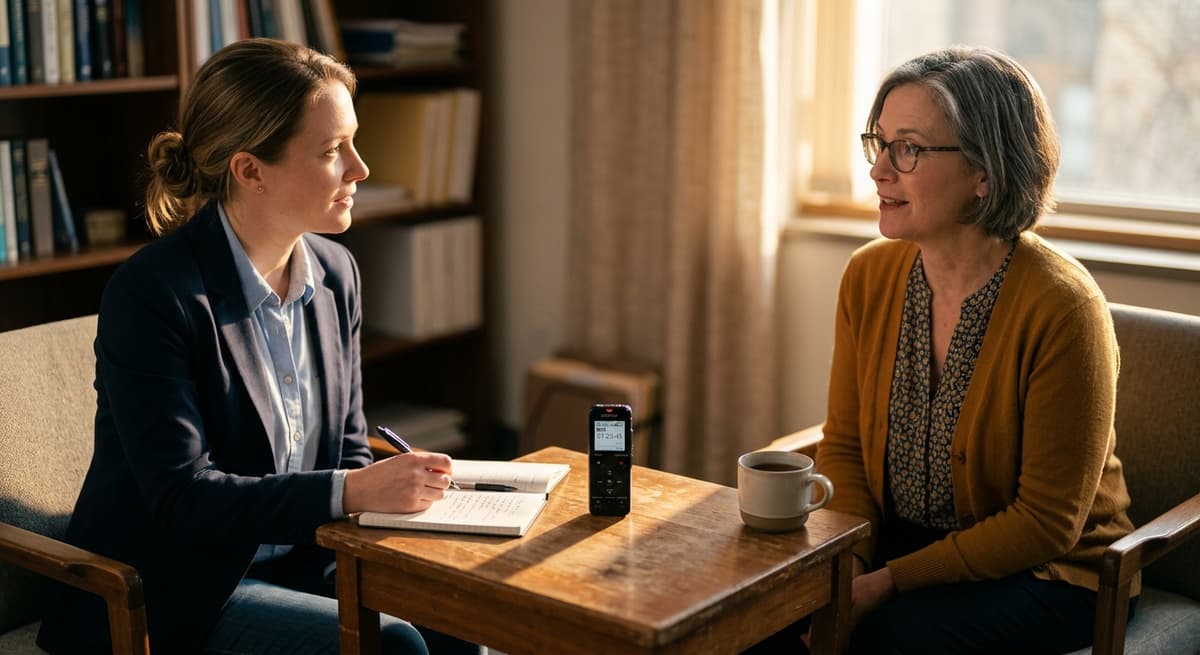
The leading judicial statements are stark. In M v F (Covert Recording of Children) [2016] EWFC 29, the court treated the covert recording of a child as almost always wrong and as a window into the recording parent's attitude and judgement, not merely a piece of evidence. In Re B (A Child) [2017] EWCA Civ 1579 a father sought to rely on years of covert recordings to support an allegation of parental alienation, and the courts have generally held that a parent who controls what is recorded can shape or steer those conversations, undermining their reliability.
Watch out: Recording a child, or recording contact sessions, is frequently read by family courts as a breach of trust with the child and the other parent, and can count against the recording party on the central welfare question.
Civil Litigation: Relevance Against Proportionality And Fairness
In ordinary civil litigation the gateway is Civil Procedure Rule 32.1, which gives the court power to control evidence, including the power to exclude evidence that would otherwise be admissible. Courts have generally held that a covert recording which is relevant will usually be admitted even if it was obtained improperly, because the public interest in the court reaching a true result is strong. The leading authority is Jones v University of Warwick [2003] EWCA Civ 151, where covertly filmed surveillance obtained by deception was admitted because it was material to the genuine extent of the claimant's injuries.
That case also shows the limits. The Court of Appeal recognised competing public interests: revealing the truth in litigation, set against discouraging parties from using unlawful or unfair methods to gather evidence. Even where a recording is admitted, courts have generally reflected disapproval of how it was obtained through costs orders or by reducing damages. Relevance gets a recording through the door; proportionality, fairness and the manner of obtaining it shape the consequences.
| Forum | Governing approach | How covert recordings are treated |
|---|---|---|
| Civil courts (England and Wales) | CPR 32.1 discretion; relevance and fairness | Relevant recordings generally admitted, but costs or damages sanctions possible |
| Family courts | Welfare, privacy, FJC May 2025 guidance | Strongly discouraged, especially of children and professionals; case by case |
| Employment tribunals | Tribunal procedure rules; relevance | Admissible if relevant; making it may be misconduct (Phoenix House v Stockman) |
Employment Tribunals: Admissible But Risky
Employment tribunals have a wide discretion to admit evidence they consider relevant, and covert recordings made by employees are not automatically inadmissible. The defining authority is Phoenix House Ltd v Stockman [2019], in which the Employment Appeal Tribunal confirmed that a covert recording of an internal meeting could be admitted where relevant, and set out the broader picture on conduct. The EAT held that covertly recording a meeting will generally amount to misconduct, but does not automatically amount to gross misconduct, and that it will not always destroy the implied term of mutual trust and confidence.
The EAT pointed to factors that matter: the purpose of the recording, the employee's blameworthiness, what was recorded, and whether the employer had a policy. A vulnerable employee keeping a record to protect against later misrepresentation is treated differently from someone setting a trap. Courts and tribunals have generally held that even an admitted recording can rebound on the maker, affecting credibility, conduct findings and, where relevant, the level of any award.
Data Protection And Misuse Of Private Information Risks
A covert recording is not only an evidential question; it is also personal data. Under UK GDPR and the Data Protection Act 2018, making, keeping and distributing a recording of an identifiable person is processing. A purely personal or household activity is usually outside UK GDPR, but that exemption falls away as soon as the recording is shared, published or used beyond a private purpose, and the regulator has indicated that the motivation for recording is relevant to whether the exemption applies. The fairness principle is independent of lawful basis: an edited or misleading recording can breach data protection law even where there was a basis to record at all.
Separately, English courts recognise the tort of misuse of private information, developed under Article 8 of the European Convention on Human Rights. Recording a person who had a reasonable expectation of privacy, for example in their home, a consultation or a private meeting, can found a civil claim for damages regardless of whether the recording is later used in court. So a covert recording can simultaneously be weak evidence, a data protection breach and the basis of a counterclaim against the person who made it.
Watch out: Sharing a covert recording with people who were not present, or posting it online, moves it outside the household exemption and exposes the maker to data protection and privacy claims.
When Covert Recording Tends To Backfire
Reading the family, civil and employment decisions together, a consistent pattern emerges about when covert recordings work against the person who made them. Courts have generally held that recordings carry less weight, and reflect badly on the maker, when they are incomplete, edited or selectively retained, because that raises doubts about authenticity and suggests cherry-picking. Recordings of children, of contact sessions, and of professionals attract particular criticism in family proceedings and are often read as evidence about the recording parent rather than the other party.
A covert recording can also generate collateral consequences that outweigh any benefit: a costs penalty in civil litigation, a misconduct finding at work, a data protection complaint, or a misuse of private information claim. The courts' repeated message is that secret recording corrodes the trust the justice system relies on, so even a recording that is admitted may damage the credibility of the very person who hoped it would help.
Frequently Asked Questions
Can I use a secret recording as evidence in a UK court?
Possibly, but it is never automatic. Making a recording of a conversation you take part in is usually lawful, but whether a court will admit it is decided at the court's discretion. Courts weigh relevance, authenticity, fairness and, in family cases, the welfare of any child, before deciding whether to let you rely on it.
Are covert recordings admissible in the family court?
Sometimes, at the court's discretion. The Family Justice Council guidance of May 2025 explains that some covert recordings have evidential value, but their secret nature can intrude on the privacy of parents, children and professionals and raise concerns about accuracy. The court weighs admissibility against the welfare of the child, privacy rights and the rules of evidence.
What did M v F [2016] EWFC 29 say about recording children?
In M v F (Covert Recording of Children) [2016] EWFC 29 the court treated covertly recording a child as almost always wrong, and as revealing about the recording parent's attitude and judgement. It signalled the strong judicial disapproval of placing recording devices on children that the Family Justice Council guidance later reinforced.
How do civil courts treat covertly obtained recordings?
Under Civil Procedure Rule 32.1 the court controls the evidence and can exclude material that would otherwise be admissible. Courts have generally held that relevant recordings are admitted even if improperly obtained, as in Jones v University of Warwick [2003] EWCA Civ 151, but the court may mark its disapproval through costs orders or reduced damages.
Can an employee use a secret recording at an employment tribunal?
Tribunals can admit a covert recording if it is relevant. However, in Phoenix House Ltd v Stockman [2019] the Employment Appeal Tribunal held that covert recording will generally be misconduct, though not automatically gross misconduct, and that the purpose and subject matter of the recording matter. An admitted recording can still affect the employee's credibility.
Is it a data protection breach to make a covert recording?
It can be. A recording of an identifiable person is personal data, and making, keeping and sharing it is processing under UK GDPR and the Data Protection Act 2018. A purely personal or household recording is usually exempt, but that protection falls away when the recording is shared, published or used beyond a private purpose.
Can someone sue me for recording them secretly?
It is possible. English courts recognise the tort of misuse of private information, developed under Article 8 of the European Convention on Human Rights. Recording someone who had a reasonable expectation of privacy, such as in their home or a private meeting, can support a civil claim for damages even if the recording is never used in court.
Why do covert recordings often backfire in court?
Courts have generally held that incomplete, edited or selectively kept recordings carry less weight and can damage the maker's credibility because they suggest cherry-picking. In family cases, recording children or professionals is read as evidence about the recording parent. A recording can also trigger costs penalties, misconduct findings or privacy claims.
Updates
Independently fact-checked against the cited primary sources
Sources and References
- Family Justice Council, Guidance on Covert Recordings in Family Law Proceedings Concerning Children (15 May 2025)(judiciary.uk).gov
- FJC Guidance (PDF): privacy intrusion, three categories, authenticity and admissibility factors(judiciary.uk).gov
- FJC Appendix 4: Litigant's Guide to Covert (Secret) Recording in the Family Court(judiciary.uk).gov
- M v F (Covert Recording of Children) [2016] EWFC 29(bailii.org).gov
- Re B (A Child) [2017] EWCA Civ 1579 (covert recordings and alleged parental alienation)(bailii.org).gov
- Jones v University of Warwick [2003] EWCA Civ 151 (CPR 32.1; admission of improperly obtained surveillance)(bailii.org).gov
- Civil Procedure Rules, Part 32 (including rule 32.1, court's power to control evidence)(legislation.gov.uk).gov
- ICO, Guide to the Data Protection Exemptions (domestic/household processing and UK GDPR)(ico.org.uk).gov