
Nevada
Nevada Car Seat Laws: Requirements and Guidelines
Independently fact-checked against primary sources (last audited August 20, 2026). · Reviewed by the RecordingLaw editorial team. · Law checked current as of August 20, 2026. · 1 primary source cited on this page. How we verify our legal content
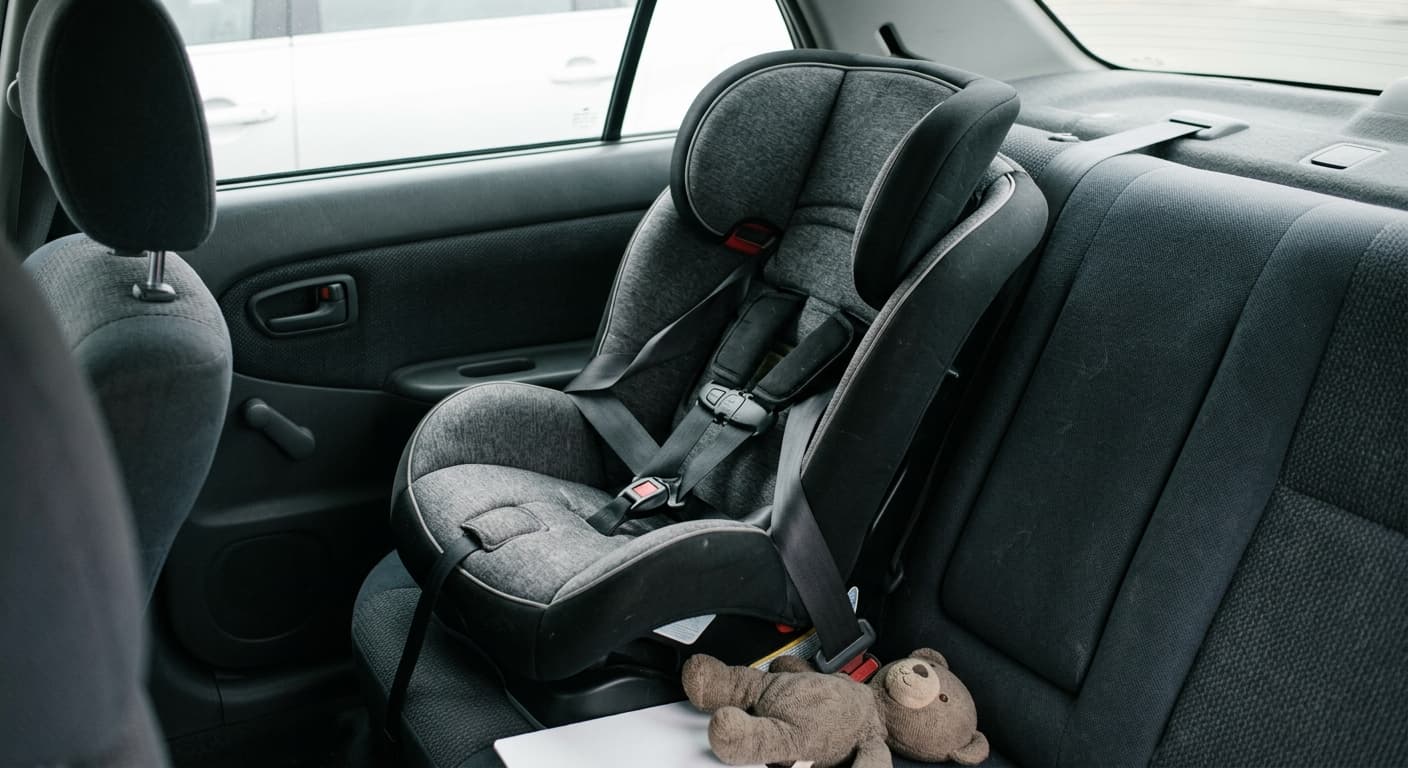
Nevada law requires children under 6 years old and less than 57 inches tall to ride in an approved child safety seat. Nevada law requires rear-facing seats until age 2, and recommends forward-facing seats from age 2 to 3 and booster seats for children ages 4 to 7 until they fit a standard seat belt properly.
What Are the Height and Weight Requirements for Car Seats in Nevada?
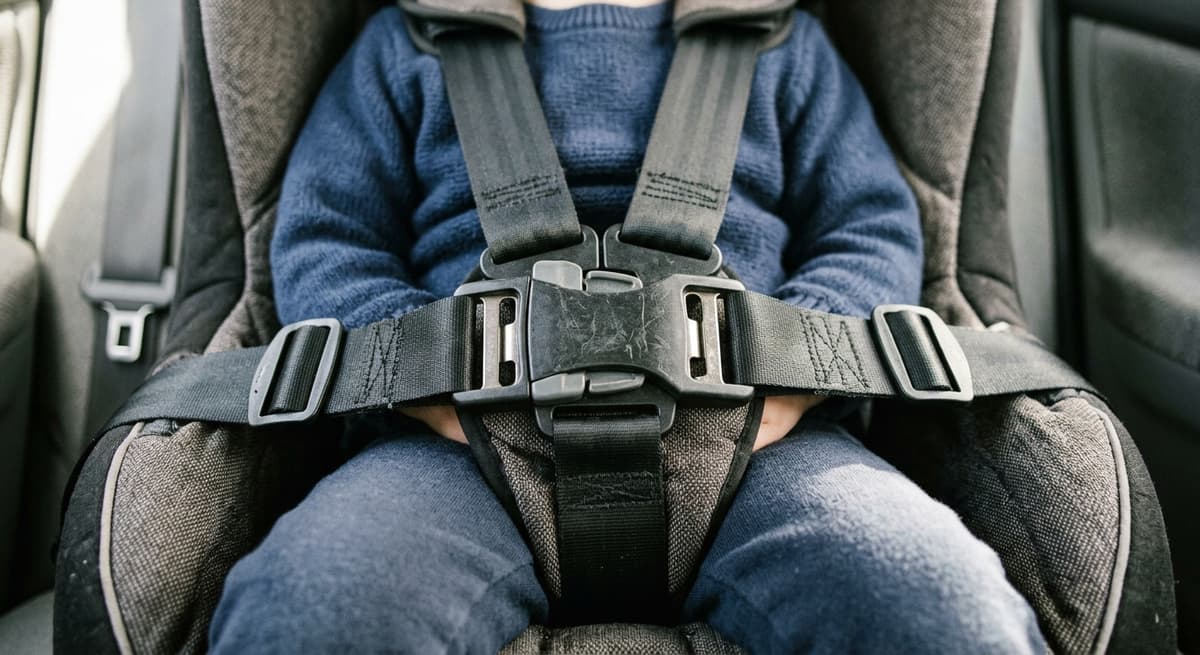
Nevada law requires children under 2 years old to ride in a rear-facing car seat, with narrow exceptions. The Nevada Department of Motor Vehicles recommends children stay in a rear-facing seat for as long as possible beyond age 2, up to the seat's maximum weight and height limits, before graduating to a forward-facing seat.
Nevada child-seat law requires children less than 6 years who are less than 57 inches tall to be secured in the appropriate child safety seat.
Children 4-7 years should ride on booster seats until they are big enough for safety belts.
Children younger than 12 years should ride in the back seat.
What are the Rear Facing Car Seat Laws in Nevada?
Nevada law requires children under 2 years old to ride in a rear-facing child restraint system in the back seat, unless a physician has certified in writing that the child has a special health care need to ride in front (with the passenger-side air bag deactivated), all back seats are already occupied by other children under 2, or the vehicle has no back seat. The Nevada Department of Motor Vehicles also recommends keeping children rear-facing as long as possible, up to the maximum weight and height limits allowed by the seat's manufacturer.
Most experts say that children should stay rear-facing for as long as possible. This is because the seat protects the most fragile parts of an infant such as the spine and head, which are still in early development.
You can use an infant-only seat until your child attains the age of 1 year, after which you can transfer him or her to a convertible seat, which allows you to keep the child rear-facing for a longer period (up to age 4) due to their higher weight limit (up to 40 pounds). Always secure your child in the back seat with the seat's straps to limit movement in case of an accident.
What Are the Forward Facing Car Seat Laws in Nevada?
Once a child turns 2 years old and is no longer required to ride rear-facing, the Nevada Department of Motor Vehicles recommends transitioning to a forward-facing seat with a 5-point harness and tether straps, which can be used to fasten a child to the seat. Make sure the straps are snug above the child's shoulder. Two or more fingers should not fit in between the strap and collarbone. The seat should be firmly installed in the back seat and away from an active airbag.
Children can remain forward-facing for up to 7 years, due to some seats supporting weights of up to 65 pounds. Also, if your child's ears are at the same level as the top of the seat, or if the shoulders are higher than the topmost harness slot, you can start using a booster seat as the child can be considered as big enough.
What are the Booster Seat Laws in Nevada?
Children who have outgrown rear-facing car seats should ride on booster seats until they exceed the weight and height limit set by the manufacturer. Nevada child-seat law requires children less than 6 years who are less than 57 inches tall to be secured in the appropriate child safety seat. This means your child can legally stop using a booster seat if they surpass either the height or age requirement outlined in the child seat law. However, the Nevada Department of Motor Vehicles recommends children 4-7 years ride on booster seats until they are big enough for safety belts.
Belt-positioning booster seats help in raising a child so that they can fit in regular seat belts. The lap portion should snugly lie across the upper thighs, and the shoulder portion should lie flat across the middle of the chest. The booster seat should be installed in the back seat according to the manufacturer's instructions. Do not use a lap-only seat belt with a booster seat.
Before transitioning your child to a safety belt, make sure he or she has reached a height of 4'9" since seat belts are designed to fit adults of this height or taller. Also, if your child can sit with his/her back straight against the back of the seat without slouching, and with knees bent at the edge of the seat, then he or she is big enough to use a seat belt.
When Can a Child Use the Front Seat in Nevada?
There are no clear rules regarding front seat use by children in Nevada. The Nevada Department of Motor Vehicles recommends children younger than 12 years should ride in the back seat. They further insist that rear-facing seats should never be put in front of an airbag. This is because airbags can deploy with huge forces, which can be dangerous to children. For those traveling with children in the front seat, the department says that the airbag should be turned off.
Is it Illegal to Leave a Child in a Car in Nevada?
It is illegal to leave a child younger than 7 years unsupervised inside a car. However, you are allowed to leave a child in a car if he or she is accompanied by someone 12 years or older.
Is it Illegal to Smoke in a Car With a Minor Present?
In Nevada no law prohibits you from smoking in a car with child passengers. However, it is recommended to refrain from doing so since secondhand smoke can be harmful to children.
Are Car Seats Required in Taxis in Nevada?
Children riding in public vehicles such as taxis and school buses are exempted from complying with the child restraint law. Also exempted are children being transported in an emergency vehicle. If a driver carries a note from a physician stating that a child restraint device is not suitable for the child because of issues such as weight, disability, or other medical conditions, then that child is not required to comply with the state's car seat laws.
*Note - Although legal in Nevada, it is not recommended to travel in a taxi without a car seat
What Are the Penalties for a Car Seat Violation in Nevada?
A violation of Nevada's child restraint law (NRS 484B.157) is a misdemeanor with escalating penalties. A first offense carries a fine of $100 to $500, or 10 to 50 hours of community service. A second offense carries a fine of $500 to $1,000, or 50 to 100 hours of community service. A third or subsequent offense results in a driver's license suspension of 30 to 180 days. A first-time violator may have the penalty waived by completing an approved child safety seat training program within 60 days, and a second-time violator may qualify for a reduced penalty.
What is the Law on Replacing a Car Seat in Nevada?
The state does not have any clear laws regarding the replacement of car seats. However, most seats are usually replaced after 6 years. Check your seat or manual to see if it has an expiry date. Also, the National Highway Traffic Safety Administration recommends replacing your car seat after a moderate or severe accident.
More Nevada Laws
Frequently Asked Questions
What Are the Height and Weight Requirements for Car Seats in Nevada?
Nevada law requires children under 2 years old to ride in a rear-facing car seat. The Nevada Department of Motor Vehicles recommends children stay rear-facing for as long as possible beyond age 2, up to the seat's maximum weight and height limits. Nevada child-seat law also requires children less than 6 years who are less than 57 inches tall to be secured in an appropriate child safety seat.
What are the Rear Facing Car Seat Laws in Nevada?
Nevada law requires children under 2 years old to ride in a rear-facing child restraint system in the back seat, unless a physician has certified in writing that the child has a special health care need to ride in front (with the passenger-side air bag deactivated), all back seats are already occupied by other children under 2, or the vehicle has no back seat. The Nevada Department of Motor Vehicles also recommends keeping children rear-facing as long as possible, up to the maximum weight and height limits allowed by the seat's manufacturer. Most experts say that children should stay rear-facing for as long as possible. This is because the seat protects the most fragile parts of an infant such as the spine and head, which are still in early development.
What Are the Forward Facing Car Seat Laws in Nevada?
Once a child turns 2 years old and is no longer required to ride rear-facing, the Nevada Department of Motor Vehicles recommends transitioning to a forward-facing seat with a 5-point harness and tether straps to fasten the child to the seat. Make sure the straps are snug above the child's shoulder. Two or more fingers should not fit in between the strap and collarbone.
What are the Booster Seat Laws in Nevada?
Children who have outgrown rear-facing car seats should ride on booster seats until they exceed the weight and height limit set by the manufacturer. Nevada child-seat law requires children less than 6 years who are less than 57 inches tall to be secured in the appropriate child safety seat. This means your child can legally stop using a booster seat if they surpass either the height or age requirement outlined in the child seat law.
When Can a Child Use the Front Seat in Nevada?
There are no clear rules regarding front seat use by children in Nevada. The Nevada Department of Motor Vehicles recommends children younger than 12 years should ride in the back seat. They further insist that rear-facing seats should never be put in front of an airbag. This is because airbags can deploy with huge forces, which can be dangerous to children. For those traveling with children in the front seat, the department says that the airbag should be turned off.
Is it Illegal to Leave a Child in a Car in Nevada?
It is illegal to leave a child younger than 7 years unsupervised inside a car. However, you are allowed to leave a child in a car if he or she is accompanied by someone 12 years or older.
Is it Illegal to Smoke in a Car With a Minor Present?
In Nevada no law prohibits you from smoking in a car with child passengers. However, it is recommended to refrain from doing so since secondhand smoke can be harmful to children.
Are Car Seats Required in Taxis in Nevada?
Children riding in public vehicles such as taxis and school buses are exempted from complying with the child restraint law. Also exempted are children being transported in an emergency vehicle. If a driver carries a note from a physician stating that a child restraint device is not suitable for the child because of issues such as weight, disability, or other medical conditions, then that child is not required to comply with the state's car seat laws.
Updates
Fixed an internal contradiction where the intro and key takeaways described rear-facing car seats as merely recommended through age 1, when Nevada law actually requires rear-facing until age 2 (the page's own later section already stated this correctly); also added a new section disclosing the law's misdemeanor penalty schedule, which the page never stated.
Independently fact-checked against the cited primary sources; governing law re-checked for recent changes
Corrected the Nevada child-seat size trigger from a fabricated weight figure to the statute's actual height threshold (under 57 inches, not under 60 pounds), and replaced the false claim that Nevada has no rear-facing rule with the actual NRS 484B.157 mandate (rear-facing in the back seat until age 2, with narrow exceptions).
Governing law re-checked for recent changes
Reviewed and approved by an editor
The Law Behind This Article
This article rests on the statutory provisions below, held in our own legal record and retrieved from the official source. Tap a section to read the operative text.
Nevada Revised Statutes, Chapter 484B: RULES OF THE ROAD
§ 484B.157Child less than 6 years of age and less than 57 inches tall to be secured in child restraint system while being transported in motor vehicle; child less than 2 years of age to be secured in rear-facing child restraint system in back seat with certain exceptions; requirements for system; penalties; programs of training; waiver or reduction of penalty under certain circumstances; application of section; acceptance of gifts, grants and donations for purchase of child restraint systems.In force
1. Except as otherwise provided in subsection 7, any person who is transporting: (a) A child who is less than 6 years of age and less than 57 inches tall in a motor vehicle operated in this State which is equipped to carry passengers shall secure the child in a child restraint system which: (1) Has been approved by the United States Department of Transportation in accordance with the Federal Motor Vehicle Safety Standards set forth in 49 C.F.R. Part 571; (2) Is appropriate for the size and weight of the child; and (3) Is installed within and attached safely and securely to the motor vehicle: (I) In accordance with the instructions for installation and attachment provided by the manufacturer of the child restraint system; or (II) In another manner that is approved by the National Highway Traffic Safety Administration.
Official text (excerpt) · last checked 2026-07-29 · Read the full text in our law library · Verify at leg.state.nv.us
Search our full record of US law — 2.1 million sections, every state + federal →
Sources and References
- Nev. Rev. Stat. § 484B.157: child passenger restraint system required(leg.state.nv.us).gov