
Iowa
Iowa Car Seat Laws: Requirements and Guidelines
Independently fact-checked against primary sources (last audited August 20, 2026). · Reviewed by the RecordingLaw editorial team. · Law checked current as of August 20, 2026. · 1 primary source cited on this page. How we verify our legal content
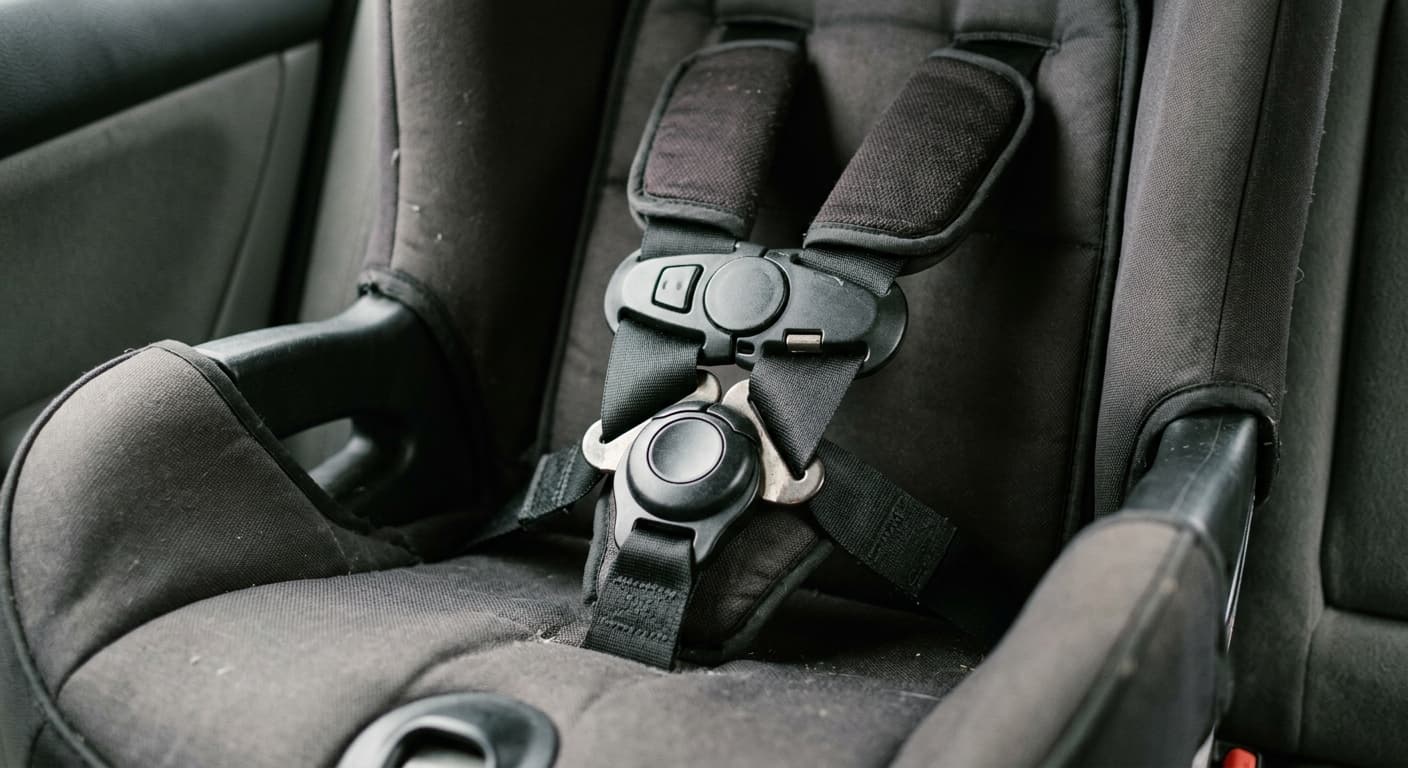
Iowa requires children under age 1 who weigh less than 20 pounds to ride in a rear-facing car seat, and all children age 6 and under must use a child restraint system used according to the manufacturer's instructions; Iowa Code 321.446 does not require that restraint to be placed in the back seat specifically. Booster seats are recommended until a child reaches 4'9" or 80 pounds.
A Summary of Child Car Seat Laws in Iowa
What are the Height and Weight Requirements for Car Seats in Iowa?
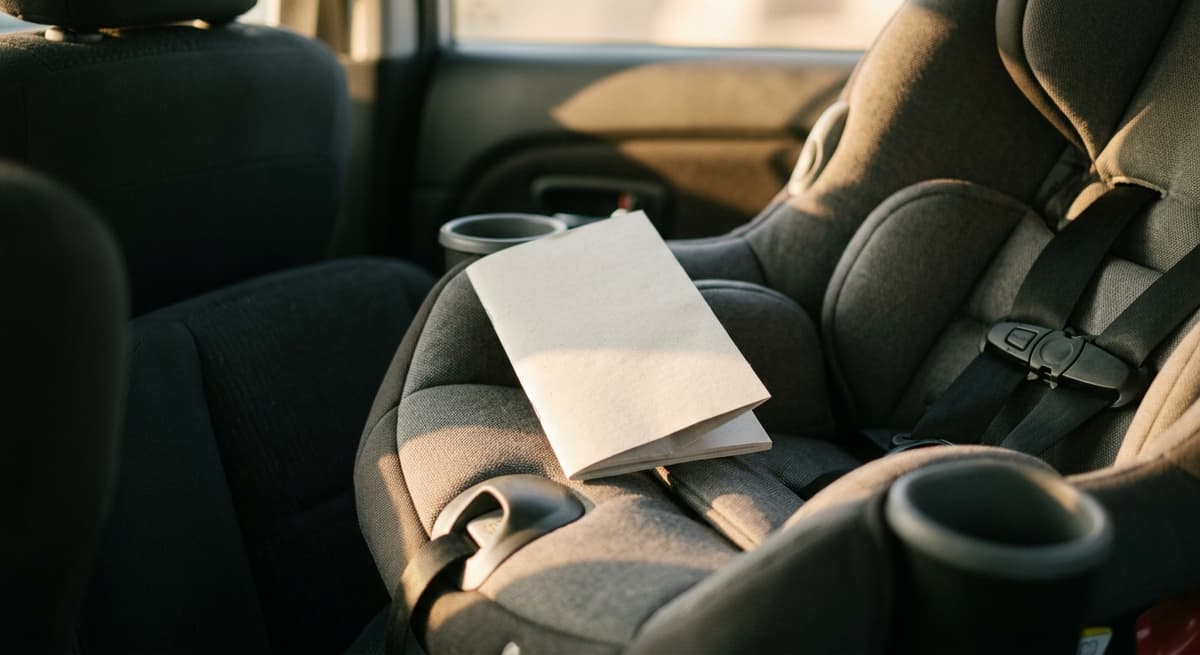
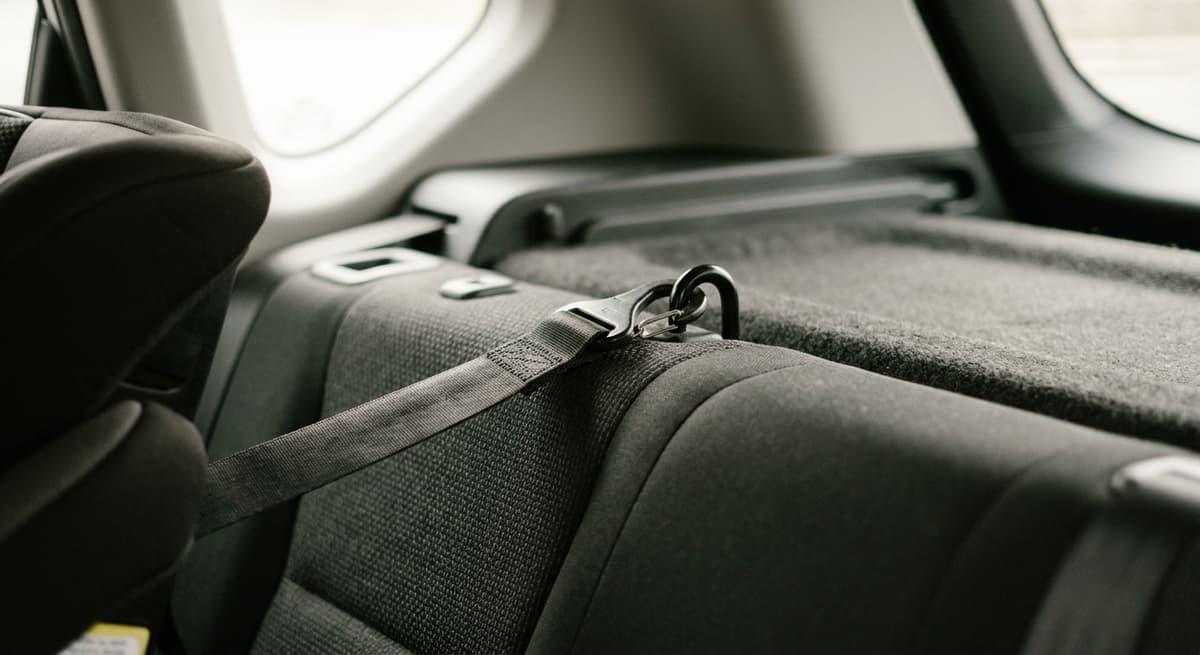
Iowa requires infants under 1 year old who weigh **LESS **than 20 pounds to ride on rear-facing seats.
The Iowa Child Restraint Law does not issue specific requirements for forward-facing seats.
According to experts, most children exceed or outgrow the rear-facing seat requirements before age 4.
Children can graduate to a booster seat once they exceed the forward-facing car seat weight and height requirements.
What are the Rear Facing Car Seat Laws in Iowa?
Iowa car seat law requires infants under 1 year old who weigh less than 20 pounds to ride on rear-facing seats. However, the AAP (American Academy of Pediatrics) encourages parents to keep their babies in rear-facing seats until they are 2 years old or when the maximum weight (can be up to 40 pounds) and height requirements of the seat have been exceeded.
This type of seat offers the most protection since most of the impact is absorbed by the back of the seat. As a result, the baby's fragile body parts (head, neck, and spine) are protected from potential injury. The seat should be secured in the back seat and nowhere near a functional airbag.
What are the Forward Facing Car Seat Laws in Iowa?
The Iowa Child Restraint Law does not issue specific requirements for forward-facing seats. However, the Iowa Governor's Traffic Safety Bureau guidelines state that parents can transition their children to a forward-facing seat once they are 1 year or older and weigh 20-40 pounds.
According to experts, most children exceed or outgrow the rear-facing seat requirements at age 4, and they may be within the forward-facing limits until age 8. This means the appropriate age and weight for this seat are between 4-8 years and 40 pounds.
Your child should be secured in this seat with a 5 point harness with the straps crossing the chest and thigh areas. It is also considered safe to secure a forward-facing seat with only a lap belt in case you don't have a seat with shoulder belts.
Currently, most seats of these type support children of up to 65 pounds, so your child should remain in this seat until he or she exceeds this weight or the manufacturer's height and weight limits. The seat should always be secured in the back seat and away from an active airbag.
What are the Booster Seat Laws in Iowa?
The use of booster seats is recommended by the state of Iowa, however, the specific age and weight requirements are not stated in any law.
Children can graduate to a booster seat once they exceed the forward-facing car seat weight and height requirements set by the manufacturer. Typically, this happens at age 8, and the kids may be within the booster seat limits until age 12.
A guide by the Iowa Governor's Traffic Safety Bureau says children can switch to booster seats once they attain a weight of 40 pounds or more and remain there until they attain a height of 4'9'' or weight of 80 pounds, whichever comes first. However, experts recommend focusing on the height since seatbelts were designed to fit an average adult with a height of 4'9'' or more.
Never use a booster seat with lap belts only. The safest way is to secure your child on a booster seat together with shoulder belts and lap belts. Ensure the lap belt fits low and tight across the thighs (not stomach), and the shoulder belt snugly crosses the chest area.
When Can a Child Use the Front Seat in Iowa?
Iowa Code 321.446 requires children age 6 and under to be secured in a child restraint system used according to the manufacturer's instructions, but the statute does not specify where in the vehicle that restraint must be placed. Iowa law does not by itself prohibit front-seat placement at any age. However, the AAP says the back seat is safest for your child, and the appropriate age for the front seat is age 13. This is because airbags are designed for adults and can injure your child in case of an accident.
All children under the age of 18 are required to use either the appropriate child restraint system or a safety belt.
Is it Illegal to Leave a Child Alone Inside a Vehicle in Iowa?
No law in Iowa covers situations where a child is left unsupervised in a car. However, the state has a child endangerment law that may apply if you expose your child to injury or harm of any other kind. We do not recommend that you leave your child alone in a vehicle for any length of time.
Are Car Seats Required in Taxis?
Children are exempted from complying with the Iowa car seat law if they have been certified by a physician as having a medical condition, or a disability that makes the use of child restraint systems inappropriate. Commercial vehicles such as taxis are not exempt from the state's car seat laws.
However, parents are required to bear responsibility when transporting their children. Therefore, in case of a violation, the parent will be charged instead of the taxi driver. Also, children being transported in vehicles manufactured before 1966 are exempted.
More Iowas Laws
- Iowa Car Seat Laws
- Iowa Child Support Laws
- Iowa Hit and Run Laws (2026 Guide)
- Iowa Recording Laws
- Iowa Sexting Laws (2026 Guide)
- Iowa Statute of Limitations
- Iowa Whistleblower Laws
- Murder Sentencing Guidelines - Minimum to Maximum for Every State (2026)
More Iowa Laws
Frequently Asked Questions
What are the Height and Weight Requirements for Car Seats in Iowa?
Iowa requires infants under 1 year old who weigh **LESS **than 20 pounds to ride on rear-facing seats. The Iowa Child Restraint Law does not issue specific requirements for forward-facing seats. According to experts, most children exceed or outgrow the rear-facing seat requirements before age 4.
What are the Rear Facing Car Seat Laws in Iowa?
Iowa car seat law requires infants under 1 year old who weigh less than 20 pounds to ride on rear-facing seats. However, the AAP (American Academy of Pediatrics) encourages parents to keep their babies in rear-facing seats until they are 2 years old or when the maximum weight (can be up to 40 pounds) and height requirements of the seat have been exceeded. This type of seat offers the most protection since most of the impact is absorbed by the back of the seat.
What are the Forward Facing Car Seat Laws in Iowa?
The Iowa Child Restraint Law does not issue specific requirements for forward-facing seats. However, the Iowa Governor's Traffic Safety Bureau guidelines state that parents can transition their children to a forward-facing seat once they are 1 year or older and weigh 20-40 pounds. According to experts, most children exceed or outgrow the rear-facing seat requirements at age 4, and they may be within the forward-facing limits until age 8.
What are the Booster Seat Laws in Iowa?
The use of booster seats is recommended by the state of Iowa, however, the specific age and weight requirements are not stated in any law. Children can graduate to a booster seat once they exceed the forward-facing car seat weight and height requirements set by the manufacturer. Typically, this happens at age 8, and the kids may be within the booster seat limits until age 12. A guide by the Iowa Governor's Traffic Safety Bureau says children can switch to booster seats once they attain a weight of 40 pounds or more and remain there until they attain a height of 4'9'' or weight of 80 pounds, whichever comes first.
When Can a Child Use the Front Seat in Iowa?
Iowa Code 321.446 requires children age 6 and under to be secured in a child restraint system used according to the manufacturer's instructions, but the statute does not specify where in the vehicle that restraint must be placed, so it does not by itself prohibit front-seat placement at any age. However, the AAP says the back seat is safest for your child, and the appropriate age for the front seat is age 13. This is because airbags are designed for adults and can injure your child in case of an accident.
Is it Illegal to Leave a Child Alone Inside a Vehicle in Iowa?
No law in Iowa covers situations where a child is left unsupervised in a car. However, the state has a child endangerment law that may apply if you expose your child to injury or harm of any other kind. We do not recommend that you leave your child alone in a vehicle for any length of time.
Are Car Seats Required in Taxis?
Children are exempted from complying with the Iowa car seat law if they have been certified by a physician as having a medical condition, or a disability that makes the use of child restraint systems inappropriate. Commercial vehicles such as taxis are not exempt from the state's car seat laws. However, parents are required to bear responsibility when transporting their children. Therefore, in case of a violation, the parent will be charged instead of the taxi driver.
Updates
Removed a fabricated back-seat placement mandate: Iowa Code 321.446 requires a child restraint system through age 6 but does not specify where in the vehicle it must be placed, so Iowa law itself does not require the back seat (the back seat is a safety recommendation, not a statutory requirement).
Independently fact-checked against the cited primary sources; governing law re-checked for recent changes
Corrected the taxi section: Iowa Code 321.446(4)(c) sets out a citation process for improperly-restrained children in taxis and rideshare vehicles, so taxis are not exempt from the restraint law, not exempt from the parent's responsibility as the article already correctly stated next.
Governing law re-checked for recent changes
Reviewed and approved by an editor
The Law Behind This Article
This article rests on the statutory provisions below, held in our own legal record and retrieved from the official source. Tap a section to read the operative text.
Iowa Code, Chapter 321: MOTOR VEHICLES AND LAW OF THE ROAD
§ 321.446Child restraint devices.In force
1. a. A child under one year of age and weighing less than twenty pounds who is being transported in a motor vehicle subject to registration, except a school bus or motorcycle, shall be secured during transit in a rear-facing child restraint system that is used in accordance with the manufacturer’s instructions. b. A child under six years of age who does not meet the description in paragraph “a” and who is being transported in a motor vehicle subject to registration, except a school bus or motorcycle, shall be secured during transit by a child restraint system that is used in accordance with the manufacturer’s instructions. 2. A child at least six years of age but under eighteen years of age who is being transported in a motor vehicle subject to registration, except a school bus or motorcycle, shall be secured during transit by a child restraint system that is used in accordance with the manufacturer’s instructions or by a safety belt or safety harness of a type approved under section 321.445. 3. This section does not apply to the following: a. Peace officers acting on official duty. b.
Official text (excerpt) · last checked 2026-09-10 · Read the full text in our law library · Verify at legis.iowa.gov
Cited in 3 court opinions in our collectionLatest citing opinion in our collection: 2022
Opinions citing this section in our collection:
- State v. Anspach (Supreme Court of Iowa 2001, 627 N.W.2d 227)“…failure to have insurance, and speeding. See Iowa Code § 321.446 (providing the State counterpart to th…”
- State of Iowa v. Derrick Earl Johnson (Supreme Court of Iowa 2020)“…as a defense to this charge. 480 N.W.2d at 869; see also Iowa Code § 321.446(6) (2017) (evidence of a failure to us…”
- Courtney Saunders v. Kyle Thies (Court of Appeals for the Eighth Circuit 2022, 38 F.4th 701)“…d Saunders stated that he had not. 2 Under Iowa Code § 321.446, a child under six must be secured by “…”
Identified automatically from the court opinions citing this section — not a ranking of which case controls.
Search our full record of US law — 2.1 million sections, every state + federal →
Sources and References
- Iowa Code § 321.446: child restraint devices(legis.iowa.gov).gov