
Iowa
Iowa Lemon Law (2026): How to Qualify and Get a Refund
Independently fact-checked against primary sources (last audited August 17, 2026). · Reviewed by the RecordingLaw editorial team. · Law checked current as of August 17, 2026. · 9 primary sources cited on this page. How we verify our legal content
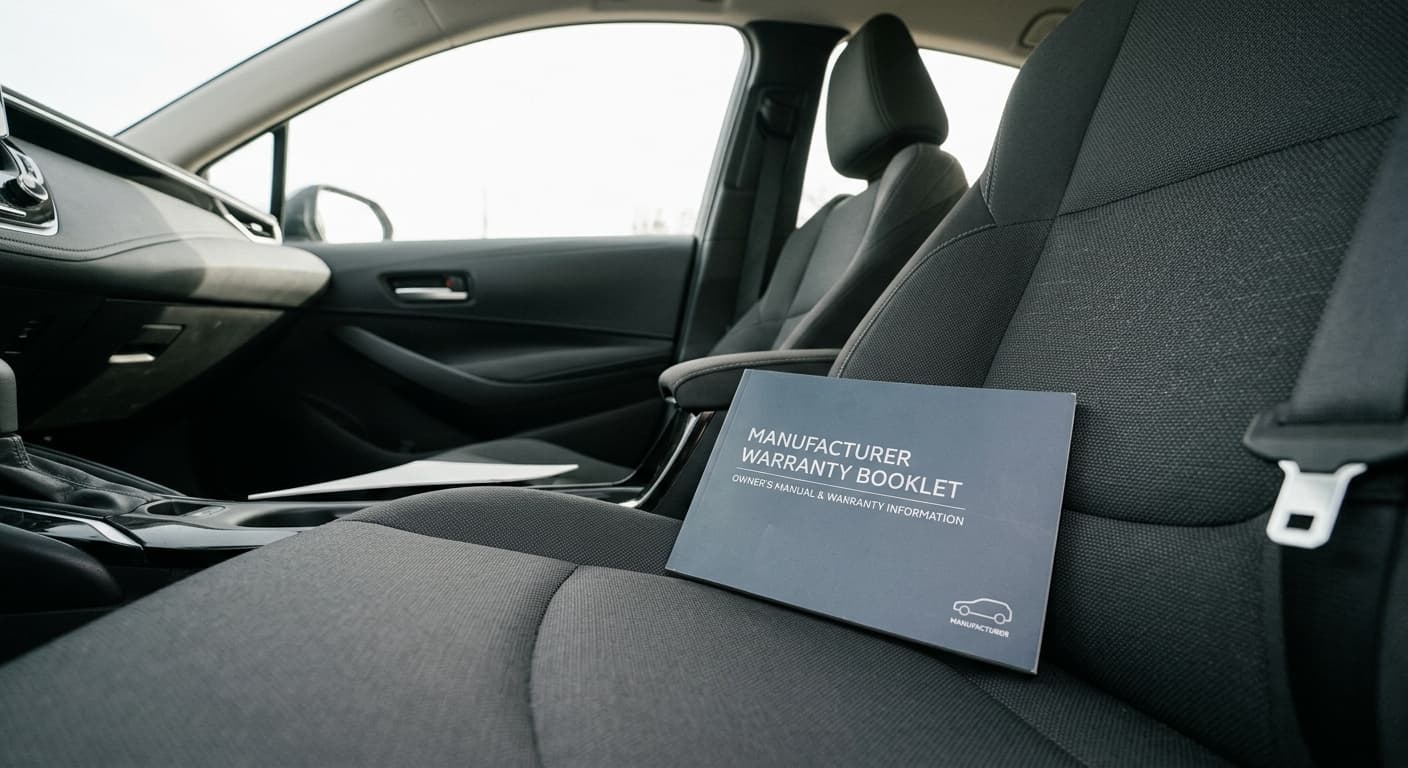
Iowa Code Chapter 322G, the Defective Motor Vehicles Act, gives buyers and lessees of new vehicles under 15,000 pounds a lemon presumption after three repair attempts for the same defect, one attempt for a serious safety defect, or 30 cumulative days out of service, all within two years or 24,000 miles of delivery. The consumer has an unconditional right to choose a full refund over a replacement vehicle.
Overview of the Iowa Lemon Law
Iowa's lemon law is officially titled the Defective Motor Vehicles Act and is codified in Iowa Code Chapter 322G. The Iowa General Assembly enacted this law to protect consumers who purchase or lease new motor vehicles that fail to conform to the manufacturer's express warranty after a reasonable number of repair attempts.
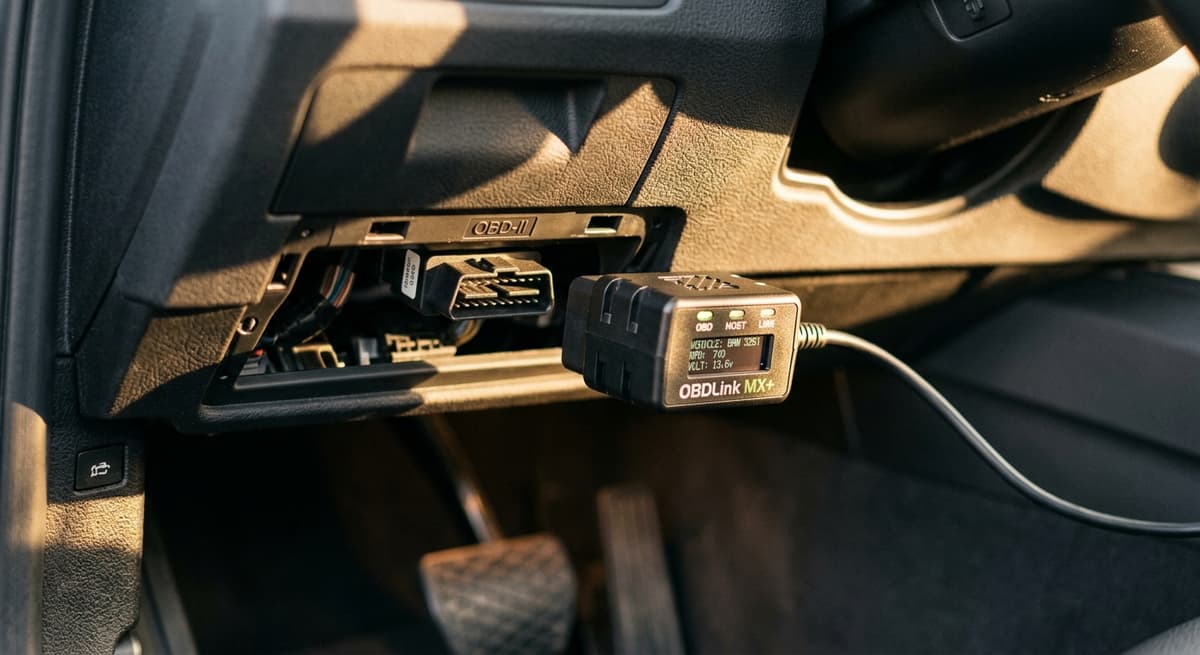
Under this law, the consumer has an unconditional right to choose between a replacement vehicle and a full refund when a vehicle qualifies as a lemon. The Iowa Attorney General's office administers consumer resources and provides forms to help Iowans navigate the claims process.
What Vehicles Are Covered
Under Iowa Code Section 322G.2, a "motor vehicle" is a self-propelled vehicle purchased or leased in Iowa that is primarily designed for the transportation of persons or property over public streets and highways. The vehicle must weigh under 15,000 pounds gross vehicle weight rating.
Covered Vehicle Types
- Passenger cars: Sedans, coupes, hatchbacks, and similar personal vehicles
- Trucks: Pickup trucks and light trucks under 15,000 pounds
- SUVs and vans: Sport utility vehicles and passenger vans
- Electric and hybrid vehicles: EVs and hybrids that meet the weight requirement
- Leased vehicles: Consumer leases for personal, family, or household use
- Transferred vehicles: Vehicles transferred during the warranty period to a new owner who uses them for personal purposes
Vehicles Not Covered
- Motorcycles: Two-wheeled motor vehicles
- Autocycles: Three-wheeled enclosed motor vehicles
- Mopeds: Low-speed motor vehicles
- Motor homes: Recreational vehicles designed for living quarters
- Vehicles over 15,000 pounds: Heavy-duty commercial vehicles
- Business-use vehicles: Vehicles purchased primarily for commercial or business purposes
Who Qualifies as a Consumer
A "consumer" under Iowa law is the purchaser or lessee (not for resale or sublease) of a new motor vehicle used primarily for personal, family, or household purposes. This definition extends to anyone who receives the vehicle by transfer during the warranty period and uses it for the same personal purposes.
The Lemon Law Rights Period
Iowa law defines a "lemon law rights period" that sets the window during which problems must arise for the vehicle to qualify. The rights period is the shortest of these three benchmarks:
- The term of the manufacturer's written express warranty
- Two years after the date of original delivery to the consumer
- The first 24,000 miles of operation
All nonconformities must be reported to the manufacturer or its authorized service agent within this rights period.
When a Vehicle Is Presumed to Be a Lemon
Under Iowa Code Section 322G.4, a rebuttable presumption arises that the manufacturer has not made a reasonable number of repair attempts when any one of these conditions is met during the rights period:
| Condition | Threshold | Details |
|---|---|---|
| Same-defect repairs | 3 or more attempts | The same nonconformity has been subject to repair three or more times and still exists |
| Serious safety defect | 1 or more attempts | A nonconformity likely to cause death or serious bodily injury has been subject to at least one repair attempt and still exists |
| Cumulative days out of service | 30 or more days | The vehicle has been out of service for repair of one or more substantial nonconformities for a cumulative total of 30 or more days, excluding routine maintenance |
What Counts as a Nonconformity
A "nonconformity" is a defect, malfunction, or condition that fails to conform to the terms of the manufacturer's express warranty and either:
- Substantially impairs the use or market value of the motor vehicle, or
- Renders the vehicle unfit, unreliable, or unsafe for ordinary use
Examples of Qualifying Defects
- Engine or transmission failures that recur after repair
- Brake system malfunctions affecting stopping ability
- Steering defects that compromise vehicle control
- Electrical system failures that affect operation or safety
- Fuel system leaks or defects
- Air conditioning or heating system failures
- Airbag or other safety equipment malfunctions
- Persistent check-engine or warning lights tied to major systems
Important Note on Days Out of Service
The 30-day threshold counts only days the vehicle is with the manufacturer or authorized service agent for nonconformity repairs. Days spent on routine maintenance prescribed by the owner's manual do not count toward this total. The days do not need to be consecutive.
Consumer Remedies: Refund or Replacement
When a vehicle meets the lemon law presumption, the manufacturer must, within 40 days of receiving the consumer's payment of a reasonable offset for use, provide either a replacement vehicle or a full refund. The consumer has an unconditional right to choose a refund rather than a replacement under Iowa Code Section 322G.4.
Option 1: Full Refund (Buyback)
When the consumer elects a refund, the manufacturer must return the following amounts:
- Full purchase price: The complete cash price paid for the vehicle
- Trade-in allowance: The net value given for any trade-in vehicle
- Collateral charges: Sales tax, title fees, license and registration fees, and dealer-installed options
- Finance charges: All interest and financing fees paid
- Incidental costs: Towing charges and rental car expenses caused by the defect
Option 2: Replacement Vehicle
If the consumer chooses replacement instead, the manufacturer must provide a comparable replacement vehicle that is:
- Acceptable to the consumer
- Of similar value and features
- Covered by the manufacturer's warranty
The Reasonable Offset for Use (Usage Deduction)
The manufacturer may deduct a reasonable offset for the consumer's use of the vehicle before the problems reached the lemon law threshold. Iowa law provides a specific formula for this calculation:
Usage Offset = (Miles Driven x Purchase Price) / 120,000
The mileage used in this formula is measured up to the date of whichever event occurs first:
- The third repair attempt for the same nonconformity
- The first repair attempt for a defect likely to cause death or serious bodily injury
- The 20th cumulative day the vehicle is out of service for nonconformity repairs
For leased vehicles, the lessor's actual lease price is used in place of the purchase price, plus an additional amount equal to two percent of the purchase price.
Refund Distribution
The refund must be distributed to both the consumer and any lienholder (such as a bank or financing company) according to their respective interests.
How to File a Lemon Law Claim in Iowa
Step 1: Confirm Your Vehicle Qualifies
Before filing, verify that your vehicle meets these requirements:
- Purchased or leased as new in Iowa
- Under two years old or under 24,000 miles from delivery
- Weighs less than 15,000 pounds gross vehicle weight
- Has a substantial nonconformity affecting use, value, or safety
- Has met the repair attempt or out-of-service threshold
Step 2: Document Every Repair
For each warranty repair, the manufacturer or authorized service agent must provide a fully itemized, legible repair order that includes:
- The diagnosis made
- All work performed on the vehicle
- A general description of the problem as reported by the consumer
- The date and odometer reading when the vehicle was brought in for repair
- The date when the repair was completed
Keep copies of every repair order. Also save receipts for towing, rental vehicles, and any other costs related to the defect.
Step 3: Send Written Notice to the Manufacturer
After meeting the lemon law presumption thresholds (three repair attempts, one serious safety defect repair, or 30 cumulative out-of-service days), send written notice to the manufacturer by certified or registered mail (or overnight delivery service).
The Iowa Attorney General provides a Motor Vehicle Defect Notification form for this purpose. The notice must describe the nonconformity and give the manufacturer a final opportunity to repair the vehicle.
Step 4: Allow the Manufacturer a Final Repair Attempt
After receiving your written notice, the manufacturer has 10 days to notify you and provide the opportunity to bring the vehicle to a reasonably accessible repair facility. Once you deliver the vehicle, the manufacturer then has 10 additional days to conform the vehicle to the warranty.
Step 5: Pursue Arbitration or Legal Action
If the final repair attempt fails, you may pursue remedies through arbitration or court action (see below).
Manufacturer Disclosure Requirements at Purchase
Iowa law requires manufacturers to provide specific information to every consumer at the time of purchase or lease:
- A written statement prepared by the Iowa Attorney General explaining the consumer's rights and obligations under Chapter 322G
- The Attorney General's phone number for consumer inquiries
- The address and phone number of the manufacturer's zone, district, or regional office where claims can be filed
Failure to provide this information does not eliminate the consumer's rights but may affect procedural timelines.
Dispute Resolution Programs
Iowa law under Section 322G.6 requires manufacturers that have established certified informal dispute settlement programs to process consumer complaints through those programs.
Certified Arbitration Programs
Two major programs handle Iowa lemon law arbitration:
- BBB AUTO LINE: Free to vehicle owners of participating manufacturers; decisions are binding on the manufacturer if accepted by the consumer
- National Center for Dispute Settlement (NCDS): Handles claims for other participating manufacturers
Arbitration Timelines
Iowa law sets specific deadlines for the arbitration process:
| Situation | Deadline |
|---|---|
| No decision rendered within 60 days | Consumer may file a court action within 1 year from the end of the rights period |
| Consumer rejects arbitration decision | Consumer may appeal in court within 50 days of receiving the decision |
| Manufacturer fails to perform the decision | Consumer may file a court action within 6 months of the date performance was due |
What to Bring to an Arbitration Hearing
Prepare a well-organized presentation that includes:
- All repair orders and service records
- Your purchase or lease agreement
- A written timeline of all problems, repair dates, and days out of service
- Towing and rental car receipts
- Photos or videos of the defect
- Any correspondence with the manufacturer or dealer
Federal Magnuson-Moss Warranty Act
In addition to Iowa's state protections, the federal Magnuson-Moss Warranty Act (15 U.S.C. 2301) serves as a backstop for any consumer with an active written warranty, whether on a new or used vehicle. Under Magnuson-Moss, a manufacturer's breach of a written warranty is a federal claim that can be brought in federal court, with prevailing consumers entitled to attorney fees. Iowa lemon law and Magnuson-Moss claims can often be pursued together for the same defective vehicle.
Attorney Fees and Legal Remedies
Under Iowa Code Section 322G.8, a consumer who prevails in a lemon law court action is entitled to recover:
- The full amount of any pecuniary loss
- Reasonable attorney fees
- Court costs
This fee-shifting provision makes it financially feasible for consumers to hire an attorney, because the manufacturer bears the cost of the consumer's legal representation if the consumer wins.
Manufacturer Defenses
Manufacturers may raise affirmative defenses under Iowa Code Section 322G.5 to rebut the lemon law presumption.
| Defense | What the Manufacturer Must Prove |
|---|---|
| No substantial impairment | The defect does not substantially impair the vehicle's use, value, or safety |
| Consumer abuse | The nonconformity was caused by the consumer's abuse of the vehicle |
| Consumer neglect | The nonconformity resulted from the consumer's neglect |
| Unauthorized modification | The nonconformity was caused by an unauthorized modification or alteration |
| Outside rights period | The nonconformity was first reported after the rights period expired |
To counter these defenses, keep thorough maintenance records showing you followed the manufacturer's recommended service schedule and did not modify the vehicle in ways that could cause the defect.
Title Branding and Resale Disclosure
Iowa law protects future buyers of vehicles that were returned under the lemon law. Under Iowa Code Section 322G.12 and Iowa Administrative Code Rule 61-30.3, anyone who sells, leases, or transfers a title to a lemon law buyback vehicle must provide a written disclosure to the buyer.
This disclosure must:
- Appear on a separate sheet of paper in at least 12-point type
- State in uppercase letters that the vehicle was returned under the Iowa Lemon Law or a similar law from another state
- Include the names and addresses of the seller and buyer
- Be signed and dated by both parties
The manufacturer must make a reasonable effort to ensure this disclosure is given to the first subsequent retail buyer or lessee. Failing to disclose constitutes an unfair or deceptive trade practice.
Used Vehicle Protections
Iowa's lemon law primarily covers new vehicles. However, several protections may apply to used vehicle purchasers.
Remaining Lemon Law Rights
If a used vehicle is still within its original lemon law rights period (under 2 years or 24,000 miles from first delivery), the new owner may have lemon law protection as a transferee, provided the vehicle is used for personal purposes.
Federal Warranty Protections
The Magnuson-Moss Warranty Act (see above) provides federal protections for any vehicle buyer, new or used, who has an active manufacturer's or dealer's written warranty. This law allows consumers to sue for breach of warranty in federal court.
Iowa Consumer Fraud Act
Used vehicle buyers who are victims of fraudulent or deceptive sales practices may have remedies under Iowa's separate Consumer Fraud Act, regardless of warranty status.
Leased Vehicle Rights
Leased vehicles receive the same protections as purchased vehicles under Iowa's lemon law.
Lessee Remedies
If a leased vehicle qualifies as a lemon, the lessee may receive:
- A refund of all lease payments made
- Return of the security deposit
- Reimbursement of collateral charges (taxes, title, registration)
- Reimbursement of incidental costs (towing, rental vehicles)
Alternatively, if the consumer prefers, the manufacturer may provide a comparable replacement vehicle.
Lease Termination
When a leased vehicle is returned under the lemon law, the lease agreement terminates. The lessee owes no further payments beyond the reasonable usage offset.
Consumer Rights Cannot Be Waived
Under Iowa Code Section 322G.13, any agreement that waives, limits, or disclaims the rights provided under Chapter 322G is void as contrary to public policy. This means a manufacturer or dealer cannot require you to sign away your lemon law rights as a condition of purchase or as part of a settlement.
Dealer Liability Protections
Iowa's lemon law places obligations on manufacturers, not dealers. Under Iowa Code Section 322G.11, a manufacturer who improperly charges back a dealer because of a lemon law violation is liable to the dealer for full reimbursement, plus reasonable costs and attorney fees.
Statute of Limitations and Filing Deadlines
Understanding the deadlines for Iowa lemon law claims is essential to preserving your rights.
| Deadline Type | Time Frame |
|---|---|
| Rights period | Manufacturer's warranty term, 2 years from delivery, or 24,000 miles (whichever is shortest) |
| Report nonconformity | Within the rights period |
| Manufacturer response to notice | 10 days to offer a repair opportunity |
| Manufacturer final repair | 10 days after vehicle delivery to repair facility |
| Manufacturer refund/replacement | 40 days after receiving usage offset payment |
| Appeal arbitration decision | 50 days after receiving the decision |
| File suit if no arbitration decision in 60 days | Within 1 year from end of rights period |
| File suit if manufacturer fails to perform arbitration decision | Within 6 months of the performance deadline |
Helpful Resources
- Iowa Attorney General: Lemon Law Information (filing guidance and forms)
- Motor Vehicle Defect Notification Form (official Iowa AG form)
- Iowa Code Chapter 322G Full Text (complete statute)
- NHTSA Vehicle Complaints and Recalls (file a federal safety complaint)
- Iowa Attorney General Consumer Complaint Form (general consumer complaints)
More Iowa Laws
Frequently Asked Questions
How many repair attempts does Iowa require before a vehicle is considered a lemon?
Iowa law requires three or more repair attempts for the same nonconformity. For a serious safety defect likely to cause death or serious bodily injury, only one repair attempt is needed. Alternatively, if the vehicle is out of service for a cumulative total of 30 or more days for repairs of one or more substantial nonconformities, it may qualify. All conditions must occur within the lemon law rights period (manufacturer warranty term, 2 years, or 24,000 miles, whichever is shortest).
Do I need a lawyer to file an Iowa lemon law claim?
No. Iowa's lemon law is designed for consumers to pursue claims on their own through the manufacturer's certified dispute resolution program. The Iowa Attorney General provides forms and guidance. However, if your case is complex or you are unsatisfied with an arbitration outcome, hiring a private attorney may help. Under Iowa Code Section 322G.8, prevailing consumers can recover reasonable attorney fees from the manufacturer.
Does Iowa's lemon law cover used cars?
Iowa's lemon law primarily protects buyers of new vehicles. However, if you purchase a used vehicle that is still within its original lemon law rights period (under 2 years or 24,000 miles from original delivery), you may qualify as a transferee. The federal Magnuson-Moss Warranty Act also provides remedies for used vehicles with active warranties.
How is the usage deduction calculated in Iowa?
The reasonable offset for use is calculated as: (Miles Driven x Purchase Price) / 120,000. The mileage figure is measured up to whichever triggering event happens first: the third repair attempt for the same defect, the first repair for a defect likely to cause death or serious bodily injury, or the 20th cumulative day the vehicle is out of service. For leased vehicles, the lessor's actual lease price replaces the purchase price, plus two percent of the purchase price.
Does the consumer or the manufacturer choose between a refund and a replacement?
The consumer chooses. Iowa Code Section 322G.4 gives the consumer an unconditional right to elect a refund rather than a replacement vehicle. The manufacturer cannot force a replacement on a consumer who wants a buyback.
Are electric vehicles covered under Iowa's lemon law?
Yes. Iowa's lemon law covers any self-propelled motor vehicle under 15,000 pounds that is purchased or leased in Iowa for personal use. This includes battery-electric vehicles, plug-in hybrids, and conventional hybrids. The statute does not exclude vehicles based on powertrain type. The exclusions apply only to motorcycles, autocycles, mopeds, motor homes, and vehicles over 15,000 pounds.
Updates
Independently fact-checked against the cited primary sources; governing law re-checked for recent changes
Corrected two Iowa Code citations: the resale/title-branding disclosure duty is Section 322G.12 (322G.10 is the unfair-practice section), and the FAQ's attorney-fee citation is Section 322G.8, matching the body text elsewhere on the page.
Governing law re-checked for recent changes
Reviewed and approved by an editor
The Law Behind This Article
This article rests on the statutory provisions below, held in our own legal record and retrieved from the official source. Tap a section to read the operative text.
Iowa Code, Chapter 322G: DEFECTIVE MOTOR VEHICLES
§ 322G.4Nonconformity of motor vehicles.In force
1. a. After three attempts have been made to repair the same nonconformity that substantially impairs the motor vehicle, or after one attempt to repair a nonconformity that is likely to cause death or serious bodily injury, the consumer may give written notification, which shall be by certified or registered mail or by overnight service, to the manufacturer of the need to repair the nonconformity in order to allow the manufacturer a final attempt to cure the nonconformity. The manufacturer shall, within ten days after receipt of such notification, notify and provide the consumer with the opportunity to have the vehicle repaired at a reasonably accessible repair facility and after delivery of the vehicle to the designated repair facility by the consumer, the manufacturer shall, within ten days, conform the motor vehicle to the warranty. If the manufacturer fails to notify and provide the consumer with the opportunity to have the vehicle repaired at a reasonably accessible repair facility or perform the repairs within the time periods prescribed in this subsection, the requirement that the manufacturer be given a final attempt to cure the nonconformity does not apply. b.
Official text (excerpt) · last checked 2026-09-08 · Read the full text in our law library · Verify at legis.iowa.gov
Cited in 1 court opinions in our collectionLatest citing opinion in our collection: 2001
Opinions citing this section in our collection:
- Cato v. American Suzuki Motor Corp. (Supreme Court of Iowa 2001, 622 N.W.2d 486)“…ki an opportunity to cure the alleged nonconformities under Iowa Code section 322G.4(1). Suzuki filed a motion for summary j…”
Identified automatically from the court opinions citing this section — not a ranking of which case controls.
§ 322G.2Definitions.In force
As used in this chapter, unless the context otherwise requires: 1. “Collateral charges” means those additional charges to a consumer wholly incurred as a result of the acquisition of the motor vehicle. For the purposes of this chapter, collateral charges include, but are not limited to, charges for manufacturer-installed or agent-installed items, earned finance charges, use taxes, and title charges. 2. “Condition” means a general problem that may be attributable to a defect in more than one part. 3. “Consumer” means the purchaser or lessee, other than for purposes of lease or resale, of a new or previously untitled motor vehicle, or any other person entitled by the terms of the warranty to enforce the obligations of the warranty during the duration of the lemon law rights period. 4. “Days” means calendar days. 5. “Department” means the attorney general. 6. “Incidental charges” means those reasonable costs incurred by the consumer, including, but not limited to, towing charges and the costs of obtaining alternative transportation, which are the direct result of the nonconformity or nonconformities which are the subject of the claim.
Official text (excerpt) · last checked 2026-07-29 · Read the full text in our law library · Verify at legis.iowa.gov
Cited in 1 court opinions in our collectionLatest citing opinion in our collection: 2001
Opinions citing this section in our collection:
- Cato v. American Suzuki Motor Corp. (Supreme Court of Iowa 2001, 622 N.W.2d 486)“…such that the vehicle fail[ed] to conform to the warranty.” Iowa Code § 322G.2(14) (defining “nonconformity”). She als…”
Identified automatically from the court opinions citing this section — not a ranking of which case controls.
§ 322G.6Informal dispute settlement procedures — operations and certification.In force
1. At the time of the consumer’s purchase or lease of the vehicle, a manufacturer who has established a program certified pursuant to this section shall, at a minimum, clearly and conspicuously disclose to the consumer in written materials accompanying the vehicle how and where to file a claim with the program. 2. A certified program shall be funded and competently staffed at a level sufficient to ensure fair and expeditious resolution of all disputes, and shall not charge consumers any fee for use of the program. The manufacturer shall take all steps necessary to ensure that a certified program and its staff and decision makers are sufficiently insulated from the manufacturer so that the performance of the staff and the decisions of the decision makers are not influenced by the manufacturer. Such steps, at a minimum, shall ensure that the manufacturer does not make decisions on whether a consumer’s dispute proceeds to the decision maker. Staff and decision makers of a certified program shall be trained in the provisions of this chapter and rules adopted under this chapter. 3. a.
Official text (excerpt) · last checked 2026-07-29 · Read the full text in our law library · Verify at legis.iowa.gov
United States Code Title 15
§ 2301DefinitionsIn forcecited in 39 of our articles
For the purposes of this chapter: The term “consumer product” means any tangible personal property which is distributed in commerce and which is normally used for personal, family, or household purposes (including any such property intended to be attached to or installed in any real property without regard to whether it is so attached or installed). The term “Commission” means the Federal Trade Commission. The term “consumer” means a buyer (other than for purposes of resale) of any consumer product, any person to whom such product is transferred during the duration of an implied or written warranty (or service contract) applicable to the product, and any other person who is entitled by the terms of such warranty (or service contract) or under applicable State law to enforce against the warrantor (or service contractor) the obligations of the warranty (or service contract). The term “supplier” means any person engaged in the business of making a consumer product directly or indirectly available to consumers. The term “warrantor” means any supplier or other person who gives or offers to give a written warranty or who is or may be obligated under an implied warranty.
Official text (excerpt) · last checked 2026-07-28 · Read the full text in our law library · Verify at uscode.house.gov
Cited in 1,671 court opinions in our collectionLatest citing opinion in our collection: 2026
In the courts (editorial summary, independently checked):Walsh v. Ford Motor Company (1986) held that except where Magnuson-Moss expressly prescribes a rule, the Act applies state written and implied warranty law, citing Section 2301(7)'s definition of implied warranty as one arising under state law. Birdsong v. Apple (2009) dismissed Act claims once the state warranty claims failed.
Opinions citing this section in our collection:
- John F. "Jack" Walsh v. Ford Motor Company (Court of Appeals for the D.C. Circuit 1986, 807 F.2d 1000)✓Ford owners sought nationwide classes over transmissions that slipped from park into reverse; reading Section 2301(7) and (6), the D.C. Circuit held Magnuson-Moss applies state warranty law except where the Act expressly prescribes a rule, and vacated class certification.
- Birdsong v. Apple, Inc. (Court of Appeals for the Ninth Circuit 2009, 590 F.3d 955)✓iPod buyers alleged the player risked hearing loss; because Section 2301(7) ties implied warranty to state law, the Ninth Circuit treated the Magnuson-Moss claim as standing or falling with the California warranty claims and affirmed dismissal once those failed.
- Robert E. Kelly Virginia L. Kelly v. Fleetwood Enterprises, Inc. (Court of Appeals for the Ninth Circuit 2004, 377 F.3d 1034)“…gnizable under the Magnuson-Moss Warranty Act (the “Act”), 15 U.S.C. § 2301 et seq. This consumer dis…”
Identified automatically from the court opinions citing this section — not a ranking of which case controls.
Also relied on in: Arkansas Lemon Law (2026): How to Qualify & Get a Refund, Washington Lemon Law (2026): How to Qualify & Get a Refund, Florida Lemon Law (2026): How to Qualify & Get a Refund
Search our full record of US law — 2.1 million sections, every state + federal →
Sources and References
- Iowa Defective Motor Vehicles Act, Chapter 322G (Full Text)(legis.iowa.gov).gov
- Iowa Code Section 322G.2: Definitions(legis.iowa.gov).gov
- Iowa Code Section 322G.4: Nonconformity of Motor Vehicles(legis.iowa.gov).gov
- Iowa Attorney General: Lemon Law Information(iowaattorneygeneral.gov).gov
- Iowa Attorney General: Motor Vehicle Defect Notification Form(iowaattorneygeneral.gov).gov
- Iowa Code Section 322G.6: Informal Dispute Settlement Procedures(legis.iowa.gov).gov
- Iowa Administrative Code Rule 61-30.3: Lemon Law Buyback Disclosure(law.cornell.edu)
- NHTSA Vehicle Complaints and Recalls(nhtsa.gov).gov
- Federal Trade Commission: Magnuson-Moss Warranty Act(ftc.gov).gov
- BBB AUTO LINE Dispute Resolution Program(bbbprograms.org)
- National Center for Dispute Settlement (NCDS)(ncdsusa.org)
- Iowa Attorney General: Online Consumer Complaint Form(iowaattorneygeneral.gov).gov