
Delaware
Delaware Ring Doorbell Laws: What You Need to Know in 2026
Independently fact-checked against primary sources (last audited August 17, 2026). · Reviewed by the RecordingLaw editorial team. · Law checked current as of August 17, 2026. · 5 primary sources cited on this page. How we verify our legal content
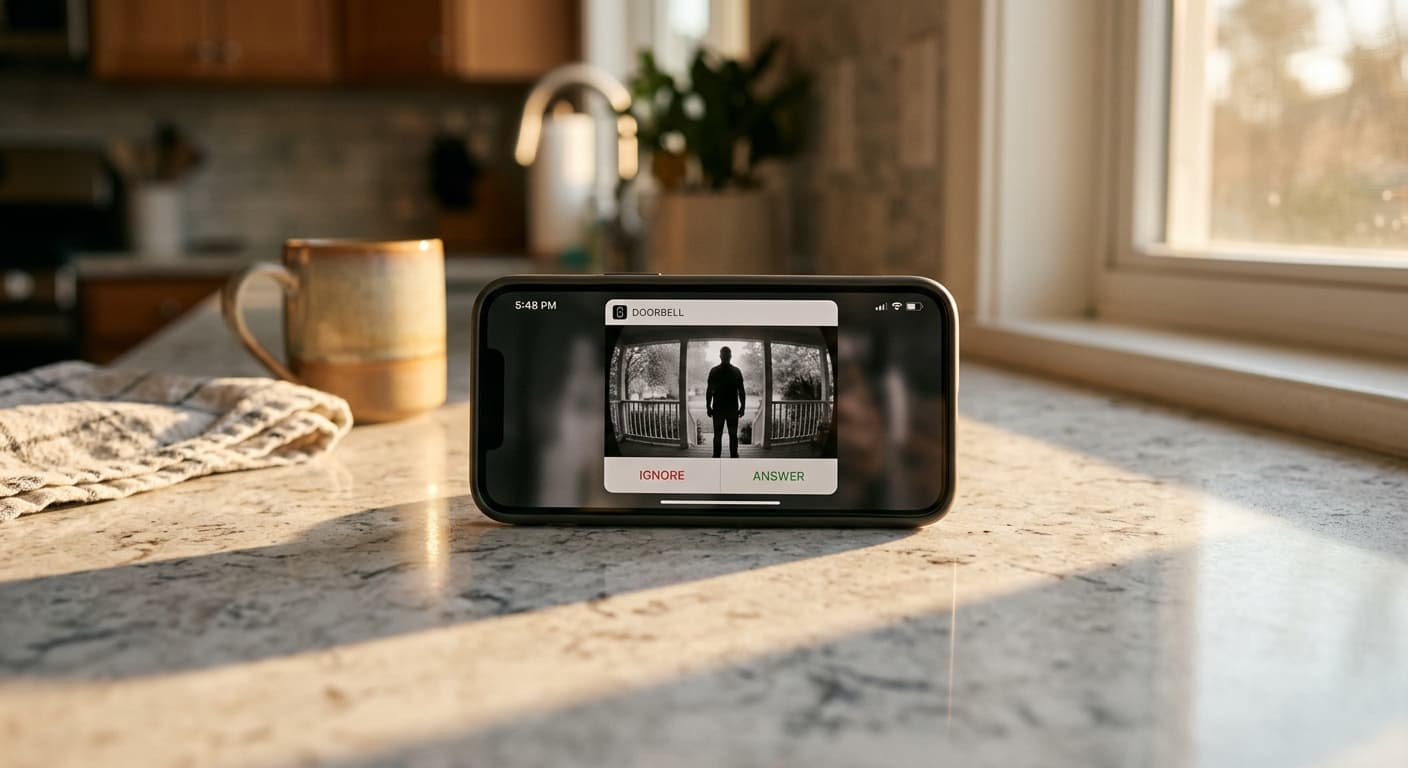
Delaware presents a unique legal landscape for Ring doorbell owners. The state has two separate recording statutes that appear to conflict with each other: one allows one-party consent for recording, while the other requires all-party consent. This overlap creates genuine uncertainty about whether a Ring doorbell's audio recording feature is legal in certain situations.
Video recording from a Ring doorbell is generally straightforward. Delaware law permits recording video of public-facing areas where there is no reasonable expectation of privacy. Audio, however, is where the legal complexity begins.
Delaware Audio Recording Laws and Ring Doorbells
Delaware's recording laws are unusually complex because two separate statutes govern audio recording, and they set different consent standards.
11 Del. C. 2402: Wiretapping Statute (One-Party Consent)
Delaware's wiretapping statute, found in Title 11, Chapter 24 of the Delaware Code, permits a person to intercept a wire, oral, or electronic communication where the person is a party to the communication, or where one of the parties has given prior consent to the interception. The exception is that the recording cannot be made for the purpose of committing any criminal or tortious act.
Under this statute alone, a Ring doorbell owner who participates in a conversation through the two-way talk feature would have legal standing to record that conversation, since they are a party to it.
11 Del. C. 1335: Violation of Privacy (All-Party Consent)
Delaware's privacy statute takes a stricter approach. Under 11 Del. C. 1335, a person is guilty of violation of privacy when they intercept, without the consent of all parties, a message by telephone, telegraph, letter, or other means of communicating privately, including private conversation.
The statute also prohibits installing any device for observing, photographing, recording, amplifying, or broadcasting sounds or events in a "private place" without the consent of the person or persons entitled to privacy there.
Delaware law defines a "private place" as a location where one may reasonably expect to be safe from casual or hostile intrusion or surveillance. Critically, this definition excludes places to which the public or a substantial group has access.

Which Law Controls?
Because these two statutes set conflicting consent standards, legal practitioners in Delaware generally advise following the stricter rule: obtain consent from all parties before recording. No Delaware appellate court has definitively resolved this conflict as of April 2026, though at least one federal court has held that a party can record their own conversation without the permission of all other parties.
For Ring doorbell owners, the practical takeaway is clear. Passive audio recording of conversations where you are not a participant carries legal risk under the privacy statute, even if the wiretapping statute might permit one-party consent in other contexts.
Video Recording Laws and Ring Doorbells in Delaware
Delaware's approach to video surveillance is more straightforward than its audio recording laws.
General Video Recording Rules
Delaware does not prohibit homeowners from recording video on their own property. Video surveillance of public-facing areas, such as front porches, driveways, walkways, and front yards, is generally legal because visitors in these spaces do not have a reasonable expectation of privacy.
The key distinction under Delaware law is between public and private places. A Ring doorbell camera pointed at a front porch captures an area that is, by definition, not a "private place" under 11 Del. C. 1335, since it is accessible to the public.
Hidden Camera Restrictions
Delaware's privacy statute specifically prohibits installing recording devices in private places without consent. This covers hidden cameras in bathrooms, bedrooms, and other spaces where occupants have a reasonable expectation of privacy.
A Ring doorbell is a visible, openly mounted device. It does not qualify as a hidden camera under typical circumstances. However, if a homeowner mounts additional Ring cameras in locations that capture private spaces (such as a neighbor's interior through a window), the privacy statute could apply.

Camera Placement Best Practices
- Aim the Ring doorbell at your own porch, walkway, and driveway
- Use Ring's privacy zone feature to exclude areas that could capture private spaces on neighboring properties
- Avoid pointing cameras at windows, patios, or fenced backyards where neighbors have a reasonable expectation of privacy
- A visible camera mounted at the front door is far less likely to create legal issues than concealed cameras
HOA and Ring Doorbells in Delaware
Delaware's Uniform Common Interest Ownership Act (DUCIOA), codified in Title 25, Chapter 81 of the Delaware Code, governs common interest communities created after September 30, 2009. The Delaware Unit Property Act provides a separate framework for older condominiums.
HOA Authority Over Doorbell Cameras
Under DUCIOA, common interest community associations have the authority to adopt rules governing the use and modification of units and common elements. This authority can extend to the installation of Ring doorbells and other exterior-mounted devices.
Common HOA restrictions in Delaware include:
- Requiring prior written approval for any modifications to the exterior of a unit, including doorbell cameras
- Restricting cameras that record shared common areas such as hallways, lobbies, and parking areas in condominium buildings
- Setting aesthetic standards for device placement, including size, color, and mounting location
- Requiring that audio recording be disabled on doorbell cameras
Homeowner Rights
Delaware law does not specifically prohibit HOAs from restricting Ring doorbells. However, associations that attempt to ban all security devices entirely may face resistance. Many Delaware HOAs have adopted compromise policies that permit doorbell cameras with conditions, such as limiting the camera's field of view to the owner's own entryway.
Residents should review their community's declaration, bylaws, and rules before installing a Ring doorbell. The Delaware Department of Justice offers an ombudsperson for common interest community disputes through the Consumer Protection Unit.
Landlord and Tenant Rights for Ring Doorbells
Delaware landlord-tenant law does not impose a camera-specific notification statute; what landlords can do with surveillance in rental properties follows the general privacy and consent rules below.
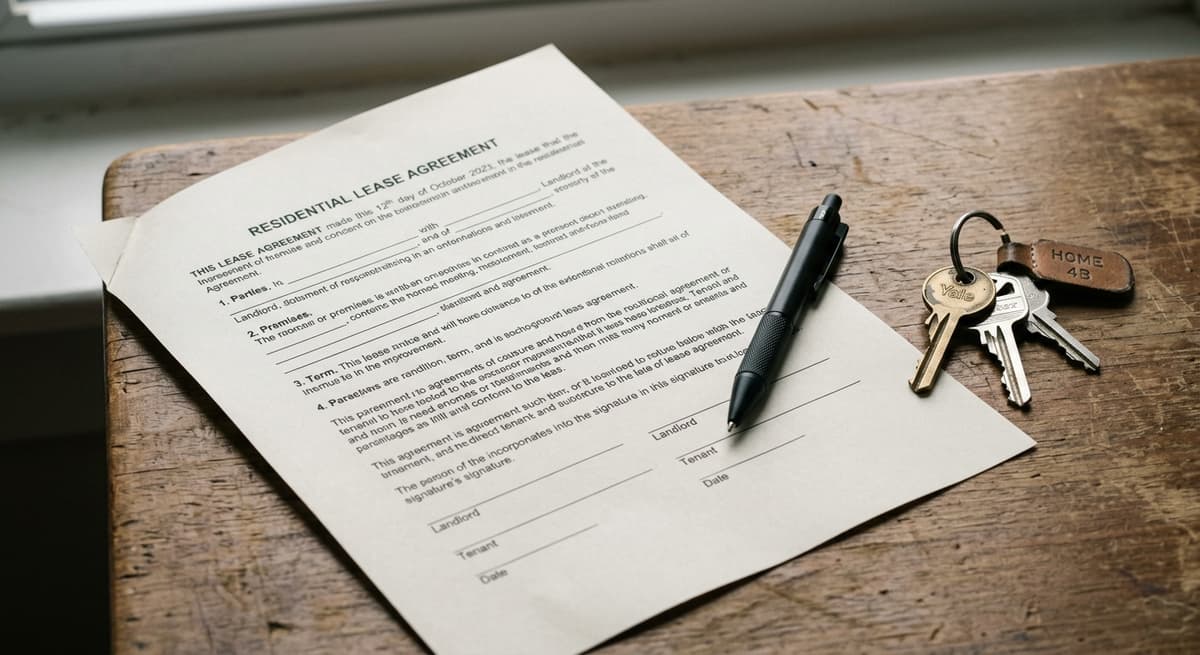
Tenant Notification Requirements
Delaware's landlord-tenant code (Title 25, Chapters 51, 53, and 55) does not include a statute requiring landlords to give tenants written notice before installing surveillance cameras in common areas. The real constraint comes from Delaware's privacy statute (11 Del. C. 1335), which applies to landlords with the same force as to any other person: audio interception in a shared hallway, lobby, or parking area without the consent of everyone present can violate the all-party consent standard.
Landlords cannot install cameras that record inside a tenant's unit or in areas where the tenant has a reasonable expectation of privacy. Because no statute requires advance written notice, tenants should ask their landlord directly whether cameras are present and whether audio is enabled, and landlords are well advised to disclose surveillance in the lease to avoid a later dispute under the privacy statute.
Tenant Installation Rights
Tenants who want to install a Ring doorbell generally need their landlord's written permission, particularly if the installation involves physical modifications to the door, frame, or exterior wall. Lease agreements commonly include clauses that address tenant modifications.
Wireless, battery-powered Ring doorbells that do not require drilling or permanent mounting may be subject to fewer restrictions, but reviewing the lease remains the safest approach.
Audio Recording Concerns
Both landlords and tenants should be cautious about audio recording. A Ring doorbell with audio enabled in a shared hallway of an apartment building could record tenant conversations without consent, potentially violating 11 Del. C. 1335. Disabling audio is the safest option in multi-unit settings.
Law Enforcement Access to Ring Doorbell Footage
Delaware law enforcement can access Ring doorbell footage through the same channels available in other states.
Warrant and Subpoena Process
Police in Delaware can obtain Ring doorbell footage by requesting it voluntarily from the homeowner. Homeowners are under no legal obligation to comply. If a homeowner declines, police can apply for a search warrant by demonstrating probable cause to a Delaware court.
Law enforcement can also serve legal process directly on Ring (Amazon) to obtain footage stored on their cloud servers. Ring's published guidelines confirm that the company responds to valid search warrants, subpoenas, and court orders.
Policy Changes Affecting Delaware Residents
In January 2024, Ring eliminated its Request for Assistance feature, which had allowed police to request footage directly from users through the Neighbors app. As of 2025, Ring partnered with Axon to create a new voluntary system where officers can send Community Requests for footage through Axon's evidence management platform. Sharing is opt-in, and Ring does not identify residents who decline to participate.
Emergency Disclosure
Ring retains the ability to share footage with law enforcement without a warrant or user consent in emergency situations involving imminent danger of death or serious physical injury, as permitted under the federal Stored Communications Act. Amazon determines internally whether a situation qualifies as an emergency.
Penalties for Illegal Recording in Delaware
Delaware's penalties for illegal recording depend on which statute is violated and the specific conduct involved.

Privacy Statute Penalties (11 Del. C. 1335)
| Violation Type | Classification | Maximum Jail Time | Maximum Fine |
|---|---|---|---|
| Recording in private place without consent | Class A Misdemeanor | 1 year | $2,300 |
| Eavesdropping/intercepting private communications | Class A Misdemeanor | 1 year | $2,300 |
| Disrobing, upskirt, or intimate-image offenses under 1335(a)(6), (a)(7), (a)(9)c. and (a)(9)d. | Class G Felony | 2 years | No statutory cap; fines are at the court's discretion (11 Del. C. 4205(k)) |
The felony tier does not reach ordinary doorbell-camera conduct. Under 11 Del. C. 1335(c), the class G felony attaches only to the disrobing, upskirt, and aggravated intimate-image paragraphs; recording or interception under paragraphs (a)(1) through (a)(5) is a class A misdemeanor no matter how the recording was made.
Wiretapping Statute Penalties (11 Del. C. 2402)
| Violation Type | Classification | Maximum Prison | Maximum Fine |
|---|---|---|---|
| Unauthorized interception of communications | Felony | 5 years | $10,000 |
Civil Liability
Delaware's wiretapping statute provides civil remedies for victims of illegal interception. A person whose wire, oral, or electronic communication is illegally intercepted can recover actual damages, with a minimum of $100 per day of violation or $1,000 (whichever is higher). Courts can also award punitive damages and reasonable attorney's fees.
How to Use a Ring Doorbell Legally in Delaware
Given the conflicting consent standards in Delaware law, Ring doorbell owners should take proactive steps to minimize legal exposure.
Disable Audio Recording
The most effective way to avoid legal issues with Delaware's recording laws is to disable audio recording through the Ring app. With audio off, the device records only video, and video surveillance of public-facing areas is clearly legal under Delaware law.
Post Clear Signage
If audio remains enabled, post a visible sign near the Ring doorbell stating "Audio and Video Recording in Progress." While Delaware law does not specify that signage equals consent, a clearly visible notice strengthens the argument that visitors were aware of and implicitly consented to being recorded.
Use Two-Way Talk Intentionally
When using Ring's two-way talk feature to communicate with visitors, both parties are aware the conversation is happening through a recording device. This scenario is less legally problematic than passive recording of conversations between third parties.
Configure Privacy Zones
Use Ring's privacy zone feature to exclude neighboring properties, windows, and areas where recording might raise privacy concerns. This reduces the risk of capturing footage in areas where individuals have a reasonable expectation of privacy.
Review Lease and HOA Documents
Before installation, check your lease agreement or HOA governing documents for any restrictions on doorbell cameras or exterior modifications. Obtain written approval where required.
More Delaware Laws
Delaware has several other laws that may be relevant to homeowners and residents:
- Delaware Recording Laws cover the full scope of the state's consent requirements for audio and video recording
- Delaware Hit and Run Laws outline penalties for leaving the scene of an accident
- Delaware Lemon Laws protect buyers of defective vehicles
- Delaware Data Privacy Laws cover the Delaware Personal Data Privacy Act and consumer data protections
This article provides general legal information about Delaware Ring doorbell laws as of April 2026. Laws and their interpretation can change. Consult an attorney for advice specific to your situation.
Frequently Asked Questions
Is Delaware a one-party or all-party consent state for recording?
Delaware has conflicting laws. The wiretapping statute (11 Del. C. 2402) allows one-party consent, but the privacy statute (11 Del. C. 1335) requires all-party consent for intercepting private communications. Legal experts recommend following the stricter all-party consent standard to avoid risk.
Can I use a Ring doorbell with audio in Delaware?
Using a Ring doorbell with audio enabled carries legal risk in Delaware because of the state's all-party consent privacy law (11 Del. C. 1335). The safest approach is to disable audio recording through the Ring app or post clear signage notifying visitors that recording is in progress.
Can my landlord install cameras in my Delaware apartment building?
Landlords in Delaware can install cameras in common areas like lobbies and hallways; no Delaware statute requires written notification, though disclosure is a widely recommended practice and audio capture still triggers the all-party consent law. Cameras cannot be installed inside a tenant's unit or in areas where tenants have a reasonable expectation of privacy.
What happens if I illegally record someone with a Ring doorbell in Delaware?
Under the privacy statute (11 Del. C. 1335), most recording violations are class A misdemeanors punishable by up to 1 year in jail and fines up to $2,300. Violations of the wiretapping statute carry stiffer penalties of up to 5 years in prison and $10,000 in fines. Civil lawsuits for damages are also possible.
Can Delaware police access my Ring doorbell footage?
Police can ask you to share footage voluntarily, but you have the right to refuse. If you decline, they can seek a search warrant from a Delaware court. Ring also responds to valid subpoenas and court orders served directly on the company. In emergencies involving imminent danger, Ring may share footage without the homeowner's consent.
Updates
Corrected the felony row of the privacy-statute penalty table: removed an unsupported $5,000 fine figure (Delaware sets no statutory cap for a class G felony) and clarified that the felony tier covers disrobing, upskirt, and intimate-image offenses rather than aggravated doorbell-camera recording.
Corrected a fabricated statutory claim that Delaware law requires landlords to give tenants written notice before installing surveillance cameras (no such statute exists in the state's landlord-tenant code), removed a citation that pointed to Connecticut's government site instead of a Delaware source, and clarified that Ring's 2025 partnership with Axon for law enforcement footage requests is voluntary.
Independently fact-checked against the cited primary sources; governing law re-checked for recent changes
Governing law re-checked for recent changes
Reviewed and approved by an editor
The Law Behind This Article
This article rests on the statutory provisions below, held in our own legal record and retrieved from the official source. Tap a section to read the operative text.
Delaware Code, Title 11 (Crimes and Criminal Procedure), Chapter 005 (SPECIFIC OFFENSES)
§ 1335Violation of privacy; class A misdemeanor; class G felony.In forcecited in 19 of our articles
(a) A person is guilty of violation of privacy when, except as authorized by law, the person: (1) Trespasses on property intending to subject anyone to eavesdropping or other surveillance in a private place; or (2) Installs in any private place, without consent of the person or persons entitled to privacy there, any device for observing, photographing, recording, amplifying or broadcasting sounds or events in that place; or (3) Installs or uses outside a private place any device for hearing, recording, amplifying or broadcasting sounds originating in that place which would not ordinarily be audible or comprehensible outside, without the consent of the person or persons entitled to privacy there; or (4) Intercepts without the consent of all parties thereto a message by telephone, telegraph, letter or other means of communicating privately, including private conversation; or (5) Divulges without the consent of the sender and the receiver the existence or contents of any message by telephone, telegraph, letter or other means of communicating privately if the accused knows that the message was unlawfully intercepted or if the accused learned of the message in the course of…
Official text (excerpt) · last checked 2026-08-31 · Read the full text in our law library · Verify at delcode.delaware.gov
Cited in 15 court opinions in our collectionLatest citing opinion in our collection: 2026
In the courts (editorial summary, independently checked):State v. Pulgini (1976) held 11 Del. C. 1335 does not reach police acts covered by sections 1336 and 1431, so a police interception made with one party's consent was lawful. State of Delaware v. Steven Wu (2026) construed 1335(a)(9)(b) as protecting confidentiality from third parties regardless of whether the relationship has ended.
Opinions citing this section in our collection:
- State v. Pulgini (Superior Court of Delaware 1976, 366 A.2d 1198)✓Police recorded a call between the defendant and an informant with the informant's consent but no court order. The court held section 1335 does not apply to police acts covered by sections 1336 and 1431, and one-party consent made the interception lawful.
- State of Delaware v. Steven Wu (Delaware Court of Common Pleas 2026)✓Charged after leaving printed intimate photos from a past affair in the woman's shared mailbox, a man sought a pretrial ruling on section 1335(a)(9)(b). On uncontested facts, the court read beyond that relationship as disclosure outside the private relationship, ended or not.
- Duffy v. State (Supreme Court of Delaware 2019)“…er 2017, Duffy was indicted for Violation of Privacy under 11 Del. C. § 1335(a)(7). The charges arose from Duffy tak…”
Identified automatically from the court opinions citing this section — not a ranking of which case controls.
Also relied on in: Delaware GPS Tracking Laws: Is It Legal to Put a Tracker on a Car? (2026), Delaware Video Recording Laws: Consent Rules, Surveillance, and Penalties (2026), Delaware Voyeurism Laws: Hidden Cameras, Penalties, and Privacy Protections (2026)
Delaware Code, Title 11 (Crimes and Criminal Procedure), Chapter 024 (WIRETAPPING, ELECTRONIC SURVEILLANCE AND INTERCEPTION OF COMMUNICATIONS)
§ 2402Interception of communications generally; divulging contents of communications, violations of chapter.In forcecited in 17 of our articles
(a) Prohibited acts. — Except as specifically provided in this chapter or elsewhere in this Code no person shall: (1) Intentionally intercept, endeavor to intercept, or procure any other person to intercept or endeavor to intercept any wire, oral or electronic communication; (2) Intentionally disclose or endeavor to disclose to any other person the contents of any wire, oral or electronic communication, knowing or having reason to know that the information was obtained through the interception of a wire, oral or electronic communication in violation of this chapter; or (3) Intentionally use or endeavor to use the contents of any wire, oral or electronic communication, knowing or having reason to know that the information was obtained through the interception of a wire, oral or electronic communication in violation of this chapter. (b) Penalties for violation of subsection (a) of this section. — Any person who violates subsection (a) of this section shall be guilty of a class E felony and be fined not more than $10,000. (c) Lawful acts.
Official text (excerpt) · last checked 2026-08-28 · Read the full text in our law library · Verify at delcode.delaware.gov
Cited in 4 court opinions in our collectionLatest citing opinion in our collection: 2023
In the courts (editorial summary, independently checked):Dayton v. Collison (2020) applied 11 Del. C. 2402(a)(1), finding neighbors intercepted a homeowner's backyard conversations with a motion-activated video camera, an intrusion upon seclusion. State v. Hunt (2023) said in the alternative that police access to a consenting owner's phone, if an interception, was lawful under 2402(c)(3).
Opinions citing this section in our collection:
- Dayton v. Collison (Superior Court of Delaware 2020)✓Neighbors aimed a motion-activated audio and video camera at a man's backyard and recorded his conversations there; after trial the court found they intentionally intercepted oral communications in violation of section 2402(a), and that this was an intrusion on his seclusion.
- Everett v. State (Supreme Court of Delaware 2018, 186 A.3d 1224)“…d or a location was bugged, and a host of other details.”); 11 Del. C. § 2402(c)(3) (authorizing government wiretappi…”
- State v. Hunt (Superior Court of Delaware 2023)✓Police read and answered texts on a cooperating witness's phone with his permission; rejecting a postconviction claim, the court found no interception occurred and reasoned in the alternative that any interception in the drug investigation was lawful under section 2402(c)(3).
Identified automatically from the court opinions citing this section — not a ranking of which case controls.
Also relied on in: Delaware Recording Laws (2026): Two-Statute Consent Conflict, Delaware Landlord-Tenant Recording Laws: Surveillance, Privacy Rights, and Legal Limits (2026), Federal Wiretap Act and ECPA: The Complete Guide (2026)
Search our full record of US law — 2.1 million sections, every state + federal →
Sources and References
- 11 Del. C. 1335 - Violation of Privacy(delcode.delaware.gov).gov
- 11 Del. C. 2402 - Wiretapping and Electronic Surveillance(delcode.delaware.gov).gov
- Delaware Uniform Common Interest Ownership Act (DUCIOA) - Title 25, Chapter 81(delcode.delaware.gov).gov
- Delaware Department of Justice - HOA Ombudsperson Information(attorneygeneral.delaware.gov).gov
- Ring Law Enforcement Information Requests(ring.com)
- FTC Action Against Ring for Privacy Violations(ftc.gov).gov
- Delaware Reporters Recording Guide(rcfp.org)
- NPR - Ring Will No Longer Allow Police to Request Users Doorbell Camera Footage (2024)(npr.org)
- 11 Del. C. 4205 and 4206 - Sentences for Felonies and Misdemeanors(delcode.delaware.gov)