
Georgia
Georgia Pepper Spray and Stun Gun Laws (2026)
Independently fact-checked against primary sources (last audited September 23, 2026). · 5 primary sources cited on this page. How we verify our legal content

Georgia has no dedicated statute regulating civilian possession, purchase, or carry of pepper spray, and a separate state preemption statute generally bars any county, city, school district, or other local authority from regulating either device, with a narrow exception letting a local government regulate its own employees' or volunteers' carrying of one. Stun guns and tasers are treated differently: several Georgia statutes fold them into the state's "firearm" definition for specific purposes, including an enhanced sentence for possessing one during certain crimes and a ban in school safety zones (with a carve-out for adults and enrolled students on public college and university campuses), without creating a general purchase license or carry permit requirement for either device.
Jurisdiction scope: This page covers Georgia state law only, principally O.C.G.A. Sections 16-11-106, 16-11-127.1, and 16-11-173. It does not cover Georgia's firearm weapons carry license statute (Section 16-11-129) in detail. Local ordinances are addressed below: Georgia state law preempts them.
Is pepper spray legal to carry in Georgia?
Georgia has no statute that specifically regulates civilian possession, purchase, or carry of pepper spray or chemical spray. Georgia's weapons chapter, Title 16, Chapter 11, Article 4, covers firearms, knives, and other carry restrictions; its Part 2 "dangerous weapon" definition (O.C.G.A. Section 16-11-121) is narrowly scoped to military-style ordnance such as rocket launchers, mortars, and hand grenades, and its Part 3 general carry-license "weapon" definition (O.C.G.A. Section 16-11-125.1) covers only a knife or handgun. Neither part, nor any other section of Article 4, names a chemical or pepper spray. A separate Georgia statute, O.C.G.A. Section 16-10-33, makes it a crime to remove or attempt to remove chemical spray from an on-duty peace officer or corrections employee, but that is an officer-protection offense, not a civilian possession restriction.

Using pepper spray to injure someone remains covered by Georgia's general assault and battery statutes regardless of whether possessing the spray itself is separately restricted. Because a state preemption statute, O.C.G.A. Section 16-11-173, bars any county, city, or school district from adding its own weapons regulation (see below), no local ordinance can fill this gap either.
Are stun guns and tasers legal to carry in Georgia?
Legal to possess, with no general license required, but the term "stun gun or taser" is folded into Georgia's "firearm" definition in several sections for specific purposes rather than governed by its own possession statute. O.C.G.A. Section 16-11-106(a) provides: "For the purposes of this Code section, the term 'firearm' shall include stun guns and tasers. A stun gun or taser is any device that is powered by electrical charging units such as batteries and emits an electrical charge in excess of 20,000 volts or is otherwise capable of incapacitating a person by an electrical charge." Section 16-11-106(b) then makes it a separate offense to have one on or within arm's reach during the commission of, or the attempt to commit, a listed felony crime against another person, an unlawful building or vehicle entry, a building or vehicle theft, or a drug-trafficking offense; the predicate crime must itself be a felony. A conviction carries a 5-year sentence consecutive to the underlying crime's sentence, 10 years on a second or subsequent conviction, and Section 16-11-106(d) bars reducing that sentence to a misdemeanor.
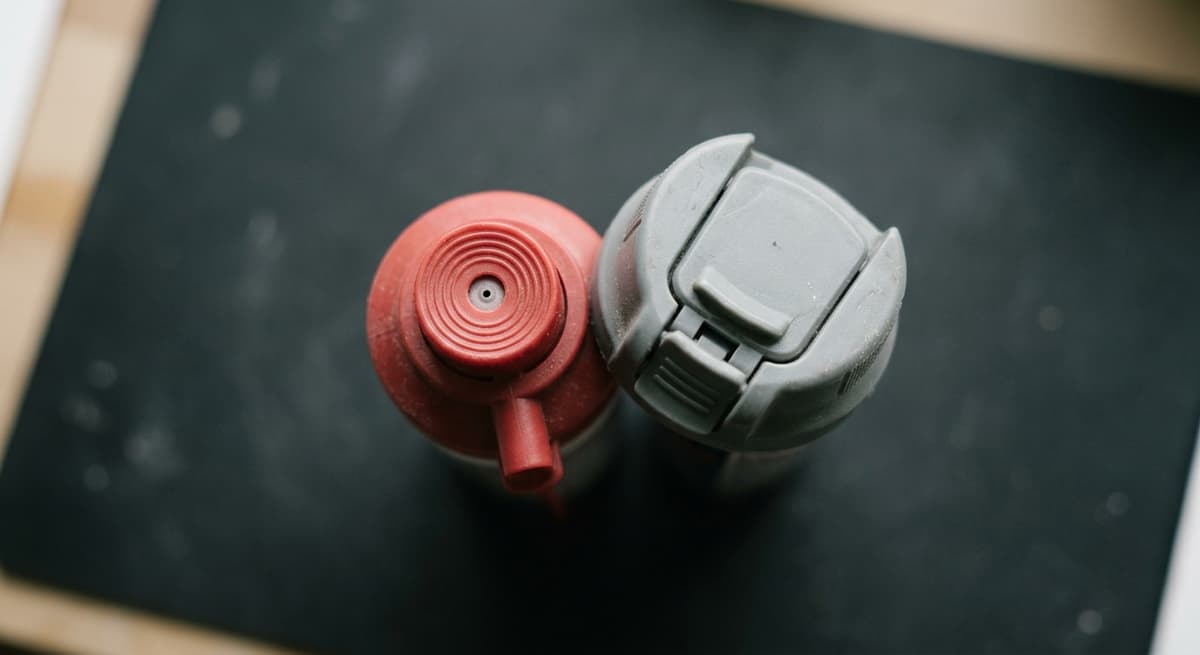
Georgia repeats the same "stun gun or taser" inclusion in its "firearm" definition in several other sections. O.C.G.A. Section 16-11-133 uses it for a 15-year consecutive sentence (life imprisonment on a second conviction) when a person with specified prior convictions, including armed robbery, kidnapping, or rape, possesses one during certain felonies. O.C.G.A. Section 16-5-44.1 (hijacking a motor vehicle) and O.C.G.A. Section 16-10-33 (removing a weapon from an officer) use the identical definition, and O.C.G.A. Section 20-2-751's school-discipline "hazardous object" definition also names a stun gun or taser. Outside these offense-specific reclassifications, Georgia has no general purchase license, carry permit, or age minimum for owning a stun gun or taser.
Georgia's school safety zone rule
O.C.G.A. Section 16-11-127.1 bars carrying a weapon within a school safety zone, at a school function, or on a school bus, and its "weapon" definition names "any stun gun or taser as defined in subsection (a) of Code Section 16-11-106" alongside firearms, knives, clubs, and other listed items. A school safety zone includes property owned or leased by a public or private elementary or secondary school and, separately, by a public or private technical school, vocational school, college, or university.
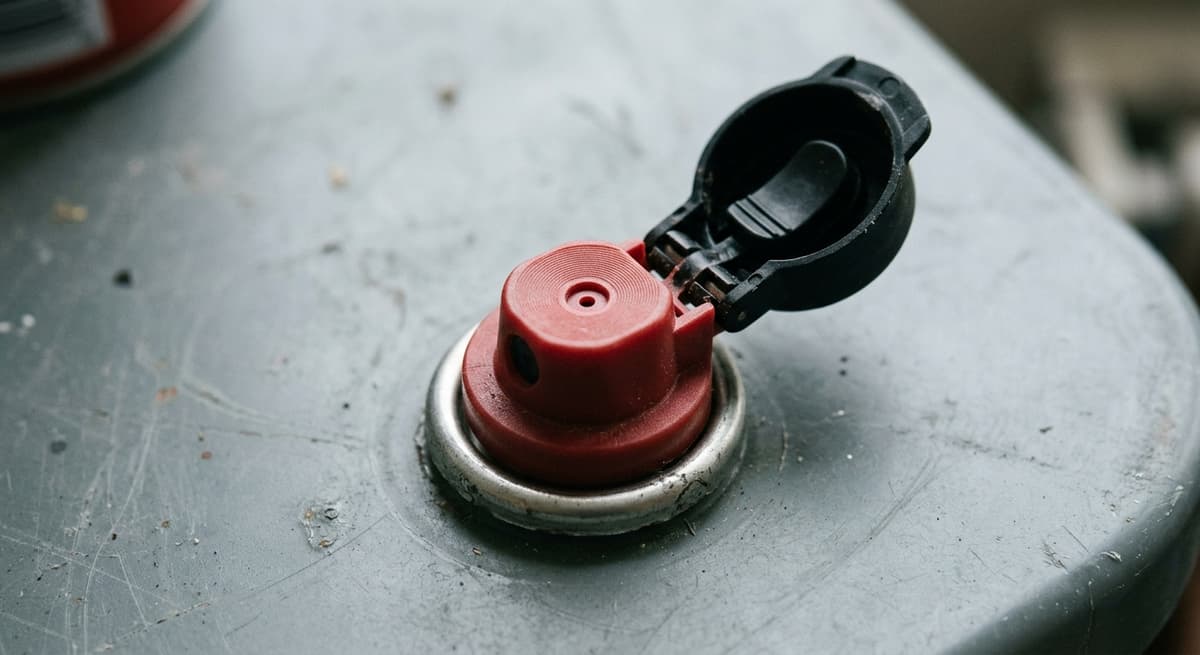
That ban carries a specific exception for stun guns and tasers on public postsecondary campuses. Section 16-11-127.1(c)(19) exempts "any person who is 18 years of age or older or currently enrolled in classes on the campus in question and carrying, possessing, or having under such person's control an electroshock weapon" while on property owned or leased by a public technical school, vocational school, college, or university, provided that any use of the device is in defense of self or others. No comparable exception exists for a K-12 school safety zone: an electroshock weapon carried there falls under the general ban, subject only to the other listed exceptions. One of those, Section 16-11-127.1(c)(7), covers a "lawful weapons carrier" who picks up or drops off a student within a school safety zone, at a school function, or on a bus or other transportation furnished by a school, or who has a weapon legally kept within a vehicle parked or in transit through a designated school safety zone. "Lawful weapons carrier," added to Section 16-11-125.1(2.1) by the 2022 SB 319 school-safety act, means "any person who is licensed or eligible for a license pursuant to Code Section 16-11-129 and who is not otherwise prohibited by law from possessing a weapon or long gun," along with an out-of-state resident who would otherwise qualify but for residency and a person licensed to carry a weapon in another state; that 2022 amendment broadened Section 16-11-127.1(c)(7)'s earlier text, which had required the person to actually hold a Georgia license. Pepper spray is not named in Section 16-11-127.1's "weapon" definition, consistent with the absence of a dedicated pepper spray statute elsewhere in Georgia law.
State preemption of local regulation
O.C.G.A. Section 16-11-173 declares that "the regulation of firearms and other weapons is properly an issue of general, state-wide concern" and, in subsection (b)(1), "except as provided in subsection (c) of this Code section," bars any county, municipal corporation, school district, or other political subdivision or authority of the state, other than the General Assembly, from regulating "in any manner" the "possession, ownership, transport, carrying, transfer, sale, purchase, licensing, or registration of firearms or other weapons." For purposes of this section, "weapon" is defined as "any device designed or intended to be used, or capable of being used, for offense or defense, including but not limited to firearms, bladed devices, clubs, electric stun devices, and defense sprays." Because both pepper spray ("defense sprays") and stun guns ("electric stun devices") are named in this definition, no Georgia city, county, or school district may adopt its own general possession, purchase, or carry rule for the public reaching either device.
Subsection (c) is the exception subsection (b)(1) points to, and it is narrow: it lets a county or municipal corporation "regulate the transport, carrying, or possession of firearms" (which by (f)'s definition includes an electric stun device or defense spray) "by employees of the local unit of government, or by unpaid volunteers of such local unit of government, in the course of their employment or volunteer functions," while leaving a sheriff or police chief solely responsible for regulating their own department's employees, and a district attorney or solicitor-general solely responsible for regulating county employees under their supervision, so long as those regulations comply with state and federal law. That exception reaches only a local government's own workforce; it gives a county or municipality no authority to regulate possession, purchase, or carry of either device by the general public. A person aggrieved by a local government's violation of Section 16-11-173 may sue for actual damages or $100, whichever is greater, plus attorney's fees and expenses of litigation.
Federal law: what it does and does not reach
No federal statute regulates a civilian's purchase or possession of pepper spray or a stun gun. Federal law matters in three places.
Federal buildings. Under 18 U.S.C. § 930(a), whoever knowingly possesses or causes to be present "a firearm or other dangerous weapon in a Federal facility (other than a Federal court facility)" faces a fine, imprisonment of up to 1 year, or both. Subsection (e) sets up to 2 years for a federal court facility, and subsection (b) up to 5 years where the weapon is intended to be used in a crime. Section 930(g)(2) defines the term:
The term "dangerous weapon" means a weapon, device, instrument, material, or substance, animate or inanimate, that is used for, or is readily capable of, causing death or serious bodily injury, except that such term does not include a pocket knife with a blade of less than 2½ inches in length.
The definition names neither device. Whether a particular spray or stun gun is "readily capable of" causing serious bodily injury is a question of fact the statute does not answer. Subsection (d)(3) exempts "the lawful carrying of firearms or other dangerous weapons in a Federal facility incident to hunting or other lawful purposes," and subsection (h) requires notice of the ban to be posted at each public entrance. A "Federal facility" is "a building or part thereof owned or leased by the Federal Government, where Federal employees are regularly present for the purpose of performing their official duties."
Air travel. The Transportation Security Administration's screening rules, which are agency policy rather than statute, bar both devices from carry-on bags. One 4 fl. oz. (118 ml) container of mace or pepper spray is permitted in checked baggage if it has a safety mechanism to prevent accidental discharge, and sprays containing more than 2 percent by mass of tear gas (CS or CN) are prohibited in checked baggage. Tasers, stun guns and other electro-shock weapons may travel in checked baggage only if transported so the device cannot discharge accidentally. Airlines may set stricter rules.
National parks. National Park Service regulations prohibit possessing, carrying or using a "weapon" in a park area except as the regulations provide (36 CFR 2.4(b)(1)). 36 CFR 1.4 defines "weapon" to include an "irritant gas device" and any "weapon the possession of which is prohibited under the laws of the State in which the park area or portion thereof is located."
Disclaimer: This article provides general legal information about Georgia's pepper spray and stun gun laws as of September 2026. It is not legal advice. Consult a lawyer licensed in Georgia for advice about a specific situation.
For a state-by-state comparison, see pepper spray and stun gun laws by state. Georgia's self-defense statutes are covered separately on the Georgia self-defense laws page.
Statutes cited reflect their in-force version as of 2026-09-18. Last updated: 2026-09-18.
Frequently Asked Questions
Is pepper spray legal to carry in Georgia?
Yes. Georgia's weapons chapter and firearm-carry licensing provisions contain no section that regulates civilian possession, purchase, or carry of pepper spray. A state preemption statute, O.C.G.A. Section 16-11-173, also bars any Georgia city, county, or school district from adopting its own restriction. General assault and battery law still applies to misusing it.
Do you need a permit to carry a stun gun or taser in Georgia?
No. Georgia has no general license requirement for owning a stun gun or taser. Several sections, including O.C.G.A. Section 16-11-106(a) and Section 16-11-133, fold stun guns and tasers into Georgia's 'firearm' definition only for the purpose of enhanced sentences when one is possessed during certain crimes, and Section 16-11-127.1 bars carrying one in a school safety zone; none of these creates a standalone purchase or carry license.
What happens if you use a stun gun during a crime in Georgia?
O.C.G.A. Section 16-11-106 treats a stun gun or taser as a 'firearm' for purposes of that section, making it a separate offense to have one on or within arm's reach during the commission of, or attempt to commit, a listed felony against a person, a building or vehicle theft, or a drug-trafficking offense. Conviction adds a consecutive 5-year sentence (10 years on a second or subsequent conviction) to the sentence for the underlying crime, and the sentence cannot be reduced to a misdemeanor. O.C.G.A. Section 16-11-133 adds a separate 15-year consecutive enhancement, or life imprisonment on a second conviction, for a person with specified prior convictions such as armed robbery or kidnapping.
Are stun guns allowed on Georgia school grounds?
It depends on the campus. O.C.G.A. Section 16-11-127.1's school safety zone ban defines 'weapon' to include stun guns and tasers by name, and a K-12 school safety zone has no exception for them. On a public technical school, vocational school, college, or university campus, however, Section 16-11-127.1(c)(19) exempts a person 18 or older, or a currently enrolled student, who carries an electroshock weapon for self-defense.
Can a Georgia city or county pass its own pepper spray or stun gun ordinance?
Not for a general public rule. O.C.G.A. Section 16-11-173(b)(1) preempts counties, municipalities, school districts, and other local authorities from regulating the possession, purchase, sale, carrying, or registration of a weapon in any manner, and defines 'weapon' for this section to include 'electric stun devices, and defense sprays' by name. Subsection (c) carves out one narrow exception: a county or municipality may regulate how its own employees or unpaid volunteers carry one in the course of their local-government duties, but that authority does not extend to the general public. A person harmed by a violating local ordinance may sue for damages and attorney's fees.
Updates
Independently fact-checked against the cited primary sources
The Law Behind This Article
This article rests on the statutory provisions below, held in our own legal record and retrieved from the official source. Tap a section to read the operative text.
Official Code of Georgia Annotated
§ 16-11-106Possession of firearm or knife during commission of or attempt to commit certain crimes.In forcecited in 3 of our articles
(a) For the purposes of this Code section, the term "firearm" shall include stun guns and tasers. A stun gun or taser is any device that is powered by electrical charging units such as batteries and emits an electrical charge in excess of 20,000 volts or is otherwise capable of incapacitating a…
Official text (excerpt) · last checked 2021-08-17 · Read the full text in our law library
Cited in 720 court opinions in our collectionLatest citing opinion in our collection: 2026
Opinions citing this section in our collection:
- Braithwaite v. State (Supreme Court of Georgia 2002, 275 Ga. 884)“…e firearm was used to commit all three murders. Even though OCGA § 16-11-106 must be construed strictly against the…”
- State v. Marlowe (Supreme Court of Georgia 2003, 277 Ga. 383)“…dingly, the starting point must be the statute itself. 2. OCGA § 16-11-106(b) provides, in relevant part, that A…”
- Busch v. State (Supreme Court of Georgia 1999, 271 Ga. 591)“…CARLEY, Justice, dissenting. OCGA § 16-11-106 (b) provides that, upon a defendant’s c…”
Identified automatically from the court opinions citing this section — not a ranking of which case controls.
Also relied on in: Georgia Knife Laws (2026): The 12-Inch Rule Explained, Pepper Spray and Stun Gun Laws by State (2026)
§ 16-11-121Definitions.In forcecited in 2 of our articles
As used in this part, the term: (1) "Dangerous weapon" means any weapon commonly known as a "rocket launcher," "bazooka," or "recoilless rifle" which fires explosive or nonexplosive rockets designed to injure or kill personnel or destroy heavy armor, or similar weapon used for such purpose.…
Official text (excerpt) · last checked 2021-08-17 · Read the full text in our law library
Cited in 8 court opinions in our collectionLatest citing opinion in our collection: 2023
Opinions citing this section in our collection:
- Lewis v. State (Court of Appeals of Georgia 2008, 292 Ga. App. 257)“…as modified has an overall length of less than 26 inches.” OCGA § 16-11-121 (5). In turn, “shotgun” is defined in O…”
- Herrington v. the State (Court of Appeals of Georgia 2015, 332 Ga. App. 828)“…rial court erred by denying him the right 1 OCGA §§ 16-11-121 (5) (pertinently defining “sawed-off sh…”
- Thompson v. State (Court of Appeals of Georgia 1994, 214 Ga. App. 889)“…the State to properly measure e shotgun as required by law. OCGA § 16-11-121 (5) defines a *890 sawed-off shotgun a…”
Identified automatically from the court opinions citing this section — not a ranking of which case controls.
§ 16-11-173(See Editor's notes.) Legislative findings; preemption of local regulation and lawsuits; exceptions.In force
(a)(1) It is declared by the General Assembly that the regulation of firearms and other weapons is properly an issue of general, state-wide concern. (2) The General Assembly further declares that the lawful design, marketing, manufacture, and sale of firearms and ammunition and other weapons to…
Official text (excerpt) · last checked 2021-08-17 · Read the full text in our law library
Cited in 6 court opinions in our collectionLatest citing opinion in our collection: 2023
Opinions citing this section in our collection:
- Knox v. State of Georgia (Supreme Court of Georgia 2023, 316 Ga. 426)“…ting in any manner the possession or carrying of firearms. OCGA § 16-11-173 (a), (b) (1) (2005).6 In 2014, the Gen…”
- GeorgiaCarry. Org, Inc. v. Coweta County (Court of Appeals of Georgia 2007, 288 Ga. App. 748)“…According to the Appellants, this ordinance is preempted by OCGA§ 16-11-173, which is captioned, “[l]egislative fin…”
- GEORGIACARRY. ORG, INC. v. City of Roswell (Court of Appeals of Georgia 2009, 298 Ga. App. 686)“…n of firearms is “an issue of general, state-wide concern.” OCGA § 16-11-173 (a) (l). 2 Except in certa…”
Identified automatically from the court opinions citing this section — not a ranking of which case controls.
Code of Federal Regulations Title 36
§ 1.4What terms do I need to know?In forcecited in 53 of our articles
(a) The following definitions shall apply to this chapter, unless modified by the definitions for a specific part or regulation: Abandonment means the voluntary relinquishment of property with no intent to retain possession. Administrative activities means those activities conducted under the authority of the National Park Service for the purpose of safeguarding persons or property, implementing management plans and policies developed in accordance and consistent with the regulations in this chapter, or repairing or maintaining government facilities. Airboat means a vessel that is supported by the buoyancy of its hull and powered by a propeller or fan above the waterline. This definition should not be construed to mean a “hovercraft,” that is supported by a fan-generated air cushion. Aircraft means a device that is used or intended to be used for human flight in the air, including powerless flight. Archeological resource means material remains of past human life or activities that are of archeological interest and are at least 50 years of age.
Official text (excerpt) · last checked 2026-07-28 · Read the full text in our law library · Verify at ecfr.gov
Cited in 34 court opinions in our collectionLatest citing opinion in our collection: 2026
Opinions citing this section in our collection:
- WildEarth Guardians v. National Park Service (Court of Appeals for the Tenth Circuit 2013, 703 F.3d 1178)“…collect, kill, wound, or attempt to do any of the above.” 36 C.F.R. § 1.4(a). WildEarth argues that because NPS…”
- Nature v. United States (District Court, E.D. California 2017, 250 F. Supp. 3d 634)“…ent, historic, parkway, recreational, or other purposes. 36 C.F.R. § 1.4 . Nature argues that the El Portal Admi…”
- United States v. Knauer (District Court, E.D. New York 2010, 707 F. Supp. 2d 379)“…ng or attempting to take wildlife, except trapping. 36 C.F.R. § 1.4 (a) (in relevant part, reordered for cl…”
Identified automatically from the court opinions citing this section — not a ranking of which case controls.
Also relied on in: Knife Laws by State (2026): Carry Rules, Blade Limits, Penalties, Alabama Pepper Spray and Stun Gun Laws (2026), Alaska Pepper Spray and Stun Gun Laws (2026)
§ 2.4Weapons, traps and nets.In forcecited in 53 of our articles
(a) None of the provisions in this section or any regulation in this chapter may be enforced to prohibit an individual from possessing a firearm, including an assembled or functional firearm, in any National Park System unit if: (1) The individual is not otherwise prohibited by law from possessing the firearm; and (2) The possession of the firearm is in compliance with the law of the State in which the National Park System unit is located. (b)(1) Except as otherwise provided in this section and parts 7 (special regulations) and 13 (Alaska regulations), the following are prohibited: (i) Possessing a weapon, trap or net (ii) Carrying a weapon, trap or net (iii) Using a weapon, trap or net (2) Weapons, traps or nets may be carried, possessed or used: (i) At designated times and locations in park areas where: (A) The taking of wildlife is authorized by law in accordance with § 2.2 of this chapter; (B) The taking of fish is authorized by law in accordance with § 2.3 of this part. (ii) When used for target practice at designated times and at facilities or locations designed and constructed specifically for this purpose and designated pursuant to special regulations.
Official text (excerpt) · last checked 2026-07-28 · Read the full text in our law library · Verify at ecfr.gov
Cited in 26 court opinions in our collectionLatest citing opinion in our collection: 2024
Opinions citing this section in our collection:
- United States v. Masciandaro (Court of Appeals for the Fourth Circuit 2011, 638 F.3d 458)“…motor vehicle within a national park area, in violation of 36 C.F.R. § 2.4(b). He challenges his con- viction on t…”
- Brady Campaign to Prevent Gun Violence v. Salazar (District Court, District of Columbia 2009, 612 F. Supp. 2d 1)“…eady use.” 48 Fed.Reg. 30,252 (June 30, 1983), codified at 36 C.F.R. § 2.4 (a)(2). A similar regulation applied to…”
- United States v. Otis Lofton, United States of America v. Otis Lofton (Court of Appeals for the Fourth Circuit 2000, 233 F.3d 313)“…l Park Service. See 36 C.F.R. § 1.2 (2000); 36 C.F.R. § 2.4 (2000). Lofton’s conviction was affirm…”
Identified automatically from the court opinions citing this section — not a ranking of which case controls.
Also relied on in: Pennsylvania Pepper Spray and Stun Gun Laws (2026), Arizona Pepper Spray and Stun Gun Laws (2026), Arkansas Pepper Spray and Stun Gun Laws (2026)
United States Code Title 18
§ 930Possession of firearms and dangerous weapons in Federal facilitiesIn forcecited in 55 of our articles
Except as provided in subsection (d), whoever knowingly possesses or causes to be present a firearm or other dangerous weapon in a Federal facility (other than a Federal court facility), or attempts to do so, shall be fined under this title or imprisoned not more than 1 year, or both. Whoever, with intent that a firearm or other dangerous weapon be used in the commission of a crime, knowingly possesses or causes to be present such firearm or dangerous weapon in a Federal facility, or attempts to do so, shall be fined under this title or imprisoned not more than 5 years, or both. A person who kills any person in the course of a violation of subsection (a) or (b), or in the course of an attack on a Federal facility involving the use of a firearm or other dangerous weapon, or attempts or conspires to do such an act, shall be punished as provided in sections 1111, 1112, 1113, and 1117.
Official text (excerpt) · last checked 2026-07-28 · Read the full text in our law library · Verify at uscode.house.gov
Cited in 90 court opinions in our collectionLatest citing opinion in our collection: 2026
Opinions citing this section in our collection:
- United States v. Odeh (Court of Appeals for the Second Circuit 2008, 552 F.3d 93)“…f an attack on a U.S. facility in Nairobi, in violation of 18 U.S.C. § 930 (c) (Counts 9-221); murder of U.S. offi…”
- Kawaljeet Tagore v. USA (Court of Appeals for the Fifth Circuit 2013, 735 F.3d 324)“…statutory ban on weapons with blades exceeding 2.5 inches. 18 U.S.C. § 930(a), (g)(2).…”
- Heller v. District of Columbia (Court of Appeals for the D.C. Circuit 2015, 801 F.3d 264)“…universally prohibited from possessing firearms. See, e.g., 18 U.S.C. § 930(a), (g)(1) (unlawful to “knowingly poss…”
Identified automatically from the court opinions citing this section — not a ranking of which case controls.
Also relied on in: Idaho Knife Laws (2026): Carry, Blade Length, Preemption, North Dakota Knife Laws (2026): The 6-Inch Rule and Licensing, California Pepper Spray and Stun Gun Laws (2026)
Search our full record of US law — 2.1 million sections, every state + federal →
Sources and References
- O.C.G.A. 16-11-106 - stun guns/tasers included in 'firearm' definition for this section; enhanced sentence for possession during certain felonies(law.justia.com)
- O.C.G.A. 16-11-121 - 'dangerous weapon' definition (military ordnance only, no chemical or pepper spray reference)(law.justia.com)
- O.C.G.A. 16-11-125.1 - general carry-license 'weapon' definition (knife or handgun only)(law.justia.com)
- O.C.G.A. 16-11-127.1 - school safety zone weapons ban; 'weapon' definition includes stun guns and tasers by name; subsection (c)(19) electroshock-weapon exception on public postsecondary campuses(law.justia.com)
- O.C.G.A. 16-11-173 - state preemption of local weapons regulation, subsection (c) local-employee exception, and 'weapon' definition naming 'electric stun devices, and defense sprays'(law.justia.com)
- O.C.G.A. 16-11-125.1(2.1) and 16-11-127.1(c)(7) - 'lawful weapons carrier' school-safety-zone pickup/drop-off exception, added by 2022 SB 319(gov.georgia.gov).gov
- 18 U.S.C. § 930 - Possession of firearms and dangerous weapons in Federal facilities(law.cornell.edu)
- Transportation Security Administration - What Can I Bring? Pepper Spray(tsa.gov).gov
- Transportation Security Administration - What Can I Bring? Stun Guns/Shocking Devices(tsa.gov).gov
- 36 CFR 1.4 - National Park Service definitions (weapon)(ecfr.gov).gov
- 36 CFR 2.4 - Weapons, traps and nets(ecfr.gov).gov