Montana Medical Recording Laws: Patient Rights, HIPAA, and Consent Rules (2026)
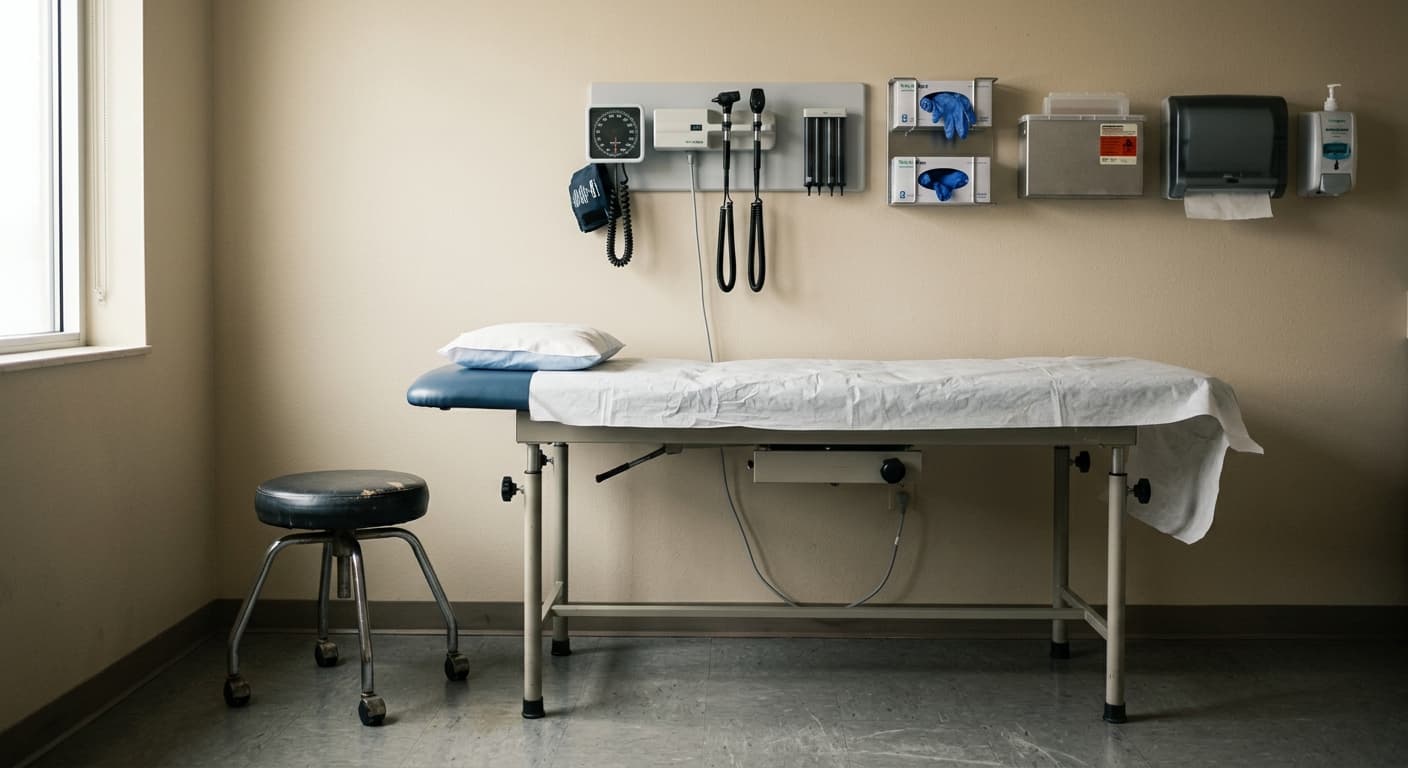
Recording a medical appointment helps patients recall treatment instructions, medication details, and diagnostic information. In Montana, the right to record medical visits is shaped by the state's privacy in communications statute (MCA 45-8-213), the state's strong constitutional privacy protections, federal HIPAA regulations, and individual healthcare facility policies.
Montana's recording law targets recording with hidden electronic or mechanical devices without all-party knowledge. However, the statute includes a distinctive warning exception: if one party announces that recording is taking place, either party may lawfully record. This framework gives patients a practical path to recording medical visits legally, as long as they inform their healthcare provider before starting the recording.
Can Patients Record Medical Appointments in Montana?
The Warning Exception in Medical Settings

Under MCA 45-8-213(1)(c), the key requirement is knowledge, not consent. If you announce to your healthcare provider that you will be recording the appointment, you have satisfied the warning requirement and may proceed with recording. The provider does not need to agree to the recording for you to legally record under this exception.
To use the warning exception in a medical setting:
- Tell your provider at the start of the visit that you intend to record
- Make the announcement clearly so there is no ambiguity
- If additional staff enter the room during the visit, inform them as well
- Begin recording only after giving the warning
Why Patients Record Medical Visits
Research from the National Institutes of Health shows that patients forget a significant portion of medical information shared during appointments. Recording helps patients:
- Review complex treatment plans and prescription instructions later
- Share accurate medical information with family members and caregivers
- Maintain a record of informed consent discussions
- Track changes in diagnoses and treatment over time
- Reduce confusion about follow-up appointments and referrals
What If a Provider Asks You Not to Record?
While Montana's warning exception does not require the provider's agreement, a provider who objects to being recorded may create a difficult situation. If your doctor asks you not to record:
- Explain that the recording is for your personal medical reference
- Acknowledge their concern but note that you have provided the required warning
- Consider whether the recording is worth potential friction in the patient-provider relationship
- Request written summaries of the visit as an alternative
- If the relationship becomes untenable, consider seeking a different provider
From a strictly legal standpoint, the warning exception under MCA 45-8-213 means you can record after giving notice, regardless of whether the provider agrees. However, maintaining a good relationship with your healthcare team is also important for your health outcomes.
Montana Constitutional Privacy and Medical Recording
Article II, Section 10
Montana has one of the strongest constitutional privacy protections in the United States. Article II, Section 10 of the Montana Constitution states: "The right of individual privacy is essential to the well-being of a free society and shall not be infringed without the showing of a compelling state interest."
This constitutional provision influences how courts view medical privacy in Montana. Medical conversations are among the most private communications a person has, and Montana courts give significant weight to privacy expectations in healthcare settings.
How Constitutional Privacy Affects Medical Recording
While the constitutional right to privacy does not override the statutory warning exception, it provides context for how courts may handle disputes:
- A healthcare provider could argue that secret medical recording violates their constitutional privacy right
- A patient who records without giving the required warning faces both statutory and constitutional exposure
- Courts may consider the sensitivity of the medical information when assessing damages in recording disputes
HIPAA and Medical Recording in Montana
What HIPAA Does and Does Not Prohibit
The Health Insurance Portability and Accountability Act (HIPAA) governs how covered entities handle protected health information (PHI). The HIPAA Privacy Rule is found at 45 CFR Part 164.
Key HIPAA principles for medical recording:
- HIPAA does not prohibit patients from recording their own medical visits. The Privacy Rule restricts covered entities, not patients.
- Healthcare providers cannot cite HIPAA to prevent patient recordings. HIPAA does not give providers authority to ban patients from recording.
- Provider-initiated recordings become PHI and must be stored, secured, and handled according to HIPAA requirements.
- Patients have a right of access to their own health information, including recordings the provider maintains.
Provider Recording of Patients
When a Montana healthcare provider records a patient interaction for training, quality assurance, or documentation:
- The provider must obtain written patient authorization under 45 CFR Section 164.508
- The recording becomes part of the patient's medical record
- HIPAA Security Rule requirements apply to storage and access controls
- The provider must include recording practices in their Notice of Privacy Practices
Facility Recording Policies
Many Montana healthcare facilities have their own recording policies. These policies may:
- Require written consent before any recording in clinical areas
- Prohibit recording in specific departments (such as operating rooms or psychiatric units)
- Restrict recording devices in shared patient areas
- Allow recording only for specific educational or therapeutic purposes
A facility policy does not override Montana state law. Even if a facility prohibits recording, a patient who gives the required warning under MCA 45-8-213 is not violating the criminal statute. However, violating a facility policy could result in being asked to leave or being discharged from care.
Telehealth Recording in Montana
Consent Requirements for Telehealth
Telehealth visits are private communications subject to MCA 45-8-213. Whether the visit occurs by video, phone, or messaging platform, the warning exception applies: either party can record after announcing that recording will take place.
Montana expanded telehealth access through legislative action, and the Montana Department of Public Health and Human Services supports telehealth as a way to reach rural communities across the state.
Platform Recording Features
Many telehealth platforms include built-in recording features. Before using these features:
- Confirm that the recording function complies with Montana's warning requirement
- Verify that the platform stores recordings in a HIPAA-compliant manner
- Give a verbal warning before activating the recording function
- Review the platform's terms of service regarding recording retention and ownership
Patient-Initiated Telehealth Recording
If you want to record a telehealth visit using your own device (such as screen recording software), tell your provider at the beginning of the visit that you are recording. This satisfies the warning requirement under MCA 45-8-213. Screen recording a telehealth session without informing the provider would violate the hidden device provision of the statute.
Recording in Hospitals and Clinical Settings
Emergency Rooms and Urgent Care
Recording in Montana emergency rooms and urgent care facilities raises additional privacy concerns. These settings often involve multiple patients in close proximity. Recording may inadvertently capture other patients' conversations and medical information.
Healthcare facilities may restrict recording in shared clinical spaces to protect the privacy of all patients. Even after giving the required warning to your own provider, recording in an area where other patients' protected health information could be captured may create HIPAA issues for the facility.
Mental Health and Behavioral Health Settings
Mental health treatment carries heightened privacy protections under both HIPAA and Montana law. The therapeutic relationship depends on confidentiality and trust. Mental health providers have strong practical reasons to request that sessions not be recorded, even though the warning exception may technically allow it.
Montana's strong constitutional right to privacy (Article II, Section 10) gives additional weight to privacy expectations in mental health settings. Courts may view recording in these contexts with particular sensitivity.
Surgical and Procedural Settings
Recording in operating rooms is typically prohibited by facility policy in Montana hospitals. Reasons include sterile environment requirements, patient vulnerability, and liability concerns. If you want documentation of a surgical procedure, ask the surgical team whether they routinely record procedures and whether you can obtain a copy.
Special Populations and Medical Recording
Recording Pediatric Appointments
Parents and legal guardians can make recording decisions for minor children. If you want to record your child's pediatric appointment in Montana, provide the required warning to the healthcare provider before recording. The same MCA 45-8-213 framework applies.
Recording for Elderly or Disabled Patients
Family members or caregivers accompanying elderly or disabled patients to medical appointments may want to record for the patient's benefit. The person initiating the recording should give the warning to the healthcare provider. If the caregiver has legal authority (such as power of attorney or legal guardianship), they can make recording decisions on behalf of the patient.
Medical Research and Clinical Trials
Medical research involving human subjects in Montana must comply with federal regulations under 45 CFR Part 46 and institutional review board (IRB) requirements. When research involves recording:
- The informed consent process must disclose that recording will take place
- Participants must be able to decline recording without affecting their participation
- Recordings must be stored securely and de-identified when possible
- The IRB must approve the recording protocol before research begins
Penalties for Illegal Medical Recording in Montana
Criminal Penalties
Recording a private medical conversation with a hidden device without giving the required warning violates MCA 45-8-213:
| Offense | Classification | Max Jail | Max Fine |
|---|---|---|---|
| First offense | Misdemeanor | 6 months | $500 |
| Subsequent offense | Misdemeanor | 1 year | $1,000 |
Civil Liability
Montana's constitutional right to privacy (Article II, Section 10) provides a basis for civil claims against individuals who record medical conversations illegally. Victims may pursue tort claims for invasion of privacy, seeking compensatory and potentially punitive damages.
HIPAA Penalties for Providers
Healthcare providers who violate HIPAA by improperly recording or disclosing patient recordings face penalties from the U.S. Department of Health and Human Services Office for Civil Rights:
- Tier 1 (lack of knowledge): $100 to $50,000 per violation
- Tier 2 (reasonable cause): $1,000 to $50,000 per violation
- Tier 3 (willful neglect, corrected): $10,000 to $50,000 per violation
- Tier 4 (willful neglect, not corrected): $50,000 per violation
- Annual maximum: $1.5 million per violation category
Best Practices for Patients and Providers
For Patients
- Give a clear verbal warning before recording any medical appointment
- Use the recording for personal medical reference only
- Store medical recordings securely and do not share them publicly
- Respect facility policies even when the statute may allow recording
- Bring a family member to take notes as an alternative to recording
For Healthcare Providers
- Develop a clear recording policy and include it in intake paperwork
- Train staff on Montana's warning exception and how to respond to recording requests
- Understand that HIPAA does not give you the right to prevent patient recordings
- Document any recording warnings or requests in the patient's chart
- Ensure that provider-initiated recordings comply with both HIPAA and MCA 45-8-213
More Montana Laws
- Montana Sexting Laws
- Montana Recording Laws
- Montana Recording Laws
- Montana Recording Laws
- Montana Child Support Laws
- Montana Car Seat Laws
- Montana Recording Laws
- Montana Statute of Limitations
Explore More Montana Recording Laws
Audio Recording | Video Recording | Voyeurism Laws | Workplace Recording | Recording Police | Phone Call Recording | Security Cameras | Recording in Public | Landlord-Tenant Recording | Dashcam Laws | School Recording | Medical Recording