Virginia Landlords Must Accept Check and Money Order Rent, Cap Payment Fees Under HB 1005 / SB 313 (Effective July 1, 2026)
Independently fact-checked against primary sources (last audited June 25, 2026). · 4 primary sources cited on this page. How we verify our legal content
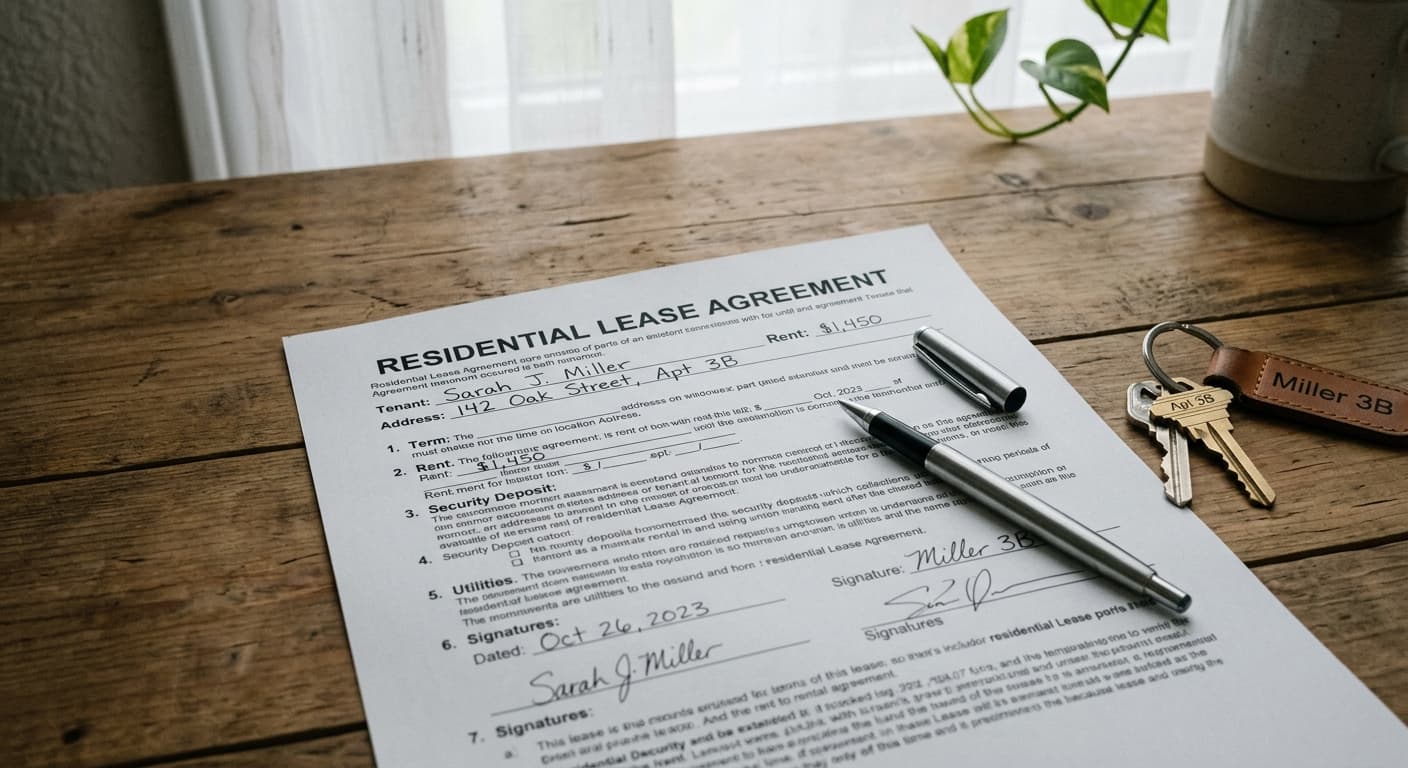
Virginia Landlords Must Accept Check and Money Order Rent, Cap Payment Fees Under HB 1005 / SB 313 (Effective July 1, 2026)
Beginning July 1, 2026, Virginia residential landlords must accept rent and security-deposit payments by check and money order, provide a written receipt on request, keep at least one fee-free payment option, and cap any payment fee at the actual third-party cost, under HB 1005 / SB 313 amending Va. Code 55.1-1204.
Information last verified on June 25, 2026. This is a developing story; we update it as the record changes.
Status: Signed in 2026; takes effect July 1, 2026. As of June 25, 2026 the new payment-method and receipt rules are not yet in force.
Jurisdiction scope: Virginia residential rentals covered by the Virginia Residential Landlord and Tenant Act only. For other states, see our landlord-tenant law hub organized by state.
What Happened
The Virginia General Assembly passed HB 1005 and its identical companion SB 313 during the 2026 Regular Session. Gov. Abigail Spanberger signed the legislation on or about April 13, 2026, and the changes take effect July 1, 2026.
The bills amend and reenact two sections of the Code of Virginia within the Virginia Residential Landlord and Tenant Act (VRLTA): Va. Code 55.1-1204, which governs terms of the rental agreement and payment of rent, and Va. Code 55.1-1208, which governs security deposits. According to the Virginia Legislative Information System bill records, HB 1005 and SB 313 contain the same provisions.
Virginia framed the measure around payment access and fee transparency. The legislation requires landlords to offer more than one way to pay rent and to keep payment costs tied to what processing actually costs, rather than letting a landlord profit from a convenience charge. The same 2026 session separately lengthened the nonpayment notice period; that eviction-notice change is a distinct measure covered in our related coverage of Virginia's 2026 rental-law changes and is not the subject of this article.

What the Law Actually Says (VRLTA, 55.1-1204 / 55.1-1208)
The new duties apply to landlords subject to the VRLTA. Based on the Virginia LIS bill summaries and corroborating reports, the amendments to Va. Code 55.1-1204 and 55.1-1208 impose the following requirements as of July 1, 2026.
Accept check and money order. A covered landlord must accept payment of periodic rent and any security deposit by check and money order, as reported. The practical effect is that a landlord cannot require electronic-only payment, such as a mandatory app or online portal, as the sole way to pay. Whether cash must also be accepted as a payment method, as opposed to cash only triggering a receipt duty, is not stated identically across sources, so tenants and landlords should check the enrolled text on this point.
Written receipt for cash and money order. A tenant is entitled to a written receipt for rent paid by cash or money order. The Virginia LIS summary indicates the enrolled bill removes the prior requirement that the tenant request the receipt and makes it mandatory, as reported; the enrolled text controls. This documents payment for tenants who do not pay through a system that automatically generates records.
At least one fee-free option. A covered landlord must continue to offer at least one payment method that carries no fee. A landlord may still offer paid convenience channels, but a no-cost path must remain available.
Fee cap to actual cost. A landlord may not require a tenant to pay any fee to submit periodic rent or other amounts due that exceeds the actual out-of-pocket expense a third party charges the landlord to process the payment. In short, a processing or convenience fee is limited to pass-through cost.
Maintenance and repair fees. As reported, the same legislation prohibits a landlord from requiring a tenant to pay a fee for maintenance or repair of a dwelling unit unless the repair is necessitated by the tenant's violation of the VRLTA.
The exact statutory placement of each clause within 55.1-1204 versus 55.1-1208 is described at the provision level by secondary sources; the enrolled bill text controls. These payment and fee rules are separate from recording and surveillance questions in rentals, which we cover in our guide to Virginia landlord-tenant recording and surveillance rules.
Analysis: Why This Matters
The following is analysis from the Recording Law Editorial Team.
Virginia is doing two things at once here, and they reinforce each other. The check-and-money-order requirement attacks the access problem: a tenant without a bank account, a smartphone, or a credit card has historically been at the mercy of whatever single portal a landlord chose. The fee cap and the fee-free-option rule attack the cost problem: a tenant who does use an electronic channel should not be funding a markup that the landlord pockets.
The receipt-on-request provision is the quiet workhorse. In disputes over whether rent was paid, the tenant who paid cash or money order has often been the one holding the weaker evidentiary hand. A written receipt shifts that.
Virginia is not alone in tightening landlord process rules this cycle. Other states are revisiting the mechanics of how landlords must communicate and transact with tenants, as in our coverage of Washington's change to eviction-notice service rules. The throughline is procedure: who pays, how, and with what proof.
How This Affects You
For Virginia renters, the general effect is more choice and more documentation. Starting July 1, 2026, you should be able to pay by check or money order, receive a written receipt for cash or money order payments, and use at least one method that carries no fee. A convenience fee, where one applies, should track the processor's actual cost rather than add a profit margin.
For Virginia landlords, the general effect is a compliance update to payment systems and lease terms. That includes making sure a non-electronic payment path exists, that staff can issue written receipts on request, that at least one fee-free channel remains open, and that any processing fee passed to tenants matches documented third-party cost.
This is general information about a Virginia statute, not advice about any specific lease, property, or dispute. The statute text and the enrolled bill control.
What Happens Next
The rules take effect July 1, 2026. Between now and then, the readiness work is operational: lease language, payment-portal configuration, receipt procedures, and fee schedules. Tenants who want to rely on the new options should plan to make requests in writing and keep copies.
If any summary, form, or portal disclosure conflicts with the statute, the enrolled text of HB 1005 / SB 313 and the amended Va. Code 55.1-1204 and 55.1-1208 control. We will update this article as the official Code text is published in updated form and if guidance issues.
Disclaimer: This article is general legal information about Virginia law, not legal advice, and does not create an attorney-client relationship. Statutes and their interpretation can change, and the enrolled bill text and the Code of Virginia control. For advice about a specific lease, payment dispute, or property, consult a licensed Virginia attorney.
Sources
- Virginia LIS, HB 1005 (2026 Regular Session): https://lis.virginia.gov/bill-details/20261/HB1005
- Virginia LIS, SB 313 (2026 Regular Session): https://lis.virginia.gov/bill-details/20261/SB313
- Code of Virginia, 55.1-1204 (payment of rent, VRLTA): https://law.lis.virginia.gov/vacode/title55.1/chapter12/section55.1-1204/
- Code of Virginia, 55.1-1208 (security deposits, VRLTA): https://law.lis.virginia.gov/vacode/title55.1/chapter12/section55.1-1208/
- Williams Mullen, Virginia Enacts New Laws Impacting Residential Landlords: https://www.williamsmullen.com/insights/news/legal-news/virginia-enacts-new-laws-impacting-residential-landlords
- National Low Income Housing Coalition, Virginia adopts new laws addressing rental fees: https://nlihc.org/resource/state-virginia-adopts-new-laws-addressing-rental-fees-while-also-requiring-written-notice
Related articles
- Landlord-tenant law hub, organized by state
- Virginia's 14-day pay-or-quit eviction notice (HB 15 / SB 48)
- Virginia landlord-tenant recording and surveillance rules
- Washington drops the certified-mail rule for eviction notices (HB 2664)
Last updated: 2026-06-25. This is a developing story; details verified as of 2026-06-25.
Frequently Asked Questions
What changes for Virginia landlords on July 1, 2026?
Under HB 1005 / SB 313, covered landlords must accept rent and security-deposit payments by check and money order, provide a written receipt on request, keep at least one fee-free payment option, and limit any payment fee to the actual third-party processing cost, as reported under Va. Code 55.1-1204 and 55.1-1208.
Which Virginia Code sections do HB 1005 and SB 313 amend?
The bills amend and reenact Va. Code 55.1-1204, on payment of rent, and Va. Code 55.1-1208, on security deposits, both within the Virginia Residential Landlord and Tenant Act.
Are HB 1005 and SB 313 different laws?
They are identical companion bills from the 2026 Regular Session and contain the same provisions, according to Virginia LIS records. Gov. Abigail Spanberger signed them on or about April 13, 2026.
Does the law require landlords to accept cash?
Sources uniformly describe the mandated methods as check and money order, and describe a written-receipt duty that covers cash or money order on request. Whether cash itself must be accepted as a payment method is not stated identically across sources, so check the enrolled bill text on that point.
Can a Virginia landlord still charge a convenience fee?
A landlord may not require a fee that exceeds the actual out-of-pocket cost a third party charges to process the payment, and must keep at least one fee-free option available, as reported. A pass-through fee tied to actual cost is permitted.
Am I entitled to a rent receipt in Virginia?
As reported, a tenant is entitled to a written receipt for rent paid by cash or money order once the amendments take effect July 1, 2026; the Virginia LIS summary indicates the receipt is mandatory rather than request-contingent. Check the enrolled bill text on this point.
Does this law change the eviction notice period?
No. The payment-method, receipt, and fee rules are distinct from the 2026 change to the nonpayment notice period, which we cover separately in our Virginia 14-day eviction-notice article.
Is this in effect now?
No. As of June 25, 2026 the rules are signed but not yet in force. They take effect July 1, 2026.
Where is the official text?
See the Virginia LIS bill pages for HB 1005 and SB 313 and the Code of Virginia sections 55.1-1204 and 55.1-1208, linked in Sources. The enrolled text and statute control.
Updates
Independently fact-checked against the cited primary sources
The Law Behind This Article
This article rests on the statutory provisions below, held in our own legal record and retrieved from the official source. Tap a section to read the operative text.
Code of Virginia, Title 55.1: Property and Conveyances
§ 55.1-1204(Effective until July 1, 2027) Terms and conditions of rental agreement; payment of rent; copy of rental agreement for tenantIn force
A. A landlord and tenant may include in a rental agreement terms and conditions not prohibited by this chapter or other rule of law, including rent, charges for late payment of rent, the term of the agreement, automatic renewal of the rental agreement, requirements for notice of intent to vacate or terminate the rental agreement, and other provisions governing the rights and obligations of the parties. B. A landlord shall offer a prospective tenant a written rental agreement containing the terms governing the rental of the dwelling unit and setting forth the terms and conditions of the landlord-tenant relationship and shall provide with it the statement of tenant rights and responsibilities developed by the Department of Housing and Community Development and posted on its website pursuant to § 36-139. The parties to a written rental agreement shall sign the form developed by the Department of Housing and Community Development and posted on its website pursuant to § 36-139 acknowledging that the tenant has received from the landlord the statement of tenant rights and responsibilities. The written rental agreement shall be effective upon the date signed by the parties.
Official text (excerpt) · last checked 2026-07-29 · Read the full text in our law library · Verify at law.lis.virginia.gov
§ 55.1-1208Prohibited provisions in rental agreementsIn force
A. A rental agreement shall not contain provisions that the tenant: 1. Agrees to waive or forgo rights or remedies under this chapter; 2. Agrees to waive or forgo rights or remedies pertaining to the 120-day conversion or rehabilitation notice required in the Virginia Condominium Act (§ 55.1-1900 et seq.) or the Virginia Real Estate Cooperative Act (§ 55.1-2100 et seq.) or under § 55.1-1410; 3. Authorizes any person to confess judgment on a claim arising out of the rental agreement; 4. Agrees to pay the landlord's attorney fees except as provided in this chapter; 5. Agrees to the exculpation or limitation of any liability of the landlord to the tenant arising under law or to indemnify the landlord for that liability or any associated costs; 6. Agrees as a condition of tenancy in public housing to a prohibition or restriction of any lawful possession of a firearm within individual dwelling units unless required by federal law or regulation; 7. Agrees to the payment of a security deposit, insurance premiums for damage insurance, and insurance premiums for renter's insurance prior to the commencement of the tenancy that exceed the amount of two months' periodic rent; or 8.
Official text (excerpt) · last checked 2026-07-29 · Read the full text in our law library · Verify at law.lis.virginia.gov
Search our full record of US law — 2.1 million sections, every state + federal →
Sources and References
- Virginia LIS, HB 1005 (2026 Regular Session) bill details(lis.virginia.gov).gov
- Virginia LIS, SB 313 (2026 Regular Session) bill details(lis.virginia.gov).gov
- Code of Virginia 55.1-1204, payment of rent (VRLTA)(law.lis.virginia.gov).gov
- Code of Virginia 55.1-1208, security deposits (VRLTA)(law.lis.virginia.gov).gov
- Williams Mullen, Virginia Enacts New Laws Impacting Residential Landlords(williamsmullen.com)
- National Low Income Housing Coalition, Virginia adopts new laws addressing rental fees(nlihc.org)