Concerns Notices in Australian Defamation Law: What the Rules Require
A concerns notice is now a mandatory step before suing for defamation in most of Australia. Learn what it must contain, the waiting periods, and where it is not required.

412 articles · page 2 of 7

A concerns notice is now a mandatory step before suing for defamation in most of Australia. Learn what it must contain, the waiting periods, and where it is not required.

The personal and legal effects of Australian bankruptcy: the public NPII record, credit report retention under the Privacy Act, director disqualification, overseas travel and restricted occupations.

The consumer guarantees under the Australian Consumer Law: acceptable quality, fitness for purpose, services guarantees (ss 60-62) and when they apply.

Your rights when a service goes wrong under the ACL: due care and skill, fitness for purpose, reasonable time, and what section 63 excludes.

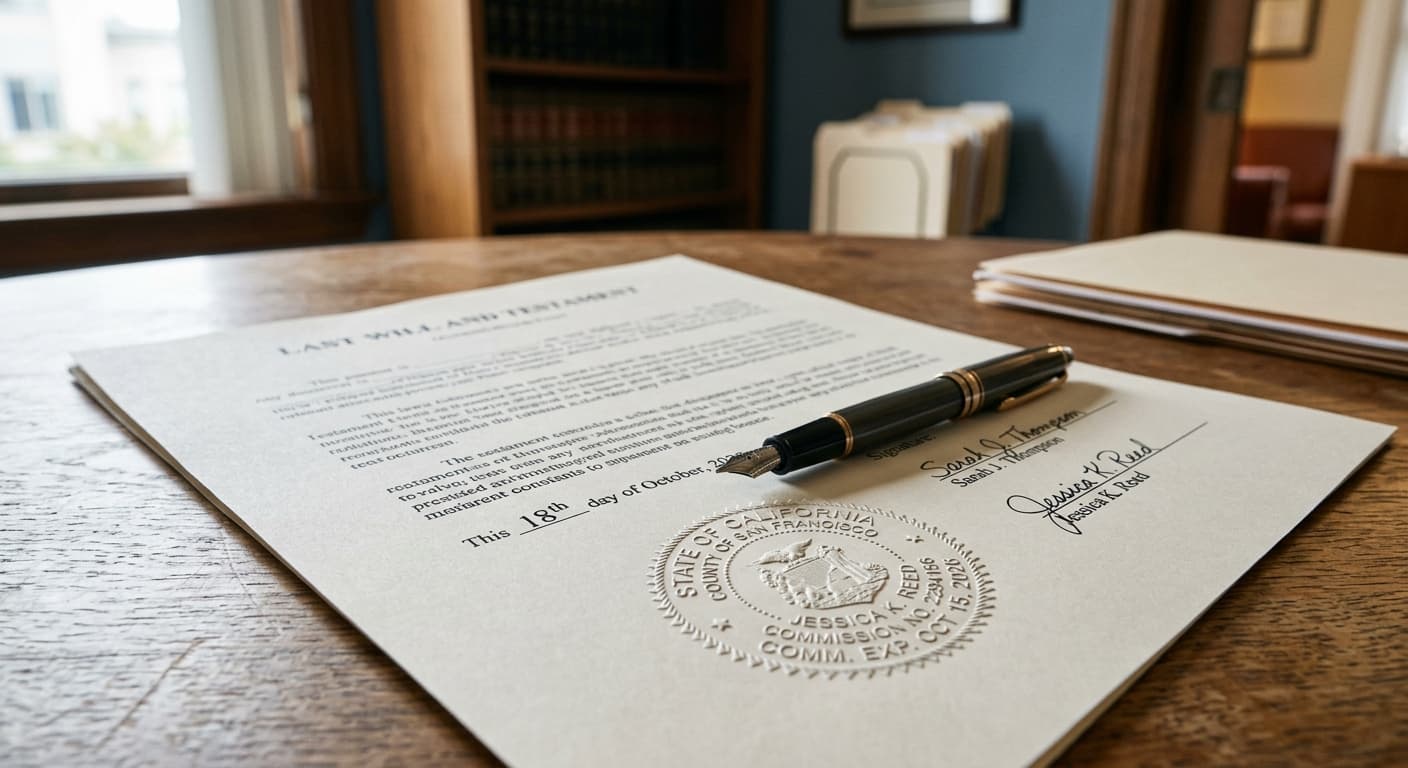
Family provision deadlines in Australia differ in what they run from, not just length. Compare eligibility and time limits for contesting a will in every state.

What happens when a parenting order is breached: the reasonable excuse defence, the order ladder, current penalty unit fines and imprisonment limits under the Family Law Act.

How Corporations Act Part 9.4AAA protects private sector whistleblowers in Australia: eligibility, the 90-day rule, penalties up to $18.2m, and the separate tax regime.

How to find an Australian court judgment or case file: the court hierarchy, what is public by default, and the access rules and fees in NSW, VIC, QLD, WA, SA, TAS, NT and the ACT.

How NSW court records work: the NSW Online Registry versus NSW Caselaw, UCPR rule 36.12 and Practice Note SC Gen 2 for file access, Local Court fees and what stays closed by default.

How to find Queensland court records: eCourts for parties, the non-party inspection process under rules 975G to 975I and Practice Direction 7 of 2025, and where judgments are published.

How to search and inspect South Australian court records through CourtSA and the Registrar: the $30.75 fee, suppression orders, and what stays restricted by default.

Tasmania has no online court-record search portal. How rule 33 access, the $50.96 fee, and Tasmania's suppression and reporting-restriction rules actually work.

How ACT court records work: Court Procedures Rules r2903 registry access, the $51.00 document fee, judgments online since 2002, and why there's no general suppression Act.

How NT court records work: no online case-search portal, Local Court $32.00 and Supreme Court approx $37 inspection fees, and the Evidence Act suppression regime.

How Victorian court records work: RedCrest versus CITEC Confirm, rule 28.05 and Practice Note SC GEN 20 for file access, Supreme Court fees and what stays closed by default.

How to find Western Australia court records: the eCourts Portal's dual role, non-party access under Order 67B, current search and copy fees, and the state's own Family Court.

How an Australian credit provider can list a default, the notice requirements, how long different information stays on your credit report, and how to dispute an error.

There is no general Commonwealth law banning criminal-record discrimination in hiring. See what the AHRC pathway actually offers, why the Fair Work Act does not cover it, and what employers must do under the Privacy Act.

A federal import ban covers five dog breeds. New South Wales and Victoria add breed-based restricted-dog status; Queensland uses a structurally different prohibited-dog system.

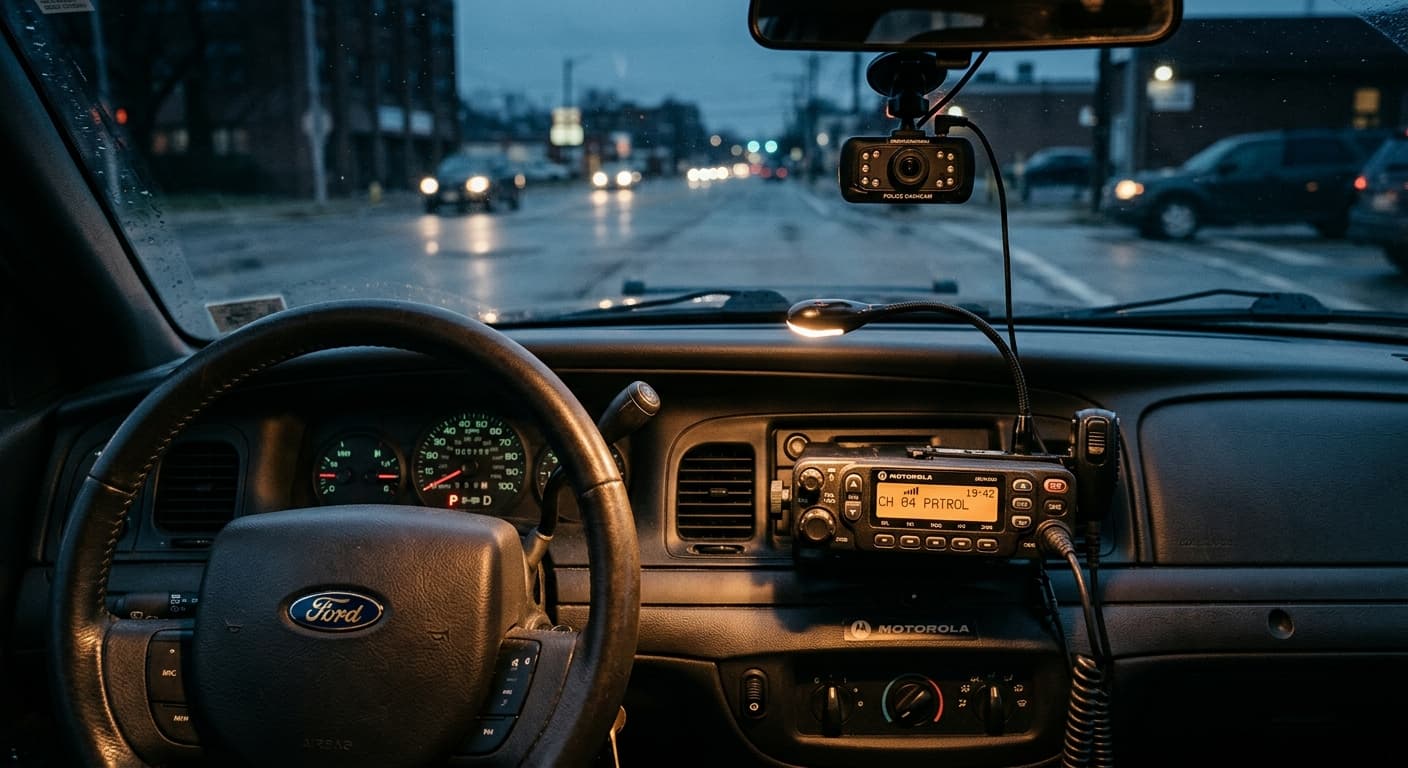
Dash cam video is lawful across Australia, but in-cabin audio rules differ by state. See what's allowed and the risks of posting footage online.

If you're told your data was in an Australian data breach, do the free things first: a credit ban, IDCARE, checking your accounts, before any paid product.

How Australian law defines a de facto relationship, when you can apply for property or maintenance orders, and the strict time limits that apply.

How a Part IX debt agreement works: the single indexed threshold behind the eligibility caps, majority-in-value creditor voting, administrators, term limits and how it compares to bankruptcy.

What debt collectors in Australia can and cannot do under the ACCC and ASIC guideline, Australian Consumer Law section 50, ASIC Act section 12DJ, hardship notices and how to complain.

Deepfake law in Australia by state: when creation alone is a crime, when only sharing it is, penalties, the eSafety takedown scheme, and the real cases so far.

Australia's cap on defamation damages for non-economic loss reached $520,000 on 1 July 2026. Learn how the cap works, and why aggravated damages sit outside it.

Justification, qualified privilege, honest opinion, public interest and more. A full guide to Australian defamation defences, with the section number for each jurisdiction.

South Australia adopted Stage 1 in full but only part of Stage 2. It has no digital intermediary safe harbour, unlike NSW, Victoria, Tasmania and the NT.

Tasmania's defamation reforms commenced 12 November 2021, not 1 July 2021 as widely reported. See the correct date and how Tasmania's Act is structured.

The Northern Territory adopted both national defamation reform stages at once on 11 August 2025. See the new serious harm, concerns notice and intermediary rules.

Western Australia never adopted the 2021 or 2023 defamation reforms. No serious harm threshold, no mandatory concerns notice, and triviality still applies.

Defamation claims in Australia must generally start within one year of publication. Learn how the single publication rule and concerns notices affect that deadline.

Demerit thresholds are not just 12 points, except NSW. Novice thresholds, accrual windows and suspension rules differ sharply by state, verified July 2026.

How Australia's Disability Support Pension works: who qualifies, current fortnightly rates, how to apply, appeal options, and how working, study and NDIS funding fit in.

How dividing fence disputes work in New South Wales: the 1-month notice period, equal cost-sharing default, and the Local Court/NCAT concurrent jurisdiction under s 13.

How dividing fence disputes work in Queensland: the notice-to-contribute process, equal cost-sharing under s 21(1), and applying to QCAT under the Neighbourhood Disputes Act 2011.

How dividing fence disputes work in South Australia: the 30-day cross-notice process and the Magistrates Court powers under the Fences Act 1975.

How dividing fence disputes work in Tasmania: the 21-day objection period and the Boundary Fences Act 1908’s arbitration process, verified against s 26.

How dividing fence disputes work in the ACT: the 30-day wait, 14-day deemed refusal, and ACAT’s cap on a contribution at half the cost of a basic fence.

The Northern Territory does have a dividing fences law: the Fences Act 1972. How notice, the equal-cost default and NTCAT applications work under it.

How dividing fence disputes work in Victoria: the 30-day response period, equal cost-sharing default, and the Magistrates’ Court application process under the Fences Act 1968.

How dividing fence disputes work in Western Australia: the 21-day response period, half-cost claims under s 13, and the Magistrates Court process under the Dividing Fences Act 1961.

How dividing fence disputes work in every Australian state and territory: the Act, the forum, notice periods and cost-sharing rules, compared side by side.

How to apply for divorce in Australia: the 12-month separation rule, FY2026-27 fees, joint versus sole applications, and when it takes effect.

Can a doorbell camera film a neighbour or the footpath in Australia? See the video and audio split, NSW's trespass test, and what a neighbour can do about it.

Australia's federal doxxing offences commenced 11 December 2024. See what sections 474.17C and 474.17D cover, the penalties, and how the privacy tort overlaps.

Australia's 0.05 BAC limit is uniform, but the penalty structure behind it is not. WA and SA use statutory bands, the ACT uses 4 numbered levels. Verified July 2026.

Compare drink driving penalties across Australia's states and territories: first-offence fines, disqualification minimums, interlock triggers and roadside suspension powers.

Australia regulates drones federally through CASA under Part 101 of the Civil Aviation Safety Regulations 1998: altitude, distance from people, populous areas and registration.

CASA regulates drone safety, not privacy. Drone privacy complaints in Australia go to state surveillance law, the OAIC or the new federal privacy tort.

Who qualifies for Australia's Disability Support Pension: the impairment and work capacity test, the blindness pathway, residence rules and the six manifest grant categories.

How overseas travel affects Disability Support Pension payments, when unlimited portability applies, and why NDIS-funded supports exclude a person from Mobility Allowance but never affect DSP itself.

Current Disability Support Pension fortnightly rates, income test, assets test, tax status and Pensioner Concession Card, with as-of dates and indexation cycles.

How to appeal a DSP decision in Australia: internal review, ART review, ART second review under Part 5A, and the limits of Federal Court and Ombudsman avenues.

How Domestic Violence Orders and Personal Violence Restraining Orders work in the Northern Territory, including who can apply, breach penalties in dollars, and interstate recognition.

Queensland's DVO and Peace and Good Behaviour Order compared, plus the new 2026 police protection direction, breach penalties, and weapons licence rules.

E-scooter legality across Australia is not uniform. NSW bans private e-scooters entirely; the NT caps them at 200 watts and 10 km/h. Full state-by-state rules, verified July 2026.

Australia's employee records exemption covers records an employer already holds, not new collection from staff, job applicants, contractors or volunteers.

Compare who can make personal and health decisions on your behalf across every Australian state and territory, from Enduring Guardianship to Advance Health Directives.

Compare enduring power of attorney names, scope and witnessing rules across every Australian state and territory, including Queensland’s single-document approach.